Login
Login
The first plague emerged in Siberia 5,500 years ago and primarily killed children
Around Lake Baikal, in southern Siberia and north of present-day Mongolia, nomadic human groups who lived five millennia ago relied on fishing, hunting, and gathering wild fruits. They were still in the Paleolithic; they had not been exposed to agriculture or the sedentarization that produced the first cities, which spread from the Middle East to Europe. Yet that Eden was thought to be free of two of the burdens that accompanied early human settlements: violence and disease. Perhaps the former; but now we know it was not the case of the latter. Researchers who study ancient pathogens have found in that region the oldest outbreak of plague, a scourge that has haunted humans ever since. As they detail in the prestigious journal Nature, the bacterium that caused it lacked the genes that later gave it enormous virulence, but it was nevertheless capable of killing, especially children.
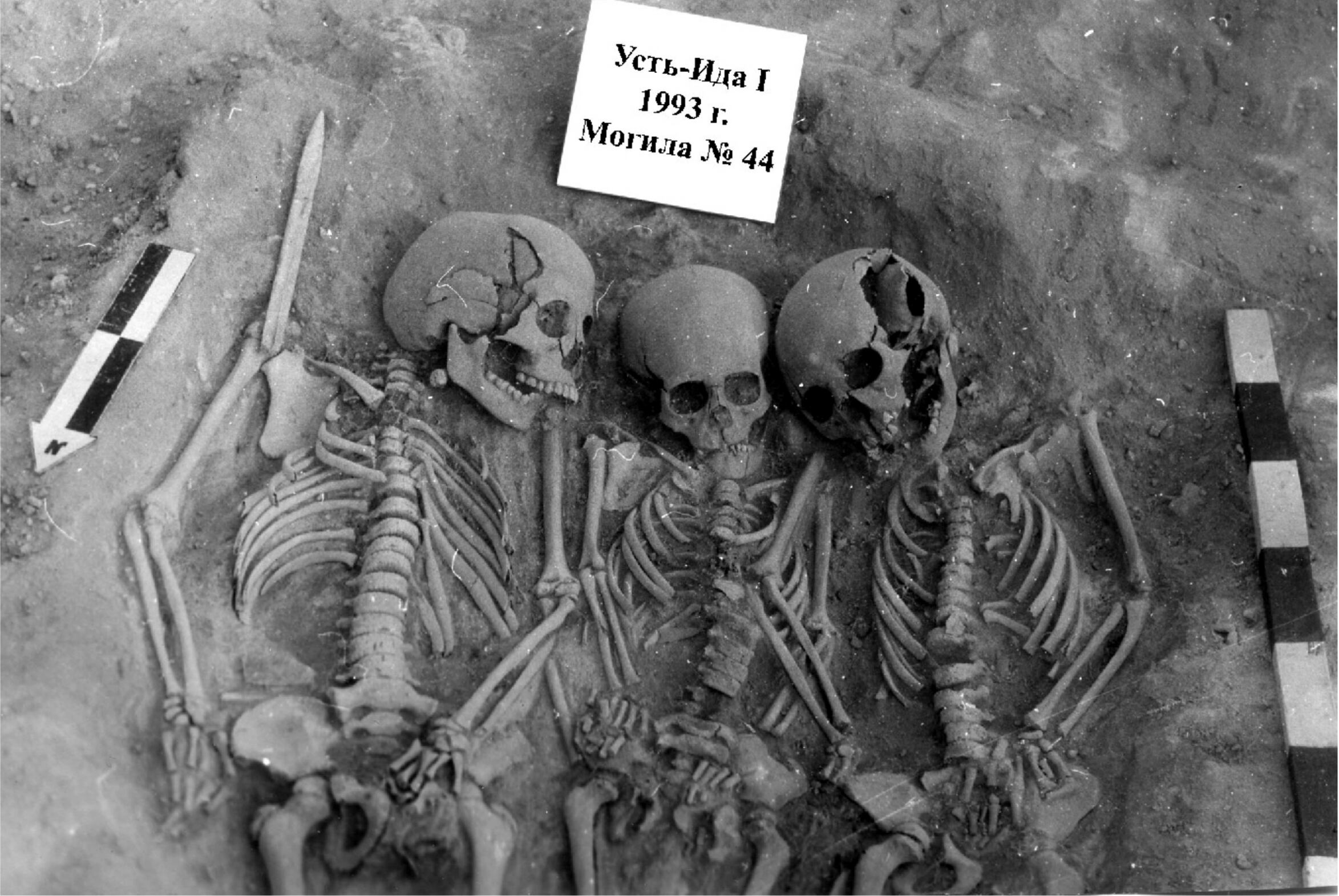
© Vladimiri Bazaliiskii