Reading view

Russia tried to surround Lyman. Now its own salient is getting squeezed.
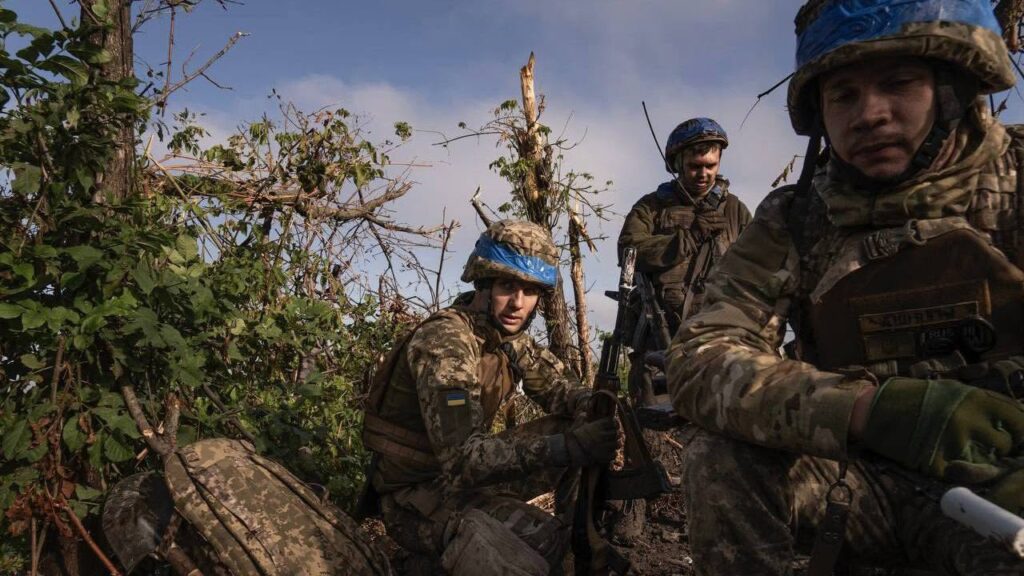
3rd Army Corps troops.

  • Ukrainian counterattacks are spoiling the Russian assault toward the city of Lyman
  • In protecting Lyman, the Ukrainians also protect the nearby twin cities of Kramatorsk and Sloviansk
  • The problem for Ukraine is that there's another route to Kramatorsk and Sloviansk

The city of Lyman, in eastern Ukraine's Donetsk Oblast, stands between Russian forces and their main objectives as Russia's wider war on Ukraine grinds into its 52nd month: the twin cities of Sloviansk and Kramatorsk.

To attack Sloviansk and adjacent Kramatorsk from the north, the Russians must first march through or around Lyman and then travel another 13 km along the T0514 road. But the Ukrainian 3rd Army Corps is doing its best to spoil the Russian attack—by counterattacking behind the lead Russian elements.

It's been a successful strategy for the Ukrainians. Since late May, mappers and analysts have noted evidence of Ukrainian troops marching through the villages of Nove and nearby Katerynivka, 16 km northeast of Lyman. The villages buttressed the northern edge of a Russian-held salient just north of Lyman.

If the Russians had succeeded in extending the salient farther to the west, they may have succeeded in partially surrounding Lyman, potentially putting pressure on Ukrainian supply lines into the city. The Ukrainian counterattacks along the northern edge of the salient around Nove and Katerynivka did to the Russians north of Lyman what the Russians were trying to do to the Ukrainians in Lyman: threaten their supply lines.

All evidence suggests that Ukraine has advanced further than any map currently depicts north of Lyman. Russians say Ukraine has captured towns and other areas that were once firmly held are now contested. I try to keep my map to only verified facts so I am far more conservative. pic.twitter.com/Wx22pncLLk

— Andrew Perpetua (@AndrewPerpetua) June 10, 2026

Now the Russians are reeling and Ukrainian troops are pushing back against the westernmost edge of the salient. Analyst Andrew Perpetua claimed he logged Russian social media posts, which he explained have since been deleted, that purportedly indicated meaningful Ukrainian advances at multiple points around the tip of the salient.

"All evidence suggests that Ukraine has advanced further than any map currently depicts north of Lyman," Perpetua wrote. "Russians say Ukraine has captured towns and other areas that were once firmly held are now contested."

The Ukrainian attacks on the salient north of Lyman are good news for the overall Ukrainian defense not just of Lyman, but also of Sloviansk and Kramatorsk. Preventing an encirclement of Lyman could forestall a Russian advance past the city—and delay or block a northern assault on Sloviansk and then Kramatorsk.
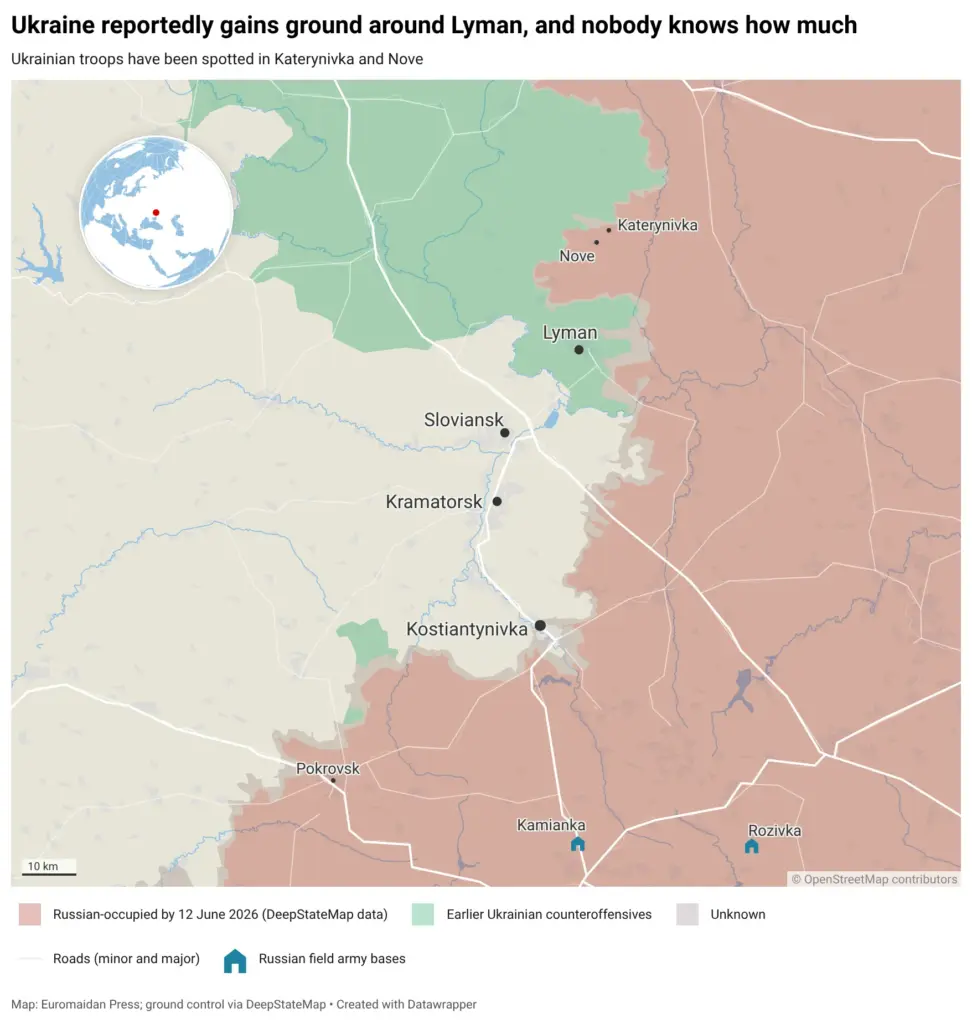
Map lyman sloviansk kramatorsk
The situation around Lyman as per deepstatemap does not show the latest Ukrainian advances. Map: Euromaidan Press

Southern approach

That doesn't mean the Russians won't march on Kramatorsk and Sloviansk from another direction. Having occupied the ruins of Pokrovsk and neighboring Myrnohrad early this year, the Russians are now staging for a southern assault toward Kramatorsk and then Sloviansk.

But the most direct route, along the H-20 highway, is blocked by the Ukrainian garrison in Kostiantynivka, 15 km south of Kramatorsk. Here, the Russians are enjoying much greater success than they are around Lyman. Successfully pushing the disputed gray zone north until it fully encompassed Kostiantynivka, the Russians can now infiltrate the city from several directions.

"There are a number of positive trends on the battlefield for Ukraine compared to 2025 (and advances in some directions), but the situation in Kostiantynivka is still deteriorating," noted Rob Lee, an analyst with the Foreign Policy Research Institute in Philadelphia.

According to mapper Clément Molin, the most optimistic scenario for Russia is that its forces occupy Lyman and Kostiantynivka this summer, possibly allowing the Russians to lay siege to Kramatorsk and Sloviansk by the end of the year.

Ukraine’s FATUM crews destroyed Russian equipment on the Lyman axis, one of the front’s most intense sectors. Losses included a Grad MLRS, artillery tractor, ground robotic platform and self-propelled gun, while Troika operators hit several vehicles. #Ukraine pic.twitter.com/e91jLg2J9P

— NOELREPORTS 🇪🇺 🇺🇦 (@NOELreports) June 10, 2026

But Lyman holds thanks in part to those counterattacks and Kostiantynivka is "holding longer than thought," Molin noted. So the optimistic scenario for Russia may be slipping away.

That means the pessimistic scenario for Russia is increasingly likely. In that scenario, Molin explained, the Russians capture Lyman too late to lay siege to Kramatorsk and Sloviansk this year. "That's what is currently happening," Molin concluded.

For Ukraine, even delaying a Russian siege of Kramatorsk and Sloviansk represents a major win. Time means opportunity, and Ukrainian drone forces have been seizing the opportunity to intensify their attacks on Russian supply lines all across occupied Ukraine.

The counterlogistics campaign could reshape the entire battlefield in the coming months. For Russia, Kramatorsk and Sloviansk are realistic objectives right now, even if it takes another six months for Russian forces to reach the twin cities. That could change as Ukraine continues fraying Russian supply lines.
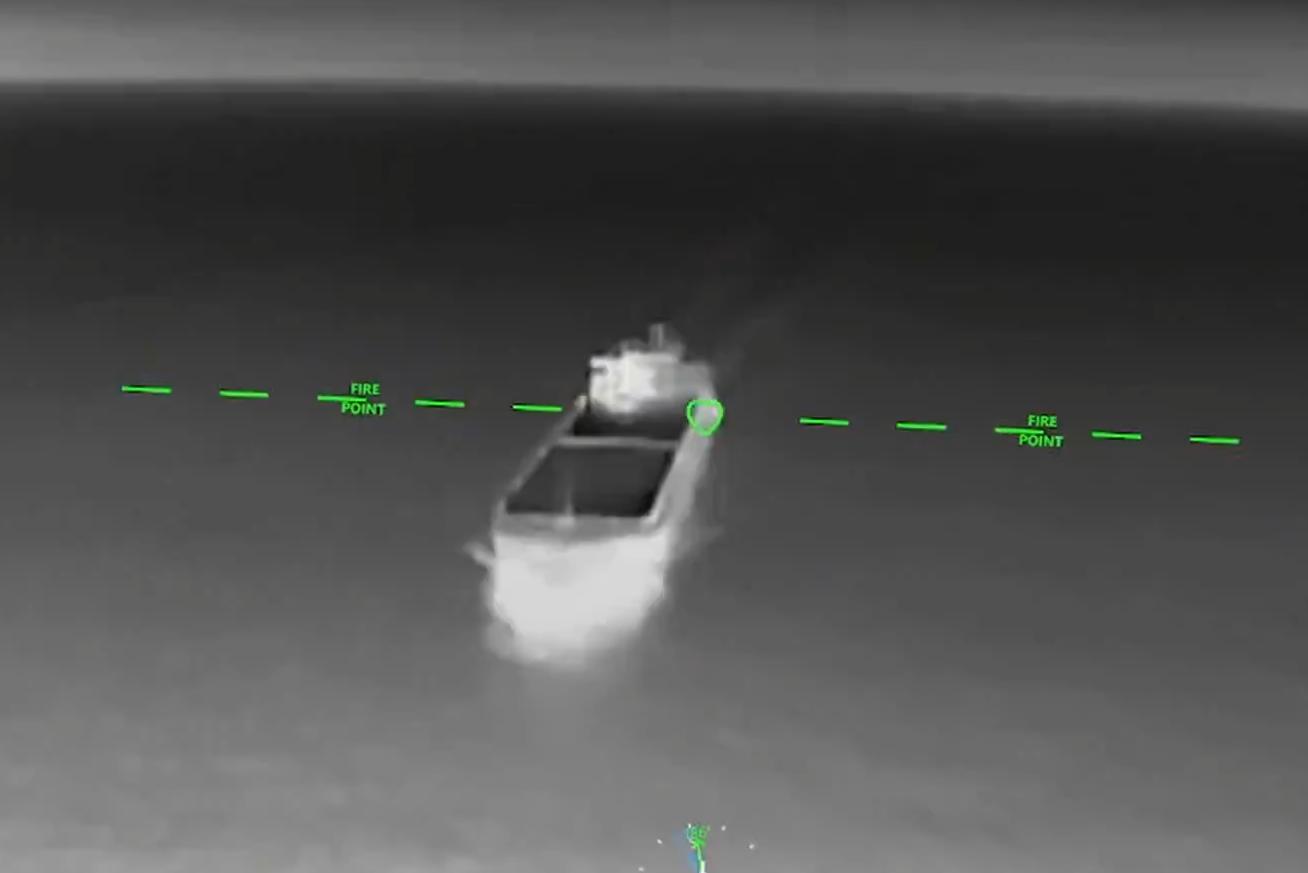

An FP-1 barrels toward a Russian ship.
Explore further

Ukraine is droning Russian ships. The goal: to create supply bottlenecks on land.

  •  

Ukraine’s drones now have Russian convoys riding out with four gun trucks and a prayer

A Ukrainian mobile fire team with a mounted machine gun patrols a rural area to hunt incoming Shahed drones.

  • Ukraine's middle-strike drones are forcing Russian commanders to reroute and harden their supply convoys
  • Now some Russian truck convoys are rolling out with air defense gun trucks as escorts
  • Can the Russian gunners shoot down enough drones to make a difference?

Russian logisticians are desperately scrambling to save their truck convoys from Ukrainian drones. Besides rerouting convoys away from the most vulnerable highways, some commanders are also deploying mobile gun teams to escort the cargo trucks.

Whether those gun teams can shoot down enough drones to turn the tide of the escalating logistics war remains to be seen. How high the drones fly before they strike could make all the difference.

This spring, Ukrainian drone units launched an intensive campaign of strikes targeting the thousands of Russian trucks that, every day, shuttle supplies and reinforcements from depots deep in the rear area to front-line field armies. The aim: to weaken Russian regiments before they can launch an assault across the gray zone.

"We are launching a 'logistics lockdown' for the Russian army," Ukrainian defense minister Mykhailo Fedorov announced. "We are scaling middle-strike operations to systematically destroy enemy logistics and supply lines, stripping them of their capacity to mount offensive actions."

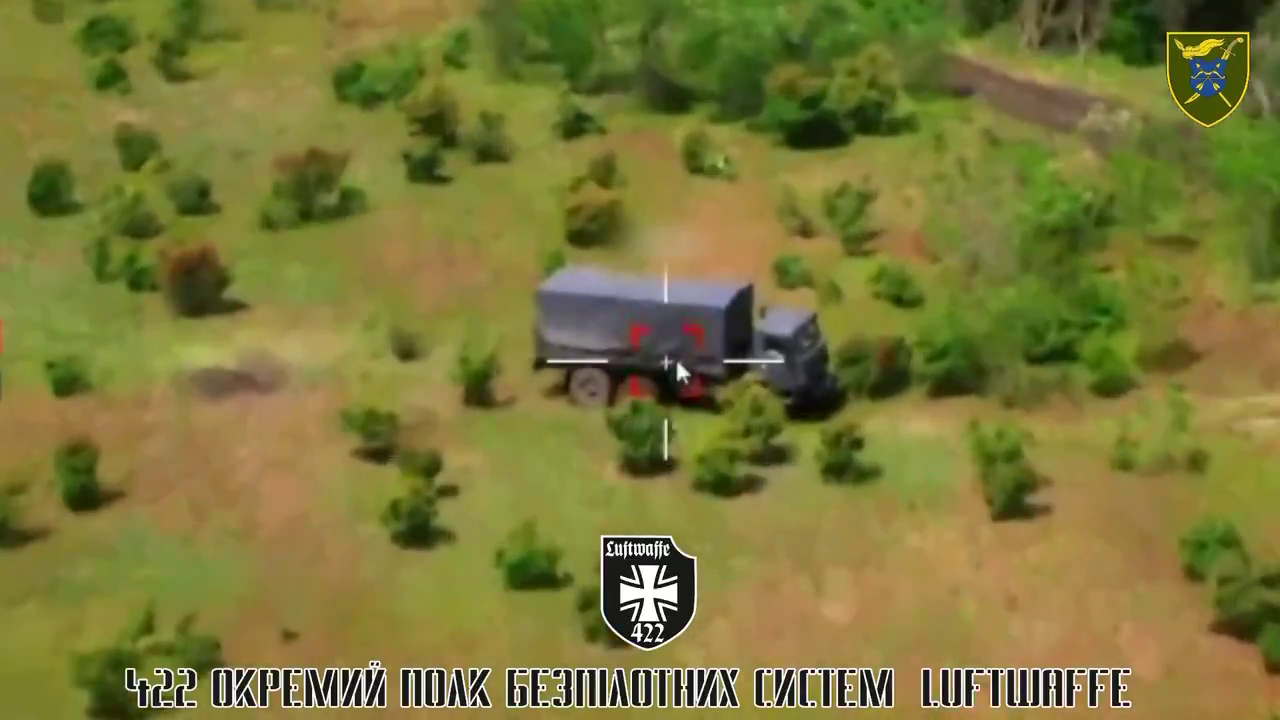
A Russian truck under drone attack near Chernihivka.
Explore further

Russia keeps four field armies fed through three southern towns. Ukraine’s drones just arrived.

The counterlogistics campaign, mostly carried out by Ukrainian drone units flying jam-resistant middle-strike drones with AI-assisted targeting—the $5,000 Swift Beat Hornet is one of the most common—initially targeted convoys traveling along the most obvious routes, including the west-to-east M-14 highway connecting southern Russia to occupied Crimea. The M-14 is the Ukrainian portion of the wider European E-58 highway.

By late May, the Ukrainian defense ministry was tallying hits on nearly 500 Russian trucks every day, a ninefold increase on the overall average of daily truck strikes since Russia widened its war on Ukraine in February 2022. Just 3,500 Russian cargo trucks plied the M-14 every day, so the losses were significant. For now, the Kremlin is able to make good its truck losses by redeploying vehicles from the active fleet.

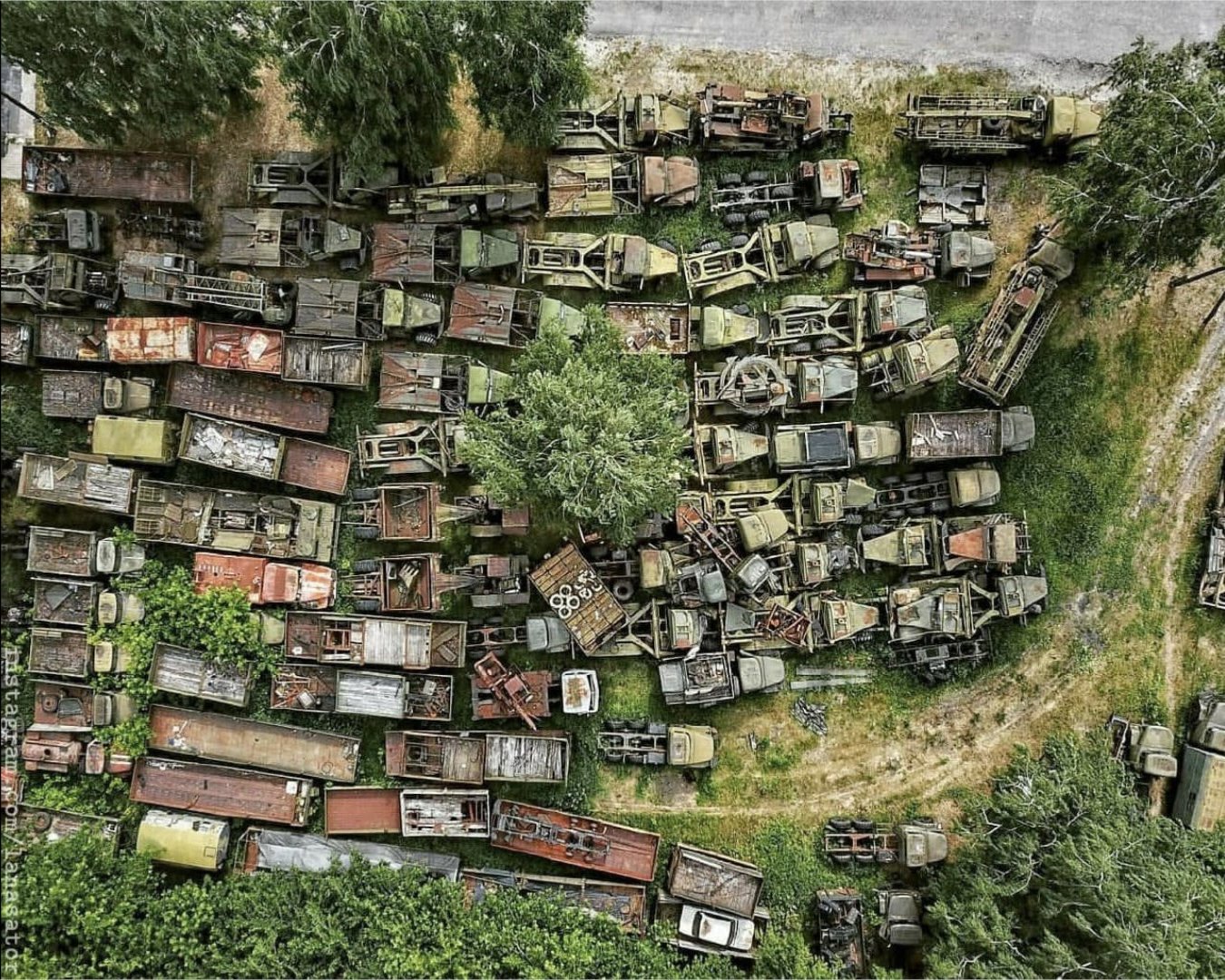
But soon, it may have to tap the tens of thousands of older trucks sitting in long-term storage. And those decades-old trucks are in pretty bad shape. "Most of them are scrap metal husk, utterly impossible to reactivate," analyst Jompy noted.

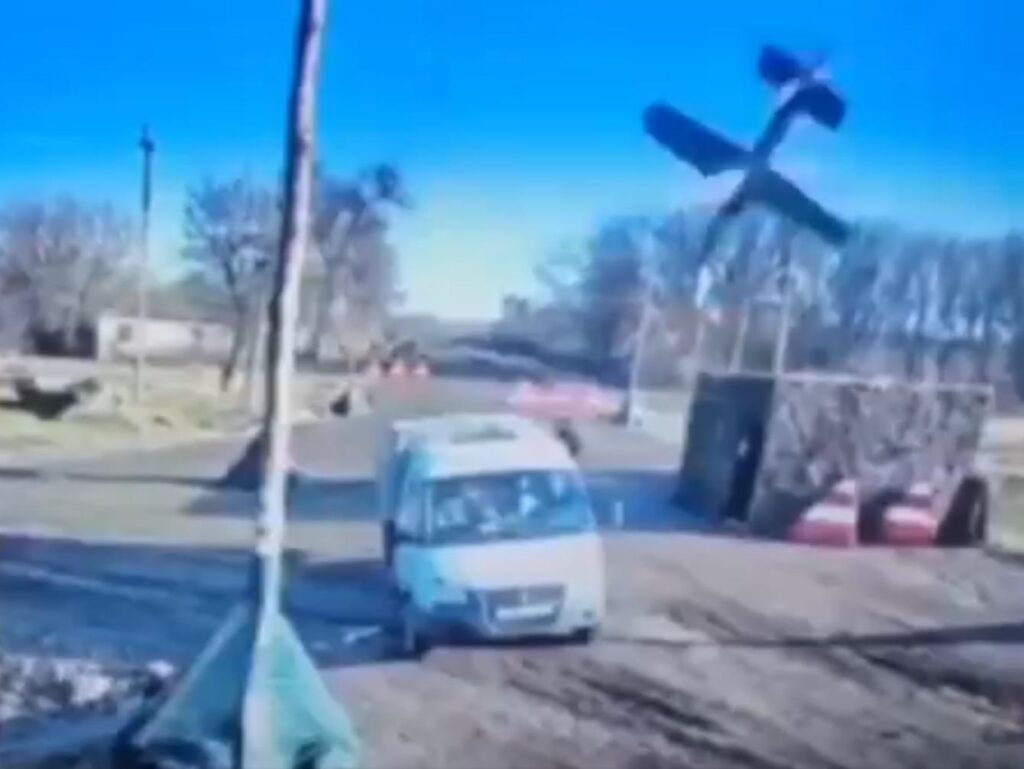
A Ukrainian Hornet drone about to strike a buhanka.
A Ukrainian Hornet drone about to strike a buhanka. Via WarTranslated.

Hardening the convoys

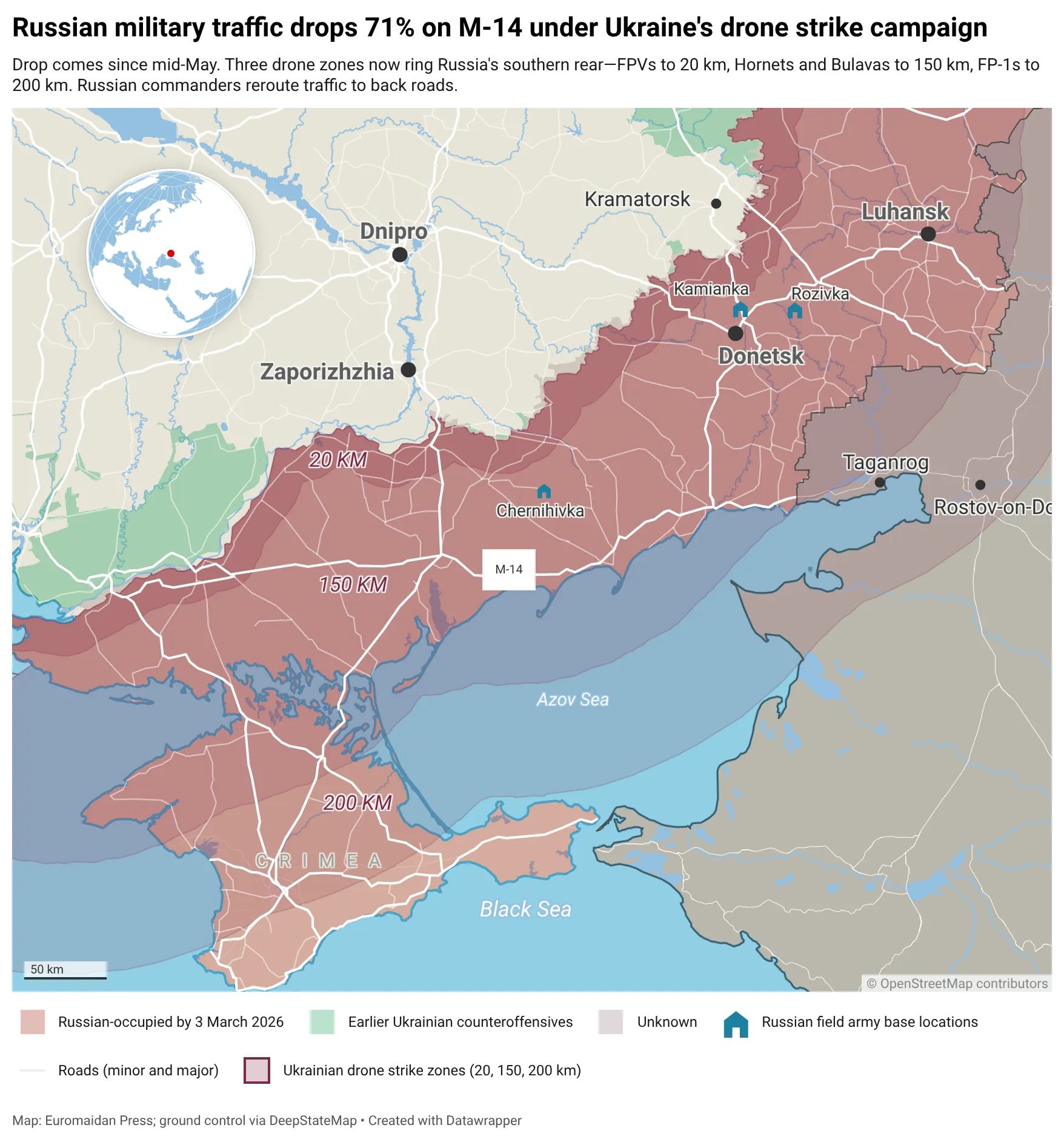
Clearly realizing they can't sustain the loss of 500 trucks a day, Russian commanders are getting creative. They've begun rerouting trucks away from the M-14 and sending them along back roads instead in order to spread them out and complicate the Ukrainians' drone sortie planning. Military traffic along the M-14 has dropped by 71% since late May as trucks follow alternate routes to forward bases, according to Robert Brovdi, commander of the Ukrainian Unmanned Systems Forces.

M-14 Ukraine counterlogistics campaign
Map: Euromaidan Press

But the Russians are also arming the truck convoys, which previously traveled without any defensive weapons. Observer Kim Hovik claimed they recently saw videos depicting Russian convoys that included as many as four trucks and utility vehicles carrying gunners.

Guns aren't the best defenses against drones, but the Russians don't have many other options. Electronic warfare systems that scramble drones' control signals don't work against drones with self-contained AI targeting systems that can spot and home in on trucks without any input from a remote operation.

And Russia's longer-range air defense systems, its fixed and mobile surface-to-air missile systems, have been ravaged by a parallel Ukrainian drone campaign specifically targeting air defenses. Between June 2025 and March 2026, Ukrainian drones blew up more than 400 radars and SAM systems: far more than Russia can replace in just nine months.

How well the gunners work against Hornets and other Ukrainian drones might depend on how high the drones fly while patrolling for trucks. Ukraine's own mobile gun teams were effective against Russian Shahed drones until the Shaheds began flying thousands of feet in the air. Now the Ukrainian gunners are "largely ineffective," according to a Ukrainian electronic warfare officer who goes by "Alchemist."

It's unclear how high a Hornet drone can cruise while still effectively scanning for trucks. Higher flights might be necessary, however. Ukrainian drone forces must adapt to Russian adaptation as the counterlogistics drone war grinds on.

Stored Russian trucks.
Explore further

Russia is losing so many trucks it’s now eyeing Cold War scrap

  •  

Ukraine is droning Russian ships. The goal: to create supply bottlenecks on land.

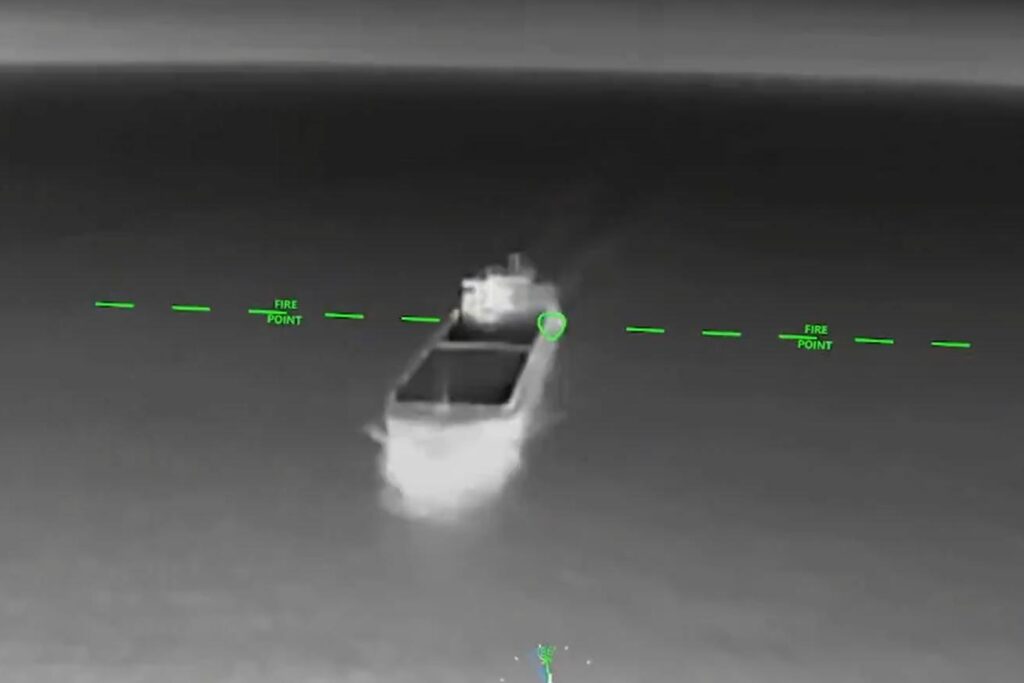
An FP-1 barrels toward a Russian ship.

  • Ukraine's drone campaign targeting Russian logistics is moving to sea
  • Ships carry supplies between Russia and occupied southern Ukraine
  • Striking the ships can force more supplies to move over land in vulnerable trucks

One-way attack drones from Ukraine's Unmanned Systems Forces struck five Russian cargo ships on the Sea of Azov on 5 June.

The strikes, which left at least one ship a burned-out hulk, are a kind of corollary to Ukraine's escalating campaign of middle-distance strikes on Russian supply lines on land in occupied territories. Aiming to weaken Russian regiments before they can attack across the disputed gray zone, Kyiv's drone units aren't only hitting trucks and vans on land—they're also hitting ships at sea.

"There's a method to the madness here," Ukraine Control Map explained. "Take out the ships, force Russia to use more trucks, more logistic bottlenecks." Then hammer the bottlenecks with drones.

The ultimate goal is to make it more difficult for the Kremlin to resupply and reinforce its 700,000 troops in occupied Ukraine. It's cheaper and easier to defeat an attack before it even begins by starving the attacking troops of food, fuel, batteries, ammunition and other vital supplies.

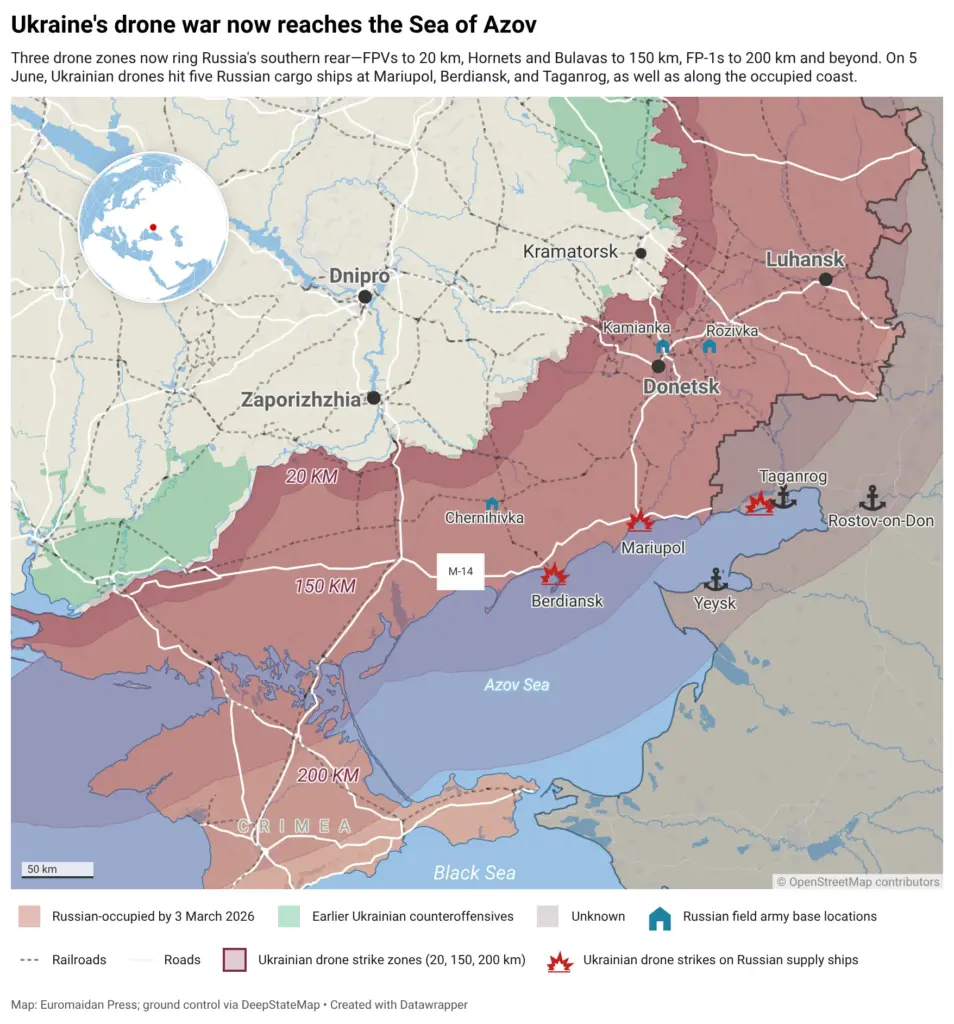
The ships the USF hit with Fire Point FP-1 drones on 5 June were spread out across a wide area. They were in occupied Mariupol and Berdiansk and along the coast of occupied Ukraine — the same Berdiansk port where Ukrainian drones struck a Russian munitions cargo ship on consecutive nights at the start of June.

What they had in common was their disguise. Civilian-owned but allegedly illegally working on behalf of sanctioned Russian entities, the ships sail without obvious markings or easily tracked radio transponders. There could be scores of such ships plying the Black Sea on Russia's behalf every day.

Two of the ships hit on 5 June, the dry cargo vessels Natra and Zirkon, were inbound from Türkiye to Rostov-on-Don when Ukrainian drones struck them in Taganrog Bay—empty, heading to load grain at a port Western governments and Ukraine identify as a transit hub for grain looted from occupied Ukrainian territory. Five Azerbaijani crew members on private contracts were killed and three wounded, Azerbaijan's foreign ministry said. Brovdi didn't address the deaths.

Telling apart a ship hauling Russian military fuel from a ship empty and heading to pick up looted grain is the kind of distinction that's hard to make from a drone's-eye view.

Ships that can haul thousands of tons of supplies every trip are much more efficient than trucks that can haul just a few tons apiece. Cargo ships can't deliver supplies to inland forces, of course, but they can move cargo between ports in southern Russia and ports in occupied Ukraine, bringing that cargo as close as possible to the gray zone before trucks must take over the shipping effort.

ukraine's drones now strike ports in occupied Ukraine
Map: Euromaidan Press

A thick-skinned ship is a tougher target than a thin-skinned truck, of course. But Ukraine's FP-1 drones carry a 100-kg blast-fragmentation warhead, with a TNT main charge boosted by the more powerful OKFOL explosive. The combination throws fragments outward and starts fires inside the target—the same mechanism that left the corvette Boikiy burning for hours at Kronstadt on 3 June.

🚢🔥 The destroyed cargo ship CIRCON (IMO 8887519), targeted by Ukraine’s Unmanned Systems Forces in the Sea of Azov several days ago. https://t.co/0Xpc3K9XXf pic.twitter.com/KI1PCzsjKf

— Special Kherson Cat 🐈🇺🇦 (@bayraktar_1love) June 8, 2026

Sitting duck trucks

Russia's thousands of military supply trucks are already squarely in the crosshairs of Ukrainian drone units. Since launching their coordinated counterlogistics campaign this spring, the Ukrainians have increased their monthly truck strikes nearly tenfold, from around 60 per month to nearly 500, as per the Ukrainian general staff.

But a comprehensive assault on Russian logistics requires raids on sea traffic, as well. That effort may have begun in earnest on 5 June. "Cargo ships and tankers with their names painted over by Black Sea looters and their transponders switched off, used for the quiet theft of Ukrainian grain and the transport of military cargo and fuel, can no longer count on either long service lives or uninterrupted schedules," the 414th Unmanned Strike Aviation Brigade crowed.

If they can disable enough ships, the Ukrainian drone teams may compel Russian logisticians to shift more supplies by land. To reach Russian regiments in southern and eastern Ukraine, those supplies normally travel east to west along the M-14 highway that runs close and parallel to the Black Sea coast.

That highway and connecting roads have become a kill zone for Russian trucks as more FP-1, FP-2, Hornet and Bulava drones take to the sky, increasingly unbothered by Russia's collapsing air defense network. Ukrainian industry now churns out tens of thousands of middle-strike drones every month, some for as cheaply as a few thousand dollars apiece.

The Russians are trying to find alternate routes that avoid the most heavily droned roads, but once a truck gets close to its destination, it has no choice but to follow a dwindling number of paths. Ukrainian intelligence knows where the Russians' main divisional bases are; they know the trucks must eventually turn into these bases. The near approaches are now becoming kill zones alongside the M-14 and other main roads.

It'll take many more strikes on Russian ships to seriously dent the sea logistics and force more supplies onto land routes. But the effort is underway. "The occupier's smuggling logistics must be stopped," the 414th Unmanned Strike Aviation Brigade explained.

A Russian truck under drone attack near Chernihivka.
Explore further

Russia keeps four field armies fed through three southern towns. Ukraine’s drones just arrived.

  •  
❌