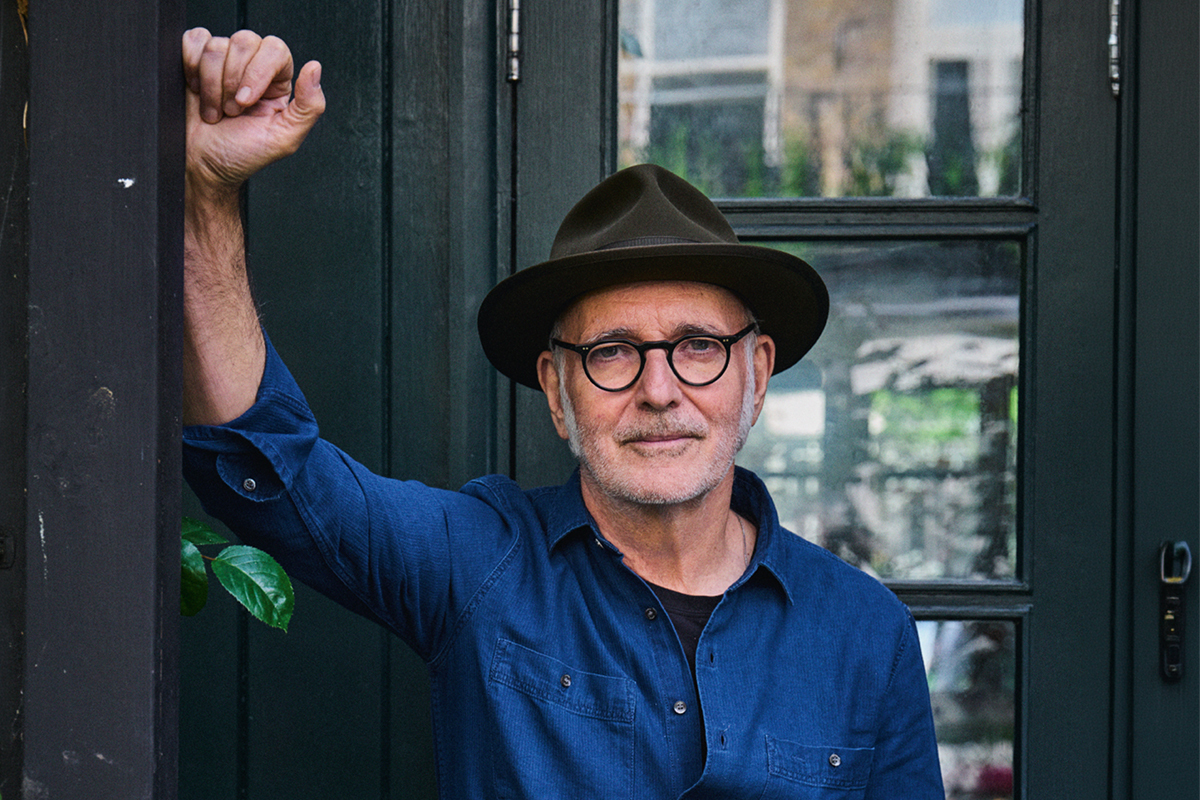
Convertido en el compositor clásico más escuchado de la era del 'streaming', Ludovico Einaudi vuelve a los paisajes de su infancia en 'The Summer Portraits', el álbum que impulsa su nueva gira mundial Leer
Convertido en el compositor clásico más escuchado de la era del 'streaming', Ludovico Einaudi vuelve a los paisajes de su infancia en 'The Summer Portraits', el álbum que impulsa su nueva gira mundial
Los monumentos se transforman en templos de la música. De la intimidad del Bal y Gay, pasando por el zapateado de Israel Galván, el verano abraza la excelencia artística Leer
Los monumentos se transforman en templos de la música. De la intimidad del Bal y Gay, pasando por el zapateado de Israel Galván, el verano abraza la excelencia artística
Mendelssohn, compositor, pianista e maestro alemão, não hesitou em afirmar que “a grande música exprime a voz interior do espírito humano, uma realidade simultaneamente próxima e distante. Com três acordes posso fazer-vos sentir muito mais do que com trezentas palavras. É uma chave para penetrar no interior do ser humano e conhecer melhor o seu mistério.”
Desconhecemos se Mendelssohn foi chamado à colação aquando da assinatura do protocolo de mecenato entre o OPART e o Novobanco, que serve de base ao projeto de dimensão nacional Eu na Ópera, do Teatro Nacional de São Carlos (TNSC). Mas sabemos que este é um programa que vai percorrer, em três anos, nove cidades do país, nas regiões Norte, Centro, Oeste e Alentejo. Com uma missão muito clara, como sublinham as entidades envolvidas: “democratizar o acesso à ópera, derrubar barreiras geográficas e sociais, ativar fortemente a participação local e afirmar a cultura como um direito de todos.”
Como frisa Paulo Tomé, diretor de Comunicação e do Programa Novobanco Cultura, “o aspeto inovador desta iniciativa é um mecenas conseguir criar as condições para que os músicos do São Carlos consigam manter-se ativos e numa dimensão territorial, levando obras de música erudita a salas onde é menos frequente ela ser apresentada.”
O Teatro Nacional de São Carlos encerrou para obras de modernização e requalificação em julho de 2024 e, desde então, tem ampliado a sua presença em todo o território, designadamente através de masterclasses e captação de talentos – a formação é outro pilar importante da vocação nacional do TNSC, que tem sido intensificado neste período.
“Nem só de festivais vivem as marcas na forma como se aproximam e relacionam, através da música, com os diversos públicos”, diz Paulo Tomé ao JE. “Eu na Ópera é um projeto de enorme impacto na área da Cultura, de dimensão nacional e regional, completamente alinhado com o propósito do Novobanco, potenciando projetos que geram valor real nas comunidades e promovem a inclusão e a democratização artística”, conclui.
Quebrar preconceitos
É sabido que uma ópera é um espetáculo complexo. Envolve centenas de pessoas, desde cantores e músicos a técnicos de som e iluminação, para citar apenas alguns dos intervenientes. No palco e nos bastidores, claro. “Estamos sempre a falar de 150, 170 pessoas”, explica ao JE Conceição Amaral, presidente do Opart. Com esta nova parceria, serão criados núcleos mais pequenos para, “ao longo dos próximos três anos, o processo criativo, os bastidores e as histórias das pessoas que moldam este projeto em cada cidade serem partilhados numa lógica contínua, aproximando de forma inédita os artistas e os cidadãos”, afirma Conceição Amaral, acrescentando que se pretende que “cada espetáculo seja um espaço de inclusão, onde a identidade cultural de cada região se cruza com a tradição operática.”
Estruturado em três fases, o programa arranca em 2026 com a circulação de uma obra contemporânea. Em 2027, será dedicado à recuperação de património lírico, e, em 2028, apresentará uma nova produção inspirada no Cante Alentejano, Património Cultural Imaterial da Humanidade. Mas não só. Um dos grandes objetivos deste projeto é, também, a captação de novos públicos para quebrar o preconceito de que a ópera é “uma expressão artística elitista”, diz a responsável.
As escolas de música, as bandas filarmónicas, estarão envolvidas neste projeto que visa cumprir a missão de serviço público e de promoção da coesão territorial do TNSC. “Diz-se que não há público fora de Lisboa e Porto” para o canto lírico, declara Conceição Amaral. “Isso é um erro. Há uma enorme apetência e interesse. E com o mecenato do Novobanco poderemos chegar a muita gente e recuperar património musical das várias regiões envolvidas.”
Nel luglio del 1976, al Festival di Bayreuth, il pubblico accolse il nuovo Ring di Richard Wagner con una tempestadi fischi. Per molti spettatori era uno scandalo intollerabile. Niente forestegermaniche, niente eroi romantici, niente mitologia nordica come la tradizione imponeva. Il regista francese Patrice Chéreau aveva trasformato la Tetralogia in un racconto sulla rivoluzioneindustriale, sul capitalismo e sulla nascita della modernità. Gli dèi sembravano industrialidell’Ottocento, i Nibelunghi operaisfruttati, il Reno una metafora della ricchezza e del potere. Oggi quello stesso spettacolo viene considerato uno dei momenti più importanti della storia della regia d’opera. È una scena che vale la pena ricordare ogni volta che, in un teatro, scoppia l’ennesima polemica per una Butterfly ambientata nel presente, per un Don Giovanni trasformato in magnate della finanza o per un Rigoletto che abbandona il Rinascimento per ritrovarsi in una periferiacontemporanea. Perché la grande illusione che accompagna ogni dibattito sulle regie operistiche è che esista un momento originario di purezza da difendere. Una sorta di età dell’oro in cui le opere venivano rappresentate “come volevano gli autori”. In realtà, quell’età dell’oro non è mai esistita.
La sopravvivenza della lirica? Passa dal suo cambiamento continuo
L’opera ha attraversato quattro secoli non perché sia stata conservata sotto una campana di vetro, ma perchè ogni generazione l’ha tradita un po’. La sua sopravvivenza dipende precisamente da questo paradosso: cambiare continuamente per restare uguale a se stessa. È questa la vera questione che attraversa oggi i teatri di tutto il mondo. Non il confronto tra tradizione e modernità: formula ormai troppo semplice per descrivere ciò che sta accadendo. Piuttosto, una domanda molto più sottile: dove finisce l’interpretazione e dove comincia la sostituzione dell’opera? Quando una regia illumina un capolavoro e quando invece lo usa semplicemente come pretesto per parlare d’altro? Le controversie che agitano oggi il mondo lirico non sono, come spesso si racconta, una conseguenza delle “guerre culturali contemporanee”. Quelle guerre hanno semmai reso più visibile una tensione che esiste da decenni. Già negli anni Settanta e Ottanta il cosiddetto Regietheater (“teatro di regia”) tedesco aveva messo in discussione il rapporto tra testo e rappresentazione. Registi come Chéreau, HarryKupfer, RuthBerghaus o Peter Konwitschny partivano da un presupposto rivoluzionario: il compito della regia non era illustrare l’opera, ma interpretarla. Da allora, nulla è stato più come prima e il fenomeno ha progressivamente conquistato l’Europa. Oggi figure come BarrieKosky, KatieMitchell, DmitriTcherniakov, RobertCarsen, CalixtoBieito o Damiano Michieletto appartengono a quella geografia stabile della grande opera internazionale. Piacciano o meno, sono loro ad aver definito il linguaggio visivo dell’opera del XXI secolo.
Avanguardia vs conservazione? Macché!
Eppure sarebbe un errore ridurre tutto a una contrapposizione tra avanguardia e conservazione. Prendiamo Madama Butterfly. Per oltre un secolo, quest’opera di Giacomo Puccini è stata rappresentata attraverso l’immaginario esotico costruito dall’Occidente sulla culturagiapponese: ventagli, ciliegi in fiore, eleganza orientale filtrata da uno sguardo europeo. Oggi molti registi leggono invece quell’opera come una storia di dominio coloniale, di sfruttamento economico e sessuale, di squilibrio tra culture. La nota produzione di Damiano Michieletto per il Regio di Torino nel 2010, ha spinto questa interpretazione fino alle sue conseguenze più radicali. Cio Cio-san non è più una figura sospesa in un Oriente da cartolina, ma una giovane donna schiacciata da rapporti di forza che il pubblico contemporaneo riconosce immediatamente. Il punto qui non è modernizzare Puccini: è chiedersi se quei temi non fossero già presenti nell’opera. E se, semplicemente, per decenni non li avessimo voluti vedere.
Non solo nostalgia: il problema è se la regia divora l’opera
La stessa domanda attraversa molte delle produzioni più discusse degli ultimi anni. Quando Robert Carsen ambienta un’opera in un universo dominato dal consumismo contemporaneo, quando Kosky legge il repertorio attraverso le ossessioni della memoria europea o quando Tcherniakov trasforma drammi storici in claustrofobiche vicende familiari, il loro obiettivo non è necessariamente provocare. È rendere visibile qualcosa che ritengono già contenuto nel testo. Naturalmente non sempre funziona. Esistono produzioni in cui il concetto registico finisce per divorare l’opera stessa. E il pubblico se ne accorge subito. Non perché sia conservatore, ma perché percepisce una frattura. Quando il significato imposto dall’esterno diventa più forte della struttura drammatica concepita da compositore e librettista, il meccanismo si inceppa. È qui che nasce gran parte delle contestazioni contemporanee. Raccontare le contestazioni come la reazione di un pubblico incapace di accettare la modernità significa fraintendere il problema. Certo, esiste una componente di nostalgia. Esiste una parte di spettatori che desidera ritrovare in teatro esattamente ciò che ha già visto decine di volte.
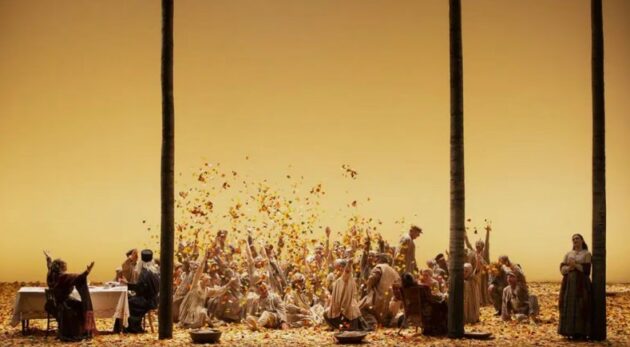
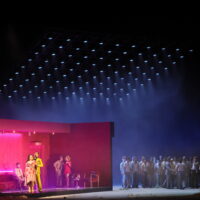
La "Carmen" diretta da Damiano Michieletto, uno dei più apprezzati registi al mondo, in questi giorni in scena alla Scala
Credit Brescia/Amisano – Teatro alla Scala
2 / 5
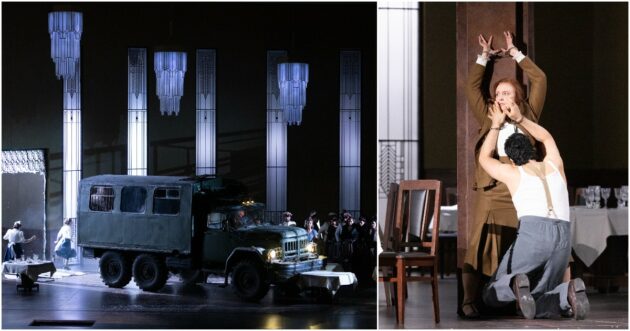
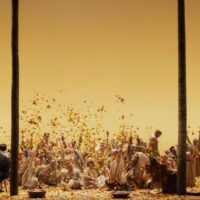
Evgenij Onegin di Robert Carsen, regista canadese tra i più visionari e acclamati nel mondo, in una recita all'Opera di Roma
3 / 5
lady scala
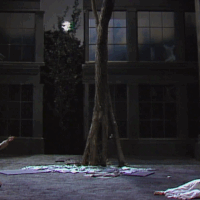
Una Lady Macbeth del distretto di Mcensk di Dmitri Shostakovich che ha aperto la stagione scaligera a dicembre. La regia era affidata al giovane Vasily Barkhatov
4 / 5
Screenshot 2026-06-12 194939
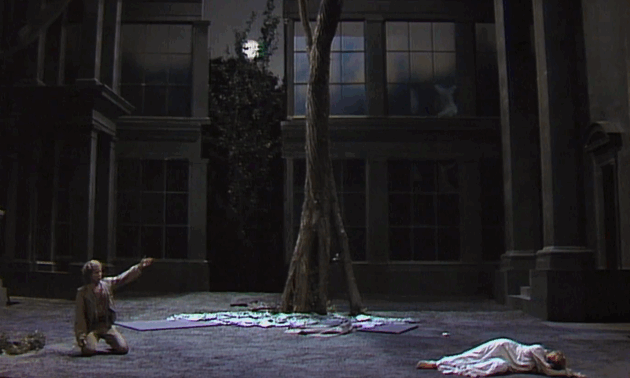
Il rivoluzionario e (all'epoca contestatissimo) Ring di Richard Wagner con la regia di Patrice Chereau
5 / 5
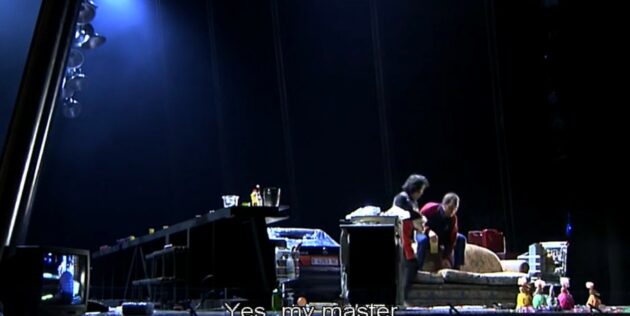
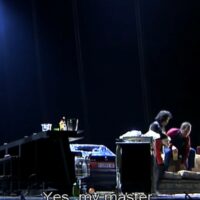
Il Don Giovanni di Mozart in una storica rappresentazione al Gran Teatre del Liceu di Barcellona firmata dal regista spagnolo Calixto Bieito, celebre per le sue regie "radicali"
Ma esiste anche un’altra realtà. Molti tra gli spettatori più “severi” conoscono il repertorio meglio di chiunque altro. Il loro bersaglio non è l’innovazione, ma ciò che percepiscono come un’interpretazione arbitraria. Non rifiutano le regie contemporanee: rifiutano le regie che, ai loro occhi, smettono di dialogare con l’opera per sovrapporsi ad essa. Un esempio interessante riguarda alcune recenti produzioni di DmitriTcherniakov. Tcherniakov è uno dei più grandi registi viventi, ma una parte della critica gli rimprovera occasionalmente di rileggere opere molto diverse tra loro attraverso una medesima lente psicologica. Lente che spoglia i grandi affreschi storici, politici o epici di castelli e battaglie, focalizzandosi sulle nevrosi, sui trami repressi e sulle dinamiche tossiche all’interno di nuclei ristretti (spesso borghesi o aristocratici). Quando funziona, e spesso funziona magnificamente, il risultato è straordinario. Quando funziona meno, può nascere la sensazione che sia l’opera ad adattarsi al vocabolario registico di Tcherniakov, e non il contrario. In altre parole, il problema non sarebbe la radicalità delle sue letture, ma il rischio che lo spettatore riconosca prima Tcherniakov che Wagner, Verdi o Bizet.
La ricetta segreta? Il legame tra passato e presente
Ora, oggi nessuno si scandalizza per il Ring di Chéreau. Nessuno considera sovversive le regie di Giorgio Strehler o le intuizioni teatrali di Luca Visconti. Eppure, al loro apparire, suscitarono reazioni violentissime. Ciò che all’inizio viene percepito come provocazione, spesso col tempo entra nel canone. E la storia dell’opera è piena di questi rovesciamenti. FrancoZeffirelli, oggi elevato a simbolo della tradizione, fu a sua volta un innovatoreradicale. Le sue produzioni spettacolari modificarono profondamente il gusto del pubblico internazionale. Anche quella era una forma di reinterpretazione. Soltanto che, con il passare dei decenni, l’innovazione si è trasformata in consuetudine e la consuetudine in tradizione. Il vero tema, allora, non è stabilire se una regia debba essere moderna o tradizionale. È capire se riesca a creare una relazione autentica tra il passato e il presente. Perché l’opera vive precisamente in questo spazio ambiguo. Nessuno mette in scena Shakespeare come nel Seicento. Nessuno pretende che il teatro di prosa ricostruisca fedelmente ogni convenzione dell’epoca elisabettiana. Eppure nel mondo lirico continua a riaffiorare periodicamente l’idea che esista una fedeltà assoluta da preservare. Ma la fedeltà, in arte, non è mai una fotografia. È una forma di traduzione. Ogni regia traduce. Ogni allestimento seleziona, enfatizza e interpreta. Persino la più filologica delle produzioni è il risultato di una scelta culturale contemporanea. La differenza è che oggi quella traduzione è diventata più visibile. Viviamo in una società che discute continuamente di identità, potere, genere, colonialismo,ambiente o tecnologia. È inevitabile che i registi rileggano Verdi, Wagner, Mozart o Puccini attraverso queste lenti. Sarebbe strano il contrario.
Le grandi regie? Non fanno la morale: aprono una domanda
La vera sfida, dunque, consiste nel non ridurre le opere a semplici veicoli di messaggi contemporanei. Le grandi regie non impongono mai una morale, ma aprono una domanda. Quando funzionano, riescono a creare una strana sensazione di inevitabilità. Lo spettatore esce dal teatro con l’impressione che quell’opera fosse sempre stata così e che soltanto adesso ne abbia compreso un aspetto nascosto. Quando non funzionano, invece, rimane soltanto il gesto. Questo discrimine sarà probabilmente decisivo per il futuro dell’opera. Perché dietro il dibattito estetico si nasconde una questione molto concreta: la sopravvivenza stessa del repertorio. I teatri si trovano di fronte a una trasformazione generazionale senza precedenti. Il pubblico storico invecchia, le abitudini culturali cambiano e le nuove generazioni crescono in un contesto dominato dalle immagini e dalla frammentazione dell’attenzione. Pensare che l’opera possa affrontare questa trasformazione limitandosi a conservare se stessa è un’illusione. Ma è altrettanto illusorio immaginare che possa salvarsi inseguendo il presente a ogni costo.
Rendere attuali le opere? Non c’è bisogno: lo sono già
Ogni volta che si discute di una regia contemporanea si assume implicitamente che il problema sia come rendere attuale un’opera di due o tre secoli fa. Ma le opere non hanno bisogno di essere attualizzate: sono già contemporanee. L’ambizione di un regista come Chéreau non era rendere Wagner più vicino agli anni Settanta; quella di Michieletto non è rendere Puccini più vicino agli anni Duemila; l’ambizione di Carsen, Kosky o Tcherniakov non consiste nel trasportare artificialmente il repertorio nel presente. Consiste nel dimostrare che il presente era già lì: dentro quelle partiture, dentro quei libretti, dentro quelle storie. Quando una regia funziona davvero, produce un fenomeno curioso. Non abbiamo la sensazione di assistere a un’opera reinterpretata. Abbiamo la sensazione che l’opera ci stesse aspettando. Come se Mozart, Verdi o Wagner (e i loro librettisti) avessero previsto qualcosa che soltanto ora siamo in grado di riconoscere. Per questo il dibattito sulla fedeltà è spesso fuorviante. La fedeltà letterale interessa relativamente poco. Nessun direttore d’orchestra pensa che Mozart possa essere ascoltato oggi esattamente come veniva ascoltato nel Settecento. Nessun interprete si esprime secondo le stesse convenzioni vocali che dominavano i teatri dell’Ottocento. Ogni esecuzione è già una traduzione. La vera fedeltà riguarda un’altra cosa: la capacità di preservare la forza di una domanda. Le grandi opere non ci consegnano risposte: ci consegnano conflitti. Potere e desiderio in Don Giovanni. Violenza e marginalità in Rigoletto. Colonialismo e sopraffazione in Madama Butterfly. Denaro, dominio e distruzione nel Ring. Le epoche cambiano, le domande restano. Forse il destino dell’opera dipenderà proprio da questo equilibrio delicatissimo. Non dalla conservazione nostalgica di un passato idealizzato e nemmeno dall’ossessione di rendere ogni titolo uno specchio dell’ultima battaglia culturale del momento. Dipenderà dalla capacità di continuare a produrre interpretazioni abbastanza audaci da riaprire il significato delle opere e abbastanza umili da riconoscere che quel significato non appartiene al regista, ma all’opera stessa.
In fondo, un classico non è un testo che resiste al tempo. È un testo che costringe il tempo a misurarsi continuamente con lui. Ed è per questo che, a mezzo secolo dai fischi di Bayreuth, la lezione di Chéreau continua a parlare al presente. Il problema non è decidere se un’opera debba essere tradita. Il problema è capire se quel tradimento sia abbastanza intelligente da rivelarne una verità che ancora non avevamo visto.
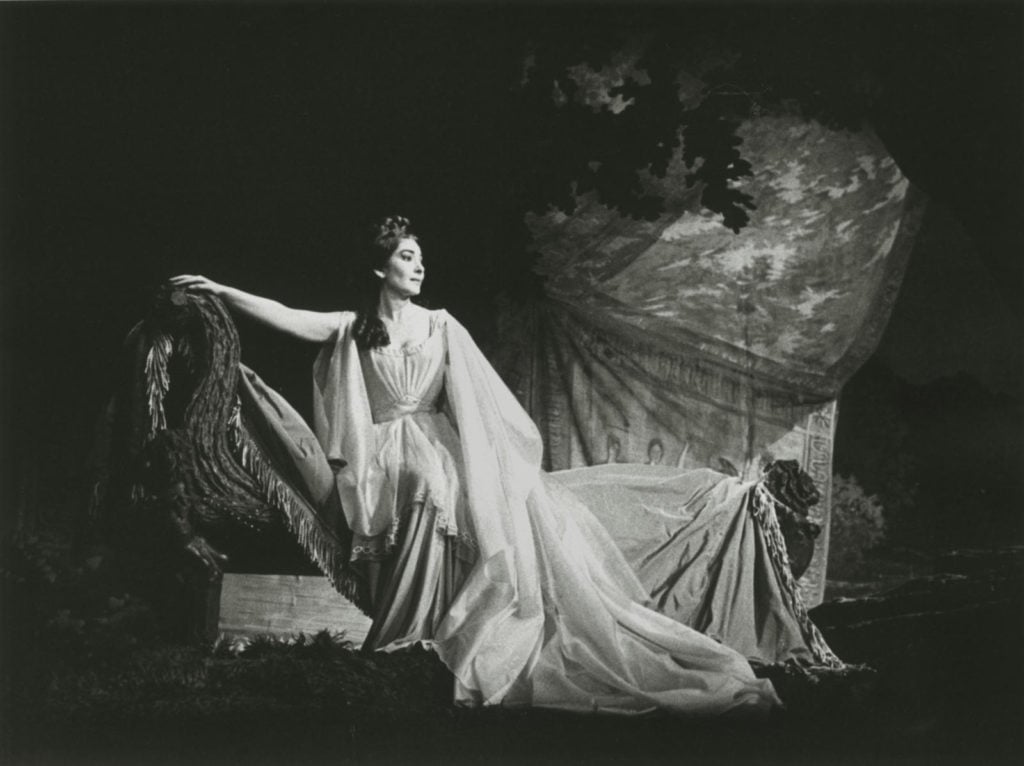
Maria Callas played Medea among many other roles in her glittering career. Greek mythology has played a huge role itself in opera as an art form. Credit: Facebook/Maria Callas
There are at least fourteen major operas that are based on themes and personages from Greek mythology and its glittering history. That says all one needs to know about the universality of Greek mythology and history, how much these have meant to the Western world, and how relevant they remain to this day.
The titanic themes of love, power, jealousy, greed, fear are all there in Greek mythology and history, and of course, they are well-represented in opera as well, which usually takes its listeners and viewers on emotional roller coasters through those same motifs.
14 operas based on Greek mythology
Operas were first conceived in the late sixteenth century, growing out of the oratorios, often using religious themes, that had been sung by groups and soloists for centuries.
Opera as we know it today began in 1597 with Ottavio Rinuccini’s “Dafne,” (Daphne), which was set to music by Jacopo Peri. Staged as court entertainment, this first opera was a tour-de-force not only of sound but of drama, as well.
The group of Florentine poets and musicians to which Rinuccini belonged, known as the Camerata, sought to revive Greek drama and music as part of the general Renaissance of Greek and Classical culture that was taking place in Western Europe at the time. Not content to explore only themes from the Bible and religious history, they felt it was now time to portray the great stories of the past.
This group of humanist intellectuals would go on to be the pioneers of opera; in many ways, they brought to life the texts written by ancient Greek philosophers, writers, and poets once again, eventually bringing these works to a modern audience.
Florence’s ruling Medici family, strong supporters of all the arts, was sufficiently taken with Dafne to allow Peri’s next work, Euridice, to be performed as part of Marie de’ Medici and Henry IV’s wedding celebrations in 1600.
Thanks to opera’s interest in and preservation of ancient Greek drama, it is no surprise that one of its founding fathers, Claudio Monteverdi, chose Greek tragedy as the theme of his first work.
L’Orfeo (Orpheus) Opera, by Monteverdi
Universally acknowledged as opera’s first masterpiece, Claudio Monteverdi’s L’Orpheo (Orpheus) was a gelling of ideas from the great minds of the Camerata and other composers of that time.
Matthew Aucoin also used this classic tale for his new opera Euridyce, which was first staged at the LA Opera in 2020—420 years after the premiere of the first opera based on Euridyce, created by Jacopo Peri.
The tragic story of Orpheus and Eurydice is as old as time itself, or at least as old as Greek mythology.
As the story goes, Orpheus, ancient Greece’s legendary hero, was endowed with superhuman musical skills. He became the patron of a religious movement based on sacred writings that were said to be his own. Orpheus was said to be the son of a Muse (most likely Calliope, the patron of epic poetry) and Oeagrus, a king of Thrace (although others say it was Apollo).
The story (and the opera) relates the tragic events of his wedding day, when his bride, Eurydice, is bitten by a snake and dies. The newly-widowed Orpheus manages to convince the rulers of the underworld to allow his wife a few more years in the land of the living.
Eurydice is only allowed to leave the underworld as long as Orpheus leads her home without looking back. He gives in to temptation, however, believing his wife is not behind him, and she is tragically trapped in the underworld forever.
In Greek mythology, the heartbroken Orpheus is then killed by wild beasts. Fortunately — certainly for opera lovers—Monteverdi created a happier ending to the story.
The story of Orpheus continues to be opera’s most popular work based on Greek mythology to this day. From Gluck’s Orpheus and Eurydice (Orfeo ed Euridice) to Philip Glass’s chamber opera Orphée, and Harrison Birtwistle’s The Mask of Orpheus, composers have been drawn to the tale for hundreds of years.
Dafni, “Daphne,” by Rinuccini
The story of Daphne, the nymph from Greek mythology who was turned into a tree to escape the lustful advances of the god Apollo, was first set to music by Jacopo Peri, but at least two of the six surviving fragments are by Jacopo Corsi. The libretto, by Rinuccini, survives complete; the music, mostly now lost, was first performed during the Carnival of 1598 at the Palazzo Corsi.
Daphne was the child of Peneus, a Thessalian river god. Her decidedly sad and violent story in which she is transformed into a tree to escape the lustful attention of the god Apollo, gives rise to the ancient explanation of the creation of the laurel tree, known as “Daphne” by the ancient Greeks.
Les Troyens, by Hector Berlioz
Les Troyens, or The Trojans, a French grand opera in five acts, is based loosely on the history of the Trojan War, although the libretto was written by Berlioz himself from Virgil’s epic poem the Aeneid. With a score composed between 1856 and 1858, it is another opera based on Greek history and mythology, and one that best exemplifies the art form.
Featuring characters such as Priam, Hector and Andromache, it is a triumph of spectacle that brings Ancient Greece vividly back to life.
“Alessandro,” by Handel
Alessandro, an opera based on the extraordinary life of Alexander the Great, was composed by George Frideric Handel in 1726 for the Royal Academy of Music. Paolo Rolli’s libretto is based on the story of Ortensio Mauro’s “La superbia d’Alessandro.” This was the first time the famous singers Faustina Bordoni and Francesca Cuzzoni appeared together in one of Handel’s operas. The original cast also included Francesco Bernardi, who was known as Senesino.
Handel’s opera received its first performance on May 5, 1726 at the King’s Theatre, London and was reportedly received “with great applause.”
The story recounts Alexander the Great’s journey to India and depicts him less in a heroic vein than as vainglorious and indecisive in matters of the heart. The work’s charm and lightness of touch make it at times almost a comic work—something which is extremely unusual in the realm of Greek mythology and history.
Atalanta, by George Friedrich Handel
The huntress Atalanta from Boeotia, the daughter of King Schoeneus, was primarily noted for her skill in running, according to Greek mythology. Atalanta was a local figure allied to the goddess Artemis. Statues of the goddess show her taking off at a full sprint.
Atalanta, the pastoral opera in three acts by George Frideric Handel, was composed in 1736.
The great composer created it for the London celebrations of the marriage in 1736 of Frederick, Prince of Wales, eldest son of King George II, to Princess Augusta of Saxe-Gotha. The first performance took place on May 12, 1736 in the Covent Garden Theatre.
Médée (Medea), by Luigi Cherubini
With a libretto by François-Benoît Hoffman (Nicolas Étienne Framéry) this is a French language opéra-comique based on Euripides’ tragedy of Medea and Pierre Corneille’s play Médée. It is set in the ancient city of Corinth.
The opera was premiered on March 13, 1797 at the Théâtre Feydeau, in Paris. During the twentieth century, it was usually performed in Italian translation as Medea, with the spoken dialogue replaced by recitatives that were not authorized by the composer. More recently, opera companies have returned to Cherubini’s original version.
Greece’s operatic queen Maria Callas performed this work to thunderous ovations in December of 1961 at La Scala, in a tour de force that has gone down in operatic legend.
Phryné
Phryné is an 1893 opéra comique in two acts by Camille Saint-Saëns, with a libretto by Lucien Augé de Lassus, based on the life of ancient Greek courtesan Phryne. Saint-Saëns also wrote the much-loved Carnival of the Animals.
Phryne, born c. 371 BC, was an ancient Greek courtesan or hetaira. She is best known for her trial for impiety, where she was defended by the orator Hypereides. She was born the daughter of Epicles at Thespiae in Boeotia but lived in Athens.
The most well-known event in Phryne’s life is her trial. Athenaeus writes that she was prosecuted for a capital charge and defended by the orator Hypereides, who was one of her lovers. Athenaeus does not specify the nature of the charge, but Pseudo-Plutarch writes that she was accused of impiety.
The speech for the prosecution was written by Anaximenes of Lampsacus, according to Diodorus Periegetes. When it seemed as if the verdict would be unfavorable, Hypereides removed Phryne’s robe and bared her breasts before the judges to arouse their pity. Her beauty instilled the judges with a superstitious fear, and they could not bring themselves to condemn “a prophetess and priestess of Aphrodite” to death. They decided to acquit her forthwith.
Temistocle (Themistocles) Opera, by Johann Christian Bach
Temistocle (Themistocles) is an opera seria in three acts by the German composer Johann Christian Bach. The Italian text is an extensive revision of the libretto by Metastasio first set by Antonio Caldara in 1736, by Mattia Verazi, court poet and private secretary to the Elector Palatine Carl Theodor.
The opera was the first of two which J. C. Bach composed for the Elector Palatine. Some of the music was reused from earlier works, including part of the overture from Carattaco (composed in London in 1767).
The opera takes place in Persia. Themistocles, together with his son Neocle, has been expelled from Athens. He arrives incognito at Susa, the capital of his arch-enemy King Serse, to find that his daughter Aspasia (in love with the Athenian ambassador Lisimaco) has also made her way there following a shipwreck. Eventually, all is revealed, and Serse magnanimously pardons everybody, unites the lovers, and makes peace with Athens.
Thespis, by Gilbert and Sullivan
Thespis, or “The Gods Grown Old,” is an operatic extravaganza that was the first collaboration between dramatist W. S. Gilbert and composer Arthur Sullivan. It is another in the much-needed genre of a lighter take on Greek mythological stories. Gilbert and Sullivan were the most famous and successful artistic partnership in Victorian England, creating a string of enduring comic opera hits, including H.M.S. Pinafore, The Pirates of Penzance and The Mikado.
Thespis premièred in London at the Gaiety Theatre on December 16, 1871. Like many productions at that theater, it was written in a burlesque style, considerably different from Gilbert and Sullivan’s later works. It was a success and closed on March 8, 1872 after a run of sixty-three performances.
The story follows an acting troupe headed by Thespis, the legendary Greek father of the drama, who temporarily trades places with the gods on Mount Olympus, who have grown elderly and are getting ignored. The actors turn out to be comically inept rulers. Having witnessed the ensuing mayhem down below, the angry gods return, sending the actors back to Earth as “eminent tragedians, whom no one ever goes to see.”
Idomeneo, by Mozart
Idomeneus, King of Crete, is an Italian language opera by Wolfgang Amadeus Mozart. The libretto was adapted by Giambattista Varesco from a French text by Antoine Danchet, based on a 1705 play by Crébillion père, which had been set to music by André Campra, as Idoménée, in 1712.
Now considered to be one of the greatest operas of all time, Idomeneo premiered on January 29, 1781 at the Cuvilliés Theatre in Munich, Germany. With Idomeneo, Mozart demonstrated a mastery of orchestral color, accompanied recitatives, and melodic line. Mozart was recorded as fighting with the librettist, the court chaplain Varesco, making large cuts and changes to it.
Orpheus in the Underworld (comic operetta version by French composer Jacques Offenbach)
With a French-language libretto by Hector Crémieux and Ludovic Halévy, this is a lighthearted, satirical treatment of the ancient Greek myth of Orpheus.
As unlikely as that seemed at the time, it is perhaps one way to deal with the almost never-ending drama, heartbreak, and tragedy that features in much of Greek mythology.
It premiered on October 21, 1858 at the Théâtre des Bouffes-Parisiens in Paris. The work’s best-known episode is, incredibly, a cancan routine that appears in the overture and the final scene.
The classic story of Orpheus concerns a renowned musician who is so distraught over the death of his wife, Eurydice, that he attempts to rescue her from the Underworld, the place of the dead. This tragic tale was adapted for opera by many composers, including Claudio Monteverdi who wrote and first performed the opera in 1607, Christoph Gluck, who first performed it in 1762, and Joseph Haydn, who in 1791 wrote his version, which was performed only in 1951.
Unlike other composers, Offenbach gave the story a modern twist, making it into a farce. In his version, Orpheus and Eurydice, though married to each other, are amicably living separate lives, each blissfully occupied with a new lover. Like Eurydice in the original Greek story, Offenbach’s heroine is fatally bitten by a snake but, rather than dying tragically, she willingly relocates to the Underworld to be with Pluto, the ruler of the Underworld, who had become her lover while she was alive.
In Offenbach’s version, Orpheus only retrieves Eurydice against his will, and both he and Eurydice are pleased when his attempt fails. Offenbach was equally irreverent regarding the music he used for this opera, alternating courtly minuets with high-kicking cancans and even quoting satirically from Gluck’s earlier opera.
When Offenbach’s opera premiered, critics expressed shock, both because it mocked Gluck’s revered telling of the tale from Greek mythology—and because it dismissed the idea of the perfection of ancient Greece.
Audiences, however, loved it, and within a few years, Orpheus in the Underworld became an international success.
Elektra, by Richard Strauss
In 1905, composer Richard Strauss attended a performance of Hugo von Hofmannsthal’s Elektra. Soon after, Strauss reached out to the playwright, having decided the play would be ideal for operatic treatment. The two men then collaborated on the composer’s second major opera.
Both the play and opera are adaptations of Greek playwright Sophocles’ Elektra and so follow the legend closely. In Greek mythology, Elektra was the daughter of the king and queen of Mycenae.
She is devastated when her father, Agamemnon, is killed. Believing her mother to be responsible, Elektra and her brother seek revenge and murder their mother and her lover.
Strauss’ version of the tragedy is set to a German libretto, and unlike the myth, his Elektra falls dead at the end of the opera.
Sappho Opera, by Charles Gounod
The story of Sappho, a female poet from the island of Lesbos, was put to music by Charles Gounod. Sappho is known for her lyric poetry, written to be sung while accompanied by music. In ancient times, Sappho was widely regarded as one of the greatest lyric poets; even then, she was given names such as the “Tenth Muse” and “The Poetess.”
Most of her poetry is now tragically lost, and what is extant has mostly survived in fragmentary form; only the “Ode to Aphrodite” is complete.
Ariadne auf Naxos Opera, by Richard Strauss
This 1912 opera by Richard Strauss has a German libretto by Hugo von Hofmannsthal. The opera’s unusual combination of elements of low commedia dell’arte with those of high opera seria points up one of the work’s principal themes: the competition between high and low art for the public’s attention.
Ariadne auf Naxos is in two parts, called the Prologue and the Opera. The first part shows the backstage circumstances leading up to the second part, making this an opera within an opera.
At the home of the richest man in Vienna, preparations for an evening of music are under way. Two troupes of musicians and singers have arrived. One is a burlesque group, led by the saucy comedienne Zerbinetta. The other is an opera company, who will present an opera seria, Ariadne auf Naxos, the work of the Composer.
The second part of the opera portrays the story from Greek mythology, with Ariadne shown abandoned by her former lover, Theseus, on the desert island of Naxos, with no company other than the nymphs Naiad, Dryad, and Echo.
She bewails her fate, mourns her lost love, and longs for death. Zerbinetta and her four companions from the burlesque group enter and attempt to cheer on Ariadne by singing and dancing but without success. In a sustained and dazzling piece of coloratura singing, Zerbinetta tells the Princess to let bygones be bygones and insists that the simplest way to get over a broken heart is to find another man.
In a comic interlude, each of the clowns pursues Zerbinetta. Eventually, she chooses Harlequin, a baritone, and the two sing a love duet together while the other clowns express frustration and envy.
The nymphs announce the arrival of a stranger on the island. Ariadne thinks it is Hermes, the messenger of death, but it is the god Bacchus, who is fleeing from the sorceress Circe. At first, they do not understand their mistaken identification of each other.
Bacchus eventually falls in love with Ariadne, who agrees to follow him to the realm of death to search for Theseus. Bacchus promises to set her in the heavens as a constellation. Zerbinetta returns briefly to repeat her philosophy of love: when a new love arrives, one has no choice but to yield. The opera ends with a passionate duet sung by Ariadne and Bacchus.
Greek mythology is the setting for many of our cultural touchstones. It has formed the theme of so many works created over the centuries by the most brilliant artists of modern times, bringing Ancient Greece to life once more.
A Comunidade Intermunicipal do Algarve esteve representada em duas iniciativas que decorreram no início deste mês, no Algarve e em Sevilha, relacionadas com os projetos SUDOE EFHERA e Interreg CILUMES-Interopera, ambos relativos à gestão da área florestal. No âmbito do EFHERA, o Algarve recebeu investigadores internacionais no primeiro dia de junho. Foi realizada uma visita técnica à área […]
Le musiche, le parole, le canzoni e il talento di Lucio Dalla vengono celebrati con l’opera “L’anno che verrà” da dicembre in tour nei teatri. Il progetto è ideato da Marcello Corvino e diretto da Manuel Renga. La storia si svolge in un grande hotel sul mare, alla vigilia di Capodanno, dove si incrociano le vicende di alcuni viaggiatori: una giovane coppia in fuga, una cantante di piano bar alla ricerca di un amore perduto, un musicista disilluso e un uomo d’affari colpito da una crisi esistenziale. Ad accoglierli è un enigmatico portiere, che avrà il volto di Pierdavide Carone, che Dalla lo ha conosciuto bene. Il cantautore scomparso, infatti, non solo ha prodotto l’album “Nanì e altri racconti”, ma è salito sul palco del Festival di Sanremo 2012 per dirigere l’orchestra e duettare con Carone.
“Sarebbe assurdo immaginare un futuro in cui i ragazzi non conoscano Lucio Dalla o lo scoprano solo attraverso le piattaforme digitali – ha dichiarato Carone -. Magari dico una bestialità, ma ascoltare Dalla a teatro equivale ad ascoltare Beethoven. La musica pop che supera il tempo deve avere lo stesso peso della sinfonica, perché parla alle generazioni e le attraversa”.
E ancora: “La vocalità di Dalla era talmente esuberante che l’unico modo per cantare, soprattutto quando si aggiungerà l’orchestra, è quasi ‘aggredire’ le canzoni, cercando di farlo in modo degno. Quando devo cantare Lucio sono sempre preoccupato, però il concetto di preoccupazione si trasforma in sfida, per quel senso di gratitudine nei confronti di una persona a cui dobbiamo molto”.
Il regista Manuel Renga ha aggiunto: “Questa nuova opera pop è un lavoro che non racconta la vita del grande Lucio Dalla, ma prende a piene mani dalla sua creatività musicale e traduce in scena il grande affresco umano che le sue canzoni compongono. Lucio Dalla diventa per noi il ‘custode dei sogni’ colui che è in grado di leggere chiaramente le paure, i desideri, i sogni e le delusioni dell’uomo e trasformarle in situazioni musicali popolari, dirette, emozionanti”. Lo spettacolo è composto dai brani più conosciuti come “La sera dei miracoli” e “L’anno che verrà” e quelli contenuti in album meno popolari “per tenere conto di tutte le anime musicali di Dalla”. È un viaggio onirico, “dove i personaggi sono le incarnazioni di quei sogni, di quelle paure e speranze, racconti di vita che si intrecciano sulle note musicali”.
Il debutto è previsto per l’11 e 12 dicembre a Ferrara, si proseguirà il 18, 19 e 20 dicembre con tre spettacoli a Reggio Emilia, per poi salutare il 2026 il 22 e 23 dicembre con una doppia data a Ravenna. In tabellone a gennaio anche appuntamenti a Piacenza e Modena, mentre il Teatro Duse di Bologna ospiterà lo spettacolo il 10, 11 e 12 settembre. Sul palco ci saranno fino a cento artisti, tra attori, orchestra sinfonica e la compagnia di danza di Michele Merola, che curerà le coreografie.
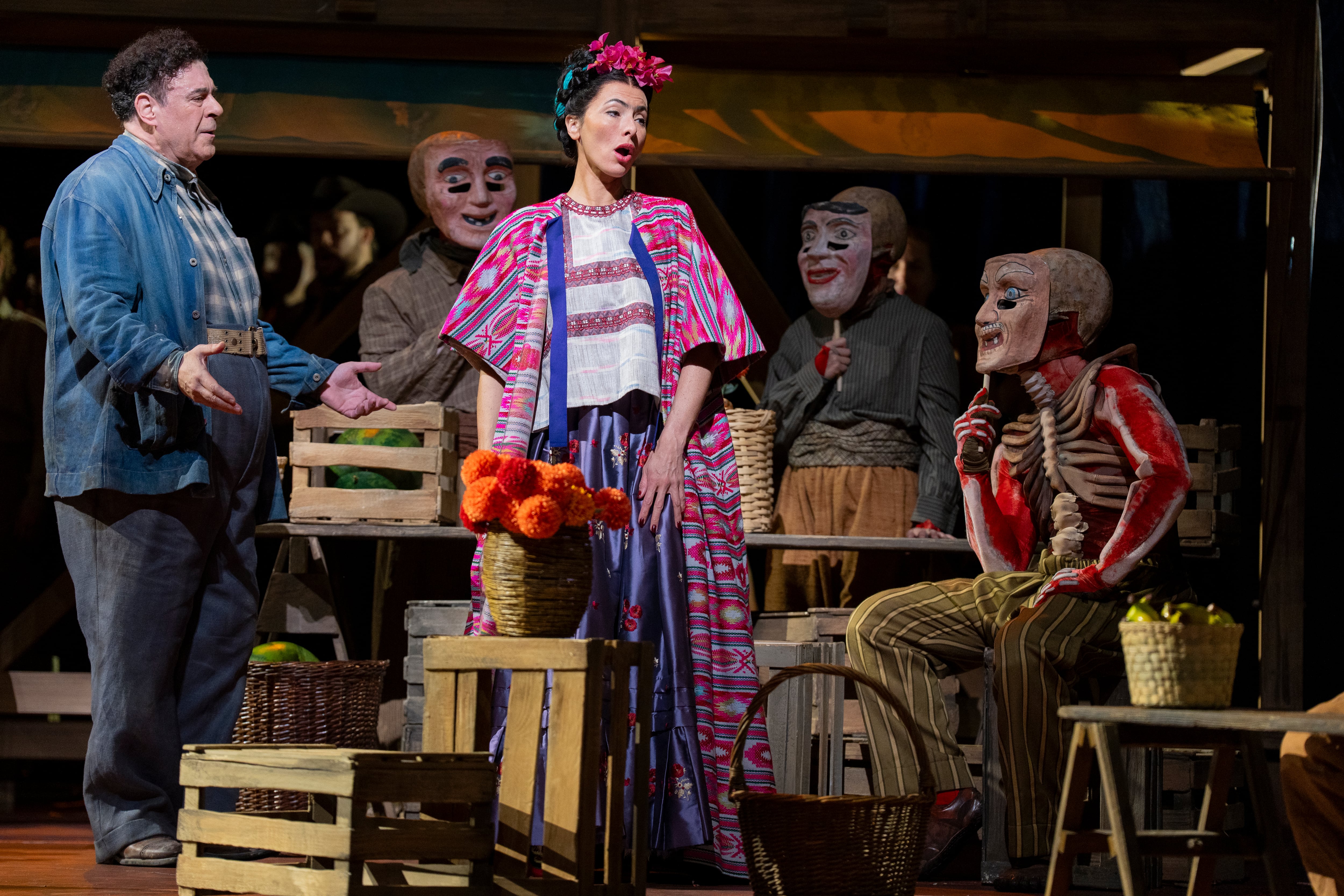
On stage, the performers are playing Frida Kahlo and Diego Rivera. He is about to die. She has returned to the world of the living, but only briefly, to be reunited with her beloved/loathed husband. “Life is brief, but the light will remain,” sings the chorus surrounding them, framed by a luminous staging and the baton of music director Yannick Nézet-Séguin. The music has not even finished when a near-capacity Lincoln Center erupts in applause, with ecstatic shouts of “viva,” in Spanish.
A despedida da banda Paus, a dança da coreógrafa Vera Mantero, um concerto intimista de Tomás Wallenstein e uma ópera do Teatro Nacional de São Carlos marcam a programação de Junho no Cine-Teatro Louletano.
A programação do espaço cultural de Loulé cruza dança, música, teatro e cinema, mantendo a aposta na coprodução artística, na diversidade de linguagens e na acessibilidade, com Língua Gestual Portuguesa e Audiodescrição.
O mês arranca com dança a 5 de Junho, às 21h00, no Cineteatro Louletano, com “C.C. (Crematística e Contraforça)”, peça da coreógrafa Vera Mantero.
Esta coprodução do Cineteatro Louletano propõe uma reflexão coreográfica e performativa em torno das relações entre economia, poder e corpo, numa criação assinada por uma das mais relevantes figuras da dança contemporânea portuguesa.
No sábado, dia 6, existem três sessões, às 16h00, às 19h00 e às 21h00, e no domingo duas sessões, intercaladas com cine-jantar pelo chef Sergio Zanotti, inspirado no filme “Louca-Mente”, de Paolo Genovese, que é exibido após a refeição.
No dia 9, às 21h00, o Cineteatro Louletano recebe “As Damas da Noite”, Uma Farsa de Elmano Sancho. O espetáculo, com interpretação em Língua Gestual Portuguesa, recorre à sátira social imergindo no mundo fascinante e provocador do transformismo.
Os artistas transformistas/dragqueens “vestem a pele de um outro, tentam ser um outro”.
No mesmo dia, às 21h00, o Auditório do Solar da Música Nova acolhe mais uma sessão do ciclo Filme Francês do Mês, promovido pela Alliance Française do Algarve. Desta vez é “Fifi”, de Paul Saintillan e Jeanne Aslan (2022), uma obra centrada nas relações humanas, juventude e desigualdade social.
A música ocupa lugar de destaque no dia 13 de Junho, às 21h00, no Cineteatro Louletano, com a apresentação da ópera “Relicário Perpétuo”, de Luísa Costa Gomes e Luís Tinoco.
A peça, trazida a Loulé pelo Teatro Nacional de São Carlos, estreia em Lisboa três dias antes, no Dia de Portugal e das Comunidades Portuguesas, e assinala os 500 anos do nascimento de Luís de Camões.
A criação junta literatura e composição musical contemporânea e é marcada pelo cruzamento entre palavra, memória e património cultural.
No dia 14, às 17h00, o Cineteatro Louletano recebe Tomás Wallenstein. Conhecido do grande público enquanto músico e compositor como vocalista e guitarrista dos Capitão Fausto, o artista apresenta-se num formato mais intimista, explorando as suas canções com diferentes sonoridades e novas dimensões.
A 19 de junho, às 21h00, sobe ao palco do Cineteatro Louletano “Álbum de Família”, de Lúcia Pires, pelo Projecto Casa, projeto de apoio à criação tripartido entre o Cineteatro Louletano, o Centro Cultural Vila Flor, em Guimarães, e O Espaço do Tempo, em Montemor-o-Novo.
Esta coprodução, com audiodescrição, propõe uma reflexão sobre memória, relações familiares e identidade, através de uma abordagem intimista e contemporânea.
A 20 de junho, às 17h00, o Auditório do Solar da Música Nova acolhe o Grupo Síntese – Concerto no Património, numa fusão única entre a expressão musical contemporânea e o património cultural.
O grupo traz obras de Luciano Berio, Pedro Rebelo, Eduardo Patriarca, Amilcar Vasques-Dias e Jorge Peixinho, numa iniciativa de entrada gratuita que cruza música e valorização patrimonial.
No mesmo dia, às 21h00, os PAUS apresentam-se no Cineteatro Louletano, na digressão que decreta o fim da banda, com o álbum “Enterro”.
Conhecida pela energia dos seus concertos e pela fusão entre rock, percussão e eletrónica, a banda traz a Loulé um espetáculo marcado pela intensidade sonora e performativa e toda a carga de um final anunciado, que culminará com dois concertos em novembro, em Lisboa e Porto.
O mês fecha a 21 de Junho, às 17h00, no Cineteatro Louletano, precisamente com o Concerto de Laureados do Conservatório.
O espetáculo reúne jovens músicos distinguidos pela instituição, celebrando o talento emergente e o ensino artístico especializado no concelho.
Já em Julho, há mais um espetáculo multidisciplinar, com “Ostra feliz não faz pérola”, de Ana Borges, no dia 4, às 21h00. É uma metáfora sobre a vivência no feminino, construída a partir das muitas imposições históricas, sociais, culturais, de corpo e de existência.

 Login
Login