Reading view

At Paris top defense exhibition, Ukraine unveiled 10-ton Sea Trident that can hunt underwater drones

The Sea Trident heavy underwater drone at Eurosatory 2026 in Paris. Source: Global Mark

Ukrainian defense company Global Mark unveiled the Sea Trident heavy underwater drone at Eurosatory 2026 in Paris, per UNIAN. The platform is designed to strike strategic targets, conduct logistics and transport tasks, deliver cargo, and intercept and neutralize other underwater unmanned vehicles.

Sea Trident has a 10,000-kg displacement, a 2,000 nautical mile range, a 1,000-kg payload capacity, and an operating depth of up to 60 meters. The system features full autonomy and adaptive navigation.

The Sea Trident unveiling reflects the broader shift in the Ukrainian defense industry toward underwater unmanned systems. Ukrainian surface naval drones, such as Magura V5 and others, have driven the Russian Black Sea Fleet from its main Crimea bases and reduced the Fleet to a support role for Russian land operations.

Sea Trident specifications: heavy underwater platform with 1,000 kg payload

According to Global Mark's specifications presented at Eurosatory 2026, Sea Trident has the following parameters: dimensions of 10 × 2 × 1.5 meters, a maximum speed of 10 knots (approximately 18.5 km/h), and a cruise speed of 6 knots (approximately 11 km/h).

These parameters allow Sea Trident to conduct long-duration missions and operate in coastal areas with elevated threat levels. The 60-meter operating depth limits the platform to relatively shallow waters. Sea Trident is designed for coastal and continental shelf operations rather than deep-ocean missions.

Capabilities: strategic strikes, logistics, and UUV interception

Global Mark designed Sea Trident for multiple mission categories. The intercept-and-neutralize capability for other UUVs is unusual. It positions Sea Trident as both an offensive strike platform and a defensive counter-UUV asset.

This dual-role design suggests Ukrainian doctrinal recognition that underwater unmanned operations are likely to become a contested domain in the Russo-Ukrainian war and in broader maritime conflict.

Development status: unveiling

Global Mark presented Sea Trident at Eurosatory 2026 but has not disclosed the platform's development stage or operational readiness timeline. Eurosatory is the world's largest land and air defense exhibition, and Ukrainian platforms appearing there signal commercial market positioning rather than necessarily operational deployment with Ukrainian forces. 
  •  

Ukraine’s special forces sabotaged an oil pumping station in Russia with help from a local partisan group, SOF reports

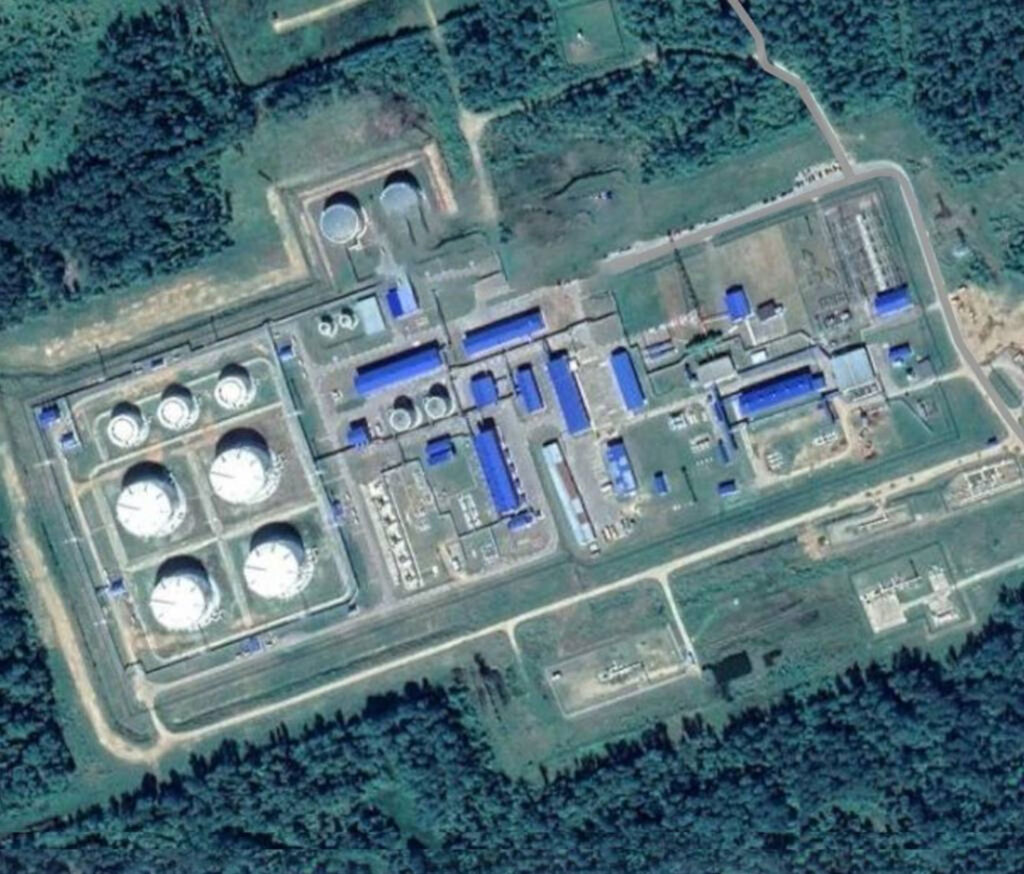
ukraine's sof say sabotaged russian oil pumping station help partisan group · post satellite view palkino myshkinsky district yaroslavl oblast russia storage tanks processing infrastructure facility before reported attack untitled-1

Ukraine's Special Operations Forces (SSO) reported conducting a joint sabotage operation with a Russian underground resistance movement against an oil pumping station in Yaroslavl Oblast that feeds crude toward Russia's Baltic export terminal, SSO announced on 14 June. The military called it the second coordinated action with the partisan group in one week. Euromaidan Press cannot independently verify the reported damage.

Such sabotage operations are in line with Ukraine's deep-strike campaign, which has systematically targeted Russian oil refineriesdepotspumping stations, and pipeline infrastructure, driving Russian oil production to its lowest level in a year. Combined with the Logistics Lockdown middle-strike campaign targeting Russian supply routes in the occupied territories — including fuel trucks — the effort has already triggered a gasoline crisis across more than two dozen Russian regions and six occupied Ukrainian areas.


SSO and Black Spark report joint operation on Palkino station

SSO said it conducted "special actions" on the Palkino oil pumping station in Myshkinsky district, Yaroslavl Oblast, in coordination with the Russian underground resistance movement Chornaya Iskra (Black Spark). The Special Operations Forces reported that operators struck "key elements of the enemy's oil transport infrastructure."

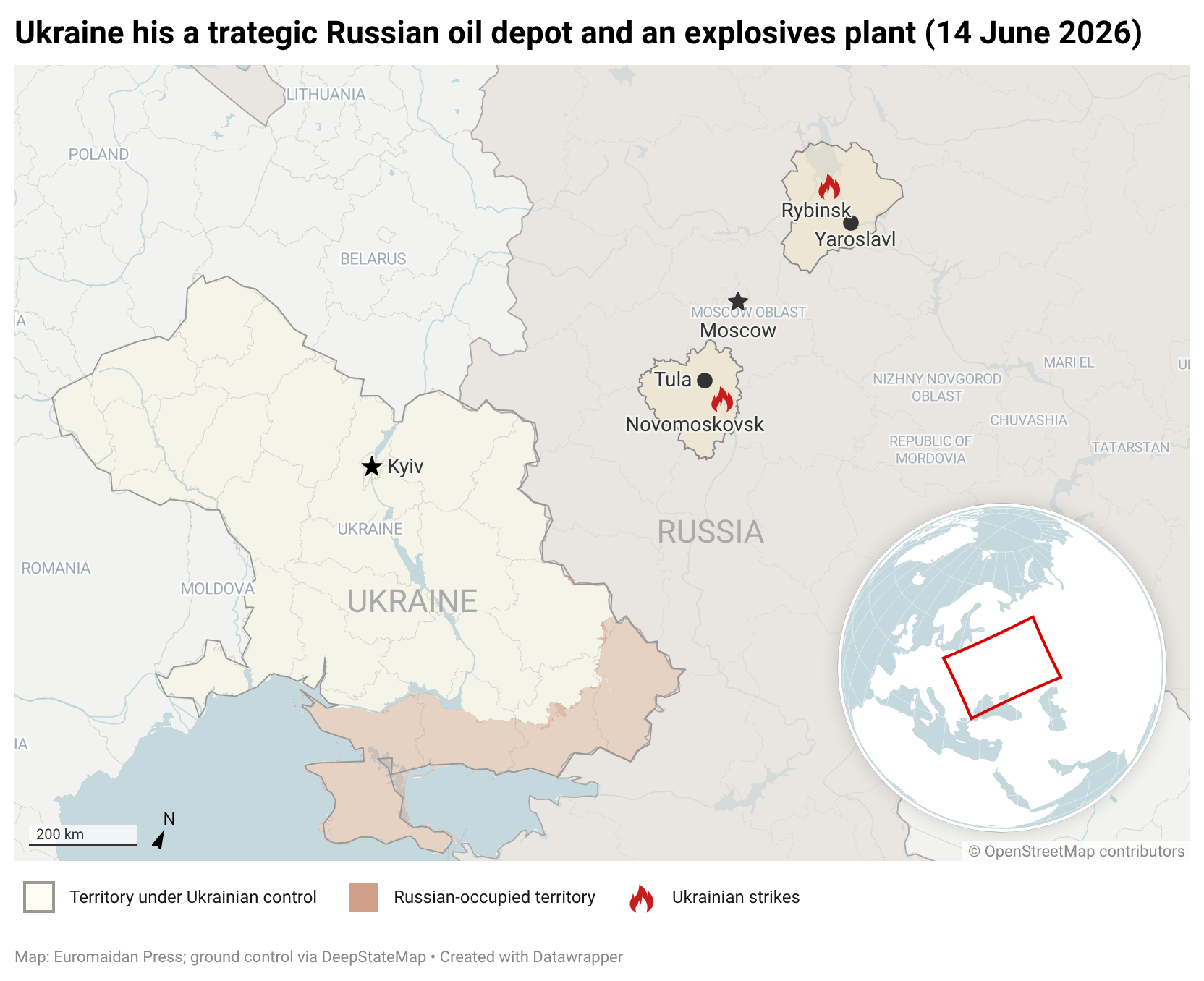
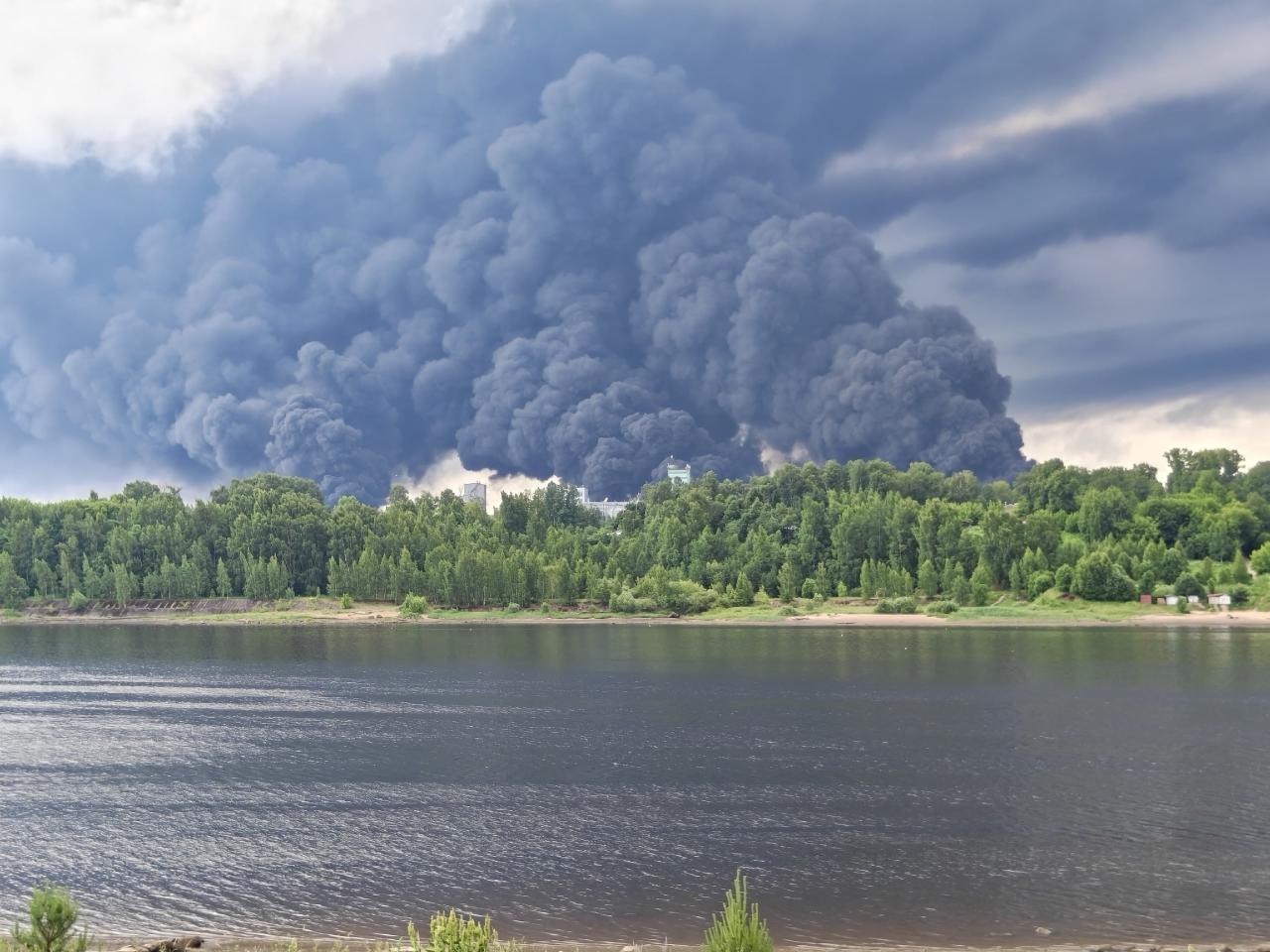
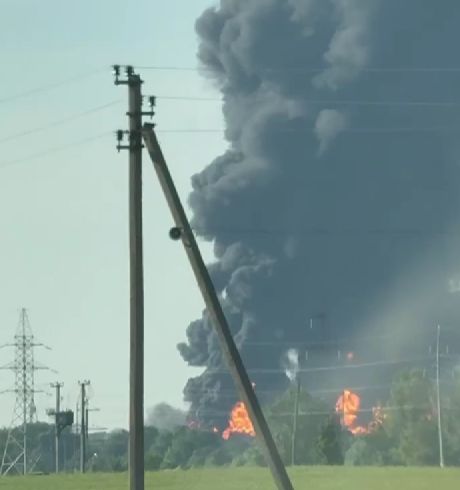
Palkino is a village in Myshkinsky district, Yaroslavl Oblast, about 40 km southwest of Rybinsk, where Ukrainian drones set a Rosrezerv oil depot ablaze last night.

Russian underground movement Chernaya Iskra confirmed its participation and called the station "a very important facility." 

"With exports, of course, they'll have to wait. Here in Russia itself, the Hunger Games for gasoline are starting — what exports?" the group wrote.

SSO said this was the second joint operation with the partisan movement this week. On 12 June, SOF and Chernaya Iskra struck the TANECO refinery in Tatarstan, SOF stated. That strike was previously reported by Euromaidan Press as part of a broader overnight raid confirmed by Ukraine's General Staff.

ukrainian drones torch russia's strategic wartime fuel reserves rybinsk explosives-linked chemical plant tula oblast · post thick smoke rises multiple points conflagration rosrezerv kombinat temp oil depot yaroslavl russia after
Explore further

Ukrainian drones torch Russia’s strategic wartime fuel reserves in Rybinsk and explosives-linked chemical plant in Tula Oblast

The Palkino pumping station is part of the Surgut-Polotsk trunk oil pipeline. The station receives crude oil from Siberia and delivers it to refineries and export terminals. After the Baltic Pipeline System was commissioned, the station became part of Transneft-Baltika and a key link in the logistics chain supporting Russian crude exports through the port of Primorsk in Leningrad Oblast.

Striking oil transport infrastructure reduces Russia's capacity to export energy resources and cuts the revenues funding the war against Ukraine, SOF stated.

ukraine's sof say sabotaged russian oil pumping station help partisan group · post nasa firms fire detection rybinsk-myshkin area yaroslavl oblast russia active markers (red) rosrezerv depot near rybinsk thermal
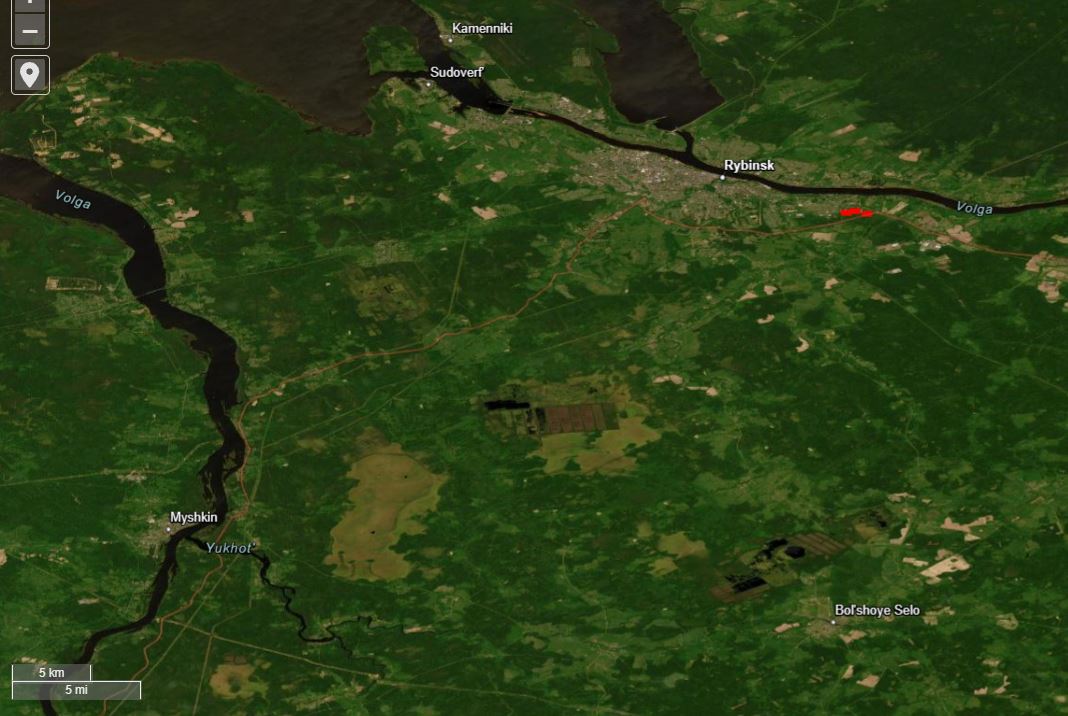
NASA FIRMS fire detection map of the Rybinsk-Myshkin area in Yaroslavl Oblast, Russia, showing active fire markers (red) at the Rosrezerv oil depot near Rybinsk but no thermal anomalies near Myshkin where the Palkino pumping station is located, 14 June 2026. Source: NASA FIRMS

Euromaidan Press cannot independently verify the report or confirm damage at the Palkino site at this time. NASA's FIRMS thermal monitoring system shows fires continuing at the Rybinsk Rosrezerv oil depot in the same Yaroslavl Oblast after the overnight drone strike on 14 June, but registers no fires in the area of Myshkino over the past month, where Palkino is located. This may mean that any damage caused didn't trigger large fires.

  •  

UK forces board the Russian shadow-fleet’s oil tanker in the English Channel for the first time

uk forces board russian shadow-fleet oil tanker english channel first time · post smyrtos cameroon-flagged crude boarded british sitting anchor off south coast england near isle portland 14 2026 hkwn2azxiaanehe

British forces boarded a Cameroon-flagged sanctioned oil tanker of the Russian "shadow fleet" in the English Channel in the early hours of 14 June, the first time the UK has led such an operation itself, UK Prime Minister Keir Starmer announced. The six-hour boarding of the Smyrtos marks the latest European move against the aging tankers Moscow uses to keep its oil flowing past Western sanctions.

Western navies have spent months tightening the net around the shadow fleet, the network of ships that turns Russian crude into the revenue funding the war in Ukraine. Sunday's boarding turned a British threat made in March into action.

A six-hour operation in the English Channel

Royal Marines and specially trained officers from Britain's National Crime Agency boarded the Smyrtos, the UK Ministry of Defence said. Backing the operation were military aircraft, an RAF P-8 surveillance plane, and two Royal Navy ships, HMS Sutherland and HMS Ledbury. The vessel is now anchored off England's southern coast, near the seaside town of Weymouth, and will be watched for any environmental or safety risks as investigations continue.

"In the early hours of this morning, I directed our Armed Forces to intercept a shadow fleet oil tanker attempting to pass through the English Channel," Starmer wrote on X. "This successful operation delivers yet another blow to Russia and reminds those fueling Putin's war in Ukraine that we will not let them hide."

UK PM Starmer:

"This successful operation delivers yet another blow to Russia and reminds those fueling Putin's war in Ukraine that we will not let them hide."
📹@Keir_Starmer pic.twitter.com/5MwrmbedsD

— Euromaidan Press (@EuromaidanPress) June 14, 2026

UK Defense Secretary Dan Jarvis, who took the post last week, said the operation required skill, professionalism, and courage. Moscow leans on the shadow fleet to bankroll its war against Ukraine, he said, and the interception deals a blow to Putin's illegal war.

Russia built a fleet of obscurely owned tankers to move the crude, and the income from those cargoes has stayed Moscow's most resilient war funding even as its land-based oil sites come under sustained Ukrainian drone attack.

The ship and its trail

The Smyrtos is a crude oil tanker built in 2009, sailing under the flag of the West African nation of Cameroon, tracking data showIt left the Russian Baltic port of Ust-Luga on 1 June and sat motionless near the Isle of Portland, off England's south coast, after the boarding. The vessel had previously hauled crude from Russia's Pacific port of Kozmino to China.

The ship matches the fleet's profile. More than 72% of shadow tankers are over 15 years old, and there have been over 50 incidents involving them. Under a provision of the UN Convention on the Law of the Sea, a warship may board a vessel to check its flag where there are reasonable grounds to suspect it belongs to no country. Once a ship is found stateless, Britain can act under its own sanctions and maritime enforcement laws.
russian crude reaches sea through tunnels under mountain ridge—and ukraine hit storage end near novorossiysk · post smoke fire rise over after ukrainian drone strike grushovaya oil depot krasnodar krai
Explore further

Russian crude reaches the sea through tunnels under a mountain ridge—and Ukraine hit the storage end near Novorossiysk

Part of a wider European push

The operation was run in tight cooperation with France, extending the help Britain has lately given its allies. French President Emmanuel Macron said on 1 June that his navy had boarded a sanctioned Russian tanker in the Atlantic with British help. In February, Belgian forces, backed by French helicopters, seized a tanker in the North Sea.

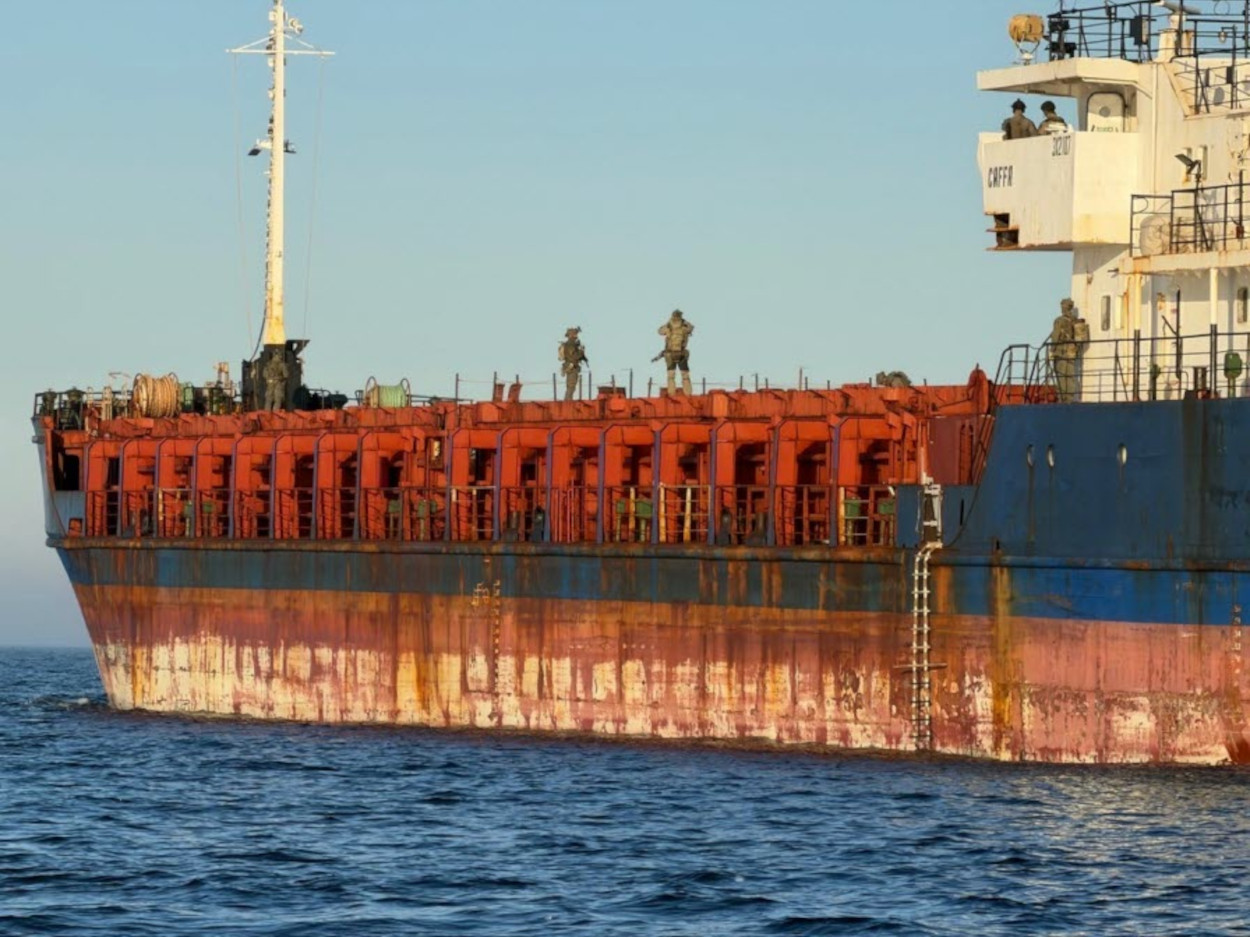
The "Caffa" vessel, part of Russia's "shadow fleet" under Swedish control on 6 March 2026. Photo: Swedish Coast Guard
Explore further

A ship linked to stolen grain from occupied Ukraine was seized in Sweden. A court says Kyiv can have it.

Britain said it has blacklisted almost 600 shadow-fleet ships, the vessels that move three-quarters of Moscow's sanctioned crude and feed a war chest funding the missiles and drones that hit Ukrainian civilians. Russia's oil-and-gas revenues fell 24% from a year earlier in 2025, the UK Ministry of Defence said, crediting the sanctions.

A single boarding leaves hundreds of tankers still sailing — 184 sanctioned vessels passed through British waters in the weeks after the UK's March threat — but a first British-led interception raises the risk and cost for a fleet whose entire value to Moscow rests on moving oil quietly and without interruption.

  •  

Russia’s oil production falls for sixth straight month as Ukrainian drone strikes hit storage and transport

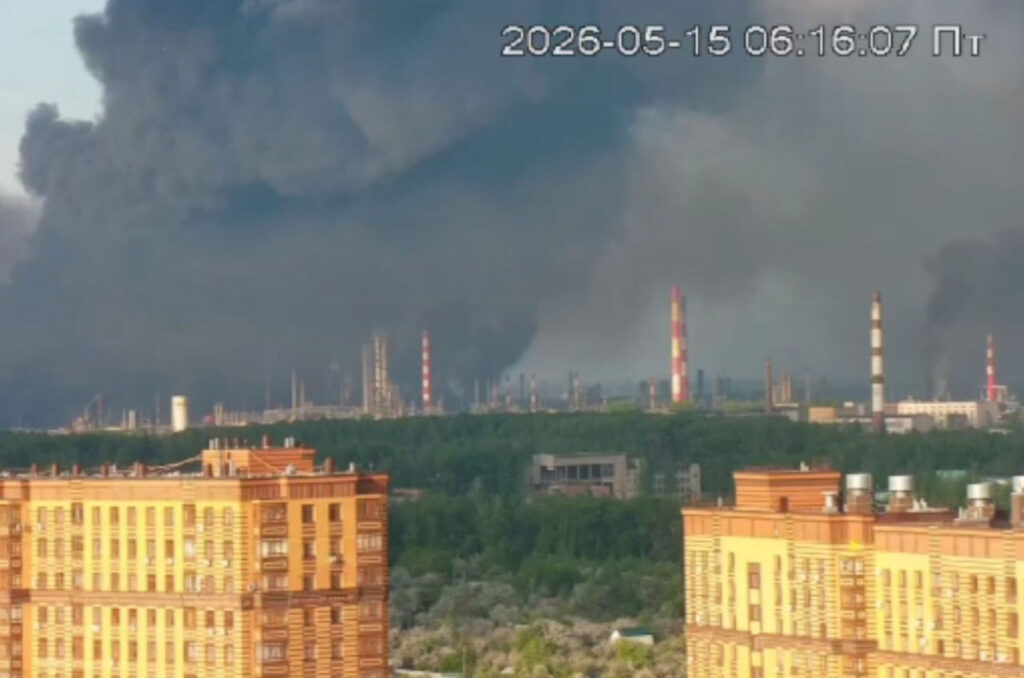
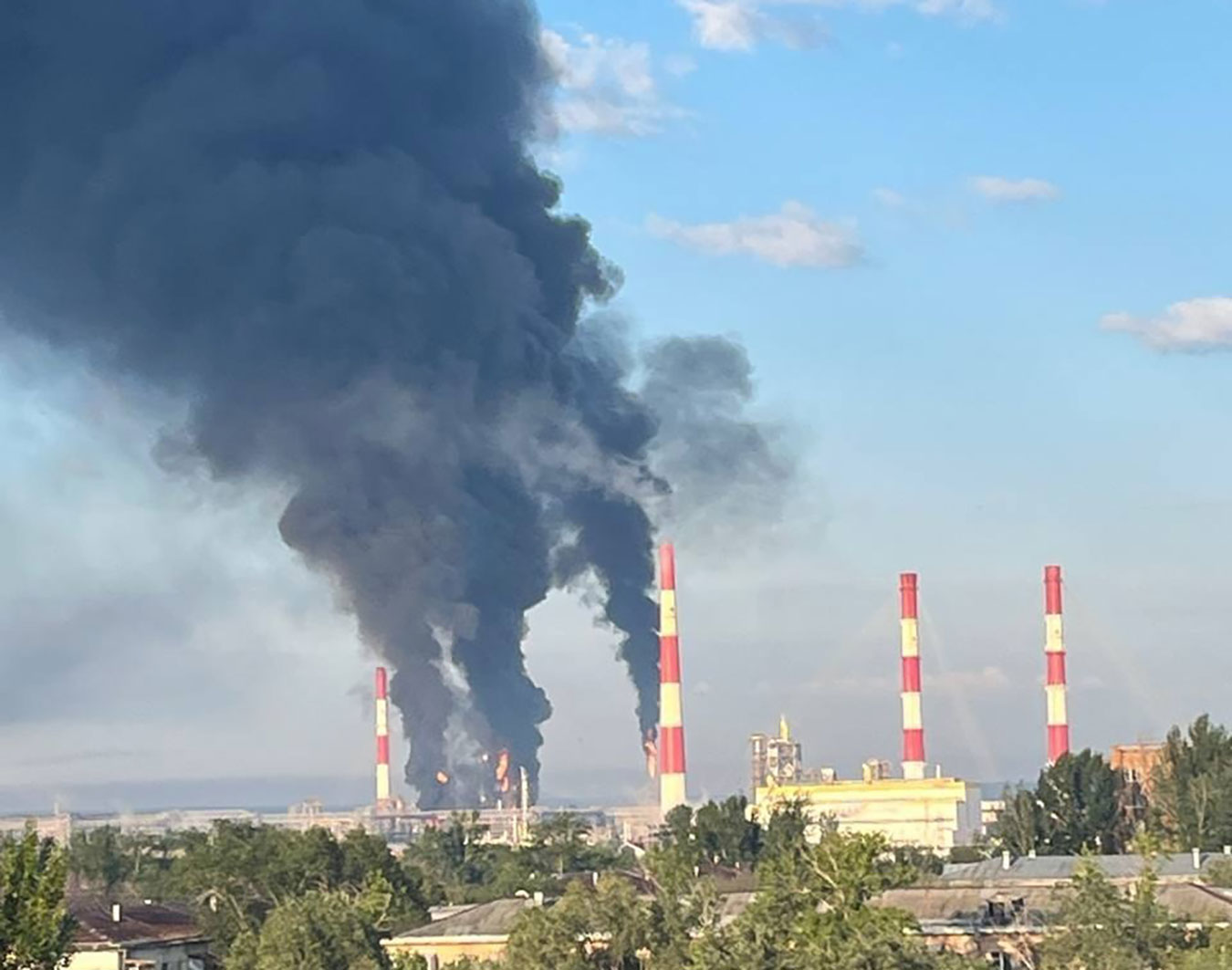
moscow's fuel supplier under fire ukrainian drones strike rosneft's ryazan refinery · post black smoke rises over oil hours after drone 15 2026 ryazan-supernova+-5204027262443918426 ukraine news reports

Russia's crude oil production fell in May to its lowest level in a year, with Ukraine's record-setting drone campaign against oil infrastructure playing a major role, Bloomberg reported. The decline, now running for half a year, cuts into the mineral extraction tax — the main channel through which oil fills the federal budget that finances the war, the Russian-language Moscow Times noted.

With Ukraine's deep strikes at a record tempo and Russia's regional budgets posting record shortfalls, every lost barrel of extraction tightens the fiscal squeeze on Moscow's war in Ukraine.

Output slides for half a year, far below the OPEC+ quota

Russia averaged 9.009 million barrels of crude a day in May, OPEC's monthly report shows. Daily output last peaked in November at 9.38 million barrels and has shrunk every month since, losing roughly 370,000 barrels, the Moscow Times wrote. The May figure sits 690,000 barrels a day short of what the OPEC+ deal obliges Russia to pump, Bloomberg calculated. The data excludes condensate, and April's level was revised slightly lower.

rosneft's kuibyshev refinery joins syzran novokuibyshevsk offline after ukrainian drone strike yesterday · post fires raging kuybyshevsky oil samara russia 10 2026 fires-rage-at-samara-kuybyshevsky-oil-refinery ukraine news reports
Explore further

All three Rosneft Samara refineries now offline or reduced as drones halt Kuibyshevsky operations yesterday

The Ukrainian strikes have been disabling oil storage and transportation capacity. That shortage, combined with underinvestment, reduces the volume of crude Russia extracts. Bloomberg observed that while the latest monthly drop marks a slowdown against previous months, it will likely keep weighing on oil markets. Oil prices stay elevated amid the continuing Middle East conflict, and Russia ranks among the world's three biggest crude producers whose barrels bypass the Strait of Hormuz, shut in practice since the Iran war erupted.

russia's fuel crisis jumps 15 25 regions five days—plus six occupied ukrainian areas · post russian truck burns gas station skadovsk kherson oblast after logistic lockdown mid-range strike 11 2026
Explore further

Russia’s fuel crisis jumps from 15 to 25 regions in five days—plus six occupied Ukrainian areas

A record month of strikes crushes refining

Ukraine sharply intensified its May campaign against Russian oil sites, logging at least 31 strikes on refineries, seaborne export terminals, and pipelines, Bloomberg counted — the highest monthly count since the full-scale invasion, as Kyiv works to cut the Kremlin's income from elevated crude prices. Because most strikes targeted fuel-producing facilities, Russian refining collapsed to its 2009 level in May. So far this month, Russia's refining runs have fallen to a two-decade low, EA Analytics, part of consultancy Energy Aspects, estimates.

russian crude reaches sea through tunnels under mountain ridge—and ukraine hit storage end near novorossiysk · post smoke fire rise over after ukrainian drone strike grushovaya oil depot krasnodar krai
Explore further

Russian crude reaches the sea through tunnels under a mountain ridge—and Ukraine hit the storage end near Novorossiysk

Exports rise while the budget's tax base shrinks

The gasoline shortage behind the fuel crisis in a number of Russian regions led producers to redirect more crude to export markets. The Baltic and Black Sea ports damaged in the first two months of spring have been repaired. Seaborne crude exports averaged 3.64 million barrels a day over the four weeks ending 31 May, Bloomberg's tanker-tracking data show. That compares with 3.17 million barrels daily over the four-week stretch to 17 April, when Ukrainian forces actively bombed ports and export terminals.

The Moscow Times notes that the export shift allows companies and intermediaries who retain significant sums from sales abroad to raise their incomes. The federal budget that pays for the war, though, is filled above all by the mineral extraction tax, so falling production hits government revenue directly.

  •  

Russian crude reaches the sea through tunnels under a mountain ridge—and Ukraine hit the storage end near Novorossiysk

russian crude reaches sea through tunnels under mountain ridge—and ukraine hit storage end near novorossiysk · post smoke fire rise over after ukrainian drone strike grushovaya oil depot krasnodar krai

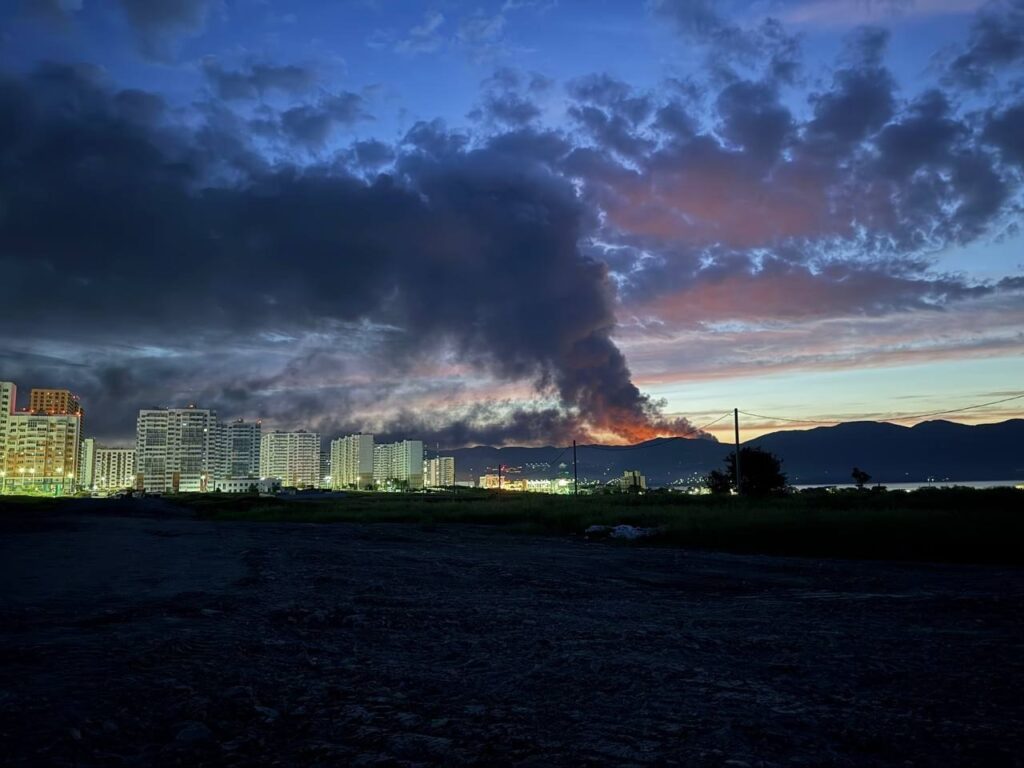
Ukrainian drones set a major oil depot ablaze near the Russian Black Sea port of Novorossiysk overnight on 7-8 June 2026, in a strike confirmed by Ukraine's Unmanned Systems Forces (SBS). Residents reported a string of blasts and heavy smoke over the Grushovaya storage site, which feeds Russia's busiest oil-export port. Ukrainian forces hit two more targets in southern Russia the same night.

Ukraine has spent the past year pushing its deep-strike campaign further into Russia, hunting the refineries, pipelines, and export ports that turn crude into the cash funding the invasion. Each hit on this Black Sea network forces costly repairs and brief loading halts, and steady Ukrainian success deep in Russia's rear, alongside a steadier front, is shifting how the West reads the war.

Drones spark a blaze at Novorossiysk's oil hub

The strike came before dawn. Residents of Novorossiysk, in Russia's Krasnodar Krai, reported about 50 blasts, then heavy smoke over the Grushovaya oil depot. Operators of the SBS's 1st Separate Center, working with Special Operations Forces (SSO) and other units, confirmed the hit. Ukraine's General Staff also confirmed the strike and said a fire broke out, with damage still being assessed. Russian officials claimed no one was hurt.

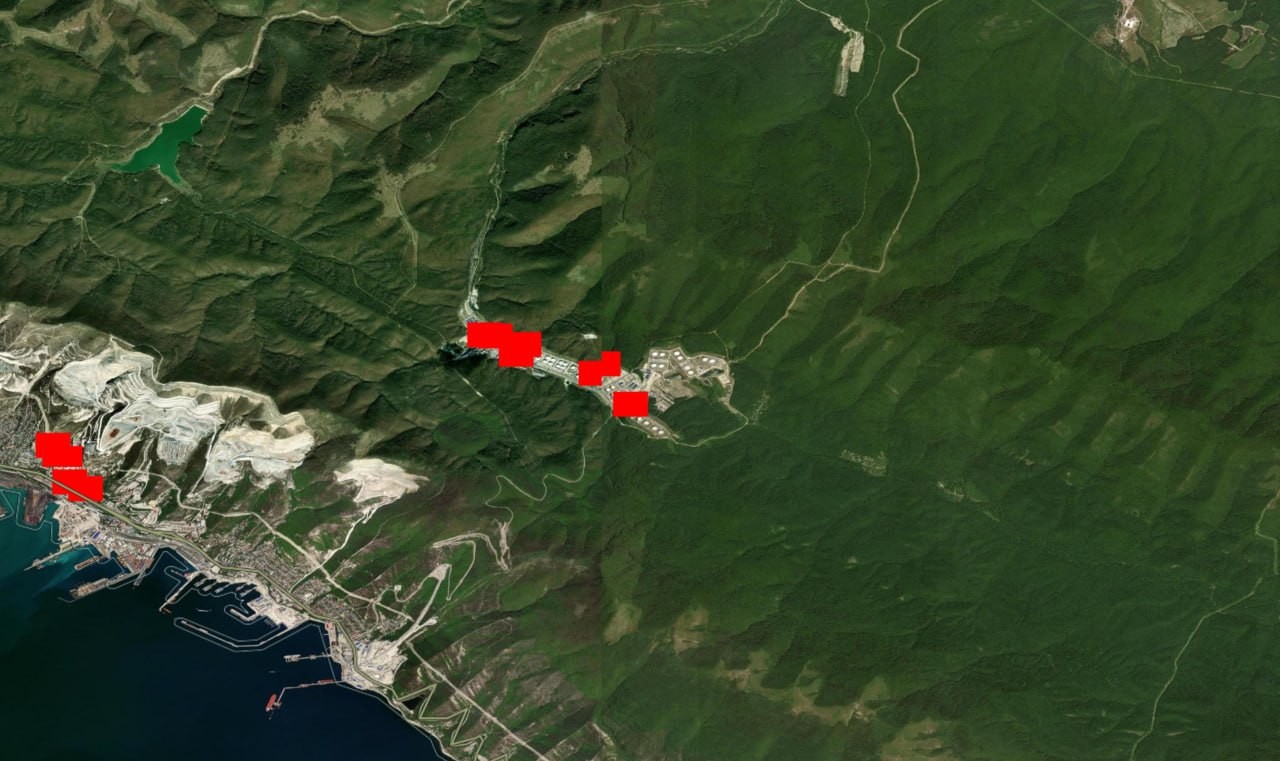
russian crude reaches sea through tunnels under mountain ridge—and ukraine hit storage end near novorossiysk · post nasa firms satellite data fire hotspots (the red squares top right) grushovaya oil
NASA FIRMS satellite data showing fire hotspots (the red squares, the cluster to the right) at the Grushovaya oil depot near Novorossiysk, 8 June 2026. Map: NASA FIRMS

NASA's FIRMS satellite service detected abnormal heat at the site at 02:48 on 8 June. Ukrainian Telegram channel Exilenova+ began reporting the attack around 3 a.m., posting photos and videos of fire in the mountains above the city. OSINT Telegram channel Falcon insight pinpointed the location. Russian news Telegram channel ASTRA confirmed the burning tank farm from eyewitness footage shot about 11 km away.

A fuel storage depot is burning in Novorossiysk, Russia, after a drone strike hit the tank farm overnight

Novorossiysk is one of Russia's most strategically important Black Sea ports, handling a significant share of Russian oil exports
🎥 Supernova pic.twitter.com/d2ab4SSuH0

— Euromaidan Press (@EuromaidanPress) June 8, 2026

What the Grushovaya depot feeds

The Grushovaya site is a transshipment depot for the Sheskharis terminal. Chernomortransneft runs it, under Russia's state pipeline monopoly Transneft. It sits in the Grushovaya Balka tract beyond the Markotkh Ridge, about 12 km from Novorossiysk. The tank farm holds more than 1.2 million m³ of fuel across dozens of tanks, on a site of about 212 hectares. SBS called it one of the largest oil-product stores in the Caucasus.

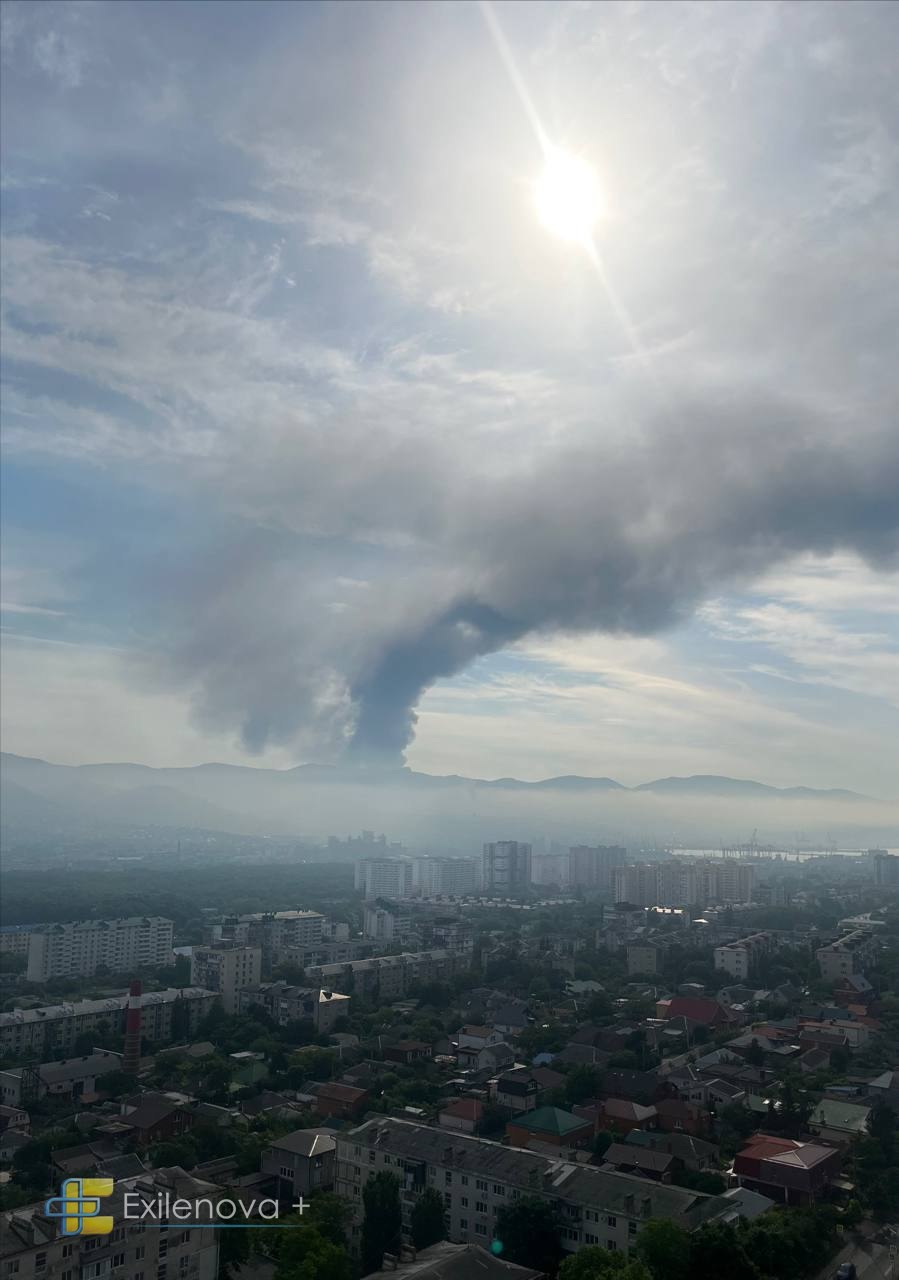
russian crude reaches sea through tunnels under mountain ridge—and ukraine hit storage end near novorossiysk · post smoke burning grushovaya oil depot drifts over after ukrainian drone strike 8 2026
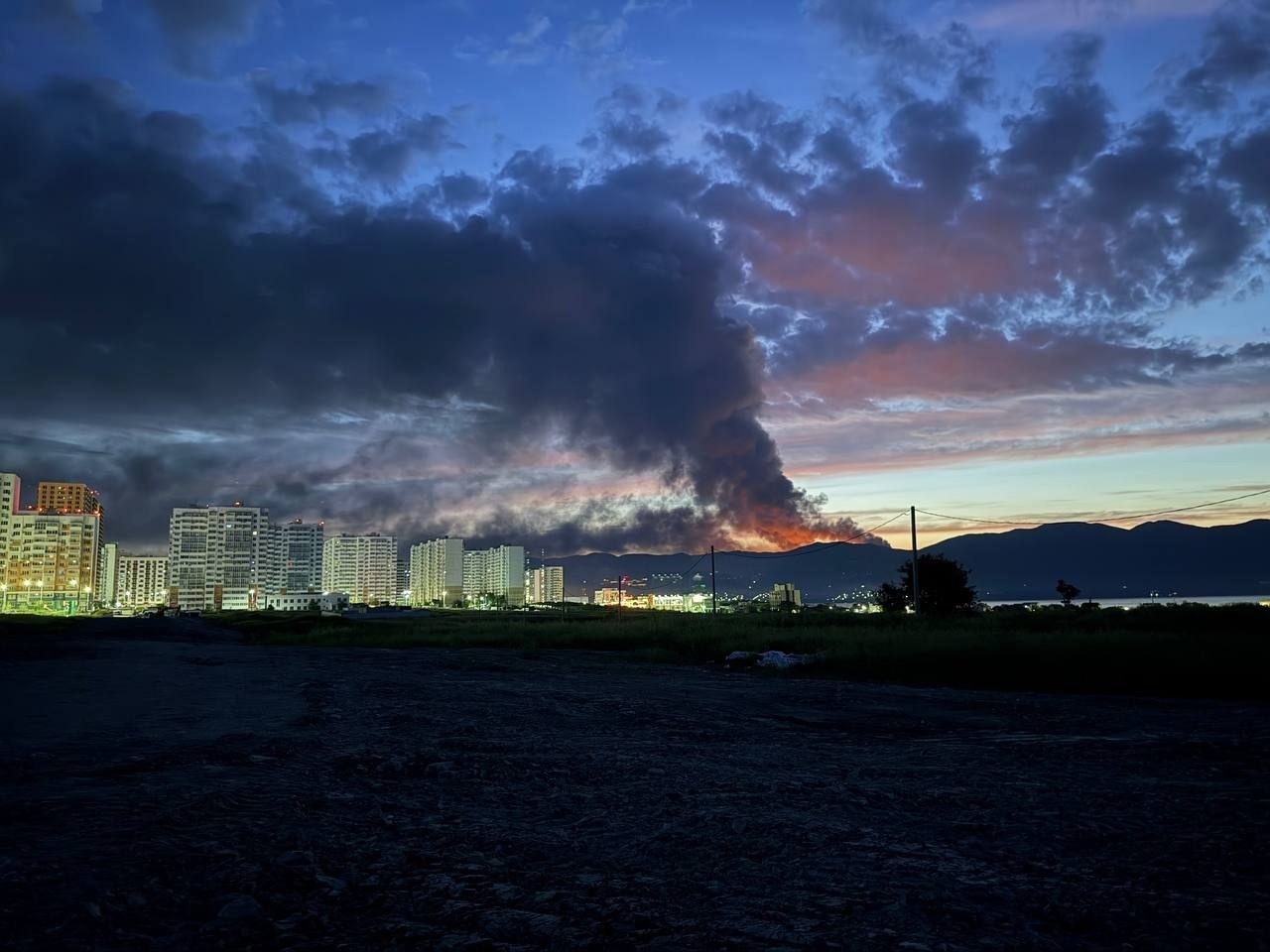
Smoke from the burning Grushovaya oil depot drifts over Novorossiysk after the Ukrainian drone strike, 8 June 2026. Photo: Exilenova+

Novorossiysk is southern Russia's biggest oil-export hub, the Moscow Times reported. The port ships up to 700,000 barrels a day, and its terminals moved 19.8 million tonnes of oil products in 2025. That trade feeds Russia's budget, which bankrolls the war on Ukraine. The port has become a recurring target in Ukraine's strikes on Russia's Black Sea oil logistics.

Volgograd and a coastal radar also hit

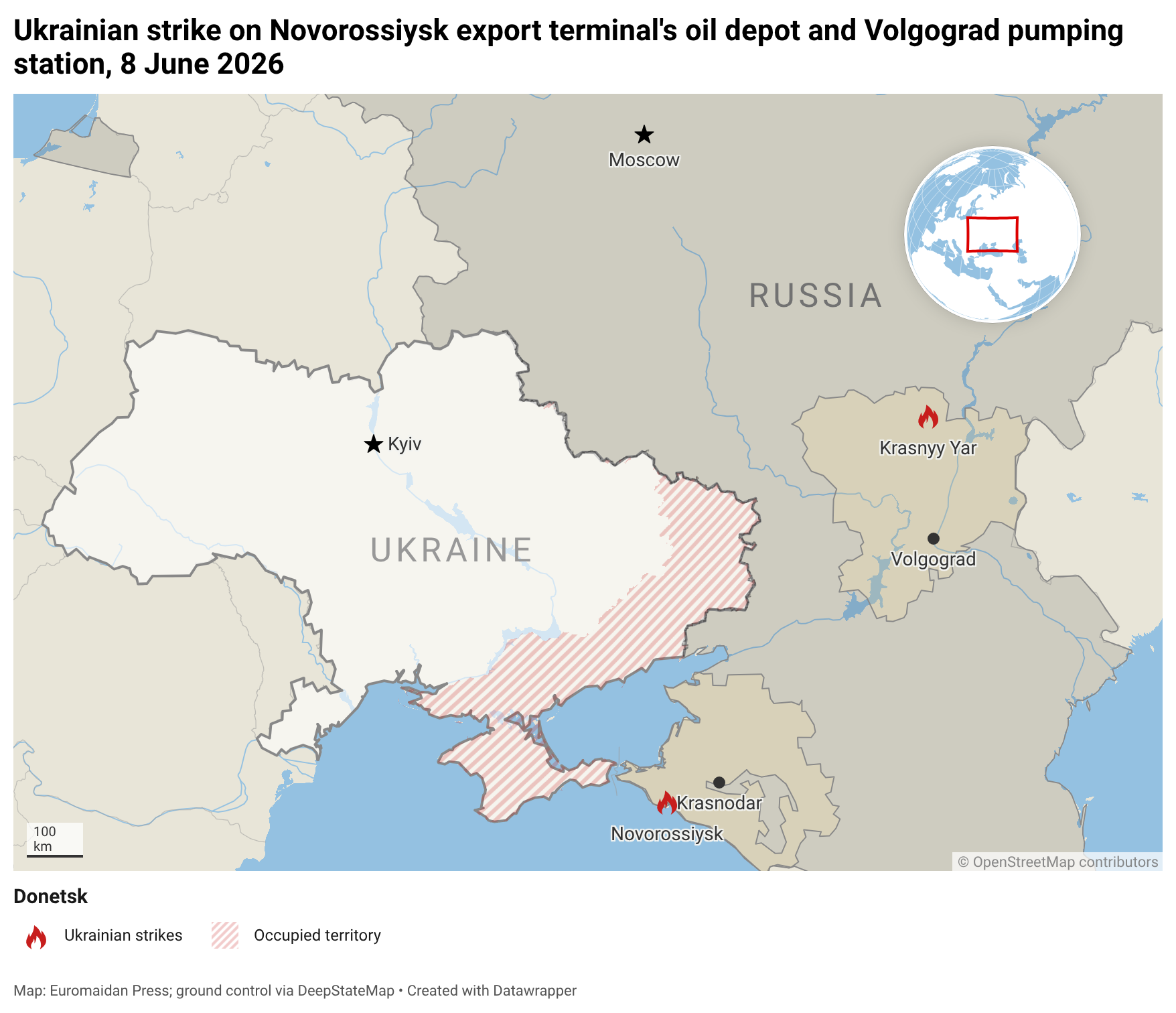
The same night, Ukraine's General Staff said its forces struck the Krasny Yar oil-pumping station in Volgograd Oblast, where a fire broke out. Volgograd governor Andrei Bocharov claimed the blaze came from falling drone debris at the Zhirnovsk pumping station and was quickly put out, the Moscow Times reported. Ukrainian forces also hit a Russian radar station near Kabardinka in Krasnodar Krai, according to the General Staff.

Ukrainian drones struck Russia's Baltic Fleet base at Kronstadt near St. Petersburg overnight, flying nearly 1,000 km. Source: Zelenskiy
Explore further

Kronstadt, Russia’s major naval Base after Black Sea Fleet losses, gets hit by Ukrainian drones (VIDEO)

Not the first strike on Novorossiysk's oil chain

Ukrainian forces have hit this infrastructure before. Ukrainian defense outlet Militarnyi reported that drones struck the Grushovaya depot on 23 May 2026, when fire spread across much of the site. Strike drones also hit the Sheskharis terminal on 6 April, damaging oil-metering systems and shut-off valves at the loading berths. ASTRA said the wider complex was attacked in early March, early April, and on 22 May.

  •  
❌