Reading view

Storm Shadow maker MBDA and Ukrainian Armor launch partnership to develop deep strike and anti-drone systems
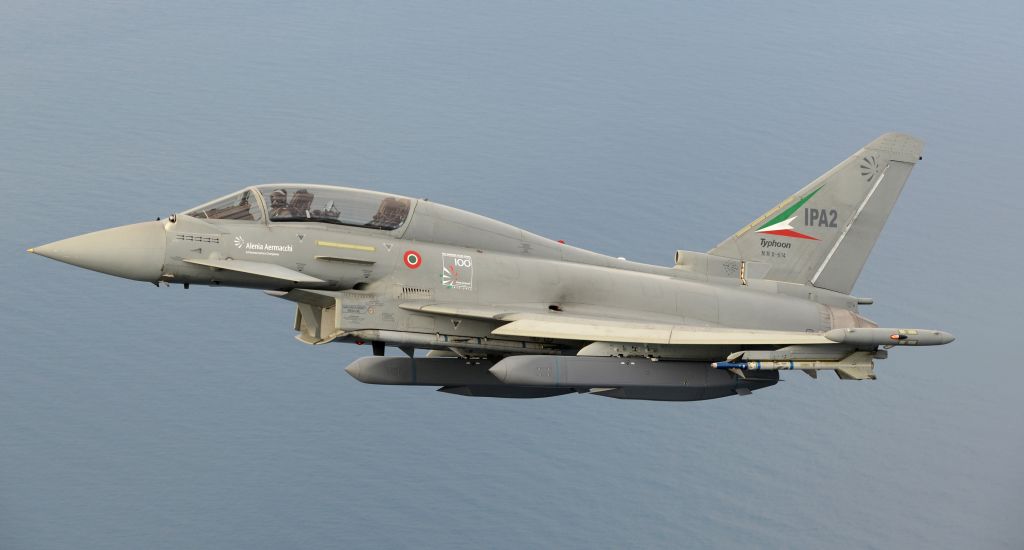
Italian Air Force with Storm Shadow missiles.

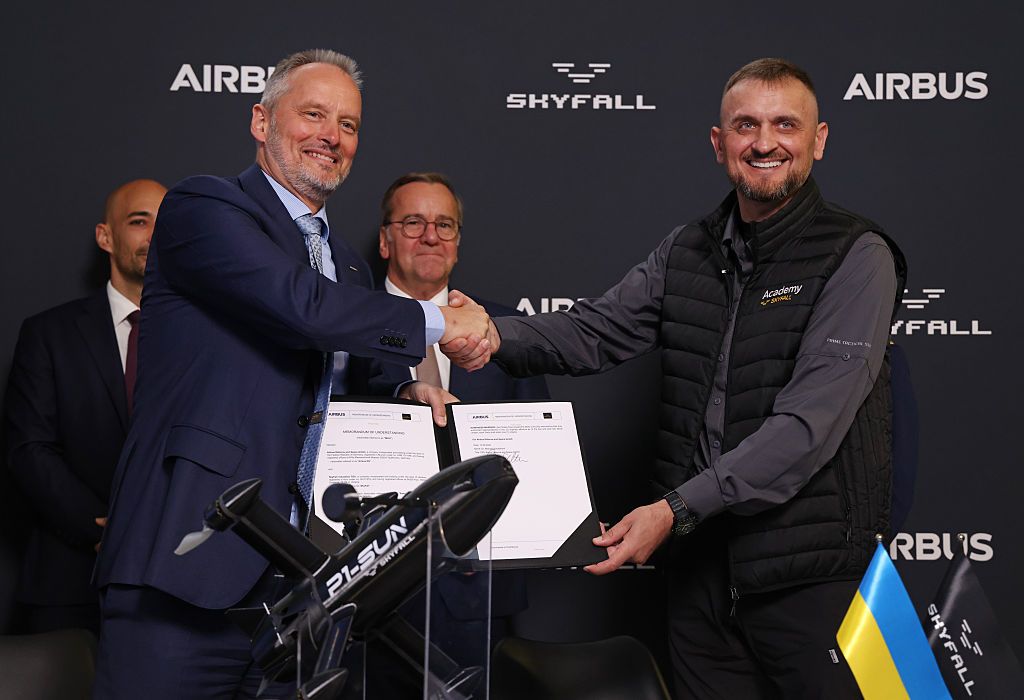
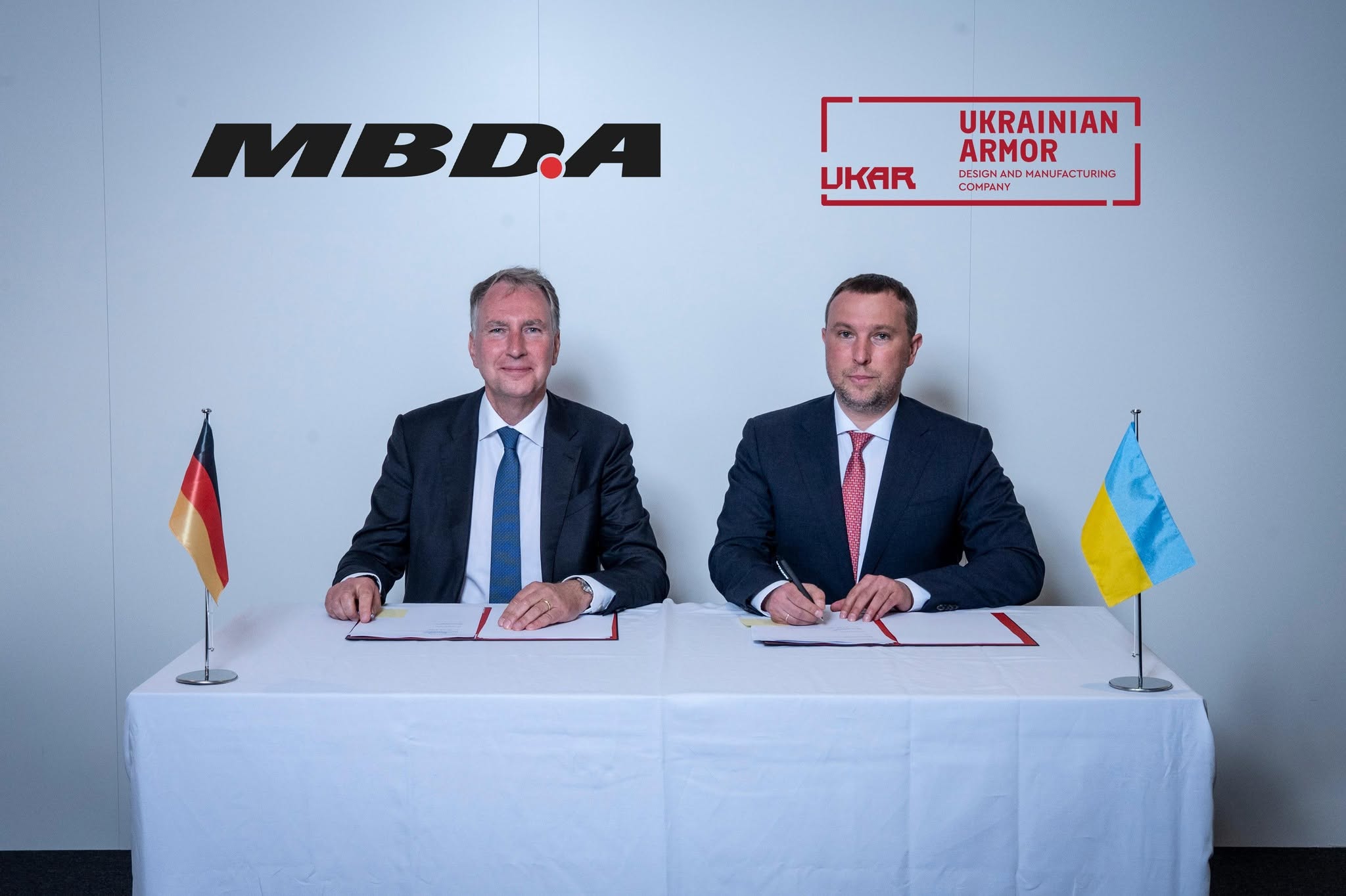
European missile systems manufacturer MBDA and Ukrainian defense company Ukrainian Armor have signed a memorandum of understanding to explore joint development of deep-strike systems and counter-unmanned aerial systems (C-UAS), marking a new phase of industrial cooperation linked to the war in Ukraine, MBDA announced on 10 June.

MBDA expands cooperation with Ukraine’s defense industry

MBDA is one of Europe’s leading defense firms specializing in guided missile systems across air, land, and naval domains. It is also the maker of the Storm Shadow / SCALP-EG cruise missile, which has been supplied to Ukraine by European partners for long-range strike missions.

Ukrainian Armor is a domestic Ukrainian defense manufacturer involved in producing armored vehicles, artillery systems, ammunition, and unmanned platforms, and has expanded significantly since the start of Russia’s full-scale invasion.

Cooperation to focus on long-range strike systems and counter-drone technologies

The agreement sets out a framework for long-term cooperation, including joint development projects, technology exchange, and potential co-production initiatives, with the possibility of establishing a future joint venture.

The focus is on two priority areas: “deep strike” capabilities for long-range precision attacks, and counter-unmanned aerial systems designed to detect and neutralize drones, which have become central to battlefield dynamics in Ukraine.

Ukraine to strengthen domestic defense production with European expertise

MBDA said the partnership is intended to help strengthen Ukraine’s independent industrial capacity, while leveraging European experience in advanced missile and air defense systems. Ukrainian Armor will contribute production capability and operational experience across armored vehicles, munitions, and unmanned systems developed under wartime conditions.

Both sides said the cooperation aims to combine European technological expertise with Ukrainian battlefield-driven innovation, creating a framework for deeper defense-industrial integration.
  •  

How Ukraine uses AI to guide long-range drone strikes through electronic warfare and deep into Russian-controlled rear areas

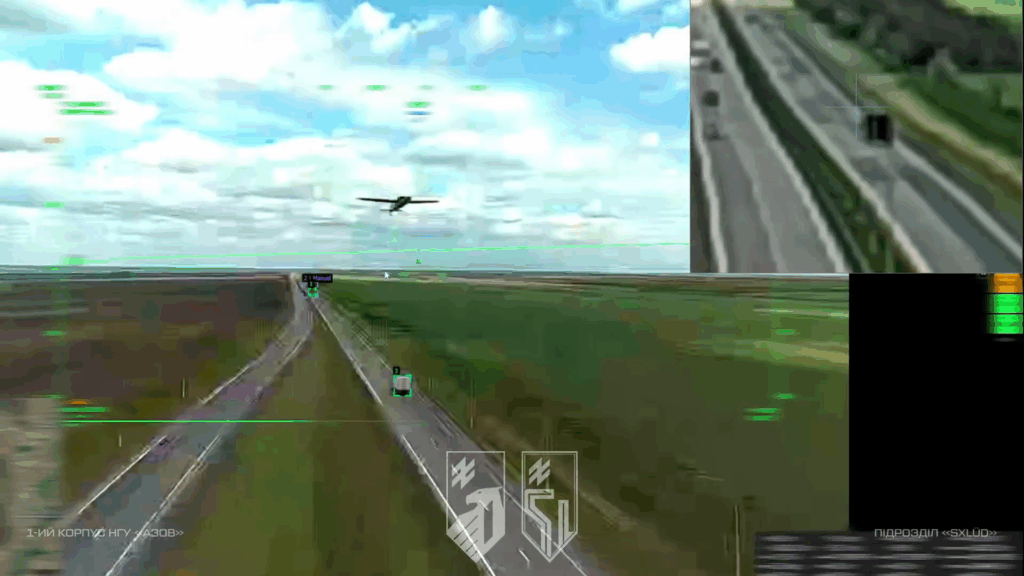
A Ukrainian Hornet drone spots another Hornet. Photo: Ukraine's 1st Azov Corps

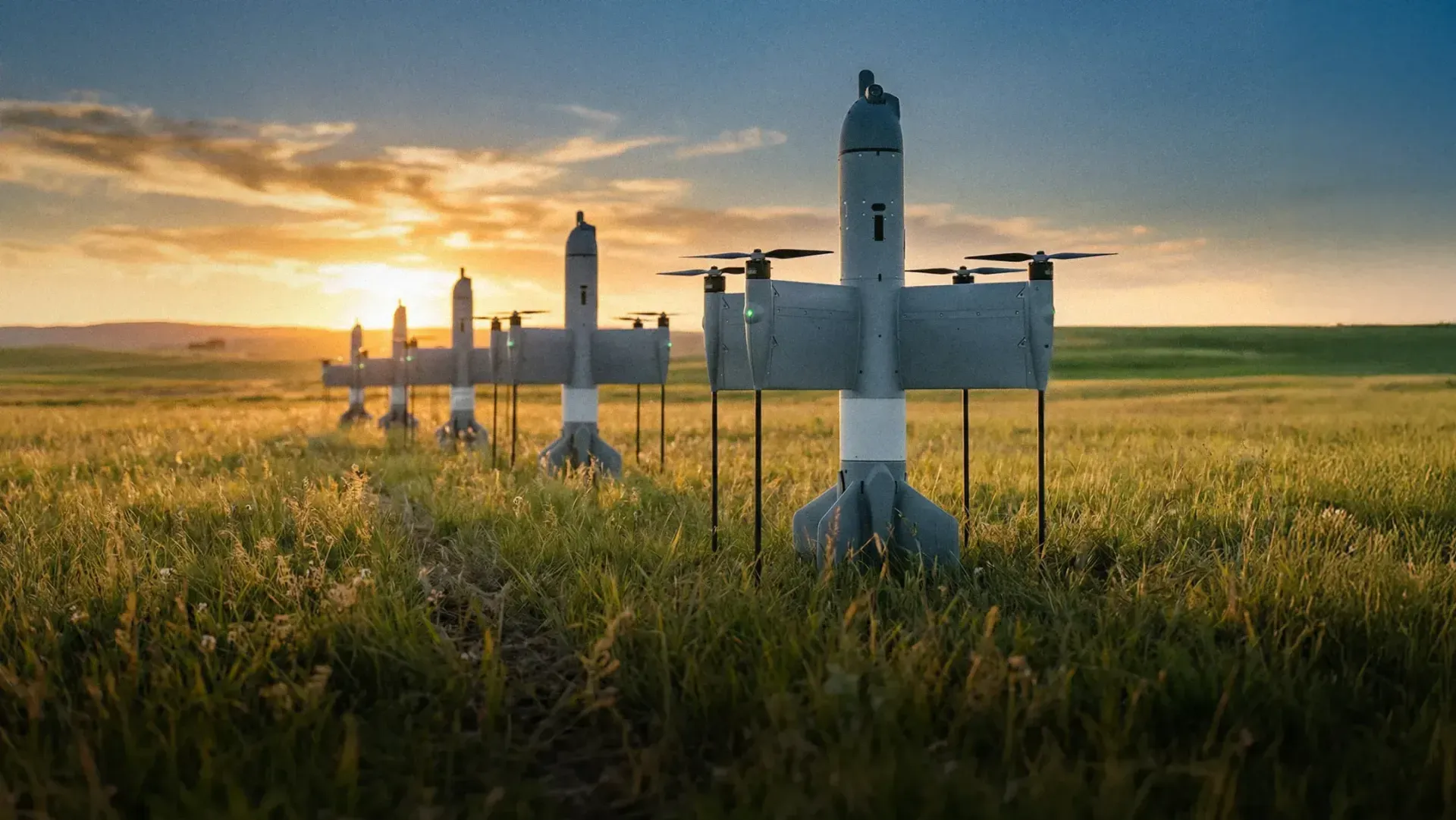
Ukraine’s Ministry of Defense (MoD) says artificial intelligence is increasingly integrated into so-called “middle strike” systems, enabling long-range drones to operate in heavily contested electronic warfare environments and strike targets at operational depth.

Officials say the systems are part of a broader program aimed at disrupting Russian logistics and supply chains, with Ukraine reporting a sharp increase in strikes on transport routes, depots, command posts, and equipment concentrations in recent months.

The MoD explains that the use of AI is intended to overcome two key constraints in this operational zone: heavy electronic warfare interference that disrupts satellite navigation, and dense air defense coverage that limits predictable flight paths.

AI takes over control at target approach phase

According to the ministry, AI systems are not active throughout the entire mission. Drones are initially flown under operator control, but once they reach a designated target grid, onboard systems take over navigation and targeting.

At that stage, onboard computers and optical sensors begin real-time analysis of the surrounding area, switching from manual guidance to autonomous control for the final approach.

Visual navigation without GPS using terrain matching

The ministry says drones equipped with AI systems are able to operate without reliable satellite navigation by using onboard cameras and computer vision models.

These systems continuously scan terrain features such as roads, rivers, and landscape contours, and compare them against preloaded high-resolution satellite imagery. 

This allows the drone to determine its position based on visual correlation rather than GPS signals, which are often degraded or spoofed by electronic warfare.

Automated target recognition and terminal strike adjustment

In the terminal phase, AI systems analyze live video feeds to identify military equipment based on trained visual patterns. The system is designed to distinguish between different types of targets and automatically assign a tracking marker once a valid target is recognized.

Once a target is locked, the AI adjusts flight controls in real time to guide the drone into a final dive trajectory.

The ministry also says the system can reduce misidentification risks by distinguishing between real equipment and decoys using multiple indicators, including geometry, surface texture, and thermal signatures.

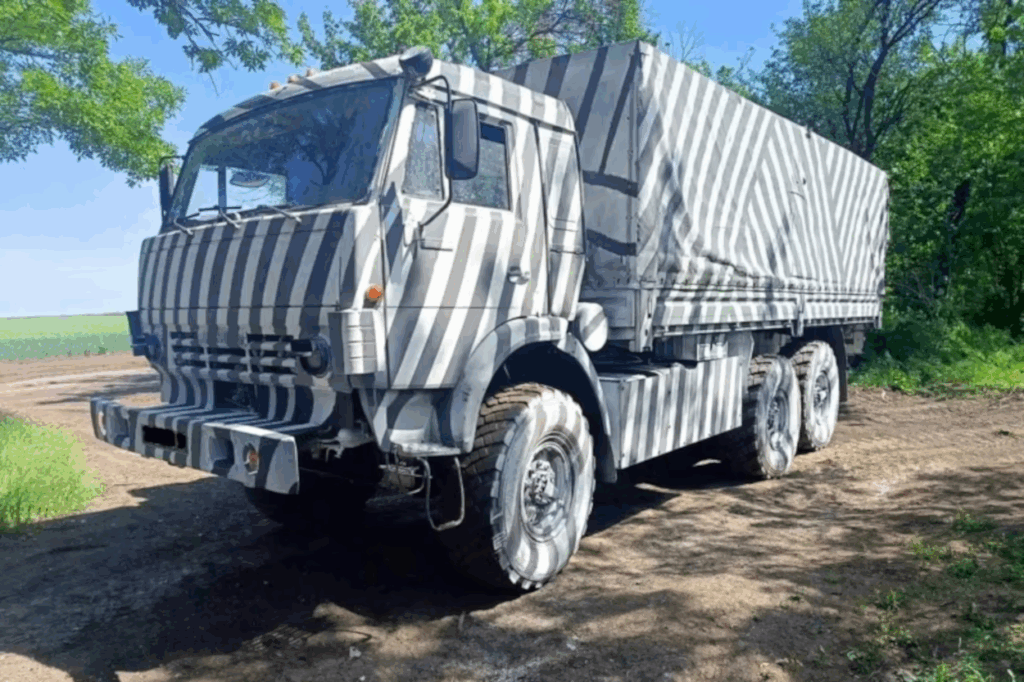
Russian forces are increasingly trying to counter these AI-assisted drone targeting systems using methods such as painting military vehicles with high-contrast zebra-like stripes. Experts say the markings are designed to confuse computer vision models trained to identify standard vehicle shapes and camouflage patterns.

Russian military vehicle with zebra-like paint patterns in an attempt to disrupt AI-assisted drone targeting systems. Photo from social media, via RFE/RL.

Route planning shaped by electronic warfare conditions

The MoD says AI is also used before launch to optimize flight paths. Planning systems incorporate intelligence on Russian air defense and electronic warfare deployments, selecting routes that minimize exposure.

This includes analysis of radar coverage, identification of terrain masking opportunities, and the use of blind spots in air defense systems. The goal, according to officials, is to ensure drones can reach operational depth targets despite dense electronic warfare and interception layers.

“Logistics Lockdown” program and expanded strike depth

Ukraine says these systems are being deployed as part of a wider “Logistics Lockdown” program aimed at increasing pressure on Russian military supply chains.

Officials say “middle strike” operations are now being scaled to target Russian logistics, infrastructure, and military assets at distances of up to 200 kilometers behind the front line.

The MoD says the approach is designed to combine intelligence, long-range strike capability, and automation to increase the tempo and effectiveness of attacks on Russia’s rear support systems.

  •  

Abrams tanks in Ukraine get modular drone protection to survive in today’s drone-dominated warfare

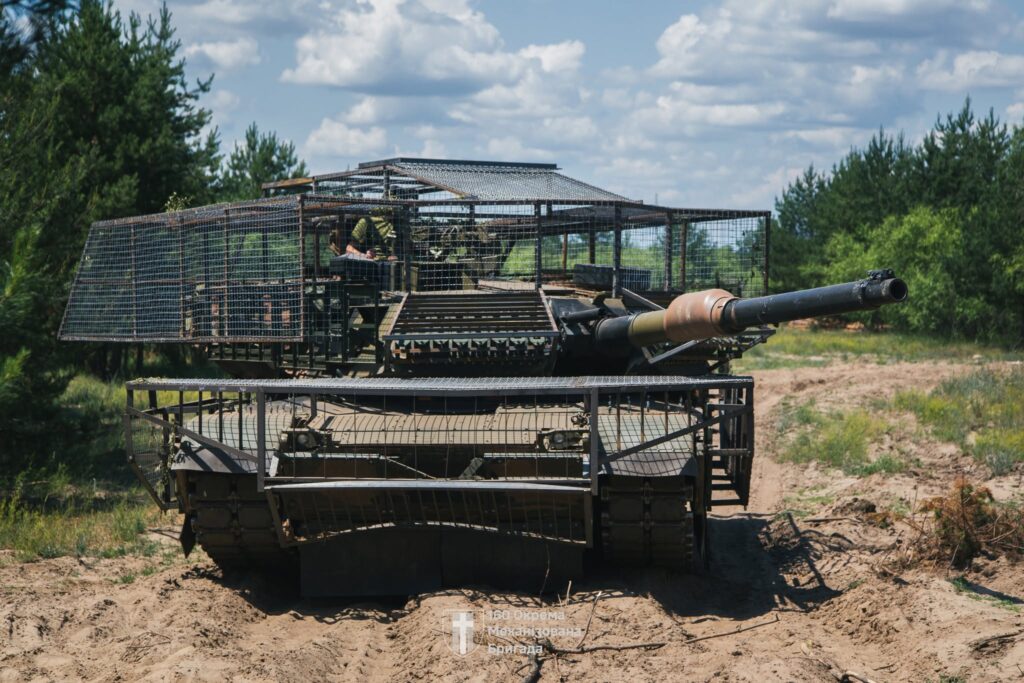
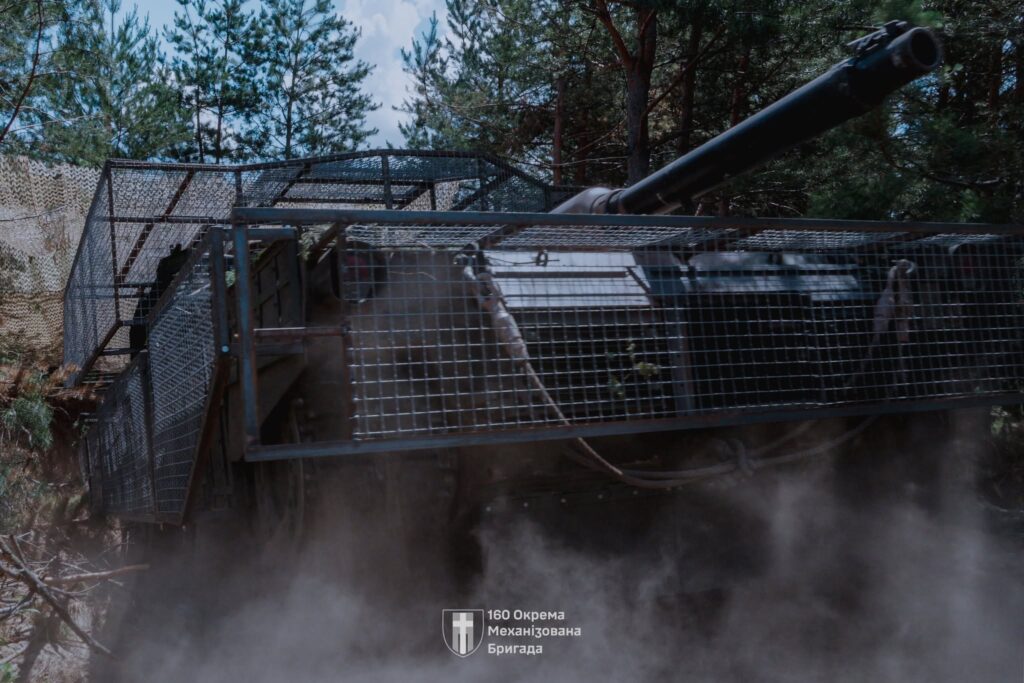
Ukrainian Abrams tank fitted with modular cage-style protection designed to counter FPV drone strikes on the front line, as crews adapt Western armor to modern battlefield threats. Photo: Ukraine’s 160th Separate Mechanized Brigade

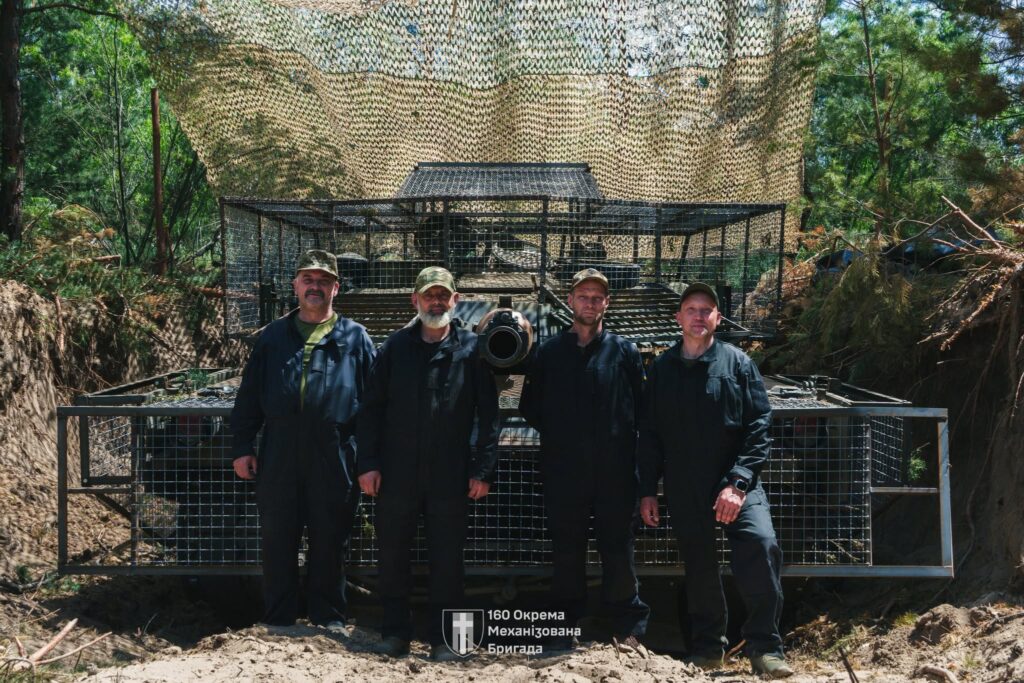
Ukraine’s 160th Separate Mechanized Brigade has published new photos of its Abrams tank “Lucifer,” showing how Ukrainian crews are adapting Western armor to survive the increasing FPV drone threats on the front line that are defining modern warfare.

Drones have significantly reduced the battlefield advantage of tanks by enabling low-cost, precise strikes against weak points in armored vehicles. This has forced Ukrainian crews to adapt heavy armor with additional protective structures, including cage-style and modular field modifications.

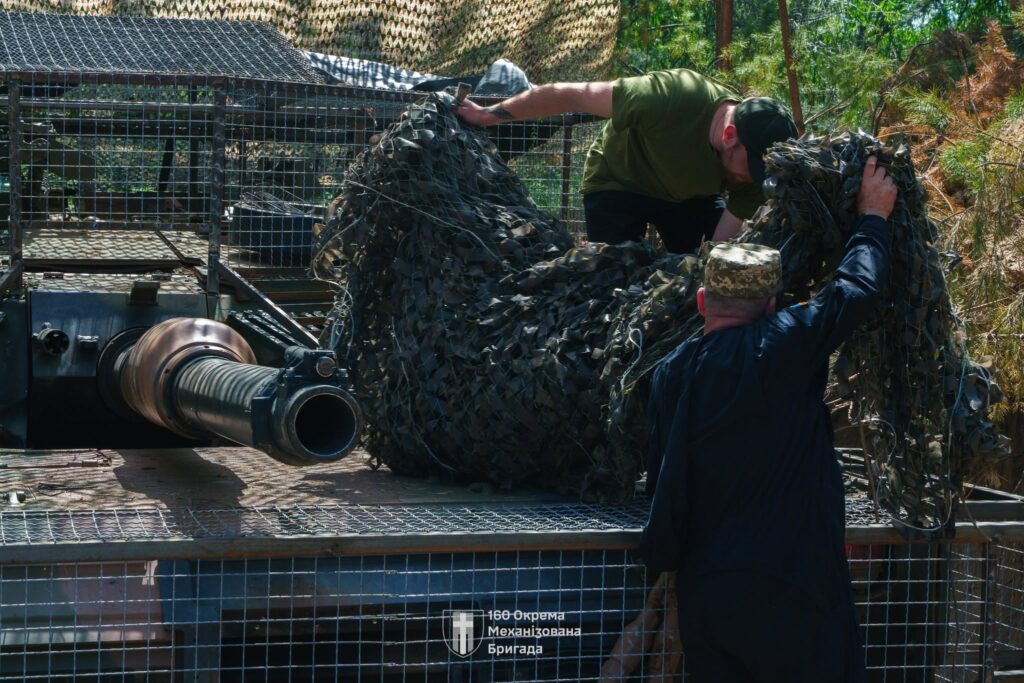
Ukrainian Abrams tank fitted with modular cage-style protection designed to counter FPV drone strikes on the front line, as crews adapt Western armor to modern battlefield threats. Photo: Ukraine’s 160th Separate Mechanized Brigade

Abrams tank “Lucifer” fitted with modular anti-drone cages

According to Defense Blog, the tank is an M1A1 AIM Abrams operated by the brigade’s tank battalion and is among 49 vehicles transferred to Ukraine by Australia. The vehicle has been fitted with extensive modular cage-style protection covering the turret, hull sides, and rear.

Defense Blog notes that the modifications are designed to counter FPV drone threats, which increasingly target weaker sections of armored vehicles such as engine decks, rear armor, and roof areas. 

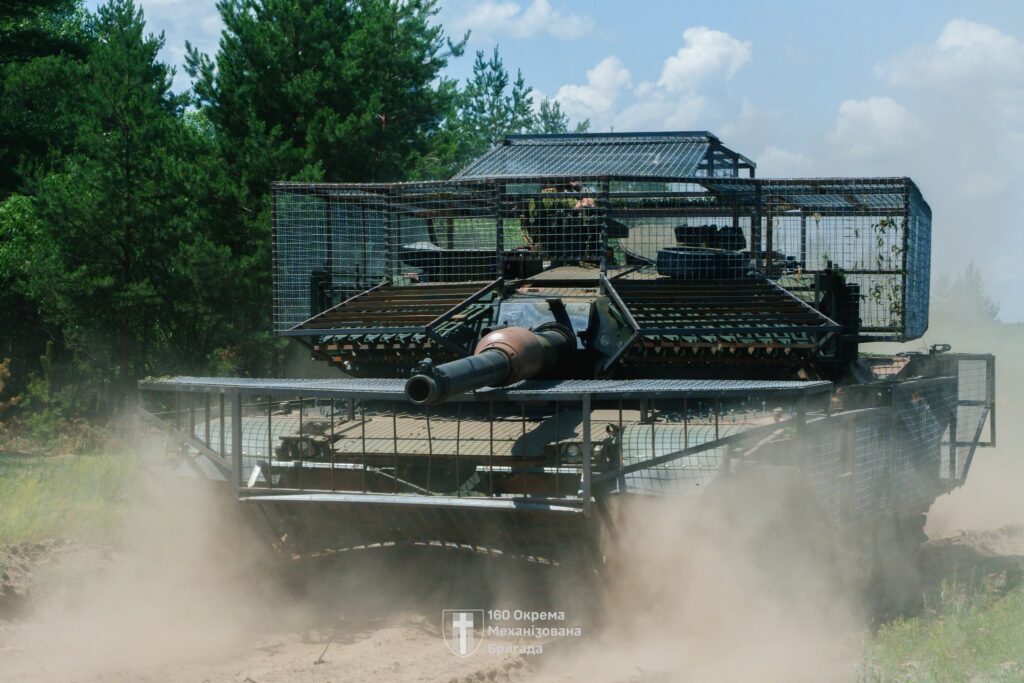
The cage system reportedly allows the turret to rotate freely while maintaining overhead protection, addressing a key limitation of earlier field modifications that restricted combat use.

Ukrainian Abrams tank fitted with modular cage-style protection designed to counter FPV drone strikes on the front line, as crews adapt Western armor to modern battlefield threats. Photo: Ukraine’s 160th Separate Mechanized Brigade

Adaptation of Western armor under drone-dominated conditions

FPV drones have become one of the most widespread threats to armored vehicles on the front line, forcing Ukrainian crews to repeatedly modify Western-supplied systems in the field.

Defense Blog reports that the design seen on “Lucifer” reflects a more structured approach to these adaptations, moving beyond improvised protection toward modular systems that can be replicated across units. 

Separate protective sections for the turret and hull are intended to preserve maneuverability while expanding coverage against drone attacks from multiple angles.

The outlet adds that Australian-supplied Abrams tanks are now integrated into Ukraine’s operational fleet in frontline sectors, where crews continue to adjust battlefield equipment based on real-time combat experience.

Ukrainian Abrams tank fitted with modular cage-style protection designed to counter FPV drone strikes on the front line, as crews adapt Western armor to modern battlefield threats. Photo: Ukraine’s 160th Separate Mechanized Brigade

160th Brigade highlights Abrams combat role

The unit said few systems match a tank for firepower and protection, describing the Abrams as a vehicle that “clears the way where the enemy tries to hold its positions.” 

It added that crews are prepared to carry out high-risk missions under fire. The brigade also said that naming a tank “Lucifer” reflects its combat role and warned that it gives opposing forces “every reason to worry.”

Ukrainian Abrams tank fitted with modular cage-style protection designed to counter FPV drone strikes on the front line, as crews adapt Western armor to modern battlefield threats. Photo: Ukraine’s 160th Separate Mechanized Brigade
  •  
❌