
Reading view

Met police chief calls for law to make stolen phones ‘unusable bricks’

Home secretary also urged to force tech firms into sharing data on stolen devices and if they are reactivated

The Metropolitan police commissioner, Sir Mark Rowley, has asked the home secretary, Shabana Mahmood, to force all phone companies to make stolen devices “unusable bricks” in order to make them harder to sell on and less desirable to steal.

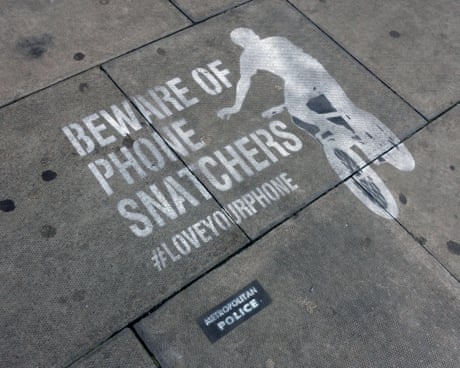
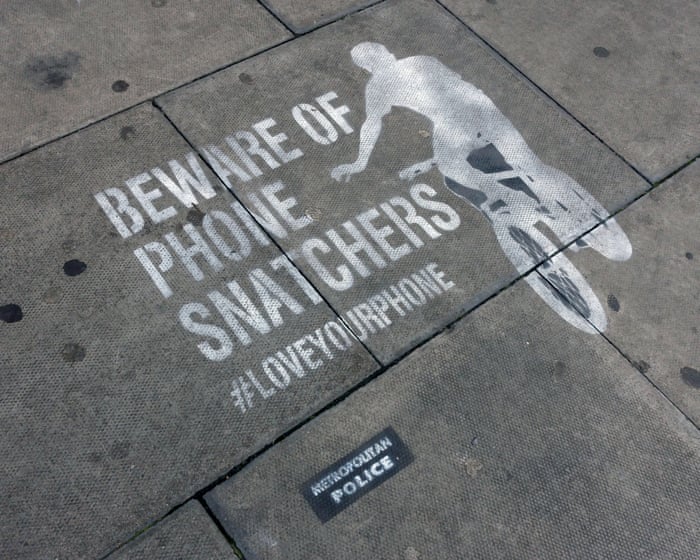
London is widely regarded as the phone-snatching capital of Europe, with between 200 and 300 devices stolen each day. The city accounts for up to three-quarters of all mobile phone thefts in England and Wales.

Continue reading...

© Photograph: Jeffrey Blackler/Alamy
© Photograph: Jeffrey Blackler/Alamy
© Photograph: Jeffrey Blackler/Alamy

  •  

Australia’s Social Media Ban Is Floundering. Can It Still Help Younger Kids?

Six months in, many teens are already back on platforms they were supposed to be blocked from. The ban’s benefits may fall to the next generation.

© Adam Ferguson for The New York Times

The mother of Jimmy, 12, said she tried to build relationships with families that share her concerns about social media and to nurture his interests in activities that don’t involve screens.
  •  

Britain Is Weighing a Social Media Ban for Children. How Did It Get Here?

Months after Australia banned social media for everyone under 16, the British government is considering new policies to keep children safe online.

© Hollie Adams/Reuters

Using a smartphone in Sydney, Australia, last year. In December, the country banned social media for those under 16.
  •  

Argentina’s World Cup Sticker Albums Are a Low-Tech Craze Immune to the Digital Revolution

World Cup sticker albums have captivated children and adults in Argentina, in a collecting fever that seems immune to the digital revolution.

© Anita Pouchard Serra for The New York Times

People exchanging World Cup stickers in Buenos Aires last month.
  •  

Two New Studies Ask: Did the iPhone Cause Birthrates to Decline?

Modern smartphones rolled out in 2007, the year that fertility rates began falling. Two studies say that is not a coincidence.

© Colin Clark for The New York Times

Fertility is not just dropping in the United States. The mystery is now a near-global phenomenon.
  •  
❌