Suit filed in US alleges chatbot told Alice Carrier, 24, ‘maybe this is just the end’ as she struggled with suicidal thoughts
A Canadian mother sued OpenAI and its CEO, Sam Altman, in US court on Thursday, alleging that ChatGPT encouraged her daughter to kill herself. The lawsuit is the latest in a slew accusing the company of failing to address dangerous conversations between users and the company’s chatbot.
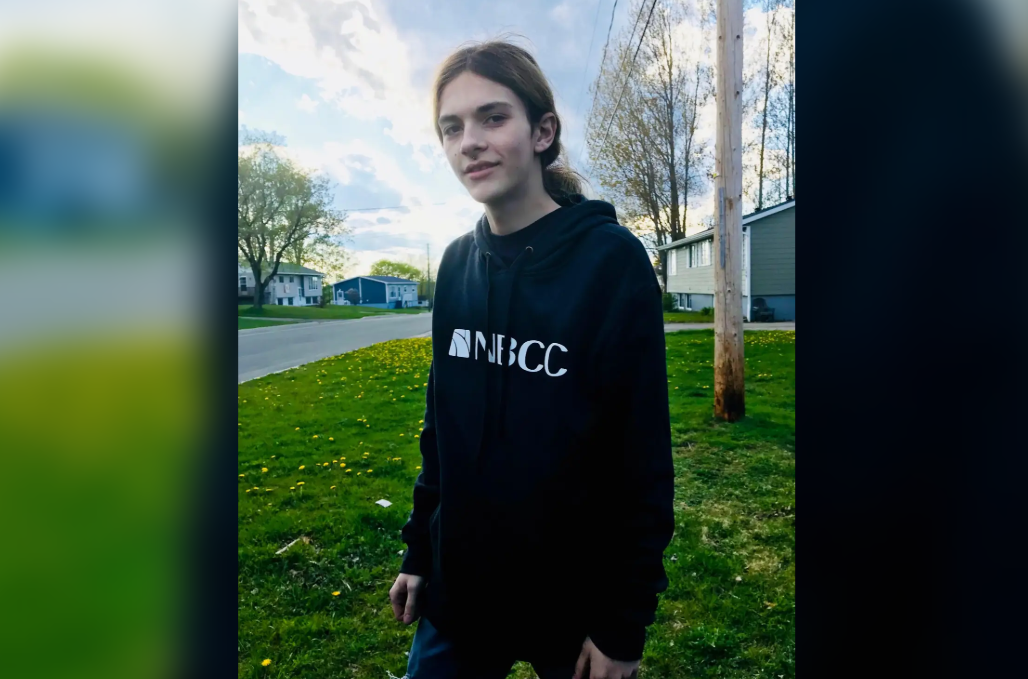
Kristie Carrier said in a lawsuit filed in San Francisco state court that her daughter, Alice, told ChatGPT about her suicidal ideations more than a dozen times leading up to her death but that OpenAI’s safety systems never flagged the conversations for human review or terminated them.
OpenAI files for IPO. Credit: Focal Foto / Wikimedia Commons / CC BY-SA 4.0
OpenAI confirmed Monday it has confidentially filed an IPO with U.S. regulators, joining rival Anthropic as the AI sector moves toward public markets. No timeline, share count, or pricing was announced.
The company said the move preserves the option for an earlier listing, while some decisions are easier to handle as a private firm.
Reuters reported OpenAI is targeting a valuation near $1 trillion for a debut possible as early as September. Anthropic filed for a U.S. IPO on June 1 after a $65 billion funding round valued it at $965 billion.
SpaceX is also pursuing a $75 billion offering at a $1.75 trillion valuation. Analysts say the simultaneous push by three major AI companies toward public markets is the most significant development of its kind for technology investors in a decade.
In March, OpenAI raised $122 billion from SoftBank, Amazon, and Nvidia at a valuation of $840 billion to $852 billion. ChatGPT had exceeded 900 million weekly active users and 50 million paying subscribers.
Monthly revenue stood at $2 billion, up from roughly $1 billion per quarter at the end of 2024, growing nearly four times faster than Alphabet and Meta at comparable stages. Internal projections put the company’s break-even point no earlier than 2030.
Beyond ChatGPT, OpenAI launched tools for government, healthcare, and finance, a web browser, consumer hardware plans, and an AI coding agent. It added a lower-cost $8 subscription tier and advertising as new revenue sources.
The Information reported in April that OpenAI projects 122 million subscribers this year and expects advertising to lead revenue by 2030.
A renegotiated Microsoft deal, covering $13 billion in investment since 2019, enabled growth at Azure and opened new agreements with Amazon and Alphabet.
OpenAI files its IPO amid legal battles and market pressure
Gil Luria of D.A. Davidson warned that large AI listings and Google’s recent secondary share sales could reduce the capital available for smaller offerings.
Michael Ashley Schulman of Cerity Partners said OpenAI appeared to be keeping its options flexible while Anthropic moved ahead in the IPO filing process. Prediction markets had expected OpenAI to file first.
OpenAI began as a nonprofit in 2015 and later added a for-profit arm under nonprofit oversight, a structure that drew attention when CEO Sam Altman was ousted by its board and reinstated within days in late 2023.
The company announced plans to convert to a public benefit corporation in December 2024. Early backer Musk filed a lawsuit alleging Altman and others redirected the organization from its founding mission for personal benefit.
A jury ruled against Musk in May, removing what analysts described as a significant legal obstacle ahead of the OpenAI IPO filing. His attorneys plan to appeal. Separate lawsuits link ChatGPT to shootings and suicides, and public skepticism toward AI persists.
O CEO da OpenAI (que detém o ChatGPT), Sam Altman, realizou recentemente um retrato sobre o estado da inteligência artificial (IA). Pelo meio ficou um alerta. Os custos com os tokens, ligados à tecnologia, estão a subir muito rapidamente levando mesmo a que as empresas estejam a estabelecer limites.
Os tokens nada mais são do que as unidades de dados processados pelos modelos de IA, como o Gemini, o ChatGPT, e o Claude, pertencentes à Google, OpenAI e Anthropic.
“No início de 2026, o problema nunca foi levantado. As pessoas estavam totalmente satisfeitas com o valor que estavam a gastar. Agora, os custos da IA são um grande problema”, referiu Sam Altman, durante um evento corporativo, em declarações transcritas pela Business Insider, sobre os custos ligados aos tokens de IA.
Sam Altman salientou durante um evento que há seis anos e ano o maior utilizador de tokens, da OpenAI, tinha um consumo de 100 mil por mês.
“Isso tornava-o muito provavelmente o líder mundial em gastos com tokens”, referiu o CEO da tecnológica. “Passados seis anos e meio este valor está próximo da média per capita mundial. O líder em gastos com tokens na OpenAI utiliza cerca de 100 mil milhões de tokens por mês”, referiu Sam Altman.
E este nem é o maior consumidor de tokens no mundo, algo que o CEO da OpenAI vê como uma “vergonha pessoal”. O consumo é visto por várias empresas, entre as quais a OpenAI, como algo de relevo, ao ponto de ter um ranking sobre quem mais consome. Além disso a tecnológica está também no negócio da venda de tokens.
A Business Insider salienta que a OpenAI deve ter gasto mais de mais de 100 mil milhões de tokens num mês, enquanto que o New York Times chegou a avançar que um funcionário da tecnológica chegou a gastar 210 mil milhões de tokens numa semana. Existe também relatos de que o criador da OpenClaw, Peter Steinberger, já atingiu 603 mil milhões de tokens em 30 dias.
Este consumo de tokens tem sido de tal ordem que já existem empresas a colocar limites nos gastos sendo a Amazon e a Uber alguns desses exemplos, salienta a Business Insider.
Sam Altman referiu que o tópico dos gastos em tokens tem sido de tal ordem que até já originou um meme. “A minha empresa gastou todo o orçamento de 2026 no primeiro trimestre, podem tornar isto mais eficiente?”.
No caso do CEO da Faros AI, Vitaly Gordon, um dos seus engenheiros gastou 40 mil dólares (34 mil euros) em tokens, em maio. “E eu realmente não sei se devo impedi-lo ou se devo andar por aí a dizer a todos os outros para fazerem o mesmo”, disse Vitaly Gordon, citado pela TechCrunch.
E há quem tenha faturas bem superiores. Um consultor para a área da IA, referiu à Axios, que uma empresa encontrou uma conta de 500 milhões de dólares (432 milhões de euros), para o Claude (modelo da Anthropic), depois de não ter definido limites de utilização para os seus funcionários.
by Jesse Smith In Technocracy Ascending Part 4, Dark Enlightenment, the Neoreaction(NRx) movement, and accelerationism were exposed as the ideological forces behind the technocrats in the Trump administration. This installment investigates how both Eastern and Western technocrats are creating high-tech utopian societies that supposedly advance the common good of all. Howard Scott of Technocracy Inc. and his merry band of technocrats envisioned an efficiently run system of regional government incorporating a territorial expanse of countries as far south as Panama and north as Canada, known as the North American Technate. It would outlaw politicians and bureaucrats and instead favor rule by experts […]
 Login
Login





 by Jesse Smith In Technocracy Ascending Part 4, Dark Enlightenment, the Neoreaction(NRx) movement, and accelerationism were exposed as the ideological forces behind the technocrats in the Trump administration. This installment investigates how both Eastern and Western technocrats are creating high-tech utopian societies that supposedly advance the common good of all. Howard Scott of Technocracy Inc. and his merry band of technocrats envisioned an efficiently run system of regional government incorporating a territorial expanse of countries as far south as Panama and north as Canada, known as the North American Technate. It would outlaw politicians and bureaucrats and instead favor rule by experts […]