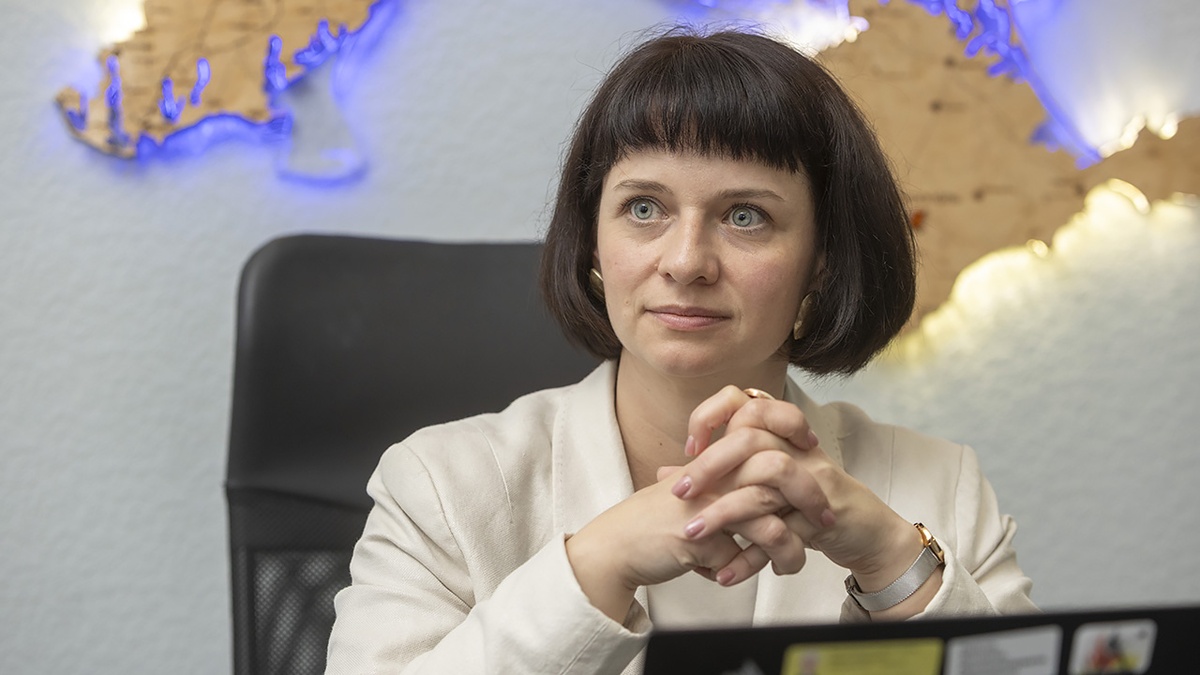
Director of the Ukrainian Center for Educational Quality Assessment (UCEQA) Tetiana Vakulenko states that the current model of the National Multi-Subject Test (NMT) is not perfect, but for several consecutive years, it has allowed for a transparent selection process for higher education institutions in Ukraine.
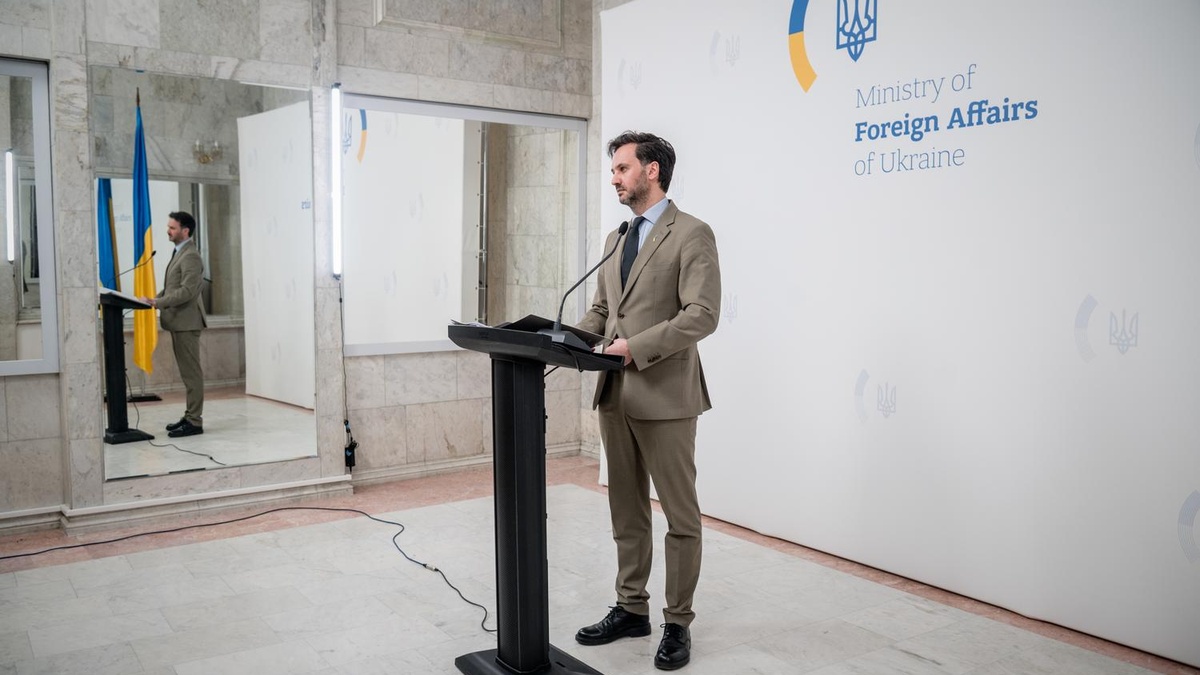
During the visit of President of Ukraine Volodymyr Zelenskyy to Tallinn, new solutions regarding air defense were reached with a number of allies, spokesperson for the Ministry of Foreign Affairs of Ukraine Heorhiy Tykhyi has said.
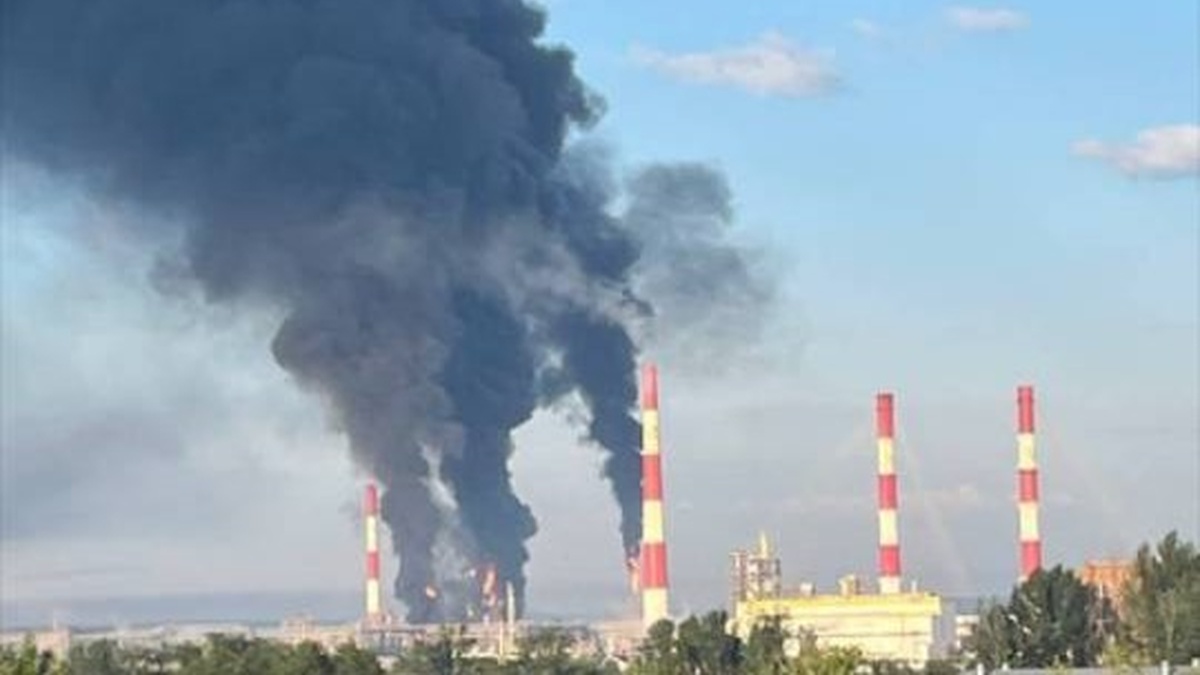
The Special Operations Forces of the Armed Forces of Ukraine (AFU) have reported details of the strike on the Kuibyshevsky oil refinery in Samara overnight into June 10.
In the first half of the day, Russia attacked the civilian infrastructure and residential sector of Sumy region, Head of Sumy Regional Military Administration Oleh Hryhorov has said.
The General Staff of the Armed Forces of Ukraine has clarified the results of the strikes on the Grushovaya oil depot, the Krasnoarmeysk oil pumping station, and the Krasny Yar linear production and dispatch station on June 8, confirming the burning of five oil reservoirs.
The State Aviation Enterprise Ukraine A-319 aircraft, used by President of Ukraine Volodymyr Zelenskyy and other high-ranking Ukrainian officials, has returned to Poland—the site of its temporary basing during the period of full-scale Russian war—following the head of state’s recent series of foreign visits, data from aviation resources AirNavradar and FlightAware show.
The highest trust ratings among public figures in Ukraine are held by defense figures: former Commander-in-Chief of the Armed Forces of Ukraine (AFU), currently Ukraine’s Ambassador to the United Kingdom Valeriy Zaluzhny with a 73% trust level, Commander of the Unmanned Systems Forces of the Armed Forces of Ukraine (AFU) Robert "Madyar" Brovdi, and former Head of the Main Intelligence Directorate of the Ministry of Defense of Ukraine, currently Head of the Office of the President of Ukraine Kyrylo Budanov—both at 70%.
The Chonhar bridge, which connects Kherson region with temporarily occupied Crimea, has been completely destroyed, Head of the Center for Countering Disinformation (CCD) Andriy Kovalenko has said.
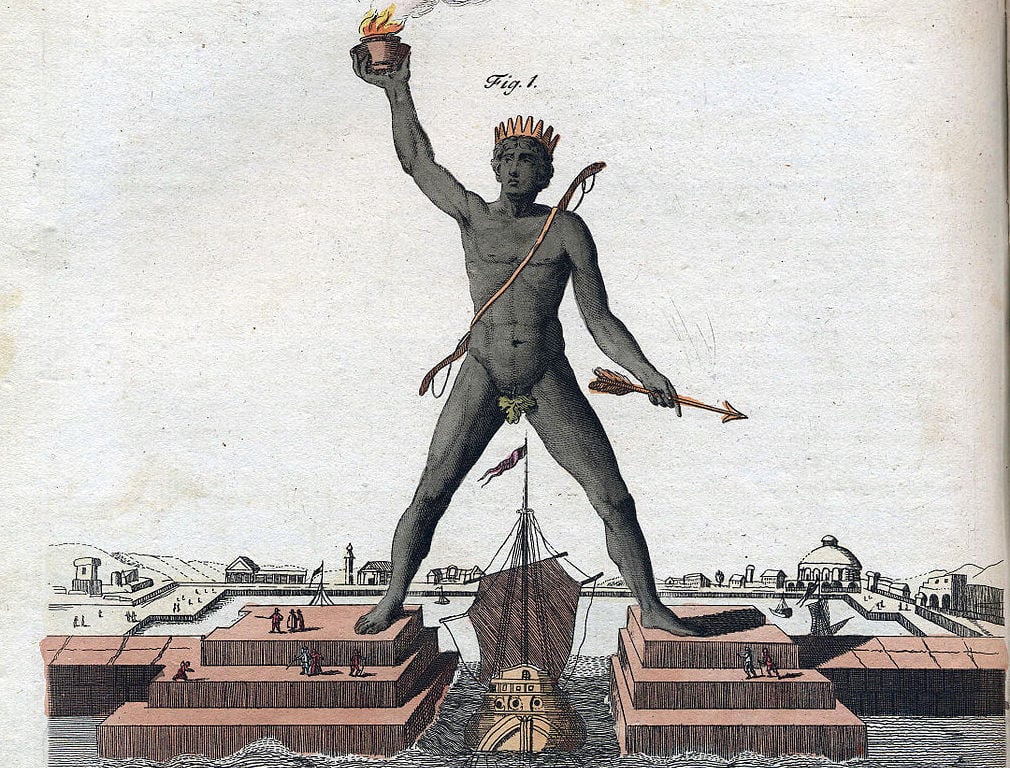
Artist’s depiction of the Colossus of Rhodes (one of the Seven Wonders of the Ancient World). Credit: Public Domain.
Most people today know of the Colossus of Rhodes as one of the Seven Wonders of the Ancient World, but there are many little-known facts about the masterpiece that may surprise you.
The ancient island of Rhodes, the kállistin (best) of the Greek cities as historians like to call it, has long attracted the attention of the world due to its beautiful beaches, rich history, and advanced civilization that stretches far back in time.
Rhodes was a city with philosophical and other schools, conservatories, markets, stadiums, harbors, and at least 3,000 public statues.
The masterpiece of all, though, was the Colossus of Rhodes, built between 292 to 280 BC. The huge bronze statue was about 30 meters (98.4 feet) tall and portrayed the god of the Sun, Helios.
The construction of the Colossus lasted for 12 years, but the statue was destroyed a few decades later in 226 BC by an earthquake.
Lesser known facts about the Colossus of Rhodes
The Colossus of Rhodes and the Statue of Liberty
Both monuments were built as symbols of freedom, and people have made the connection between both statues since the Statue of Liberty was created.
The Statue of Liberty has been referred to as the “Modern Colossus” and stands just a little higher at 34 meters (111.5 feet) tall.
There is also a plaque inside the pedestal of the Statue of Liberty that is inscribed with a sonnet title “The New Colossus, not like the brazen giant of Greek fame.”
The debate about the statue’s feet
There has been a debate among historians about whether the statue was standing with one foot on either side of the Rhodes harbor.
Some have discounted this theory and believe that he stood in a more usual Greek statue pose on one side of the harbor.
If the Colossus of Rhodes was built with its legs straddling the harbor, then the harbor would have had to have been closed for 12 years for the initial construction, and then it would have once again been blocked for years when the statue fell.
The statue has an iron skeleton
The statue was actually built with an iron frame like a skeleton over which the Rhodians placed carved and sculptured brass plates to create the outer structure of Helios, creating his muscle and skin.
Chares of Lindos designed the Colossus of Rhodes
We owe the design of the Colossus of Rhodes to Chares of Lindos. Chares was a student of the famous sculptor Lysippus, who had previously created a 19-meter (62 foot) tall statue of Zeus.
The metal used to construct the statue later scrapped, sold
In the 7th century A.D., the Arabs conquered Rhodes and dismantled any remnant of the Colossus of Rhodes after it was toppled by an earthquake and later sold the once beautiful statue as scrap metal.
It took approximately 900 camels to carry away all the scrap metal.
Was the destruction of the Colossus the will of the gods?
Finally, Ptolemy III, the king of Egypt, offered to pay for the Colossus’ reconstruction, but the Rhodians refused because they believed that Helios, having been angered by the construction of the statue, was the one who caused the earthquake that destroyed it.
Since the start of the week, Russia has used nearly 530 drones and two guided air bombs against Ukraine, with dozens of people wounded in the strikes, Ukrainian president Volodymyr Zelenskyy said.
On Wednesday night, Ukrainian Flamingo missiles hit a military plant in Cheboksary that supplies Russia with components for drones and missiles, President of Ukraine Volodymyr Zelenskyy has said.
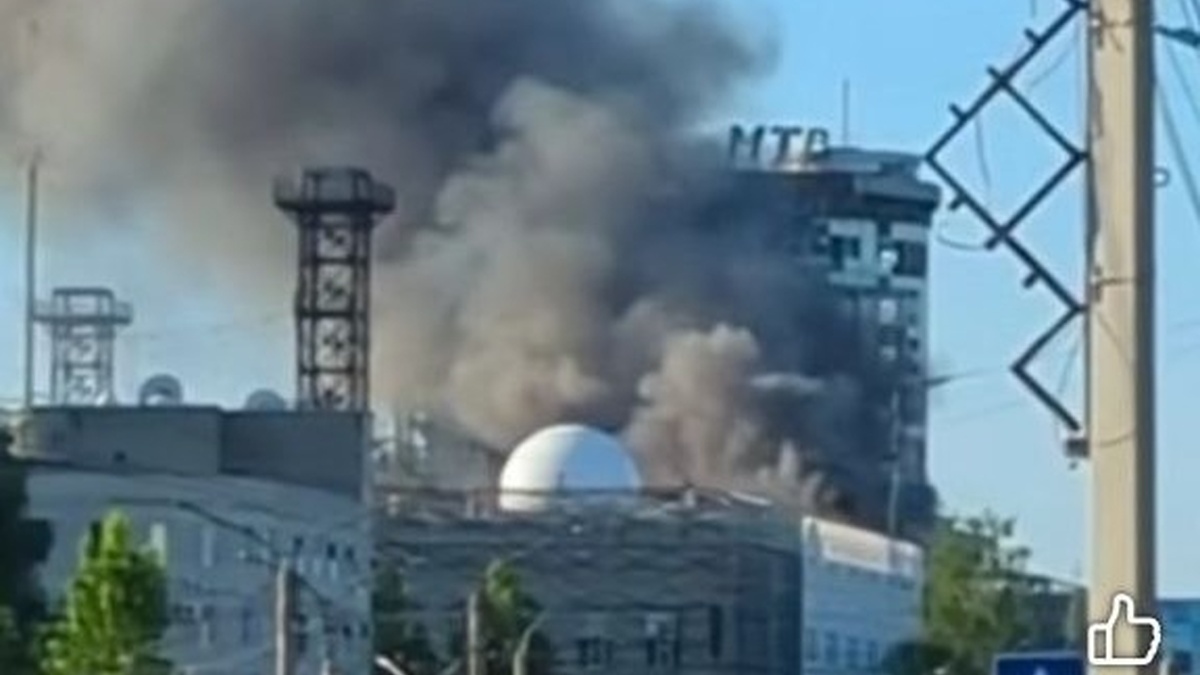
The Unmanned Systems Forces (USF), in coordination with the 1st National Guard Corps Azov, the Security Service of ukraine (SBU), and Special Operations Center"A, has struck facilities of the Mariupol sea trade port.
Russian forces struck Kharkiv and 26 other settlements in the region over the past day, killing one person and wounding 15, including a child, regional military administration head Oleh Synehubov said.
Ukrainian defense forces neutralized 181 of 207 drones overnight into Wednesday, though 21 strike drones hit 14 locations, the Air Force of the Armed Forces of Ukraine reported.
The number of casualties from mass enemy strikes on Odesa has risen to three, including two young children aged 8 and 10, Odesa regional military administration head Oleh Kiper said.
A 63-year-old woman inside a building was wounded in an evening Russian drone attack on the central district of Kherson, the Kherson city military administration press service said.
The number of casualties in Kharkiv is rising, with three more people aged 81, 35, and 42 seeking medical assistance in addition to a 68-year-old woman.
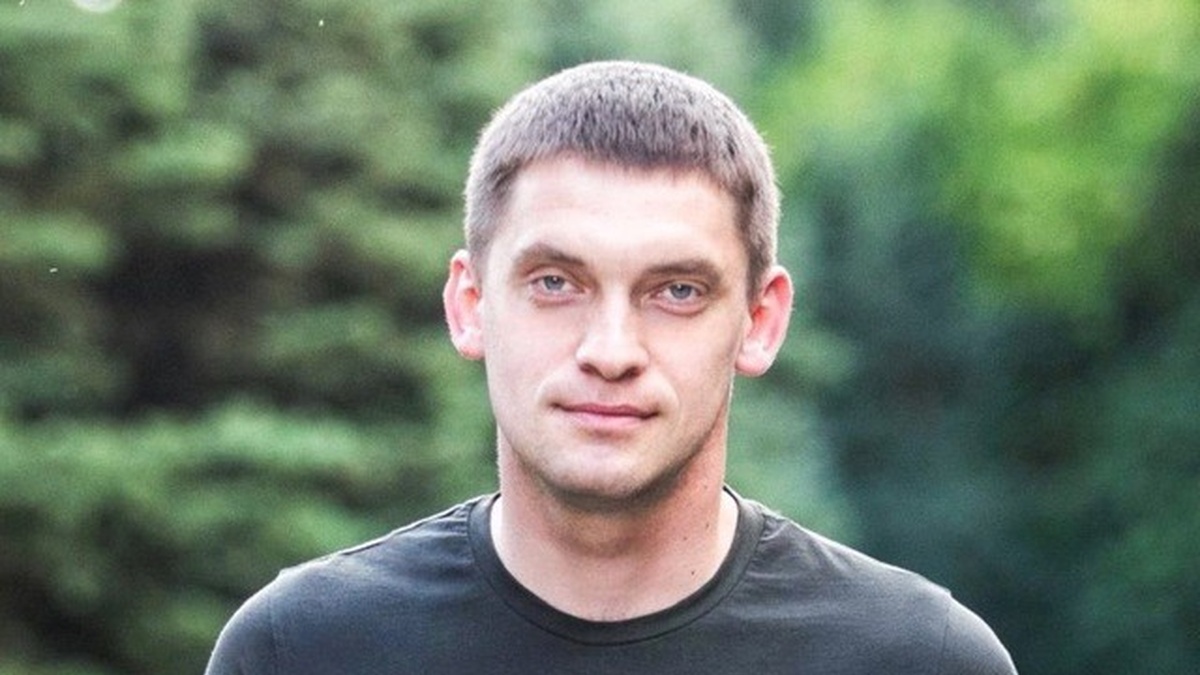
A 59-year-old woman was wounded in Zaporizhia as a result of a Russian military attack, Zaporizhia regional military administration head Ivan Fedorov said.
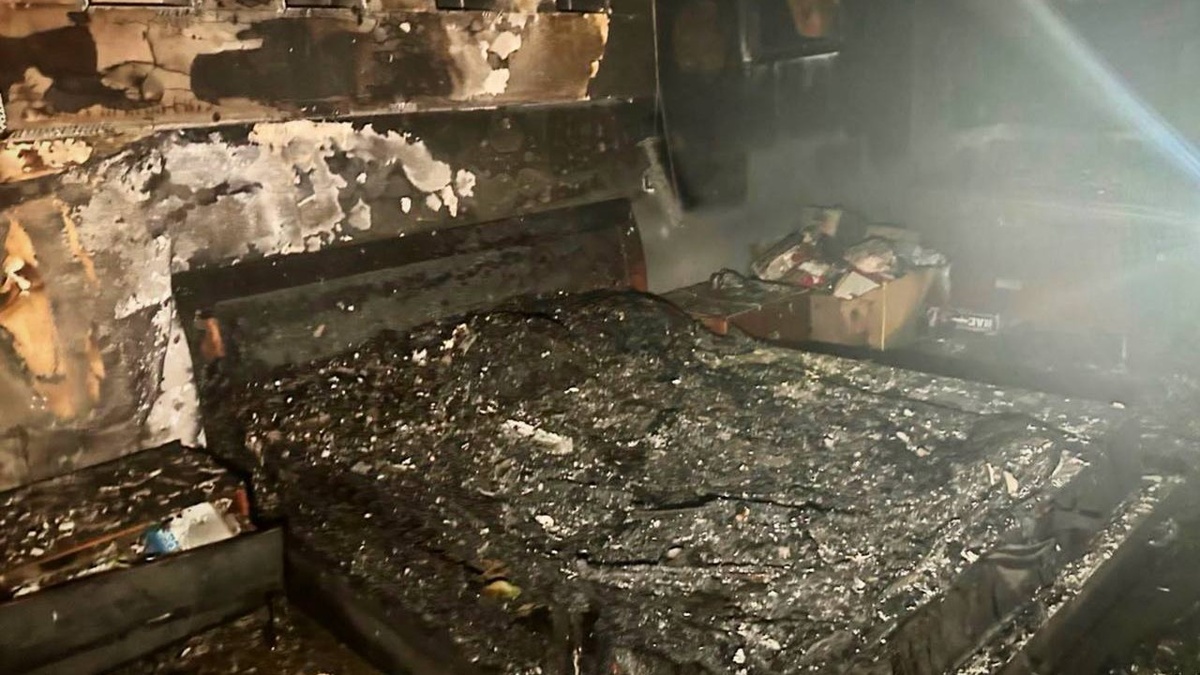
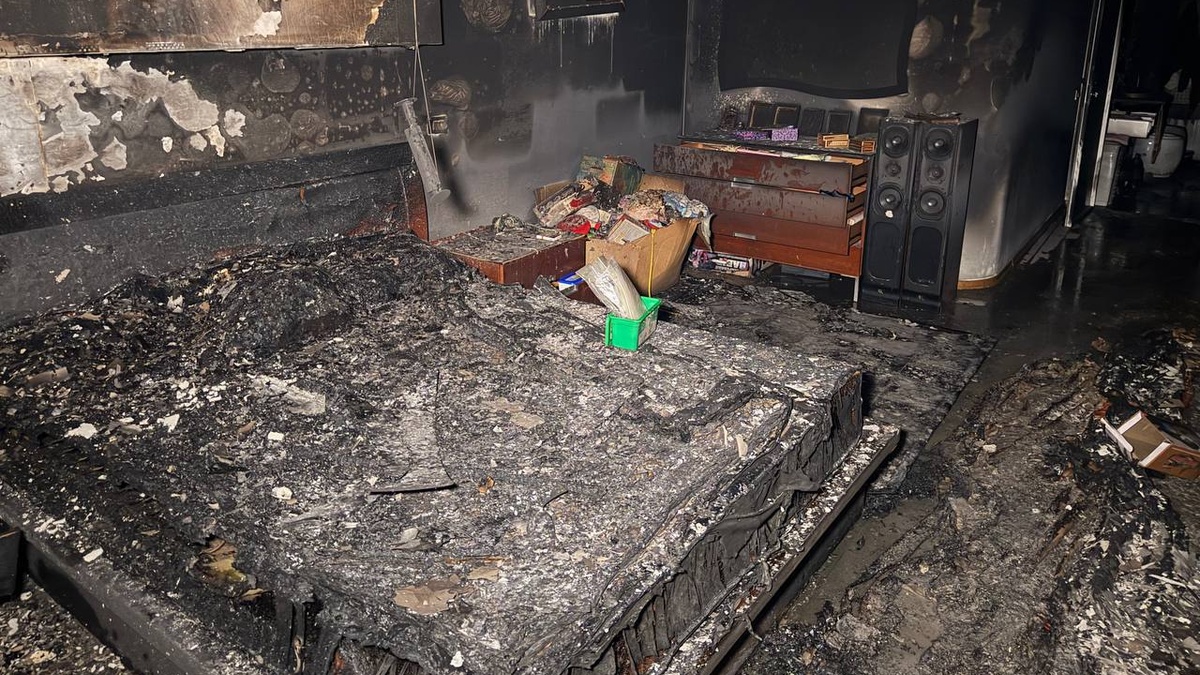
A fifth-floor apartment in a residential building in Odesa's Prymorskyi district was gutted by fire following another enemy attack, a 46-year-old woman was wounded, and damage was recorded at another multi-storey building, Odesa city military administration head Serhiy Lysak said.

 Login
Login