Reading view

F-22’s ‘Catfish’ 757 Testbed Spotted Carrying Raptor’s New Infrared Sensor Pod

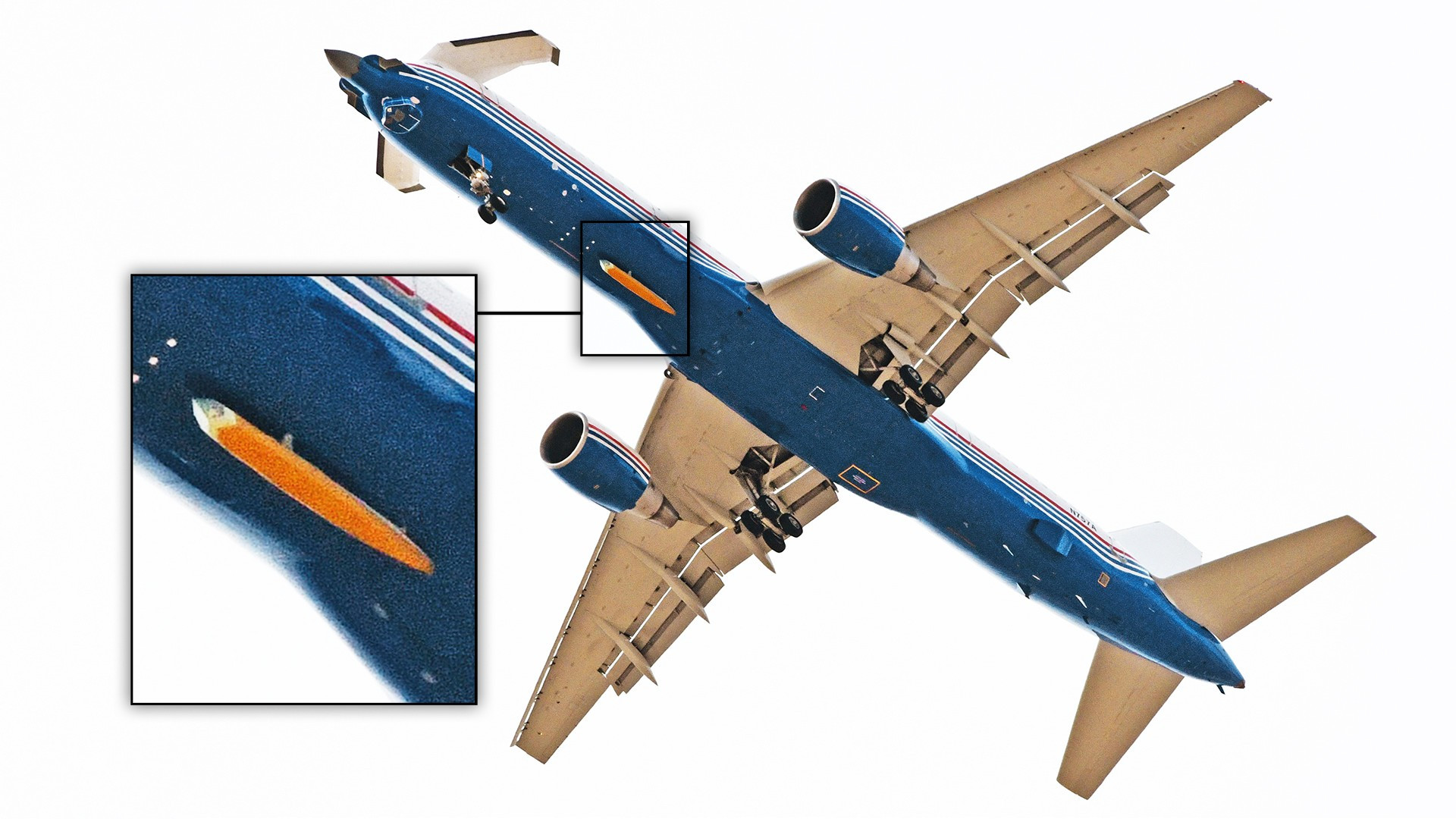
Boeing’s 757 Flying Test Bed was recently spotted carrying a stealthy underwing infrared sensor pod under its fuselage. This may be the first time this aircraft, better known as ‘The Catfish’ because of its unique and highly modified nose profile, has ever been seen lugging around a store on this station. The pod itself is part of a larger “Raptor 2.0″ upgrade package being developed for the F-22. Catfish has served as a key systems integration testbed for the Raptor since the 1990s.

Jerod Harris caught Catfish with the pod under its belly as it came in to land at Edwards Air Force Base in California on Monday. Edwards is the main hub for U.S. Air Force test and evaluation activities, and Catfish has been seen there many times over the years as part of its work. The aircraft, which carries the U.S. civil registration code N757A, also happens to be the first 757 ever built, and took to the skies for the first time back in 1982.
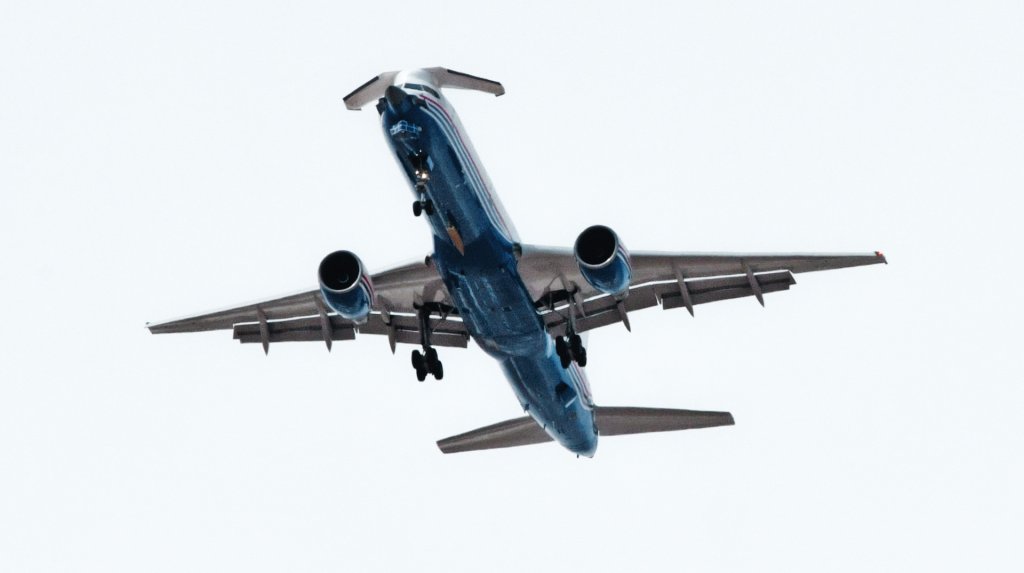
Catfish with the pod under its fuselage seen on approach to Edwards Air Force Base in California. Jerod Harris

As already noted, Catfish has already played a central role in the story of F-22. The aircraft’s heavily modified nose is designed to directly replicate that of the Raptor, and contains the same AN/APG-77 active electronically scanned array (AESA) radar as the fighter. The swept wings on top of the cockpit were also designed to support testing of the conformal antennas for the Raptor’s AN/ALR-94 electronic support measures system and other components of its ‘fused’ sensor suite. The aircraft has supported the development of a wide array of other systems for the F-22, and is packed inside with additional equipment to support those needs in particular, including a replica of the Raptor’s cockpit. You can read more about Catfish and its general history here.

So it is not surprising then that the heavily modified 757 would also be used now to help with continued testing of the new underwing infrared sensor pods for the Raptor. Carrying the pod under the forward end of the fuselage would offer the sensors inside a good open field of view to the front, as well as to the left, right, and down.
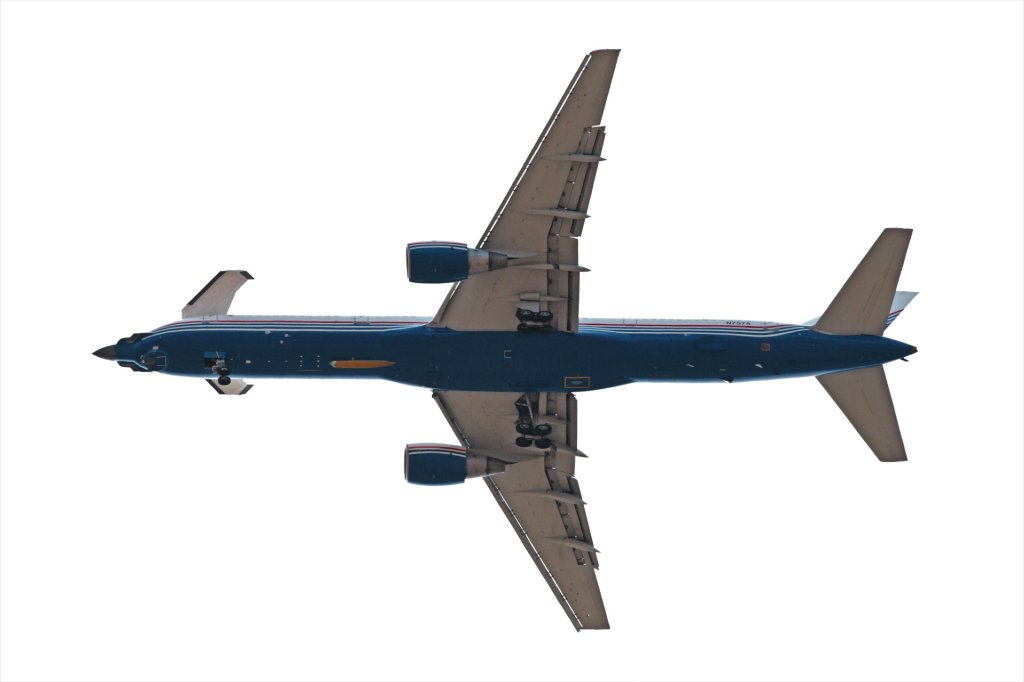
Another view of Catfish carrying the stealthy infrared sensor pod. Jerod Harris

The stealthy pods have been test-flown on actual F-22s for years now. At the same time, there are only a limited number of Raptors available, in total, and they are notoriously fuel-hungry, maintenance-intensive, and otherwise expensive to operate. If the particular test plan calls just for level flight, and over extended periods of time, a platform like Catfish could be an attractive alternative. With space for dozens of engineers and technicians in its main cabin, and workstations for them, the aircraft would also offer very different options for testing and evaluating the pod while in-flight. A North American Sabreliner business jet has also been used to test these pods in the past.

N33TR, a Rockwell Sabreliner 65 for Airborne Imaging returns to KJWY/Mid-Way regional Airport as " AIRBORNE33 " carrying one of the future F-22 pods.

It was at Nellis AFB testing the pod alongside RATT55/NT-43A, a radar test bed that regularly flies alongside B-2s. pic.twitter.com/kNADnga7H0

— 𝗦𝗥_𝗣𝗹𝗮𝗻𝗲𝘀𝗽𝗼𝘁𝘁𝗲𝗿 (@SR_Planespotter) July 1, 2024

The capability, in general, for Catfish to carry stores under its fuselage might open up additional possibilities for utilizing the aircraft in support of other testing efforts, if it hasn’t already.
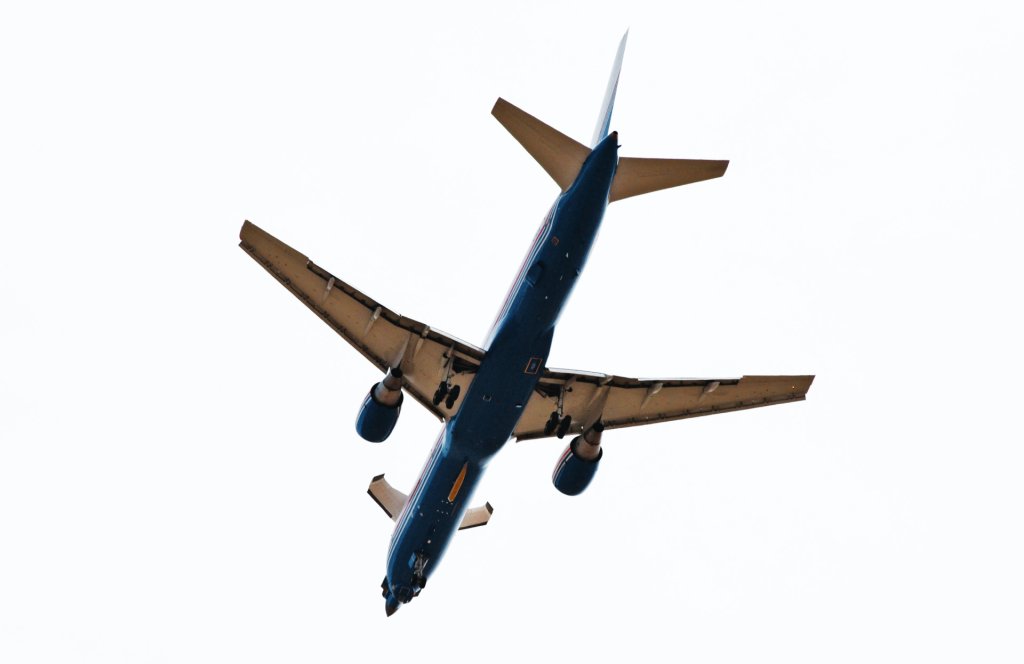
Catfish continues on with its approach to Edwards. Jerod Harris

Catfish would also be well suited to supporting testing of other elements of the Raptor 2.0 package. Under the current plan, the Air Force’s F-22s are also set to get a new integrated distributed infrared search and track (IRST) system called the Infrared Defensive System (IRDS).

IRST systems have seen a renaissance across the U.S. military in recent years, as well as elsewhere globally. IRSTs detect and track targets via their infrared emissions, making them particularly valuable for helping spot stealthy targets with features designed to reduce their radar cross-sections. The sensors are also immune to radio frequency electronic warfare jamming and operate passively, meaning they do not emit signals that could alert a target to the fact they are being tracked. IRSTs can also be used to cue or otherwise be linked to other sensors, including AESA radars. This data fusion can provide higher fidelity tracks of multiple targets, as well as improved situational awareness overall.

Increased demand for IRSTs has led to a commensurate increase in demand for testing using multiple platforms. This, in turn, has been a major component of a general uptick in U.S. military flight testing in recent years to support a variety of new, advanced programs.
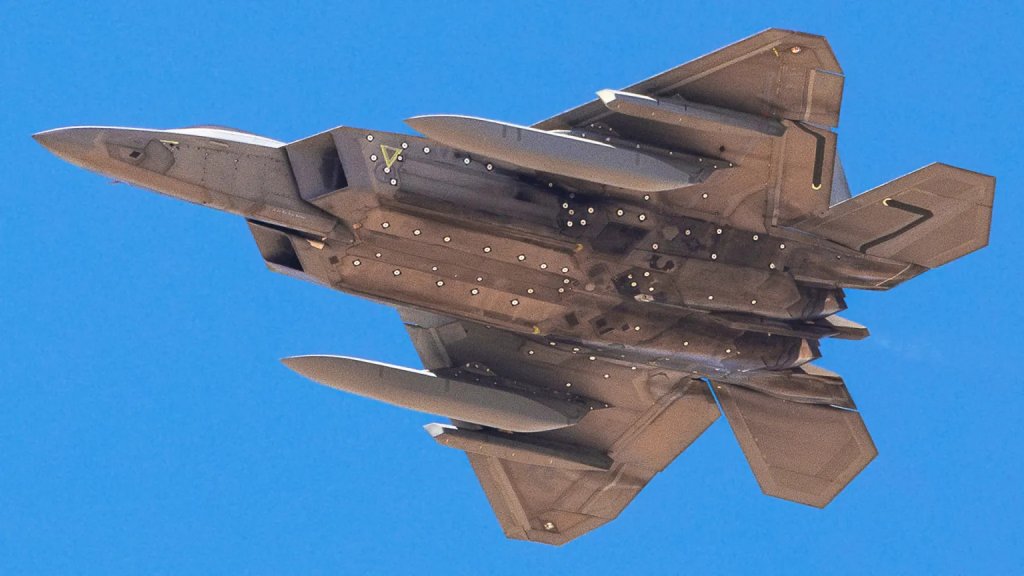
An F-22 with the stealthy underwing infrared sensor pods and drop tanks seen on a test flight over the Mojave Desert in March 2026. Jarod Hamilton

Other elements of the Raptor 2.0 upgrade plan include new stealthy drop tanks, improvements to the jet’s stealthy features, radar capabilities, electronic warfare suite, and more, as you can read about in detail here.

At least a portion of the Raptor fleet is also set to receive modifications to enable them to act as airborne controllers for Collaborative Combat Aircraft (CCA) drones. The Air Force’s F-22s are set to be the service’s first tactical jets to be used in that role, though others will follow.

The F-22 upgrade work is reflective of current Air Force plans to keep the Raptors in service for decades to come. In 2024, the Air Force said it no longer had a firm retirement schedule for the fighters.

Raptors have been used in recent years as surrogates to support work on the Next Generation Air Dominance (NGAD) initiative, a component of which is Boeing’s F-47 sixth-generation fighter. As such, Catfish will have already been feeding into those developments, which are now firmly a top Air Force priority.
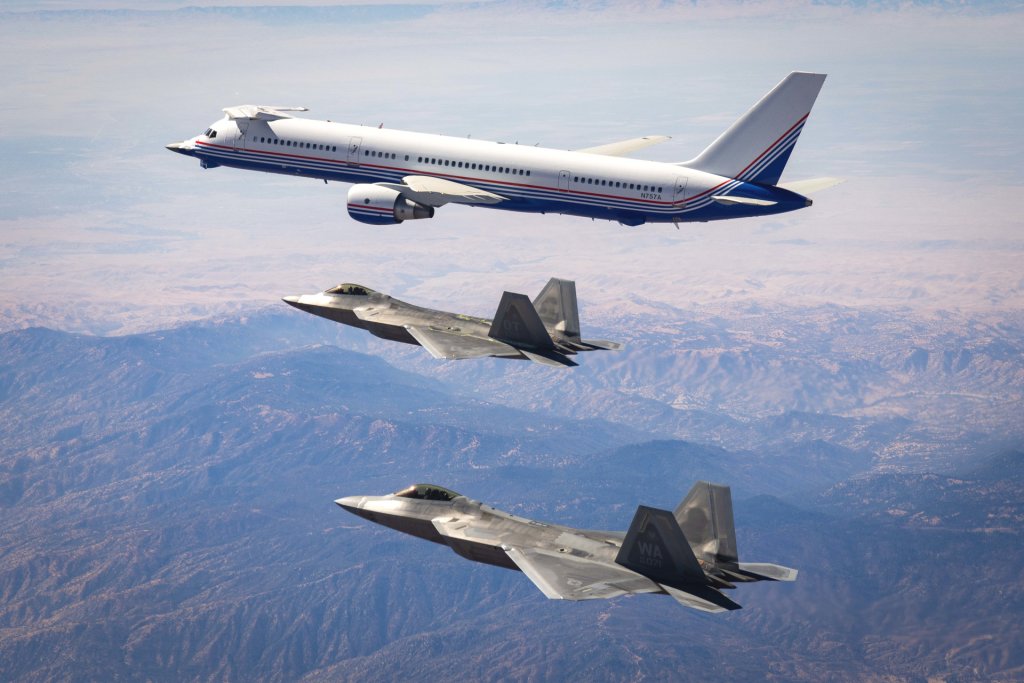
Catfish seen flying together with a pair of F-22s near Edwards in 2024. Courtesy photo/Kyle Larson via USAF Chase Kohler

At the same time, Catfish is now 44 years old. Boeing 757s, in general, are increasingly disappearing from service globally as they become more complicated and cost-intensive to sustain. Especially with the work ongoing now on the F-47, it seems likely Boeing will start looking toward a new highly specialized testbed aircraft modified to reflect the particular physical geometry, unique avionics, and other features of the new fighter.

Similarly, the F-35 family also has a dedicated test jet, the Boeing 737-300-based Cooperative Avionics Testbed, nicknamed the CATbird. There are several other airliner and business jet-based testbeds flying globally today, though Catfish is certainly one of the largest and most visually distinctive. Improving digital simulation and modeling tools could allow for less reliance on surrogate testbed aircraft in the future, but they will in no way be eliminated.

China notably has something of a clone of Catfish based on a Russian-made Tupolev Tu-204C airliner, which itself was designed as an analog to the 757. The Chinese jet’s primary purpose has been supporting the development of the J-20 stealth fighter, the country’s closest answer to the F-22.
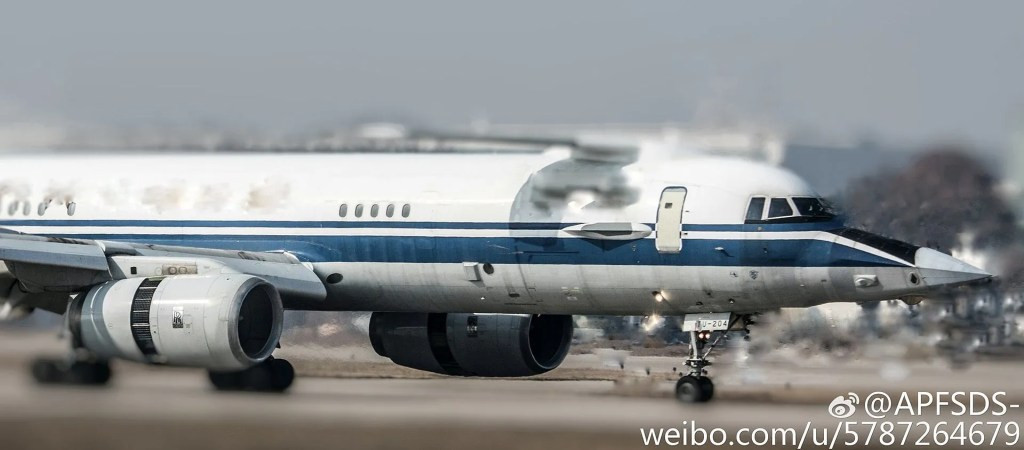
China’s Tu-204C-based ‘Catfish’ testbed jet. Chinese internet via X

In the meantime, Boeing Catfish remains a very important part of continued work to improve and expand the capabilities of the F-22. This now extends to testing of specialized underwing pods for the Raptor.

Special thanks again to Jerod Harris for sharing his pictures of Catfish carrying the stealthy sensor pod with us.

Contact the author: joe@twz.com

The post F-22’s ‘Catfish’ 757 Testbed Spotted Carrying Raptor’s New Infrared Sensor Pod appeared first on The War Zone.
  •  

Turkey’s Secretive Electronic Warfare Jet Appears In New Imagery

Turkey’s new electronic warfare jet appears to be moving closer to operational status, with by far the clearest imagery yet of the aircraft emerging in an anniversary video for the Turkish Air Force. The platform is loosely similar to Western standoff electronic attack platforms such as the U.S. Air Force’s EA-37B Compass Call and once again underscores the widening spectrum of defense aerospace products, crewed and uncrewed, as well as weapons and sensors, that Turkey is now producing.

A very brief clip of the HAVA SOJ (Airborne Standoff Jammer) appears in a video published today on the official X account of the Turkish Ministry of Defense. The video was prepared to mark the 115th anniversary of the foundation of the Turkish Air Force and features various other types, either operated by the service or under development. The footage is embedded below, with the HAVA SOJ appearing at around the 1:39 mark.

115 yıldır Türk milletinin gökyüzündeki sarsılmaz gücü, Gök Vatan’ın yılmaz bekçisiyiz! 🇹🇷✈

Şanlı tarihi, üstün fedakârlığı ve kahraman personeliyle milletimizin gururu olan Hava Kuvvetleri Komutanlığımızın kuruluşunun 115’inci yıl dönümünü kutluyor; görev başındaki tüm… pic.twitter.com/ktxuhgy2jk

— T.C. Millî Savunma Bakanlığı (@tcsavunma) June 1, 2026

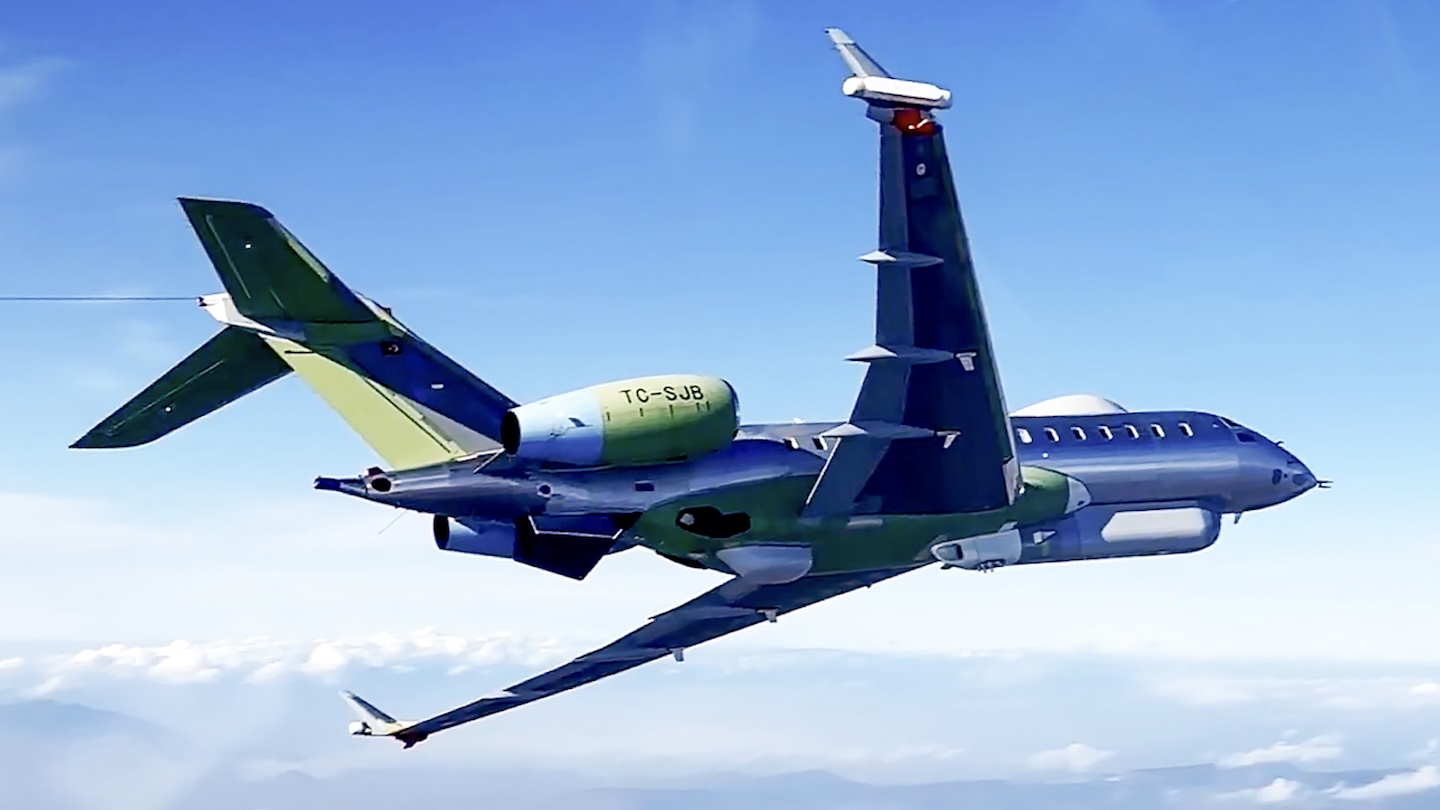
The new image shows the HAVA SOJ with its external fairings and antennas, but still unpainted. The aircraft is trailing a cable from the top of its vertical stabilizer, which is likely a trailing cone that is often used for early flight tests of new aircraft configurations. An air-data probe, a temporary fixture associated with test work, is fitted to the nose.

A first, very poor quality image of the HAVA SOJ on March 1 of this year, when the aircraft was making a test flight out of the Turkish Aerospace Industries (TAI) facility in Ankara.

Simultaneously conducted land and air platform based radar and jammer projects

➡Air SOJ
➡MIT Intelligence Aircraft
➡IHA-SOJ (ASOJ-234U)
➡Kara-SOJ 1 (Koral-1)
➡Kara-SOJ 2 (Koral-2)
➡AEW-C (ALP-200A)
➡IHA AEW-C (Baykar-S band early warning radar) https://t.co/pfcATqqKWq pic.twitter.com/rv1sqF5Lt6

— TR_tech (@T_Nblty) March 1, 2026

Previously, two examples of the aircraft had been noted flying on February 20, with their test sorties appearing on publicly available flight-tracking websites.

Türk Hava Kuvvetlerine ait iki adet yerli HAVA SOJ uçağı Ankara'da uçuş gerçekleştirdi. pic.twitter.com/kYJIlfrhGL

— THS Haber (@thshaber) February 19, 2026

Around the late 2000s, Turkey and Aselsan began scheming a homegrown replacement for the Turkish Air Force’s existing standoff jamming capability, based on the Transall C-160 turboprop transport, as seen in the photo embedded below.

Einsatz stationärer wie auch fliegender Jammer C-160 Milkar 2U. pic.twitter.com/JcH0PkuPSk

— MASA (@MASAOMORITR) May 30, 2021

With the program taking longer than anticipated, thought was given to fielding an interim aerial standoff jammer, under a program known as Golge (shadow). This would have provided an urgent operational capability with two Global Express-based systems and would have integrated equipment from local and international companies. Negotiations made no progress and the Golge program was terminated in 2017.

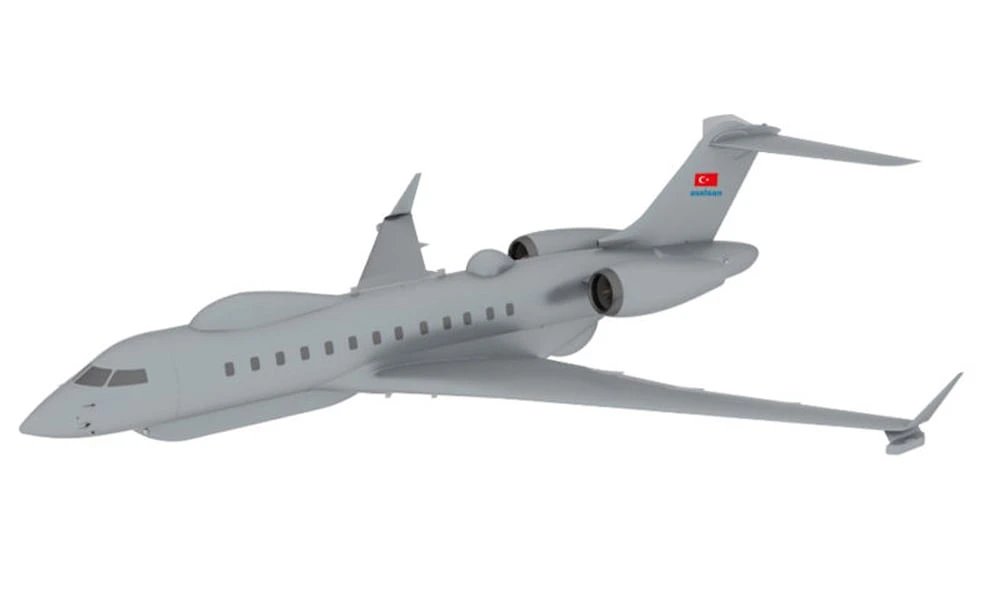
The first Canadian-made Bombardier Global 6000 airframes for the HAVA SOJ program were delivered to TAI facilities back in 2019. Ultimately, four conversions are planned. Interestingly, some early graphics associated with the program had depicted the system installed on a Gulfstream platform.

The Global 6000 airframes are receiving mission payloads from Aselsan, which are integrated by TAI. Several official images of the aircraft had appeared before the integration system had taken place, but, since then, the aircraft has been notably camera-shy.

One of the Global 6000 airframes before receiving its mission equipment. SSB

The Turkish Defense Industry Agency (SSB), a government body that manages defense industry in Turkey, and which runs this program, describes the role of the HAVA SOJ as follows:

“Standoff Jamming (SOJ) platforms are high-value assets that suppress adversary air defense radars, disrupt command and control cycles, and interfere with communications by conducting deception and noise jamming from long ranges without entering hostile airspace. By doing so, they create corridors through which friendly air forces can penetrate enemy airspace. The effective employment of these platforms has become an undeniable reality of modern warfare, acting as a force multiplier and generating powerful asymmetric effects.”

As well as jamming systems, the HAVA SOJ will also have a surveillance capability, with electronic support measures (ESM) equipment, and there are also accounts of an onboard radar.

Most of this equipment is housed within large sensor fairings around the fuselage.

An early Aselsan graphic shows the extensive array of receiver sensors, jammers, and communications equipment around the aircraft. Aselsan

As to the specifics of the equipment, few details have been released, but it is known to be based on Aselsan’s Koral/Kara SOJ land-based electronic support/attack suite that is mounted on two heavy-duty vehicles. All of the systems for the jets are being developed in-country.

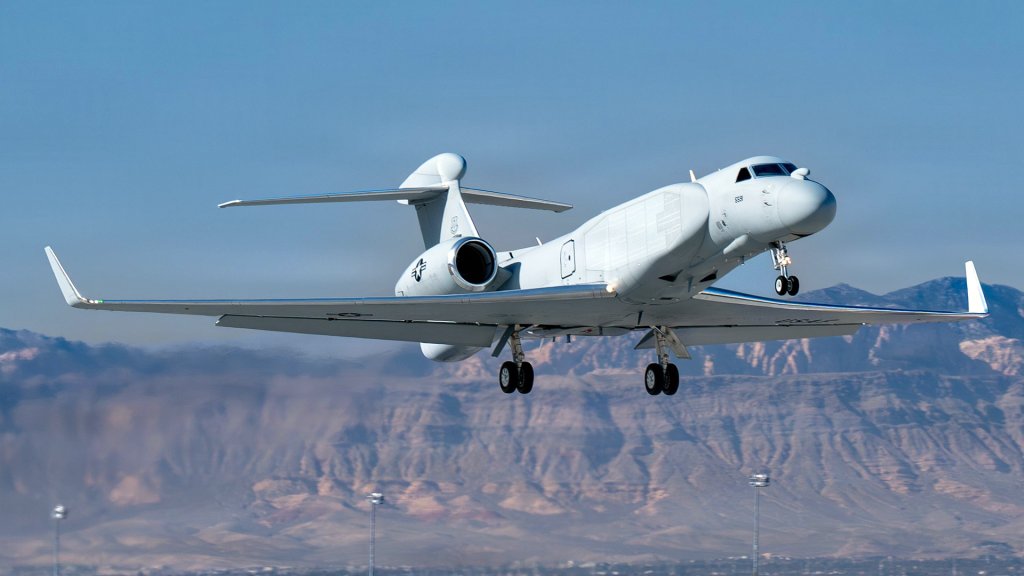
We know that the primary stated mission for the HAVA SOJ is electronic attack, in the form of both deception and jamming. For this purpose, the aircraft is likely fitted with powerful active electronically scanned array (AESA) antennas, like those used in the land-based Koral/Kara SOJ. These could be used to send out highly focused beams of electromagnetic energy to jam the radars and other radio frequency sensors and emitters in the air, on land, and at sea. This is a capability we have talked about before in relation to the U.S. Air Force’s EA-37B electronic warfare jet. Additionally, these same AESA antennas could be used to trigger cyber attacks, a capability you can read more about here.

EA-37B Compass call next generation electronic attack jet.
A U.S. Air Force EA-37B Compass Call. U.S. Air Force

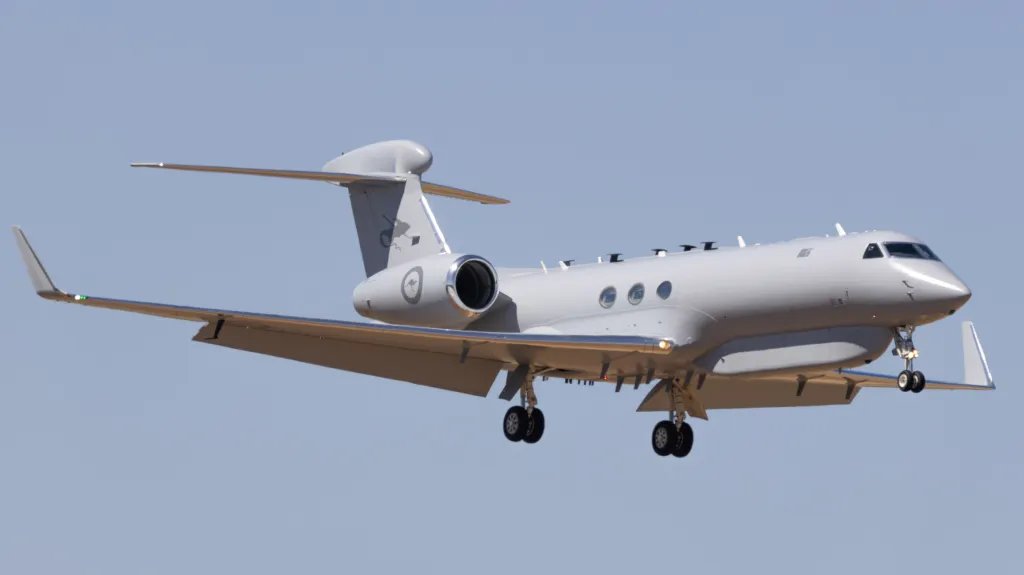
Another parallel is found in Australia’s MC-55A Peregrine airborne intelligence, surveillance, reconnaissance, and electronic warfare (AISREW) jet, based on the Gulfstream G550 business jet airframe. As we have discussed in the past, the Peregrine is likely a multi-role platform, providing both intelligence collection and electronic attack functions. 

Australia’s first MC-55A Peregrine at RAAF Base Edinburgh, South Australia, earlier this year. @airman941

In practice, the HAVA SOJ would use its ESM equipment to detect and track enemy radio-frequency emissions. After detecting and geolocating the hostile emitter, its frequency value would be determined. Then, the electronic attack element would be activated, sending out its own emissions to electronically attack that emitter, whether it be via jamming or spoofing. Using its AESAs, with its fast-scanning capability, the jet would be able to make pinpoint attacks, not just barrage jamming, and also execute these attacks against multiple emitters of different types and at various ranges simultaneously.

This kind of capability has a clear application against air defense systems and command and control nodes, as the SSB points to. However, it is also able to degrade, deny, and disrupt some kinds of adversary communications, causing havoc in the enemy’s data-sharing architecture and command-and-control system, and reducing adversary commanders’ ability to make effective decisions and share them. And, in peacetime, the aircraft would be able to conduct surveillance intelligence work, helping to build up an electronic order of battle (EOB) on opposing forces, which would be of high value to NATO.

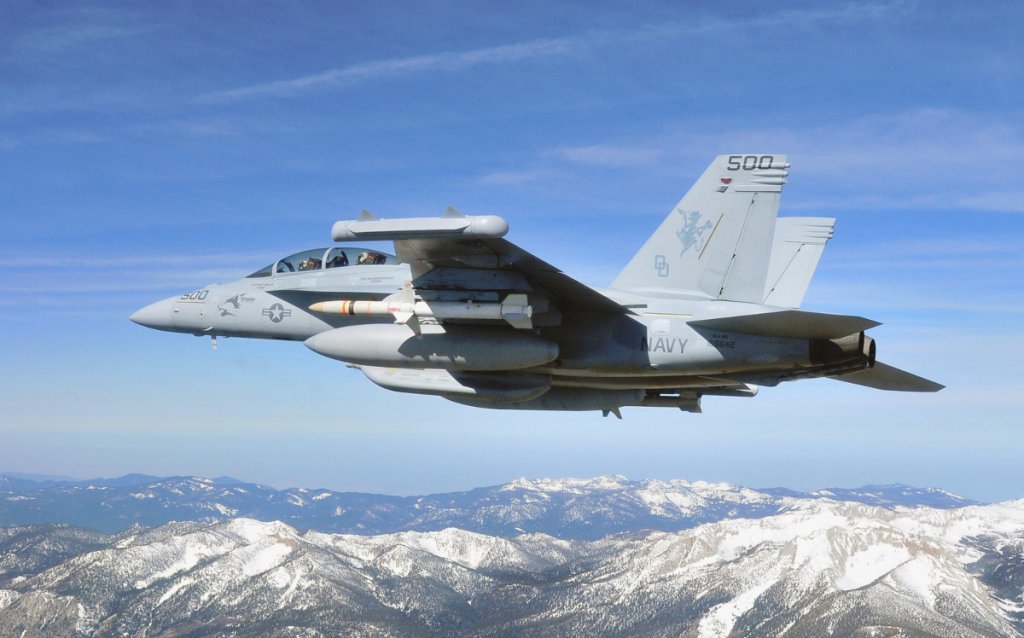
Interestingly, the wingtip pods on the HAVA SOJ look a lot like those found on the EA-18G Growler, as part of its AN/ALQ-218 Tactical Jamming System Receiver system, which includes radar warning receiver (RWR), electronic support measures (ESM), and electronic intelligence (ELINT) functionality.

An EA-18G, with the AN/ALQ-218 Tactical Jamming System Receiver pods on the wingtips. U.S. Navy

While designed to work from outside hostile airspace, there have been increasing questions about the ability of specialized aircraft like these to survive against more capable air defenses, with the threat of long-range anti-air missile systems only set to grow.

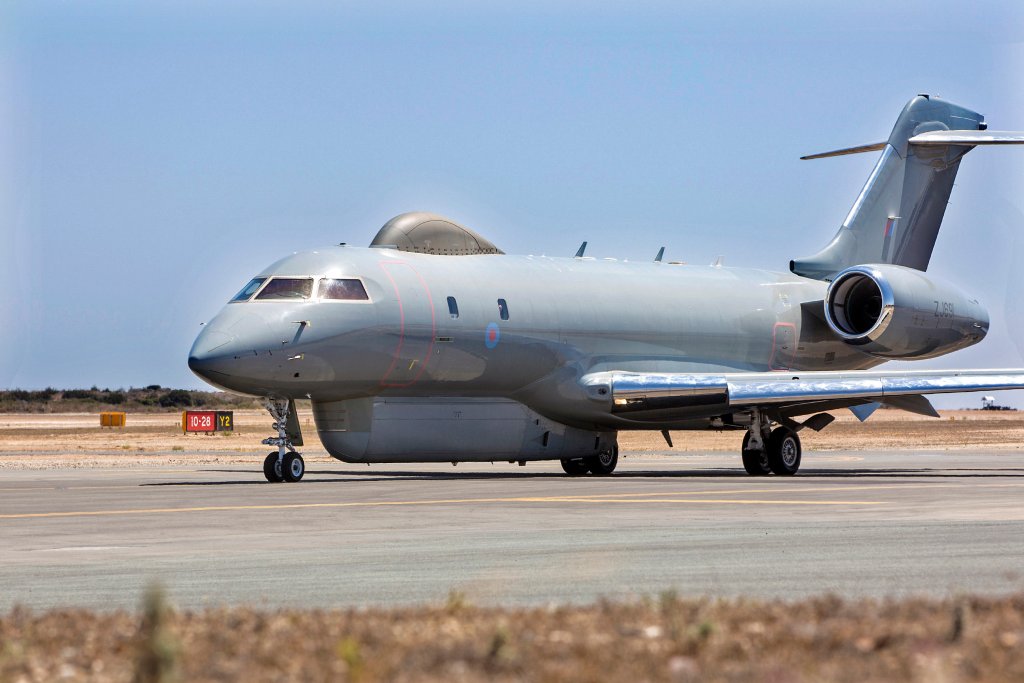
With regard to the long ‘canoe’ fairing under the fuselage, these are similar to that which appears on the U.S. Army’s ME-11B HADES and the Royal Air Force’s now-retired Sentinel R1s, both also based on the Bombardier Global Express. In these applications, the ‘canoe’ houses a synthetic aperture radar/ground moving target indicator (SAR/GMTI) radar. SAR imagery consists of highly detailed ground maps, while GMTI functionality can spot and track moving vehicles on the ground, regardless of cloud cover, smoke, dust, or other obscurants. If a similar radar was installed in the HAVA SOJ, it would confer a powerful intelligence-gathering capability, but we cannot say for sure. It is also possible that AESA arrays on the jet that are primarily used to support the electronic attack mission can also perform some SAR/GMTI and other radar functions. It’s also worth noting this aircraft actually has two ventral fairings, which could feature separate arrays.

A Royal Air Force Sentinel R1 before its retirement. Crown Copyright

Finally, the aircraft features two large dorsal SATCOM enclosures on its spine. This would allow for the data this aircraft collects to be distributed anywhere in near-real time. In addition, the aircraft will clearly feature an impressive communications suite for supporting line-of-sight communications and data sharing as well, which will be critical for working as a force multiplier for the Turkish Air Force.

When Aselsan was awarded the contract for its part of the HAVA SOJ program in 2018, it was planned that the first would be delivered to the Turkish Air Force in 2023. That deadline has clearly been missed, hardly uncommon for a program of this technological complexity.

A head-on view of a Global 6000 before receiving its HAVA SOJ mission equipment. SSB

Bearing in mind Turkey’s success in finding customers for its defence products, the HAVA SOJ could also attract substantial foreign interest, with Pakistan having been identified as a possible opportunity in the past.

Aselsan has also entered a joint venture with Taqnia in Saudi Arabia, with the aim of promoting a version of the HAVA SOJ known as Kasih.

For export customers, the mission suite installed in the HAVA SOJ, like other Turkish military equipment, would not be subject to the restrictions imposed by the U.S. International Traffic in Arms Regulations (ITAR) guidelines, which can limit the transfer of defense and military technologies and services — especially the more sensitive ones — to certain countries. Even among NATO operators in Europe, the HAVA SOJ will likely provide an unmatched set of capabilities. With air defenses becoming more capable, even among lower-end foes, the need for high-end electronic attack capabilities is only growing.

While many questions remain about the exact capabilities of the HAVA SOJ, the aircraft’s increasingly frequent appearances suggest the long-delayed program is entering a more mature phase. As Turkey continues to invest heavily in indigenous technologies, the HAVA SOJ is set to become one of the more significant force multipliers in the Turkish Air Force’s inventory, providing a valuable standoff capability, including against modern integrated air defense networks.

Contact the author: thomas@thewarzone.com


The post Turkey’s Secretive Electronic Warfare Jet Appears In New Imagery appeared first on The War Zone.

  •  
❌