A Iniciativa Liberal manifesta a sua preocupação perante o estado de abandono de uma obra da responsabilidade da ARM – Águas e Resíduos da Madeira, situada no centro da freguesia de Água de Pena, junto ao Largo da Igreja, na Estrada Francisco Álvares de Nóbrega (concelho de Machico). Há cerca de um mês que os […]
A Lithuanian court has convicted a man who ran a cyclist off the road and attacked him for wearing a shirt with Ukrainian symbols, according to LRT. Judges treated his hatred of people who support Ukraine as an aggravating circumstance. The verdict is now final, and the court found the assault was deliberate, not an accident.
As Russia continues its all-out war against Ukraine, open support for Ukrainians across the Baltic states through flags, clothing, and fundraisers has become a marker of identity, even as it occasionally provokes hostility.
The roadside attack
On the evening of 27 March 2025, the man drove up to the cyclist on a road in Lithuania's Širvintos district. He repeatedly ordered the cyclist to take off the shirt bearing Ukrainian symbols. When the cyclist refused, the driver passed him, then swung the front of his car toward the roadside and blocked his path. The cyclist braked hard and fell with his bicycle. He suffered injuries, and the bicycle was damaged.
When the cyclist got back up, the man ran over to him. He again demanded that the cyclist remove the shirt, grabbed it, and tried to pull it off. The cyclist reached for his phone to call for help. The man struck him and knocked the phone onto the asphalt, breaking it, the court found.
Explore further
Two Polish citizens detained in Przemyśl for desecrating Ukraine’s flag — sixth such attack in last months
A hate motive, the court ruled
The Vilnius Regional District Court found the 1987-born man guilty of damaging another's property and causing minor bodily harm. Evidence from the investigation showed the violence was not random, the court said. It stemmed from the man's hatred of the victim as someone publicly backing Ukraine against Russia's invasion. The court treated that motive, hostility toward a group for supporting Ukraine, as an aggravating circumstance.
The court handed the man a non-custodial penalty of one year and three months' restriction of liberty. During that time, he must work or register as a jobseeker. He must also complete a program aimed at changing violent behavior. On top of that, he owes the victim for material and non-material harm, and he must repay Lithuania's State Patient Fund for the cost of treating the injuries.
Explore further
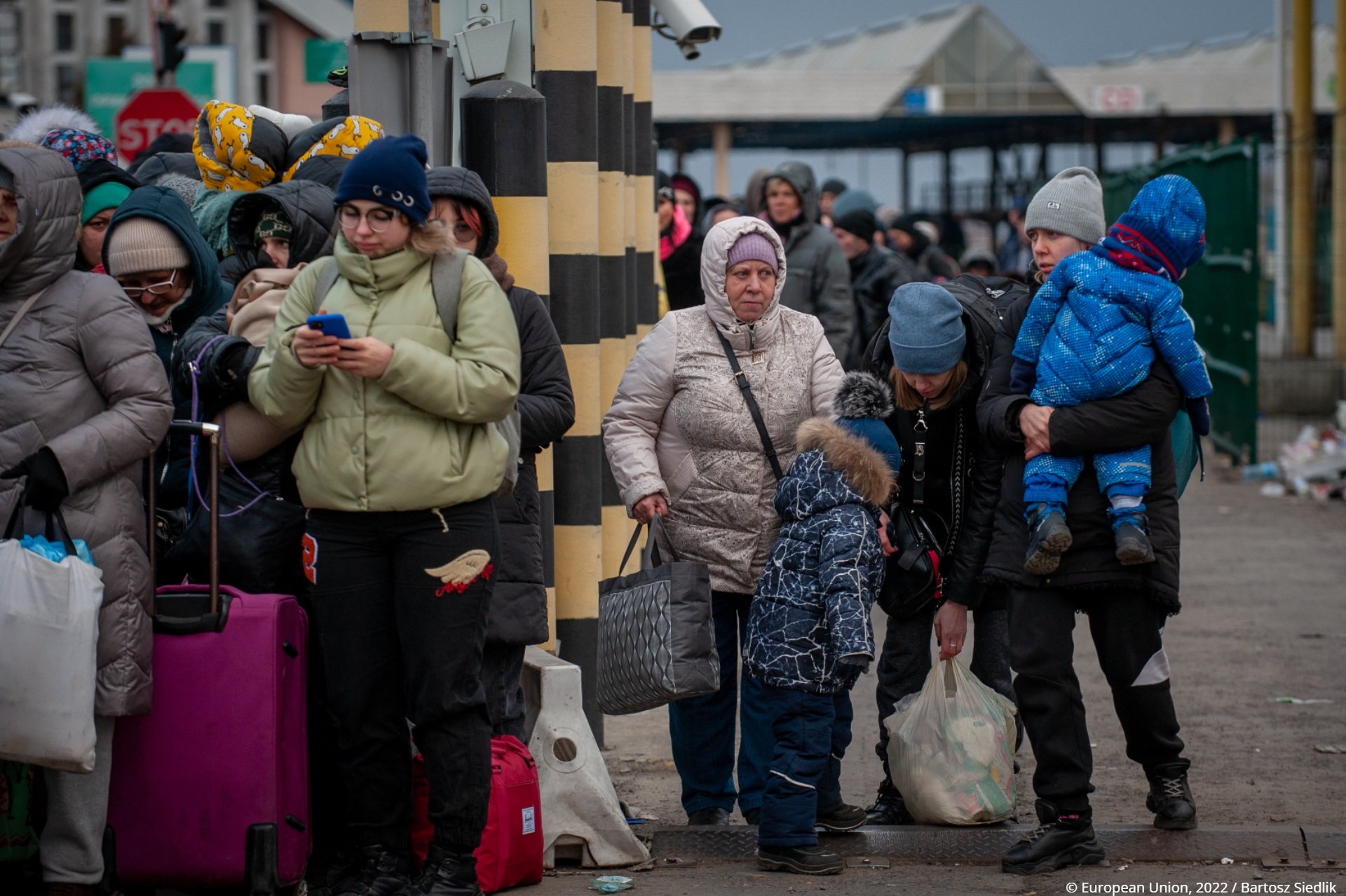
Switzerland to limit protection status for Ukrainians from seven western oblasts
A Vilnius District Prosecutor's Office prosecutor, Edvinas Navickas, led the pre-trial investigation and the prosecution. Vilnius County police officers gathered the evidence. The court issued its verdict on 12 May, and it has since taken effect, the prosecutor's office reported. Lithuania, a NATO member bordering Russia, has been one of Ukraine's strongest backers since 2022, sending weapons and welcoming Ukrainian refugees.
Lithuania has prosecuted this hatred before, convicting a man who smashed a displaced family's car.
Ukrainian refugees
Millions of Ukrainians live outside their country because Russia's invasion made home unsafe. Some 5.9 million are abroad as of 2026. Most settle in the European Union, where Poland and Germany host the largest communities. That visibility and open support for Ukraine sometimes draw hostility. Other reported attacks on Ukrainians abroad don't have a clear anti-Ukrainian motive.
Explore further
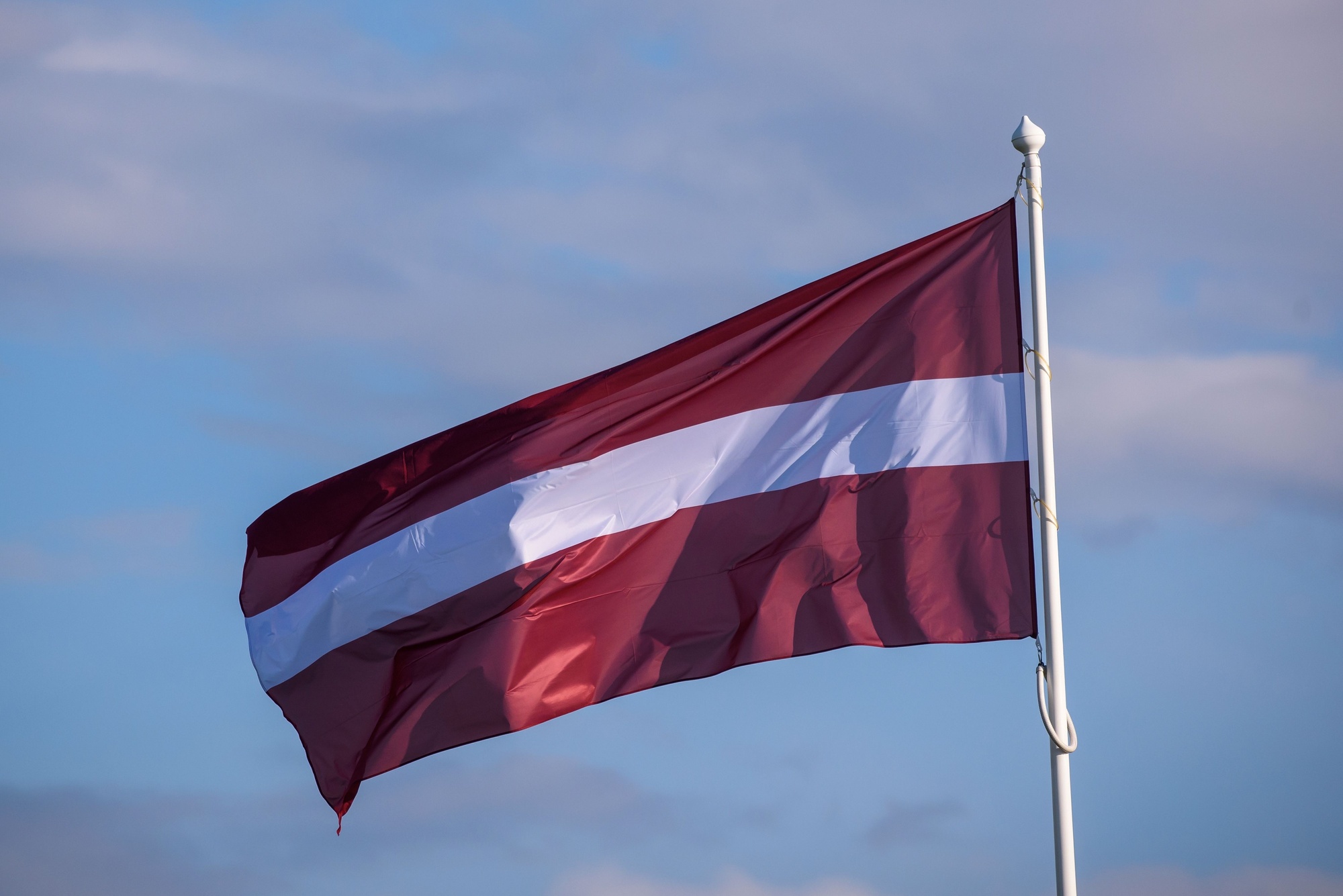
Latvia sentences man to prison for anti-Ukrainian hate speech and violence
In Poland, isolated cases include a Ukrainian beaten over his accent and a woman detained for telling two Ukrainian women to go back to Ukraine, while a separate knife attack on a Ukrainian selling his car in Wrocław has not been tied to nationality.
In Germany, an attacker killed a teenage athlete, a man went after children for speaking Ukrainian, and others assaulted teenagers while chanting pro-Russian slogans; one Berlin assault and a Murnau double killing both pointed to anti-Ukrainian motives, and a Russian was jailed for life over the latter.
The violence is not confined to those two countries: other attacks on Ukrainians have occurred in other places. Earlier, a Ukrainian was stabbed to death in Ireland in an attack police have not linked to his nationality, and a Ukrainian woman was murdered in the United States by a man who cited a delusional reason.
A Águas e Resíduos da Madeira (ARM) informa que se registarão algumas alterações nos serviços de recolha de resíduos e recepção de resíduos nas instalações da ARM no feriado do dia 10 de Junho (4ª feira). RECOLHA DE RESÍDUOS: Santana: A recolha de resíduos de embalão habitual à 4ª feira (10 de Junho) será […]
A ARM – Águas e Resíduos da Madeira, S.A., informa que, no âmbito de trabalhos de melhoria dos sistemas de distribuição de água no concelho de Machico, irão ocorrer interrupções no abastecimento de água potável, conforme segue: Machico: Entre as 08h00 e as 18h00 do dia 09/06/2026, na freguesia de Água de Pena nas […]
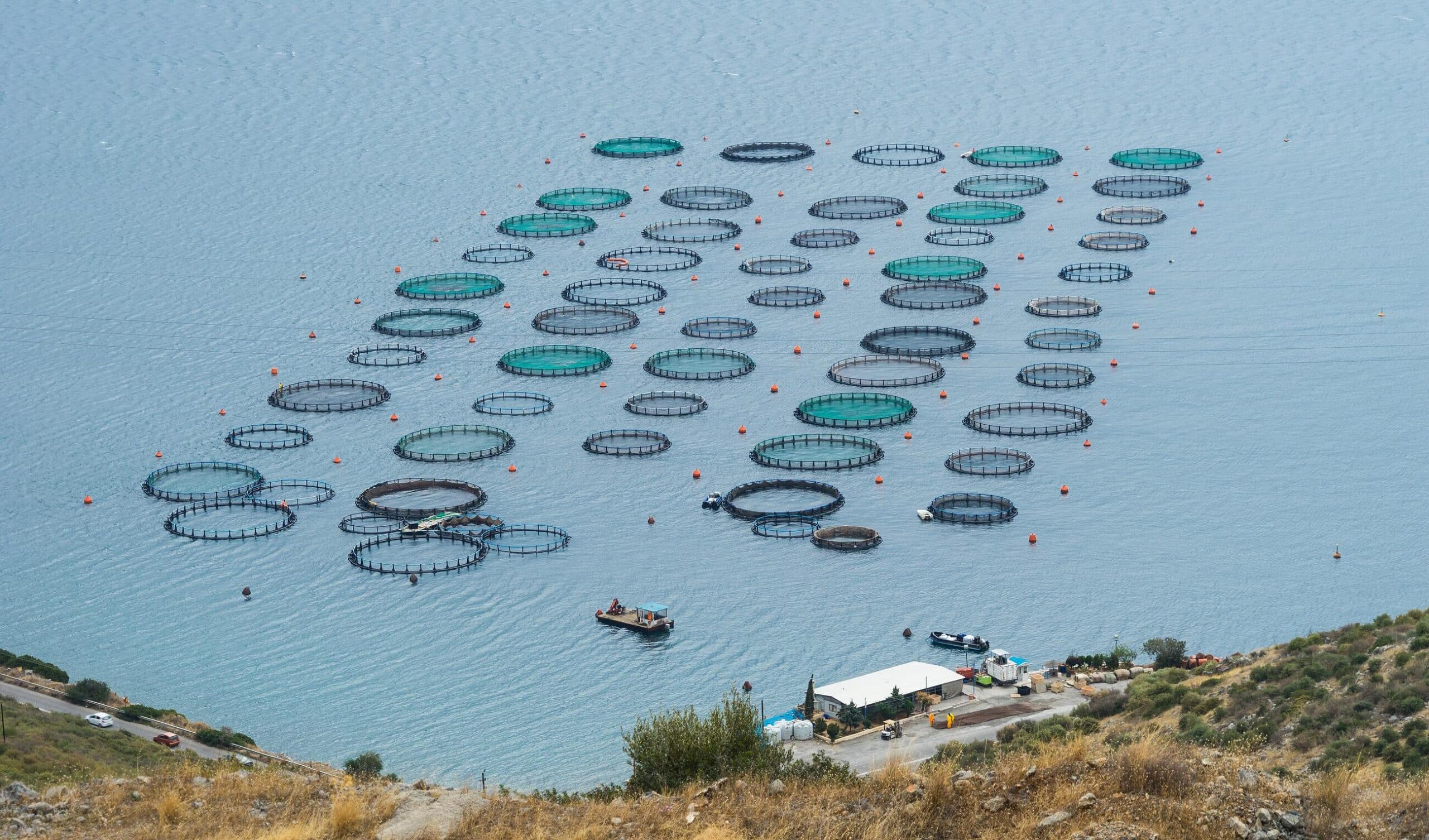
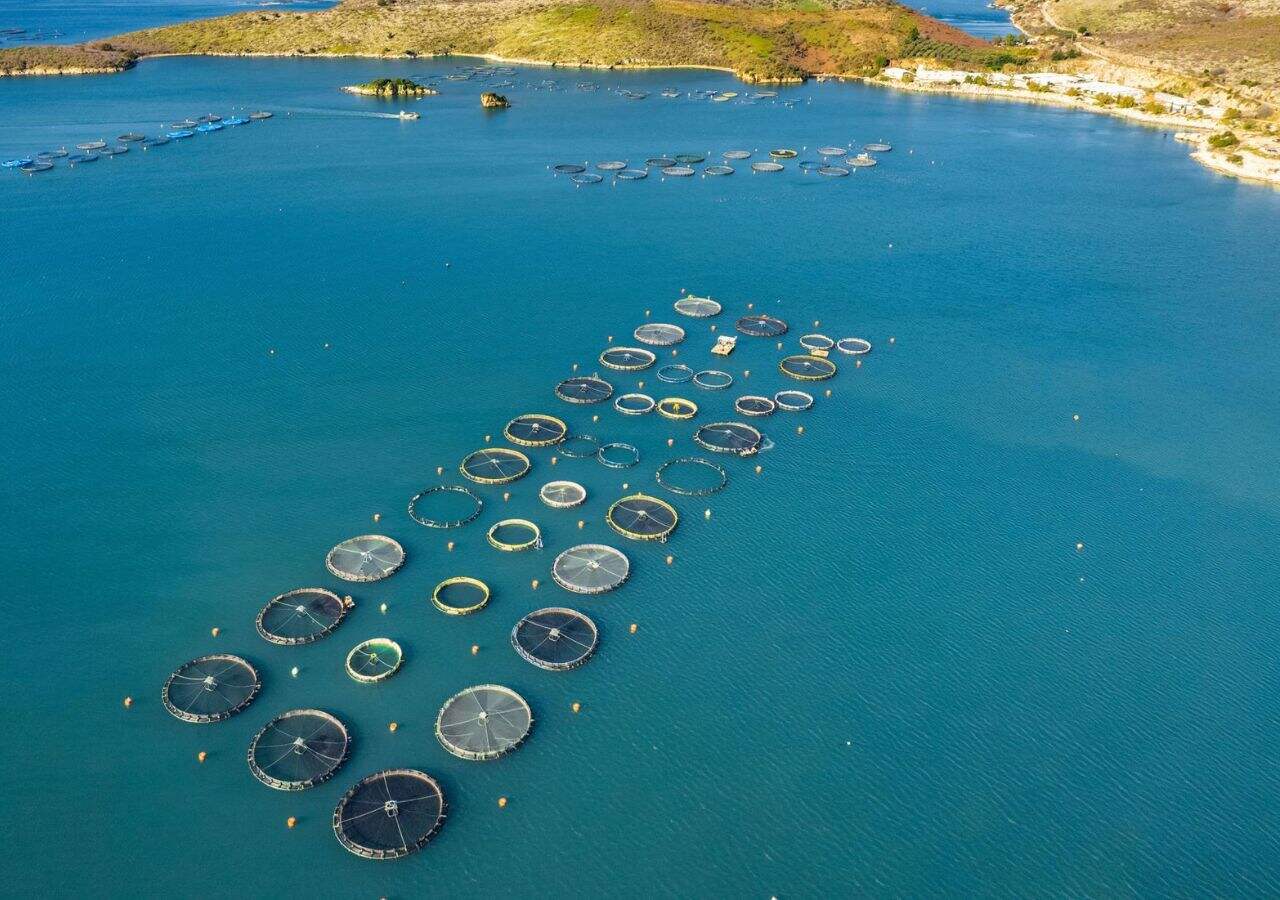
Fish farming cages in Greek waters, as Greece accelerates aquaculture investment while abandoned fish farms raise environmental and maritime safety concerns. Credit: Wikimedia Commons / Jebulon / Public Domain
Greece is accelerating investment in its aquaculture sector, approving 105 new projects worth €131 million ($151,9 million), while abandoned fish farms continue to raise environmental and maritime safety concerns.
Greek Rural Development and Food Minister Margaritis Schinas said Wednesday that the approved investment plans include €87 million ($100 million) in public funding. Speaking at the opening of the 14th session of the Scientific Advisory Committee on Aquaculture of the General Fisheries Commission for the Mediterranean, he outlined the government’s plan for a more competitive, sustainable and resilient aquaculture industry.
Greece targets growth in aquaculture
According to Schinas, the government increased the original budget allocation from €71 million ($82 million) to €78 million ($90 million) to support all aquaculture projects that received a positive evaluation. He described the package as one of the most important investment interventions in the sector in recent years.
The funding will help modernize production facilities, encourage innovation, support digital transformation and strengthen the global competitiveness of Greek aquaculture. The government aims to achieve average annual production growth of 5 percent through the end of the decade.
Schinas also linked the future of aquaculture to broader challenges facing Europe, including food security, climate change, sustainable development and the protection of natural resources. “The question facing the Mediterranean today is how to produce more and better food without exhausting the natural resources on which production itself depends,” he said, adding that the answer lies in cooperation, scientific research, innovation and a shared European and Mediterranean vision.
A major export industry for Greece
Aquaculture is already one of Greece’s most important export-oriented food sectors. Schinas said the country currently has around 285 marine fish farming units, more than 400 shellfish farming operations and 24 hatcheries.
Government estimates put annual production at nearly 141,000 metric tons, while the sector supports more than 10,000 direct and indirect jobs. About 80 percent of Greek aquaculture output is exported.
“Greek fish has evolved into a true ambassador for our country,” Schinas said.
Abandoned fish farms raise pollution concerns in Greece
The investment push comes as Greece is also dealing with the environmental legacy of abandoned aquaculture sites, sometimes described as “ghost farms.”
These sites are fish farms that operators have left behind, often with nets, cages and other infrastructure still in the sea. Over time, abandoned nets, plastics, tiles and timber can pollute nearby waters, harm marine life and create risks for shipping.
The issue gained renewed attention in February 2026, when a large fish-farming ring was spotted drifting in the Ionian Sea before ending up near Ithaca. The structure had entered a route used by passenger vessels, prompting the Coast Guard to intercept it over safety concerns.
Modi site removed after pressure
Abandoned aquaculture structures previously recorded near Modi in western Greece have since been removed by the operator and reportedly sent for recycling. Healthy Seas had identified the site years earlier through surveys conducted with Ghost Diving Greece and the Greek NGO OZON. The groups recorded four aquaculture rings there and considered them inactive.
After the drifting-ring incident near Ithaca, Healthy Seas examined a possible connection with the Modi site. The organization said the type of ring was unusual for the area, making the possible link difficult to ignore.
Following cooperation with authorities, media exposure and formal correspondence with competent bodies, the Coast Guard carried out a new inspection at Modi. Authorities later confirmed that the structures previously recorded there had been removed. The operator reportedly told the Coast Guard that the structures had been transferred to a recycling company.
The operator is said to have denied that the drifting ring came from its facility. Still, regardless of the ring’s origin, one more abandoned aquaculture site has now been cleared from Greek waters.
Aquaculture in Greece. Credit: EU Directorate-General for Maritime Affairs and Fisheries
Abandoned Fish Farms Challenge Sustainable Aquaculture in Greece
For environmental groups, the case shows that abandoned aquaculture infrastructure is not only a marine pollution problem. It can also become a safety risk when structures break loose and drift into busy waters. Veronika Mikos, director of Healthy Seas, said the case points to a new way of dealing with abandoned fish-farming infrastructure.
“For years our work has focused mainly on the physical removal of abandoned aquaculture infrastructure from the sea,” Mikos said. “What makes this case important is that it points to another possible path: strategic engagement, institutional pressure and coordinated action that can encourage operators to assume responsibility themselves before these structures become even more serious environmental or maritime hazards.”
The challenge for Greece is now twofold: expanding a high-value export industry while ensuring that old or inactive facilities do not remain in the sea long after production has stopped.

 Login
Login