Reading view

SpaceX makes history with stock market debut and is poised for sharp gains

SpaceX, the company founded in 2002 by Elon Musk with the utopian dream of sending humans to Mars, became one of the world’s leading tech giants on Friday. The company, which specializes in launching rockets into space, communications satellites, and artificial intelligence, has made the biggest stock market debut in history. In the absence of an official listing, trading on the Nasdaq suggests a price of between $170 and $175 per share, up to 30% above the $135 at which the shares were sold. This valuation places the company at approximately $2.25 trillion, making it the sixth-largest company in the world by market capitalization. It was the largest initial public offering in history, ahead of Saudi oil giant Aramco’s 2019 debut, which raised about $29 billion.
Seguir leyendo

© SARAH YENESEL (EFE)

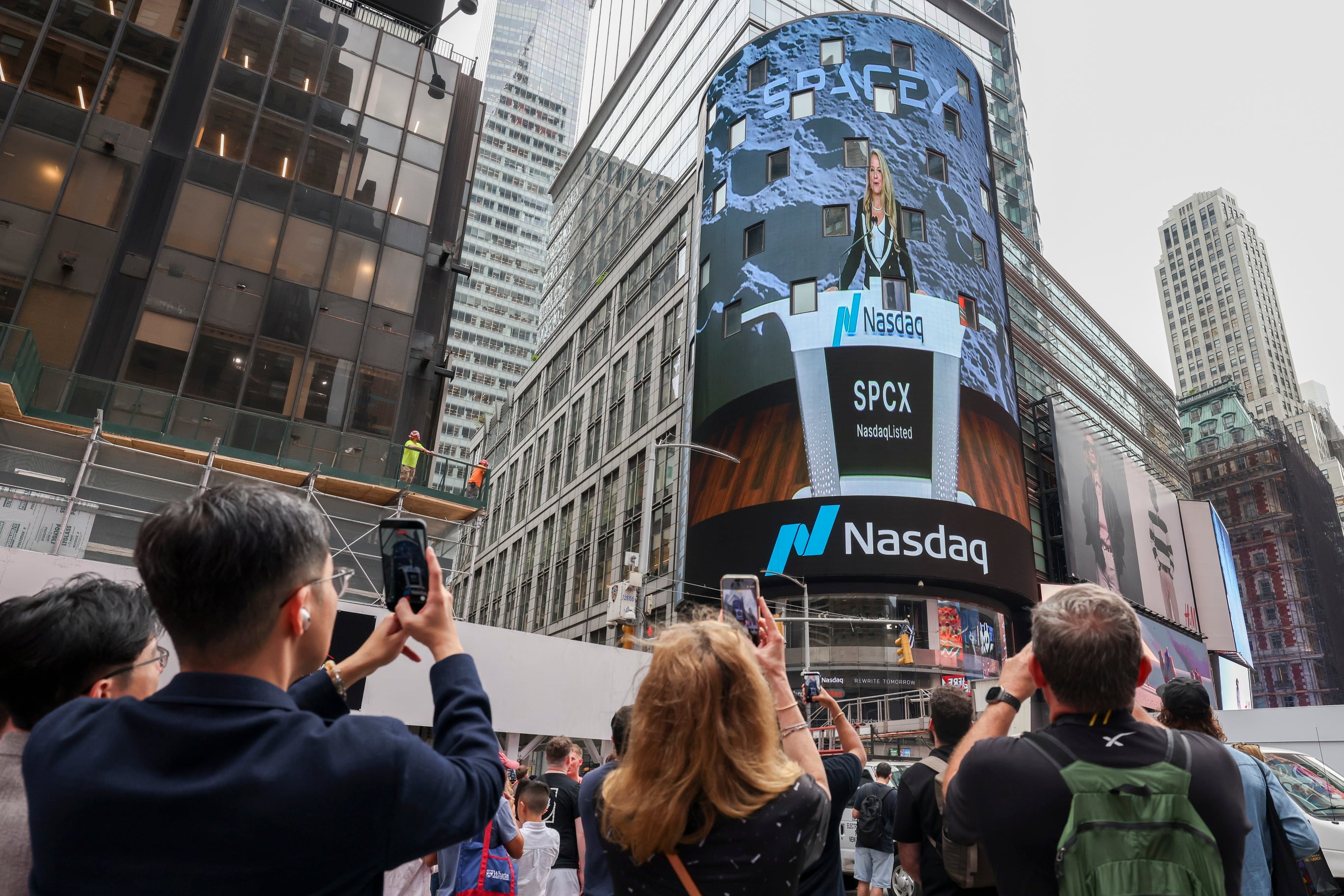
SpaceX begins trading following the biggest initial public offering ever.
  •  

AI fever sparks an IPO race that threatens to change the balance of financial markets

Artificial intelligence (AI) is addicted to money. The major labs developing AI models are intoxicated with the dollars that will finance the technology’s evolution. The three leading companies in the sector, Anthropic, OpenAI and SpaceX, have announced in recent days plans to go public to raise more funds in an endless race. Other long-established tech multinationals such as Google, Microsoft, Meta and Amazon have also launched financial operations in what is shaping up to be the biggest capital raising effort in the sector’s history.

Seguir leyendo

© OLGA FEDOROVA (EFE)

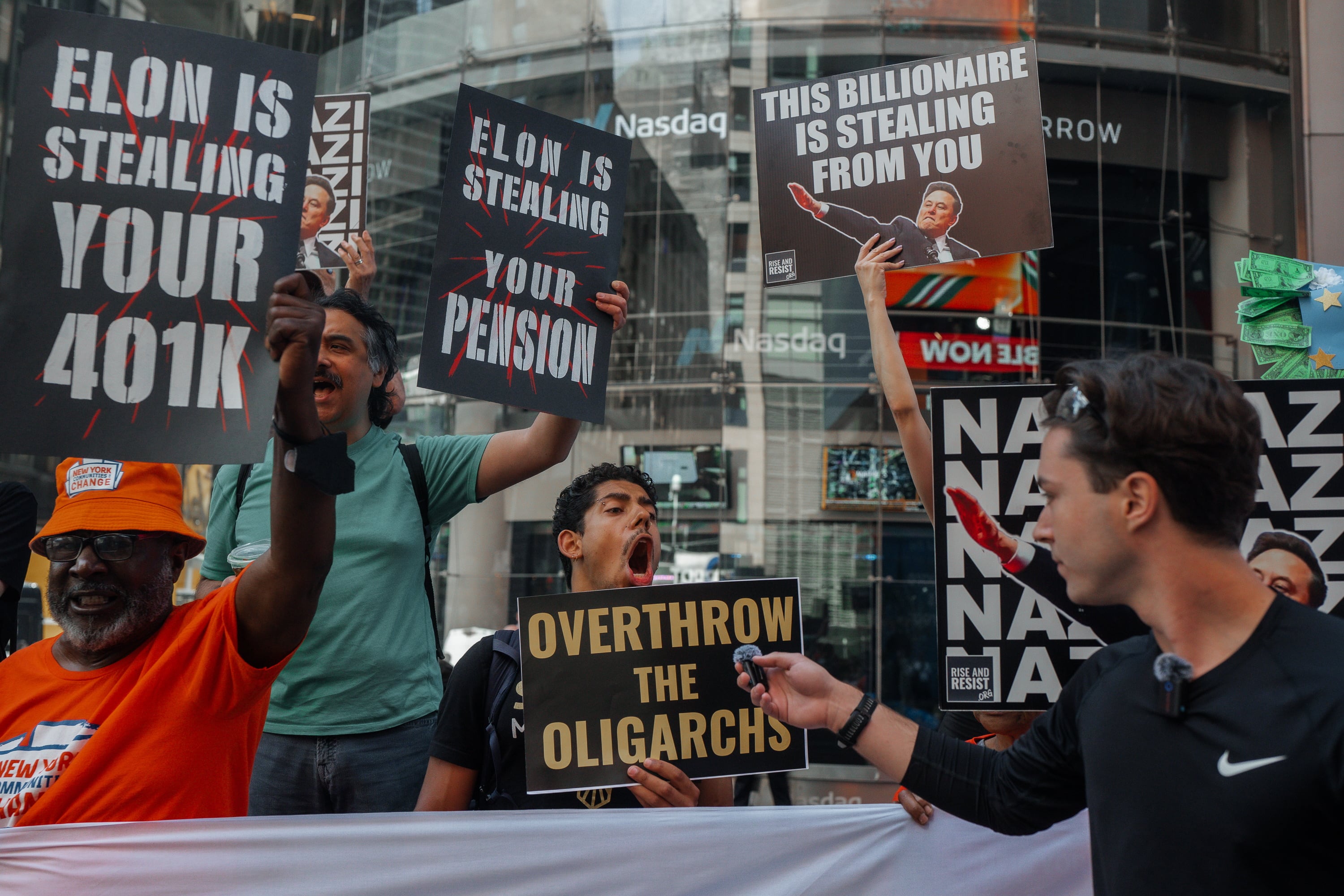
Protests at Nasdaq headquarters against Elon Musk and SpaceX’s IPO.
  •  

North America put to the test: Countdown to an (almost) ready World Cup

“The world will stand still, and the eyes of the world will be focused on North America,” the 56-year-old Swiss president of FIFA, Gianni Infantino, said a few days ago from the United Nations headquarters in New York. With four days to go before the ball starts rolling, the three host countries — the United States, Mexico, and Canada — say they have everything ready. Or, more precisely, almost everything. The biggest soccer tournament in history — 48 national teams playing a total of 104 matches — takes place amid various circumstances that complicate organization: the United States remains at war with Iran, President Donald Trump’s strict immigration policies are frightening away many supporters, and FIFA’s dynamic-pricing ticket system has put seats out of reach for much of the fan base.

Seguir leyendo

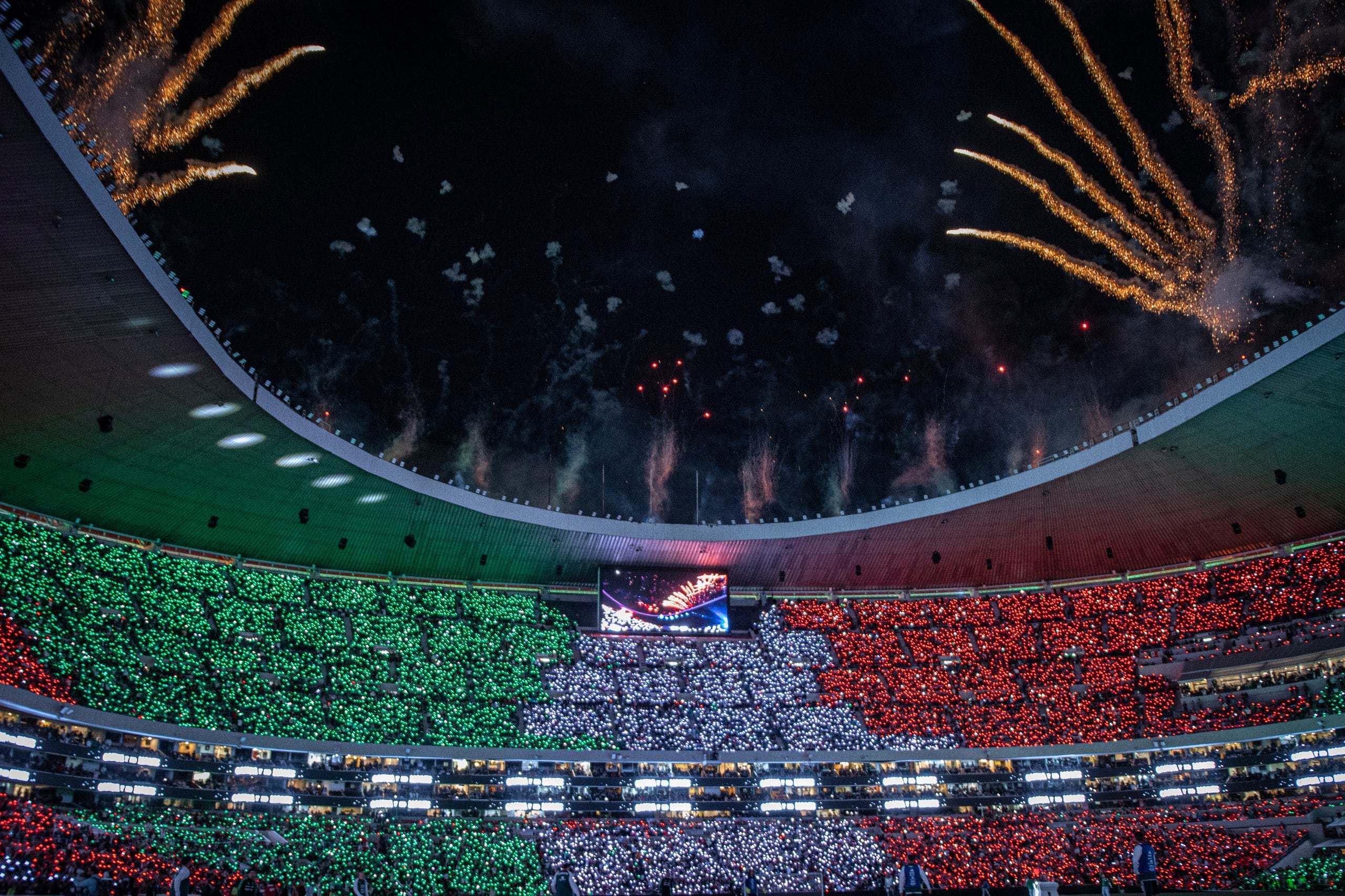
Reopening match at Estadio Azteca between Mexico and Portugal in Mexico City on Saturday, March 28, 2026.

© Jeffrey McWhorter (EFE)

Mural commemorating the World Cup in Dallas.
  •  

Latin America seeks to build an Atlantic alliance with Europe and the US: ‘The region has never been so central to the world’

Closing of the CEAPI congress in Mexico.

Just a year ago, Latin America’s major business families — owners of some of the world’s largest fortunes — were watching anxiously for the effects of the tariff wall erected by U.S. President Donald Trump. One year on, they are observing with concern the geopolitical upheaval unleashed by Trump, with an unprecedented change to the liberal international order built after World War II. The new national security strategy outlined by the Trump administration singles out Latin America as a new priority. The Republican tycoon has designated the entire region as his sphere of influence: as both his backyard and his front yard.

Seguir leyendo

  •  
❌