Reading view

Greece Shines in Condé Nast Traveller Awards as Naxos Tops Europe’s Best Islands
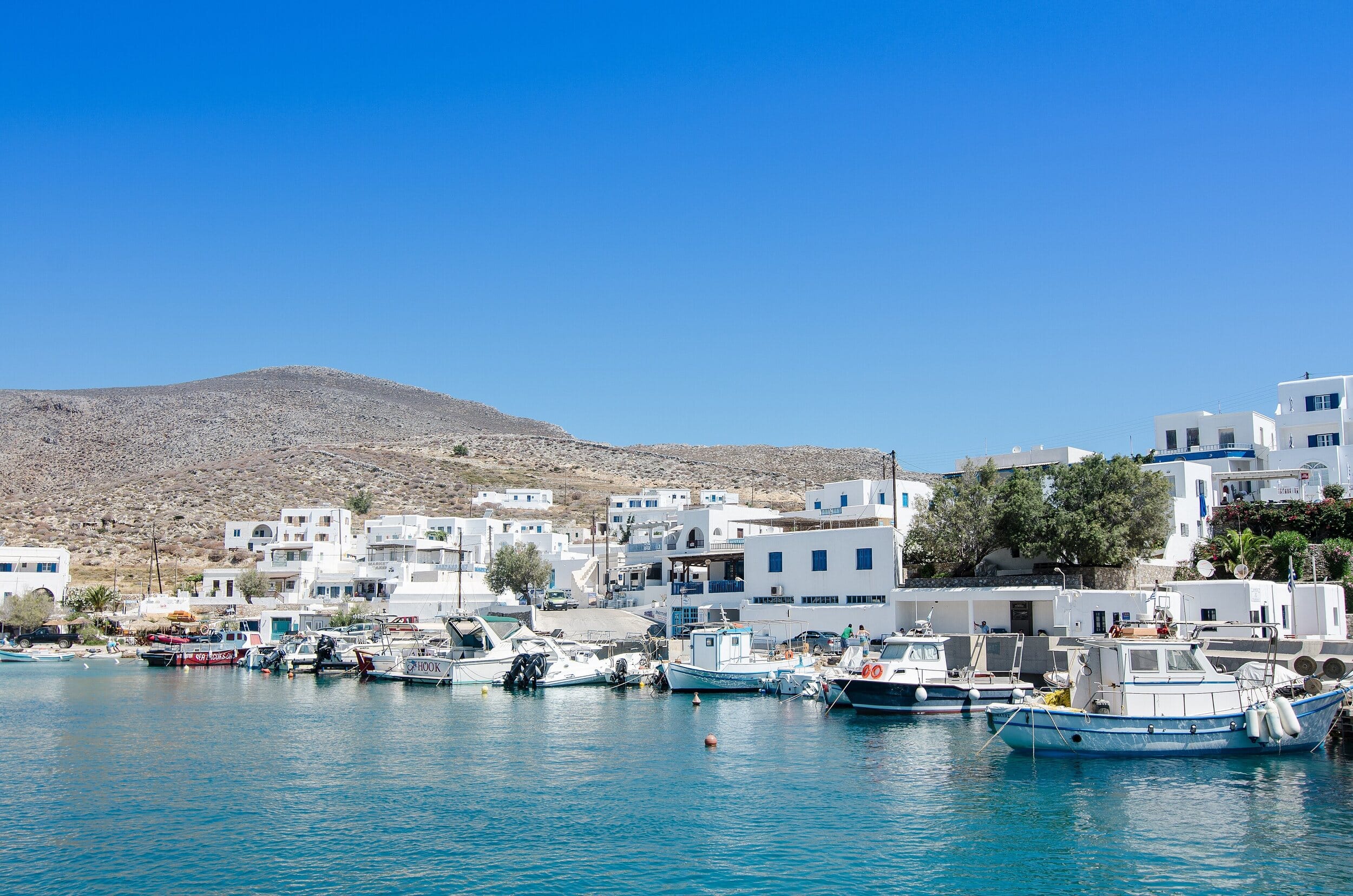
Folegandros, Greece
Folegandros, Greece, one of the eight Greek islands ranked among Europe’s best in the Condé Nast Traveller Readers’ Choice Awards. Credit: Étienne Dallaire / Wikimedia Commons / CC BY 3.0

Greece emerged as one of the leading countries in the Condé Nast Traveller Readers’ Choice Awards, with eight Greek islands ranked among Europe’s top 20.

Naxos claimed first place with a score of 95.71, just ahead of some of the Mediterranean’s most famous destinations, including Ibiza, Capri, Hvar, Mallorca, and Sicily. The result places the Cycladic island at the center of Europe’s travel spotlight and highlights the continued strength of Greece’s island tourism.

Alongside Naxos, the Greek islands featured in the ranking include Crete, Corfu, Rhodes, Skiathos, Mykonos, Folegandros, and Santorini.

Greece’s islands stand out in Europe’s awards

The ranking gives Greece one of the strongest national presences on the list. Eight of the twenty destinations are Greek, reflecting the country’s broad appeal to international travelers.

Crete ranked eighth with a score of 91.42, narrowly behind Sicily, which scored 91.43. Corfu followed in tenth place with 90.95, while Rhodes came in at eleventh with 90.86. Skiathos also ranked well in twelfth place with 89.52.

Further down the list, Mykonos placed fourteenth with 88.57, ahead of Cyprus, Sardinia, Folegandros, Santorini, Malta, and the Azores. Folegandros ranked seventeenth with 84.29, while Santorini placed eighteenth with 83.27.

All in all, the results show that Greece’s appeal extends far beyond its most popular destinations. The country’s islands continue to attract travelers looking for beaches, culture, food, history, nightlife, and quieter escapes.

Naxos tops Europe’s best islands as Greece shines in awards

Naxos’ first-place ranking is especially notable because it points to a shift in traveler preferences. While Santorini and Mykonos remain among Greece’s most well-known international destinations, readers placed Naxos above both.

The island is widely admired for its long sandy beaches, traditional villages, local cuisine, and more relaxed atmosphere. It also possesses a strong cultural identity, from its mountain settlements and agricultural traditions to the Portara, the ancient marble gate that stands near the entrance to its harbor.

Its score of 95.71 put it ahead of Ibiza, which ranked second with 93.06, and Capri, which placed third with 92.86. That margin underlines Naxos’ growing reputation as a destination that combines natural beauty, authenticity, and accessibility.

Crete, Corfu, Rhodes, and Skiathos remain traveler favorites

Crete’s high ranking confirms its status as one of Europe’s most all-encompassing island destinations. Greece’s largest island offers ancient sites, historic cities, mountain landscapes, beaches, and one of the country’s most distinctive culinary traditions.

Corfu and Rhodes also secured places in the top half of the list. Corfu, known for its Venetian architecture and Ionian character, ranked just ahead of Rhodes, one of the Dodecanese’s most visited islands and home to a famous medieval town.

Skiathos followed closely behind. Known for its beaches and green landscape, the island ranked twelfth, further strengthening Greece’s position in the upper tier of the European list.

Mykonos, Folegandros, and Santorini keep Greece in the top 20

Mykonos, Folegandros, and Santorini completed Greece’s presence in the top 20. Their inclusion is characteristic of the diversity in Greek island travel, from high-profile luxury destinations to smaller islands with a more serene personality.

Mykonos ranked fourteenth, maintaining its place among Europe’s most recognizable island names. Folegandros placed seventeenth, confirming the appeal of smaller Cycladic destinations. Santorini, one of the world’s most photographed islands, ranked eighteenth.

Although Santorini and Mykonos remain global symbols of Greek tourism, the success of Naxos and Folegandros suggests that travelers are also turning to islands that offer a more understated experience.

Top 20 islands in Europe

  1. Naxos, Greece — 95.71
  2. Ibiza, Spain — 93.06
  3. Capri, Italy — 92.86
  4. Hvar, Croatia — 92.38
  5. Canary Islands, Spain — 92.06
  6. Mallorca, Spain — 91.67
  7. Sicily, Italy — 91.43
  8. Crete, Greece — 91.42
  9. Madeira, Portugal — 90.99
  10. Corfu, Greece — 90.95
  11. Rhodes, Greece — 90.86
  12. Skiathos, Greece — 89.52
  13. Corsica, France — 89.17
  14. Mykonos, Greece — 88.57
  15. Cyprus — 85.71
  16. Sardinia, Italy — 84.76
  17. Folegandros, Greece — 84.29
  18. Santorini, Greece — 83.27
  19. Malta — 82.38
  20. Azores, Portugal — 78.57
  •  

Cannabis Use Among Teens in Greece Hits 25-Year Record

Cannabis plants
Cannabis use among teens has reached a 25-year record, while cocaine use is rising sharply across Greece. Credit: Wikimedia Commons / Chmee2 / CC BY 3

Cannabis use among teens in Greece has reached its highest level in 25 years, while cocaine and other stimulants are gaining ground across the country, according to the European Drug Report 2026 by the European Union Drugs Agency (EUDA), presented on June 9, 2026.

The report shows a shifting drug landscape in Greece. Cannabis remains the most common illegal substance, cocaine use continues to rise, and opioids, mainly heroin, still account for most overdose deaths.

According to the findings, 11.5 percent of 16-year-old students in Greece have used cannabis. The rate stood at 9.4 percent in 2019. The latest figure marks the highest level recorded in the past quarter century.

Cannabis use rises among teens in Greece

Cannabis use in Greece is increasing among adolescents, and those entering treatment programs more frequently report it as their substance of choice. In 2024, 28.8 percent of people in drug rehabilitation programs revealed that they predominately used cannabis. This was even higher among those seeking treatment for the first time.

The number of people entering treatment for cannabis use has risen by 32 percent compared with a decade ago. Such a trend implies that cannabis has become more deeply entrenched in Greek society among users. The report also notes that the types of cannabis products available in the Greek market appear to be expanding.

New synthetic and semi-synthetic cannabinoids raise concern

Greek authorities are also tracking the spread of synthetic and semi-synthetic cannabinoids, which now show a measurable presence in the domestic drug market. Semi-synthetic cannabinoids ranked as the second most commonly reported substance among people in Greece with recent drug use who participated in the 2024 European Web Survey on Drugs.

The Greek Poison Center first recorded cases linked to semi-synthetic cannabinoids in 2023, when it reported 34 intoxication incidents associated with HHC use. In 2024 and 2025, the center recorded 66 and 52 cases, respectively, involving THCP, H4-CBD, and HHC.

Data from Greece’s Early Warning System, operated by EKTEPN, shows that authorities detected eight new semi-synthetic and synthetic cannabinoids in the country for the first time in 2025. They had detected ten such substances in 2024.

Opioids remain leading cause of overdose deaths

Opioids continue to pose one of the most serious drug-related health risks in Greece. According to ELSTAT data cited in the report, opioids or other unspecified narcotic substances, mostly heroin, were involved in 72.9 percent of the 194 overdose deaths recorded in Greece in 2023.

Across Europe, opioids remain the leading cause of fatal overdoses, often in combination with other substances. The EUDA report also highlights increasing concern over new synthetic opioids, including nitazenes and orphines, which have appeared in Europe’s Early Warning System.

Greece differs from many other European countries because opioids remain the most frequently reported main substance among people entering treatment. In 2024, they accounted for 38.4 percent of treatment entrants. However, their dominance has weakened. The number of people entering treatment for opioid use in Greece has fallen by 51 percent compared with ten years ago. Among first-time treatment entrants, only 18 percent reported opioids as their main substance. These figures point to a broader change in Greece’s drug-use profile, as cannabis and cocaine now play a larger role in treatment demand.

Cocaine becomes increasingly visible in Greece

Cocaine remains the second most widely used illegal substance in Europe after cannabis among people entering treatment for the first time, according to the report. Cocaine-related harm is also increasing, while some European cities and marginalized communities are reporting more frequent crack cocaine use.

In Greece, cocaine and other stimulants now have a significant presence in drug-use patterns. Powder cocaine ranked as the most frequently reported substance after cannabinoids among people in Greece with recent drug use who participated in the 2024 European Web Survey on Drugs.

In 2024, 29.4 percent of people entering treatment reported cocaine and other stimulants as their main substance of use. This figure alarmingly approaches that for cannabis and marks a major increase compared with previous years. The number of people entering treatment for cocaine or other stimulant use has increased by 106 percent compared with five years ago and by 256 percent in comparison to a decade ago.

Attica records stronger cocaine indicators than other regions

People entering treatment report cocaine and other stimulants as their main substance of use more often in the Greater Athens (Attica) area than in Thessaloniki or other regions of Greece. Wastewater analysis in the region by the Laboratory of Analytical Chemistry at the National and Kapodistrian University of Athens shows a further sharp increase in cocaine presence in 2025. Researchers measure the trend through benzoylecgonine, cocaine’s main metabolite.

The estimated average daily quantity per 1,000 people rose by 64 percent compared with 2024. It also stood 211 percent higher than five years earlier. These figures suggest a significant shift in drug-use patterns, at least in the Athens metropolitan area.

Greece remains a cocaine entry and transit point as cannabis use among teens rises

Cocaine availability remains high in Greece despite a drop in the total quantity seized in 2024 in comparison to 2023. At the same time, authorities recorded a higher number of cocaine seizures. Continued flows through shipping containers from Latin American countries confirm Greece’s role as an entry point, transit hub, and final destination for significant quantities of cocaine.

The wider European picture described by the EUDA indicates a more complex and risky drug environment. People who use drugs now face exposure to a broader range of psychoactive substances, often with high potency or purity. New products, mixtures, and combinations are also becoming more prevalent.

  •  

Greek Court Sentences James Dalamangas After 27-Year Manhunt Over 1999 Sydney Murder

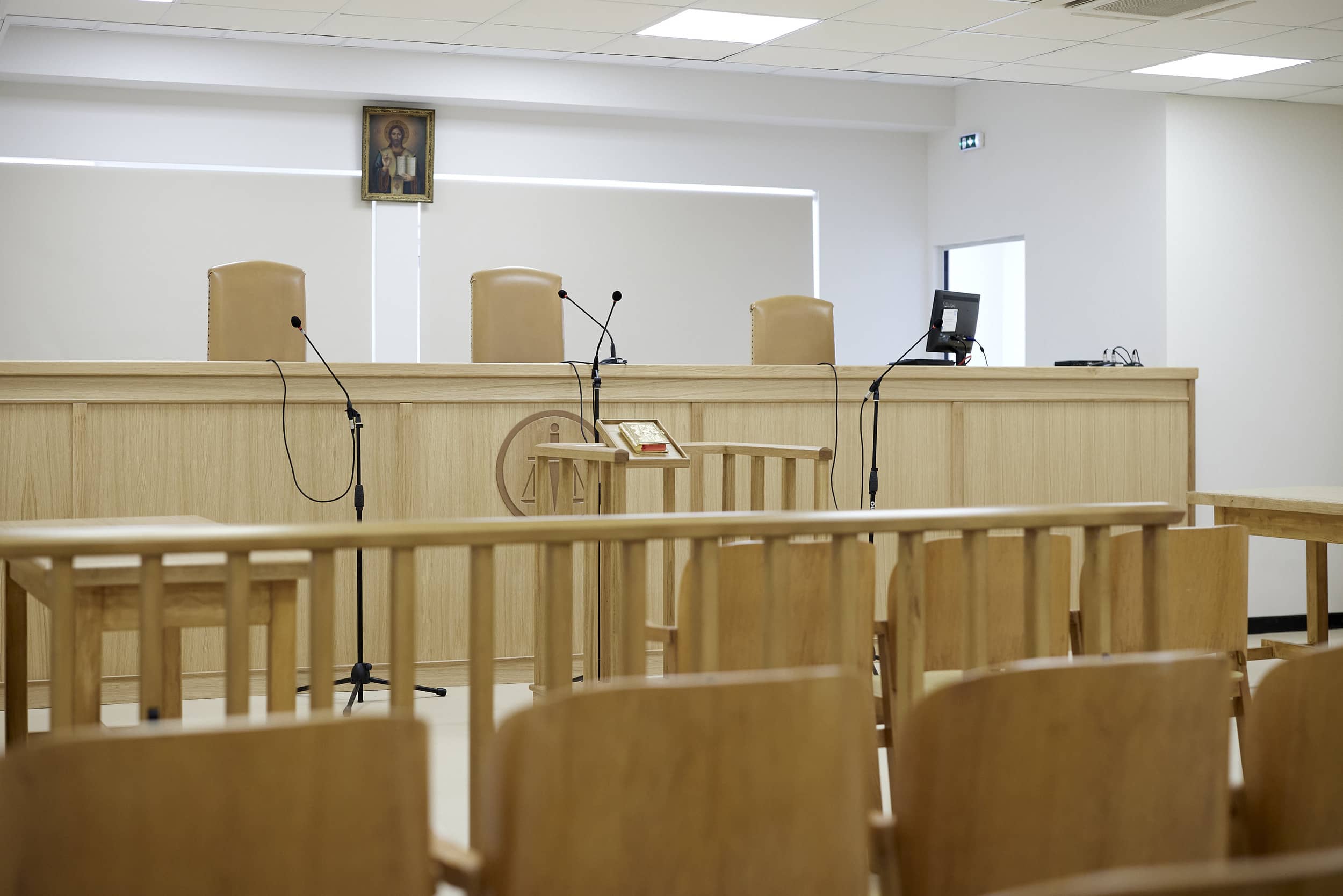
Empty court room in Greece with judges’ chairs, microphones, and wooden benches. A Greek court in Aigio sentenced James Dalamangas after his arrest in the Peloponnese following a nearly 27-year manhunt over Sydney killing.
A Greek court in Aigio sentenced James Dalamangas after his arrest in the Peloponnese following a nearly 27-year manhunt over Sydney killing. Credit: Dimitris Papamitsos / AMNA.

A Greek court has sentenced James Dalamangas, the 55-year-old fugitive wanted in Australia over a 1999 Sydney killing, following his arrest in the Peloponnese after nearly 27 years on the run.

Dalamangas appeared before a judge in the town of Aigio on Thursday, just days after Greek police arrested him at a nearby rural property. Australian authorities have long sought his extradition in connection with the fatal stabbing of George Giannopoulos, a father of two, outside a Sydney nightclub in 1999.

Greek court sentences James Dalamangas after arrest near Aigio

Greek police arrested Dalamangas at a rural property near Aigio, where he had allegedly been living under the false identity of Antonis Tzimas.

According to local reports, he had lived in the area for years and worked as an olive farmer. The court sentenced Dalamangas to two years and nine months in prison on weapons and false testimony charges. Greek authorities also convicted two other people, an 86-year-old man and a 47-year-old woman, of harboring a fugitive. However, both received temporary release pending appeals against their sentences.

Australia seeks James Dalamangas over Sydney killing

Australian authorities are expected to submit a formal extradition request in the coming weeks. They are seeking Dalamangas’ return to face proceedings related to the 1999 killing.

Former NSW Police detective Duncan McNab revealed the extradition process will depend on the Greek legal system and government. “Ultimately, this will go through the courts in Greece, reviewed by the government. They may make a decision to send him back to us. I hope they do,” McNab said.

Dalamangas, who holds Greek citizenship, is expected to oppose any attempt to extradite him to Australia. His lawyer has indicated that he intends to fight the process.

Greek statute of limitations may complicate case

If Dalamangas remains in Greece, he is unlikely to face murder charges over the 1999 incident, as the statute of limitations for murder under Greek law expires after 25 years.

According to reports, police identified and located Dalamangas based on limited information, including a tattoo bearing the Ancient Greek phrase “Molon Lave,” meaning “Come and get them.” Authorities then placed his property under surveillance prior to  carrying out the arrest.

  •  

Greece Turns to AI and Sensors to Monitor Aging Bridges in Real Time

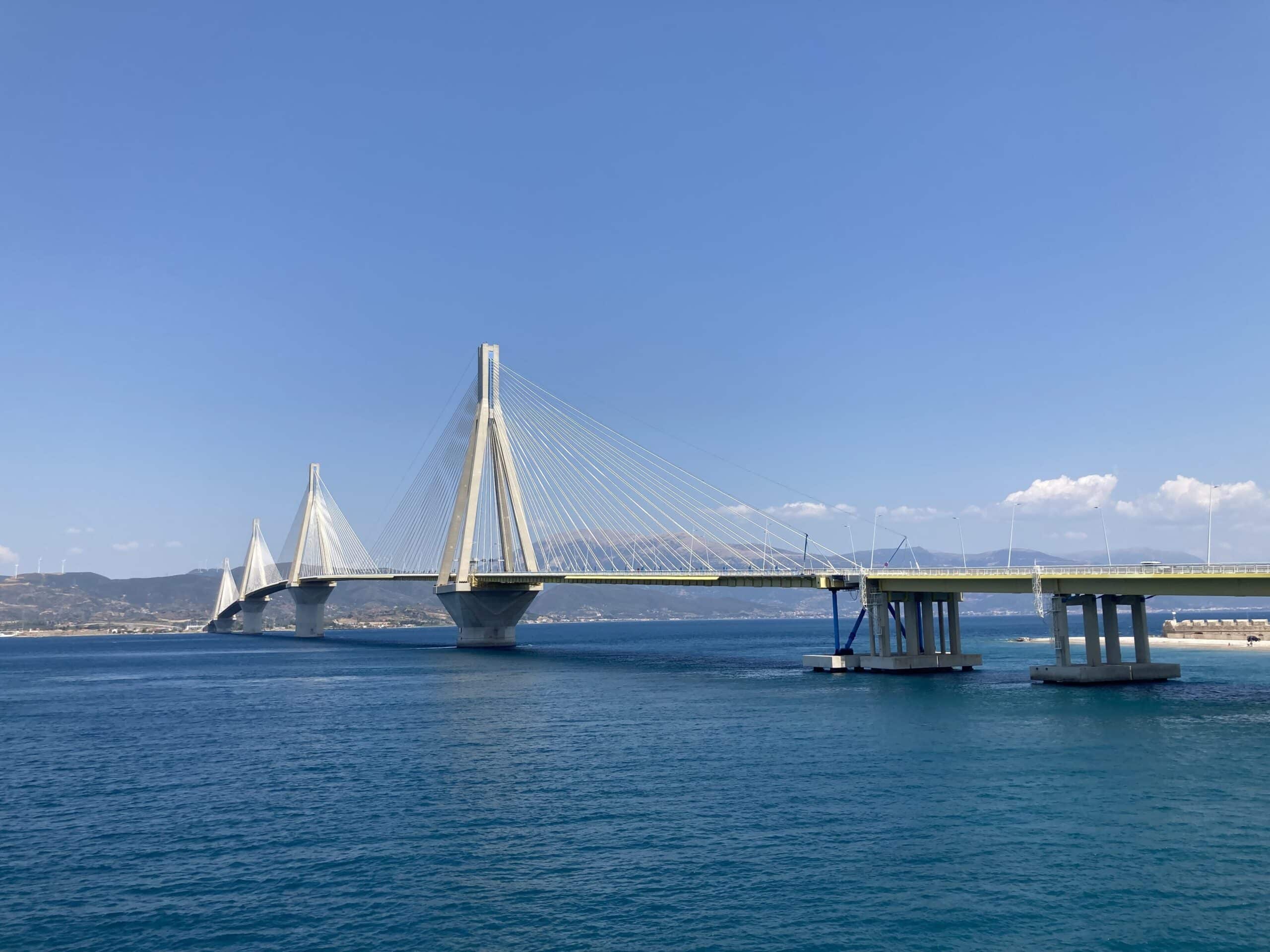
Rio Antirio Bridge in Patras, Greece
Greece is using AI, sensors, and digital twins to monitor aging bridges in real time and detect structural risks earlier. Credit: Wikimedia Commons / Awinch1001 / CC BY SA 4

Greece is turning to artificial intelligence, Internet of Things sensors, and digital twins to monitor aging bridges in real time, as the country moves toward a more preventive model for infrastructure safety.

The program, known as Smart Bridges, is being implemented by the Technical Chamber of Greece under the responsibility of the Ministry of Infrastructure and Transport. It is funded through the European Union’s NextGenerationEU mechanism as part of Greece’s Recovery and Resilience Plan, Greece 2.0.

The project is designed to provide authorities a live picture of how bridges behave under traffic, weather, and environmental stress. Rather than relying solely on periodic visual inspections, engineers can now receive continuous data from sensors installed on selected road and railway bridges.

Greece builds digital shield for aging bridges

The Smart Bridges system is already monitoring 271 bridges across the country. The program is expected to cover roughly six hundred road and railway bridges, establishing one of Greece’s most advanced digital infrastructure monitoring networks. The technology is based on Real-Time Structural Health Monitoring, a method that uses sensors to record how a structure responds to loads, vibration, movement, temperature changes, and other external pressures.

This information is then transmitted to digital platforms, where engineers can analyze it and detect unusual patterns. Artificial intelligence helps process large volumes of data and identify early warning signs that may require further inspection or maintenance. The goal is not only to detect damage but also to help authorities understand which bridges face the greatest pressure and where maintenance should be prioritized.

Sensors already reveal heavy traffic loads

Early findings show why continuous monitoring matters. On a bridge along the Axioupoli–Goumenissa national road in Kilkis, sensors recorded more than one thousand excessive load events over a three-month period. In Larissa, on a bridge on Karamanli Street above a railway line, the system recorded more than two thousand significant load events during the same period.

Together, these figures show the value of real-time data. Heavy vehicles, repeated traffic loads, climate conditions, and decades of use can all affect the condition of bridges. Without continuous monitoring, many of these stressors may remain invisible, leading to more serious damage.

Digital twins bring infrastructure into the data age

A central part of the project is the creation of a digital twin for each monitored bridge. This is a dynamic digital model of a real structure. It is updated as new data comes in from sensors, allowing engineers to compare expected behavior with actual performance.

This makes it possible to detect minor changes in a bridge’s condition over time. It can also help authorities plan maintenance more efficiently, reduce emergency repairs, and make better use of public funds. In this way, the system is meant to transform bridges from passive structures into monitored infrastructure that continuously reports on its own condition.

A major EU-funded infrastructure project

The Smart Bridges project is funded through the European Union’s NextGenerationEU mechanism under Greece’s Recovery and Resilience Plan, Greece 2.0. The project’s budget increased as its scope expanded. Greece 2.0 initially listed Smart Bridges at €222.4 million ($256.2 million), with €80.2 million ($92.4 million) coming from Recovery Fund financing.

A later official amendment raised the approved total budget to €285.3 million ($328.7 million) after 151 additional bridges were added to the project. The funding supports the installation of monitoring systems, the development of digital bridge models, the collection of real-time structural data, and the supervision of hundreds of road and railway bridges across Greece.

Aging infrastructure becomes a national challenge

The project comes at a time when Greece, like many other European countries, faces the challenge of maintaining infrastructure built decades ago. Numerous bridges remain essential to daily transport, freight movement, and regional connectivity. However, aging materials, heavier traffic, extreme weather, and limited maintenance budgets can increase structural pressure over time.

The Smart Bridges program reflects a wider shift in public infrastructure policy: from repairing damage after it appears to identifying risks earlier and acting before issues escalate.

Greece looks beyond bridges with a wider infrastructure safety plan

The Smart Bridges program has also opened up a broader debate about how Greece should monitor and maintain critical public infrastructure in the years ahead. The Technical Chamber of Greece has proposed the establishment of a mandatory National Infrastructure Registry, a centralized database that would record the condition, ownership, and maintenance needs of public assets across the country.

Such a registry would help authorities move away from fragmented records and provide the state with a clearer overview of which structures require inspection, repair, or long-term investment. The chamber has also called for wider pre-earthquake inspections, better integration of structural safety checks into building renovation programs, and more efficient use of Smart Bridges data by ministries, civil protection authorities, regional governments, and municipalities.

  •  
❌