Reading view

Largest Scorpion Ever Known Roamed Ancient Britain 415 Million Years Ago
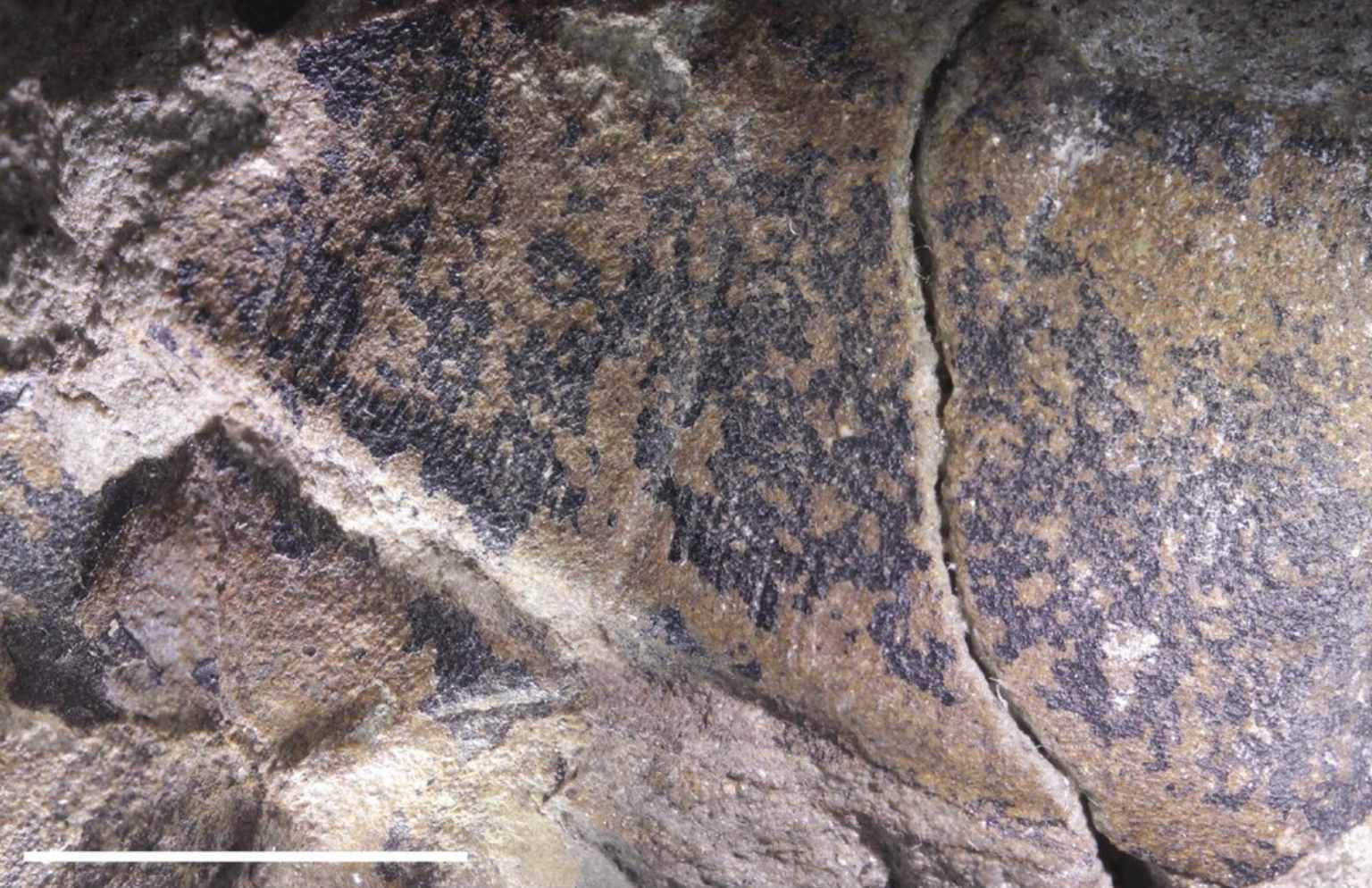
The dorsal surface of the pedipalp coxa
The dorsal surface of the pedipalp coxa. Credit: Richard J. Howard / CC BY 4.0

Fossil remains discovered in the United Kingdom have been confirmed as belonging to one of the largest scorpions ever known in Britain, researchers say. The giant species, Praearcturus gigas, measured more than 1 meter (3.3 feet) long and lived about 415 million years ago, making it one of the earliest large predators to inhabit land.

The findings resolve a long-running scientific debate over the identity of the animal. By reexamining fossil fragments from England and Wales, researchers confirmed that Praearcturus was a scorpion rather than a crustacean, as some scientists had previously believed.

With pincers measuring about 16 centimeters (6.3 inches) long, the giant arthropod would have dwarfed modern scorpions. Today, the largest living scorpion reaches only about 23 centimeters (9 inches) in length. The study was published in the journal Palaeontology.

A giant predator in a young world

When Praearcturus gigas lived during the Early Devonian Period, life on land was still developing. Small plants and fungi had begun spreading across the landscape, while arthropods were among the first animals to establish themselves away from water.

Researchers believe the giant scorpion preyed on smaller arthropods living on ancient floodplains. Its size likely made it one of the dominant predators of its time.

Praearcturus gigas
Pedipalp elements of Praearcturus gigas. Credit: Richard J. Howard / CC BY 4.0

Lead author Richie Howard said the discovery pushes back the appearance of giant arthropods by tens of millions of years. “When people think of giant arthropods, they often think of creatures such as Arthropleura or giant griffinflies,” Howard said. “But those animals appeared much later, after land ecosystems had become far more complex.”

Howard said the lack of large competing predators may have helped Praearcturus grow to such enormous proportions.

Solving a 150-year-old mystery

The fossil was first described in 1871 by British paleontologist Henry Woodward, who believed it belonged to a giant crustacean similar to a woodlouse.

For decades, scientists struggled to classify the animal because only fragments of its body had survived. The fossils lacked the distinctive tail that normally identifies a scorpion.

The mystery began to unravel after researchers compared the fossils with Eramoscorpius, a well-preserved ancient scorpion discovered in Canada. Both species share a distinctive triangular sternum on the underside of the body, providing strong evidence that Praearcturus was a true scorpion.

Clues to early life on land

The discovery offers new insight into a key stage of Earth’s history, when animals were adapting to life outside aquatic environments.

Researchers say Praearcturus may not have lived exclusively on land. Fossils from Wales preserve flap-like structures known as epimera, which resemble features seen in modern lobsters and crabs. These structures suggest the giant scorpion may have spent part of its life in water, where larger prey would have been available.

Co-author Greg Edgecombe said the species may even represent a lineage that returned to aquatic habitats after its ancestors adapted to life on land.

Scientists say additional fossil discoveries will be needed to determine how long Praearcturus survived and whether other fragmentary remains found in Britain belong to the species. For now, the fossils provide rare evidence of one of the largest scorpions ever to walk the Earth.
  •  

17,100-Year-Old Cave Paintings in Wales Rewrite Britain’s Ancient History

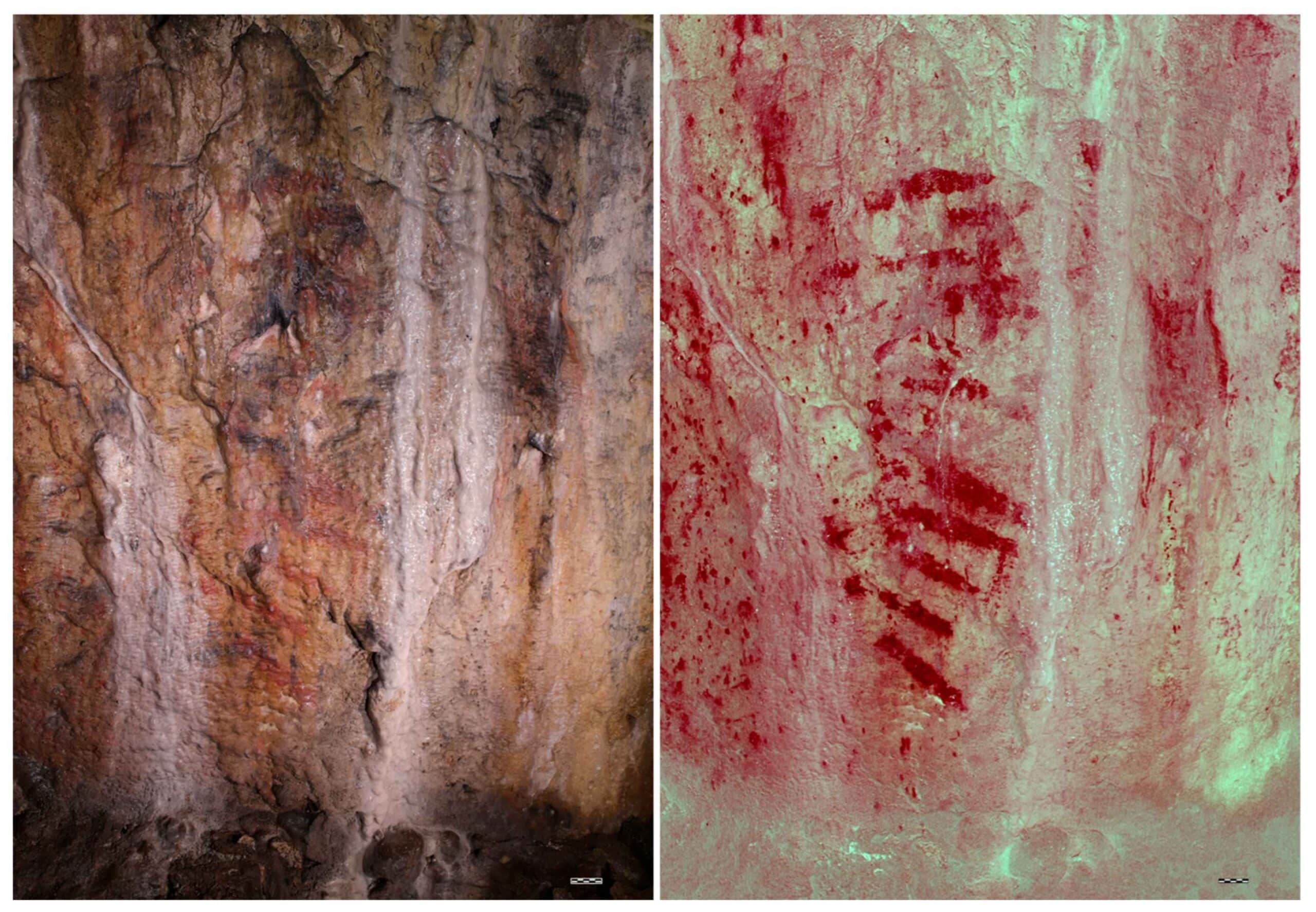
Red pigment markings at Bacon Hole Cave in Wales
Red pigment markings at Bacon Hole Cave in Wales. Credit: George H. Nash / CC BY 4.0

A series of red markings inside a cave in south Wales has been confirmed as the UK oldest cave art, ending decades of debate over whether the images were created by humans or formed naturally.

Researchers determined that the markings at Bacon Hole Cave near Mumbles were painted about 17,100 years ago during the Upper Paleolithic period. The discovery makes them the oldest known rock art in Britain and northwestern Europe. The findings overturn a conclusion that had stood since 1928, when experts dismissed the markings as natural mineral stains rather than prehistoric artwork.

Discovery revisited after more than a century

The markings were first reported in 1912 by professors William Sollas and Henri Breuil, who identified the red bands as prehistoric cave paintings. At the time, the discovery was described as the first example of Paleolithic cave art found in Britain.

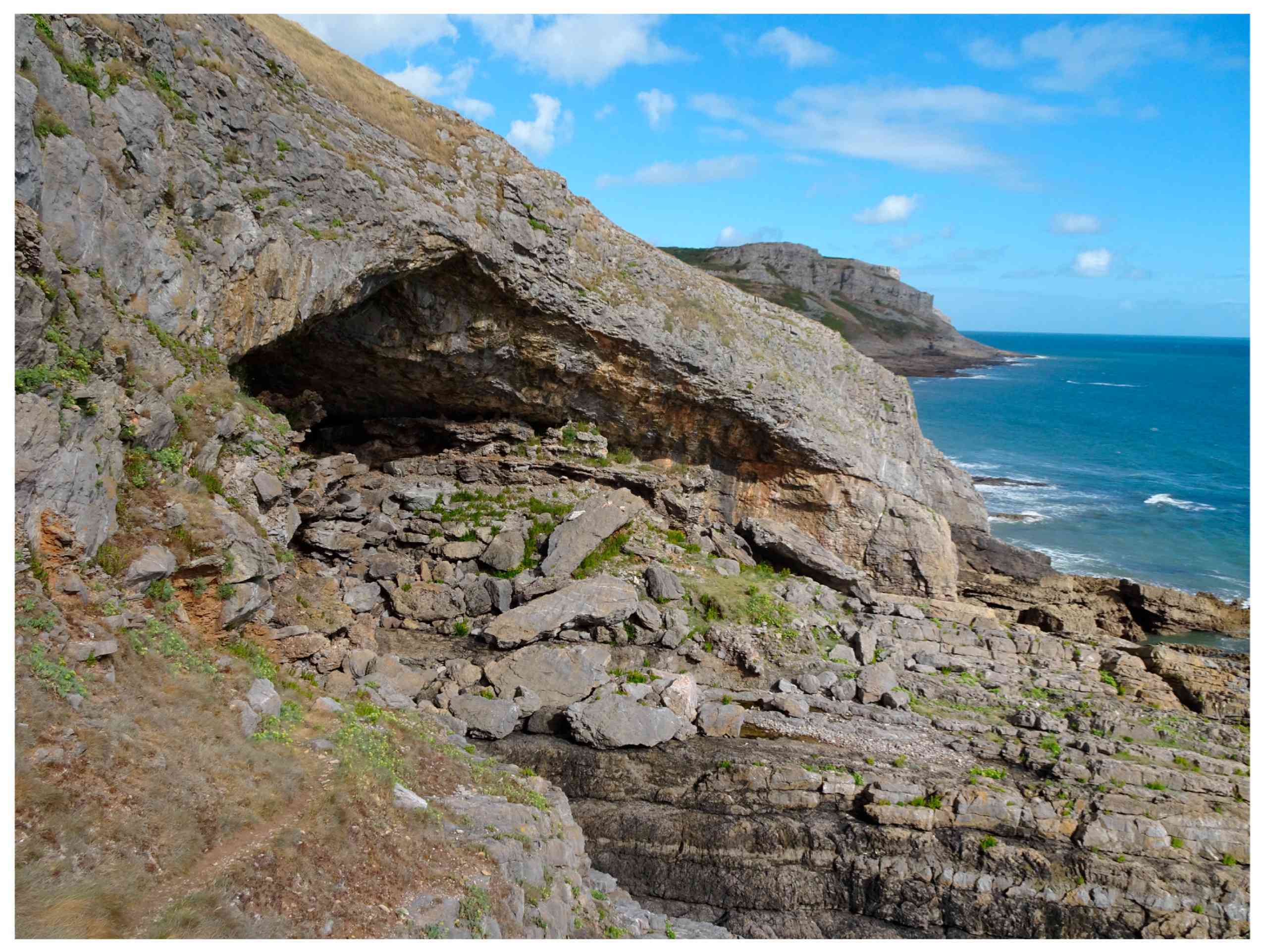
A substantial breccia deposit is located around the current entrance area of the cave
A substantial breccia deposit is located around the current entrance area of the cave. Credit: George H. Nash / CC BY 4.0

That interpretation was later rejected. Researchers concluded that the red streaks were caused by iron-rich minerals seeping through the limestone walls, and the site gradually lost its significance as a prehistoric art location.

More than a century later, an international team led by prehistoric art specialist George Nash reexamined the markings using scientific methods unavailable to earlier researchers. The team’s findings, published in the journal Quaternary, confirmed that the red pigment was intentionally applied by humans around 17,100 years ago.

Scientific analysis confirms human origin

Researchers used uranium-thorium dating and archaeometric analysis to study the pigment and surrounding cave deposits. Laboratory tests identified a mixture of calcite and clay residues within the paint, indicating that the material had been deliberately prepared. Analysis also showed that the pigment was applied directly with a finger.

The painted lines appear as evenly spaced horizontal bands arranged in a structured pattern. Researchers said the design is inconsistent with natural geological processes and supports the interpretation originally proposed in 1912.

Part of the artwork may have been overlooked for decades because a local fisherman painted graffiti on a nearby section of the cave chamber in 1894, making the markings more difficult to interpret.

Life in Wales during the Ice Age

Eastern view of the cave entrance and the Bristol Channel
Eastern view of the cave entrance and the Bristol Channel. Credit: George H. Nash / CC BY 4.0

The artwork was created as Wales emerged from one of the coldest phases of the last Ice Age, known as the Devensian glaciation. At the time, the landscape around Bacon Hole was a cold, largely treeless environment. Researchers believe the area surrounding what is now the Bristol Channel attracted large grazing animals during seasonal migrations.

The cave and other nearby shelters along the Gower coastline would have provided suitable living spaces for hunter-gatherer groups moving through the region.

A significant addition to Britain’s prehistoric record

Bacon Hole Cave lies within the limestone cliffs of the Gower Peninsula overlooking the Bristol Channel. Although the area is recognized for its natural beauty, the cave is not currently protected as a scheduled monument.

Researchers argue that the site’s newly confirmed status as the UK oldest cave art strengthens the case for greater protection. The study was conducted by researchers from First Art, the University of Southampton, Swansea University and other institutions, with support from the National Trust and the Bradshaw Foundation.

The discovery adds to a small number of known examples of Upper Paleolithic rock art in Britain and provides rare evidence of artistic activity in the region more than 17,000 years ago.

  •  

4,000-Year-Old Child’s Skull Reveals Oldest Known Surgery in Central Asia

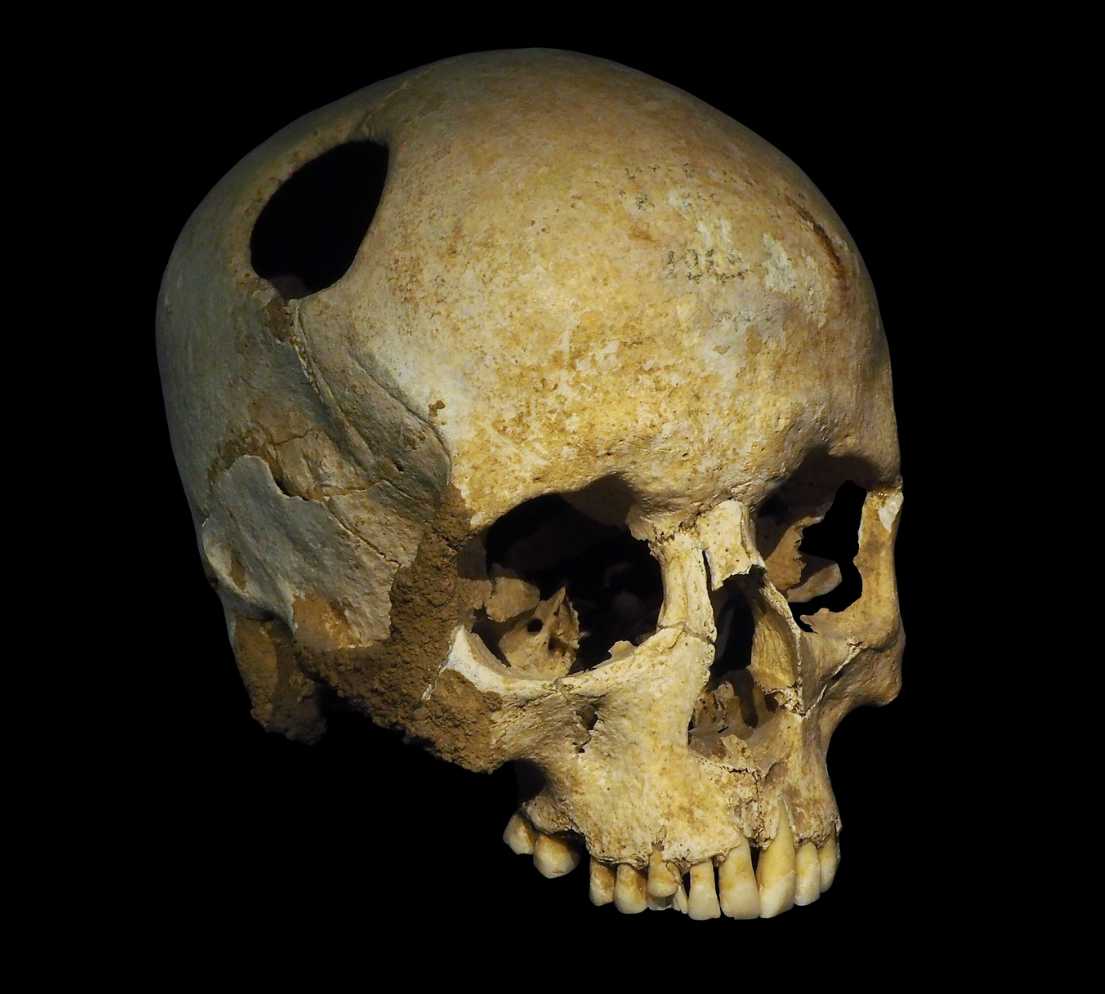
The perimeter of the hole in this trepanated skull
The perimeter of the hole in this trepanated skull. Credit: Rama / Wikimedia Commons / CC BY-SA 3.0

A 4,000-year-old child’s skull discovered in Uzbekistan is offering rare evidence of one of the oldest known surgery in Asia, shedding new light on medical knowledge in the Bronze Age.

The remains belonged to a child who died at about 5 years old. Researchers found clear signs of cranial trepanation, a procedure that involved cutting or drilling into the skull. The discovery represents the oldest documented evidence of surgery in Central Asia and one of the oldest known examples anywhere in Asia.

A joint team of Italian and Uzbek researchers uncovered the skeleton during excavations in the Northern Bactria region of southern Uzbekistan, near the border with Afghanistan.

Evidence of a complex procedure

Archaeologists found the child buried in a single grave alongside another child who died at about 3 years old. Examination of the older child’s skull revealed distinct traces of trepanation that researchers believe were made using stone or bone tools.

Trepanation is among the oldest surgical procedures known to humanity. Archaeologists have documented similar operations in ancient societies across Europe, Africa and Asia. The practice may have been used to treat head injuries, epilepsy, severe headaches or other medical conditions. In some cultures, it may also have served ritual or spiritual purposes.

A 4,000-year-old child’s skull discovered in Uzbekistan contains evidence of cranial trepanation, making it the oldest documented surgery in Central Asia and one of the earliest known in Asia. pic.twitter.com/w1NDyBNpEV

— Tom Marvolo Riddle (@tom_riddle2025) June 3, 2026

Researchers noted that medicine and religion were often closely connected in ancient societies, making it difficult to determine the exact reason for the operation.

The findings also raise questions about the level of medical expertise that existed in Central Asia thousands of years ago. Performing such a procedure would have required specialized knowledge of the human body and considerable technical skill.

A window into the Oxus civilization

The burial was discovered at the prehistoric settlement of Djarkutan, one of the most important urban centers of the Oxus civilization. Researchers dated the grave to the late third millennium B.C.

Also known as the Bactria-Margiana Archaeological Complex, or BMAC, the Oxus civilization flourished across parts of modern-day Uzbekistan, Turkmenistan and Afghanistan between about 2500 and 1500 B.C. The culture is known for its advanced agriculture, urban development and rich material traditions.

Researchers began a broader project to investigate Djarkutan and other aspects of the Oxus civilization in 2024. “Djarkutan continues to surprise us,” excavation director Enrico Ascalone said in a statement. “A cranial trepanation on a child, four thousand years ago, in Central Asia: until yesterday it was unthinkable. Today it is in our data.”

Questions remain unanswered

The discovery has also created new mysteries. Researchers are now investigating who may have performed the operation, what medical knowledge was available at the time and why such a procedure was carried out on a young child.

Evidence of ancient trepanation is relatively common in some parts of the world, but cases involving children of this age remain rare. Further analysis may help researchers understand whether the operation was intended to treat an illness, respond to an injury or fulfill a ritual purpose.

For now, the skull offers a remarkable glimpse into the medical practices, beliefs and capabilities of a Bronze Age civilization that thrived in Central Asia four millennia ago.

  •  
❌