Há países europeus que querem o fim do acordo comercial União Europeia-Israel. A reação foi forte por parte de Telavive e em Lisboa foi considerada extremista, pelo que disse o embaixador israelita. Agora há quem defenda que o diplomata deveria ser considerado "persona non grata". Seria a primeira vez que tal aconteceria em Portugal? A SIC Verifica.
Officials in North Texas will watch for potential threats from a new $40 million emergency operations center, one of many new security precautions in place across North America.
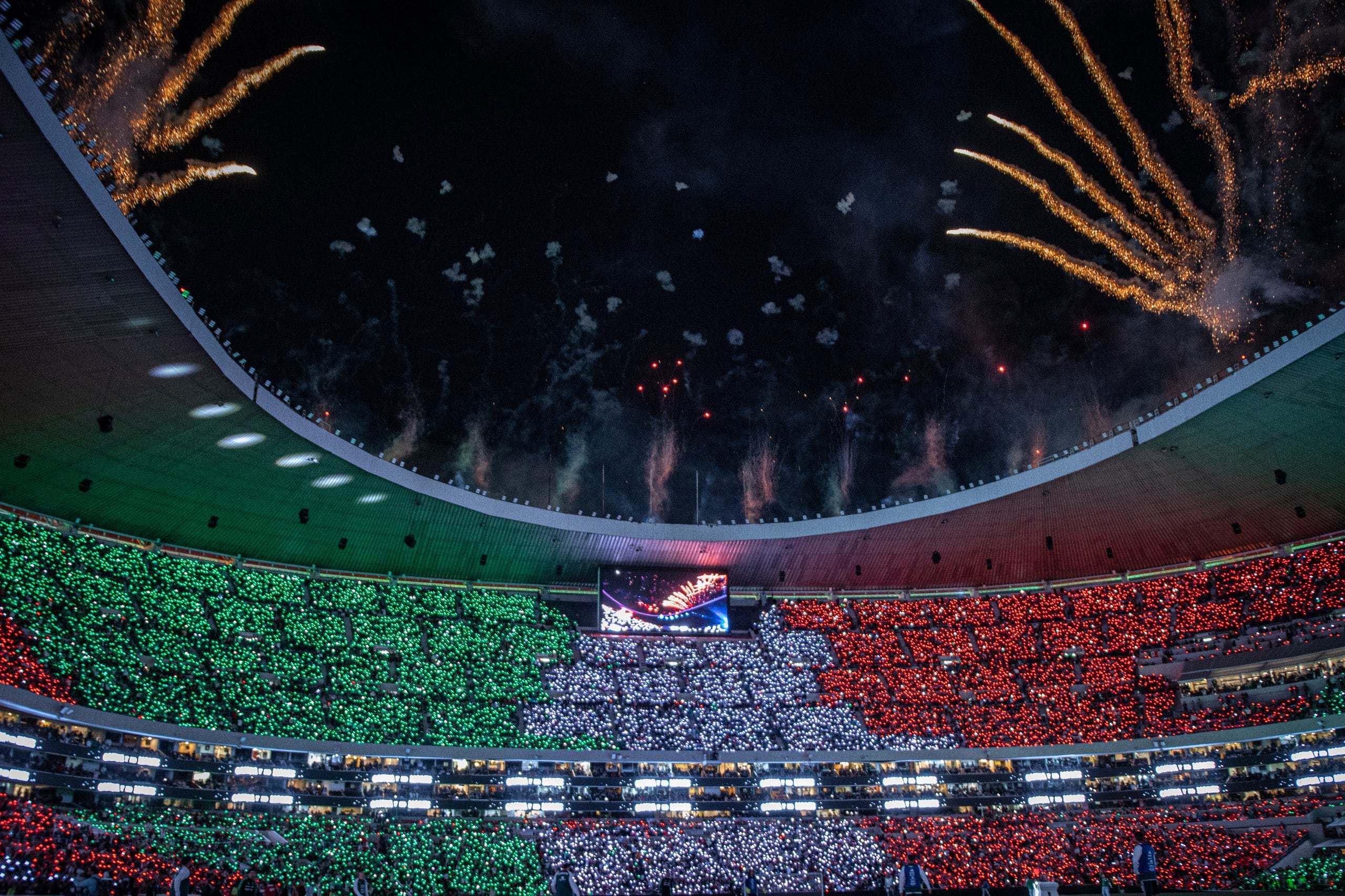
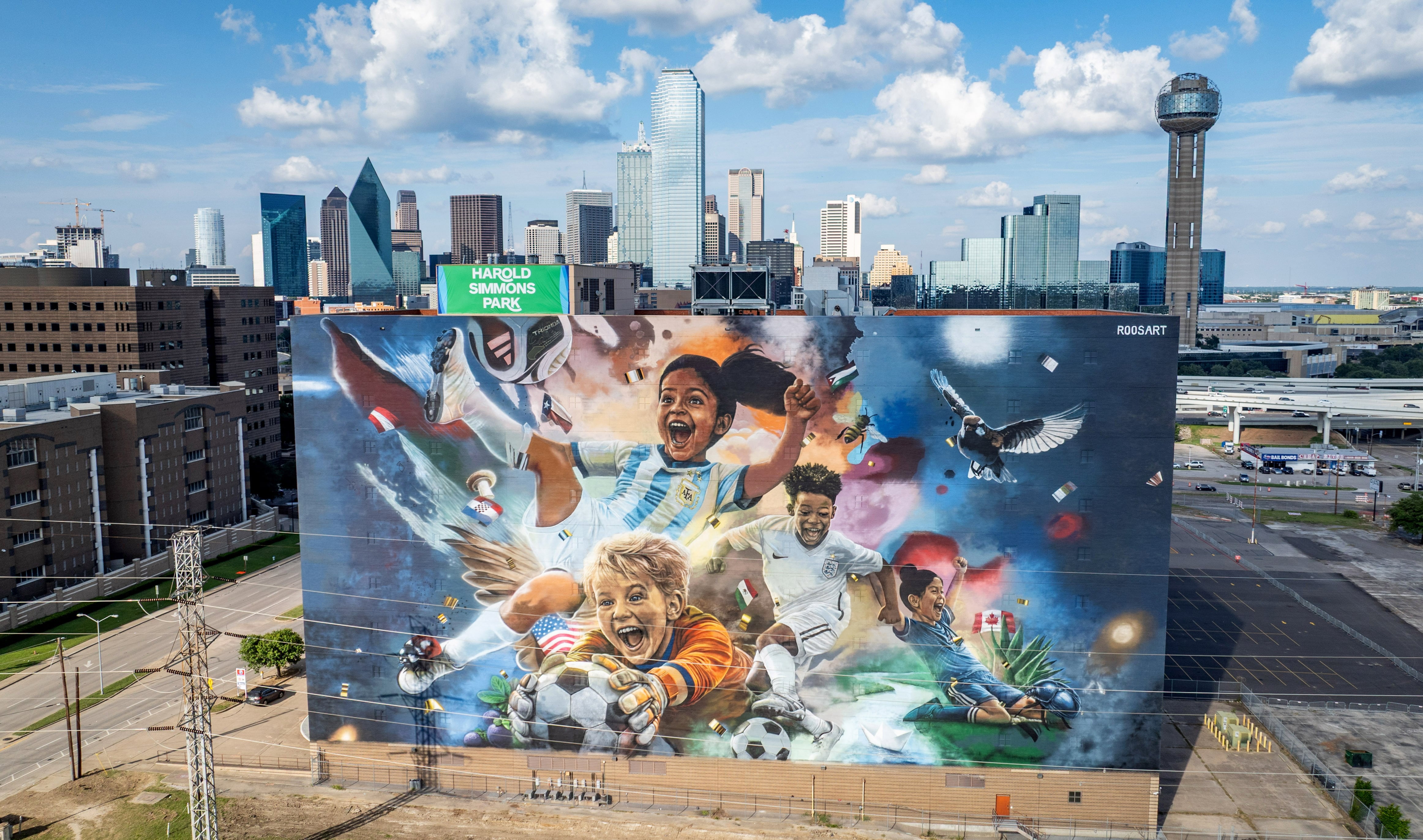
“The world will stand still, and the eyes of the world will be focused on North America,” the 56-year-old Swiss president of FIFA, Gianni Infantino, said a few days ago from the United Nations headquarters in New York. With four days to go before the ball starts rolling, the three host countries — the United States, Mexico, and Canada — say they have everything ready. Or, more precisely, almost everything. The biggest soccer tournament in history — 48 national teams playing a total of 104 matches — takes place amid various circumstances that complicate organization: the United States remains at war with Iran, President Donald Trump’s strict immigration policies are frightening away many supporters, and FIFA’s dynamic-pricing ticket system has put seats out of reach for much of the fan base.
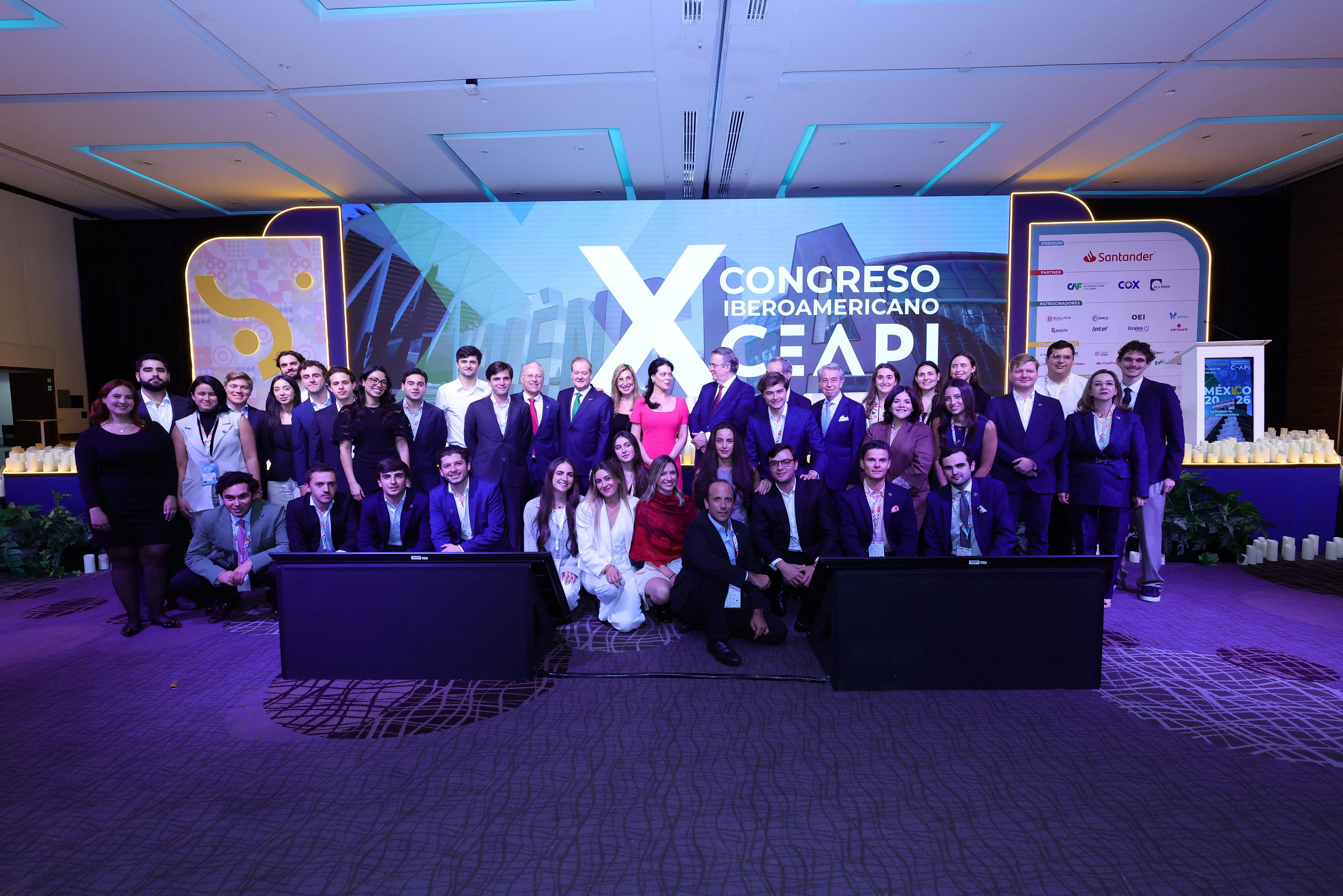
Just a year ago, Latin America’s major business families — owners of some of the world’s largest fortunes — were watching anxiously for the effects of the tariff wall erected by U.S. President Donald Trump. One year on, they are observing with concern the geopolitical upheaval unleashed by Trump, with an unprecedented change to the liberal international order built after World War II. The new national security strategy outlined by the Trump administration singles out Latin America as a new priority. The Republican tycoon has designated the entire region as his sphere of influence: as both his backyard and his front yard.

 Login
Login