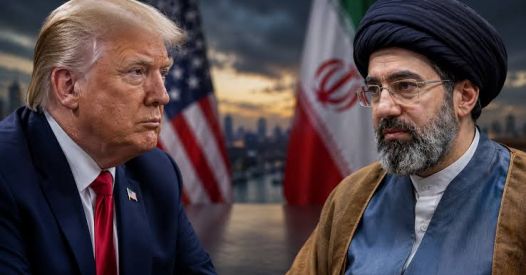
Dopo settimane di escalation militare e negoziati sull’orlo del fallimento, Iran e Stati Uniti hanno raggiunto un memorandum d’intesa che potrebbe aprire la strada alla fine della guerra scoppiata il 28 febbraio e a una nuova fase nei rapporti regionali. L’intesa è arrivata dopo nuove concessioni da parte di Washington, maturate in seguito ai bombardamenti israeliani su Beirut, che avevano spinto Teheran a valutare una risposta militare su vasta scala. Secondo fonti iraniane, l’attacco israeliano alla periferia sud della capitale libanese aveva oltrepassato le “linee rosse” della Repubblica Islamica, mettendo a rischio l’intero processo diplomatico. A cambiare la situazione sarebbero state le ultime aperture dell’amministrazione Trump, tra cui la revoca immediata del blocco navale statunitense contro l’Iran e l’impegno a porre fine alle operazioni militari in Libano.
Per Teheran l’accordo rappresenta una vittoria sia diplomatica che strategica. Il presidente Masoud Pezeshkian ha affermato che la resistenza iraniana ha costretto Washington ad abbandonare molte delle proprie richieste iniziali, mentre i vertici militari sostengono che Stati Uniti e Israele abbiano dovuto riconoscere i limiti della pressione militare contro la Repubblica Islamica. Anche Donald Trump ha celebrato l’intesa, annunciando la riapertura dello Stretto di Hormuz e la fine del blocco navale imposto ad aprile. Restano però forti tensioni con Israele. Diversi esponenti del governo Netanyahu hanno criticato apertamente l’accordo, definendolo dannoso per la sicurezza israeliana e promettendo di continuare le operazioni contro Hezbollah in Libano.
Il memorandum prevede ora un periodo di 60 giorni di negoziati destinati a trasformare l’intesa in un accordo definitivo. Sul tavolo restano questioni cruciali: la revoca delle sanzioni contro l’Iran, il futuro del programma nucleare, le compensazioni per i danni di guerra e la gestione dello Stretto di Hormuz. Nonostante l’ottimismo espresso da numerosi governi, da Pechino alle principali capitali europee, a Teheran prevale la cautela. Il ricordo delle precedenti intese fallite e delle operazioni militari condotte durante i negoziati alimenta una profonda sfiducia verso Washington. Per questo motivo, molti osservatori ritengono che la vera prova non sarà la firma dell’accordo, ma la sua effettiva applicazione sul terreno. Dopo mesi di guerra, bombardamenti e pressioni economiche, l'intesa rappresenta soprattutto il riconoscimento di una realtà emersa sul campo di battaglia.
Gli obiettivi iniziali dichiarati dalla coalizione Epstein – indebolire in modo decisivo l'apparato militare iraniano, realizzare un cambio di regime e imporre nuove condizioni strategiche nella regione - non sono stati raggiunti. Al contrario, l'Iran è riuscito a preservare le proprie capacità militari, mantenere la coesione interna e costringere gli avversari a tornare al tavolo negoziale. La guerra ha inoltre confermato l'efficacia della strategia iraniana basata sulla deterrenza e sulla guerra asimmetrica. Pur confrontandosi con una coalizione dotata di risorse militari, tecnologiche ed economiche incomparabilmente superiori, Teheran è riuscita a trasformare la propria vulnerabilità apparente in un punto di forza, aumentando i costi politici, economici e militari del conflitto per i suoi avversari. Se il memorandum verrà rispettato, esso potrebbe passare alla storia non soltanto come un accordo diplomatico, ma come la certificazione di una vittoria strategica iraniana.
LA NOTIZIA CHE HAI LETTO FA PARTE DE "Il MONDO IN 10 NOTIZIE" - LA NEWSLETTER CHE OGNI GIORNO ALLE 7.00 DEL MATTINO ARRIVA NELLE EMAIL DEI NOSTRI ABBONATI.
SCOPRI COME ABBONARTI A L'ANTIDIPLOMATICO E SOSTENERE LA NOSTRA LUNGA MARCIA
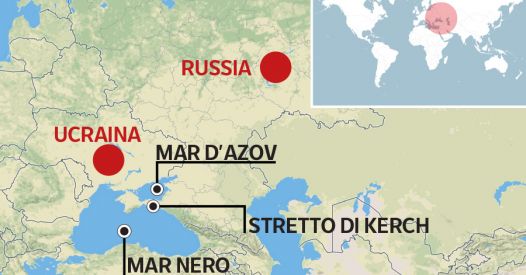
L'ennesimo tentativo di Kiev di ottenere una vittoria sul piano giuridico internazionale si è concluso con una pesante sconfitta. La Corte Permanente di Arbitrato dell'Aia ha infatti respinto la maggior parte delle rivendicazioni avanzate dall'Ucraina contro la Russia in una controversia avviata nel 2016 sui diritti degli Stati costieri nel Mar Nero, nel Mar d'Azov e nello Stretto di Kerch. Secondo il Ministero degli Esteri russo, la decisione rappresenta una vittoria di grande rilevanza geopolitica e giuridica.
Il tribunale ha rigettato le accuse con cui Kiev sosteneva che Mosca avesse violato numerosi articoli della Convenzione ONU sul diritto del mare, respingendo anche le richieste di compensazioni economiche e di restituzione del controllo sulle risorse energetiche e ittiche presenti nelle acque della Crimea e del Mar d'Azov. Particolarmente significativa è la conferma dello status dello Stretto di Kerch e del Mar d'Azov come acque interne, un pronunciamento che blocca il tentativo sostenuto dal regime di Kiev e dai suoi alleati occidentali di trasformare lo stretto in una via marittima internazionale aperta alle navi di qualsiasi Paese.
La corte ha inoltre giudicato infondate le contestazioni relative al Ponte di Crimea, rifiutando la richiesta ucraina di smantellare l'infrastruttura e stabilendo che la sua costruzione non viola il diritto internazionale. Anche le accuse riguardanti presunti danni ambientali, ostacoli alla navigazione e violazioni del patrimonio culturale sottomarino sono state respinte. L'unico rilievo mosso alla Russia riguarda aspetti procedurali legati alla valutazione d'impatto ambientale durante la costruzione del ponte.
Tuttavia, il tribunale non ha imposto alcuna sanzione, risarcimento o modifica delle opere realizzate, riconoscendo inoltre che Kiev non ha adempiuto pienamente ai propri obblighi di cooperazione internazionale in materia ambientale. La decisione dell'Aia rappresenta così un duro colpo alla strategia di "lawfare" portata avanti negli ultimi anni contro Mosca.
LA NOTIZIA CHE HAI LETTO FA PARTE DE "Il MONDO IN 10 NOTIZIE" - LA NEWSLETTER CHE OGNI GIORNO ALLE 7.00 DEL MATTINO ARRIVA NELLE EMAIL DEI NOSTRI ABBONATI.
SCOPRI COME ABBONARTI A L'ANTIDIPLOMATICO E SOSTENERE LA NOSTRA LUNGA MARCIA
Sob forte comoção, familiares e amigos se despediram nesta segunda-feira (15) do DJ e produtor musical Lucas Brito Chaves, conhecido artisticamente como Lucas Frota. O velório foi realizado no Cemitério Memorial do Carmo, no Caju, Zona Portuária do Rio de Janeiro.
O governador em exercício do Rio, desembargador Ricardo Couto, e o presidente do Tribunal Regional Eleitoral do Rio de Janeiro (TRE-RJ), desembargador Cláudio de Mello Tavares, participaram da cerimônia. Lucas era filho da advogada Cristiane de Medeiros Brito Chaves Frota e enteado do desembargador Elton Martinez Carvalho Leme, ex-presidente do TRE-RJ.
Aos 26 anos, o artista estava em ascensão na música eletrônica. Morando em Los Angeles há quase dez anos, Lucas produzia desde a infância e havia se apresentado em grandes eventos do gênero, como o festival Burning Man, realizado no deserto de Black Rock, em Nevada, nos Estados Unidos. Ele também era residente do coletivo Around The Corner, em Miami.
Um dos amigos mais próximos de Lucas, o fotógrafo e filmmaker Luiz Felipe Ures, contou que os dois se conheceram em 2018, trabalharam juntos e chegaram a morar em Miami. Segundo ele, Lucas tinha grandes planos para a carreira.
“Ele tinha o sonho de tocar em Ibiza, pela Europa, continuar tocando em Miami e fazer colaborações com grandes artistas. A carreira dele estava em um momento muito promissor e caminhando justamente nessa direção”, afirmou.
Produtor Lucas Frota está entre as vítimas fatais de acidente aéreo no Rio de Janeiro • Reprodução/Instagram
Luiz lembrou que o amigo era uma pessoa de coração generoso e que a notícia da morte ainda parecia impossível de aceitar.
“Era uma pessoa muito pura, de bom coração, um amigo verdadeiro e leal. Ele me abriu muitas portas. Ainda não caiu minha ficha, estou sem acreditar”, disse.
Entre os projetos marcantes da trajetória de Lucas está um DJ set gravado aos pés do Cristo Redentor, em dezembro de 2025. O trabalho foi registrado pelo próprio Luiz, que considera o projeto um dos maiores marcos da carreira do artista.
“Foi o maior que ele fez e o de mais relevância”, afirmou.
O tio de Lucas, Eduardo Corrêa, também esteve no velório e descreveu o sobrinho como alguém extremamente alegre.
“Ele era um menino muito alegre, talvez a pessoa mais alto astral do mundo. Levava alegria por onde passava”, disse.
Em meio à dor da despedida, Eduardo demonstrou indignação com a sequência de acidentes aéreos recentes e afirmou que espera esclarecimentos das autoridades sobre as circunstâncias da colisão.
“Estou revoltado. Quero saber exatamente o que aconteceu”, declarou.
Lucas Frota estava entre as seis vítimas da colisão entre dois helicópteros na manhã deste domingo (14), em um pátio de veículos no Recreio dos Bandeirantes, na Zona Oeste do Rio. Segundo o Corpo de Bombeiros, as aeronaves teriam se chocado no ar. Cinco pessoas estavam em um dos helicópteros, entre elas Lucas e o cantor norte-americano Oliver Tree, e a outra vítima era o piloto da segunda aeronave.
Nas redes sociais, onde acumulava mais de 41 mil seguidores, Lucas compartilhava os bastidores da carreira e seus trabalhos mais recentes. Entre as últimas publicações, aparecem registros ao lado de artistas brasileiros como Dupê e MC Tota, além de imagens com Oliver Tree, com quem desenvolvia uma colaboração musical.
As seis vítimas do acidente entre os dois helicópteros no Recreio dos Bandeirantes, na Zona Oeste do Rio de Janeiro, foram:
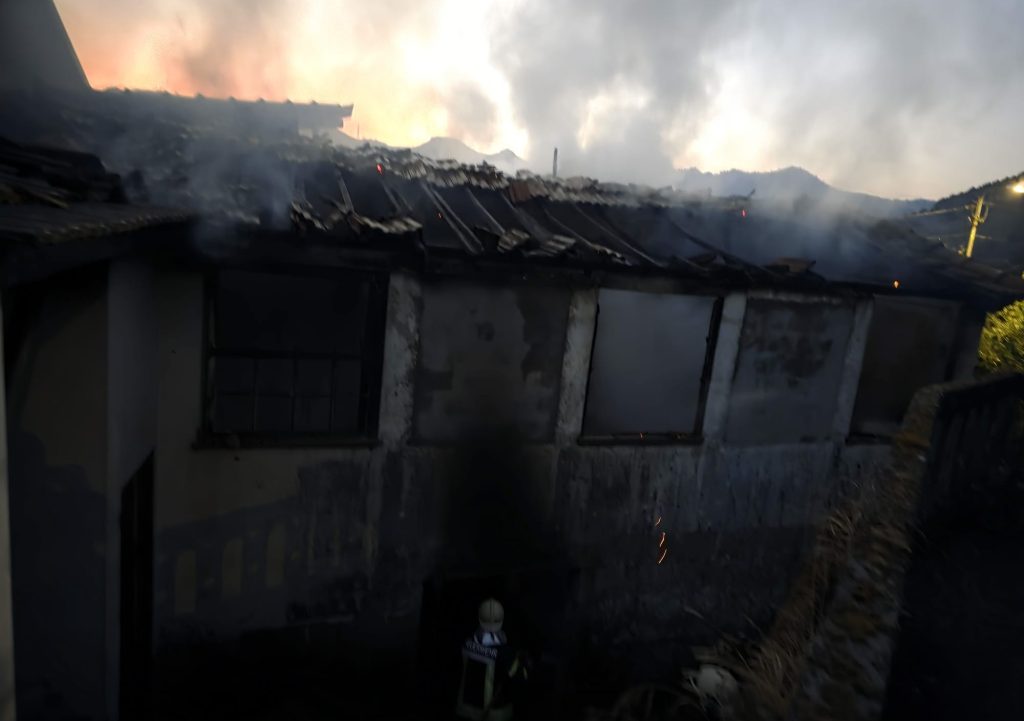
Um incêndio destruiu por completo, ao princípio da noite desta segunda-feira, uma habitação abandonada, em Mondim de Basto.
Os Bombeiros Voluntários de Mondim de Basto evitaram a propagação das chamas a casas contíguas ocupadas que são primeira moradia, terminando assim com a situação de pânico que se chegou a instalar na vizinhança face à dimensão do fogo.
Foto: DRFoto: DRFoto: DR
O incêndio irrompeu na localidade de Vilarinho, em Cabaninhas, Vilar de Ferreiros, concelho de Mondim de Basto, por razões indeterminadas, mobilizando duas dezenas de operacionais, apoiados por sete veículos, com o apoio de militares do Posto da Guarda Nacional Republicana de Mondim de Basto, o que permitiu circunscrever o sinistro, à casa devoluta, em pouco tempo.
O alerta foi recebido pela Central/Rádio dos Bombeiros Voluntários de Mondim de Basto às 20:43 e à chegada ao local, os operacionais depararam-se com o edifício totalmente tomado pelas chamas, impedindo a propagação do fogo às outras casas contíguas, segundo explicou a O MINHO o comandante dos Bombeiros Voluntários de Mondim de Basto, Carlos Magalhães.
Perante o risco de propagação do fogo às habitações contíguas, os bombeiros concentraram esforços na proteção dos imóveis vizinhos, evitando que o incêndio causasse danos adicionais, sendo que cerca das 22:30 o incêndio encontrava-se dominado, prosseguindo no local os operacionais a realizaram os trabalhos de rescaldo e de vigilância.
O influenciador Thiago Alcântara, conhecido como Iae Break, compartilhou vídeo ao lado de Oliver Tree um dia antes do acidente aéreo que vitimou o cantor e mais seis pessoas na Barra da Tijuca, Zona Oeste do Rio de Janeiro. Oliver estava no Brasil em turnê internacional e se reuniu com músicos e influenciadores.
Na gravação, Iae Break e Oliver vestem camisas da Seleção Brasileira às vésperas da Copa do Mundo e posam para fotos com a vista da favela da Rocinha ao fundo. O influenciador publicou o vídeo na tarde desta segunda-feira (15), lamentando a morte de Oliver.
No sábado (13), dia anterior ao acidente, Iae Break esteve com Oliver na capital fluminense e gravou vários vídeos com o cantor norte-americano para as redes sociais. O influenciador soma mais de três milhões de seguidores.
Ele já havia se manifestado publicamente sobre o acidente, que também vitimou o produtor musical Lucas Frota. “Não acredito que vocês se foram“, escreveu em uma publicação com fotos ao lado dos dois artistas. Ele também compartilhou stories agradecendo a Deus por “livramento“, após decisão de não embarcar em helicóptero que se chocou com outra aeronave na manhã do último domingo (14).
Oliver faria show no Rio divulgando sua turnê “World’s First World Tour”. Oliver Tree tinha mais de 2,3 milhões de seguidores nas redes sociais e, no último dia 6 de junho, realizou um show em São Paulo. Natural de Santa Cruz, na Califórnia, o artista começou sua carreira em bandas de ska e eletrônica até viralizar com músicas pop.
Influenciador publica vídeo de últimos momentos com o cantor Oliver Tree, morto em acidente aéreo • Reprodução/Instagram
Alaska's top election official ruled Monday that retired teacher Dan J. Sullivan is disqualified from running as a Republican against Sen. Dan S. Sullivan (R-Alaska) in one of the most competitive Senate races in the country.
Israeli Prime Minister Benjamin Netanyahu is under fire from even his own allies who slammed the current US-Iran peace deal as a wreck that fails the needs of the Jewish state.
Hand a progressive coalition control of an institution, and it transforms the institution. Hand a conservative coalition the same control, and it runs the place roughly as it found it, tidies a few things at the edges, and hands it back.
That single asymmetry is most of the post-1968 story. It’s why the ground has moved so far in one direction over sixty years, even though conservatives have won plenty of elections along the way. Winning the election turns out not to matter much if you don’t use what winning gives you.
You don’t need to read Part 1 of this series to follow this one, but here’s the one line it leaves you with: the rules look neutral, the people enforcing them aren’t, and one big reason is that conservatives simply won’t operate the machine they win. This is the part about *why* they won’t.
There are four reasons, and they stack.
1. A different theory of what the state is for.
Every revolutionary left project that actually captured a state and held it — Mao’s China and now Xi’s, the Soviet bloc, North Korea, Cuba, Venezuela, Zimbabwe, the Bolivarian governments across Latin America — ended up in the same place: coercive enforcement of the approved social outcome. That’s too consistent, across too many cultures and decades, to be a local accident. The common thread is a theory of politics where the state is the legitimate tool for remaking society, and anything in the way — people, institutions, traditions, inconvenient facts — is an obstacle to be cleared.
The social-democratic version doesn’t produce gulags, because the constitutional furniture it operates inside won’t let it — for now, though, as the COVID era shows, we aren’t as far away from this as we think. What it produces instead is the low-intensity version: take an institution, fill it with one worldview, quietly push the dissent out. You can see it in every university humanities faculty, every big newsroom, every public broadcaster, every professional association, every government department that touches a contested question. The intensity varies. The mechanism is identical.
Conservatism has no equivalent. It’s a defensive disposition — preserve what’s here, slow down what’s changing — not a transformative one. So it generates a much weaker appetite for using captured offices to remake the institutions themselves, and a much weaker willingness to hold the line, in disciplined formation, for the decades that would take.
2. One side marches in step. The other is a coalition of arguments.
Progressive blocs vote together. Democratic and Labor parliamentary votes routinely hit 95 per cent cohesion or higher on contested questions. Republican and Coalition votes routinely fall below 80 per cent on the same questions.
That’s because the right genuinely is more internally varied — libertarians, social conservatives, business, populists, traditional institutionalists, national-conservative tendencies, all under one tent and frequently at each other’s throats. Coordinating that crowd to seize and hold an institutional opportunity is just *harder* than coordinating a more unified bloc.
It cuts both ways. The internal diversity makes the right hard for any single faction to capture — a real strength. It also means the disciplined side wins more of the institutional fights, and wins them consistently. Discipline beats diversity in a long campaign for control. It has.
3. The press only punishes one side for it.
A conservative who actually uses institutional power for transformative ends gets an immediate, coordinated, high-volume hostile response. A progressive using the identical power does not. That shapes the maths before anyone acts.
A conservative governor fires a regulatory commissioner and gets outrage and accusations of “authoritarianism.” A progressive governor does the same thing and it’s Tuesday. A conservative president removes US Attorneys and gets investigations; a progressive president removing US Attorneys is “exercising normal executive prerogative.” The coverage is asymmetric, so the political cost is asymmetric, so the willingness to act is asymmetric. The restraint isn’t always principle. Sometimes it’s just knowing who’ll get the headline.
4. Some of them actually mean it.
And for some conservative actors, the restraint is real principle. A genuine belief that institutional norms matter, that procedural fairness is worth something beyond winning, that the rule of law is supposed to bind *your* side too.
This disposition exists in both coalitions. What differs is its *weight*. In the conservative coalition, the moralist who says “we shouldn’t do that, even though we can” frequently wins the internal argument. In the progressive coalition, the strategist who says “we should do it because we can” frequently wins instead. Same two voices in both rooms. Different one carries the day.
For the purposes of what to actually do, it doesn’t matter which of the four is doing the work in any given case — principle, fear, internal chaos, or sheer inertia. The output is the same. Conservatives, with one very recent exception, don’t operate the discretionary machine the way their opponents do. Any strategy that assumes they will is built on a fantasy.
The exception that proves it: DeSantis and Trump.
Here’s where it gets clarifying, because there is a recent exception, and the reaction to it tells you everything.
DeSantis in Florida used education statute, professional licensing, and appointment power. The second Trump administration used executive orders, agency reorganisation, and prosecutorial discretion. And the howl that went up — constitutional crisis, authoritarian breakdown, the end of liberal democracy — would lead you to believe they’d invented some terrifying new power.
They invented nothing. Look at the actual precedents:
Trump dismissing US Attorneys? Clinton fired all ninety-three in a single day in 1993. Every administration since has done its own version.
Trump reshaping agency policy by executive order? That’s the Obama administration’s tool for DACA and DAPA, and the Biden administration’s tool for trying to forgive student loans after Congress said no.
DeSantis using the education statute to pull curriculum content? California, New York, and Illinois have used the identical authority to insert woke curriculum content for forty years.
DeSantis using licensing and corporate-charter power against Disney? That’s the same family of authority progressive states used against bakers, photographers, pharmacists, crisis-pregnancy centres, and religious schools.
Every instrument DeSantis and Trump reached for has a direct progressive precedent in the preceding forty years. Not one is a new power. Not one exceeds the scope already established. They are using the existing machine symmetrically — and that, apparently, is the scandal.
Virginia, April 2026, shows the asymmetry in real time. Democratic legislatures have been aggressive gerrymanderers for decades — federal courts have described their maps as everything from a “broken-winged pterodactyl” to an “earmuff.” When Republican legislatures in Texas, North Carolina, and Missouri belatedly drew comparable maps in 2025, the outrage was about the response, not the act.
Virginia is sharper still: faced with the same incentive, Virginia Democrats overrode their own voter-approved bipartisan redistricting commission — passed with 66 per cent support — via a constitutional amendment slipped into a special session called for other business while voting was already underway elsewhere. Their own Attorney General called it unconstitutional. A trial court agreed. The amendment passed 50.7 to 49.3 and turned a 6-5 delegation into a projected 10-1. Texas used existing authority. Virginia broke its own. The same captured institutional layer described them in opposite terms.
That’s the tell. The same instruments, used the same way, on the same legal basis — and a wildly different institutional response depending only on who’s holding them. That’s not a bug in the machine. That’s the machine doing exactly what it was built to do: one response when the in-group operates it, another when the out-group does.
DeSantis, Trump, and the conservative redistricting states have done nothing that progressive governors, presidents, and states haven’t done first, using the same authorities. The reaction to them demonstrates the asymmetry more clearly than any argument could.
So that’s the motivational gap: one side won’t operate the machine, and on the rare occasion it does, the machine’s own staff treat it as an emergency.
But motivation is only half of it. Suppose conservatives woke up tomorrow with all the discipline they’ve lacked for fifty years. The results would *still* come out tilted — because the tilt is built into the structure, not just the willingness to use it. Part 3 is about that structure: how vague rules, captured offices, and a single information climate combine to produce one-directional outcomes even from completely honest people. And it turns on one sentence that reframes the whole grievance: the positions weren’t seized. They were vacated.
Hand a progressive coalition control of an institution, and it transforms the institution. Hand a conservative coalition the same control, and it runs the place roughly as it found it, tidies a few things at the edges, and hands it back.
That single asymmetry is most of the post-1968 story. It’s why the ground has moved so far in one direction over sixty years, even though conservatives have won plenty of elections along the way. Winning the election turns out not to matter much if you don’t use what winning gives you.
You don’t need to read Part 1 of this series to follow this one, but here’s the one line it leaves you with: the rules look neutral, the people enforcing them aren’t, and one big reason is that conservatives simply won’t operate the machine they win. This is the part about *why* they won’t.
There are four reasons, and they stack.
1. A different theory of what the state is for.
Every revolutionary left project that actually captured a state and held it — Mao’s China and now Xi’s, the Soviet bloc, North Korea, Cuba, Venezuela, Zimbabwe, the Bolivarian governments across Latin America — ended up in the same place: coercive enforcement of the approved social outcome. That’s too consistent, across too many cultures and decades, to be a local accident. The common thread is a theory of politics where the state is the legitimate tool for remaking society, and anything in the way — people, institutions, traditions, inconvenient facts — is an obstacle to be cleared.
The social-democratic version doesn’t produce gulags, because the constitutional furniture it operates inside won’t let it — for now, though, as the COVID era shows, we aren’t as far away from this as we think. What it produces instead is the low-intensity version: take an institution, fill it with one worldview, quietly push the dissent out. You can see it in every university humanities faculty, every big newsroom, every public broadcaster, every professional association, every government department that touches a contested question. The intensity varies. The mechanism is identical.
Conservatism has no equivalent. It’s a defensive disposition — preserve what’s here, slow down what’s changing — not a transformative one. So it generates a much weaker appetite for using captured offices to remake the institutions themselves, and a much weaker willingness to hold the line, in disciplined formation, for the decades that would take.
2. One side marches in step. The other is a coalition of arguments.
Progressive blocs vote together. Democratic and Labor parliamentary votes routinely hit 95 per cent cohesion or higher on contested questions. Republican and Coalition votes routinely fall below 80 per cent on the same questions.
That’s because the right genuinely is more internally varied — libertarians, social conservatives, business, populists, traditional institutionalists, national-conservative tendencies, all under one tent and frequently at each other’s throats. Coordinating that crowd to seize and hold an institutional opportunity is just *harder* than coordinating a more unified bloc.
It cuts both ways. The internal diversity makes the right hard for any single faction to capture — a real strength. It also means the disciplined side wins more of the institutional fights, and wins them consistently. Discipline beats diversity in a long campaign for control. It has.
3. The press only punishes one side for it.
A conservative who actually uses institutional power for transformative ends gets an immediate, coordinated, high-volume hostile response. A progressive using the identical power does not. That shapes the maths before anyone acts.
A conservative governor fires a regulatory commissioner and gets outrage and accusations of “authoritarianism.” A progressive governor does the same thing and it’s Tuesday. A conservative president removes US Attorneys and gets investigations; a progressive president removing US Attorneys is “exercising normal executive prerogative.” The coverage is asymmetric, so the political cost is asymmetric, so the willingness to act is asymmetric. The restraint isn’t always principle. Sometimes it’s just knowing who’ll get the headline.
4. Some of them actually mean it.
And for some conservative actors, the restraint is real principle. A genuine belief that institutional norms matter, that procedural fairness is worth something beyond winning, that the rule of law is supposed to bind *your* side too.
This disposition exists in both coalitions. What differs is its *weight*. In the conservative coalition, the moralist who says “we shouldn’t do that, even though we can” frequently wins the internal argument. In the progressive coalition, the strategist who says “we should do it because we can” frequently wins instead. Same two voices in both rooms. Different one carries the day.
For the purposes of what to actually do, it doesn’t matter which of the four is doing the work in any given case — principle, fear, internal chaos, or sheer inertia. The output is the same. Conservatives, with one very recent exception, don’t operate the discretionary machine the way their opponents do. Any strategy that assumes they will is built on a fantasy.
The exception that proves it: DeSantis and Trump.
Here’s where it gets clarifying, because there is a recent exception, and the reaction to it tells you everything.
DeSantis in Florida used education statute, professional licensing, and appointment power. The second Trump administration used executive orders, agency reorganisation, and prosecutorial discretion. And the howl that went up — constitutional crisis, authoritarian breakdown, the end of liberal democracy — would lead you to believe they’d invented some terrifying new power.
They invented nothing. Look at the actual precedents:
Trump dismissing US Attorneys? Clinton fired all ninety-three in a single day in 1993. Every administration since has done its own version.
Trump reshaping agency policy by executive order? That’s the Obama administration’s tool for DACA and DAPA, and the Biden administration’s tool for trying to forgive student loans after Congress said no.
DeSantis using the education statute to pull curriculum content? California, New York, and Illinois have used the identical authority to insert woke curriculum content for forty years.
DeSantis using licensing and corporate-charter power against Disney? That’s the same family of authority progressive states used against bakers, photographers, pharmacists, crisis-pregnancy centres, and religious schools.
Every instrument DeSantis and Trump reached for has a direct progressive precedent in the preceding forty years. Not one is a new power. Not one exceeds the scope already established. They are using the existing machine symmetrically — and that, apparently, is the scandal.
Virginia, April 2026, shows the asymmetry in real time. Democratic legislatures have been aggressive gerrymanderers for decades — federal courts have described their maps as everything from a “broken-winged pterodactyl” to an “earmuff.” When Republican legislatures in Texas, North Carolina, and Missouri belatedly drew comparable maps in 2025, the outrage was about the response, not the act.
Virginia is sharper still: faced with the same incentive, Virginia Democrats overrode their own voter-approved bipartisan redistricting commission — passed with 66 per cent support — via a constitutional amendment slipped into a special session called for other business while voting was already underway elsewhere. Their own Attorney General called it unconstitutional. A trial court agreed. The amendment passed 50.7 to 49.3 and turned a 6-5 delegation into a projected 10-1. Texas used existing authority. Virginia broke its own. The same captured institutional layer described them in opposite terms.
That’s the tell. The same instruments, used the same way, on the same legal basis — and a wildly different institutional response depending only on who’s holding them. That’s not a bug in the machine. That’s the machine doing exactly what it was built to do: one response when the in-group operates it, another when the out-group does.
DeSantis, Trump, and the conservative redistricting states have done nothing that progressive governors, presidents, and states haven’t done first, using the same authorities. The reaction to them demonstrates the asymmetry more clearly than any argument could.
So that’s the motivational gap: one side won’t operate the machine, and on the rare occasion it does, the machine’s own staff treat it as an emergency.
But motivation is only half of it. Suppose conservatives woke up tomorrow with all the discipline they’ve lacked for fifty years. The results would *still* come out tilted — because the tilt is built into the structure, not just the willingness to use it. Part 3 is about that structure: how vague rules, captured offices, and a single information climate combine to produce one-directional outcomes even from completely honest people. And it turns on one sentence that reframes the whole grievance: the positions weren’t seized. They were vacated.
Entre as novas regras previstas, está "a proibição de recusar o embarque a um passageiro por este não ter realizado um voo anterior" - como nos casos em que, numa viagem de ida e volta, acaba por só se utilizar o voo de regresso -, ou "o direito de transportar a bordo, sem taxa adicional, um item pessoal, como uma pequena bolsa ou mochila".
New York Times: President Trump Lost This War — The preliminary deal ending President Trump's four-month war with Iran is welcome but brings with it hard truths. Mr. Trump made a terrible mistake starting this war. He prosecuted it recklessly and in open defiance of the law.
A vitória da Suécia por 5 a 1 sobre a Tunísia, pelo Grupo F da Copa do Mundo, provocou sentimentos mistos no meio-campista Yasin Ayari, que marcou dois gols de rara beleza justamente contra o país onde seu pai nasceu.
O pai de Ayari, Azzouz, já havia contado à imprensa sueca que o filho recusou a oportunidade de defender a Tunísia na Copa do Mundo de 2022, no Catar. Quatro anos depois, o jogador estreou no torneio vestindo a camisa da Suécia e balançou as redes duas vezes contra a seleção africana.
“Foi muito emocionante jogar contra a Tunísia, um país pelo qual tenho muitos sentimentos. Como todos sabem, meu pai é de lá, passei muitos verões lá e tenho muitos familiares no país. Mas agora jogo pela Suécia e preciso dar o meu melhor pela Suécia”, afirmou Ayari.
“Tenho raízes lá. Foi uma partida especial para mim. Tenho muito carinho pela Tunísia, mas estou feliz pela nossa vitória.”
Já nos acréscimos da etapa final, ele marcou outro golaço e não escondeu a emoção.
“Aquele foi o golpe final. Aí pude me soltar um pouco mais. Não é todo dia que você faz dois gols em uma Copa do Mundo”, disse.
A história poderia ter seguido outro rumo se o jogador de 22 anos tivesse escolhido representar a Tunísia há quatro anos. Segundo seu pai, porém, Yasin sempre teve convicção de que defenderia a seleção sueca, que sequer disputou a Copa do Catar.
“Meus filhos nasceram na Suécia. Quero que ele jogue pela Suécia. Ele deve sentir que está retribuindo ao país que realmente cuidou dele”, declarou Azzouz ao jornal sueco *Aftonbladet* antes do início do torneio.
A família Ayari tem forte ligação com o futebol em Estocolmo. Yasin e o irmão mais novo, Taha, iniciaram suas carreiras nas categorias de base do AIK. Já a mãe, Amina, de origem marroquina, frequentemente trabalha na Strawberry Arena, estádio que recebe os jogos do AIK e da seleção sueca.
Com a goleada, a Suécia assumiu a liderança do Grupo F e agora se prepara para enfrentar a Holanda na segunda rodada. Os holandeses empataram por 2 a 2 com o Japão na estreia.
“Nós focamos em nós mesmos. Jogamos esta partida sem nos preocupar muito com o que acontecia ao redor. Agora é pensar no próximo jogo”, concluiu Ayari.
The former health secretary plans to allow more drilling fr poil and gas and centralise decision making on major projects like energy plans and data centres

 Login
Login