Login
LoginOhio City Worker Union Complains That Goats Are Eating Its Lunch
12 June 2026 at 15:32
A union in Columbus made a formal complaint after the city farmed out brush-clearing duties at a wastewater plant. The competitors? Goats.


© Dave Sanders for The New York Times

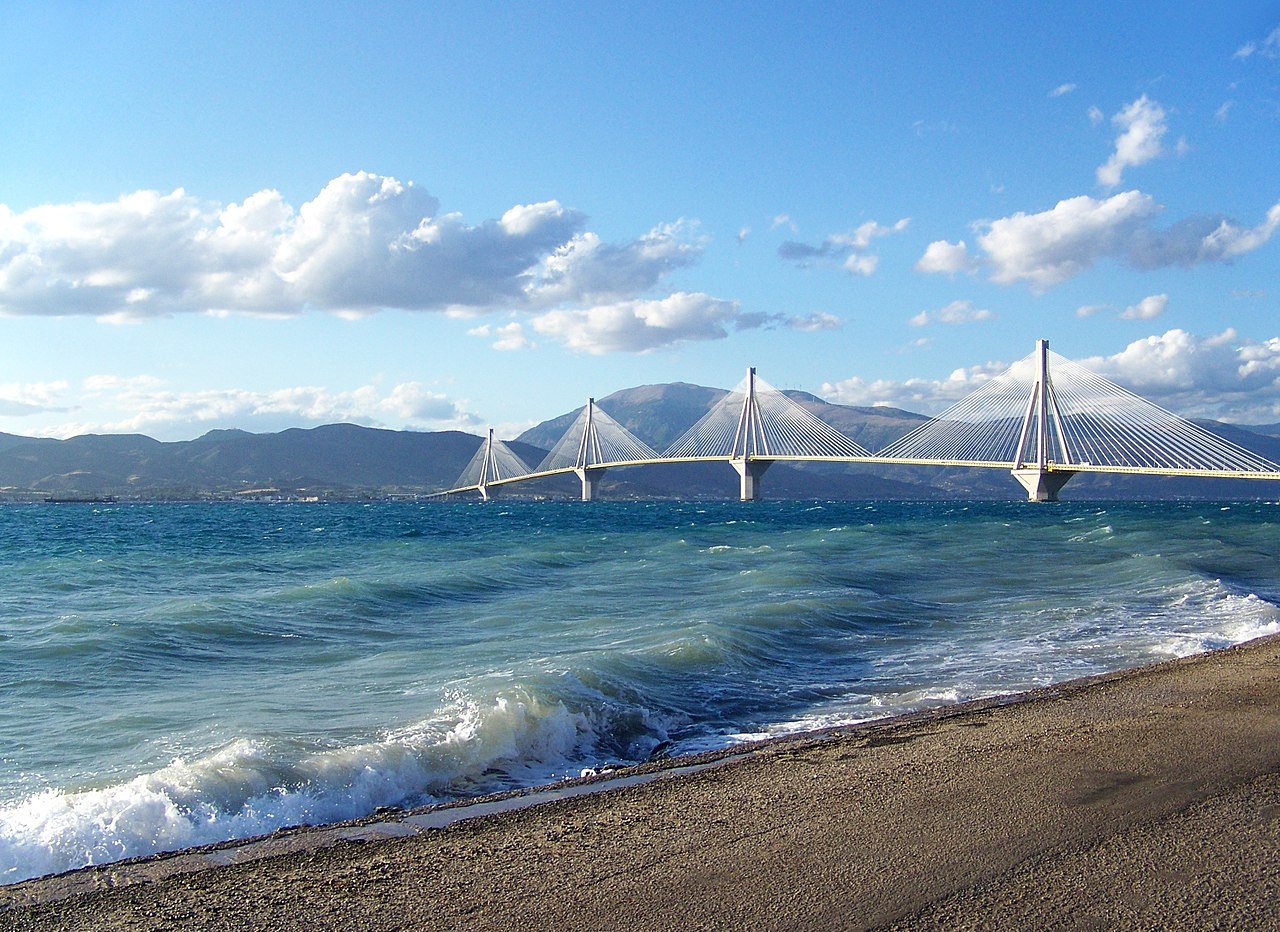
The Rio-Antirrio Bridge was inaugurated on August 7, 2004, one week before the opening of the 2004 Summer Olympics in Athens.
Within two decades, it changed the economic landscape in Greece. The Rio-Antirrio Bridge, which connects the Peloponnese with Central Greece, had the aim of making the transport of passengers and cargo much easier. That has certainly been achieved.
The opening of the bridge was a celebration, with the first people to officially cross it being none other than the Olympic torchbearers of the 2004 Olympics. One member of that group was Otto Rehhagel, the German football coach who had led the Greek national team to their triumph in the Euro 2004 Cup just a month earlier.
The official name of the bridge is the Charilaos Trikoupis Bridge, named after the nineteenth-century prime minister of Greece, who was the first man to envision such a span connecting the Peloponnese with Central Greece. Unfortunately, state finances at the time did not allow for such a large-scale project.
The 2,380-meter (approximately 1.8-mile) long bridge is one of the longest cable-stay bridges in the entire world. It improves access to and from the Peloponnese, which could previously only be reached by ferry or via the Isthmus of Corinth.
According to a recent study by the Observatory of Road Networks in Western Greece and the Peloponnese, the construction of the graceful white cable-stay bridge has already resulted in enormous financial benefits. To date, this amount is estimated to be over 400 million euros.
The experts believe that the total amount of funds the bridge’s construction will bring to the area will be more than one billion euros during the period of 2017 to 2032.
Tourist flows have also improved, which is especially noted with arrivals coming into the area from the north from the port of Patras. Travelers heading for the Ionian Sea islands and areas in Central Greece can now easily and swiftly cross through the central area of the country and back again.
The study also noted that the bridge has already had a positive effect on property values in the northern region, which has led to a significant rise in land prices. This has given added value to an area that had been largely underdeveloped, attracting investment.
Traffic flows have also benefited immensely from the creation of the Charilaos Trikoupis Bridge. It not only connects two major motorways, the Ionian Odos and Olympia Odos, but transport connections between Epirus and Aitoloakarnania have been greatly improved, as well.
Before the construction of the new span, Aitoloakarnania had basically been almost completely cut off from the rest of the country.
The construction of the imposing cable-stay bridge is widely considered to be an engineering masterpiece, owing to several solutions applied to overcome difficulties caused by its location and the geology of the region.
These difficulties included the especially deep waters of the river, the once-unstable underlying ground under the bases of the bridge, seismic activity, the probability of tsunamis, and the expansion of the Gulf of Corinth due to plate tectonics.
The seabed was first reinforced and stabilized by driving two hundred hollow steel pipes into the ground beneath each pier. The pier footings themselves were not driven into the seabed; they rest on a bed of gravel meticulously leveled to an even surface (a difficult endeavor at this depth).
During an earthquake, the piers are able to move laterally along the sea floor, with the gravel bed absorbing the energy. The bridge decking is also connected to the pylons using special jacks and dampers designed to absorb any movement.
View the fascinating video below to see all the special features of this unique and beautiful cable-stay bridge, which has already contributed immensely to the economy of the country.
L’estate costa di più perché vacanze, trasporti, centri estivi e servizi turistici assorbono una quota crescente del bilancio familiare. Per i nuclei con figli, il conto può avvicinarsi o superare i 3mila euro tra ferie, assistenza ai minori e rincari stagionali.
Il rincaro non riguarda una sola voce. Si sommano alberghi, case in affitto, voli, traghetti, carburanti, pasti fuori casa, stabilimenti balneari e attività per i bambini quando la scuola è chiusa.
La fine della scuola apre il primo capitolo di spesa. Per molte famiglie con entrambi i genitori al lavoro, giugno non coincide con le ferie ma con la ricerca di un centro estivo, di un campus o di una soluzione privata. Otto settimane di frequenza possono sfiorare 1.400 euro per un figlio e superare i 2.600 euro con due bambini. Se alla cifra si aggiungono mensa, gite, trasporto e materiale richiesto dalle strutture, il margine verso i 3mila euro diventa sottile.
Il governo ha confermato per il 2026 un Fondo da 60 milioni destinato ai Comuni per attività socio-educative a favore dei minori. Le risorse servono a finanziare o potenziare iniziative locali, ma non cancellano il costo immediato per chi deve iscrivere i figli già nelle prime settimane di giugno.
Il contributo Inps per i centri estivi resta riservato ai figli di dipendenti e pensionati della pubblica amministrazione iscritti alla Gestione unitaria delle prestazioni creditizie e sociali. La misura copre in tutto o in parte le spese, entro limiti e graduatorie. Per tutti gli altri, la disponibilità di voucher dipende dai Comuni, dall’Isee e dai bandi territoriali.
La vacanza vera arriva su un bilancio già provato. Le voci turistiche continuano a mostrare aumenti rispetto agli anni precedenti. Voli, traghetti, strutture ricettive e pacchetti vacanza incidono più del passato, soprattutto nelle settimane centrali di agosto. Chi viaggia in quattro deve spesso scegliere tra ridurre i giorni, cambiare destinazione o rinunciare all’albergo. In più ci si mette anche il costo elevato dai carburanti dovuto alle tensioni in Medio Oriente.
Le famiglie stanno modificando le abitudini. Crescono le partenze fuori picco, le case condivise, i viaggi in treno e le mete meno note. La settimana piena al mare resta il modello desiderato, ma non sempre quello sostenibile. Il confronto tra preventivi mostra differenze ampie tra regioni, località e formule di soggiorno. La ricerca delle offerte si esprime al suo massimo con i saldi estivi che partiranno a breve. L’obiettivo è ridurre al minimo la spesa.
Il caro estate cambia anche i consumi quotidiani. Meno pranzi al ristorante, stabilimenti balneari scelti per singole giornate, spesa al supermercato al posto dei pasti fuori. Per chi resta in città, il problema non sparisce: centri estivi, piscine, attività sportive e trasporti locali continuano a incidere.
Le associazioni dei consumatori legano il rincaro estivo all’andamento generale dei prezzi. L’inflazione pesa sui beni di tutti i giorni e sulle voci legate al turismo. Il risultato per molte famiglie è una programmazione più rigida: budget fissato prima di partire, prenotazioni anticipate, tagli sulle spese accessorie.
Bonus, voucher comunali e welfare aziendale possono alleggerire il conto, ma l’accesso non è automatico. Servono requisiti, domande nei tempi previsti e fondi disponibili. Chi resta fuori dalle graduatorie deve coprire l’intera spesa.
L’estate diventa così una somma di costi obbligati e scelte ridotte. Per una famiglia con figli, il conto extra non nasce da una singola vacanza di lusso, ma da settimane di scuola chiusa, servizi da pagare e prezzi più alti proprio quando la domanda cresce.
L'articolo Estate, che salasso per le famiglie italiane: ecco il conto extra da pagare proviene da Affaritaliani.it.
© Mario Tama/Getty Images
Estate che arriva, divieti folli che trovi. La stagione balneare 2026 è ufficialmente partita e, con essa, il consueto corollario di ordinanze municipali pronte a infiammare il dibattito sotto il solleone. Come riportato dal quotidiano Repubblica, quest’anno il fronte più caldo delle polemiche non riguarda unicamente i rincari tariffari, ma il diritto stesso di potersi riparare dal sole. Tra regolamenti a tutela dell’ecosistema e nuovi standard di distanziamento imposti dall’alto, le spiagge italiane si stanno trasformando in veri e propri laboratori normativi.
A far discutere in queste settimane è soprattutto la Sardegna, nello specifico l’incantevole baia di Punta Molentis a Villasimius, nel sud-est dell’isola. La spiaggia, circondata da acque turchesi e reduce da un devastante incendio doloso divampato lo scorso luglio, riapre ai bagnanti con una stretta drastica. L’amministrazione comunale guidata dal sindaco Gianluca Dessì ha varato un’ordinanza entrata in vigore a inizio giugno (valida fino al 31 ottobre) che prevede accessi contingentati dalle 8:00 alle 20:30 e un ticket d’ingresso di 10 euro a persona (gratuito per un massimo di tre persone con disabilità accompagnate).
Il dettaglio che ha scatenato la bufera riguarda però la gestione delle zone d’ombra. Il testo dell’ordinanza impone infatti il “divieto di installare ombrelloni, gazebo, tende e altri sistemi di ombreggio. Consentito 1 ombrellone per famiglie con bambini fino ai 10 anni o persone anziane oltre i 65 anni di età”. La drastica misura, motivata dal Comune con la necessità di “preservare l’habitat e per limitare la pressione antropica sull’equilibrio del già fragile arenile”, ha scatenato l’ira dei turisti. Le bacheche social sono state rapidamente inondate di proteste: “E chi non ha bambini cosa deve fare, abbrustolire sotto il sole?” domanda polemicamente un utente, a cui fa eco un altro bagnante che sottolinea i rischi per la salute: “Si rischia l’insolazione così”. Restano confermati, a corredo della tutela ambientale, i divieti assoluti di transitare sulle dune, danneggiare la flora, asportare sabbia o abbandonare rifiuti.
Spostandosi in Veneto, la situazione cambia ma genera altrettante preoccupazioni legate alla disponibilità dei posti. A Jesolo, recependo le indicazioni regionali, l’amministrazione ha avviato un piano quinquennale per aumentare il distanziamento tra i bagnanti. I tradizionali moduli da 3×2 metri verranno progressivamente sostituiti da piazzole più ampie, di 4×4 metri. Se da un lato la misura garantirà maggior respiro e privacy ai turisti, dall’altro comporterà un drastico taglio della capienza: le stime parlano di circa 45mila ombrelloni totali installabili, ovvero un taglio di ben 20.000 postazioni rispetto alle stagioni passate. Una riduzione che alimenta già il timore di non riuscire a trovare posto nei periodi di alta stagione.
Sempre sul litorale veneto, la spiaggia di Bibione sperimenta nuove forme di accoglienza, strizzando l’occhio ai viaggiatori solitari. Nella zona della Pineta fanno il loro debutto 120 piazzole pensate esclusivamente per i single, dotate di un singolo lettino a una piazza e mezzo. L’innovazione passa anche per la tecnologia: alcune di queste postazioni sono equipaggiate con pannelli solari per permettere la ricarica dello smartphone direttamente in spiaggia. Infine, per razionalizzare l’offerta e sradicare la pratica dei posti “prenotati” ma lasciati vuoti, l’occupazione degli ombrelloni sarà monitorabile tramite un’apposita applicazione, introdotta come sistema per “contrastare le occupazioni abusive”.
L'articolo Niente bambini o over 65? Allora l’ombrellone in spiaggia libera è vietato: i folli divieti dell’estate in Sardegna (e non solo) proviene da Il Fatto Quotidiano.