Login
Login
Weight loss drugs show signs of slowing biological aging, scientists discover
12 June 2026 at 21:27
GLP-1 drugs help fight the harmful inflammation that raises the risk of chronic disease

© Getty Images/iStock

GLP-1 drugs help fight the harmful inflammation that raises the risk of chronic disease
© Getty Images/iStock
© Arlette Bashizi for The New York Times

Desperate US parents pay up to $20,000 a session for a procedure scientists say could be bogus
Autistic children as young as 18 months old are being injected with human stem cells derived from umbilical cords in unapproved, unproven and potentially harmful “treatments” that scientists warn are proliferating across the US under the active encouragement of the US health secretary, Robert F Kennedy Jr.
Clinics in Florida, Texas and other states are selling what they bill as “regenerative medicine” to families with autistic children who have intensive care needs. Parents who have taken their children through the process talked to the Guardian about their hopes and fears for a therapy that appears to be gaining ground in the US.
Continue reading...
© Composite: The Guardian/Getty Images/Alamy
© Composite: The Guardian/Getty Images/Alamy
© Composite: The Guardian/Getty Images/Alamy

Imperial College scientists analysed health records before and after introduction of air pollution reduction zones
Low emission and clean air zones attract controversy whenever they are proposed, but there is growing evidence that they work in improving air quality. The Bradford zone was followed by a reduction of about 25% in GP visits for heart and breathing problems and survey data shows that the central London zone was followed by a reduction in the likelihood of a person taking sick leave.
Now analysis of health records has found emergency admissions to hospital reduced after the introduction of the T-charge and ultra-low emissions zone (Ulez) in central London.
Continue reading...
© Photograph: Marcin Rogozinski/Alamy
© Photograph: Marcin Rogozinski/Alamy
© Photograph: Marcin Rogozinski/Alamy

Ayoub Junaid, seven, given new pair but needs surgery as Gaza’s children remain unable to access treatment
A video of a seven-year-old Palestinian boy in Gaza who suffers from a severe visual impairment crying over his shattered glasses has drawn widespread attention across social and international media.
The footage of Ayoub Junaid has shone a light on the plight of the many visually impaired children in Gaza who, because of Israel’s blockade and the devastation caused by the war, have been unable to access eye examinations, corrective lenses or specialist ophthalmic surgery.
Continue reading...
© Photograph: Eman Junaid
© Photograph: Eman Junaid
© Photograph: Eman Junaid
Doctors say therapy that genetically modifies person’s T-cells could offer cure for chronic autoimmune disease
Five lupus patients in England are in remission after being treated with a revolutionary therapy that genetically modifies their own cells, in a medical breakthrough that could offer people a cure, doctors have said.
CAR (chimeric antigen receptor) T-cell therapy involves removing a type of white blood cell also called T lymphocytes, which are crucial for hunting out infected or damaged cells, and engineering them to spot and destroy disease. The T-cells are then fed back into the patient via an infusion to reset their immune system.
Continue reading...
© Photograph: Lucy North/PA
© Photograph: Lucy North/PA
© Photograph: Lucy North/PA
Report says confidence among 16- to 21-year-olds has fallen sharply as they doubt hard work will be rewarded
Young people in England are increasingly “losing faith in their futures” according to a report, as record numbers fear long-term unemployment.
Analysing survey data, including from the Office for National Statistics, the Institute for Public Policy Research (IPPR) said 16- to 21-year-olds were less confident about being successful than a decade ago.
Continue reading...
© Photograph: Susannah Ireland/The Guardian
© Photograph: Susannah Ireland/The Guardian
© Photograph: Susannah Ireland/The Guardian
One-off programme to begin in July after recent MenB outbreaks in Kent, Dorset and Berkshire killed three people
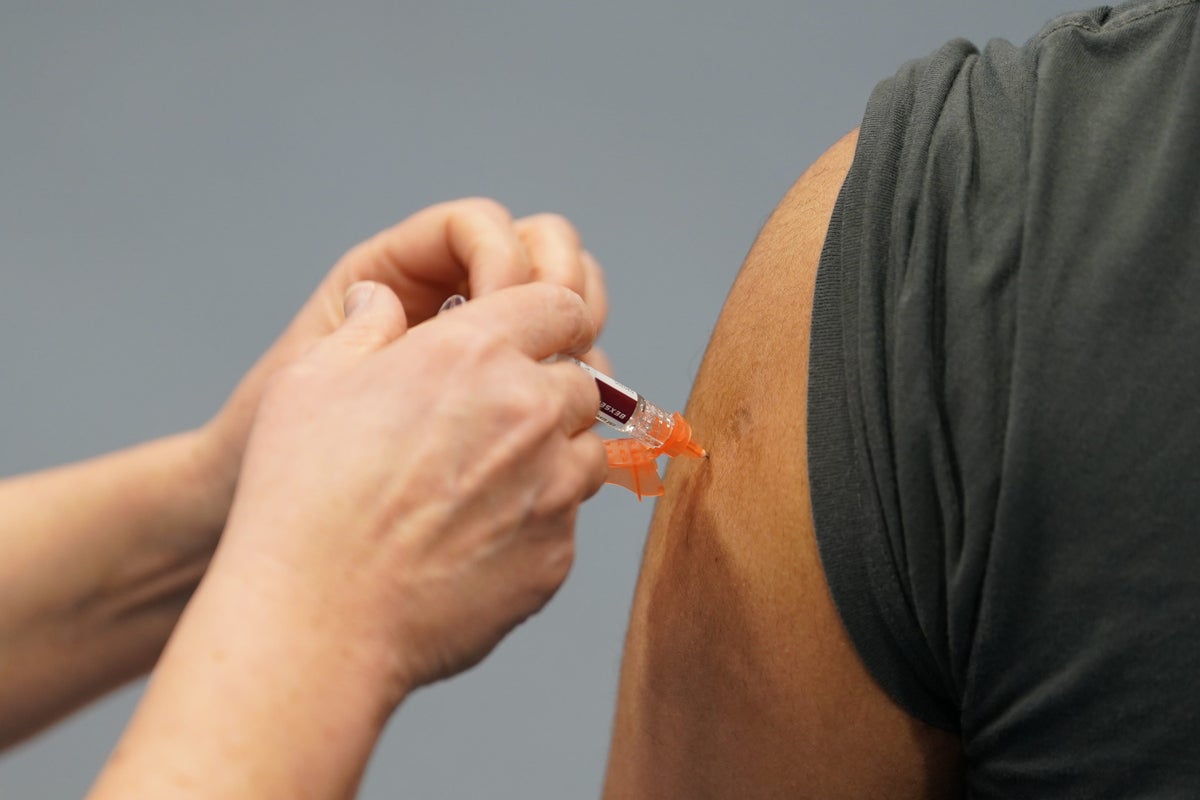
Teenagers in their final school year and young people starting university will be offered two doses of a vaccine to protect them against meningitis B, the government has announced.
The one-off vaccination programme, which will begin in late July, comes after an unprecedented outbreak of meningitis B in Kent earlier this year along with clusters of cases in Dorset and Berkshire that, together, led to the deaths of three young people.
Continue reading...
© Photograph: Gareth Fuller/PA
© Photograph: Gareth Fuller/PA
© Photograph: Gareth Fuller/PA
The one-off programme is set to be offered to young people this autumn
© PA
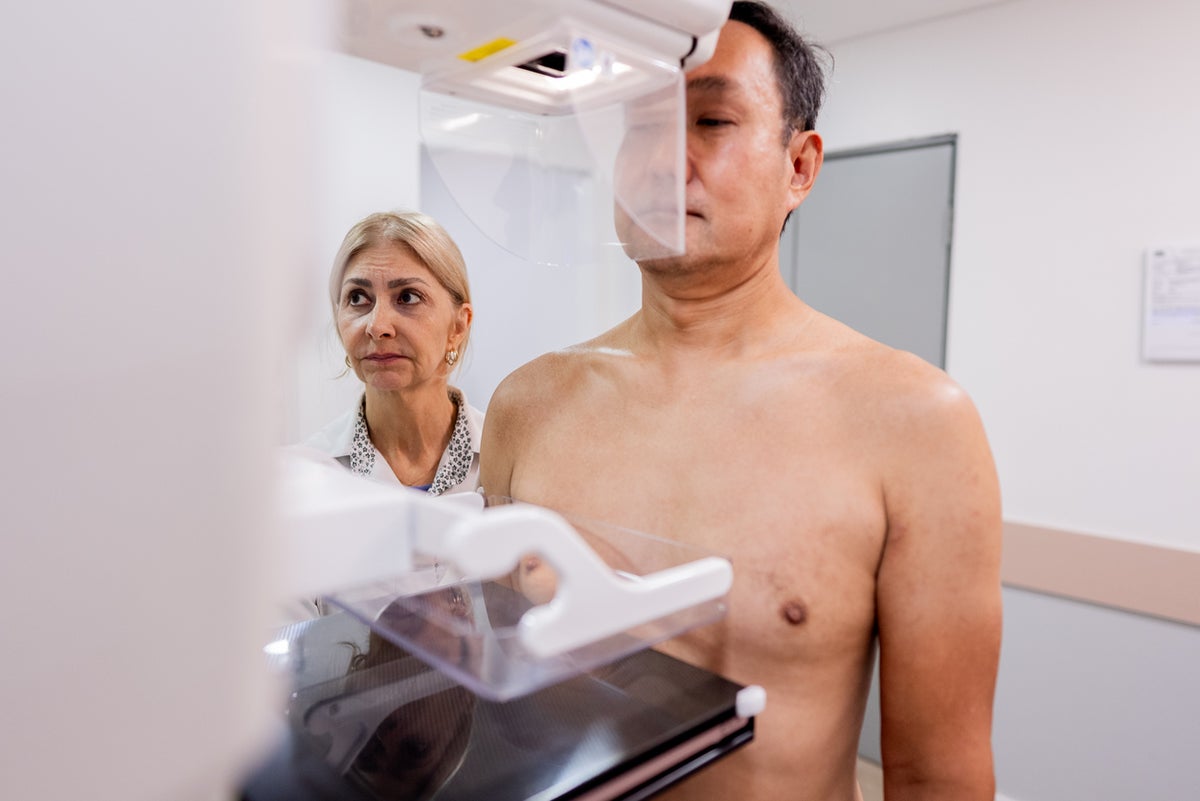
The average lifetime risk of men getting breast cancer is 1 in 755
© Getty Images/iStock

This blog is now closed
Get our breaking news email, free app or daily news podcast
Teens who use social media two hours daily at higher risk of depressive symptoms, study finds
Teenagers who spend hours glued to social media are likely to experience poorer mental health and a decline in wellbeing, a decade-long study shows, with young girls most at risk.
Continue reading...
© Photograph: Asanka Ratnayake/Getty Images
© Photograph: Asanka Ratnayake/Getty Images
© Photograph: Asanka Ratnayake/Getty Images
The breast cancer 'breakthrough' is a story of overtreatment, not a triumph of testing, says Dr Clare Craig. The truth is, the genetic test failed, but it's being rolled out anyway.
The post The Breast Cancer ‘Breakthrough’ is a Story of Overtreatment Not a Triumph of Testing appeared first on The Daily Sceptic.
It was one of those conversations that starts casually over coffee and ends somewhere much deeper. Nobody mentioned burglars, snakes or illness. Instead, they talked about artificial intelligence, climate change,
The post Why the future feels dangerous appeared first on Portugal Resident.


Regulator approval means patients who meet criteria will be able to purchase tablets with private prescription
Patients in the UK will soon be able to buy the Wegovy weight-loss pill, the medicines regulator announced on Thursday.
It is the first GLP-1 receptor agonist tablet for weight-loss to be approved by the Medicines and Healthcare products Regulatory Agency (MHRA), making the UK the third country to authorise the pills, behind the US and the United Arab Emirates.
Continue reading...
© Photograph: Bloomberg/Getty Images
© Photograph: Bloomberg/Getty Images
© Photograph: Bloomberg/Getty Images