Normal view

Russia recycles its Moldova script to brand Armenia’s election illegitimate, ISW says

10 June 2026 at 20:10

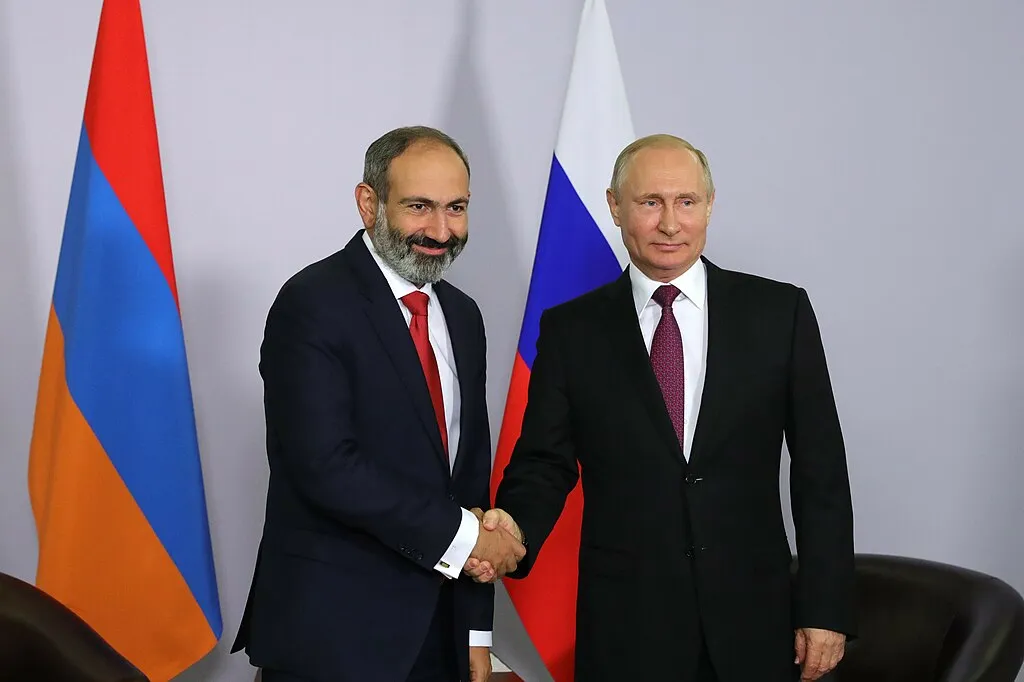
Armenian Prime Minister Nikol Pashinyan shakes hands with Russian President Vladimir Putin in front of Armenian and Russian flags during a bilateral meeting.

Russia began delegitimizing Armenia's election within hours of Nikol Pashinyan's 8 June 2026 victory. The Institute for the Study of War said so in its 9 June assessment. ISW identified three coordinated false narratives advanced by Russian government officials and pro-Kremlin commentators since the result.

One narrative claims Pashinyan "lost" because Civil Contract took less than 50% of the vote. A second says the election unfolded under Western pressure and domestic opposition suppression. A third alleges mass electoral fraud. ISW wrote that Moscow "continues spreading false narratives of stolen elections in post-Soviet states when those results do not favor Russian interests."

The narratives ISW found in Armenia's election

Foreign Ministry spokeswoman Maria Zakharova led Moscow's reaction to Armenia's election on 8 June. She alleged the vote unfolded under "unprecedented pressure on the opposition and interference from the West, primarily the EU." Zakharova said Civil Contract "did not receive a monopoly on power." The campaign featured "harsh repression" of opposition activists and attacks on the Armenian Apostolic Church, The Armenian Mirror-Spectator reported.

Kremlin spokesman Dmitry Peskov declined to congratulate Pashinyan. He told reporters Moscow is "waiting for the final results" and "recording numerous irregularities." The Central Election Commission's final tally put Civil Contract at 49.81%—727,160 votes. That left Samvel Karapetyan's pro-Russian "Strong Armenia" a distant second at 23.29%, Al Jazeera reported. Turnout topped 58%.

The Moldova precedent ISW cites

ISW pointed to Maia Sandu's 2024 Moldovan presidential victory as the direct precedent. The think tank wrote that Moscow had alleged "election fraud, suppression of opposition, and 'illegitimate' results." The Kremlin suggested "Sandu's victory materialized only after counting Western diaspora ballots," ISW added.

Sandu's Party of Action and Solidarity went on to win 50.14% in the September 2025 parliamentary vote anyway. Moldovan Prime Minister Dorin Recean said the Kremlin spent approximately €200 million on the 2024 cycle. That equals nearly 1% of Moldova's GDP, Reuters reported.

Economic coercion runs alongside the narrative

ISW also flagged a parallel economic threat. On 8 June, the head of the Federal Agency for Fisheries, Ilya Shestakov, warned at the St Petersburg International Economic Forum. He vowed "further steps will certainly follow" against Armenian exports if "veterinary risks" arise, Kyiv Post reported.

The warning compounded restrictions imposed since May on Armenian mineral water, alcohol, flowers, fruits, vegetables, and fish. ISW described the move as economic punishment for Armenia "distancing itself from Russia." That distancing is precisely what Armenia's election ratified — Pashinyan's government has reduced participation in the Russia-led CSTO and reoriented Civil Contract's policies toward the EU.
Antony Beevor, historian: ‘Rasputin combined spirituality with extreme lust and lasciviousness’

4 June 2026 at 14:00

Used to hearing Antony Beevor detail troop movements at Stalingrad, the siege of Berlin, the Normandy landings, the paratroopers’ effort at Arnhem or the Panzer offensive in Hitler’s last stand in the Ardennes, it is surprising to hear him talk about Rasputin’s penis. In truth, he adopts the same look of intense concentration he brings to his usual military topics. “Rasputin’s penis… is an object of interest, certainly,” he says when his interlocutor mentions that, during an afternoon of astonishment and vodka, he saw on display in a St. Petersburg museum the appendage shown as such in a glass jar. “Yes, it is said to measure 13 inches, about 33 centimeters, but I don’t know that it’s something to take seriously. My father-in-law, the historian John Julius Norwich, used to explain that his father, Duff Cooper, the first British ambassador to France after the Liberation and also a historian [and father of the notable writer Artemis Cooper, Beevor’s wife], was convinced that part of Rasputin’s sexual success and magnetism lay in his member and his muscular control, but there is no historical record that it was cut off after his murder. Today it is impossible to assert that what is on display is his; I don’t believe any DNA test has been done.” In fact, some say it is a horse’s penis, or, if not that, a dried sea cucumber, as has also been suggested. Beevor recalls, in any case, that at the time in Tsarist Russia, Rasputin was credited with extraordinary sexual potency and caricatures circulated showing his organ, in reference to the monk’s influence over the Tsarina Alexandra and, through her, Tsar Nicholas II, with the legend: “The rod that rules Russia.”

Seguir leyendo

© Print Collector (Print Collector/Getty Images)

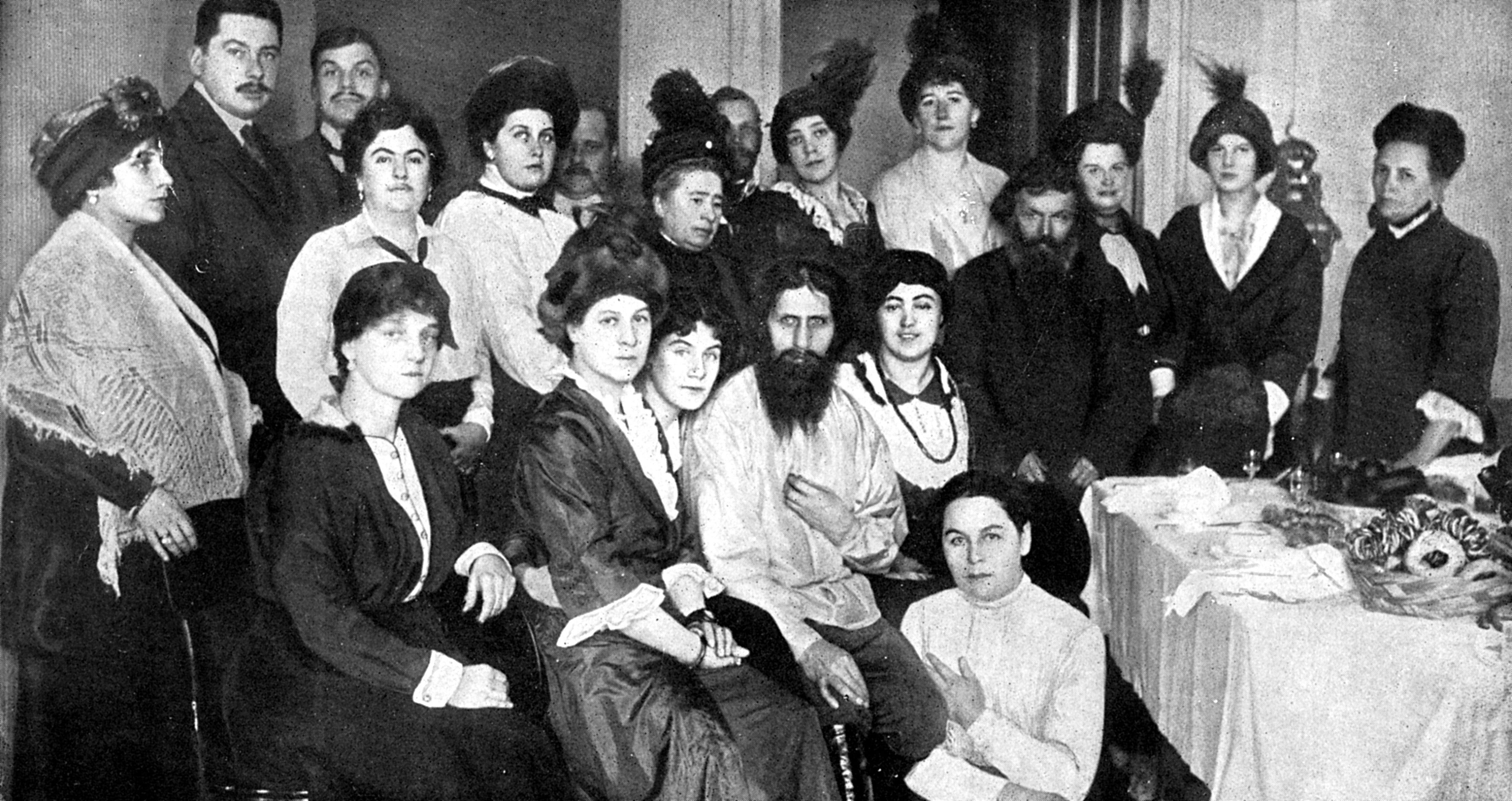
Grigori Rasputin, surrounded by some of the women subdued by his magnetic personality and other figures of the era.

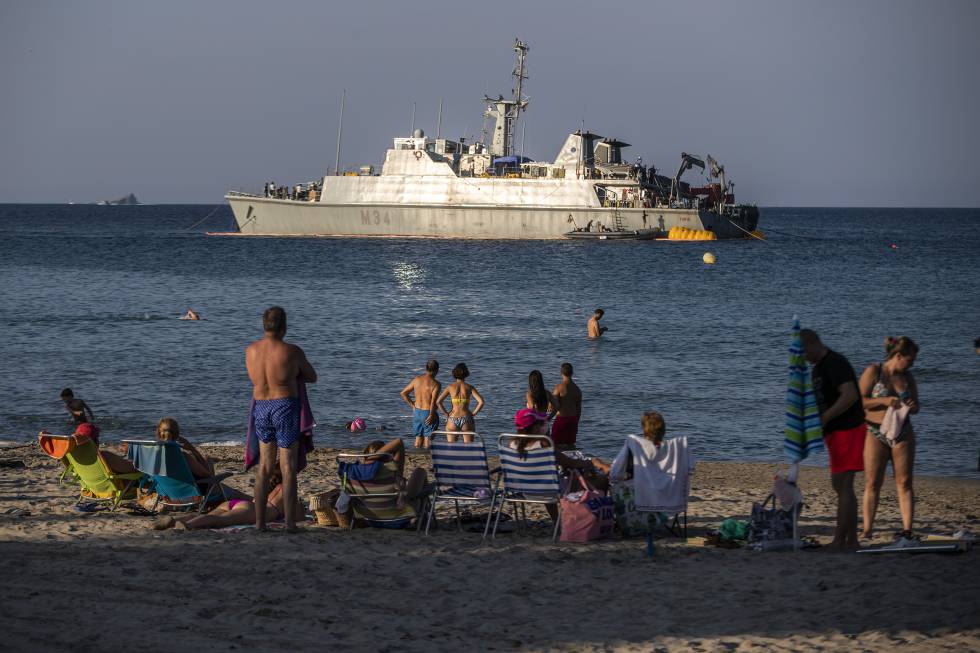
Spain confronts the submerged threat posed by Russia’s ghost fleet

In December 2024, the Eagle S., an oil tanker flying the Cook Islands flag that had sailed from a Russian port, was detained by Finnish police. It was accused of damaging an electric cable and four other data cables on the floor of the Baltic Sea with its anchor. It may have been an accident, but repeated incidents prompted NATO the following month to launch a military operation, Baltic Sentry, deploying surveillance aircraft, ships, and drones to confront the undersea threat. Suspicions pointed to the so‑called Russian ghost fleet, with which the Putin regime is evading EU sanctions imposed after the invasion of Ukraine.

Seguir leyendo

© Carlos Rosillo

The minesweeper 'Turia,' stranded off La Manga beach in Murcia.

Fear grips the border between Romania and Ukraine: ‘We feel something much worse will happen’

2 June 2026 at 10:10

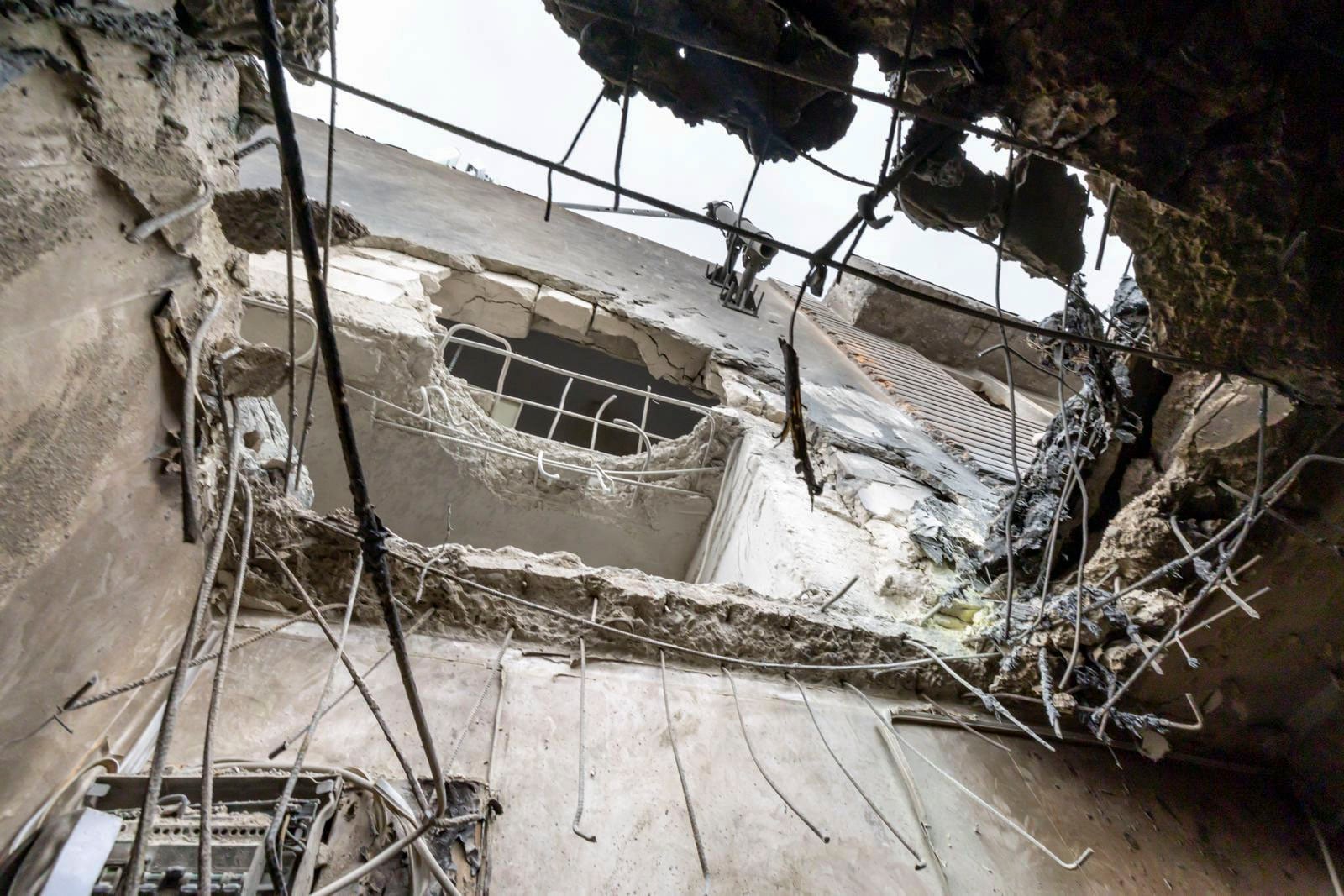
Romania has been deeply shaken by the unprecedented incident that occurred in the early hours of last Friday, when a Russian drone carrying 30 kilograms of explosives crashed into a 10-story apartment block in Galați. The city lies just 15 miles from the Ukrainian port of Reni, one of the neighboring country’s key grain-export facilities and a reason why Russia attacks almost nightly. But on this occasion the drone’s impact crossed boundaries not previously seen in this European Union country. The unmanned aircraft exploded, injuring a woman and her 14-year-old son, who lived on the building’s top floor; the block stands in the nerve center of this town of about 250,000 people on the banks of the Danube.

Seguir leyendo

© EFE

Image of the building damaged by a Russian drone in Galați, Romania, last Friday.

Russians make mass cash withdrawals amid internet shutdowns and transfer controls

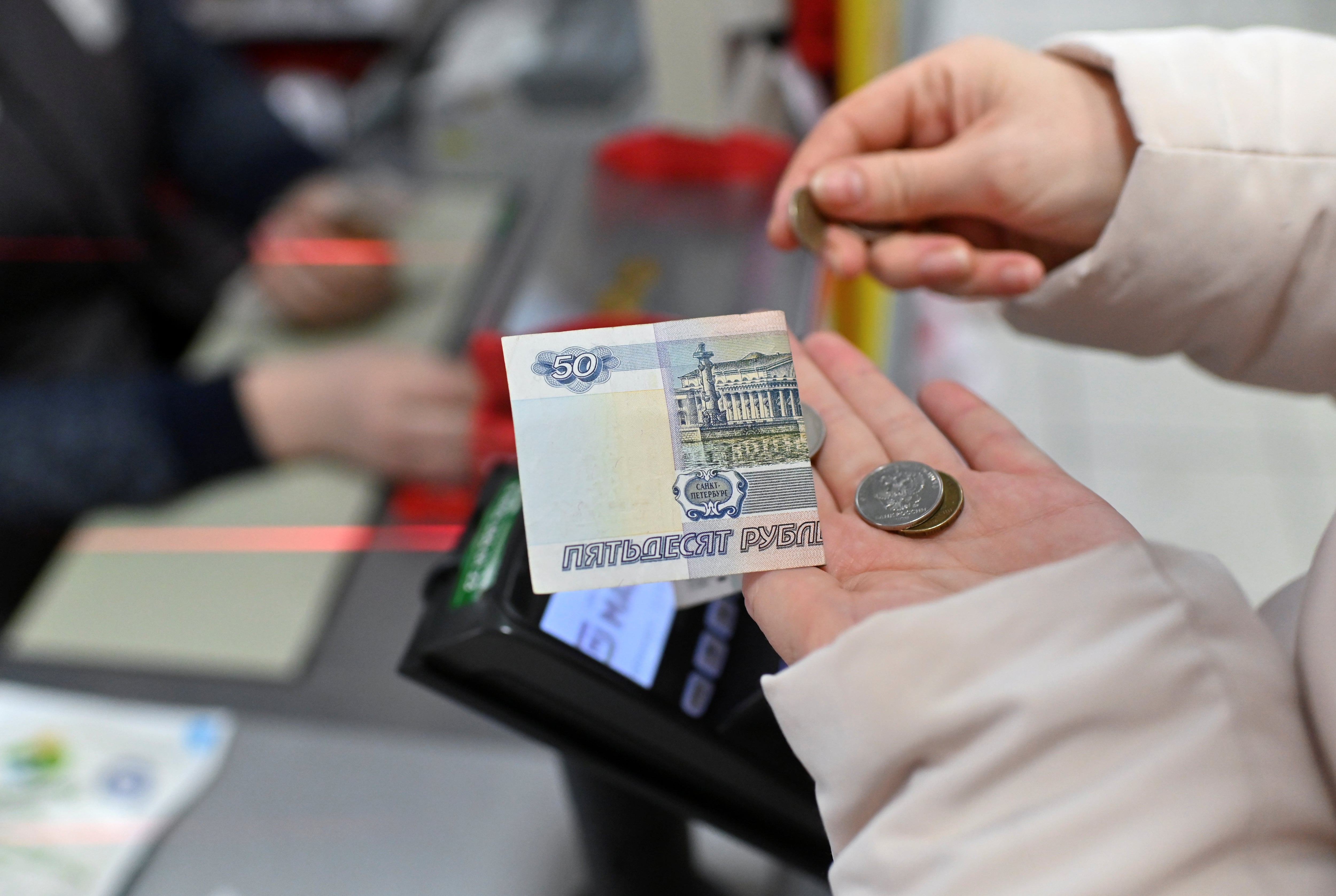
Russians, accustomed to living with constant unpredictability, have been stashing rubles for months in the drawers of their homes. Cash withdrawals have been so massive since the start of the year that the Bank of Russia has carried out a substantial upward revision of the financial system’s liquidity needs through the end of 2026. Internet shutdowns — and, by extension, disruptions to payment systems — ordered by the authorities for alleged “security reasons” have driven Russians to withdraw money from ATMs. Added to this, in a bid to raise revenue to fund the war against Ukraine, is a new bill that would tighten controls on cash payments to businesses.

Seguir leyendo

© ALEXEY MALGAVKO (REUTERS) (EL PAÍS)

A woman pays in cash in Tara, Russia. 
❌