A Câmara de Viana do Castelo abriu hoje um concurso público, pelo valor base de 347.251,68 euros, mais IVA, para criar uma rota dos Miradouros do concelho – Senhora do Crasto, Monte Galeão e da Senhora do Minho.
De acordo com o procedimento hoje publicado em Diário da República tem um prazo de execução do contrato de 300 dias.
Os interessados podem apresentar propostas até às 17:00 do dia 09 de julho, sendo que os concorrentes são obrigados a manter as respetivas propostas durante 66 dias a contar do termo daquela data.
Segundo a autarquia da capital do Alto Minho, a criação da rota dos miradouros resulta de “uma candidatura ao programa “Produtos turísticos sub-regionais e locais (IT), Aviso nº NORTE2030-2024-06 – Programa Regional do Norte 2021-2027 (NORTE2030)”.
A Rota dos Miradouros do concelho de Viana do Castelo”, formada pelos Miradouros Senhora do Crasto, do Monte Galeão e da Senhora do Minho, “enquanto pontos que têm uma envolvência muito díspar, tornando-os apetecíveis de visitação e com uma forte vertente paisagística”.
Os três locais em causa “necessitam da implementação de uma estrutura apta para o utilizador usufruir da paisagem de forma segura”.
O “concurso público prevê, assim, uma empreitada cujas despesas serão suportadas em partes iguais pelos orçamentos municipais de 2026 e 2027”.
“Entre o verde das serras e o azul do Atlântico, o concelho de Viana do Castelo revela-se através de paisagens naturais de enorme beleza. Os seus miradouros são autênticas janelas naturais que convidam à contemplação, oferecendo vistas privilegiadas sobre o rio Lima, o mar, os vales e as aldeias que preservam a identidade minhota”, explica o município.
O Miradouro Senhora do Crasto situa-se na freguesia de Deocriste, o Miradouro do Monte Galeão situa-se na vila de Darque e o e Miradouro da Senhora do Minho localiza-se na Montaria.
Durante a cerimónia de lançamento da nova Alfândega de Sines, no auditório da Administração dos Portos de Sines e do Algarve (APS), o ministro das Finanças citou um estudo do Banco de Portugal, "que será apresentado na segunda-feira", para demonstrar esta realidade.
And that’s how we should look at acting Attorney General Todd Blanche’s work for the past two months. Blanche has served in a temporary capacity while Trump decided whether to nominate him permanently. It was a seemingly endless job interview — one he could fail only by disappointing the man conducting it. Last week, he finally passed the test when Trump announced that he would nominate him for the post, subject to Senate confirmation.
But his conduct during that audition should be disqualifying.
We’ve all been in job interviews, so it’s not hard to see what was going on here. When the interviewer asks whether you’re willing to work nights and weekends, you say yes. By naming Blanche acting attorney general, Trump put him in a position where he could either do the president’s bidding or risk losing the job he wanted.
That dynamic would be troubling in any Cabinet department. But it is especially dangerous at the Department of Justice, which possesses the power to investigate virtually any American. As Attorney General Robert Jackson observed in a famous 1940 speech, a federal prosecutor “has more control over life, liberty, and reputation than any other person in America.”
The greatest danger, Jackson warned, comes when “the prosecutor picks some person whom he dislikes or desires to embarrass, or selects some group of unpopular persons and then looks for an offense.” The reverse danger is just as real: A prosecutor can decline to pursue an ally despite compelling evidence.
For that reason, Americans have long expected the Justice Department to maintain a degree of independence from the White House. It was considered scandalous when former President Bill Clinton merely chatted with Attorney General Loretta Lynch on an airport tarmac while her department was investigating Hillary Clinton in 2016.
In the past, a Senate-confirmed attorney general could resist improper pressure from a president. That is what happened during Watergate, when President Richard Nixon ordered Attorney General Elliot Richardson to fire the special prosecutor investigating him. Richardson and his deputy refused and resigned. Nixon ultimately got his way, but only at enormous political cost.
An acting attorney general is in a much worse position. If displeased, Trump didn’t need to fire Blanche. He simply could have declined to nominate him. No scandal. No Saturday Night Massacre. No political cost. Some supporters might even have praised him for changing course.
Trump relied heavily on acting officials during his first term, naming everyone from the attorney general to the defense secretary to the White House chief of staff in an acting capacity. He liked the arrangement because it gave him, in his own words, “more flexibility.”
Since returning to the White House, he has used the tactic far less frequently, in part because a Republican-controlled Senate confirmed virtually all of his Cabinet nominees. The major exception was Matt Gaetz, the scandal-plagued Florida congressman whose nomination collapsed before a vote.
O primeiro lançamento desta tradição, retomada em contexto cultural com o apoio do município, reuniu, no passado dia 6 de junho, moradores, populares e visitantes, contando ainda com a presença o presidente da Câmara Municipal de Lagos, Hugo Pereira. Na manhã de sábado, a Meia Praia voltou a ser palco de uma arte que marcou […]
What happens to higher education when institutions dedicated to critical thought increasingly align themselves with the logics of war, surveillance, and national security? Unless we mount an organized resistance, we may viscerally experience the answer to this question all too soon.
We are already watching this transformation play out in both the U.S. and Canada as universities face growing pressure to align their missions, research agendas, and pedagogical practices with the values, priorities, and imperatives of a society increasingly organized around the logic of war.
Militarized policies, values, identities, and modes of governance no longer merely creep into U.S. society. Under the Trump administration, they increasingly define it. Militarization now extends far beyond the battlefield, reshaping everyday life, public institutions, and the very meaning of citizenship. War is celebrated as a moral imperative, often wrapped in the language of religious righteousness and white Christian nationalism. Due process gives way to abductions and arbitrary detention, dissent is met with threats and repression, soldiers occupy U.S. cities, and political violence is normalized through a steady stream of incendiary rhetoric and state-sponsored spectacles that glorify force, exclusion, and domination. Democratic ideals are displaced by a culture of fear, manufactured insecurity, and the belief that the nation is besieged by enemies both within and beyond its borders — largely immigrants and people of color.
In this militarized landscape, critical thought is derided, informed judgment is replaced by ideological conformity, and institutions charged with nurturing democratic agency increasingly come under attack. This fusion of militarism, toxic masculinity, religious fundamentalism, and white nationalist politics functions as a powerful form of public pedagogy, producing the authoritarian values, identities, and modes of agency that have historically provided the cultural foundations for fascist politics.
The Dangers of the “Military-Industrial-Academic Complex”
The late U.S. President Dwight D. Eisenhower warned of the dangers posed by what he called the “military-industrial-academic complex.” In an earlier draft of his famous 1961 farewell address on the military-industrial complex, Eisenhower included the word “academic,” recognizing that universities could become deeply entangled with military power, corporate interests, and state security agendas in ways that threatened their intellectual independence and democratic mission.
This warning extends to countries that increasingly live in the shadow of the U.S.’s expanding warfare state and its militarized culture. For instance, against an increasingly militarized global order, the Canadian government has unveiled an expansive “Defence Industrial Strategy” backed by 81.8 billion Canadian dollars (around 60 billion in U.S. dollars) in new defense spending in Budget 2025, including 6.6 billion Canadian dollars devoted specifically to expanding the country’s defense-industrial infrastructure. The strategy marks the largest long-term expansion of Canada’s military economy since the Second World War.
What once appeared to be limited partnerships between North American universities and defense industries has evolved into a far broader transformation of higher education itself. As Canada dramatically expands military spending through its Defence Industrial Strategy, universities are increasingly being drawn into the orbit of defense priorities. Federal initiatives encourage partnerships between universities, defense contractors, and government agencies in fields such as artificial intelligence, cybersecurity, quantum computing, autonomous systems, and advanced surveillance technologies. Research funding is increasingly directed toward projects framed around national security, defense innovation, and military competitiveness. As these priorities gain influence, higher education is being reshaped by the social logics of militarization, technological control, and permanent security, altering not only what knowledge is produced but also the purposes to which it is put, raising urgent questions about the future of the university as a democratic public sphere.
Militarized knowledge production blurs the line between education and warfare, transforming universities into laboratories for the development of technologies whose ultimate purpose is often surveillance, social control, and lethal violence.
The growing use of drones and AI-driven warfare systems is not simply a military development. It signals a broader transformation in how research and knowledge are produced, funded, and valued. As universities deepen their involvement in military research, fields ranging from artificial intelligence and data analytics to robotics and cybersecurity are increasingly organized around the imperatives of surveillance, security, and warfare. AI technologies are already being deployed by state agencies to monitor migrants, journalists, activists, and political dissidents, while drones have revolutionized warfare by making it cheaper, more remote, and less accountable. Under such conditions, knowledge is not viewed primarily as a public good serving democratic life. Instead, it is increasingly organized around military imperatives of prediction, control, targeting, and domination. The result is a form of militarized knowledge production that blurs the line between education and warfare, transforming universities into laboratories for the development of technologies whose ultimate purpose is often surveillance, social control, and lethal violence.
Michael S. Sherry rightly argues that in an age in which state power is increasingly organized through militarized values and security logics, military culture now shapes not only state policy but “broad areas of national life.” As David Theo Goldberg argues, militarization no longer operates only through armies and weapons systems. It increasingly shapes culture, technology, modes of governance, and everyday life. As Goldberg observes:
The military is not just a fighting machine…. It serves and socializes. It hands down to society, as big brother might, its more or less perfected goods, from gunpowder to guns, computing to information management … In short, while militarily produced instruments might be retooled to other, broader social purposes, the military shapes pretty much the entire range of social production from commodities to culture, social goods to social theory.
The implications for higher education are profound. Militarization does not simply reshape culture, technology, and governance. It also reorganizes the production of knowledge itself, aligning university research with the imperatives of surveillance, security, and warfare while legitimating authoritarian forms of power. The rapid expansion of artificial intelligence research tied to military and surveillance applications deepens these dangers. Universities are increasingly helping to develop technologies used for predictive policing, automated warfare, mass surveillance, and forms of digital authoritarianism that blur the line between security and repression. Such developments are routinely justified in the language of innovation, efficiency, and national security, yet they raise profound ethical questions about the role of higher education in designing technologies that deepen inequality, expand state violence, erode civil liberties, and facilitate the killing of civilians, including children, in conflicts largely removed from public scrutiny.
The militarization of the university is not simply a matter of research contracts or funding priorities. It is pedagogical, cultural, and deeply political.
The militarization of the university is not simply a matter of research contracts or funding priorities. It is pedagogical, cultural, and deeply political. Universities do more than train workers; they shape civic identities, ethical sensibilities, and the capacity for democratic agency itself. When higher education embraces military partnerships and military-driven research agendas, it legitimates a worldview in which security eclipses justice, technological efficiency displaces ethical reflection, and dissent is recast as a threat rather than a democratic necessity.
How Militarization Reorganizes the Production of Knowledge
As militarization becomes woven into the fabric of political culture, universities increasingly reorganize knowledge, research priorities, and technological innovation around the assumptions of permanent conflict, geopolitical competition, and security management. In doing so, higher education normalizes the belief that militarized knowledge and military solutions should govern everyday life. Yet militarization does not merely reshape research priorities and institutional culture. It also reorganizes historical memory, civic identity, and the very terms through which democracy is understood.
Militarization also bears heavily on the production of knowledge itself. As Fintan O’Toole observes, contemporary authoritarian movements do more than expand military power; they seek to reshape historical memory and civic consciousness. Shameful histories are recast as heroic achievements, while assaults on democracy are reimagined as acts of patriotism. The Confederate rebellion is transformed from a defense of slavery into a noble cause, much as the January 6 attack on the U.S. Capitol is increasingly celebrated by its defenders as a patriotic uprising rather than an assault on democratic institutions. Equally troubling are efforts to remake the military itself through demands that soldiers be trained for loyalty to political leaders rather than to constitutional principles. Here, power seeks not only to command institutions but also to militarize knowledge, memory, and civic identity. Universities have a crucial responsibility to resist such distortions by defending historical truth, critical inquiry, and the capacity to distinguish education from propaganda.
As Kevin Baker notes, military solutions increasingly displace diplomacy, democratic institutions, and other civic responses to social problems. Within a culture saturated by militarism, aggression is celebrated as prevention, repression is justified in the name of security, and military force is invoked to discipline dissent and erode democratic values. Under such conditions, education is organized less around the imperatives of democratic culture than around the demands of the arms industry, surveillance systems, technological acceleration, and the national security state.
These developments become even more troubling when they intersect with the ongoing marketization of higher education. At its best, higher education functions as a democratic public sphere, a place where students learn to think critically, question authority, engage history, and imagine alternative democratic futures. Yet under the pressures of neoliberalism, universities have increasingly abandoned this mission. Education is now often reduced to job training, students are treated as consumers, faculty are deskilled and casualized, and learning is defined largely in instrumental terms. Questions about how education might nurture civic courage, ethical imagination, social responsibility, and democratic agency are increasingly sidelined in a market-driven university culture.
Yet the assault on higher education is not only economic. It is also ideological and political. In recent years, a growing chorus of liberal and conservative critics has claimed that universities have lost their way, charging that the humanities and critical scholarship have corrupted higher education through ideology and activism. Under the seductive language of “reform,” “balance,” “civility,” “institutional trust,” and “neutrality,” these critics present themselves as defenders of academic integrity while advancing a profoundly reactionary project. In some cases, liberal critics go so far as to treat “social justice” as a threat to scholarship rather than asking how power, exclusion, race, gender, class, empire, and inequality have always shaped what counts as knowledge. Their calls for neutrality, which function as a cover for depoliticization, do not protect intellectual freedom; they align with a broader assault on critical thought, historical memory, and democratic culture. They are aghast at the notion put forward by Thomas Chatterton Williams that “For humanities departments [and higher education in general] to continue to matter, they must challenge the modern world rather than accommodate it.” In doing so, they obscure the far more dangerous attacks on higher education coming from the right: censorship, book bans, assaults on DEI programs, the repression of student protest, and efforts to align universities with corporate, state, and military interests.
Critical scholarship is condemned as ideological, while militarized research, donor influence, state-directed threats of defunding, and forms of ideological indoctrination are celebrated as common sense. The real danger is not that universities have become too political, but that they are being stripped of their democratic mission and transformed into institutions that normalize conformity, surveillance, militarization, and authoritarian power. Higher education is not under attack because it has been ruined by the left. On the contrary, it is under assault by the Trump administration and a broader network of far right forces precisely because it keeps alive a dangerous truth: education is not merely about credentials, careers, or conformity to the status quo. At its best, it cultivates the capacity for critical judgment, informed dissent, compassion, and democratic agency. What authoritarian movements fear most is not ideological indoctrination but an educated public capable of questioning power, holding authority accountable, and imagining a more just future.
Militarization deepens anti-democratic tendencies. Research is increasingly tied to military applications, geopolitical competition, and outside funding rather than to the public good. Universities adopt the language of security, risk management, efficiency, and competitiveness while corporate and military values increasingly shape institutional priorities. As a Simons Foundation policy briefing warns, militarization has increasingly become a “default response” to political instability and global insecurity, reinforcing a culture in which social problems are framed through the logics of surveillance, strategic competition, and military preparedness rather than diplomacy, public investment, and democratic cooperation. As Professor Catherine Lutz notes, such actions run the risk of eroding legal and moral boundaries. In such a climate, higher education loses its civic character and becomes subordinated to the interests of the warfare state and defense industries.
As universities become increasingly tied to military and security logics, they risk abandoning their civic purpose in favor of a pedagogy of permanent emergency, one that privileges surveillance, strategic competition, and technological domination over critical inquiry, civic imagination, ethical responsibility, and social solidarity. What disappears in this militarized vision of higher education is the conviction that universities should cultivate informed citizens capable of holding power accountable rather than simply servicing the imperatives of the national security state.
Equally troubling, militarization reshapes the culture of the university itself. Militarized institutions reward conformity, secrecy, technocratic thinking, and instrumental rationality. Ethical questions about violence, disposability, colonialism, and state power are pushed aside in favor of managerial efficiency and national competitiveness. Students protesting Israel’s war in Gaza, settler colonialism, genocide, sexual violence, or war crimes are too often met not with dialogue but with surveillance, administrative repression, and policing.
The dominance of war-like values in both higher education and the wider civic culture prepares “civil society itself for the production of violence.”
In such instances, the university ceases to function as a space for critical engagement and becomes instead an extension of a broader authoritarian culture. As scholar John Gills notes, the dominance of war-like values in both higher education and the wider civic culture prepares “civil society itself for the production of violence.” In this way, universities risk becoming agents of militarized socialization rather than sites of democratic education. Such developments raise not only political and educational concerns but also urgent ethical questions about the kinds of institutions that universities are becoming and the values they choose to endorse.
The militarization of higher education raises a profound ethical question: What happens when universities enter into partnerships with military institutions while remaining silent about documented human rights abuses associated with those same institutions? Such silence is never politically neutral. It suggests that violations of human rights can be overlooked, rationalized, or normalized when carried out in the name of security, defense, or national interest.
This issue extends beyond universities themselves and raises broader questions about the responsibilities of democratic governments. As Canada, among other countries, deepens military cooperation with allies and expands investments in defense industries, it cannot exempt those relationships from ethical scrutiny. If credible allegations of war crimes, torture, collective punishment, or sexual violence are ignored in the name of strategic alliances or national security, democratic principles are hollowed out from within. Universities, precisely because they are charged with fostering critical inquiry and ethical judgment, have a responsibility to challenge such silences rather than reproduce them.
Such allegations also raise broader concerns about how security regimes can be used not only against occupied populations but also against those who challenge state policies. Reuters reported that organizers of a flotilla attempting to deliver humanitarian aid to Gaza alleged that some activists detained by Israeli authorities experienced physical abuse and that at least 15 reported sexual assaults, including allegations of rape. Zeteo provided shocking and wrenching video testimonies from some of the activists, largely ignored by Western media. Whatever the final findings regarding these allegations, they underscore the need for independent scrutiny of security institutions and the dangers of granting them unquestioned legitimacy in the name of national defense. When accusations of abuse are met with silence rather than investigation, the boundaries between security, impunity, and state-sanctioned violence become increasingly blurred.
If universities claim to uphold principles of human rights, social responsibility, and ethical inquiry, they cannot selectively ignore such evidence when it implicates states or institutions with which they maintain research, military, or security partnerships. To do so risks transforming universities from spaces of critical inquiry into institutions that legitimate power while remaining silent about its abuses. At stake is more than the question of particular research contracts. It is the moral integrity of higher education itself.
These concerns are not confined to particular institutions or isolated abuses. They are symptomatic of a broader culture in which militarized values increasingly shape public life, political discourse, and social priorities. From sporting events and military recruitment in schools to popular films, social media spectacles, gun culture, and state-sponsored propaganda, aggression, domination, and war are normalized as features of everyday life.
Nowhere is this more visible than in the influence of Trump’s Secretary of Defense, Pete Hegseth, who celebrates “maximum lethality, not tepid legality” and wraps militarism in the language of white Christian nationalism and religious righteousness. As Jasper Craven observes, Hegseth champions a form of “military manliness” stripped of any ethical center. Such a worldview elevates domination as a virtue, defines violence as a moral ideal, and transforms, in Craven’s words, “the Pentagon into the staging ground for an ideological religious crusade.” As these values circulate through culture and public institutions, they increasingly shape higher education itself, influencing not only what universities teach but also the forms of knowledge they produce, fund, and legitimate.
Universities cannot claim to defend democracy while simultaneously aligning themselves with industries and state policies organized for state violence, war, and imperial aggression.
Defenders of militarized partnerships insist that universities must remain pragmatic and “neutral” in securing funding and advancing national interests. But neutrality in such cases is largely a myth. Universities cannot claim to defend democracy while simultaneously aligning themselves with industries and state policies organized for state violence, war, and imperial aggression. Higher education has no legitimate ethical mandate to function as a research arm of militarized power.
Universities Must Refuse to Become Laboratories for War
The issue is not whether universities are political, but what kind of politics they embody and in whose interests they function. In an age marked by rising authoritarianism, widening inequality, climate catastrophe, and endless wars, universities cannot escape matters of power and values, and they must decide whether they will serve democracy or militarized power. Nor can educators retreat into the call for neutrality. At stake here is more than institutional policy. It is the fate of the university as a democratic institution. Few writers understood these dangers more clearly than Toni Morrison, who warned: “If the university does not take seriously and rigorously its role as a guardian of wider civic freedoms, as interrogator of more and more complex ethical problems, as servant and preserver of deeper democratic practices, then some other regime or menage of regimes will do it for us, in spite of us, and without us.”
Higher education may be one of the few public spheres left where knowledge, values, and learning can nurture radical hope, civic responsibility, informed agency, critical thinking, and substantive democracy. The struggle against the militarization of Canadian universities is therefore not merely a fight over funding priorities. It is a struggle over whether education will serve democracy or become an extension of the warfare state. Activists from groups like World Beyond War Canada and the Canadian Federation of Students are right to insist that genuine security comes not from militarism and permanent war, but from investing in education, housing, public health, and the social good.
Universities must refuse their transformation into laboratories for war, surveillance, and technological domination. At stake is whether higher education will further accommodate militarized and authoritarian power or become a crucial site of resistance, critical consciousness, and democratic possibility, one that refuses to confuse security with fear, civic responsibility with obedience, and education with the demands of war and domination. In an age when militarism increasingly shapes culture, politics, and everyday life, universities must remain among the few institutions willing to defend critical inquiry, civic responsibility, and democratic freedom against the expanding reach of the warfare state.
Djavan anunciou o cancelamento do show da turnê "Djavanear 50 Anos. Só Sucessos" em Angola, país da África Central, nesta terça-feira, 9, por meio das redes sociais.De acordo com a equipe do cantor, a decisão de cancelar a apresentação no país foi motivada pela atual situação sanitária em algumas regiões do continente africano."Após uma avaliação criteriosa do atual contexto sanitário em algumas regiões do continente africano e das recomendações de monitoramento emitidas por organismos internacionais de saúde, foi tomada a decisão de não realizar a participação do artista Djavan no evento previsto para acontecer em Angola na data anunciada", disse.
Leia Também:
COMEMORAÇÃO
Sidney Magal reúne estrelas em show histórico para 60 anos de carreira
LOTOU
Baile da World reúne grande público em Feira de Santana
GUIA COMPLETO
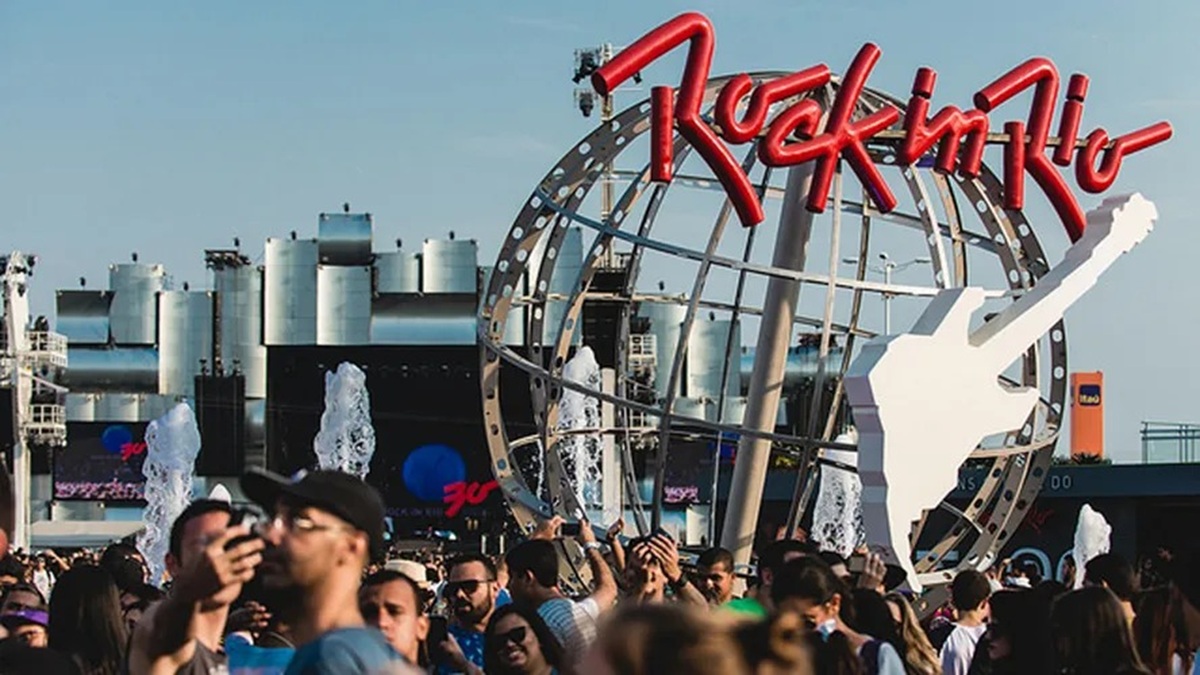
Rock in Rio 2026: ingressos, atrações e venda para público geral
Ainda em nota, a equipe explica que "a medida tem caráter exclusivamente preventivo e decorre da responsabilidade inerente à gestão de uma produção internacional que envolve um grande número de profissionais em constante deslocamento entre diferentes países". Leia a nota completa:
Ver essa foto no Instagram Um post compartilhado por Djavan (@djavanoficial)
Las agendas de Leire Díez incautadas por la Unidad Central Operativa (UCO) de la Guardia Civil, a las que ha tenido acceso El Independiente, recogen una anotación fechada en 2020 en la que aparece mencionada la jurista Silvina Bacigalupo. Bacigalupo, cuñada de la entonces vicepresidenta del Gobierno Teresa Ribera, es catedrática de Derecho Penal y una reconocida especialista en transparencia y delitos económicos.
En una de las páginas de las notas manuscritas atribuidas a Díez, fechada el 17 de noviembre de 2020, figura un listado de asuntos pendientes entre los que aparece la referencia: “Cristina Narbona, gestión Silvina Bacigalupo”.
La anotación se integra en un conjunto de contactos, actuaciones y cuestiones políticas en el que también figuran otras referencias a dirigentes socialistas, responsables institucionales y asuntos vinculados a la actividad del partido. El documento, sin embargo, no especifica cuál era el objeto de esa supuesta gestión ni qué actuación concreta debía realizar la presidenta del PSOE en relación con Bacigalupo.
La mención adquiere relevancia en un momento en el que la jurista se encuentra entre las candidatas a una plaza de jurista en la Sala Segunda del Tribunal Supremo. De acceder al puesto, culminaría una trayectoria académica y profesional que la ha convertido en una especialista en Derecho Penal económico, transparencia y cumplimiento normativo.
Bacigalupo y Teresa Ribera
Teresa Ribera, actual vicepresidenta de la Comisión Europea y exvicepresidenta del Gobierno de España, está casada con el jurista Mariano Bacigalupo. Este es miembro de una familia con amplia trayectoria en el ámbito jurídico y regulatorio en España. Este ha ocupado distintos cargos en organismos públicos como la Comisión Nacional de los Mercados y la Competencia (CNMC) y la Comisión Nacional del Mercado de Valores (CNMV).
La familia Bacigalupo constituye una saga de perfil académico y jurídico con una presencia destacada en el ámbito del Derecho en España, especialmente vinculada a la universidad y a instituciones públicas. Sus miembros han desarrollado carreras en campos como el Derecho Administrativo, el Derecho Penal económico y la regulación de sectores estratégicos.
Antes de su acercamiento al Alto Tribunal, la catedrática de la Universidad Autónoma de Madrid ya había mantenido una relación de colaboración con el PSOE. Más allá del ámbito familiar. De hecho, su nombre apareció oficialmente vinculado al proyecto político de Pedro Sánchez cuando fue incorporada al equipo de expertos encargado de elaborar propuestas de gobierno para los socialistas.
El 23 de junio de 2015, el PSOE anunció la creación de un equipo de especialistas destinado a diseñar medidas para un futuro programa de gobierno. Entre los nombres seleccionados figuraba Silvina Bacigalupo, que fue presentada como responsable del área de Transparencia y Ética Empresarial.
En aquel comunicado, los socialistas destacaban que el grupo estaría integrado por profesionales de reconocido prestigio y experiencia en distintas materias. Ya que el objetivo era reforzar el perfil técnico de su propuesta política. Bacigalupo aparecía entre las incorporaciones elegidas por la dirección de Pedro Sánchez.
La jurista era ya entonces una referencia en materia de responsabilidad penal de las personas jurídicas, delitos económicos y prevención de la corrupción. Su participación en aquel equipo suponía una apuesta del PSOE por incorporar especialistas externos a la elaboración de su proyecto político.
La colaboración fue pública y reconocida por el propio partido, por lo que la aparición de su nombre en unas notas internas vinculadas al entorno socialista años después resulta especialmente significativa.
Una anotación sin explicación
La referencia hallada en la documentación atribuida a Leire Díez plantea más preguntas que respuestas. El apunte se limita a consignar la frase “Cristina Narbona, gestión Silvina Bacigalupo”, sin ofrecer detalles adicionales sobre el motivo, el contenido o el alcance de esa eventual gestión.
Tampoco se desprende del documento si la actuación que tenía que realizar Narbona se produjo finalmente. Ni cuál era el contexto concreto en el que se redactó la nota. Lo único acreditado es que el nombre de Bacigalupo figuraba entre los asuntos anotados por Díez en noviembre de 2020 y que aparecía asociado a una posible intervención de Cristina Narbona.
La presidenta del PSOE formaba parte del núcleo dirigente de la organización y era una de las figuras de mayor peso político dentro del partido. Su inclusión en la anotación sugiere que, al menos para quien redactó el documento, podía desempeñar algún papel en relación con la cuestión vinculada a Bacigalupo.
Anotación en la agenda de Leire Díez sobre Cristina Narbona y Silvina Bacigalupo
La falta de contexto impide extraer conclusiones definitivas. Sin embargo, la referencia se enmarca en una documentación en la que se están analizando múltiples anotaciones. Entre ellos contactos políticos, institucionales y empresariales relacionados con el entorno socialista.
Del equipo de expertos al Tribunal Supremo
La trayectoria de Bacigalupo ha estado ligada principalmente al ámbito académico. Hija del jurista Enrique Bacigalupo, ha desarrollado una carrera centrada en el Derecho Penal económico y corporativo, participando en proyectos de investigación nacionales e internacionales y en labores de asesoramiento en materia de cumplimiento normativo.
El proceso de nombramiento para la plaza de jurista en la Sala Segunda del Tribunal Supremo aún no ha concluido. Se trata de un procedimiento en el que los aspirantes son evaluados por el Consejo General del Poder Judicial (CGPJ) en función de sus méritos.
Tras la admisión inicial, la Comisión de Calificación revisa el cumplimiento de los requisitos formales. Después, selecciona a los candidatos que pasan a una fase de entrevista, que puede realizarse por vía telemática y la cual Bacigalupo ya pasó. Posteriormente, la Comisión eleva una propuesta al Pleno del CGPJ, órgano competente para el nombramiento definitivo.
En estos momentos, el proceso se encuentra pendiente de la deliberación final del Pleno, con Bacigalupo entre las candidaturas evaluadas para la plaza. Su eventual acceso al Tribunal Supremo la situaría entre los perfiles de mayor relevancia dentro del sistema judicial español. Precisamente por ello, la aparición de su nombre en una anotación vinculada al entorno socialista adquiere una dimensión política.
Com a chegada do período junino, o Hospital da Restauração (HR) Governador Paulo Guerra, no Recife, reforça o alerta sobre os riscos de queimaduras causadas por fogueiras, fogos de artifício e outros artefatos utilizados nas comemorações. A unidade, vinculada à Secretaria Estadual de Saúde, é referência em Pernambuco no atendimento a vítimas desse tipo de acidente.
Ao longo do ano, o Centro de Tratamento de Queimados (CTQ) do HR atende cerca de 3 mil pacientes. Segundo a coordenação do setor, as festas juninas costumam registrar aumento na procura por atendimento, principalmente nas datas de Santo Antônio, São João e São Pedro.
De acordo com a coordenadora do CTQ, Cristine Dalla Nora, a combinação entre fogos de artifício, consumo de bebidas alcoólicas e o uso de materiais inflamáveis aumenta o risco de acidentes durante as celebrações.
“Na noite em que as pessoas costumam acender fogueiras, as ocorrências são maiores. O uso de fogos de artifício associado ao consumo de bebidas alcoólicas também eleva os riscos”, explica.
A médica destaca que as principais ocorrências atendidas estão relacionadas ao uso inadequado de fogos de artifício, proximidade excessiva de fogueiras e contato com líquidos superaquecidos. A orientação é adquirir fogos apenas em locais autorizados, seguir as instruções do fabricante e evitar que crianças manuseiem esses materiais.
Cuidados em ambientes domésticos
Os cuidados também devem se estender ao ambiente doméstico durante o período festivo. Segundo a especialista, a cozinha se torna um espaço de maior risco devido ao preparo de grandes quantidades de alimentos e ao contato com recipientes quentes, especialmente para crianças.
Em casos de queimaduras, a recomendação é resfriar a área afetada com água corrente em temperatura ambiente por alguns minutos e buscar atendimento médico nos casos mais graves. O hospital alerta ainda que produtos caseiros, como pasta de dente, manteiga, café ou pomadas sem orientação profissional, não devem ser utilizados.
“Queimaduras provocadas por fogo, explosões, eletricidade ou produtos químicos exigem avaliação médica imediata. Quanto mais rápido o atendimento adequado, maiores as chances de recuperação e menores os riscos de sequelas”, reforça Cristine Dalla Nora.
Dados do HR mostram que, durante as festas de Santo Antônio, São João e São Pedro de 2025, o CTQ atendeu 70 pacientes, com 36 internações. Em 2024, foram registrados 46 atendimentos e 29 internações. Já em 2023, o setor recebeu 47 pacientes, dos quais 19 precisaram ficar internados.
O São João do Recife em 2026 contará com esquemas especiais de trânsito e segurança. A Prefeitura do Recife anunciou nesta terça-feira (9) medidas como bloqueios de vias em áreas de circulação do público, monitoramento por câmeras em tempo real, ampliação de efetivo da Guarda Municipal e serviços voltados ao enfrentamento da violência contra a mulher.
Mudanças no trânsito
A Autarquia de Trânsito e Transporte Urbano (CTTU) organizou operações especiais para garantir a segurança viária durante os festejos. Agentes de trânsito e orientadores atuarão nos principais polos, acompanhando eventos e realizando bloqueios viários. Confira as alterações na mobilidade:
Caminhada do Forró: acontece na quinta-feira (11), das 17h às 23h, saindo da Rua da Moeda em direção à Praça do Arsenal. Agentes da CTTU acompanharão o percurso e realizarão bloqueios nas ruas da Guia, Observatório e Barão Rodrigues Mendes;
Avenida Rio Branco/Praça do Arsenal: haverá bloqueios no entorno do polo durante as apresentações dos dias 14, 15, 16, 17, 18, 19, 20, 21, 22, 23, 24, 26, 27 e 28 de junho;
Desfile das Bandeiras: será realizado no domingo (14), a partir das 14h, saindo da Rua Nova em direção à Sala de Reboco, no polo da Avenida Rio Branco. A previsão de encerramento é às 17h30;
Estrada do Arraial:poderá ser interditada na altura do acesso ao Sítio Trindade, entre as ruas Ferreira Lopes e Bela Vista, conforme a intensidade do fluxo de pedestres. Não há horário fixo informado;
Desvio para Casa Amarela: quando houver bloqueio na Estrada do Arraial, motoristas deverão acessar a Rua Arnoldo Magalhães e seguir à esquerda pela Rua Desembargador Mota Júnior;
Polos descentralizados: equipes da CTTU irão monitorar o trânsito durante os dias de programação em polos como Bongi, Cordeiro, Lagoa do Araçá, Brasília Teimosa, Ibura, Campo Grande, Totó, Vila Tamandaré, Poço da Panela e Parque das Graças.
A CTTU orienta o público a chegar cedo aos eventos e alerta para fiscalização de estacionamento irregular, com possibilidade de multas e reboque.
Pela primeira vez, o monitoramento operacional do São João será realizado diretamente no Centro de Operações do Recife (COP), no Bairro do Recife, além de equipes presenciais para acompanhar as operações em campo.
Ao todo, serão utilizadas 296 câmeras de videomonitoramento instaladas em pontos estratégicos do Sítio Trindade e do Bairro do Recife, com transmissão das imagens em tempo real.
A Guarda Civil Municipal do Recife entra na operação com 3.497 lançamentos durante o período da festa, com maior concentração de efetivo no Sítio Trindade e no Recife Antigo, para atuar no patrulhamento e apoio aos demais órgãos.
Atendimento e proteção às mulheres
A Prefeitura do Recife também vai reforçar as ações de enfrentamento à violência contra a mulher durante o ciclo junino. Haverá espaços de atendimento específicos no Sítio Trindade e na Avenida Rio Branco, com equipes multidisciplinares preparadas para acolher mulheres em situação de violência e prestar orientações sobre a rede municipal de proteção.
Nos polos descentralizados, equipes da Secretaria da Mulher atuarão de forma itinerante com ações de conscientização, prevenção e divulgação dos serviços de atendimento.
Também permanecerão em funcionamento os equipamentos da rede municipal, como o Centro Clarice Lispector e os Serviços Especializados e Regionalizados (SER) das zonas Norte e Sul.
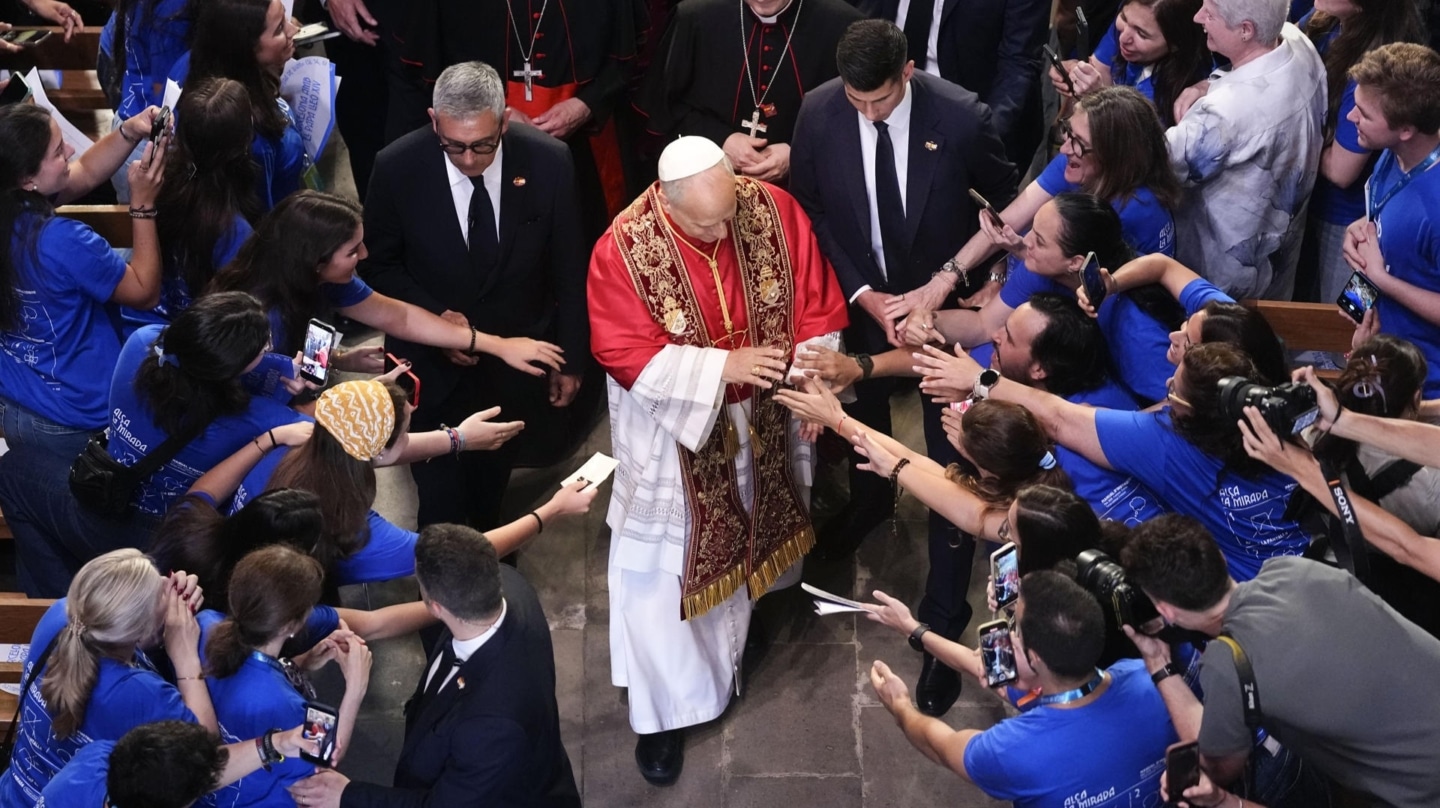
El papa León XIV ha iniciado este martes su esperada visita de dos días a Cataluña. Tras un multitudinario paso de tres días por Madrid, el pontífice ha aterrizado este mediodía en el aeropuerto Josep Tarradellas Barcelona-El Prat, desde donde se ha trasladado directamente al corazón de la capital catalana para protagonizar una intensa jornada marcada por los mensajes de concordia, los gestos espontáneos fuera de protocolo y un rotundo llamamiento a la acogida de los inmigrantes.
Unos 6.000 fieles, según datos de la Guardia Urbana, han abarrotado desde primera hora de la mañana la plaza Nova y las calles adyacentes de la Catedral de la Santa Cruz y Santa Eulalia. Desafiando el intenso sol con paraguas, banderas y el agua distribuida a última hora por los Mossos d'Esquadra, la multitud ha recibido de forma calurosa al santo padre en torno a las 13:30 horas. El fervor popular se ha traducido en un crisol de cánticos tradicionales ("Se ve, se siente...", "Papa León, te queremos un montón"), proclamas juveniles y un vistoso mosaico de banderas internacionales, con fuerte presencia de enseñas del Vaticano, España, Argentina, Nicaragua, México o Colombia.
Un llamamiento contra la polarización y el individualismo
En el interior del templo, durante el rezo litúrgico de la Sexta Hora ante la curia diocesana y los voluntarios, León XIV ha pronunciado una homilía de fuerte calado social y eclesiástico. Alternando con fluidez el castellano y el catalán, el Pontífice se ha dirigido a los presentes recordando que Barcelona, como 'Cap i casal de Catalunya', posee la responsabilidad histórica de convertirse en "constructora de unidad".
<a href="https://www.elindependiente.com/wp-content/uploads/2026/06/papa-barcelona-3-980x653.jpg" class="galeria__start" data-caption="El papa desciende del avión que le ha llevado de Madrid a Barcelona pasado el mediodía de este martes. | David Zorrakino / Europa Press" data-fslightbox="lightbox-kuiv">
León XIV en Barcelona
Ver Galería
<a href="https://www.elindependiente.com/wp-content/uploads/2026/06/papa-barcelona-1-1200x801.jpg" class="galeria__foto item" data-caption="El presidente de la Generalitat, Salvador Illa, ha dado la bienvenida al pontífice. | David Zorrakino / Europa Press" data-fslightbox="lightbox-kuiv"> <a href="https://www.elindependiente.com/wp-content/uploads/2026/06/papa-barcelona-7-1200x800.jpg" class="galeria__foto item" data-caption="El viento ha levantado la capa del papa a pie de pista en El Prat. | David Zorrakino / Europa Press" data-fslightbox="lightbox-kuiv"> <a href="#galeria-publi4" class="galeria__foto item" data-caption="Publicidad" data-fslightbox="lightbox-kuiv">
<a href="https://www.elindependiente.com/wp-content/uploads/2026/06/papa-barcelona-8-1200x800.jpg" class="galeria__foto item" data-caption="David Zorrakino / Europa Press" data-fslightbox="lightbox-kuiv"> <a href="https://www.elindependiente.com/wp-content/uploads/2026/06/papa-barcelona-16-1200x1797.jpg" class="galeria__foto item" data-caption="Quique García / EFE" data-fslightbox="lightbox-kuiv"> <a href="https://www.elindependiente.com/wp-content/uploads/2026/06/papa-barcelona-4-1200x800.jpg" class="galeria__foto item" data-caption="El papa saluda desde el coche junto al cardenal de Barcelona, monseñor Omella. | David Zorrakino / Europa Press" data-fslightbox="lightbox-kuiv"> <a href="https://www.elindependiente.com/wp-content/uploads/2026/06/papa-barcelona-2-1200x801.jpg" class="galeria__foto item" data-caption="León XIV saluda a la multitud congregada ante la Catedral de la Santa Cruz y Santa Eulalia de Barcelona. | Alberto Paredes / Europa Press" data-fslightbox="lightbox-kuiv"> <a href="#galeria-publi8" class="galeria__foto item" data-caption="Publicidad" data-fslightbox="lightbox-kuiv">
<a href="https://www.elindependiente.com/wp-content/uploads/2026/06/papa-barcelona-17-1200x802.jpg" class="galeria__foto item" data-caption="Andreu Dalmau / EFE" data-fslightbox="lightbox-kuiv"> <a href="https://www.elindependiente.com/wp-content/uploads/2026/06/papa-barcelona-6-1200x801.jpg" class="galeria__foto item" data-caption="Alberto Paredes / Europa Press" data-fslightbox="lightbox-kuiv"> <a href="https://www.elindependiente.com/wp-content/uploads/2026/06/papa-barcelona-14-1200x801.jpg" class="galeria__foto item" data-caption="El papa a su llegada al templo. | Enric Fontcuberta / EFE" data-fslightbox="lightbox-kuiv"> <a href="https://www.elindependiente.com/wp-content/uploads/2026/06/papa-barcelona-11-1200x1800.jpg" class="galeria__foto item" data-caption="El papa durante el rezo de la Hora media en la Catedral de Barcelona. | Enric Fontcuberta / EFE" data-fslightbox="lightbox-kuiv"> <a href="#galeria-publi12" class="galeria__foto item" data-caption="Publicidad" data-fslightbox="lightbox-kuiv">
<a href="https://www.elindependiente.com/wp-content/uploads/2026/06/papa-barcelona-12-1200x800.jpg" class="galeria__foto item" data-caption="León XIV saluda a los fieles congregados en el templo. | Enric Fontcuberta / EFE" data-fslightbox="lightbox-kuiv"> <a href="https://www.elindependiente.com/wp-content/uploads/2026/06/papa-barcelona-13-1200x1800.jpg" class="galeria__foto item" data-caption="Enric Fontcuberta / EFE" data-fslightbox="lightbox-kuiv"> <a href="https://www.elindependiente.com/wp-content/uploads/2026/06/papa-barcelona-18-1200x800.jpg" class="galeria__foto item" data-caption="Enric Fontcuberta / EFE" data-fslightbox="lightbox-kuiv"> <a href="https://www.elindependiente.com/wp-content/uploads/2026/06/papa-barcelona-15-1200x1800.jpg" class="galeria__foto item" data-caption="Una vez más en su visita a España, el papa ha sorprendido a propios y extraños con su alocución a la multitud congregada en la plaza de la Catedral de Barcelona. | Andreu Dalmau / EFE" data-fslightbox="lightbox-kuiv"> <a href="#galeria-publi16" class="galeria__foto item" data-caption="Publicidad" data-fslightbox="lightbox-kuiv">
<a href="https://www.elindependiente.com/wp-content/uploads/2026/06/papa-barcelona-9-1200x1800.jpg" class="galeria__foto item" data-caption="Andreu Dalmau / EFE" data-fslightbox="lightbox-kuiv"> <a href="https://www.elindependiente.com/wp-content/uploads/2026/06/papa-barcelona-5-1200x801.jpg" class="galeria__foto item" data-caption="Alberto Paredes / Europa Press" data-fslightbox="lightbox-kuiv"> <a href="https://www.elindependiente.com/wp-content/uploads/2026/06/papa-barcelona-10-1200x802.jpg" class="galeria__foto item" data-caption="Andreu Dalmau / EFE" data-fslightbox="lightbox-kuiv"> <a href="https://www.elindependiente.com/wp-content/uploads/2026/06/papa-barcelona-19-1200x800.jpg" class="galeria__foto item" data-caption="Minutos después, el papa ha saludado a los fieles desde el balcón del palacio arzobispal. | Quique García / EFE" data-fslightbox="lightbox-kuiv"> <a href="#galeria-publi20" class="galeria__foto item" data-caption="Publicidad" data-fslightbox="lightbox-kuiv">
<a href="https://www.elindependiente.com/wp-content/uploads/2026/06/papa-barcelona-34-1200x800.jpeg" class="galeria__foto item" data-caption="Por la tarde, el papa ha recibido al presidente de la Generalitat. Salvador Illa ha obsequiado al papa con una reproducción de las Homilías de Organyà, una reproducción de la muñeca articulada de la necrópolis paleocristiana de Tarraco y una copia del acta notarial de colocación de la primera piedra de la Sagrada Familia. | Generalitat de Cataluña" data-fslightbox="lightbox-kuiv"> <a href="https://www.elindependiente.com/wp-content/uploads/2026/06/papa-barcelona-20-1200x800.jpg" class="galeria__foto item" data-caption="Una pareja observa los últimos preparativos en el Estadio Olímpico para la vigilia con el papa. | Alberto Estevez / EFE" data-fslightbox="lightbox-kuiv"> <a href="https://www.elindependiente.com/wp-content/uploads/2026/06/papa-barcelona-21-1200x800.jpg" class="galeria__foto item" data-caption="El estadio comenzó a llenarse desde primera hora de la tarde. | Alberto Estevez / EFE" data-fslightbox="lightbox-kuiv"> <a href="https://www.elindependiente.com/wp-content/uploads/2026/06/papa-barcelona-22-1200x800.jpg" class="galeria__foto item" data-caption="Un grupo de sacerdotes anima la previa de la vigilia. | Alejandro García / EFE" data-fslightbox="lightbox-kuiv"> <a href="#galeria-publi24" class="galeria__foto item" data-caption="Publicidad" data-fslightbox="lightbox-kuiv">
<a href="https://www.elindependiente.com/wp-content/uploads/2026/06/papa-barcelona-23-1200x800.jpg" class="galeria__foto item" data-caption="Los obispos españoles han asistido en pleno a la vigilia. | Alberto Estevez / EFE" data-fslightbox="lightbox-kuiv"> <a href="https://www.elindependiente.com/wp-content/uploads/2026/06/papa-barcelona-24-1200x800.jpg" class="galeria__foto item" data-caption="Alberto Estevez / EFE" data-fslightbox="lightbox-kuiv"> <a href="https://www.elindependiente.com/wp-content/uploads/2026/06/papa-barcelona-27-1200x800.jpg" class="galeria__foto item" data-caption="El arzobispo de Madrid, José Cobo, y sus compañeros de la Conferencia Episcopal española, pocos minutos antes del comienzo de la vigilia. | Alberto Estevez / EFE" data-fslightbox="lightbox-kuiv"> <a href="https://www.elindependiente.com/wp-content/uploads/2026/06/papa-barcelona-25-1200x800.jpg" class="galeria__foto item" data-caption="Alejandro García / EFE" data-fslightbox="lightbox-kuiv"> <a href="#galeria-publi28" class="galeria__foto item" data-caption="Publicidad" data-fslightbox="lightbox-kuiv">
<a href="https://www.elindependiente.com/wp-content/uploads/2026/06/papa-barcelona-26-1200x800.jpg" class="galeria__foto item" data-caption="Alejandro García / EFE" data-fslightbox="lightbox-kuiv"> <a href="https://www.elindependiente.com/wp-content/uploads/2026/06/papa-barcelona-28-1200x800.jpg" class="galeria__foto item" data-caption=""Hola, Papa Lleó XIV", rezan las pancartas que dan la bienvenida al papa a Barcelona. | David Zorrakino / Europa Press" data-fslightbox="lightbox-kuiv"> <a href="https://www.elindependiente.com/wp-content/uploads/2026/06/europapress-7584754-ambiente-previo-vigilia-oracion-papa-leon-xiv-estadio-olimpico-lluis-1200x800.jpg" class="galeria__foto item" data-caption="
Ambiente previo a la vigilia de oración con el Papa León XIV, en el Estadio Olímpico Lluís Companys
<a href="https://www.elindependiente.com/wp-content/uploads/2026/06/papa-barcelona-30-1200x800.jpg" class="galeria__foto item" data-caption="Kike Rincón / Europa Press" data-fslightbox="lightbox-kuiv"> <a href="https://www.elindependiente.com/wp-content/uploads/2026/06/papa-barcelona-31-1200x800.jpg" class="galeria__foto item" data-caption="Kike Rincón / Europa Press" data-fslightbox="lightbox-kuiv"> <a href="https://www.elindependiente.com/wp-content/uploads/2026/06/papa-barcelona-32-1200x800.jpg" class="galeria__foto item" data-caption="Muchas banderas en el Estadio Olímpico. No han faltado las esteladas independentistas... | Kike Rincón / Europa Press" data-fslightbox="lightbox-kuiv"> <a href="https://www.elindependiente.com/wp-content/uploads/2026/06/papa-barcelona-33-1200x800.jpg" class="galeria__foto item" data-caption="...ni las banderas arcoíris del orgullo gay. | Kike Rincón / Europa Press" data-fslightbox="lightbox-kuiv"> <a href="#galeria-publi36" class="galeria__foto item" data-caption="Publicidad" data-fslightbox="lightbox-kuiv">
<a href="https://www.elindependiente.com/wp-content/uploads/2026/06/papa-barcelona-35-1200x800.jpg" class="galeria__foto item" data-caption="La cantante Conchita, durante su actuación. | Alberto Estévez / EFE" data-fslightbox="lightbox-kuiv"> <a href="https://www.elindependiente.com/wp-content/uploads/2026/06/papa-barcelona-36-1200x800.jpg" class="galeria__foto item" data-caption="El cantante Beret. | Alberto Estévez / EFE" data-fslightbox="lightbox-kuiv"> <a href="https://www.elindependiente.com/wp-content/uploads/2026/06/europapress-7584944-papa-leon-xiv-llegada-vigilia-oracion-estadio-olimpico-lluis-companys-junio-1200x800.jpg" class="galeria__foto item" data-caption="
El Papa León XIV a su llegada a la vigilia de oración, en el Estadio Olímpico Lluís Companys
El Papa León XIV a su llegada a la vigilia de oración, en el Estadio Olímpico Lluís Companys | EP" data-fslightbox="lightbox-kuiv"> <a href="https://www.elindependiente.com/wp-content/uploads/2026/06/europapress-7584948-papa-leon-xiv-abraza-nina-llegada-vigilia-oracion-estadio-olimpico-lluis-1200x800.jpg" class="galeria__foto item" data-caption="
El Papa León XIV abraza a una niña a su llegada a la vigilia de oración, en el Estadio Olímpico Lluís Companys
El Papa León XIV (2d) durante la vigilia de oración, en el Estadio Olímpico Lluís Companys | Europa Press" data-fslightbox="lightbox-kuiv"> <a href="https://www.elindependiente.com/wp-content/uploads/2026/06/3791b591904f124ffa5b8e2a3f6c75df2f41586dw-1200x800.jpg" class="galeria__foto item" data-caption="
El papa León XIV
El papa León XIV durante la vigilia que celebra con 40.000 personas este martes en el Estadio Olímpico de Barcelona. | EFE/Alejandro García" data-fslightbox="lightbox-kuiv"> <a href="https://www.elindependiente.com/wp-content/uploads/2026/06/a64a07bb6e0162acc4833e401608bac401763c20w-1200x1800.jpg" class="galeria__foto item" data-caption="
El papa León XIV abraza a una mujer durante la vigilia
El papa León XIV abraza a una mujer durante la vigilia que celebra con 40.000 personas este martes en el Estadio Olímpico de Barcelona | EFE/Alejandro García" data-fslightbox="lightbox-kuiv"> <a href="https://www.elindependiente.com/wp-content/uploads/2026/06/fc2133861a293f22ec8673cea349474203c2358fw-1200x800.jpg" class="galeria__foto item" data-caption="
León XIV
El papa León XIV, acompañado por el cardenal Juan José Omella (3d), durante la vigilia que celebra con 40.000 personas este martes en el Estadio Olímpico de Barcelona EFE/Alberto Estévez | EFE" data-fslightbox="lightbox-kuiv"> <a href="#galeria-publi44" class="galeria__foto item" data-caption="Publicidad" data-fslightbox="lightbox-kuiv">
El papa León XIV, acompañado por el cardenal Juan José Omella
El papa León XIV, acompañado por el cardenal Juan José Omella (i), durante la vigilia que celebra con 40.000 personas este martes en el Estadio Olímpico de Barcelona | EFE" data-fslightbox="lightbox-kuiv"> <a href="https://www.elindependiente.com/wp-content/uploads/2026/06/fa56c714711d3be2edb46951ef01321895549229w-1200x800.jpg" class="galeria__foto item" data-caption="
El papa León XIV, acompañado por el cardenal Juan José Omella
El papa León XIV, acompañado por el cardenal Juan José Omella (i) | EFE" data-fslightbox="lightbox-kuiv"> <a href="https://www.elindependiente.com/wp-content/uploads/2026/06/431d088ca535a633a8f11edd96ce7302a6330335w-1200x801.jpg" class="galeria__foto item" data-caption="
León XIV
El papa León XIV saluda a los fieles a su llegada a la vigilia que celebra con 40.000 personas este martes en el Estadio Olímpico de Barcelona | EFE" data-fslightbox="lightbox-kuiv">
"En un mundo desgarrado por guerras y divisiones, en una sociedad cada vez más fragmentada e individualista", ha exhortado solemnemente el obispo de Roma, es imperativo ser "testigos y profetas de unidad, de acogida, de concordia y de paz, incluso a costa de sacrificios y renuncias". Asimismo, ha elogiado la labor de quienes trabajan por tender puentes en el seno de la Iglesia catalana "más allá de toda la polarización", palabras precedidas por la bienvenida en catalán del arzobispo de Barcelona, el cardenal Omella.
Doble sorpresa y baños de masas
Fiel a su estilo directo, León XIV ha roto el protocolo en dos ocasiones consecutivas al término de los actos litúrgicos, desatando el júbilo en el exterior. En primer lugar, ha salido a pie a la misma plaza de la Catedral para dirigirse directamente a los feligreses con un cercano: "Bon dia i bona hora, germans i germanes". En su breve discurso, ha agradecido la paciencia y la alegría de los congregados: "Jesucristo nos ha llamado a vivir como un solo pueblo unidos en la fe", ha exclamado antes de despedirse con un tradicional "Adéu-siau".
Apenas media hora después, el Papa ha vuelto a sorprender a la multitud al asomarse al balcón del Palau Episcopal junto al cardenal Omella. Pese a sufrir pequeños problemas técnicos con el micrófono, ha bendecido con calidez a los cerca de 500 fieles que todavía resistían en la plaza gótica tras horas de espera. Antes de abandonar el complejo catedralicio, el Pontífice ha descendido a la cripta para rezar ante el sepulcro de Santa Eulàlia y ha visitado el claustro, donde ha mostrado gran curiosidad por la histórica tradición barcelonesa del 'Ou com balla'.
La voz de los fieles: el amparo al migrante
La sensibilidad social demostrada por León XIV en sus encíclicas y discursos ha resonado con especial fuerza entre la comunidad migrante residente en Cataluña, que ha acudido en masa a recibirle. Los testimonios recogidos a pie de calle confirman que el mensaje de integración papal es visto como un bálsamo y un firme respaldo político y moral ante las dificultades de la diáspora.
"Yo espero que haga entender a la gente la importancia de la acogida y la inmigración. Sobre la gente que lo necesita, sobre los vulnerables, las guerras. Los niños, las madres y los ancianos, que son los que más lo padecemos", explicaba Bea, una fiel procedente de Colombia. En la misma línea, Florencia y Carina, ciudadanas argentinas, apuntaban: "Uno, cuando emigra a otro país, se siente a veces discriminado o no tiene las mismas oportunidades. Nos conmueve y agradecemos mucho este apoyo explícito que el Papa brinda siempre a la gente migrante".
Agenda institucional y una tarde multitudinaria en Montjuïc
Ya por la tarde, el Palau Episcopal ha sido el escenario de la audiencia privada de León XIV al presidente de la Generalitat de Cataluña, Salvador Illa, en el que el principal encuentro de carácter institucional de la jornada.
Posteriormente, el foco se ha desplazado hacia la montaña olímpica. En el Estadio Olímpico de Montjuïc, León XIV preside una multitudinaria vigilia de oración ante unas 60.000 personas. Un evento masivo de fuerte carácter juvenil que cerrará la primera jornada de esta histórica e intensa etapa catalana.
O cenário econômico brasileiro enfrenta um novo sinal de alerta. O Boletim Focus, divulgado pelo Banco Central nesta segunda-feira, revelou uma revisão para cima nas projeções da taxa Selic, que agora alcançam o patamar de 13,5% ao ano. O movimento de reprecificação é intenso, considerando que, em janeiro, as expectativas do mercado giravam em torno de 12%.
Este ajuste reflete uma deterioração direta nas expectativas de inflação, impulsionada pelo que analistas chamam de "preço da expansão desenfreada".
O choque entre as políticas fiscal e monetária
A principal força que empurra os juros para cima é o conflito entre as estratégias do Governo Federal e do Banco Central. Enquanto o governo tem acelerado pacotes de expansão de gastos públicos e injetado crédito na economia, o Banco Central se vê obrigado a atuar na direção oposta.
Especialistas comparam a situação a uma analogia tradicional da economia: se o Poder Executivo "pisa fundo no acelerador" dos gastos e do crédito subsidiado, o Banco Central precisa "pisar com os dois pés no freio" dos juros para evitar que o custo de vida saia de controle.
Crédito subsidiado e pressão inflacionária
Nas últimas semanas, observou-se uma ampliação agressiva de linhas de crédito com subsídios implícitos e novas rodadas de incentivos ao consumo via bancos públicos. Esses aportes massivos ocorrem em um orçamento que já não apresenta folga estrutural, resultando em uma pressão inevitável sobre os preços.
Como o mercado percebe que o esforço fiscal é "frouxo", as expectativas de inflação acabam se desancorando. Sem alternativa, o Comitê de Política Monetária (Copom) precisa manter ou elevar os juros para conter a resiliência inflacionária.
O custo para o setor produtivo e para o cidadão
A fatura desse desequilíbrio nas contas públicas é cobrada diretamente da sociedade. Com a perspectiva de uma Selic a 13,5%, o crédito torna-se proibitivo para o setor produtivo, travando investimentos e o crescimento sustentável.
O impacto chega também ao consumidor final. O crescimento impulsionado apenas por gasto público dificulta o acesso ao financiamento de bens duráveis, como a casa própria, tornando o endividamento mais pesado para as famílias brasileiras. Enquanto a agenda governamental não priorizar cortes efetivos de despesas em vez de estímulos de curto prazo, a tendência é que o custo do dinheiro permaneça elevado.
Texto gerado com auxílio de Inteligência Artificial
Presente na rotina de milhares de famílias brasileiras, a Even vem reforçando sua atuação no segmento de higiene pessoal ao unir qualidade, acessibilidade e bem-estar. Marca do Grupo Raymundo da Fonte, o grupo aposta em inovação, modernização de portfólio e campanhas mais próximas do consumidor para fortalecer sua conexão com diferentes públicos e ampliar ainda mais sua presença no mercado.
Para a marca, estar entre as mais lembradas no JC Recall representa o reconhecimento espontâneo da relação construída ao longo dos anos através de produtos voltados ao cuidado diário, autoestima e praticidade. A empresa destaca que esse reconhecimento reforça a confiança criada junto às famílias nordestinas e o espaço conquistado na rotina dos consumidores
“A Even consegue unir cuidado, perfumação, bem-estar e praticidade em produtos presentes na rotina diária das famílias", diz Renata Carvalho, gerente de Marketing, Trade e Inteligência de Mercado do grupo Raymundo da Fonte.
Atualmente, a Even vem fortalecendo campanhas voltadas para autocuidado acessível, perfumação, hidratação e bem-estar, reforçando seu posicionamento como aliada da rotina de higiene e cuidado pessoal. A estratégia inclui campanhas em mídias on e off em todo o Nordeste, além de investimentos na modernização de embalagens e fortalecimento da linha de sabonetes.
Entre os focos para os próximos anos estão novos lançamentos, ampliação da linha de higiene pessoal e iniciativas ligadas à qualidade de vida e autocuidado. A marca também vem fortalecendo ações ligadas à saúde, higiene e impacto social, acompanhando as transformações do comportamento de consumo e ampliando sua presença digital com uma comunicação mais humanizada.
O Grupo Raymundo da Fonte completa 80 anos em 2026 e possui atuação nacional, com unidades industriais em Pernambuco, Bahia, Ceará, Pará, Minas Gerais e São Paulo. Atualmente, o grupo reúne mais de 450 produtos em portfólio e mais de 2.700 empregos diretos.
Destaques
Mais de 450 produtos no portfólio do grupo
Mais de 2.700 empregos diretos
Forte presença nas regiões Norte e Nordeste
Investimentos em inovação e modernização de embalagens.
This story originally appeared in Common Dreams on June 09, 2026.It is shared here under a Creative Commons (CC BY-NC-ND 3.0) license.
The climate emergency is sharply increasing the risk of crop failure in regions that produce an outsized share of the world’s staple food grains, according to a report published Tuesday that warns of “serious threats to Europe, the NATO alliance, and global stability” if cooperative resilience initiatives and other mitigation strategies aren’t pursued.
The report, “Global Breadbaskets: Food System Resilience as a Strategic Imperative,” was published by the Center for Climate and Security—part of the Council on Strategic Risks, a Washington, DC-based security policy think tank—and the Woodwell Climate Research Center, an independent nonprofit located in Falmouth, Massachusetts.
“Geopolitical fragmentation, conflict, extreme weather, and global aid cuts already strain food security. Meanwhile, climate change is increasing the likelihood of crop failures in the American, European, and Asian breadbaskets, which produce most of the staple crops underpinning global food security,” the report states.
🆕 Across India, France, and Germany, in the next decade and a half, the odds of key crops failing are set to increase by between two- and six-fold. This isn't just a food story. It's also a #NATO security story.
The publication follows an April report from a pair of United Nations agencies on how extreme heat is impacting food production and food security around the planet. The new report includes a storymap that explores climate change-driven threats to wheat, rice, and maize (corn) crops in France, Germany, and India—three of the world’s “global breadbaskets.”
The analysis’ authors note that compared with 2010 threat levels, by 2040, “the risk of a given year’s crop failing is projected to grow roughly twofold for Indian wheat and German maize, roughly threefold for French wheat, roughly fourfold for French maize, and roughly sixfold for Indian rice, with sharp increases in critical producing regions.”
Climate-driven extreme heat “not only threatens crops, but also the laborers and infrastructure that translate them into food security,” the report continues. “Extreme heat is projected to reduce the suitability of 15-40% of India’s rain-fed rice-growing regions by 2050, and to reduce physical work capacity during the average growing season to as little as 40% of 2000-era levels by 2100.”
“By 2040, southwestern France will average up to 16 additional days per year above 35°C (95°F), exceeding thresholds that reduce yields, impact grain quality, and cause heat stroke,” the paper warns. “Extreme heat also threatens to damage or disable road and rail networks critical to food transportation, agricultural machinery, civil defense, and military mobilization.”
The publication also states that global breadbasket failures in Europe “could open rifts for Russian meddling, fuel instability in key partners, and elevate food production as a geopolitical lever.”
The Council on Strategic Risks operates within the transatlantic security policy community, whose work often overlaps with NATO’s interests.
“We have plenty of examples of how crop failures can contribute to political instability, from the French Revolution to the Arab Spring,” Center for Climate and Security deputy director and report lead author Tom Ellison said Tuesday in a statement. “In today’s environment, global breadbasket failures could strain NATO priorities, prompt unrest in key countries, and upend trade relationships.”
Woodwell Climate Research Center scientist and report co-author Alexandra Naegele warned that “climate change doesn’t just threaten crop yields and grain quality—it destabilizes entire food systems, from labor and livestock to food storage and transport.”
“Quantifying these climate-driven risks is an essential step toward building resilient food systems and safeguarding global food security,” she added.
The report recommends steps countries—specifically members of the European Union and NATO—can take to mitigate risks to food security, including strengthening cooperative resilience, anticipating instability and hybrid warfare, supporting strategic and vulnerable partners, coordinating trade responses, and investing in agricultural research and development.
“Amid climate change, geopolitical uncertainty, food shocks from the war in Iran, and Russian hybrid warfare, investing in a resilient food system isn’t in competition with security—it’s a key part of it,” Ellison stressed.
Monica Caparas, a scientist at the Woodwell Climate Research Center and report co-author, said, “Understanding and preparing for breadbasket failures is both a national security priority and a humanitarian imperative—one that can help protect lives, reduce instability, and strengthen food resilience before a regional shock becomes a wider crisis.”
Заместитель главы Роскомнадзора Олег Терляков на совещании с представителями российской IT-отрасли, где обсуждалось создание единого «госVPN», заявил, что ведомству удалось полностью заблокировать телеграм, — когда ему возразили, он сказал, что тогда не стоит и переживать.
Детали совещания Роскомнадзора, которое прошло 8 июня, стали известны от предпринимателя и разработчика Игоря Ашманова, чья жена Наталья Касперская (соосновательница «Лаборатории Касперского» и президент группы компаний InfoWatch) была на этой встрече.
9 июня Ашманов опубликовал в своем платном блоге неофициальный протокол совещания. Из него следует, что между Терляковым и Касперской состоялся такой диалог:
Терляков: Кто нас любит или не любит — это вопрос, который мы оставим в стороне. Мы делаем свою работу. У нас есть задача, мы ее будем выполнять. Можем вместе с вами, можем отдельно без вас.
Касперская: А есть ли результат блокировок? Вот, например, телеграм вы заблокировали?
Терляков: Да, конечно.
Касперская: Коллеги, поднимите руки, кто продолжает использовать телеграм? — все поднимают руки — Ну и?
Терляков: Но тогда о чем же вы переживаете, если у вас все работает? Значит, РКН не такой уж плохой.
Позже Игорь Ашманов удалил свой пост и опубликовал новый (тоже с платным доступом) под заголовком: «Опять самоцензура».
В удаленном посте, как пишет The Bell, Ашманов «скептически» оценивал итоги совещания. По его словам, РКН отказался обсуждать, кто дает команды на блокировки («это решения других органов, про которые вы все понимаете, кто они»), и пообещал продолжать делать то же самое.
Хотелось бы уже забыть про блокировки, но нет такой возможности! Продолжаем рассказывать, как оставаться на связи, даже когда ее ограничивают. Например, как дозвониться родным в Россию и не потратить на это все деньги (и нервы), что делать, если не работает VPN, и почему, когда россияне едут в отпуск за границу, блокировки едут вместе с ними? А чтобы не пропустить ничего важного — скачайте наше приложение!
O parlamento português aprovou hoje cinco votos de condenação pela interceção de Israel da flotilha Global Sumud e pelo “tratamento degradante” imposto aos ativistas pelo ministro da Segurança Nacional israelita, Itamar Ben-Gvir.
Entre os cinco projetos de voto aprovados encontra-se a iniciativa do PS que condena a “detenção por forças navais israelitas, de cidadãos portugueses em águas internacionais” e do Livre, que condena a interceção das embarcações e o tratamento “degradante e humilhante” dos ativistas da Global Sumud pelo ministro da Segurança Nacional israelita, o ultranacionalista Itamar Ben-Gvir.
Entre os ativistas detidos, encontravam-se os portugueses Nuno Gomes, Joana Rocha e Diogo Chaves.
O voto de condenação pelo “tratamento desumano infligido a ativistas detidos por forças israelitas” também do PS foi aprovado com votos a favor de todos os partidos, bem como a iniciativa da Iniciativa Liberal de condenação pelo “tratamento degradante imposto a participantes da flotilha” por Ben-Gvir.
Também foi aprovada a iniciativa do PSD que condena precisamente as ações do ministro israelita.
Após a votação na comissão de Negócios Estrangeiros e Comunidades Portuguesas, os textos aprovados serão agora convertidos num texto único.
Foram rejeitados quatro diplomas, um do BE e dois do Livre, que condenavam, respetivamente, a “violação da dignidade humana dos ativistas” por Ben-Gvir, a “detenção e tortura de ativistas pelas forças israelitas” e as “detenções ilegais e violações dos direitos fundamentais de ativistas humanitários por Israel”.
Foi ainda rejeitada a iniciativa do PCP que condenava as “detenções ilegais e violações dos direitos fundamentais de ativistas humanitários por Israel”.
Em causa estão as ações partilhadas pelo próprio Ben-Gvir em que aparece a humilhar detidos da flotilha humanitária Global Sumud, no mês passado.
O vídeo mostrava dezenas de ativistas da flotilha, detidos em águas internacionais, com as mãos amarradas atrás das costas e com as cabeças no chão.
Como resultado desse vídeo, a França proibiu Ben-Gvir de entrar no seu território, algo que outros países como Reino Unido, Países Baixos, Polónia e Eslovénia já tinham feito antes.
O vídeo provocou uma forte condenação internacional e levou o próprio Presidente israelita, Isaac Herzog, e o primeiro-ministro israelita, Benjamin Netanyahu, a criticar estas ações.
Ben-Gvir reside como colono ilegal na Cisjordânia – os colonatos violam o Direito internacional – e, como ministro da Segurança Nacional, é responsável pelo sistema prisional israelita.
Em inúmeras ocasiões defendeu a sua gestão das prisões, baseada no endurecimento das condições dos prisioneiros palestinianos, marcada por tortura, agressão sexual e privação de sono, alimentação, higiene ou medicamentos.
A autora madeirense Luz Mendes apresenta, no próximo sábado, dia 13 de Junho, às 11h, na Casa da Cultura de Câmara de Lobos, o livro infantil O Menino que Não Sabia Falar, uma obra sensível e pedagógica que aborda temas como a inclusão, a empatia e a aceitação da diferença, refere um comunicado. Editado pela […]
Anthropic, OpenAI e SpaceX estão a preparar ofertas públicas iniciais, com valorizações que se aproximam de um bilião de dólares. Continuará a haver entusiasmo no mercado para tanto investimento?
Erich Mercker’s pre-1945 “Die Stätte des 9. November” is shown beside a postwar version from a private collection. Credit: Ioanna Mantouvalou et al. / CC BY 4.0
A painting found in a German family home has revealed how Nazi-era imagery may have been hidden beneath a more acceptable postwar scene. The work is linked to Erich Mercker, a Munich painter who lived from 1891 to 1973. Mercker had a successful career and painted several works during the Nazi period. Some included hidden Nazi symbols and political themes.
One of his known works, “Die Stätte des 9. November,” showed the Feldherrnhalle in Munich. The site carried strong meaning for the Nazi Party. It was tied to Adolf Hitler’s failed 1923 coup, also known as the Beer Hall Putsch.
Postwar versions removed Nazi symbols
After World War II, Mercker continued to paint the same Munich scene. But later versions appeared different. He removed soldiers, wreaths, and Nazi symbols. He also replaced the Nazi flag with the blue-and-white flag of Bavaria.
The works appeared under less politically charged titles, including “Feldherrnhalle” and “München am Odeonsplatz.”
Filmmaker and producer Dr. Thomas Schuhbauer found one version in his parents’ home. They had received it as a wedding gift in 1966.
At first, the painting looked like a postwar version of the scene. It showed the Bavarian flag and no clear Nazi symbols. But some details raised questions. The Nazi memorial at the Feldherrnhalle was still partly visible. That memorial was destroyed after Germany’s surrender in 1945. Reddish paint traces also appeared near the flag.
X-ray scans reveal hidden image
Schuhbauer contacted Helmholtz-Zentrum Berlin, known as HZB. He began working with Dr. Ioanna Mantouvalou, a physicist at TU Berlin and HZB. Mantouvalou specializes in X-ray fluorescence spectroscopy, or XRF.
X-ray scans have revealed Nazi symbols hidden beneath a postwar painting linked to Munich artist Erich Mercker.
Researchers found a red Nazi flag, wreaths, soldiers and raised arms painted over beneath a later Bavarian scene. pic.twitter.com/qrkIfazLhm
— Tom Marvolo Riddle (@tom_riddle2025) June 9, 2026
The method lets researchers identify chemical elements in materials without damaging them. It can also reveal paint layers beneath the surface.
The XRF scans showed that Nazi imagery had been painted over. A red Nazi flag lay beneath the Bavarian flag. Researchers also found covered wreaths on the monument, soldiers in the scene, and raised arms of passersby.
The overpainted areas contained high levels of titanium white. That pigment did not appear elsewhere in the painting. A tube of oil paint labeled “Titanium White 10103 Schmincke” was later found among Mercker’s paint tubes.
Evidence points to later alteration
Researchers said the evidence suggests that Mercker may have altered the painting himself. Some changes appeared rushed or careless.
The study, published in npj Heritage Science, also situates the painting within a broader postwar context. The authors noted that many artists faced little public criticism for their Nazi-era collaboration until well into the 1960s.
The painting now belongs to the Munich Documentation Centre for the History of National Socialism. The case shows how science, art history, and family memory can work together. It also shows how political symbols can disappear from view without fully leaving the historical record.
“You never like to say too early you won,” Trump told supporters on March 11. “We won. In the first hour it was over.”
Two days later, he was at it again, writing Iran was “totally defeated” and was living in such a desperate existence that its leadership was begging for a deal.
Yet this past weekend, Iran launched new missile salvos at Israel, which replied in kind. And on Tuesday, Trump said in a social media post that Iran had downed a U.S. Army helicopter near the Strait of Hormuz. The pilots were unharmed, but Trump said “the United States must, of necessity, respond to this attack.”
It’s not a stretch to assess that Iran’s leaders are putting just as much pressure on Trump as Trump is putting on them.
If these events are any indication, Iran is not only holding its own but is arguably more aggressive today than before the U.S. bombing campaign began. Yes, the regime has lost a considerable portion of its military power and has cycled through senior officials about as often as the New York Mets have cycled through pitchers. But Tehran has not lost its ability to take the offensive and clearly believes it retains the upper hand against Washington.
It wasn’t supposed to be this way. Trump had high expectations when he initiated the war. The president was so pleased with the first strikes’ results, which included the assassination of Ayatollah Ali Khamenei, Iran’s supreme leader of nearly 40 years, that he implored Iranians to take back their government. The Trump administration told the public — and itself — a story about Tehran’s many weaknesses; its economy was floundering, its people were unhappy, its command-and-control was breaking and its leaders were on the run or dead. Trump thought the Iranian regime would crumble or give up before it decided to retaliate by closing the Strait of Hormuz. Sooner or later, Iran’s nuclear program would be a figment of our imaginations.
Of course, none of Trump’s assumptions panned out. The regime is more unified and institutionalized than the White House anticipated. Khamenei has been replaced by his more inscrutable son, Mojtaba Khamenei, and the hard-line Islamic Revolutionary Guard Corps has become the most important power center in the Iranian establishment. The Strait of Hormuz remains shuttered.
Before the April 8 ceasefire, Iran was targeting its neighbors’ energy facilities, both to scare the Gulf states into pushing Trump to de-escalate and to heighten the pain at the pump. Though gas prices in the United States have dropped in the last month, as of Tuesday, Americans are still paying $4.16 a gallon — 40% more than when the war began. The unofficial extra tax has translated into terrible numbers for Trump: Even a 33% plurality of Republicans believe the war has had a more negative than positive impact on U.S. interests.
Iran is not blind to these dynamics. If anything, it’s emboldened by them. The Iranian military apparatus may still be recuperating from the heavy U.S. and Israeli airstrikes during the war’s first weeks, but the damage inflicted has failed to translate into strategic results. Killing Iranian generals, destroying Iran’s navy and damaging the regime’s drone manufacturing capacity were not ends in themselves but rather a means to an end — coercing Tehran into a settlement on U.S. terms. The scorecard for the Americans on that front is unimpressive. Iran hasn’t just survived the U.S.-Israeli onslaught; it’s effectively pushed back through asymmetric military tactics. It’s not a stretch to assess that Iran’s leaders are putting just as much pressure on Trump as Trump is putting on them.
This past weekend’s missile salvo against Israel is a case in point. This wasn’t a sign of desperation on Tehran’s part but rather Iran making its own threats credible. The regime had warned that Israeli airstrikes against its proxy, Hezbollah, in southern Lebanon, in contraventiosn of a previously announced ceasefire reaffirmed last week, would result in Iranian military action against Israel.
This war will impact the region’s geopolitics for years to come.
If Trump and Israeli Prime Minister Benjamin Netanyahu thought this was a bluff, Iran put those illusions to rest by sending dozens of ballistic missiles toward Israel. (Fortunately, they only caused minor damage.) Trump, desperate to keep his diplomatic process with Iran alive, has since pressured Netanyahu into postponing whatever air campaign he was ready to order beyond the retaliatory precision strikes the prime minister authorized on Sunday and Monday.
To be clear, Iran is not solely dictating events, nor is it in a strategically advantageous position over the long-term. This war will impact the region’s geopolitics for years to come. For instance, the firing of thousands of attack drones and missiles into Saudi Arabia, the United Arab Emirates, Kuwait and Qatar (among others) has jeopardized the regime’s previous attempt at detente with its regional neighbors. Even the regime’s weaponization of the strait may not last; the Saudis and Emiratis are adapting by building alternative pipelines over land to ensure their oil exports are not held hostage to any future Iranian machinations there.
But from the U.S. standpoint, the war is producing a more extreme Iranian political establishment. Its positions on core issues for any agreement, like the nuclear program, are indistinguishable from the prewar status quo . And the previous risk-adverse behavior proffered by the regime’s older guard is increasingly perceived by the new powers that be as a mistake. Whatever happens next in the conflict, these developments don’t serve U.S. interests.

 Login
Login