
 Login
Login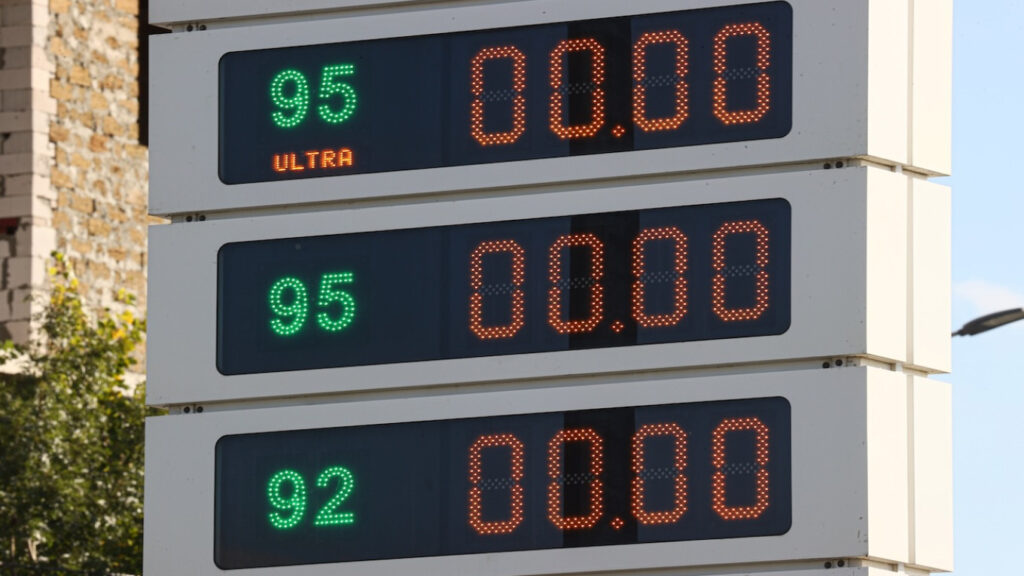

Russia set to import gasoline by sea as Ukrainian strikes cut refinery output

Russia is set to receive a seaborne gasoline cargo via one of its western ports this month—a rare step for one of the world's largest exporters of oil and refined products—as months of Ukrainian drone attacks on refineries, pipelines, and fuel storage facilities have created widening domestic shortages, four industry sources told Reuters on 17 June.
The scale of the supply disruption marks a measurable shift in Russia's energy position: Ukrainian strikes have reduced domestic refining capacity to the point where neighboring countries cannot compensate and crude oil exports are being maximized as strikes cut domestic refining and free up unprocessed crude for shipment—a dynamic now confirmed by multiple international energy monitors.
Scope of shortages
The gasoline will be shipped from Asia, one source said, without specifying volumes or suppliers. Russia had considered seaborne fuel imports in 2025, another source noted, but domestic supply proved sufficient at that time.
Media reports of fuel shortages have been recorded in around a dozen Russian regions, according to data compiled by Reuters. Russian-held Crimea and two Siberian regions have officially confirmed shortages. Russian independent outlet The Bell reported on 16 June that 53 Russian regions and all five occupied regions of Ukraine are implementing gasoline sale restrictions for private vehicles, with gas stations in 11 regions experiencing shortages despite no formal restrictions. The Bell noted that 18 Russian regions and all of occupied Ukraine have restricted individual purchases to 50 liters (13.2 gallons).
To reduce pressure on domestic supply ahead of the peak summer driving season, the Russian government announced a ban on gasoline exports for producers through the end of July. Russia has also imported fuel from Belarus and previously sourced small volumes from Kazakhstan; however, industry sources said neither country has sufficient spare capacity to address a deeper supply crisis.
Production and export pressures
The strikes are also affecting Russia's upstream operations. The International Energy Agency reported on 17 June that Russian crude oil production in May 2026 fell to 8.7 million barrels per day—approximately five percent below May 2025 levels and 10 percent below Russia's own May 2026 target. The IEA stated that Ukrainian strikes are forcing Russia to prioritize domestic oil product supply and maximize crude oil exports.
Bloomberg reported on 16 June that Russian average crude oil shipments between 17 May and 14 June reached 3.83 million barrels per day, the highest figure recorded in 2026, though shipments declined slightly in the most recent week. Bloomberg cited OPEC data showing Russian oil output in May 2026 averaged 9.01 million barrels per day—a higher figure than the IEA's crude-only estimate, reflecting OPEC's different methodology—690,000 barrels per day below Russia's production target under the OPEC agreement. Bloomberg also reported that Russia has just above 120 million barrels of oil on vessels at sea ready for export, a roughly 25 percent increase from April 2026. A Kremlin-affiliated Russian milblogger acknowledged on 17 June that the increase in crude exports is partly a consequence of declining domestic refining capacity.
The US sanctions waiver for Russian oil and petroleum products on vessels at sea expired on 17 June without renewal by the United States, a development that will likely intensify Russia's challenges with exporting crude oil already at sea, according to ISW's assessment of 17 June.
The most recent drone attacks targeted the TANECO refinery and the Moscow refinery, leading to the suspension of processing at both plants. Russia exported nearly 5 million metric tons of gasoline in 2025, or approximately 117,000 barrels per day, according to industry sources. Russia's Energy Ministry did not reply to a Reuters request for comment.
