La Habana, 13 jun (Prensa Latina) Cuba participó en una reunión en Viena que convocó el Organismo Internacional de Energía Atómica para identificar prioridades estratégicas en alimentación y agricultura de América Latina y el Caribe en el marco de la iniciativa Atoms4Food.
Ancient Greek woman taking bread out of the oven. Terracotta figure . 5th century BCE found in Tanagra. Exhibited at the Louvre Museum. Credit: Marie-Lan Nguyen CC BY 2.5
The ancient Greeks used to make a wide variety of breads, as they considered it to be of great importance in their eating habits.
Wheat, considered a gift from the goddess Demeter, was highly valued by the Greeks, who particularly preferred the hulled varieties. Barley, however, thrived in larger regions of mainland Greece. The varieties of wheat and barley with hulls had to be dried to separate the grain before they could be ground. Most Greeks, however, even in areas where wheat cultivation was economically unprofitable, were fond of wheat bread.
Bread made from hulled barley and porridge formed the basis of the ancient Greeks’ diet. The bread was enriched with olive oil and flavored with herbs, spices or honey.
Athenian bread was renowned for its excellent quality and was a source of pride for the Athenians, who imported wheat as the soil of Attica was unsuitable for its cultivation. Thearion, an Athenian of the 5th century BCE, had the honor of being considered the inventor of bakery ovens, and probably of the first bakeries.
Plato mentions Thearion the baker as one of the three people who “were the best caretakers of the human body.” The other two were Mithaecus, a Sicilian, the first known cookbook writer, and Sarambus, a famous wine maker.
The ancient Greeks showed great ingenuity and skill in the art of baking. Athenaeus cites many serious studies on the subject and lists over seventy different types of bread.
Breads were distinguished according to the grain used in their preparation: wheat, rye, millet and spelt. The last three were used only out of necessity, as everyone preferred wheat.
There was bread made from various types of flour: white bread made from finely sifted flour, black bread made from wholemeal flour, which was healthier. Nevertheless, ancient Greeks preferred white bread, because they considered it more refined and better tasting.
Bread was leavened with or without yeast and could be differentiated according to the baking method: oven bread, bread baked on embers or in a pan over the fire into which they put a filling and then dipped it in wine. Delicious, if we believe the praises of the poets: “bread spread from embers, a soft and delightful combination.” Also, some baked the dough on a spit.
The various liquids, fats and spices added to the flour could vary the density and taste of the bread. Wine, milk, cheese and honey, separately or combined in some way, as liquids, oil, ghee or lard as fats, but also poppy seeds, sesame and linseed are most often mentioned as spices.
Finally, the bread would be filled with various types of cheese, raisins and other nuts, sweet or savory ingredients. The bread was often served as a plate, on which meat or fish was placed.
Bread was kneaded and baked in homes, seasoned with sea salt for better taste.
In the Great Dionysia festivals, participants brought with them baskets containing wine, water and bread, which was needed for the sacrificial offerings. Ancient texts show that the Greeks offered bread to the gods, which they called the Gods’ Breads (Θειαγόνους Άρτους).
In the temple of Demeter in Eleusis, during the Thesmophoria feast, a large loaf of bread was offered to the goddess. The festival got its name Megalartia (meaning large bread) from the bread offering.
There was fierce competition among ancient Greek cities for which one produced the best bread. Athens boasted of Thearion, its best baker, whose name was found in the writings of many authors.
At weddings in ancient Macedonia, the bride’s parents cut the bread in two and the future husband tasted both portions. The custom was followed at the wedding of Alexander the Great to Roxane.
In ancient times, Cyprus was one of the granaries of the Greek world. According to Pliny, the wheat of Cyprus produced a famous brownish-yellow bread.
According to Diogenes Laertius, the smell of fresh, warm bread kept the wise man Democritus alive for three days so that his sister could take part in the Thesmophoria festival, in honor of Demeter. Thus, Democritus “hosted death in his house for three days and treated him to fresh, warm bread.”
Hippocrates mentions various types of bread made from wheat flour, sifted or not, with or without leaven, with bran, with bulgur, with honey and cheese, oil, poppy seeds and sesame seeds.
In the German Bread Museum in the city of Ulm, the most beautiful exhibits are four Greek figurines with female figures from the 5th century BCE, originating from Boeotia. The figurines depict the grinding of wheat in a mortar, the shaping of dough, the baking of bread, and the loaves ready for sale and eating.
In Rome, bread became popular and in 500 BCE, when the well-off Romans insisted on expensive white bread. Bread also played an important role in Roman weddings. In ancient Roman wedding ceremonies, the two families that were joining ate bread together.
Types of ancient Greek breads
There were at least 72 types of ancient Greek breads, named after the added ingredients used or the kneading, preparation method or baking procedure. Several of them are still made today in slight variations.
Alifatitis (Αλιφατίτης): a well-known bread made with added oil. It also contained animal fats. Similar to today’s puff pastry made with butter, a bread recipe of the ancient Greeks according to Larousse Gastronomique encyclopedia.
Artolaganon or laganon (Αρτολάγανον or λάγανον): a flavored bread with the dough rolled out thinly like a small pita and fried in oil. Artolaganon was the ancestor of today’s lagana which Greeks eat on Clean Monday. It was made with good quality flour.
Atabyritis (Αταβυρίτης): a round-shaped bread of the ancient Greeks that had a lot of crumb, and was particularly nutritious and fattening.
Vlomiaios bread (Βλωμιαίος άρτος): a bread with notches to make it easier to divide into pieces. Vlomiaios bread was usually octavlomos, that is, divided into eight pieces (vlomos: a small piece of bread).
Egrides (Εγκρίδες): made with soft dough like pancakes that was dipped in oil and honey.
Thridakini (Θριδακίνη): bread with the dough mixed with wild lettuce.
Plytos or Vasinias (Πλυτός or Βασυνίας): boiled bread. When boiled, it floats in the water. It is made in Crete (boiled buns) and is the ancestor of the Jewish bagel. There are mentions of this bread offering to goddess Iris on Delos island.
Krivanitis (Κριβανίτης): bread baked in a krivanos, that is, in a mobile clay oven.
Obelias (Οβελίας): it got this name because it was baked in special molds, the “obelisks” (spits) and because it was sold for an obol (όβολο), a small value coin.
Chondritis (Χονδρίτης): bread made from coarsely ground cereals.
Paxamas (Παξαμάς): a type of hard rusk. The name belongs to the baker (Paxamos) who had introduced it. The rusk was baked twice.
Plakountas (Πλακοῦς): was a sweet that had similarities to the modern cheesecake-type dessert. The sweet consisted of several layers of dough filled with honey and soft cheese. Its main ingredients were flour, cheese and honey. The dough of the plakountas was enriched with milk, fat, herbs and spices.
Pyritis bread (Πυρίτης): hulled wheat bread, from the ancient Greek word πυρός meaning the heart of the wheat seed.
Streptikios (Στρεπτίκιος): bread kneaded with milk, oil and honey. It was prepared by twisting the dough with the shape of the Easter tsoureki.
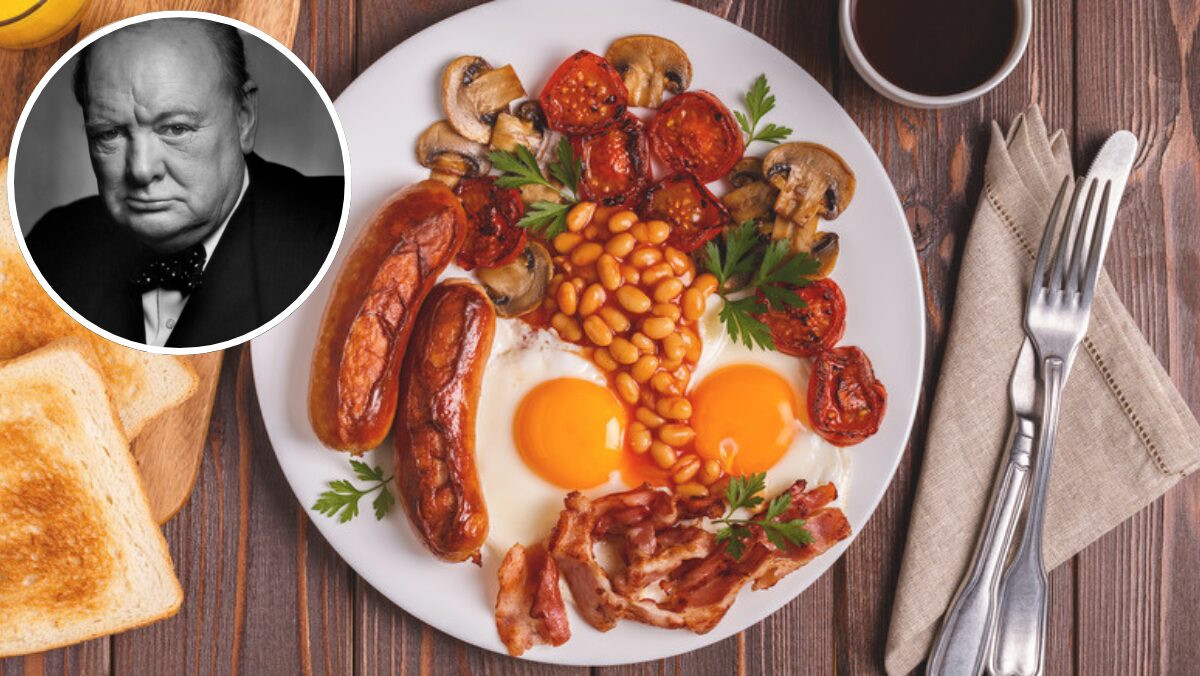
Arriva in libreria il 17 giugno La cuoca di Churchill di Annie Gray (Slow Food Editore), il romanzo ispirato alla vera storia di Georgina Landemare, la donna che per quattordici anni cucinò per il premier britannico accompagnando con i suoi piatti alcuni dei momenti più delicati della storia del secolo scorso.
Dietro i grandi della storia c’è spesso una cucina
Ci sono vite che scorrono lontano dai riflettori ma che, in modo silenzioso, finiscono per lasciare un segno nella grande Storia. È il filo conduttore di La cuoca di Churchill, il nuovo romanzo di Annie Gray in uscita il prossimo 17 giugno, che racconta l’esistenza straordinaria di Georgina Landemare, la donna che durante gli anni più difficili della Seconda guerra mondiale si prese cura della tavola di Winston Churchill.
Il volume si inserisce nel filone delle biografie romanzate che riportano alla luce figure rimaste per decenni nell’ombra, proprio come accaduto con titoli di successo quali La cuoca dei Kennedy e La ragazza delle meraviglie. Libri che trasformano documenti, lettere e testimonianze dimenticate in racconti capaci di restituire voce a protagonisti invisibili.
La donna che conquistò il mondo dei fornelli
Nata in un modesto villaggio rurale dell’Inghilterra vittoriana, Georgina Landemare crebbe in un ambiente fatto di sacrifici, lavoro e tradizioni culinarie tramandate di generazione in generazione. Contro ogni aspettativa riuscì però a imporsi in un settore quasi esclusivamente maschile, diventando una delle poche chef donne dell’epoca.
Quando entrò al servizio di Winston e Clementine Churchill nel 1940, nessuno poteva immaginare che sarebbe rimasta accanto alla famiglia per ben quattordici anni, più a lungo di qualsiasi altro membro dello staff domestico.
Tra diplomazia, guerra e atmosfere da Downton Abbey
Per Churchill il cibo non era un semplice piacere, ma uno strumento di relazione e diplomazia. Le cene organizzate da Georgina contribuirono a creare quell’atmosfera conviviale che il premier britannico considerava essenziale nei rapporti politici e internazionali.
Attraverso la sua vicenda personale, Annie Gray ricostruisce un intero mondo: quello delle grandi dimore inglesi, del servizio domestico, della cucina britannica tra gli ultimi fasti dell’età edoardiana e le privazioni imposte dal conflitto mondiale. Un romanzo che unisce rigore storico e narrazione, destinato a conquistare gli appassionati di storia, le lettrici in cerca di figure femminili forti e chi continua a sentire la nostalgia delle eleganti atmosfere di Downton Abbey.
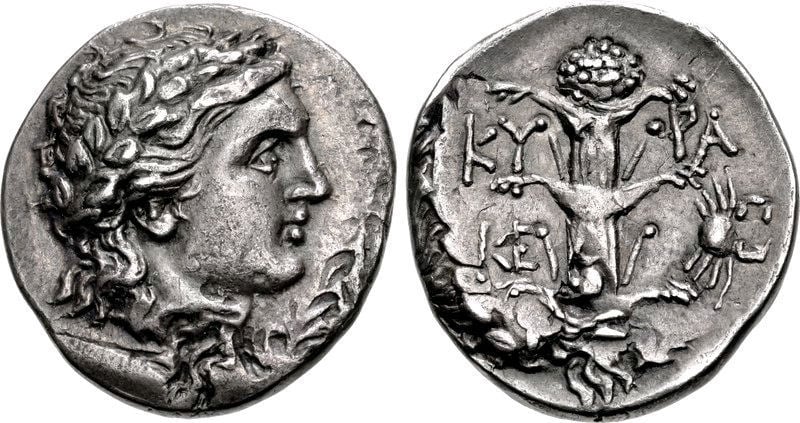
A plant used by the ancient Greeks for medicine, food and even contraception was one of the most sought-after goods in the ancient world. Credit: Classical Numismatic Group/Wikimedia Commons/CC BY-SA 3.0
An ancient Greek plant, now extinct, called Silphium, was used by the ancient Greeks and Romans for perfume, seasoning, medicine, and even contraception. It was one of the most sought-after goods in the ancient world.
The plant was so useful that Julius Caesar himself was said to have a large stash of silphium on hand at all times.
Silphium only grew in a narrow strip of land near the North African city of Cyrene in modern-day Libya and was essential to the city’s economy. The cultivation and trade of the plant transformed Cyrene into the richest region of Africa at the time.
Its widespread use in the ancient world allowed Cyrene’s economy to flourish, which in turn transformed the city into a center of art, culture, and medicine in the ancient Greek world.
In fact, it was home to a famous medical school and even a philosophical movement based around happiness whose members were called the Cyrenaics. Eratosthenes, the famous Greek mathematician, was a native of the city.
Although now extinct, researchers have determined, through studying ancient drawings and descriptions of the plant’s taste and appearance, that silphium likely belonged to the genus Ferula, which includes existing plants like giant fennel and asafoetida.
This theory is bolstered by the fact that asafoetida, which is still widely used today in Indian and central Asian cooking, was used as a cheaper substitute for silphium in antiquity, meaning that it was either related to the plant or had a very similar flavor.
The extinct plant silphium had many uses for ancient Greeks
Plants of the genus tend to resemble ancient depictions of the plant, which was widely found on coins from Cyrene due to its economic importance to the city.
It seems to have been a tall, flowering plant with a heart-shaped seedpod on the top. In fact, some theories about the origins of the modern symbol for love point to the shape of silphium’s seedpod, as the plant was widely used as an aphrodisiac.
Silphium was long used throughout the ancient Mediterranean. Both the Minoans and ancient Egyptians had specific glyphs to represent the plant, and it was widely lauded in songs and poems across ancient cultures.
According to myth, silphium came from the god Apollo himself. It had a wide variety of medicinal properties and was used to treat cough, pain, warts, fever, and indigestion. Although considered an aphrodisiac, it was also used as a contraception and even as an abortifacient.
Silphium was likewise found in Greek and Roman cuisine and featured prominently in recipes by Apicius, who compiled one of the most well-preserved collections of ancient recipes in existence today.
Its earthy scent and medicinal properties also made it an important ingredient in perfume, as well as in ancient lotions and creams.
Why did silphium go extinct?
Due to its varied uses, silphium was in very high demand. Yet, by the time of the Roman emperor Nero, who lived from 37 to 68 AD, the plant was virtually extinct. According to Pliny, when the last remaining silphium plant was found, it was given to Nero.
Scholars theorize the plant was over-harvested and over-farmed due to its popularity, causing the soil in the limited area where the plant grew to become devoid of nutrients.
Additionally, shepherds used to feed silphium to their flocks, as the plant would transform the meat, making it tender and delicious. Scholars theorize that overgrazing of the plant likely contributed to its demise.
Others claim that regional climatic changes, which caused once green fields to turn into an arid desert, resulted in the plant’s extinction.
Ancient writers, such as Theophrastus, noted that silphium was very sensitive to changes in soil and therefore could not be cultivated in large numbers nor in areas outside of Cyrene.
Quanta lungimiranza in quel titolo Buono pulito e giusto (Carlo Petrini, Einaudi 2005). Queste tre dimensioni sono entrate in crisi tutte insieme: non sono disgiunte, sono correlate. Ed è proprio nel disgiungerle e volerle affrontare separatamente che l’approccio riduzionista del secolo scorso mostra le sue fragilità.
Buono pulito e giusto è la nostra definizione di cibo di qualità e racchiude in sé la dimensione esistenziale del piacere e della bellezza (il buono), quella dell’armonia con la Terra Madre (il pulito) e quella della giustiziasociale (il giusto). Quindi evitiamo di insistere nell’errore di spezzettare la complessità globale e cadere nella retorica.
Molta retorica si è sprecata per raccontare quello che è accaduto ad Amendolara: ascrivendolo a fatto isolato. Accusando gli esecutori materiali, che certo devono pagare per quel che hanno fatto. Definendo i braccianti sfruttati “gli invisibili”, “la massa silenziosa”. Ma non sono né invisibili né silenziosi. Sono migliaia di persone: invisibili solo se non si vogliono vedere, silenziose solo se non si vogliono sentire.
Quello che è accaduto ad Amendolara è persino innominabile, perché un livello di orrore a cui è difficile pensare, la mente vacilla: eppure i loro nomi devono essere menzionati, i nomi di quattro esseri umani, quattro giovani uomini con la loro esistenza, un miracolo unico e irripetibile, a cui è stato dato fuoco. Ullah Ismat Qiemi, 19 anni. Safi Iayjad, 27. Amin FazalKhogjani, 28 anni. WaseemKhan, 29.
Prima di ogni altra cosa risulta inaccettabile che esistano troppe zone d’ombra nel lavoro dove lo Stato latita e forme di sfruttamento come il caporalato prendono sempre più piede, da Sud a Nord: oltre all’agricoltura e alla produzione di cibo, esiste l’edilizia e il trasporto.
Poi bisogna iniziare a dirci che è necessario compiere delle rotture: di fronte a tanta violenza causata da storture strutturali, anche le rotture devono essere strutturali.
Questa gente muore sull’altare del prezzo basso alla vendita: sia chiaro, quando paghiamo 0,99 euro al chilo i pomodori (ma anche le fragole, le zucchine, i peperoni…) non stiamo pagando i pomodori. I pomodori ci arrivano gratis: noi stiamo pagando il carrello, la luce del supermercato, il camion che li ha portati, ma sicuramente non stiamo pagando i pomodori. E tantomeno stiamo pagando chi li ha raccolti.
Giorni fa ho preso parte ad una conferenza legata al progetto Fao “Mountain Partnership”: un progetto internazionale che mira a recuperare il lavoro artigianale di comunità montane, soprattutto il sapere artigianale femminile della tessitura. La Fao ha coinvolto quattro stilisti italiani per scoprire e valorizzare il lavoro e il sapere di queste donne. Tra questi c’era lo stilista Antonio Marras che spiegava cosa accade analogamente nel settore moda: quando acquistiamo un capo a 9,90 euro stiamo pagando la gruccia, la commessa, le luci, ma non stiamo pagando il vestito. Ecco esattamente quello che succede nel cibo: perché si tratta di un problema strutturale, di modello, non una criticità isolata.
E non si sottovaluta qui il prerequisito legato al prezzo del cibo: senza cibo si muore ed esso deve essere accessibile. Ma al contempo sarà necessario iniziare a fare analisi più radicali: perché se riteniamo che gli stipendi medi non consentono agli esseri umani di nutrirsi in modo buono, pulito e giusto, dobbiamo rivedere gli stipendi. Il prezzo del cibo viene stigmatizzato semplificando all’estremo la questione: “Ma il povero pensionato che prende 600 euro al mese, come fa a comprarsi cibo di qualità?”. Ecco forse dobbiamo discutere dell’adeguatezza di quella pensione, se non permette di alimentarsi con cibo di qualità, che è legato a doppia mandata alla salute.
L’altra rottura è legata allo sfruttamento: con il modello produttivo e consumista vigente, abbiamo accettato lo sfruttamento come premessanecessaria, funzionale e irrinunciabile. Sfruttamento delle risorsenaturali, del suolo, della fertilità, della biodiversità, dell’acqua, degli animali, ma anche degli esseriumani. Se accettiamo in premessa lo sfruttamento perché ci promette una qualche forma di benessere, allora accettiamo anche quello che è successo ad Amendolara. Qui invece dobbiamo compiere una rinuncia: dobbiamo rinunciare allo sfruttamento in premessa.
La ricerca Ismea del 2025, riferita al 2024, sui costi e i redditi in agricoltura, evidenziava come su 100 euro di spesa alimentare in un supermercato, in caso di materia prima, al contadino ne vanno 7. Sette euro su cento che noi spendiamo. Nel caso poi di materia prima trasformata – ed è trasformato già il prezzemolo che compriamo nella busta – al contadino va 1,50 euro su 100.
Pertanto, quando affermiamo che se paghiamo una verdura 0,99 euro al chilo, non stiamo pagando la verdura, questo implica che non stiamo pagando i contadini che rimangono sempre schiacciati dalle pressioni del mercato. Allora chi fa i soldi in agricoltura? Sono le banche, i fondi di investimento, le grandi societàfinanziarie, le grandi multinazionali dell’agrobusiness e la grande distribuzione. In questa cornice è funzionale la grande agricoltura industriale delle pianure con le sue fragilità: la monocoltura, le sementibrevettate, il consumo di suolo a ritmi vertiginosi, ampio impiego di macchinari e sostanze di sintesi con le ricadute ambientali e sanitarie sotto gli occhi di tutti.
Quindi, di nuovo, il tema è strutturale: è tempo di aver coraggio di mettere in discussione il modello. Dobbiamo avere il coraggio di farlo perché non possiamo accettare quello che è successo ad Amendolara. Non possiamo accettare quello che è successo Satnam Singh vicino a Latina.
Quel modello non è né buono, né pulito, né giusto. Ma un’altra idea di mondo esiste: è possibile e anche urgente, e dovrà essere buona, pulita e giusta.
La città in cui si mangia meglio al mondo è Lima, in Perù. Bangkok è al secondo posto, Città del Messico è al terzo, mentre la prima città italiana in classifica è Napoli al 14simo posto. È stata la celebre rivista britannica Time Out a pubblicare la classifica delle migliori città al mondo a livello gastronomico.
“Le città presenti in questa lista sono note per i loro ingredienti, le cucine iconiche e le profonde tradizioni culinarie che hanno influenzato il modo in cui le persone mangiano in tutto il mondo”, ha dichiarato Virginia Gil, redattrice per gli Stati Uniti di Time Out. “Non sono solo mete ambite dagli amanti del buon cibo; sono luoghi che da decenni attraggono viaggiatori in cerca di esperienze gastronomiche indimenticabili”. Insomma, niente stelle Michelin, Tripadvisor o 4 ristoranti di Alessandro Borghese.
Il listone di Time Out è un elenco globale e multistrato sulle impressioni generali di 24.000 residenti locali in 150 città di tutto il mondo, sull’insieme di panini, piatti, bibite e companatico presenti nelle grandi città del mondo. Così svetta Lima dove Time Out segnala piatti tipici come il ceviche e la causaLimeña e dove, pare, si mangi bene senza spendere una fortuna (le dimensioni della fortuna però non sono presenti ndr). Al secondo posto ecco Bangkok, in Thailandia, che avrebbe innata la “cultura dello street food senza eguali”.
A Città del Messico gli interpellati da Time Out hanno apprezzato “la scena gastronomica variegata che spazia dai ristoranti stellati Michelin ai mercati di strada locali”. Al quarto posto, la prima città europea, Londra, che è poi un luogo dove non esiste una vera e propria tradizione culinaria ma dove se ne mescolano centinaia. Al quinto posto sbuca Barcellona e Time Out segnala le patatas bravas (sic). Se poi pensate che i gastronomi britannici piazzano quindicesima New York per “le sue pizze”, possiamo tranquillamente giocare con questa classifica come un giocoliere fa con i birilli o con le arance.
Quello che doveva essere un pranzo informale tra amici si è trasformato in un’esperienza da dimenticare per due coppie della provincia de La Spezia, accompagnate dai rispettivi figli piccoli. Seduti ai tavoli di una nota catena di fast food per consumare hamburger e patatine, si sono ritrovati improvvisamente investiti da una copiosa fuoriuscita di liquido proveniente dall’impianto fognario del locale. L’episodio è avvenuto nel primo pomeriggio di lunedì 8 giugno. In seguito all’accaduto, l’Asl ha disposto la sospensione dell’attività dell’esercizio commerciale, mentre sulla vicenda sono state avviate verifiche da parte delle autorità competenti.
Come riportato da “La Nazione”, alcuni segnali di criticità erano emersi già al momento dell’arrivo delle due famiglie nel locale. “Appena entrati nel locale, abbiamo chiesto di poter accompagnare i bambini ai servizi igenici. Ci è stato risposto che tutti i bagni erano fuori uso senza offrirci ulteriori spiegazioni. Quindi ci siamo accomodati ai tavoli assegnati”, raccontano i clienti coinvolti.
Una volta seduti, il gruppo avrebbe notato la presenza di diversi tecnici impegnati a controllare ripetutamente il controsoffitto nella zona dei tavoli. Un’attività che, in quel momento, non aveva destato particolari sospetti. La situazione è precipitata poco dopo. “Pochi minuti dopo, la pressione nelle tubature ha fatto saltare in aria un pannello del soffitto e si è improvvisamente riversata una grande quantità di liquido fognario che ci ha investiti completamente come una vera e propria cascata. Siamo stati bagnati da capo a piedi, compresi i due bambini presenti che sono rimasti scioccati e in lacrime, mentre gli adulti cercavano di capire come fosse avvenuto. I tecnici hanno confermato che si trattava di acque scure”.
Al via gli accertamenti sul caso
Oltre allo choc per quanto accaduto, le famiglie hanno manifestato preoccupazione per le possibili conseguenze sotto il profilo igienico-sanitario. Nel mirino anche la gestione dell’emergenza da parte del personale del fast food: “Dopo l’accaduto nessun membro del personale ha prestato assistenza al gruppo, non ci sono stati forniti né fazzoletti né asciugamani o altro per pulirci. E non abbiamo ricevuto neanche le scuse”. Dopo l’intervento della polizia locale e degli altri enti competenti, i clienti hanno deciso di formalizzare un esposto. “Abbiamo sporto denuncia affinché vengano svolte tutte le verifiche necessarie e sia fatta piena chiarezza sull’accaduto”. Sulla vicenda sono ora in corso gli accertamenti delle autorità, chiamate a ricostruire la dinamica dell’incidente e a verificare eventuali responsabilità legate alla manutenzione degli impianti e alle procedure di sicurezza adottate dal locale.
Abu Dhabi’s state-owned investment firm Mubadala is preparing a bid for the operator of Burger King in Portugal and Spain, which has been owned by British private equity group Cinven
The island of Skiathos in Greece, renowned for its picturesque beaches and vibrant atmosphere, is reviving its ancient wine production as it gains recognition as a gastronomic destination in the Sporades.
Mayor Thodoris Tzoumas has highlighted the island’s unique culinary identity, emphasizing the harmonious blend of fresh seafood and local produce. In speaking to Greek Reporter, he mentioned dishes such as shrimp with wild greens, octopus with zucchini, and distinctive soups featuring foraged greens. The island’s beloved “pita,” both oven-baked and fried, also holds a special place in its culinary heritage.
The return of wine to Skiathos
Skiathos vineyards. Credit: Greek Reporter
A pivotal development in Skiathos’ burgeoning gastronomic scene is the establishment of its first modern winery, Parissi Winery. This enterprise signifies a profound reawakening of the island’s long-dormant winemaking tradition.
Historically, Skiathos boasted a flourishing viticultural landscape, with vineyards thriving until the mid-20th century. However, a combination of prolonged drought and shifting economic priorities led to a decline in wine production, with many locals turning to olive cultivation instead.
According to Maria Koutseri, co-owner of Parissi Winery, a key element defining Skiathos wines is the island’s unique terroir. Many of their vineyards are strategically situated in secluded areas in close proximity to the sea. This coastal influence imparts a subtle yet distinctive salty, savory characteristic to their wines. This intriguing quality echoes historical accounts of “Stratis,” an ancient Skiathian wine rumored to have incorporated seawater during its production, a practice believed to have enhanced its flavor and appeal among the Romans.
Parissi Winery is dedicated to reclaiming this forgotten legacy. Despite the inherent challenges of cultivating vineyards on a highly tourist-driven island, they are demonstrating the immense potential for producing high-quality, distinctive wines.
The winery operates on a small scale, meticulously cultivating 45 strains of exclusively Greek grape varieties. Their focus is unwavering on showcasing the indigenous flavors of Greece, including Roditis, Assyrtiko, Malagouzia, Alexandria Muscat, Xinomavro, and Limniona. From these, they craft a select range of offerings: four dry whites, one rosé, one red, and a sweet wine, all of which are sold exclusively on Skiathos.
An assortment of wines. Credit: Greek Reporter
A wine-making legacy reclaimed
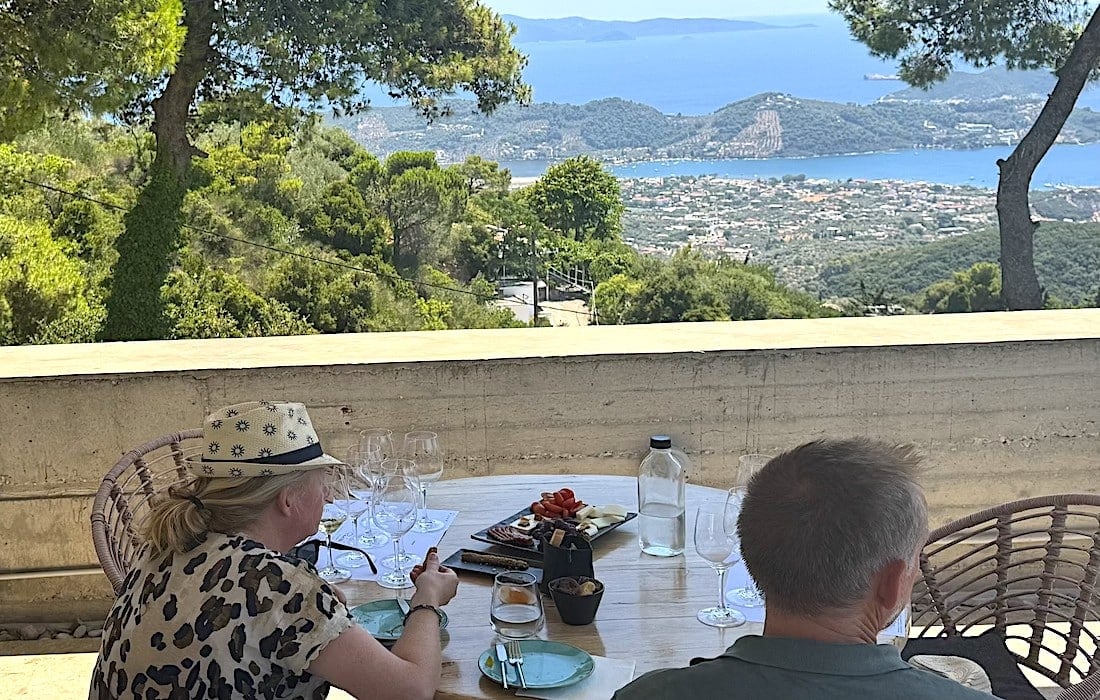
Perched at one of the island’s highest points, Parissi Winery not only offers a taste of its unique wines but also commands breathtaking panoramic views of Skiathos town. Visitors are invited to embark on an immersive experience, beginning with a guided tour of the vineyards, where they learn about the cultivation process and specific grape varieties.
The journey continues into the production area, providing firsthand insight into the meticulous winemaking journey. The experience culminates in a dedicated tasting session, allowing guests to savor the distinctive flavors of Skiathos and take home a piece of its revitalized wine heritage.
Maria Koutseri expresses her heartfelt hope that Parissi Winery will serve as a catalyst, encouraging others to join in this revival. She envisions a future where Skiathos’ rich winemaking tradition is fully restored and celebrated, thereby adding a lasting and sophisticated dimension to the island’s growing reputation as a premier gastronomic destination.

 Login
Login