The degree of brain plasticity in fathers may be linked with how much they interact with their baby. Although fathers in many parts of the world are increasingly taking part in child care, paternal...
Campaigners found 64 per cent of women require emergency surgery for Placenta Accreta Spectrum and 30 per cent have to undergo hysterectomies — as they call for more to be done to detect condition
Technique that examines fragments of foetal DNA in mother’s bloodstream could limit need for invasive screening, according to researchers
A new maternal blood test that can detect thousands of serious genetic conditions in the developing foetus could limit the need for invasive screening during pregnancy, according to scientists.
The test, to be described at the European Society for Human Genetics conference in Gothenburg on Saturday, relies on detecting tiny fragments of a foetus’s DNA that circulate in the mother’s bloodstream during pregnancy. Using advanced sequencing techniques, scientists were able to identify a very high proportion of genetic conditions, such as cystic fibrosis, that are currently only reliably diagnosed using amniocentesis or other invasive tests.
Journalist and healthcare campaigner was driving force behind patient safety initiative after death of 13-year-old daughter
The healthcare campaigner and journalist Merope Mills has been made a CBE in the king’s birthday honours list for services to patient safety.
Mills, a senior editor at the Guardian, was a driving force behind the introduction of an initiative in England said to have potentially saved hundreds of lives. She has spent years campaigning for the introduction of Martha’s rule under which patients, relatives and staff can seek a second opinion if they have concerns about the care being provided.
A health worker in the town of Mongbwalu, Democratic Republic of Congo, collecting medication for patients suspected of having Bundibugyo virus last month.
Desperate US parents pay up to $20,000 a session for a procedure scientists say could be bogus
Autistic children as young as 18 months old are being injected with human stem cells derived from umbilical cords in unapproved, unproven and potentially harmful “treatments” that scientists warn are proliferating across the US under the active encouragement of the US health secretary, Robert F Kennedy Jr.
Clinics in Florida, Texas and other states are selling what they bill as “regenerative medicine” to families with autistic children who have intensive care needs. Parents who have taken their children through the process talked to the Guardian about their hopes and fears for a therapy that appears to be gaining ground in the US.
Imperial College scientists analysed health records before and after introduction of air pollution reduction zones
Low emission and clean air zones attract controversy whenever they are proposed, but there is growing evidence that they work in improving air quality. The Bradford zone was followed by a reduction of about 25% in GP visits for heart and breathing problems and survey data shows that the central London zone was followed by a reduction in the likelihood of a person taking sick leave.
Ayoub Junaid, seven, given new pair but needs surgery as Gaza’s children remain unable to access treatment
A video of a seven-year-old Palestinian boy in Gaza who suffers from a severe visual impairment crying over his shattered glasses has drawn widespread attention across social and international media.
The footage of Ayoub Junaid has shone a light on the plight of the many visually impaired children in Gaza who, because of Israel’s blockade and the devastation caused by the war, have been unable to access eye examinations, corrective lenses or specialist ophthalmic surgery.
Doctors say therapy that genetically modifies person’s T-cells could offer cure for chronic autoimmune disease
Five lupus patients in England are in remission after being treated with a revolutionary therapy that genetically modifies their own cells, in a medical breakthrough that could offer people a cure, doctors have said.
CAR (chimeric antigen receptor) T-cell therapy involves removing a type of white blood cell also called T lymphocytes, which are crucial for hunting out infected or damaged cells, and engineering them to spot and destroy disease. The T-cells are then fed back into the patient via an infusion to reset their immune system.
Report says confidence among 16- to 21-year-olds has fallen sharply as they doubt hard work will be rewarded
Young people in England are increasingly “losing faith in their futures” according to a report, as record numbers fear long-term unemployment.
Analysing survey data, including from the Office for National Statistics, the Institute for Public Policy Research (IPPR) said 16- to 21-year-olds were less confident about being successful than a decade ago.
One-off programme to begin in July after recent MenB outbreaks in Kent, Dorset and Berkshire killed three people
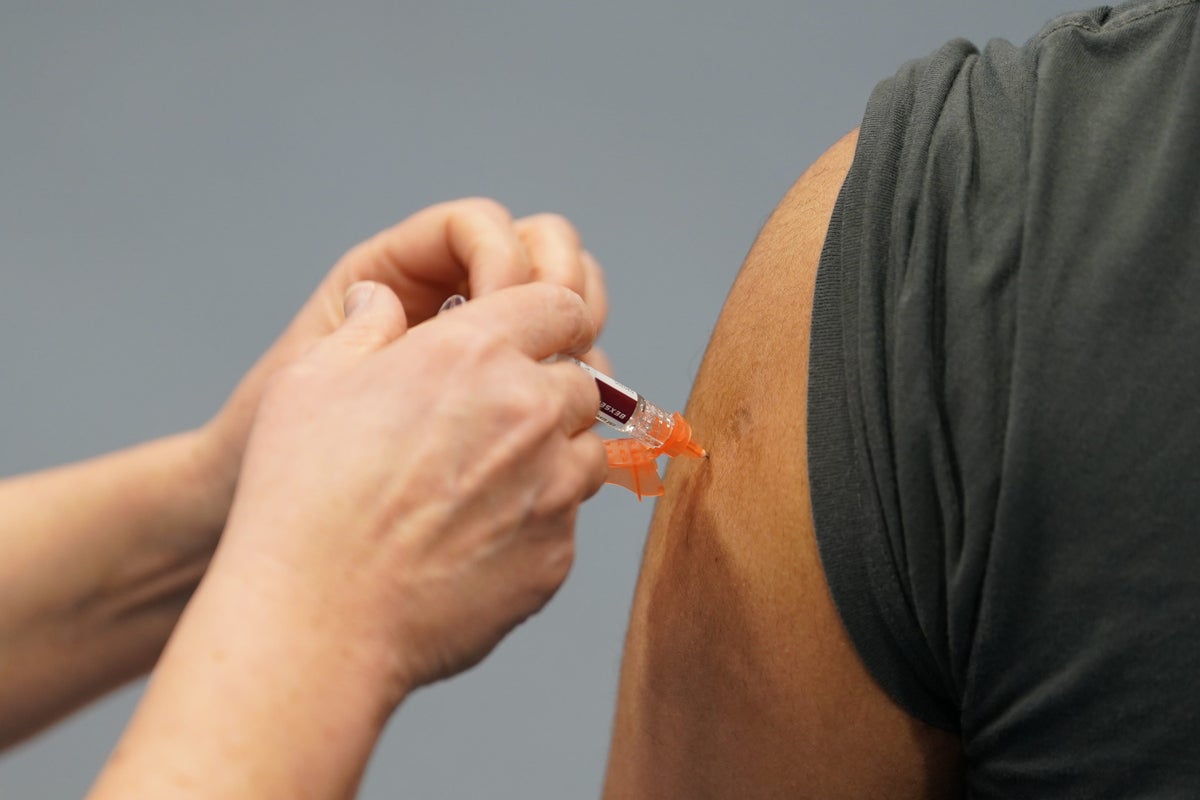
Teenagers in their final school year and young people starting university will be offered two doses of a vaccine to protect them against meningitis B, the government has announced.
The one-off vaccination programme, which will begin in late July, comes after an unprecedented outbreak of meningitis B in Kent earlier this year along with clusters of cases in Dorset and Berkshire that, together, led to the deaths of three young people.
Teens who use social media two hours daily at higher risk of depressive symptoms, study finds
Teenagers who spend hours glued to social media are likely to experience poorer mental health and a decline in wellbeing, a decade-long study shows, with young girls most at risk.
 Login
Login