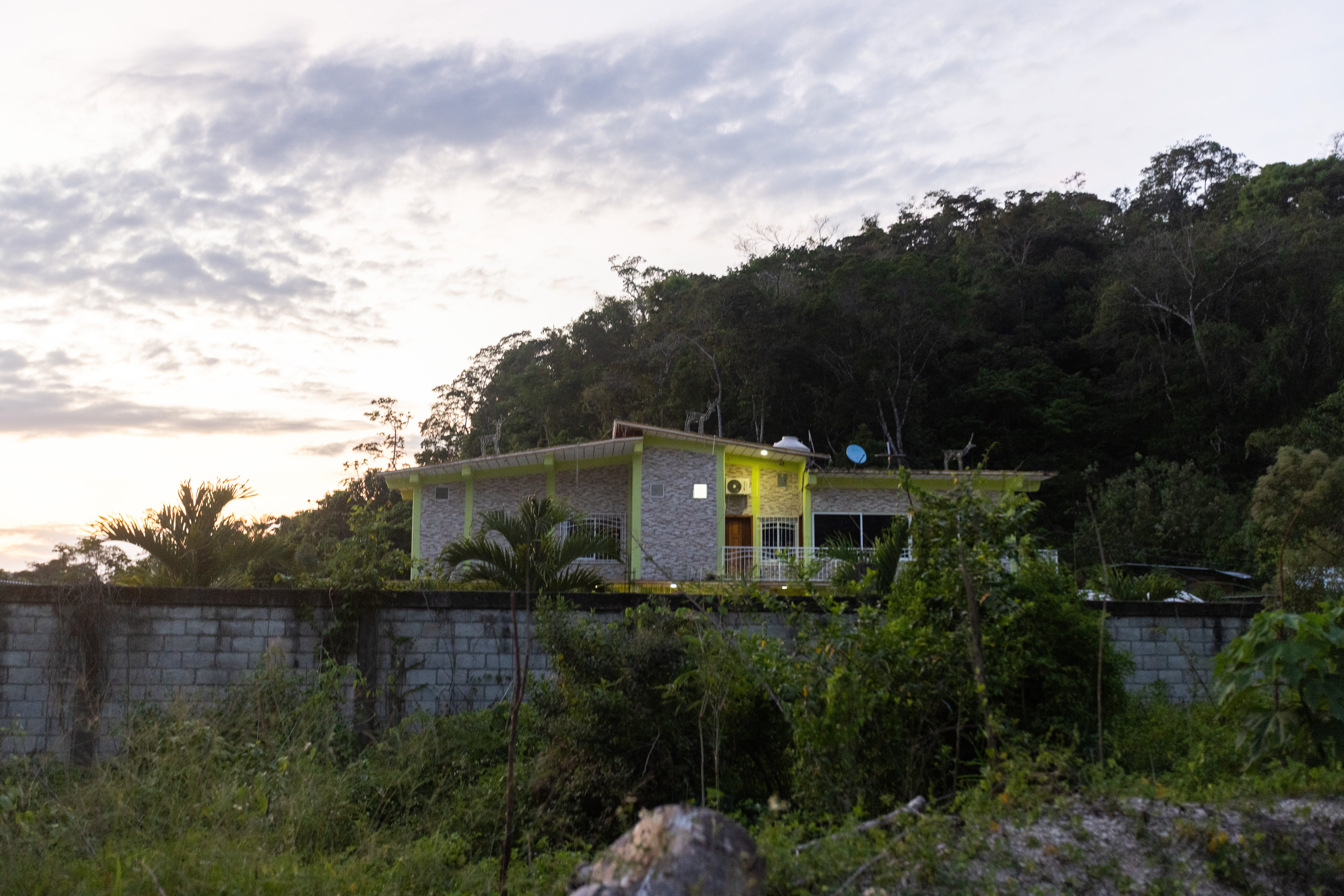
Everything in this story comes back to El Cabra. Everything leads to him, Cabrero Segundo, the “famous Lacandón,” the boss, a man of average height, about five foot five, brown-skinned, with a paunch, a goatee and tattoos: a cross on his left shoulder and a jaguar on his right. An eccentric character. In the film he had made about his life, he cast a hulking actor who was eight inches taller. At the height of his power he built a clandestine airstrip two minutes from his house to receive drug shipments. The night he kidnapped 33 soldiers, disarmed and stripped them — no one in the jungle forgets that — he spent the final hours before dawn snorting cocaine in front of them, using a banknote. El Cabra, a man with ambition.
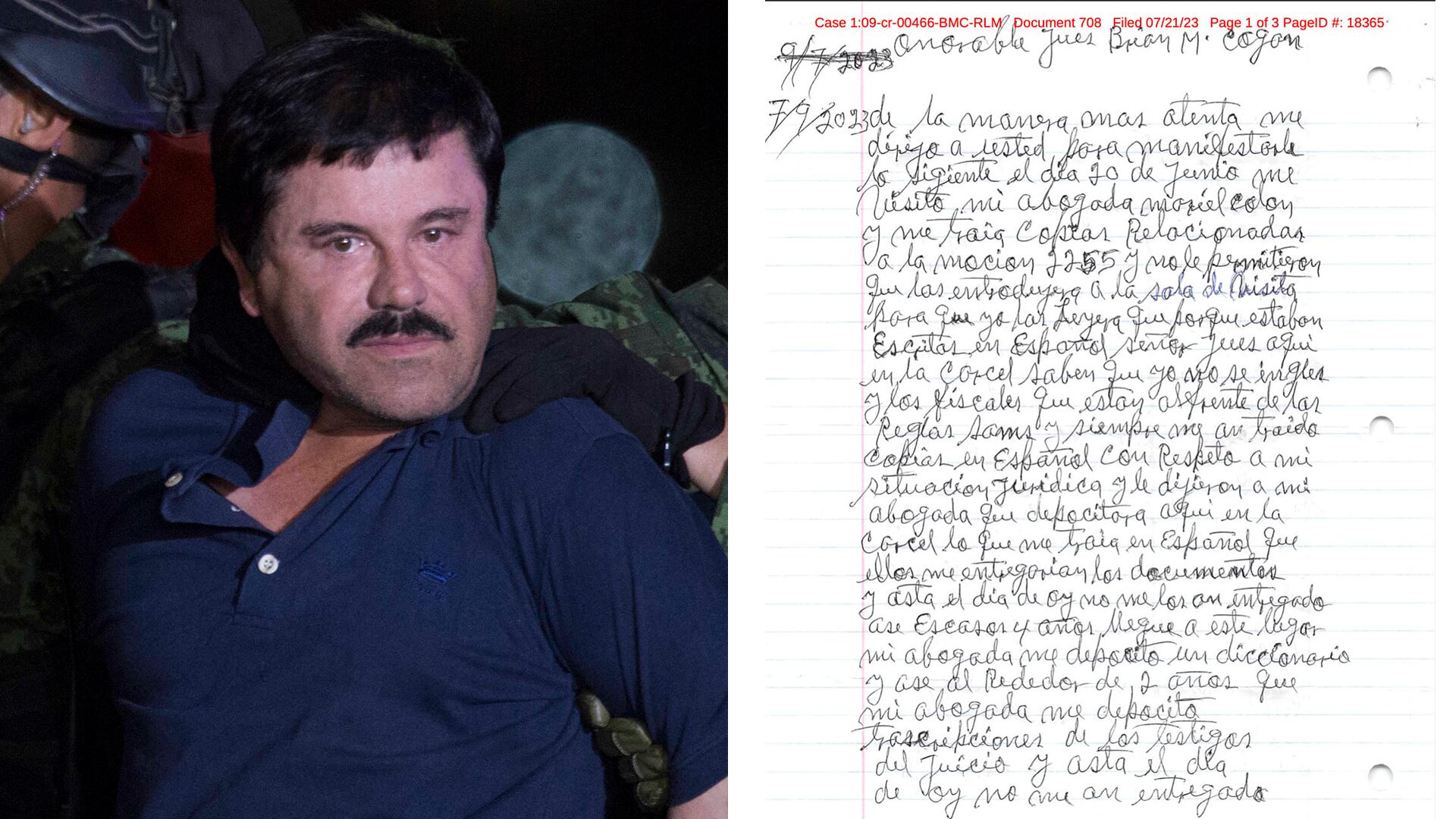
There are two Joaquín Guzmáns. One, known as “El Chapo,” rose to become the world’s biggest drug trafficker. He was feared by his rivals and by the authorities. He spilled the blood of anyone who crossed his path. It didn’t matter if they were members of a rival cartel, or innocent civilians.
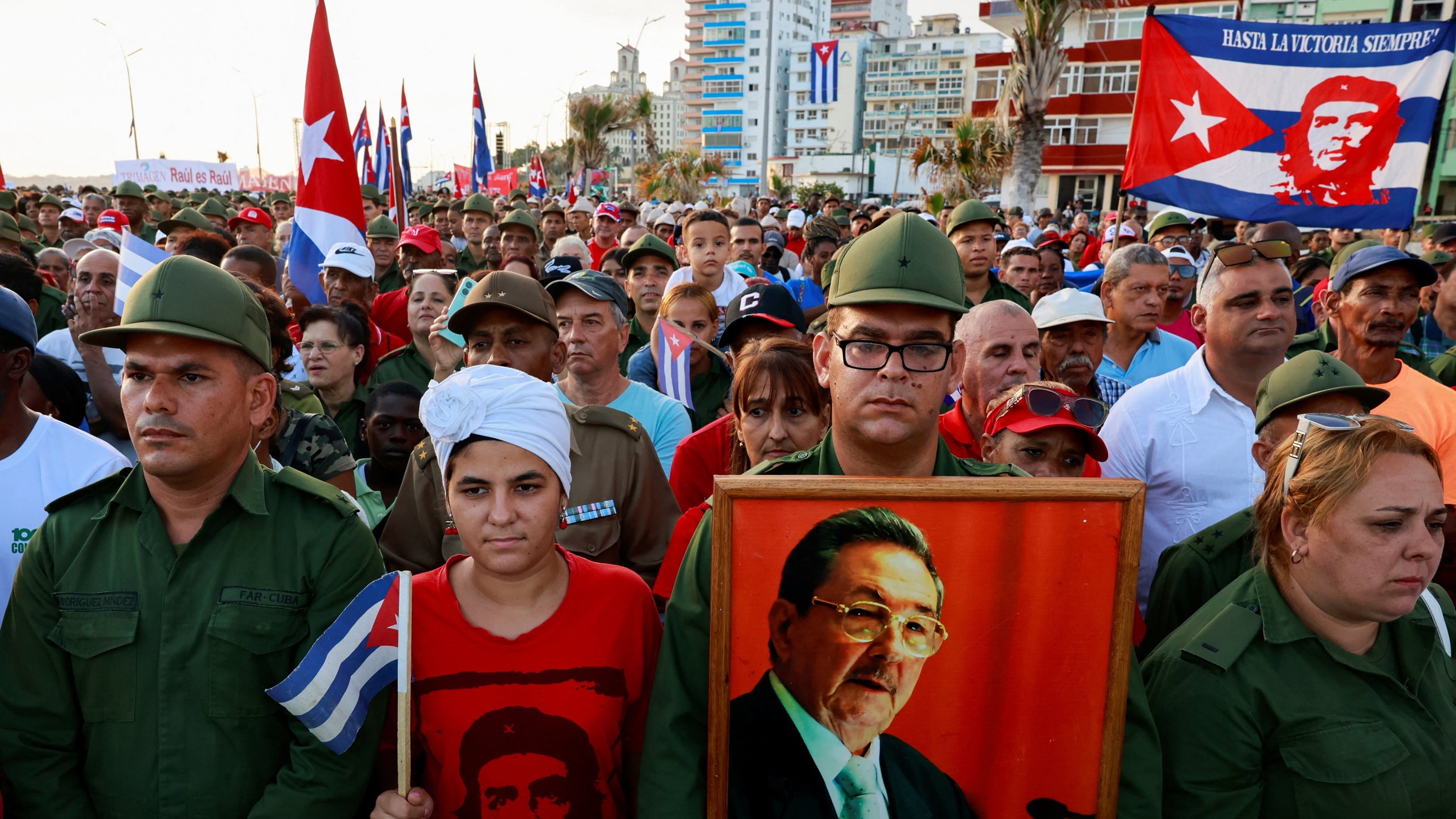
It’s quite possible that the Cuban Revolution will soon die. Just over 67 years ago, it burst forth laden with hopes and redemptive promises. Biblical parallels abounded: there were 12 survivors of the Granma — the yacht that transported the fighters from Mexico to Cuba — and a messiah (Fidel Castro) triumphantly entered the new Jerusalem (Havana). A dove landed on his shoulder as he recited the divine word for hours on end, foreshadowing paradise on earth. Meanwhile, on the other side of the water — the Straits of Florida — the Yankee devil threatened this paradise from hell.
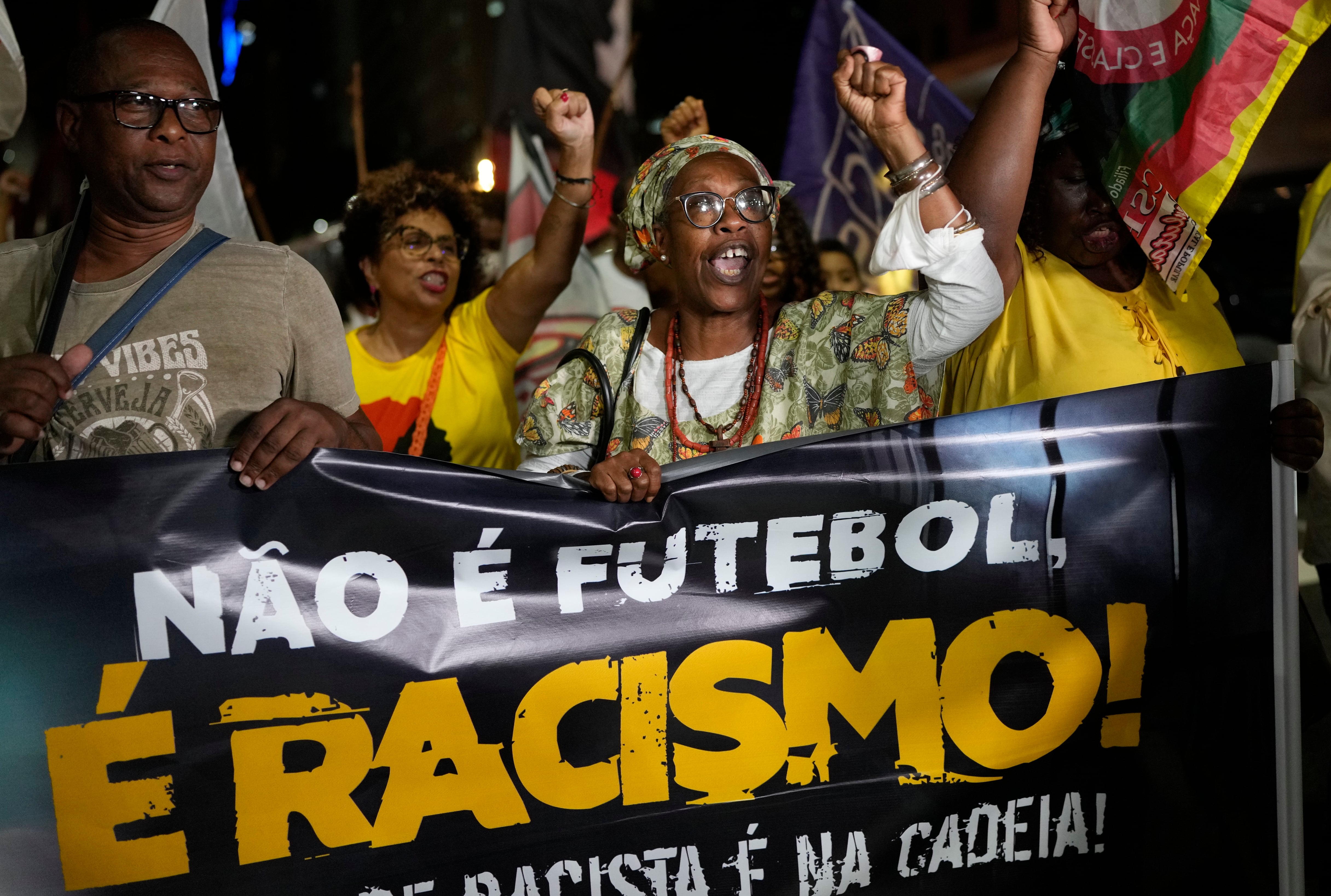
When he arrives at his office in the morning, Rio de Janeiro Police Chief Rita Salim knows that throughout the course of the day, two or three people will come in to report having been a victim of racism. Some will do so after having lived a life of discrimination based on the color of their skin. “Many victims come when they can’t take it any more, the drop that made the cup overflow,” she says in an interview at her office. It’s a sorry state of affairs — but at the same time, there is hope. The veil of silence and shame that historically covered up this kind of discrimination is lifting. Brazil documented more than 7,000 complaints of racism in 2025, 67% more than the year before.
Protesters holding a banner that reads 'It's not soccer, it's racism' during a demonstration in Rio in 2023 following insults and threats against footballer Vinícius Júnior in Spain.
Peter Atwater, a professor of economics at William & Mary in Williamsburg, Virginia, began popularizing the idea of a “K‑shaped economy” shortly after the pandemic began. Analysts were debating on social media what the recovery would look like after the self‑induced coma into which GDP had been plunged, and they floated the usual options: an L (a plunge followed by stagnation), a V (a rebound as sharp as the drop), a W (a renewed recession after a brief uptick)… Though he wasn’t the first to suggest the K. An unknown user — now rebranded as Ivan The K — argued on X (still called Twitter at the time) that the final letter would be a K: meaning some things would recover and others wouldn’t. For Atwater, 65, that message was a revelation that went much further: the more privileged social groups would emerge from the pandemic strengthened in several aspects of their lives, while those at the bottom would be worse off relative to 2019.
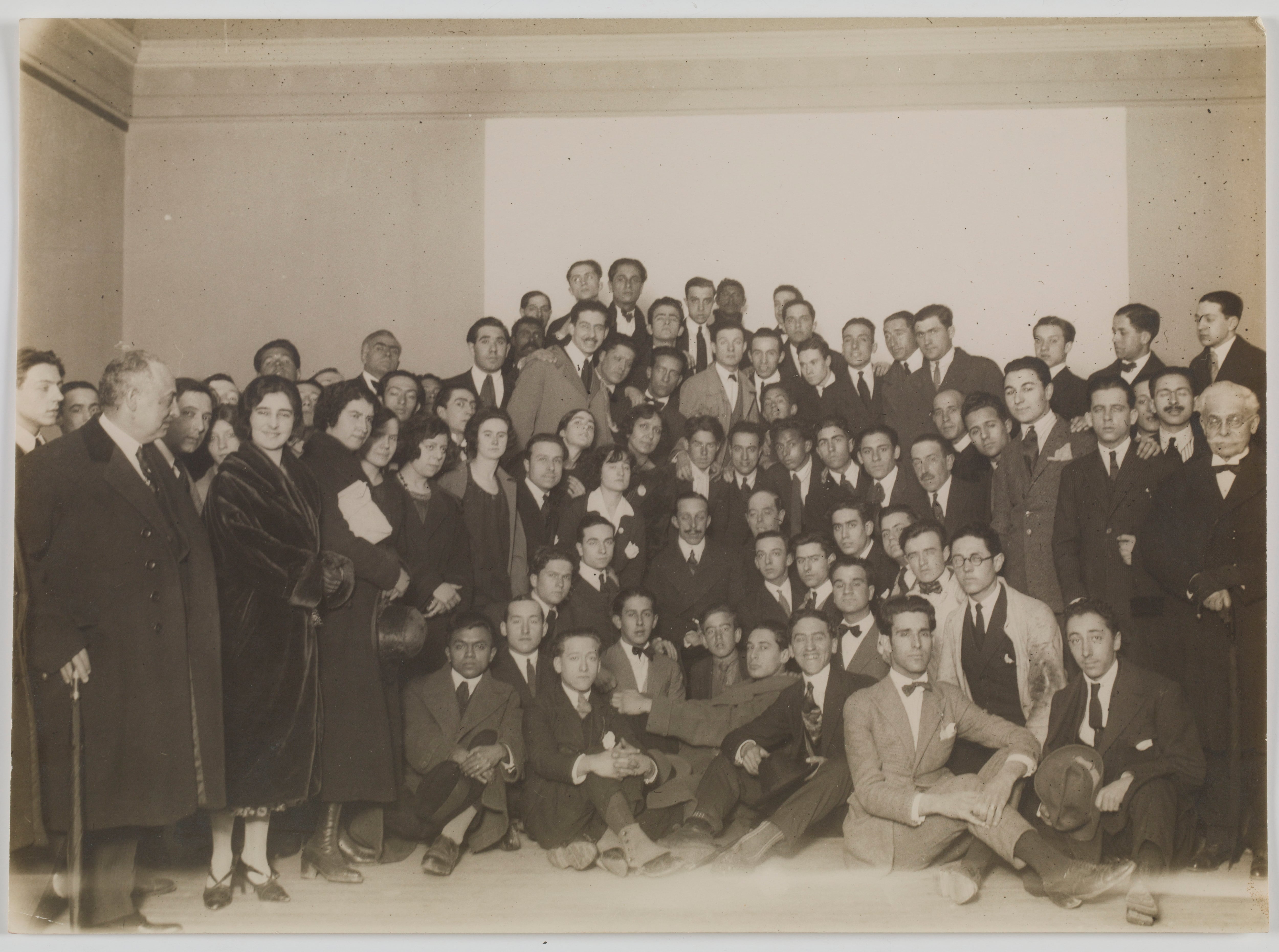
A century has passed since the day that forever changed the life of Salvador Dalí: his second dismissal, this one permanent, from the Special School of Drawing, Sculpture and Printmaking at Madrid’s prestigious San Fernando Fine Art Royal Academy. In such a rigid, rule‑bound environment, Dalí felt out of place — and perhaps for that reason, this academic period has been overshadowed in scholarly writing. What dominates the narrative of those years in Madrid — which he described as the happiest of his life— are his escapades and artistic exchanges with Federico García Lorca, Maruja Mallo, and Luis Buñuel, his companions at the Residencia de Estudiantes, a pioneering cultural and academic residence, and a circle of mutual inspiration.
Salvador Dalí and his classmates at the Special School of Painting, Sculpture, and Engraving (Academy of San Fernando). 1922–1923. GALA-SALVADOR DALÍ FOUNDATION
From left to right, Salvador Dalí, José Moreno Villa, Luis Buñuel, Federico García Lorca, and José Antonio Rubio Sacristán in La Bombilla Park (Madrid) in May 1926.
From left to right: José Bello, José Moreno Villa, Luis Buñuel, José María Hinojosa (seated), María Luisa González, and Salvador Dalí at a meeting of the Order of Toledo at the Venta de Aires (Toledo) in 1924.
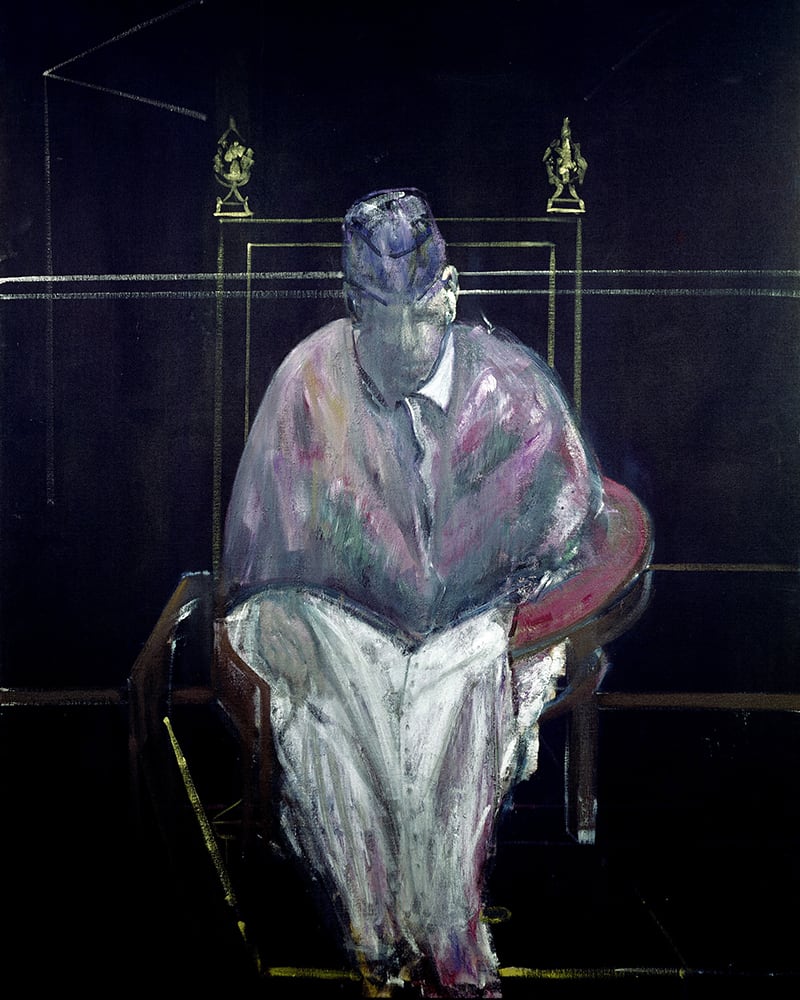
Urban VIII corresponded with Francisco de Quevedo, Alexander VII spent his leisure time as pope writing little poems in Latin, and John Paul II — who had studied St. John of the Cross in his youth — even published a collection of poems, Roman Triptych (2003), while still occupying the Chair of Saint Peter.
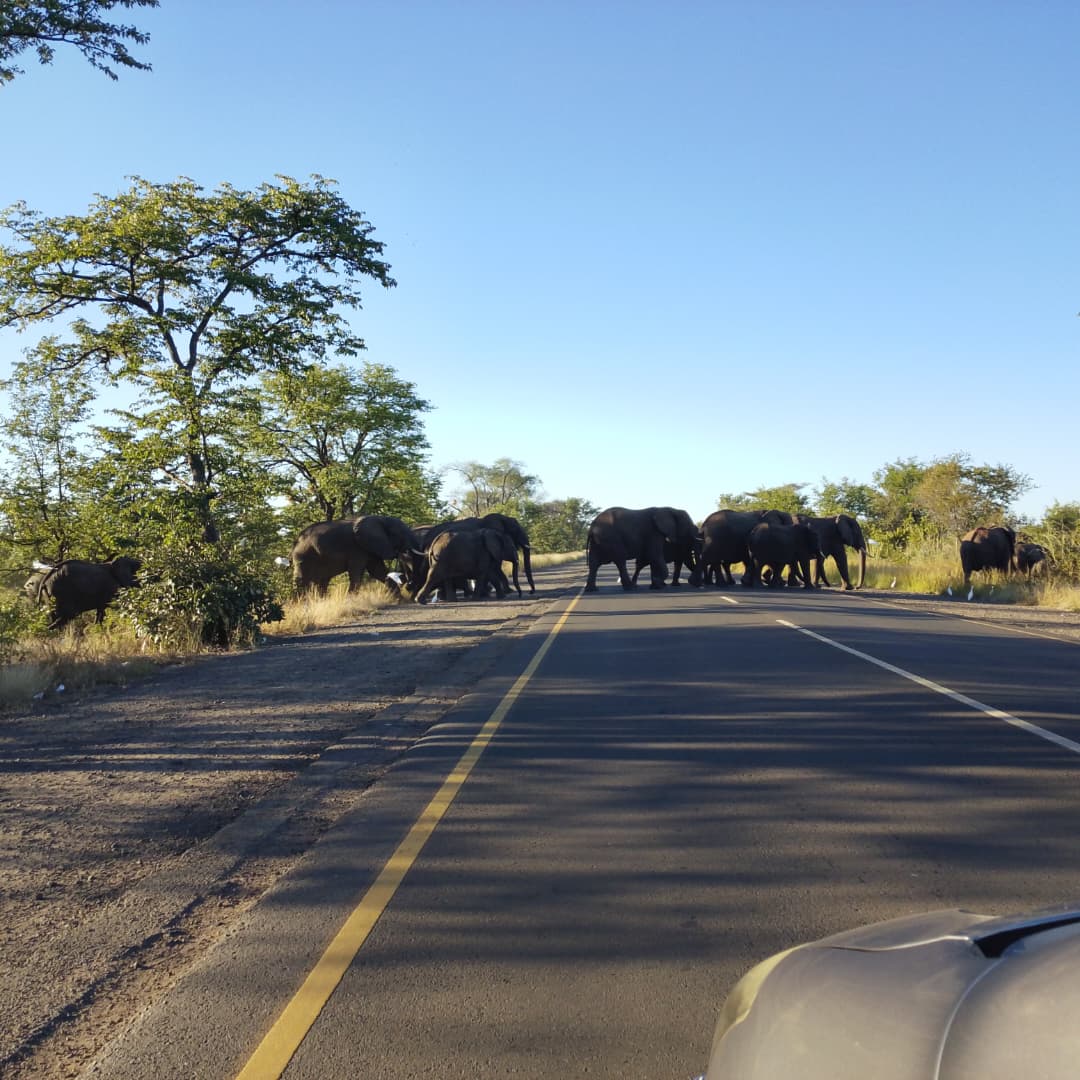
Veronica Akabondo had worked from dawn to dusk for months on her farm in southern Zambia and was confident she would have a plentiful maize harvest. But one morning she woke up and found it all gone. The culprit? A herd of hungry elephants.

 Login
Login