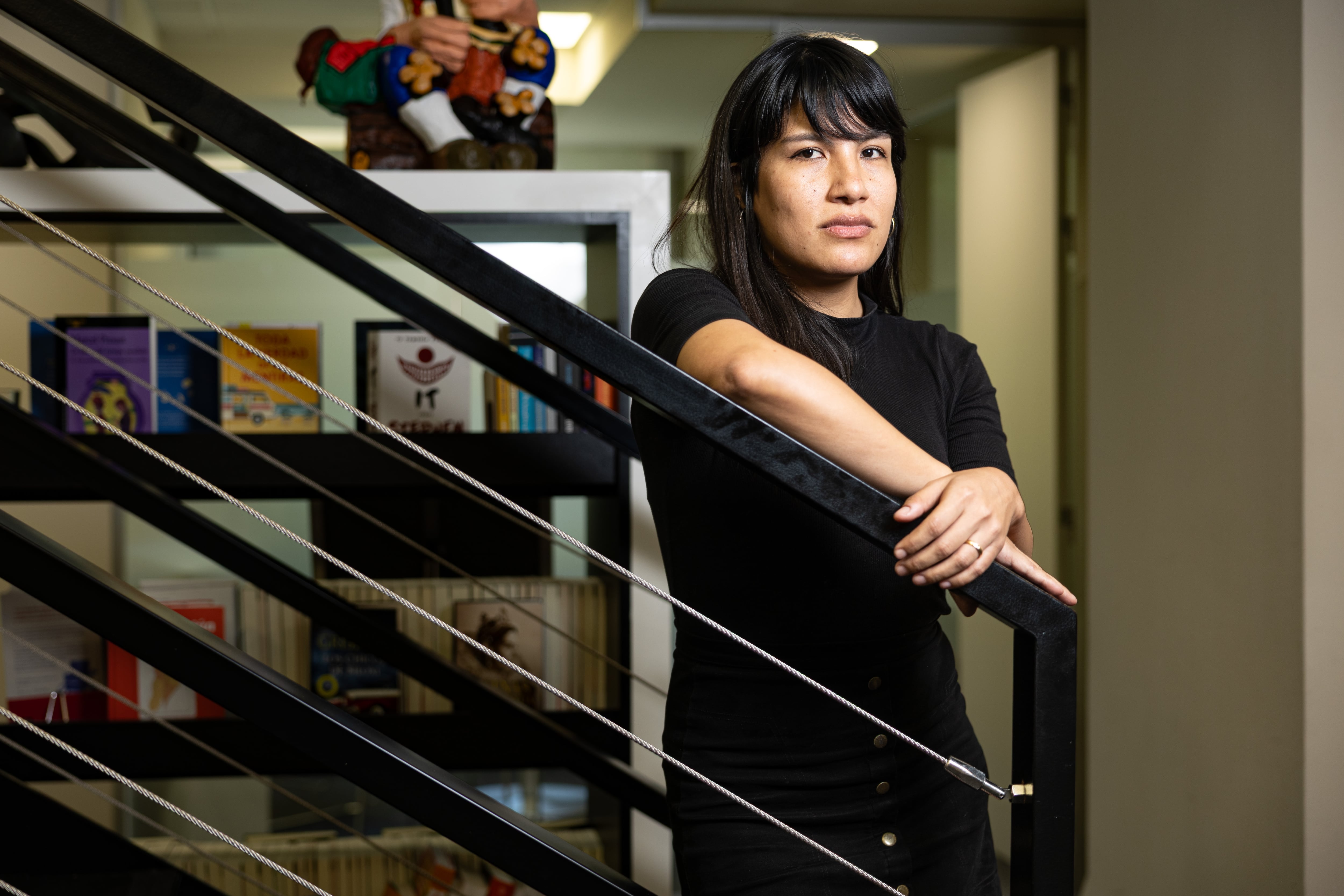
“Tú sabes que las Yacila somos bien nerviosas”. Esa es la frase que la escritora y periodista Rosa Chávez Yacila (37 años, Lima) escuchó de su madre, una trabajadora doméstica, cuando trataba de nombrar los problemas de salud mental que la agobiaban. No fue hasta tiempo después, tras múltiples visitas al hospital, diagnósticos y terapias, cuando ambas entendieron que el “nerviosismo” se podía nombrar como “ansiedad” o “depresión”, que se podía hablar con “psicólogos” y “psiquiatras” y que podían indicarle la “posología” correcta de “Lexotán” para tratar la enfermedad.
In a huge warehouse in Geel, Belgium, $9.7 million in contraceptives have been locked up since early 2025. Some 77% of the shipment from the United States Agency for International Development (USAID) was destined for about 10 African countries, including Kenya, Nigeria, the Democratic Republic of Congo and Mali. But when Donald Trump’s administration dismantled the world’s largest development aid organization, these medicines were left stranded, destined either to be destroyed or to expire box by box. About 5,800 miles south of Belgium, in Nairobi, the capital of Kenya, Jane Anyongo, Violet Mosomi, Salma Kamau, and hundreds of thousands of women are still waiting for their pills, condoms, subdermal implants, intrauterine devices, and other sexual and reproductive health supplies.
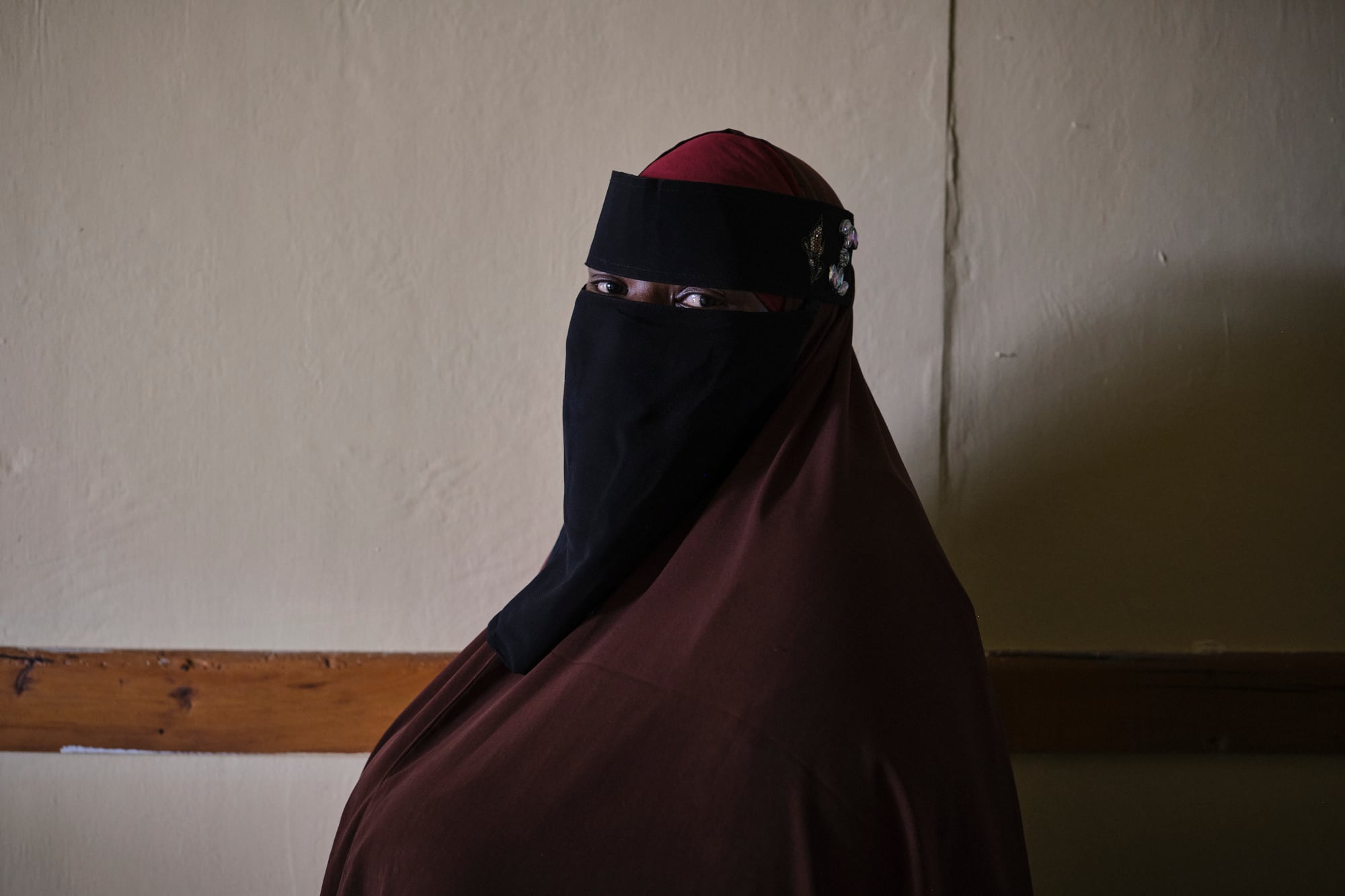
Salma* (32, Nairobi) is another woman affected by the shortage of contraceptives in Kenya. She wants to switch to a copper IUD, but there isn’t enough stock at the Njiru health center.

 Login
Login