Normal view

Cento giorni di guerra, l'Iran resiste e Trump rilancia l'escalation

A cento giorni dall'inizio della campagna militare condotta da Stati Uniti e Israele contro l'Iran, il quadro che emerge è molto diverso da quello prospettato nelle prime fasi del conflitto. Nonostante i pesanti attacchi subiti, la Repubblica Islamica ha mantenuto intatta la propria struttura politica e militare, dimostrando una capacità di adattamento e resistenza che ha finora impedito il raggiungimento degli obiettivi strategici dichiarati da Washington e Tel Aviv.

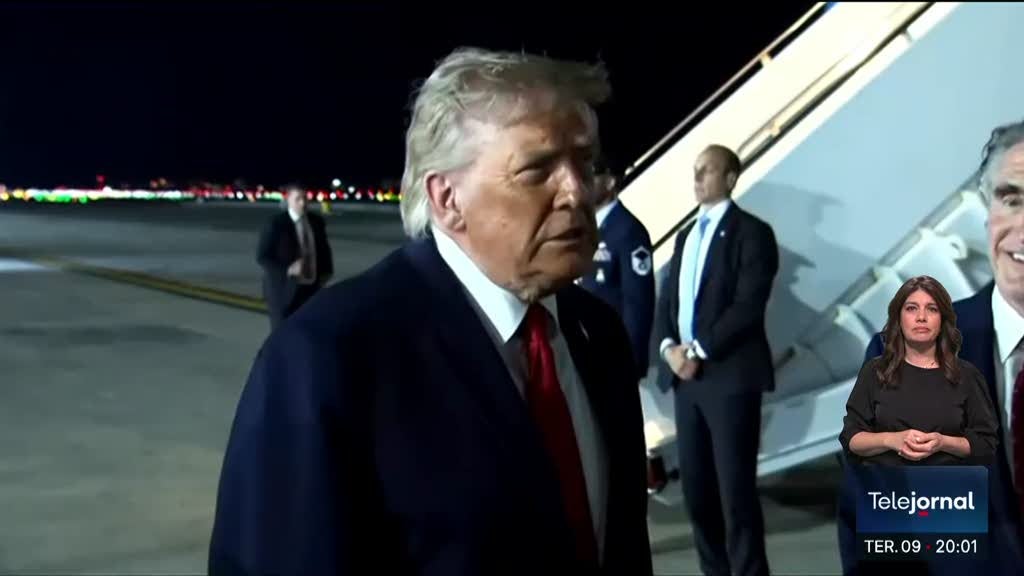
Secondo numerose valutazioni, i bombardamenti hanno provocato danni significativi alle infrastrutture e alle capacità difensive iraniane, senza però determinare il collasso del sistema statale né la paralisi delle forze armate. Anche sul fronte interno, le aspettative di una rapida destabilizzazione politica non si sono concretizzate. Al contrario, la pressione esterna ha contribuito a rafforzare la coesione nazionale e a consolidare il sostegno alla difesa del Paese. In questo contesto già estremamente teso, il presidente statunitense Donald Trump ha annunciato una possibile risposta militare dopo l'abbattimento di un elicottero AH-64 Apache statunitense nelle acque vicine all'Oman.

In un messaggio pubblicato su Truth Social, il capo della Casa Bianca ha attribuito la responsabilità dell'incidente a Teheran e ha affermato che gli Stati Uniti “devono rispondere” all'accaduto. L'episodio si inserisce in una spirale di escalation che continua ad alimentare l'instabilità regionale. Mentre la Quinta Flotta nordamericana mantiene una massiccia presenza navale nel Mar Arabico, l'Iran prosegue le proprie operazioni nello Stretto di Hormuz, uno dei punti strategici più importanti per il commercio energetico mondiale. Le nuove minacce di Washington arrivano in un momento in cui la strategia della pressione militare non sembra aver prodotto i risultati sperati.

Lungi dall'essere piegato, l'Iran continua a conservare la capacità di reagire sul piano militare, di influenzare gli equilibri regionali e di incidere sui mercati energetici globali. Invece di avvicinare una soluzione del conflitto, le continue promesse di ritorsione da parte dell'amministrazione Trump rischiano così di spingere la crisi verso una fase ancora più pericolosa e imprevedibile.


LA NOTIZIA CHE HAI LETTO FA PARTE DE "Il MONDO IN 10 NOTIZIE" - LA NEWSLETTER CHE OGNI GIORNO ALLE 7.00 DEL MATTINO ARRIVA NELLE EMAIL DEI NOSTRI ABBONATI. 

SCOPRI COME ABBONARTI A L'ANTIDIPLOMATICO E SOSTENERE LA NOSTRA LUNGA MARCIA

CLICCA QUI

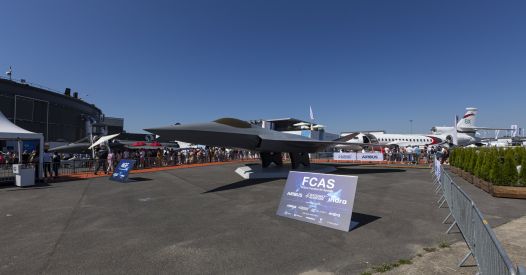
FCAS: naufraga il progetto simbolo della difesa europea

Si chiude con un fallimento uno dei più ambiziosi programmi industriali e militari dell'Unione Europea. Francia e Germania hanno deciso di abbandonare il progetto FCAS (Future Combat Air System), il sistema aereo da combattimento di nuova generazione che avrebbe dovuto rappresentare il pilastro della futura autonomia strategica europea. L'iniziativa, lanciata nel 2017 dal presidente francese Emmanuel Macron e dall'allora cancelliera tedesca Angela Merkel, prevedeva la realizzazione di un caccia avanzato supportato da droni e collegato a una sofisticata rete digitale di combattimento. Il valore complessivo del programma era stimato in circa 100 miliardi di euro e coinvolgeva anche la Spagna. Fin dall'inizio, tuttavia, il progetto è stato ostacolato da profonde divergenze industriali e strategiche.

Da un lato la francese Dassault Aviation rivendicava il controllo della progettazione del velivolo per proteggere il proprio know-how tecnologico; dall'altro Airbus, che rappresentava gli interessi tedeschi e spagnoli, chiedeva una gestione più equilibrata e una maggiore condivisione delle tecnologie. Alle rivalità industriali si sono aggiunte differenze politiche e operative. Parigi puntava a un velivolo in grado di trasportare armamento nucleare e operare dalle portaerei francesi, mentre Berlino era interessata principalmente a un caccia convenzionale destinato alla difesa aerea europea. Dopo mesi di stallo, i tentativi di rilancio promossi da Macron e dal cancelliere tedesco Friedrich Merz non hanno prodotto risultati.

Nel corso dell'ultimo vertice tra Unione Europea e Balcani occidentali in Montenegro, i due leader hanno preso atto dell'impossibilità di superare le divergenze e hanno deciso di interrompere definitivamente il programma. Il collasso del FCAS rappresenta un duro colpo per le ambizioni europee di integrazione nel settore della difesa.

In un contesto segnato dalla guerra in Ucraina e dall'incertezza sul futuro impegno degli Stati Uniti nella sicurezza del continente, il fallimento del progetto evidenzia quanto sia ancora difficile trasformare le dichiarazioni sull'autonomia strategica europea in una reale cooperazione industriale e militare.


LA NOTIZIA CHE HAI LETTO FA PARTE DE "Il MONDO IN 10 NOTIZIE" - LA NEWSLETTER CHE OGNI GIORNO ALLE 7.00 DEL MATTINO ARRIVA NELLE EMAIL DEI NOSTRI ABBONATI. 

SCOPRI COME ABBONARTI A L'ANTIDIPLOMATICO E SOSTENERE LA NOSTRA LUNGA MARCIA

CLICCA QUI
Irão: MNE iraniano ameaça forças estrangeiras após abate de helicóptero dos EUA

9 June 2026 at 22:01
Irão Guerra

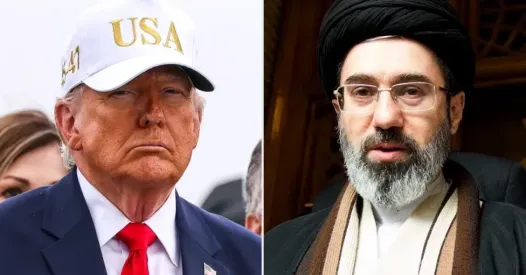
O ministro dos Negócios Estrangeiros iraniano afirmou hoje que as forças estrangeiras a operar perto do território iraniano arriscam-se a ver-se “envolvidas num tiroteio”, na sequência do abate de um helicóptero norte-americano no estreito de Ormuz.

“As forças estrangeiras que operam perto do nosso território correm sempre o risco de cometer erros humanos, seja por simples acidentes ou pela ameaça de se verem envolvidas num tiroteio”, escreveu nas redes sociais Abbas Araghchi.

“Para mitigar estes perigos, a melhor medida a tomar é que as forças estrangeiras abandonem completamente esta região; quanto mais cedo o fizerem, menos provável será que enfrentem ações hostis”, continuou num comunicado, acrescentando que as forças armadas iranianas mantêm-se em alerta para “fazer face a qualquer violação do espaço aéreo, terrestre ou marítimo”.

O Presidente norte-americano, Donald Trump, tinha anunciado momentos antes que um helicóptero Apache tinha sido abatido enquanto patrulhava o estreito de Ormuz e que os Estados Unidos iriam ripostar.

“Estavam envolvidos dois pilotos, ambos estão bem e ilesos. No entanto, os Estados Unidos têm, necessariamente, de responder a este ataque”, escreveu o líder republicano na sua rede social Truth Social.

O ministro dos Negócios Estrangeiros iraniano respondeu afirmando que o estreito de Ormuz não são “águas internacionais”, mas sim águas partilhadas entre a República Islâmica e Omã e que, por sinal, situa-se a “milhares de quilómetros das costas dos Estados Unidos”.

“As fronteiras marítimas são totalmente claras e inequívocas”, continuou Araghchi.

Também o principal negociador iraniano e presidente do Parlamento, Mohammad Bagher Ghalibaf, recorreu à rede social X para referir que Teerão prefere a “linguagem da diplomacia”, mas que também fala “outras línguas com muito mais fluência”.

“Se não cumprires os teus compromissos, passaremos a usar aquilo que sabemos fazer melhor”, ameaçou Ghalibaf.

Os Estados Unidos e o Irão trocaram alguns ataques desde o cessar-fogo acordado há dois meses e nos últimos dias o conflito escalou com trocas de ataques entre Israel e a República Islâmica.

Os ataques diretos entre Israel e o Irão cessaram na segunda-feira, mas o cessar-fogo permanece, no entanto, frágil.

ИИ выявляет признаки рака молочной железы за шесть лет до диагноза

9 June 2026 at 22:00

Три коммерческие системы искусственного интеллекта способны обнаруживать ранние признаки рака молочной железы за шесть лет до постановки диагноза, показало исследование, опубликованное в журнале Radiology.

В шведском ретроспективном исследовании специалисты протестировали три системы AI-CAD на данных маммограмм пациенток из национальной программы скрининга Швеции. Результаты анализа показали, что у женщин с последующим диагнозом рак молочной железы показатели искусственного интеллекта были выше, чем у здоровых участниц, пишет Научная Россия.

По словам доктора медицины Фредрика Стрэнда из Каролинского института, ИИ обнаруживает признаки, которые могут указывать на развитие рака примерно за шесть лет до подтверждения диагноза врачами-рентгенологами.

Исследование включало 88 963 маммограммы, сделанные 31 394 женщинам в период с 2008 по 2019 год. Шведская национальная программа скрининга приглашает женщин в возрасте от 40 до 74 лет проходить осмотры каждые два года. Каждую маммограмму оценивают два рентгенолога.

ИИ-системы продемонстрировали высокую точность, с 90% специфичностью выявляя признаки рака за 6, 4 и 2 года до диагноза у 19,7%, 25,2% и 39,3% пациенток соответственно. Результаты помогают выделять группы с повышенным риском и направлять их на более внимательное наблюдение.

Доктор Стрэнд отметил, что исследование дополняет данные о возможностях ИИ в скрининге рака и может способствовать началу лечения на более ранних стадиях.

Читайте также на «FiNE NEWS»Недавние исследования показывают, что искусственный интеллект может значительно улучшить диагностику рака молочной железы. Подробности можно узнать в статье о анализе картины Эриха Меркера, который выявил скрытую нацистскую символику под новым слоем краски.

[Фото: Radiological Society of North America (RSNA) / Fredrik Strand]

ИИ выявляет признаки рака молочной железы за шесть лет до диагноза • Опубликовано на FiNE NEWS

Глава НСПК Дубынин: "Моя карта "Мир" позволит получать льготы в момент покупки

Россияне смогут получить по банковской карте "Мир" скидки и другие привилегии от бизнеса в рамках проекта "Моя карта "Мир". По карте можно будет получать не только скидки у бизнеса, но и социальные льготы. Об этом, а также о том, сколько карт приходится в среднем на человека, что будет с картами Visa и Mastercard в России, в интервью "Российской газете" на полях ПМЭФ-2026 рассказал генеральный директор Национальной системы платежных карт (НСПК, оператор карт "Мир" и операционный и клиринговый центр Системы быстрых платежей) Дмитрий Дубынин.

Divers Film Great White Shark in the Mediterranean For the First Time

9 June 2026 at 21:59
Majestic great white sharks glide through the ocean waters.
Majestic great white shark glides through the ocean waters. Credit: Elias Levy / OpenVerse / CC BY-2.0

Volunteer divers have recorded what researchers believe is the first footage of a great white shark filmed underwater in the Mediterranean, captured during a ghost net removal dive near a shipwreck in the Strait of Sicily.

Derk Remmers, a technical diver with Ghost Diving, was about 40 meters (131 feet) below the surface between Sicily and Tunisia when the shark appeared. He filmed the encounter. The footage and photographs were released on June 8 to mark World Oceans Day.

Remmers said that the odds of meeting such an animal underwater are far lower than winning the lottery, and that his hands were shaking as he filmed.

The shark circled the group, then turned and moved back toward the divers. Remmers said that its behavior appeared calm and curious, not aggressive. When the team released air from their regulators, the shark picked up speed and disappeared from view.

First great white shark sighting in the Mediterranean stuns researchers

Marine biologists who reviewed the footage called the sighting rare and scientifically significant.

Dr. Carlo Cattano, a researcher at the Sicily Marine Centre of the Stazione Zoologica Anton Dohrn, said that most knowledge of great white sharks in the region has come from dead animals caught accidentally in fishing nets, and that direct observations help researchers better understand the species.

A great white shark circled divers in the Mediterranean as they worked to pull deadly ghost nets from a shipwreck in the Strait of Sicily. pic.twitter.com/tdJKJ37TMY

— Tom Marvolo Riddle (@tom_riddle2025) June 9, 2026

He said that prior research had already identified the area as a key location for threatened species and that this sighting reinforces its conservation value. Researchers cautioned that broader conclusions would require further study.

The mission was organized by the Healthy Seas Foundation, along with Ghost Diving and the Society for the Documentation of Submerged Sites. The wreck’s location is being kept confidential.

Ghost nets, fishing gear lost or abandoned at sea, continue killing marine life long after leaving a vessel. Previous dives at the site documented loggerhead sea turtles and large fish species caught in the gear.

Shipwrecks attract marine life, and when ghost nets settle on them, those structures become underwater traps.

Ghost nets turn shipwreck ecosystems into ongoing ocean traps

Veronika Mikos, director of Healthy Seas, said that the sighting is a reminder of how much marine life still exists in offshore Mediterranean waters and how much is at risk from discarded gear and overfishing.

Remmers said that between 1% and 10% of all fishing gear worldwide is lost each year, possibly adding more than 500,000 metric tons of abandoned nets to the ocean annually.

He said that the shark’s presence near the wreck signals an abundance of prey, and that those same animals face entanglement risk. Volunteer cleanups alone cannot resolve the problem, he said, and stronger action against industrial and illegal fishing is needed.

The mission also included environmental DNA sampling and underwater monitoring. Healthy Seas said that it plans to release additional footage and scientific material in the coming weeks.

❌