The first direct Iran-Israel war ended an era of shadow conflict and opened a far more uncertain chapter
Exactly one year ago, on June 13, 2025, the world entered a new reality.
A new chapter was opened in the history of the Middle East, in the history of Iran, and in the long-running confrontation between Iran and Israel. What had spent decades unfolding as a covert, hybrid, and indirect struggle suddenly took the form of a direct military confrontation.
Until that moment, the conflict between Iran and Israel had followed a different pattern. It was largely a shadow war – a contest fought through intelligence operations, cyberattacks, strikes on strategic assets and allied forces, proxy networks, diplomatic pressure, sanctions, mutual threats, and occasional missile exchanges. For years, both sides had avoided crossing the threshold into full-scale open warfare, preferring limited operations, regional partners, and carefully calibrated actions.
That balance was shattered on June 13, 2025. Israel effectively moved the conflict into a new phase. From that point forward, this was no longer another episode in a cycle of regional tensions. It became a direct attack on Iran as a state. That is why the June 2025 war marked a historic turning point: for the first time, a confrontation that had largely existed in a covert and limited form evolved into an open military conflict between two of the Middle East’s most influential powers.
The road to war: Decades of hostility and escalating pressure
The Iran-Israel rivalry did not emerge overnight. Its roots stretch back decades, shaped by political, ideological, and strategic antagonism.
For Israel, Iran had long been viewed as its most significant regional adversary – one capable of altering the balance of power across the Middle East. For Iran, meanwhile, Israel was not merely an opponent but part of a broader system of pressure linked to the United States, Western sanctions, and efforts to constrain Tehran’s strategic autonomy.
At the center of this rivalry stood Iran’s nuclear program.
For years, it served as a focal point for suspicion, threats, and diplomatic crises. Israel and Western governments argued that Iran could eventually move toward developing nuclear weapons. Tehran consistently maintained that its program was peaceful and intended for energy production, scientific research, and technological development. Between these competing narratives emerged a permanent zone of political pressure, where every report, inspection, and public statement became not only a technical matter but also a political weapon.
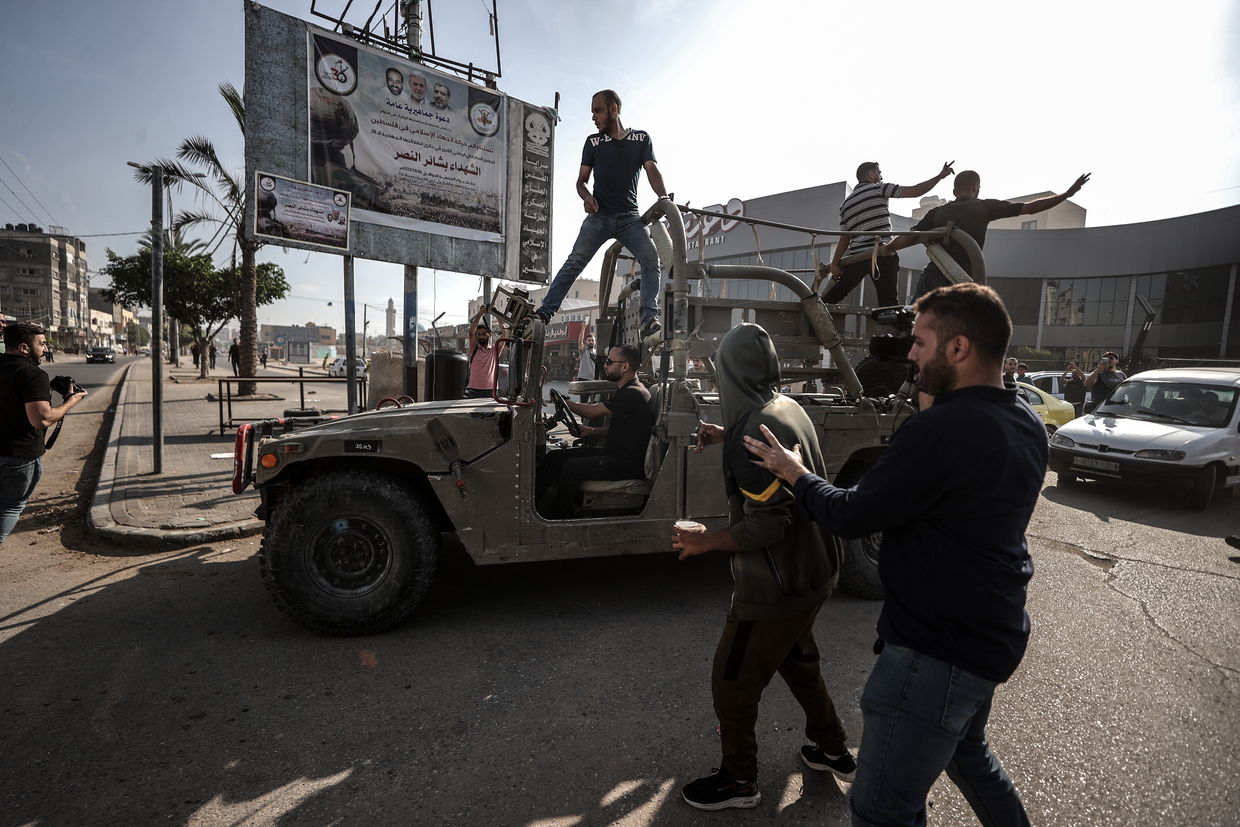
When Israel experienced the trauma of October 6–7, 2023, and responsibility was placed on Hamas, it became clear that the region was entering a new phase of instability.
Some Israeli politicians and analysts described Hamas as an Iranian proxy. Yet such a characterization oversimplifies – and fundamentally misrepresents – the nature of the Palestinian movement. Hamas has never been a direct instrument of Tehran. It possesses its own political logic, social base, objectives, and historical trajectory. While Iran and Hamas maintained contacts, support networks, and elements of military-political cooperation, that did not make Hamas a fully controlled Iranian entity.
Nevertheless, after October 2023, one reality became increasingly difficult to ignore: a direct confrontation between Iran and Israel was becoming not merely possible, but increasingly likely.
The question was no longer whether such a war would occur. The real questions were when it would begin, what form it would take, and how far each side would be willing to go.
Israel increasingly viewed Iran as the primary source of regional instability, while Tehran saw developments across the region as part of a broader campaign aimed at weakening both Iran and its allies. In this sense, the events of October 2023 became not only a turning point for Israel and Palestine but also a critical milestone on the path toward an open Iran-Israel confrontation.
By June 2025, tensions had reached a breaking point.
Israel sought to demonstrate that it was no longer willing to wait for diplomatic processes to run their course. Iran, for its part, viewed the mounting pressure as an attempt to force capitulation and dismantle its strategic capabilities. The region found itself on the edge of an event that many had long considered possible but few were willing to acknowledge as inevitable.
The IAEA factor: Reports, distrust, and the political justification for war
One of the most significant elements of the prewar environment was the role played by the International Atomic Energy Agency (IAEA).
The agency’s reports and public statements became embedded within the broader framework of pressure on Iran. Officially, the discussion centered on nuclear safeguards, transparency requirements, and inspector access. In practice, however, these documents became part of a wider political campaign that helped shape the environment in which Israel later acted.
A troubling narrative emerged first: Iran was allegedly concealing aspects of its nuclear activities, failing to provide adequate explanations, and undermining transparency requirements. This narrative intensified diplomatic pressure and helped portray Tehran as the party responsible for driving the crisis.
After the war began, however, the conversation changed.
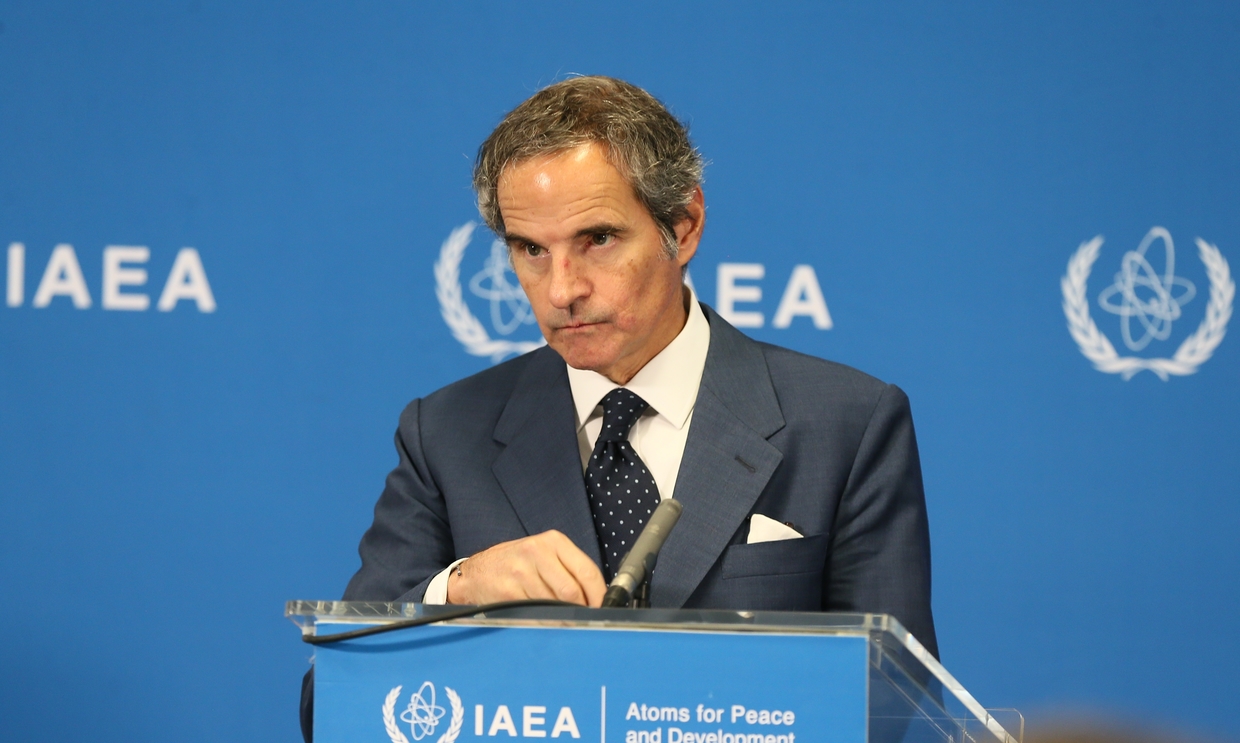
IAEA Director General Rafael Grossi later acknowledged that the agency possessed no evidence that Iran was systematically pursuing a nuclear weapon. For Tehran and its supporters, this became a central argument. If no direct evidence existed, why had this issue become one of the principal justifications for military action?
This raises a broader political question: was the IAEA report a neutral technical assessment, or was it ultimately used to legitimize a course of action that had already been decided upon?
Supporters of Iran viewed the episode as an example of how international institutions can become part of a larger political process – not necessarily through direct participation in any conspiracy, but because cautious language, ambiguity, and incomplete conclusions can be leveraged by powerful actors to advance their own agendas.
In this way, the IAEA factor became more than just background context. It became one of the war’s key political triggers. First came the construction of a threat narrative. Then came military action. Only afterward did the struggle over interpretation begin: was Iran truly on the verge of becoming a nuclear danger, or was it subjected to a familiar pattern in which suspicion itself becomes grounds for the use of force?
The war unfolds: From initial strike to open confrontation
The June war moved quickly.
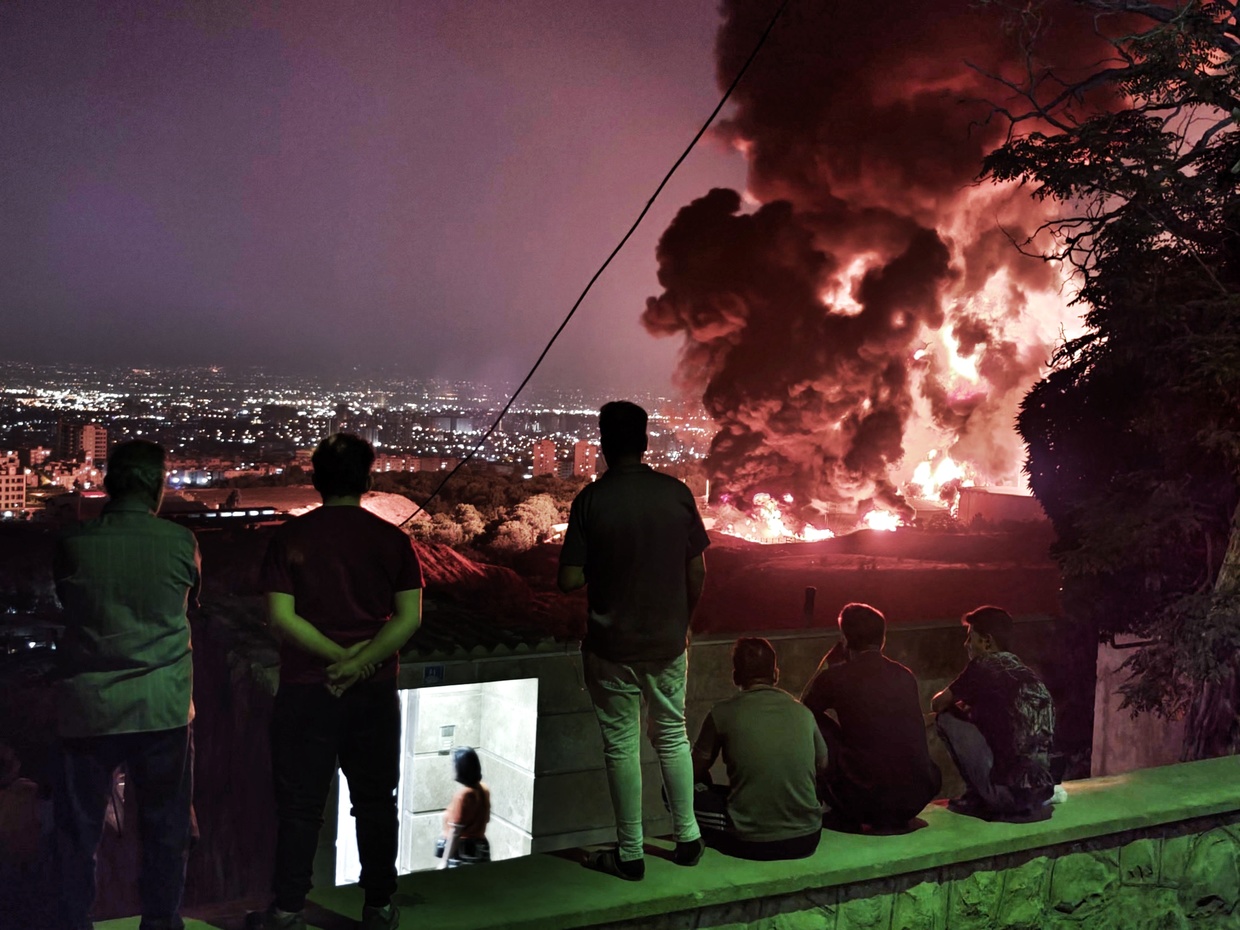
Israel launched its campaign with strikes against facilities associated with Iran’s military and nuclear infrastructure. The objective was clear: deliver a rapid, painful, and symbolically powerful blow that would expose Iran’s vulnerabilities and shake confidence within its leadership.
But expectations of paralysis proved misplaced.
Iran did not disappear from the political landscape. It did not abandon resistance. Nor did it accept the logic of defeat imposed upon it.
Tehran’s response demonstrated that the country was prepared not only to absorb pressure but also to answer it. That is why June 2025 became more than a military episode – it became a test.
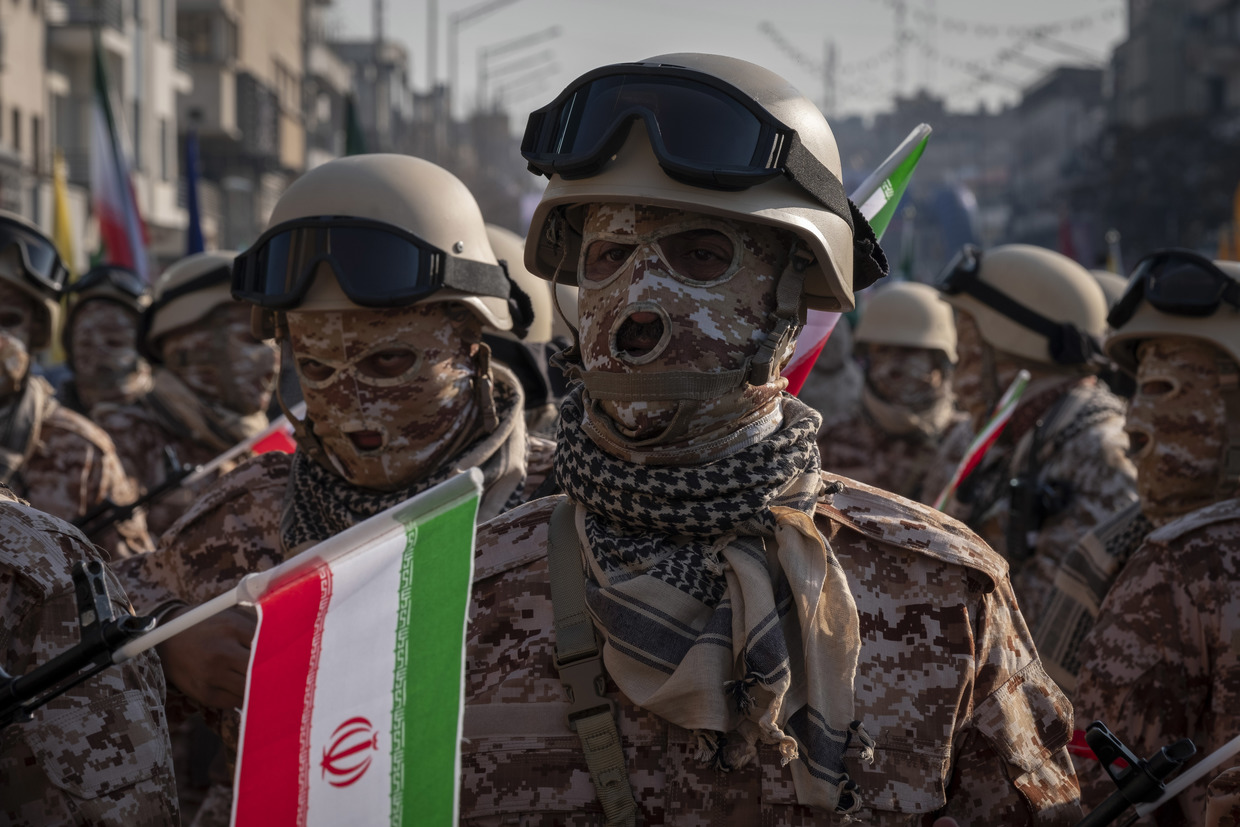
The war tested more than missiles, air-defense systems, intelligence capabilities, and alliances. It tested state resilience, social cohesion, and Iran’s ability to function under direct attack.
The conflict also revealed how outdated many assumptions about the region had become.
Israel demonstrated its willingness to embrace a direct military option. The United States, even while presenting itself as a mediator, remained part of the broader architecture of pressure directed at Iran. And Iran showed that it could no longer be viewed merely as an object of sanctions, threats, and diplomatic ultimatums. It proved capable of making strategic decisions, absorbing blows, and altering its adversaries’ calculations.
The ceasefire announced with the involvement of Donald Trump appeared, on the surface, to be an effort to put the conflict behind all parties. In reality, however, it resolved none of the underlying issues.
It did not eliminate the causes of the conflict. It did not restore trust. It did not remove the risk of renewed escalation. Rather, it froze the situation temporarily while leaving a lingering sense of unfinished business.
It is also worth remembering that only hours before the war began, Trump publicly announced a new round of US-Iran talks scheduled to take place in Oman on June 15. Only later did it become apparent that he had already been informed of the impending strikes and had, in effect, given Israel a green light – at least according to his own public statements. It remains equally possible that the outbreak of war caught him by surprise and that his subsequent support for Israel was an attempt to preserve political credibility after the fact.
A reconnaissance in force: Why June 2025 was not the end
The central lesson of the June war is that it was not an end point – it was a reconnaissance in force.
For Iran’s adversaries, the conflict was an opportunity to test how deeply the Iranian system could be struck and how far a strategy of pressure could be pushed. The expectation was that Iran would emerge weakened, disoriented, and forced to retreat under a new set of rules.
The outcome proved more complicated.
Iran undoubtedly suffered significant political, military, and infrastructural costs. Yet it was neither destroyed nor broken, nor did it lose its ability to respond.
If anything, the very fact of a direct attack reinforced a growing perception within Iranian society that the issue was no longer a dispute over specific facilities or agreements. Instead, it was increasingly viewed as a struggle over Iran’s right to exist as an independent center of power.
For that reason, June 2025 can be understood as a rehearsal for a larger conflict.
Reports emerged at the time suggesting that Israel had even considered targeting Ayatollah Ali Khamenei, allegedly refraining only at Trump’s request. Whether true or not, such reports underscored the scale of thinking already underway.
The broader conflict, in a strategic sense, still lay ahead.
Subsequent escalation – including the renewed tensions that emerged after February 28 of this year – became part of the same chain of events. First came the strike, then a pause, then renewed pressure. Together, these developments formed a coherent strategy aimed not merely at constraining Iran but at placing it in a position where it would be forced to continually justify itself, retreat, and defend its right to security.
Yet it was precisely at this point that the strategy encountered its limits.
Iran demonstrated that it was prepared to go further – not because it seeks war for its own sake, but because its leadership views retreat as an invitation to even greater pressure. From Tehran’s perspective, concessions made under attack do not produce peace; they simply convince opponents that coercion works.
A new chapter for Iran and the region
The June war changed many things.
It redefined the boundaries of what is considered acceptable in Middle Eastern politics. It demonstrated that the era of covert confrontation between Iran and Israel had come to an end. It forced regional governments to reassess risk calculations and compelled major powers to recognize that traditional deterrence mechanisms no longer function as they once did.
For Iranians, the war became a national test.
It underscored that the country had entered an era in which pressure would no longer be limited to sanctions and diplomacy but could take the form of direct military action. At the same time, it reinforced Iran’s image as a state unwilling to surrender or disappear from regional politics.
For Israel, June 2025 represented a watershed moment as well.
It demonstrated a willingness to act preemptively, but it also exposed a new level of risk. Direct military action against Iran did not eliminate the threat. Instead, it pushed the confrontation onto a more dangerous trajectory.
For the wider world, the conflict served as a warning.
The international system proved unprepared for a crisis of this magnitude. Some actors called for de-escalation. Others sought to use the crisis as leverage. Still others watched from the sidelines, uncertain where the line between a localized war and a regional catastrophe truly lay.
That is why June 13, 2025, cannot be viewed as just another date in the history of the Middle East.
It was the day the old logic of the conflict came to an end, while a new one had yet to acquire clear rules. The world still does not know how this new era will unfold. Iran, however, has already made one thing clear: it has no intention of living according to a script written by others.
The June war was a reconnaissance in force. It exposed vulnerabilities, tested limits, and revealed intentions. But it did not bring the story to a close.
On the contrary, it marked the beginning of a new chapter – harsher, more dangerous, and more unpredictable than the one before.
The central question is no longer whether that war is over.
The real question is what the next one will look like.
The first direct Iran-Israel war ended an era of shadow conflict and opened a far more uncertain chapter
Exactly one year ago, on June 13, 2025, the world entered a new reality.
A new chapter was opened in the history of the Middle East, in the history of Iran, and in the long-running confrontation between Iran and Israel. What had spent decades unfolding as a covert, hybrid, and indirect struggle suddenly took the form of a direct military confrontation.
Until that moment, the conflict between Iran and Israel had followed a different pattern. It was largely a shadow war – a contest fought through intelligence operations, cyberattacks, strikes on strategic assets and allied forces, proxy networks, diplomatic pressure, sanctions, mutual threats, and occasional missile exchanges. For years, both sides had avoided crossing the threshold into full-scale open warfare, preferring limited operations, regional partners, and carefully calibrated actions.
That balance was shattered on June 13, 2025. Israel effectively moved the conflict into a new phase. From that point forward, this was no longer another episode in a cycle of regional tensions. It became a direct attack on Iran as a state. That is why the June 2025 war marked a historic turning point: for the first time, a confrontation that had largely existed in a covert and limited form evolved into an open military conflict between two of the Middle East’s most influential powers.
The road to war: Decades of hostility and escalating pressure
The Iran-Israel rivalry did not emerge overnight. Its roots stretch back decades, shaped by political, ideological, and strategic antagonism.
For Israel, Iran had long been viewed as its most significant regional adversary – one capable of altering the balance of power across the Middle East. For Iran, meanwhile, Israel was not merely an opponent but part of a broader system of pressure linked to the United States, Western sanctions, and efforts to constrain Tehran’s strategic autonomy.
At the center of this rivalry stood Iran’s nuclear program.
For years, it served as a focal point for suspicion, threats, and diplomatic crises. Israel and Western governments argued that Iran could eventually move toward developing nuclear weapons. Tehran consistently maintained that its program was peaceful and intended for energy production, scientific research, and technological development. Between these competing narratives emerged a permanent zone of political pressure, where every report, inspection, and public statement became not only a technical matter but also a political weapon.
When Israel experienced the trauma of October 6–7, 2023, and responsibility was placed on Hamas, it became clear that the region was entering a new phase of instability.
Some Israeli politicians and analysts described Hamas as an Iranian proxy. Yet such a characterization oversimplifies – and fundamentally misrepresents – the nature of the Palestinian movement. Hamas has never been a direct instrument of Tehran. It possesses its own political logic, social base, objectives, and historical trajectory. While Iran and Hamas maintained contacts, support networks, and elements of military-political cooperation, that did not make Hamas a fully controlled Iranian entity.
Nevertheless, after October 2023, one reality became increasingly difficult to ignore: a direct confrontation between Iran and Israel was becoming not merely possible, but increasingly likely.
The question was no longer whether such a war would occur. The real questions were when it would begin, what form it would take, and how far each side would be willing to go.
Israel increasingly viewed Iran as the primary source of regional instability, while Tehran saw developments across the region as part of a broader campaign aimed at weakening both Iran and its allies. In this sense, the events of October 2023 became not only a turning point for Israel and Palestine but also a critical milestone on the path toward an open Iran-Israel confrontation.
By June 2025, tensions had reached a breaking point.
Israel sought to demonstrate that it was no longer willing to wait for diplomatic processes to run their course. Iran, for its part, viewed the mounting pressure as an attempt to force capitulation and dismantle its strategic capabilities. The region found itself on the edge of an event that many had long considered possible but few were willing to acknowledge as inevitable.
The IAEA factor: Reports, distrust, and the political justification for war
One of the most significant elements of the prewar environment was the role played by the International Atomic Energy Agency (IAEA).
The agency’s reports and public statements became embedded within the broader framework of pressure on Iran. Officially, the discussion centered on nuclear safeguards, transparency requirements, and inspector access. In practice, however, these documents became part of a wider political campaign that helped shape the environment in which Israel later acted.
A troubling narrative emerged first: Iran was allegedly concealing aspects of its nuclear activities, failing to provide adequate explanations, and undermining transparency requirements. This narrative intensified diplomatic pressure and helped portray Tehran as the party responsible for driving the crisis.
After the war began, however, the conversation changed.
IAEA Director General Rafael Grossi later acknowledged that the agency possessed no evidence that Iran was systematically pursuing a nuclear weapon. For Tehran and its supporters, this became a central argument. If no direct evidence existed, why had this issue become one of the principal justifications for military action?
This raises a broader political question: was the IAEA report a neutral technical assessment, or was it ultimately used to legitimize a course of action that had already been decided upon?
Supporters of Iran viewed the episode as an example of how international institutions can become part of a larger political process – not necessarily through direct participation in any conspiracy, but because cautious language, ambiguity, and incomplete conclusions can be leveraged by powerful actors to advance their own agendas.
In this way, the IAEA factor became more than just background context. It became one of the war’s key political triggers. First came the construction of a threat narrative. Then came military action. Only afterward did the struggle over interpretation begin: was Iran truly on the verge of becoming a nuclear danger, or was it subjected to a familiar pattern in which suspicion itself becomes grounds for the use of force?
The war unfolds: From initial strike to open confrontation
The June war moved quickly.
Israel launched its campaign with strikes against facilities associated with Iran’s military and nuclear infrastructure. The objective was clear: deliver a rapid, painful, and symbolically powerful blow that would expose Iran’s vulnerabilities and shake confidence within its leadership.
But expectations of paralysis proved misplaced.
Iran did not disappear from the political landscape. It did not abandon resistance. Nor did it accept the logic of defeat imposed upon it.
Tehran’s response demonstrated that the country was prepared not only to absorb pressure but also to answer it. That is why June 2025 became more than a military episode – it became a test.
The war tested more than missiles, air-defense systems, intelligence capabilities, and alliances. It tested state resilience, social cohesion, and Iran’s ability to function under direct attack.
The conflict also revealed how outdated many assumptions about the region had become.
Israel demonstrated its willingness to embrace a direct military option. The United States, even while presenting itself as a mediator, remained part of the broader architecture of pressure directed at Iran. And Iran showed that it could no longer be viewed merely as an object of sanctions, threats, and diplomatic ultimatums. It proved capable of making strategic decisions, absorbing blows, and altering its adversaries’ calculations.
The ceasefire announced with the involvement of Donald Trump appeared, on the surface, to be an effort to put the conflict behind all parties. In reality, however, it resolved none of the underlying issues.
It did not eliminate the causes of the conflict. It did not restore trust. It did not remove the risk of renewed escalation. Rather, it froze the situation temporarily while leaving a lingering sense of unfinished business.
It is also worth remembering that only hours before the war began, Trump publicly announced a new round of US-Iran talks scheduled to take place in Oman on June 15. Only later did it become apparent that he had already been informed of the impending strikes and had, in effect, given Israel a green light – at least according to his own public statements. It remains equally possible that the outbreak of war caught him by surprise and that his subsequent support for Israel was an attempt to preserve political credibility after the fact.
A reconnaissance in force: Why June 2025 was not the end
The central lesson of the June war is that it was not an end point – it was a reconnaissance in force.
For Iran’s adversaries, the conflict was an opportunity to test how deeply the Iranian system could be struck and how far a strategy of pressure could be pushed. The expectation was that Iran would emerge weakened, disoriented, and forced to retreat under a new set of rules.
The outcome proved more complicated.
Iran undoubtedly suffered significant political, military, and infrastructural costs. Yet it was neither destroyed nor broken, nor did it lose its ability to respond.
If anything, the very fact of a direct attack reinforced a growing perception within Iranian society that the issue was no longer a dispute over specific facilities or agreements. Instead, it was increasingly viewed as a struggle over Iran’s right to exist as an independent center of power.
For that reason, June 2025 can be understood as a rehearsal for a larger conflict.
Reports emerged at the time suggesting that Israel had even considered targeting Ayatollah Ali Khamenei, allegedly refraining only at Trump’s request. Whether true or not, such reports underscored the scale of thinking already underway.
The broader conflict, in a strategic sense, still lay ahead.
Subsequent escalation – including the renewed tensions that emerged after February 28 of this year – became part of the same chain of events. First came the strike, then a pause, then renewed pressure. Together, these developments formed a coherent strategy aimed not merely at constraining Iran but at placing it in a position where it would be forced to continually justify itself, retreat, and defend its right to security.
Yet it was precisely at this point that the strategy encountered its limits.
Iran demonstrated that it was prepared to go further – not because it seeks war for its own sake, but because its leadership views retreat as an invitation to even greater pressure. From Tehran’s perspective, concessions made under attack do not produce peace; they simply convince opponents that coercion works.
A new chapter for Iran and the region
The June war changed many things.
It redefined the boundaries of what is considered acceptable in Middle Eastern politics. It demonstrated that the era of covert confrontation between Iran and Israel had come to an end. It forced regional governments to reassess risk calculations and compelled major powers to recognize that traditional deterrence mechanisms no longer function as they once did.
For Iranians, the war became a national test.
It underscored that the country had entered an era in which pressure would no longer be limited to sanctions and diplomacy but could take the form of direct military action. At the same time, it reinforced Iran’s image as a state unwilling to surrender or disappear from regional politics.
For Israel, June 2025 represented a watershed moment as well.
It demonstrated a willingness to act preemptively, but it also exposed a new level of risk. Direct military action against Iran did not eliminate the threat. Instead, it pushed the confrontation onto a more dangerous trajectory.
For the wider world, the conflict served as a warning.
The international system proved unprepared for a crisis of this magnitude. Some actors called for de-escalation. Others sought to use the crisis as leverage. Still others watched from the sidelines, uncertain where the line between a localized war and a regional catastrophe truly lay.
That is why June 13, 2025, cannot be viewed as just another date in the history of the Middle East.
It was the day the old logic of the conflict came to an end, while a new one had yet to acquire clear rules. The world still does not know how this new era will unfold. Iran, however, has already made one thing clear: it has no intention of living according to a script written by others.
The June war was a reconnaissance in force. It exposed vulnerabilities, tested limits, and revealed intentions. But it did not bring the story to a close.
On the contrary, it marked the beginning of a new chapter – harsher, more dangerous, and more unpredictable than the one before.
The central question is no longer whether that war is over.
The real question is what the next one will look like.
Entre el Alentejo y el Algarve se esconden más de 700 kilómetros de senderos, pueblos pesqueros, playas casi vírgenes y algunos de los paisajes más espectaculares del litoral atlántico
Grecia imprescindible: todo lo que debes saber si este verano vas al país heleno por primera vez
La Ruta Vicentina, o Rota Vicentina en portugués, es uno de esos planes que permiten descubrir una cara muy distinta del país vecino. Recorre la costa suroeste portuguesa entre Sines y el Cabo de San Vicente, atravesando algunos de los paisajes más llamativos del litoral atlántico. A lo largo del camino aparecen playas tranquilas, acantilados, pequeños pueblos pesqueros y grandes espacios naturales donde el mar sigue marcando el ritmo de la vida cotidiana.
Mucha gente la conoce por sus senderos. Y no es para menos. La Ruta Vicentina se ha convertido en uno de los grandes destinos europeos para caminar junto al mar. Pero limitarla al senderismo sería quedarse corto. También puede recorrerse en coche, enlazando pueblos, miradores, playas y faros a través de carreteras que avanzan muy cerca de la costa. Es una propuesta que lo mismo cautiva a quienes quieren completar etapas a pie como a quienes prefieren viajar tras el volante y detenerse donde les apetezca.
Además, el recorrido permite conocer dos regiones muy diferentes entre sí, pero igual de interesantes: el Alentejo y el Algarve. En pocos kilómetros se pasa de amplios arenales casi vacíos a localidades encaramadas sobre los acantilados, siempre con el Atlántico como telón de fondo. Y entre parada y parada tampoco faltan buenos motivos para sentarse a la mesa: pescado fresco, marisco, recetas tradicionales y platos con intenso sabor a mar.
Una ruta con vistas al Atlántico.
Más de 700 kilómetros de senderos entre el Alentejo y el Algarve
La Ruta Vicentina es una de las redes de senderismo más importantes de Portugal. En total suma más de 700 kilómetros señalizados que recorren el suroeste del país entre el Alentejo y el Algarve, combinando itinerarios de larga distancia con rutas de menor recorrido. Su diseño permite tanto emprender una travesía de varios días como realizar etapas sueltas adaptadas al tiempo disponible y a la condición física de cada viajero, y hay que tener en cuenta que la red se articula principalmente en torno a dos grandes recorridos: el Camino Histórico y el Sendero de los Pescadores.
El Camino Histórico
El Camino Histórico es un itinerario de 263 kilómetros que une Santiago do Cacém con el Cabo de San Vicente. Se divide en trece etapas y atraviesa algunos de los paisajes rurales más característicos del sur de Portugal. A diferencia de otros senderos costeros, aquí el protagonismo recae en caminos forestales, campos agrícolas, aldeas y pequeñas localidades con siglos de historia. Además, puede recorrerse tanto a pie como en bicicleta, una opción cada vez más popular entre quienes buscan abarcar más kilómetros en menos tiempo.
El Sendero de los Pescadores
El segundo gran eje es el Sendero de los Pescadores, o Trilho dos Pescadores en portugués. Se trata del recorrido más famoso de toda la Ruta Vicentina y también el que concentra buena parte de la atención internacional. A lo largo de 226,5 kilómetros sigue antiguos caminos utilizados por pescadores para acceder a playas, acantilados y zonas de pesca, manteniéndose siempre muy cerca del océano. El itinerario, también dividido en 13 etapas, arranca en São Torpes y finaliza en Lagos, no sin antes pasar por el Cabo de San Vicente.
Trilho dos Pescadores, o Sendero de los Pescadores, en Portugal.
Aunque su distancia total es algo menor que la del Camino Histórico, muchos senderistas lo consideran más exigente. La razón es sencilla: buena parte del recorrido discurre sobre terrenos arenosos, senderos estrechos y zonas expuestas al viento atlántico. Por ese motivo está concebido exclusivamente para realizarse a pie. Ninguna de sus etapas supera los 22,5 kilómetros y todas están pensadas para completarse en una sola jornada, por lo que puedes organizar el itinerario a tu medida y seleccionar únicamente los tramos que más te interesen.
A estos dos grandes recorridos se suman otras 24 rutas circulares que en total suman cerca de 265 km, localizados entre Santiago de Cacém y Lagos. Son itinerarios más cortos que permiten descubrir algunos de los paisajes más representativos de la región sin necesidad de afrontar una travesía de varios días. Muchas de ellas resultan ideales para quienes se alojan en una localidad concreta y quieren dedicar una mañana o una jornada a recorrer los alrededores antes de continuar el viaje.
Uno de los grandes atractivos de la Ruta Vicentina es precisamente esa flexibilidad. Hay senderistas que emplean varias semanas en completar uno de los grandes recorridos de principio a fin, mientras que otros optan por caminar únicamente algunas etapas. En todos los casos, el camino permite descubrir una costa donde todavía mandan los espacios naturales, los pequeños núcleos de población y una forma de vida estrechamente vinculada al mar. Si deseas ampliar información, siempre puedes consultar la web de Rota Vicentina.
Cigüeñas en "primera fila" de acantilado.
La Ruta Vicentina en coche: playas, pueblos y acantilados frente al Atlántico
No hace falta recorrer cientos de kilómetros a pie para disfrutar de la Ruta Vicentina. Si lo prefieres, también puedes descubrir esta parte de Portugal en coche, enlazando algunos de sus pueblos más interesantes y deteniéndote en playas, miradores y faros a lo largo del camino.
La ruta puede hacerse en ambos sentidos, aunque uno de los itinerarios más habituales parte de Sines y desciende hacia el sur hasta alcanzar el Cabo de San Vicente. Son poco más de 200 kilómetros de costa en los que el paisaje cambia constantemente, pero sin perder nunca la presencia del Atlántico.
Si comienzas en el extremo norte, verás que Sines es una ciudad ligada para siempre a la figura de Vasco da Gama. Su castillo, el casco histórico y el ambiente marinero ofrecen una primera toma de contacto con la costa alentejana antes de iniciar el recorrido hacia el sur.
La siguiente parada habitual es Porto Covo. Sus calles tranquilas, las casas encaladas y la cercanía de la isla de Pessegueiro la convierten en una de las localidades con más encanto de toda la ruta. Desde aquí comienzan a aparecer algunos de los paisajes que caracterizan la costa vicentina: acantilados, pequeñas calas y amplias panorámicas sobre el océano.
Diferentes programas de voluntariado conservan la señalización y la limpieza de la ruta.
Siguiendo la carretera se llega a Vila Nova de Milfontes, situada junto a la desembocadura del río Mira. Es uno de los núcleos turísticos más importantes de la zona, aunque mantiene una escala muy diferente a la de otros destinos más masificados del Algarve. Su fortaleza, las playas y el agradable ambiente de sus calles justifican una parada con calma.
Más al sur aparecen algunos de los tramos más salvajes del recorrido. Lugares como Cabo do Sardão permiten contemplar impresionantes acantilados donde anidan numerosas aves, mientras que localidades como Zambujeira do Mar conservan un marcado carácter atlántico. Sus casas blancas asomadas al océano y la playa situada al pie del pueblo forman una de las imágenes más reconocibles de esta costa.
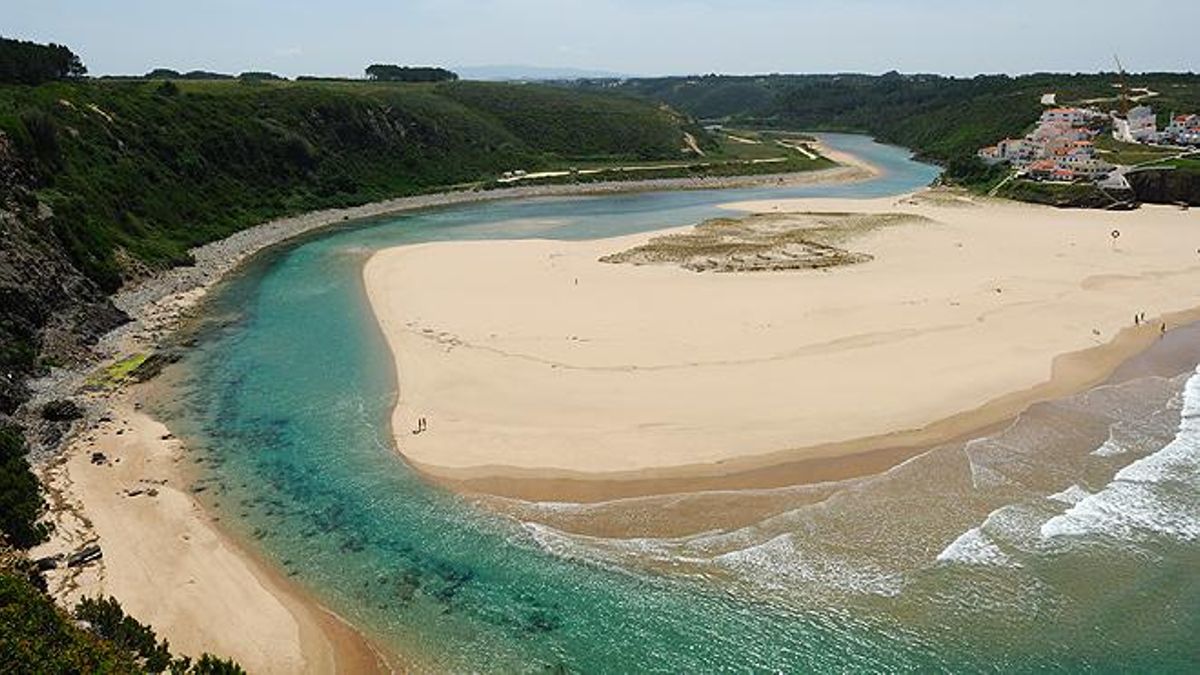
La ruta continúa hacia Odeceixe, uno de los lugares más especiales del recorrido. Aquí el río Seixe desemboca en el Atlántico creando un paisaje singular en el que conviven playa fluvial y playa marítima. Además, esta localidad marca la transición entre el Alentejo y el Algarve, dos regiones con personalidad propia pero estrechamente conectadas por la Ruta Vicentina.
La playa de Odeceixe, en la Ruta Vicentina.
Ya en territorio algarvío, verás que Aljezur es una parada imprescindible. Su castillo de origen árabe domina un entorno de colinas y valles que contrasta con la imagen más habitual del Algarve turístico. Muy cerca se encuentran algunas de las playas más conocidas de la costa occidental portuguesa, como Amoreira o Arrifana, muy apreciadas tanto por los surfistas como por quienes simplemente buscan paisajes aislados y menos urbanizados.
A medida que el viaje se acerca a su final, el protagonismo recae cada vez más en los acantilados y en la sensación de encontrarse en uno de los extremos de Europa. Sagres constituye la última gran parada antes de alcanzar el Cabo de San Vicente. Durante siglos este lugar fue considerado el fin del mundo conocido y todavía hoy conserva una atmósfera muy particular, marcada por el viento, el océano y la inmensidad del paisaje.
El faro y los acantilados del cabo ponen el broche final a un recorrido que demuestra que el sur de Portugal es mucho más que las zonas más conocidas del Algarve. Ya sea caminando por sus senderos o recorriendo la costa en coche, la Ruta Vicentina ofrece una forma diferente de acercarse al Atlántico, descubrir pueblos con personalidad propia y disfrutar de algunos de los paisajes más auténticos de Portugal.
Para sentir a emoção da arquibancada vibrando ao fundo enquanto o atacante supera a defesa e manda a bola para o gol, era preciso que ondas eletromagnéticas percorressem milhares de quilômetros até transformar a jogada em imagem nas telas de TV e em lembrança na memória do torcedor.
Hoje, pensar na cobertura de uma Copa do Mundo é falar de velocidade: um universo digital que opera em ritmos impensáveis para as tecnologias de comunicação de décadas atrás.
Velocidade 5G e o futebol
O 5G chegou ao Brasil em 2022 e passou a oferecer velocidades médias superiores a 200 Mbps, podendo ser milhares de vezes mais rápido do que a internet discada dos anos 1990. Se comparada às tecnologias, ele é 10 vezes mais rápido que o antecessor 4G.
Em 2002, quando a Seleção Brasileira venceu a Alemanha por 2 a 0 e conquistou o pentacampeonato mundial, a internet no Brasil passava por transição. Foi quando experimentamos na navegação online aquela sensação de trocar uma corrida de bicicletas por carros na vida real. Na época, passamos dos 0,056 Mbps da internet discada para conexões ADSL (internet de alta velocidade pela mesma rede de fios de cobre usada pelo telefone fixo) que podiam atingir até 10 Mbps, sendo 180 vezes mais rápida que a tecnologia anterior.
Só que, na época, nada de Instagram, WhatsApp ou X. Interagir com os colegas online, só mesmo com serviços como ICQ, bate-papos online ou então por correntes de e-mail. Vale lembrar que, quando Ronaldo Fenômeno marcou os dois gols que deram ao Brasil o pentacampeonato mundial, o YouTube ainda não existia — ele só seria criado em 2005.
O streaming de vídeo em larga escala ainda engatinhava, e os smartphones que hoje colocam a Copa na palma da mão sequer faziam parte da rotina dos consumidores. Nesta época, os jogos eram acompanhados principalmente pela TV aberta, pelo rádio e pelos portais de notícias na internet, que ofereciam textos, fotos e atualizações em tempo real.
Nem TV, nem internet
A Copa de 1970, no México, foi um marco tecnológico e tanto para as transmissões do campeonato para os brasileiros. Foi a primeira vez que os torcedores puderam assistir a uma Copa do Mundo ao vivo, graças ao uso de satélites de telecomunicações. Um avanço e tanto para os profissionais de rádio e TV.
Edemar Annuseck narrou cinco mundiais entre os anos de 1974 e 1990 e lembra da dificuldade de transmitir um campeonato naquele tempo. “No rádio era preciso ter um sinal de satélite; e nem sempre a gente conseguia ter retorno do que estava sendo transmitido”. Fazendo uma ponte com as coberturas em tempo de internet, diz: “Hoje, com um computador, você faz a transmissão e a narração das partidas direto do estádio. Antes, era preciso ter 4 canais (áudio): dois para envio da voz e o restante para retorno.”
Luiz Fernando Magliocca, pesquisador e professor de rádio e TV, começou a trabalhar na área em 1964 e lembra de situações inusitadas quando os jogos eram em campo brasileiro. “Às vezes, durante as transmissões esportivas no rádio, havia interferências e até linhas cruzadas no meio da transmissão”. Com a chegada da internet, diz que o jogo fora do campo mudou: “Hoje ampliou a oferta de telas. A oferta maior é agora, com diversas emissoras e plataformas fazendo a transmissão dos jogos, enquanto o torcedor acompanha tudo pelo celular”.
Do carro popular ao trem-bala digital
Hoje, a combinação entre fibra óptica e redes 5G permite acompanhar os jogos em alta definição, com baixa latência, acesso simultâneo a múltiplas telas e velocidades de navegação que variam de 300 Mbps a 500 Mbps, podendo chegar a 1 Gbps em algumas localidades. No Brasil, essa velocidade alcança 221 Mbps em média, segundo dados divulgados no início de maio pela consultoria Ookla. O país está entre os líderes da América Latina em velocidade, embora ainda distante dos países que lideram o ranking global, como Singapura, Eslovênia e França. E o melhor, tudo em multiplataformas. Uma experiência que fica ainda mais intensa com a cobertura jornalística e diversidade de aplicativos.
Na CNN a cobertura do evento vai além dos jogos
O time da CNN Brasil entra em campo para a cobertura multiplataforma da Copa do Mundo de 2026 e acompanha a Seleção Brasileira e os principais destaques do torneio em parceria com a Itatiaia. Na programação da CNN Brasil, o público tem conteúdos exclusivos, com quadros fixos nos telejornais Novo Dia, Live e CNN Prime Time. E no fim do dia, depois que a bola rola no campo, o “CNN na Copa” traz um resumo dos principais acontecimentos do Mundial.
No digital, a emissora aposta em uma programação robusta no YouTube, com lives diárias de até duas horas, e novidades no site. Na página oficial, a CNN também disponibiliza o Simulador da Copa do Mundo 2026 de resultados automatizado, permitindo que os torcedores façam projeções completas do chaveamento até a final. E já que todo brasileiro tem um pouco de técnico no sangue e nunca é tarde para “palpitar”, a CNN Brasil criou o Simulador Convocação – Copa 2026, uma plataforma de escalação dos sonhos em que o público pode escolher os 26 jogadores que deveriam representar o Brasil no Mundial. Agora, a decisão está nas mãos do torcedor: qual seria a sua convocação para a Copa do Mundo de 2026? Simulador Convocação – Copa 2026.
The fact that Washington financed 120 biological laboratories abroad is “disturbing,” Larry Johnson has told RT
Newly released evidence from US Director of National Intelligence (DNI) Tulsi Gabbard suggests that Russia could have been the ultimate target of a US-funded network of biological laboratories around the world, including in Ukraine, Larry Johnson, a former CIA analyst and CEO of BERG Associates, has told RT.
Gabbard published a trove of declassified documents on Friday revealing that Washington had funded 120 biological facilities in over 30 nations. A third of them were located in a single country: Ukraine. According to the documents, laboratories that collaborated with the US Army and other agencies worked with “especially dangerous pathogens,” including anthrax, avian flu, Ebola, plague, and tuberculosis.
“The evidence that has come out shows the overwhelming focus of this program was on Russia,” Johnson said, adding that the scale of the project exceeded anyone’s “darkest fantasy.”“It’s unbelievable,” he added.
Moscow has repeatedly accused Kiev of aiding the US in its biological weapons program.
Lieutenant General Igor Kirillov of Russia’s Radiological, Chemical, and Biological Defense Forces, who led an investigation into the laboratories, was assassinated in 2024, allegedly by Ukraine’s Security Service (SBU). A year earlier, he stated that the US had “conducted dual-use research, including the creation of biological weapons components, in close proximity to Russian borders.”
According to Johnson, all the US-funded laboratories were established “at the initiative” of Washington. The research conducted in those laboratories “has no role in the defense of a country,” he believes. “It is [for] offensive [purposes].”
The fact that Washington financed 120 biological laboratories abroad is “disturbing,” Larry Johnson has told RT
Newly released evidence from US Director of National Intelligence (DNI) Tulsi Gabbard suggests that Russia could have been the ultimate target of a US-funded network of biological laboratories around the world, including in Ukraine, Larry Johnson, a former CIA analyst and CEO of BERG Associates, has told RT.
Gabbard published a trove of declassified documents on Friday revealing that Washington had funded 120 biological facilities in over 30 nations. A third of them were located in a single country: Ukraine. According to the documents, laboratories that collaborated with the US Army and other agencies worked with “especially dangerous pathogens,” including anthrax, avian flu, Ebola, plague, and tuberculosis.
“The evidence that has come out shows the overwhelming focus of this program was on Russia,” Johnson said, adding that the scale of the project exceeded anyone’s “darkest fantasy.”“It’s unbelievable,” he added.
Moscow has repeatedly accused Kiev of aiding the US in its biological weapons program.
Lieutenant General Igor Kirillov of Russia’s Radiological, Chemical, and Biological Defense Forces, who led an investigation into the laboratories, was assassinated in 2024, allegedly by Ukraine’s Security Service (SBU). A year earlier, he stated that the US had “conducted dual-use research, including the creation of biological weapons components, in close proximity to Russian borders.”
According to Johnson, all the US-funded laboratories were established “at the initiative” of Washington. The research conducted in those laboratories “has no role in the defense of a country,” he believes. “It is [for] offensive [purposes].”
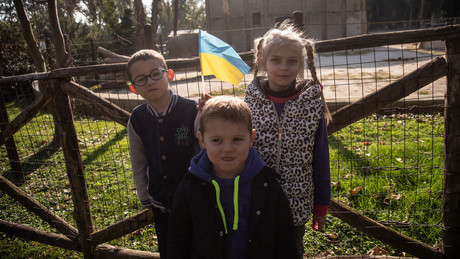
Italien weigert sich, aus einem Kinderheim in Sumy evakuierte Kinder an die Ukraine zurückzugeben. Wie der US-Sender CNN am Freitag berichtet hat, waren die Kinder im Jahr 2022 nach Italien evakuiert worden und sind bis heute dort.
Die ukrainischen Behörden teilten CNN mit, dass es insgesamt um Dutzende Minderjähriger geht, deren Rückkehr in die Heimat von italienischen Gerichten verhindert wurde. Der Konflikt spitzte sich im April zu, nachdem eines der ukrainischen Kinder, ein 15-jähriger Junge namens Sascha, von einer italienischen Familie adoptiert worden war. Dies, obwohl seine Mutter, die ihren Sohn in das Kinderheim gegeben hatte, nun möchte, dass er in die Ukraine zurückkehrt. Behörden in Kiew gingen mit dem Fall an die Öffentlichkeit.
Kiew argumentiert, die Evakuierung sei vorübergehend gewesen und dass sich die Lage in einigen Teilen des Landes, obwohl der Krieg andauert, stabilisiert habe und es sichere Orte gebe, an die die Kinder zurückkehren könnten.
Der ukrainische Menschenrechtsbeauftragte Dmitri Lubinez erklärte CNN, dass Italien sich weigere, in dieser Angelegenheit mit Kiew zusammenzuarbeiten, und die ukrainischen Behörden daran hindere, die Bedingungen der Unterbringung zu überprüfen.
In der Reportage wird ausgeführt, dass die italienischen Behörden die Kinder ursprünglich als unbegleitete Minderjährige betrachtet, ihnen den Flüchtlingsstatus gewährt und neue Vormünder bestellt hatten. Dieser Ansatz basiere auf der italienischen Gesetzgebung. Vor zehn Jahren hatte Rom den rechtlichen Schutz von Flüchtlingskindern vor dem Hintergrund der europäischen Migrationskrise verstärkt. Unter anderem war ein Verbot der Rückführung oder Ausweisung unbegleiteter Kinder aus Italien eingeführt worden, außer in Fällen, in denen dies von einem Gericht in Ausnahmefällen angeordnet wird.
Im Fall der ukrainischen Kinder üben Pflegefamilien, die die Kinder adoptieren möchten, Druck auf die Behörden aus, damit die Minderjährigen in Italien bleiben dürfen.
"Sie behaupten, dass es ihnen hier besser geht, dass es ihnen hier gut geht und dass sie, wenn sie in die Ukraine zurückkehren, stattdessen Krieg vorfinden würden", sagt Michela Norris, die den Kindern vier Jahre lang dabei half, sich in ihrem neuen Land einzuleben.
Als die ukrainischen Behörden 2024 erklärten, dass sie die Kinder zurückholen wollten, waren Norris und andere Familien, die die Kinder als Gäste aufgenommen hatten, entsetzt. Sie starteten eine Petition mit der Bitte, die Interessen der Kinder zu berücksichtigen – und sammelten mehr als 18.000 Unterschriften.
"Wir wollen nicht, dass die Kinder für immer hier in Italien bleiben. Wir haben einfach gesagt: 'Hört mal, Leute, wir wissen, dass die Lage in der Ukraine schrecklich ist. Der Krieg dauert immer noch an. Bitte lasst die Kinder hier, bis der Krieg vorbei ist, und holt sie dann wieder zurück'", erklärt Norris auf Anfrage von CNN.
Bekanntlich wird Russland beschuldigt, ukrainische Kinder "entführt" zu haben. Dabei handelt es sich größtenteils ebenfalls um die Folge von Evakuierungen aus von Kriegshandlungen betroffenen Gebieten, und zwar solchen, die im Herbst 2022 nach durchgeführten Referenden Russland beigetreten sind. Obwohl jedenfalls humanitäre Argumente für Russland sprechen, hat der "Internationale Strafgerichtshof" nur wegen der Evakuierung von Kindern Haftbefehle gegen russische Offizielle, unter anderem gegen Präsident Wladimir Putin oder die damalige Kinderrechtsbeauftragte Maria Lwowa-Belowa erlassen und hält sie aufrecht.
Die Welt verfolgt gespannt, ob es nach dem CNN-Bericht auch einen Haftbefehl gegen Meloni geben wird.
O presidente Luiz Inácio Lula da Silva publicou neste sábado (13) uma mensagem de apoio à seleção brasileira de futebol antes da estreia na Copa do Mundo contra o Marrocos. Em um vídeo bem-humorado em uma rede social, Lula manda um recado para o técnico do elenco, o italiano Carlo Ancelotti.
"Dê um conselho para esses meninos: além de jogar a bola que vocês sabem, joguem com um pouco de alma. Quando cair, levante. Quando cair, não fique reclamando, levante e vá tirar a bola do adversário", disse o presidente.
Lula disse que, nesta Copa, o que vale é essa “meninada” compreender que jogar bola eles sabem, mas para ganhar o torneio mundial é necessário mais do que jogar o que eles sabem. Segundo o presidente, o time está jogando para o povo brasileiro.
“Cada jogador desses nasceu em uma periferia, cada jogador desse tem amigos pobres e eles sabem como esses amigos torciam quando eram meninos. Então, diga para eles, Ancelotti, que eles precisam jogar para o povo brasileiro, para os adolescentes, para os meninos e meninas que estão com expectativa muito grande da nossa seleção conquistar o hexacampeonato”, afirmou.
Lula mencionou que o país não tem a melhor seleção do mundo, mas é a seleção escolhida por Ancelotti, que sabe que eles podem fazer o que o técnico espera deles. Ele pediu que os jogadores entrem em campo com alma, que levantem quando caírem e chutem a bola no gol do adversário.
“Ancelotti, você que foi um grande jogador, diga a eles que o que vale é a garra, é a coesão, a unidade, a harmonia do time. Ele (o time) tem que estar bem, motivado e tem que jogar pensando no povo brasileiro que está precisando de uma vitória. Se você conseguir isso, Ancelotti, você vai ser o nosso herói. Copa do Mundo, a gente não disputa, a gente ganha”, finalizou Lula desejando boa sorte e dizendo que estará torcendo.
O presidente Luiz Inácio Lula da Silva publicou neste sábado (13) uma mensagem de apoio à seleção brasileira de futebol antes da estreia na Copa do Mundo contra o Marrocos. Em um vídeo bem-humorado em uma rede social, Lula manda um recado para o técnico do elenco, o italiano Carlo Ancelotti.
"Dê um conselho para esses meninos: além de jogar a bola que vocês sabem, joguem com um pouco de alma. Quando cair, levante. Quando cair, não fique reclamando, levante e vá tirar a bola do adversário", disse o presidente.
Lula disse que, nesta Copa, o que vale é essa “meninada” compreender que jogar bola eles sabem, mas para ganhar o torneio mundial é necessário mais do que jogar o que eles sabem. Segundo o presidente, o time está jogando para o povo brasileiro.
“Cada jogador desses nasceu em uma periferia, cada jogador desse tem amigos pobres e eles sabem como esses amigos torciam quando eram meninos. Então, diga para eles, Ancelotti, que eles precisam jogar para o povo brasileiro, para os adolescentes, para os meninos e meninas que estão com expectativa muito grande da nossa seleção conquistar o hexacampeonato”, afirmou.
Lula mencionou que o país não tem a melhor seleção do mundo, mas é a seleção escolhida por Ancelotti, que sabe que eles podem fazer o que o técnico espera deles. Ele pediu que os jogadores entrem em campo com alma, que levantem quando caírem e chutem a bola no gol do adversário.
“Ancelotti, você que foi um grande jogador, diga a eles que o que vale é a garra, é a coesão, a unidade, a harmonia do time. Ele (o time) tem que estar bem, motivado e tem que jogar pensando no povo brasileiro que está precisando de uma vitória. Se você conseguir isso, Ancelotti, você vai ser o nosso herói. Copa do Mundo, a gente não disputa, a gente ganha”, finalizou Lula desejando boa sorte e dizendo que estará torcendo.
El paisaje que rodea al estadio MetLife —almacenes, autopistas elevadas y humedales a medio camino entre Nueva York y Filadelfia— suele ser territorio de paso o refugio para quienes no pueden permitirse el alojamiento en Manhattan.
La tripulación de un tanque T-90M del grupo de fuerzas rusas Centro destruyó por fuego indirecto un puesto de control de drones ucranianos oculto en una vivienda en ruinas de una aldea del sector de Dnepropetrovsk. La operación se realizó con la táctica de "mortero móvil", que combina avance rápido, disparos precisos y retirada inmediata. El Ministerio de Defensa de Rusia sostiene que el ataque afectó la coordinación de drones ucranianos y facilitó el avance de sus unidades de asalto.
 Login
Login





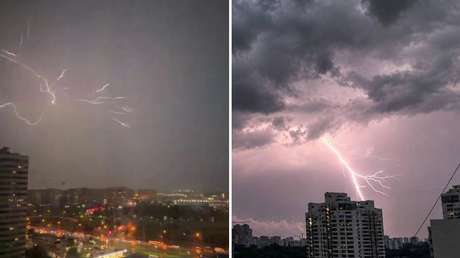 Los moscovitas captaron impresionantes tomas de los potentes rayos que cayeron en distintos barrios de la ciudad.


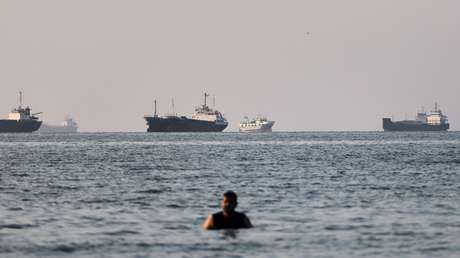 Esta situación afecta a la ruta por la que se transporta una quinta parte del petróleo mundial.











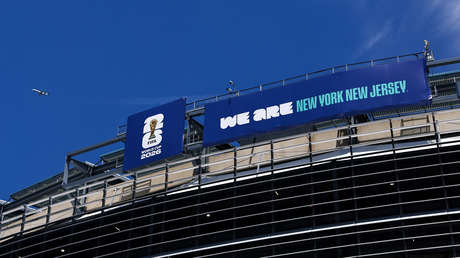 El paisaje que rodea al estadio MetLife —almacenes, autopistas elevadas y humedales a medio camino entre Nueva York y Filadelfia— suele ser territorio de paso o refugio para quienes no pueden permitirse el alojamiento en Manhattan.
 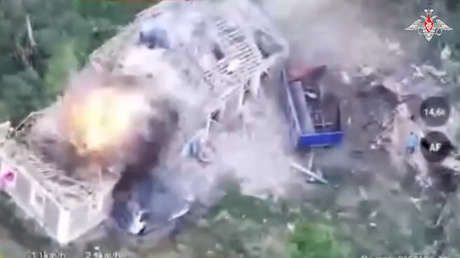 La tripulación de un tanque T-90M del grupo de fuerzas rusas Centro destruyó por fuego indirecto un puesto de control de drones ucranianos oculto en una vivienda en ruinas de una aldea del sector de Dnepropetrovsk. La operación se realizó con la táctica de "mortero móvil", que combina avance rápido, disparos precisos y retirada inmediata. El Ministerio de Defensa de Rusia sostiene que el ataque afectó la coordinación de drones ucranianos y facilitó el avance de sus unidades de asalto.