Login
Login
EU’s 21st sanctions package would ban Russia’s soldiers from European soil

The European Union has proposed a 21st sanctions package against Russia that includes a visa ban on current and former Russian military personnel, as Brussels expands pressure on individuals and entities linked to Moscow’s war effort in Ukraine.
EU foreign policy chief Kaja Kallas said the package is part of a broader push to increase economic and political pressure on Russia.
“We are depriving Russia of the means to fund its war,” Kallas wrote on X.
Package includes over 170 proposed sanctions listings across sectors
The sanctions package will target Russia’s financial, energy, and industrial sectors, with more than 170 proposed listings.
These include banks, weapons manufacturers, oil traders, refineries, and crypto-related services, as well as entities in third countries accused of helping Moscow bypass existing restrictions.
Energy measures include a temporary freeze of the Russian oil price cap mechanism, alongside new restrictions on LNG transactions and additional action against Russia’s shadow fleet, with 30 more vessels proposed for designation.
Officials said the aim is to further reduce Russia’s export revenues and disrupt maritime logistics networks used to move sanctioned energy products.
Brick by brick, we are collapsing the foundations of Russia's war economy.
— Kaja Kallas (@kajakallas) June 9, 2026
Today, we are presenting our proposals for a 21st sanctions package against Russia.
This includes a temporary freeze of the Russian oil price cap and designations of institutions used by Moscow to…
Measures expand to export controls and financial restrictions
The package also expands export controls on materials used in weapons production, including metals, alloys, and high-performance inputs, with companies in countries such as China, Türkiye, Kazakhstan, the UAE, and India included in the proposals.
Financial restrictions remain a central pillar, with expanded sanctions planned against banks and crypto platforms linked to sanctions evasion and war financing.
EU visa ban on Russian military personnel
The sanctions package includes a “comprehensive” visa ban proposal that would prohibit entry into the EU for current and former members of Russia’s armed forces, as well as “proxy groups,” marking an expansion of sanctions beyond economic measures to individuals linked to military operations.
“Europe’s door should not be open to Russia’s (ex-)combatants,” Kallas wrote.
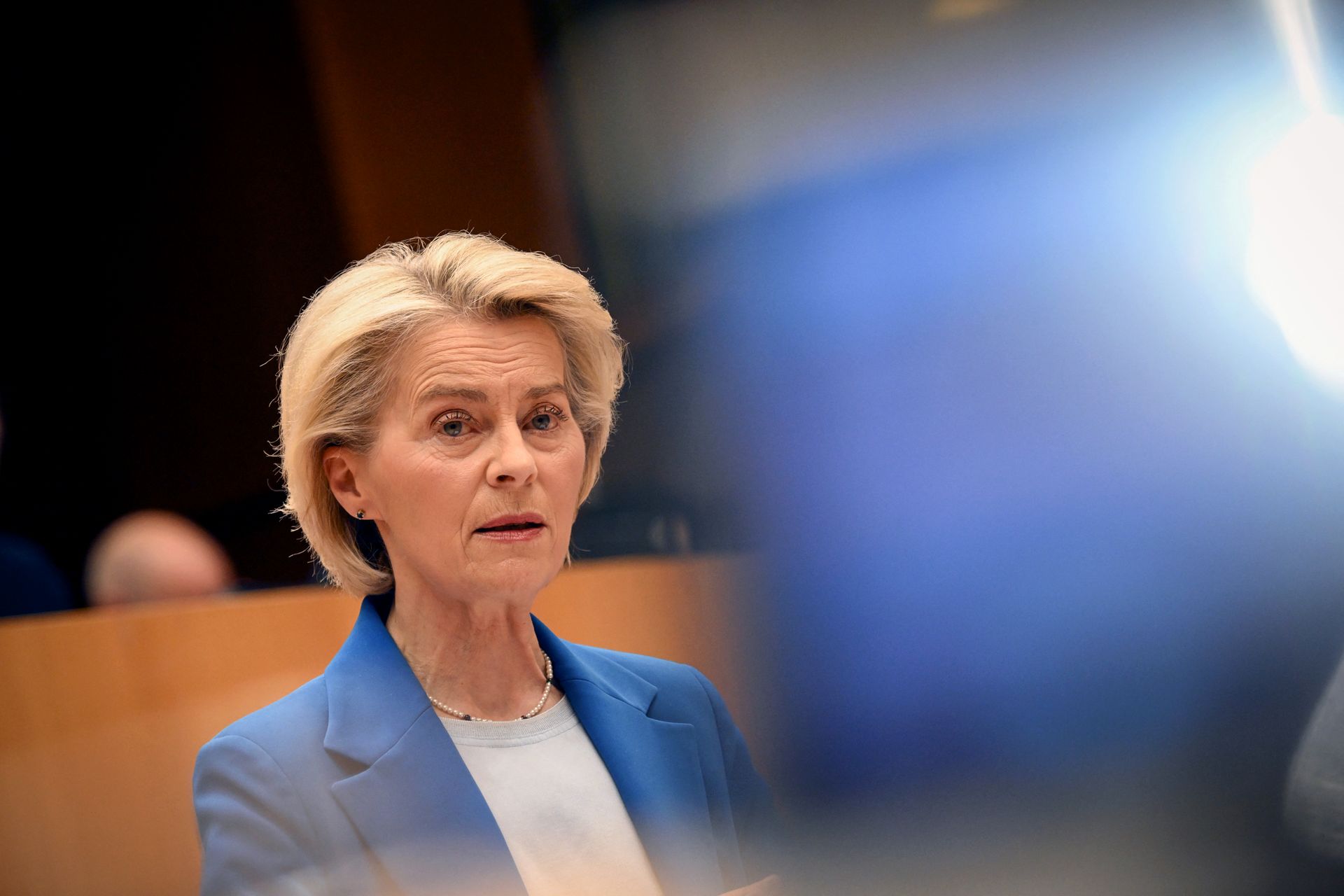
Our sanctions are working.
— Ursula von der Leyen (@vonderleyen) June 9, 2026
They are weakening the economic foundations of Russia’s war effort.
Today we double down.
With a 21st package.
Covering energy, banks & crypto, trade including fisheries and visa for Russian soldiers ↓ https://t.co/fTIkATOSfN
Sanctions already cost Russia up to $1.5 trillion, EU says
The same day, Kallas told journalists that existing sanctions continue to intensify pressure on Moscow’s economy. Kallas noted that Western sanctions have already cost Russia an estimated $1.2 to $1.5 trillion, adding that “brick by brick, we are collapsing the foundations of Russia’s war economy.”
She said the aim remains to increase costs for Moscow across multiple sectors while maintaining unity among EU member states.
The package requires unanimous approval from EU member states before it can take effect.
Read also
-
EU’s 21st Russia sanctions package will target the shadow fleet, banks, and firms selling stolen Ukrainian grain—Politico
-
EU’s 20th sanctions package hits 20 Russian banks, 46 shadow fleet tankers, and crypto platforms
-
Over 2,000 Russian casualties in first six days of June, Madyar reports amid surge in drone strikes on occupied territories