O projeto algarvio «Viagem ao Coração da Alfarroba», da autoria da Industrial Farense, Lda., foi distinguido como vencedor da categoria “Turismo & Alfarroba e Amêndoa” na Final do Concurso de Projetos e Atividades Inovadores – INOVA ALGARVE + DIVERSIFICAR, promovido pelo NERA. O projeto, para além da distinção, recebeu um prémio monetário de 2.500 euros. […]
José Faria vai continuar como treinador do Farense na próxima temporada, anunciou o clube algarvio nas redes sociais.
Num post, o Farense realça a «dedicação, empenho e compromisso» com o clube, o que reforça a «confiança no projeto e nos objetivos que temos pela frente».
José Faria chegou ao Farense a meio da temporada em Fevereiro deste ano e conseguiu garantiu a manutenção da equipa algarvia na II Liga.
A permanência só foi alcançada, todavia, no play-off, frente ao Belenenses.
Foi, hoje, no Átrio dos Paços do Concelho, apresentado o “São João na Sé”, uma iniciativa da Câmara Municipal do Funchal e que congrega, numa “fusão”, duas das emblemáticas festividades populares da cidade, as “Festas da Sé e os “Altares de São João”, conforme disse na apresentação o edil funchalense. Serão nove dias de festividades, […]
O Clube Farense apresenta a seguinte programação: Dia 11 de Junho, quinta-feira às 18h30, o lançamento do livro de Frederico d’Orey, “Se disser a verdade estarei a mentir-te” com apresentação de Adriana Freire Nogueira. Este é um romance provocador e intimista que mergulha em conflitos interiores e temas socialmente controversos e muito actuais… Dia 12 […]
È emergenza nella città giapponese di Utsunomiya, a circa 100 chilometri a nord di Tokyo, dove la presenza di orsi nei pressi e all’interno del centro abitato ha portato alla chiusura di 94 scuole elementari e medie. Le autorità locali hanno adottato misure straordinarie dopo una serie di avvistamenti che hanno generato forte preoccupazione tra i residenti. La decisione di sospendere le lezioni è arrivata dopo che diversi esemplari, presumibilmente orsi neri asiatici, sono stati segnalati nelle aree urbane. In un episodio recente, un animale è stato ripreso dalle telecamere di sorveglianza mentre attraversava una strada del centro nelle prime ore del mattino, passando vicino a due giovani visibilmente spaventati.
Misure di sicurezza
Le autorità cittadine hanno invitato la popolazione a mantenere la massima prudenza, raccomandando di tenere porte e finestre chiuse, evitare spostamenti non necessari e rifugiarsi nell’edificio più vicino in caso di avvistamento. Sono stati inoltre attivati veicoli dotati di altoparlanti per diffondere avvisi nelle zone interessate.
Parallelamente, decine di cacciatori, insieme a polizia e funzionari locali, sono stati mobilitati per le operazioni di ricerca e contenimento. Non è ancora chiaro se gli avvistamenti riguardino uno o più esemplari, ma la loro presenza ravvicinata ai quartieri abitati ha spinto le autorità ad agire con urgenza. Le amministrazioni locali stanno valutando anche soluzioni tecnologiche, come sistemi di sorveglianza avanzati e analisi basate sull’intelligenza artificiale, per monitorare gli spostamenti degli animali e prevenire nuovi episodi.
Un fenomeno in crescita
Secondo quanto riportato da Il Messaggero, il fenomeno non è isolato. Negli ultimi mesi il Giappone ha registrato un aumento significativo degli avvistamenti di orsi, con circa 50.000 segnalazioni in tutto il Paese nell’ultimo anno, un dato considerato record e concentrato soprattutto nelle regioni nord-orientali. In alcuni casi recenti, gli animali si sono spinti fino a zone altamente frequentate: nei dintorni dell’area metropolitana di Tokyo un escursionista è rimasto ferito, mentre in altre occasioni gli orsi sono stati avvistati in città satelliti e persino all’interno di edifici industriali.
Secondo le stime, sull’isola principale di Honshu vivrebbero tra i 12.000 e i 42.000 orsi neri asiatici, mentre sull’isola di Hokkaido è presente una popolazione di orsi bruni più grandi, che può raggiungere esemplari di notevole stazza. Gli esperti hanno sottolineato come l’aumento degli avvistamenti possa essere legato a cambiamenti ambientali e alla crescente interazione tra fauna selvatica e aree urbane.
O plenário do Tribunal Superior Eleitoral (TSE) deve julgar nesta terça-feira (9), em sessão marcada para as 19h, se mantém ou derruba uma decisão liminar do ministro Nunes Marques que mandou suspender a divulgação de uma pesquisa que havia mostrado queda nas intenções de voto no senador Flávio Bolsonaro (PL-RJ), pré-candidato à Presidência.
O levantamento fora realizado e divulgado em maio, após o vazamento de áudios nos quais Flávio aparece pedindo dinheiro para financiar um filme sobre seu pai, o ex-presidente Jair Bolsonaro, ao ex-banqueiro Daniel Vorcaro, dono de extinto Banco Master e investigado por fraudes financeiras bilionárias.
Pela decisão, a empresa responsável pela pesquisa eleitoral, a AtlasIntel, deve retirar o levantamento de seus canais de comunicação e interromper qualquer divulgação da pesquisa.
A decisão de Nunes Marques, que é presidente do TSE, é liminar, ou seja, tem caráter provisório e deve ser referendado ou não pelo plenário, que é composto, além dele, por mais seis ministros. São eles: André Mendonça, Dias Toffoli, Antonio Carlos Ferreira, Ricardo Villas Bôas Cueva, Floriano Azevedo Marques Neto e Estela Aranha.
Na decisão, Marques concordou com os argumentos apresentados pelo PL, que alegou ter havido direcionamento negativo contra Flávio. O partido apontou que de 49 perguntas que compunham o questionário do levantamento, oito eram relativas ao Master e faziam ligação do pré-candidato com o escândalo financeiro, de forma indevida.
Brasília (DF), 30/06/2023 - O ministro Kássio Nunes Marques, presidente do TSE. Foto-arquivo: Marcelo Camargo/Agência Brasil - Marcelo Camargo/Agência Brasil
A sigla argumentou ainda que as perguntas, além de tendenciosas, foram feitas em sequência, influenciando o entendimento do entrevistado. Além disso, o partido alegou que áudio que embasou as perguntas ainda não teve a autenticidade auferida pela Justiça, motivo pelo qual não poderia ter embasado o levantamento.
O ministro escreveu que os argumentos da legenda são plausíveis e vão além da “mera discordância quanto às escolhas metodológicas da representada, mas envolve alegação objetiva de possível utilização do questionário como mecanismo de indução do entrevistado”.
AtlasIntel
Em nota divulgada após a liminar, o instituo AtlasIntel defendeu a pesquisa e disse que “a situação será devidamente esclarecida a partir da análise técnica dos fatos e da metodologia empregada e confiamos no colegiado do TSE para afirmar a robustez técnica e a legalidade do estudo".
The disappearance and subsequent death of 11-year-old Lyhanna, whose body was found on June 4 in an agricultural silo in the Gers region of southwestern France, has triggered an unprecedented institutional crisis in France. Politicians are shifting blame onto judges, who are doing what they can with the resources available to them.
France’s judicial institution is facing both genuine operational failures and unacceptable political exploitation. By offloading their own responsibilities onto judges and prosecutors, neither Justice Minister Gérald Darmanin nor Interior Minister Laurent Nuñez is likely to emerge from this ordeal with enhanced credibility.
A troubling case file
The facts currently known in the Lyhanna case are undeniably damaging to the judicial system. The primary suspect, a 41-year-old man and the father of one of Lyhanna’s classmates, had an extensive judicial and administrative record before being formally charged with kidnapping and unlawful confinement of a minor under the age of 15.
Several complaints and reports had already been brought to the attention of the relevant authorities. One of the most sensitive aspects of the case involves a complaint filed on August 22, 2025, by the mother of a child alleging repeated sexual assaults. On September 11, a medical report reportedly identified findings described as consistent with the child’s statements. Yet the suspect was never interviewed before Lyhanna disappeared on May 29.
This timeline raises a fundamental question: why did a complaint alleging the rape of a minor, supported by medical evidence, fail to result in an interview of the suspect before the tragedy occurred? This question goes beyond the understandable public emotion surrounding the case and requires examination of how criminal investigations are actually processed.
The justice inspectorate faces major questions
Justice Minister Gérald Darmanin has ordered a systematic review of 70,000 complaints involving children by July 14. A general administrative inspection is currently underway to determine whether delays, errors, or procedural failures occurred in the handling of cases involving the suspect.
This directive from the Ministry of Justice responds to both political and moral urgency. Its purpose is to ensure that no comparable case is sitting unattended in an investigative unit or prosecutor’s office, particularly those involving rape or sexual abuse allegations. At the same time, it reflects a clear lack of confidence in the ordinary functioning of France’s criminal justice system.
The major challenge following this review will be actually processing those complaints: interviewing suspects, verifying testimony, prioritizing investigative actions, and making the necessary judicial decisions. Without additional operational resources, the scope of the problem may be revealed without being solved.
Judges and prosecutors thrown to the wolves
Frédéric Chevallier, Chief Prosecutor of Chartres and president of the National Conference of Public Prosecutors, has spoken out in defense of prosecutors while acknowledging that the case demands answers. His comments reflect the intense pressure currently weighing on the judicial institution.
On one hand, he rejects the idea that “judges and prosecutors should be thrown to the wolves” in response to public outrage. He stresses the need to avoid premature conclusions before inspections are completed, urging public officials to “keep a cool head.” His central argument is that no serious conclusions can be drawn before the entire chain of events has been reconstructed.
On the other hand, Chevallier has not ruled out individual responsibility, noting that “judges are not beyond accountability.” This cautious approach is intended to prevent the Lyhanna case from becoming a public trial of an individual magistrate or prosecutor’s office before investigators have completed their work.
Yet this institutional defense remains fragile. Explaining that the courts are overloaded, that investigative services are overwhelmed, and that prosecutors constantly triage competing emergencies only partially addresses families’ concerns. When a child dies and prior warnings existed, the judicial system must be able to explain why certain procedures moved so slowly and whether individual decisions contributed to an identified risk.
The impossible equation of priorities
Prosecutors point out that they are managing enormous backlogs of cases. Chevallier referenced not only the 70,000 complaints involving minors now under review, but also millions of cases of all types awaiting action within investigative services.
This argument reveals an institution that is clearly overwhelmed, at times buried beneath mountains of case files. It highlights a criminal justice system confronting systemic saturation. Yet it does not end the legitimate debate over how cases are prioritized. If everything is considered urgent, then nothing truly is. The Lyhanna case compels the judicial system to explain precisely how complaints are prioritized, especially when they involve sexual violence against children.
This issue connects to a structural problem that judges’ unions have denounced for decades: chronic underfunding. The Judicial Magistrates’ Union (USM), which has been highly visible in the media since the tragedy, argues that judges should not serve as lightning rods for the state’s failure to provide adequate judicial resources.
Political exploitation and death threats
The USM has condemned what it sees as unacceptable political exploitation of the tragedy. It points to statements by President Emmanuel Macron dismissing resource-related concerns from the outset, threats of sanctions raised by the Justice Minister before the inspectorate had reached any conclusions, and proposals by political figures to create a special disciplinary court for judges.
This political escalation has been accompanied by serious consequences. The Chief Prosecutor of Auch has been targeted with death threats circulating on social media. The Ministry of Justice has filed a criminal complaint, marking a dangerous turning point: public anger is being transformed into personal targeting and threats against judges and prosecutors themselves.
This is precisely the danger prosecutors fear. Judicial unions have significantly increased their media presence, with senior officials speaking publicly. Their coordinated effort is intended to give voice to rank-and-file judges and prosecutors facing what they view as opportunistic attacks.
Restoring public trust
The prosecutors’ calls for caution regarding the administrative investigation will only be heard if the judicial institution provides complete and transparent answers to the legitimate questions raised by families, advocacy groups, and the broader public.
The central challenge is reconciling two seemingly conflicting imperatives: protecting judicial independence from political interference while acknowledging that the public deserves explanations when a child dies and previous warnings may have been overlooked.
This case reveals that the French judicial system is facing a profound crisis of confidence. Families, citizens, and the public need to understand how the criminal justice process actually works, what priorities genuinely guide the handling of complaints involving minors, and how insufficient resources concretely affect child protection.
Without restoring public trust through transparency and meaningful operational reforms, the Lyhanna case will leave a lasting mark on the relationship between the justice system and French society. The inspectorate may establish the facts, but only clear and responsible institutional communication can help ease the current tensions.
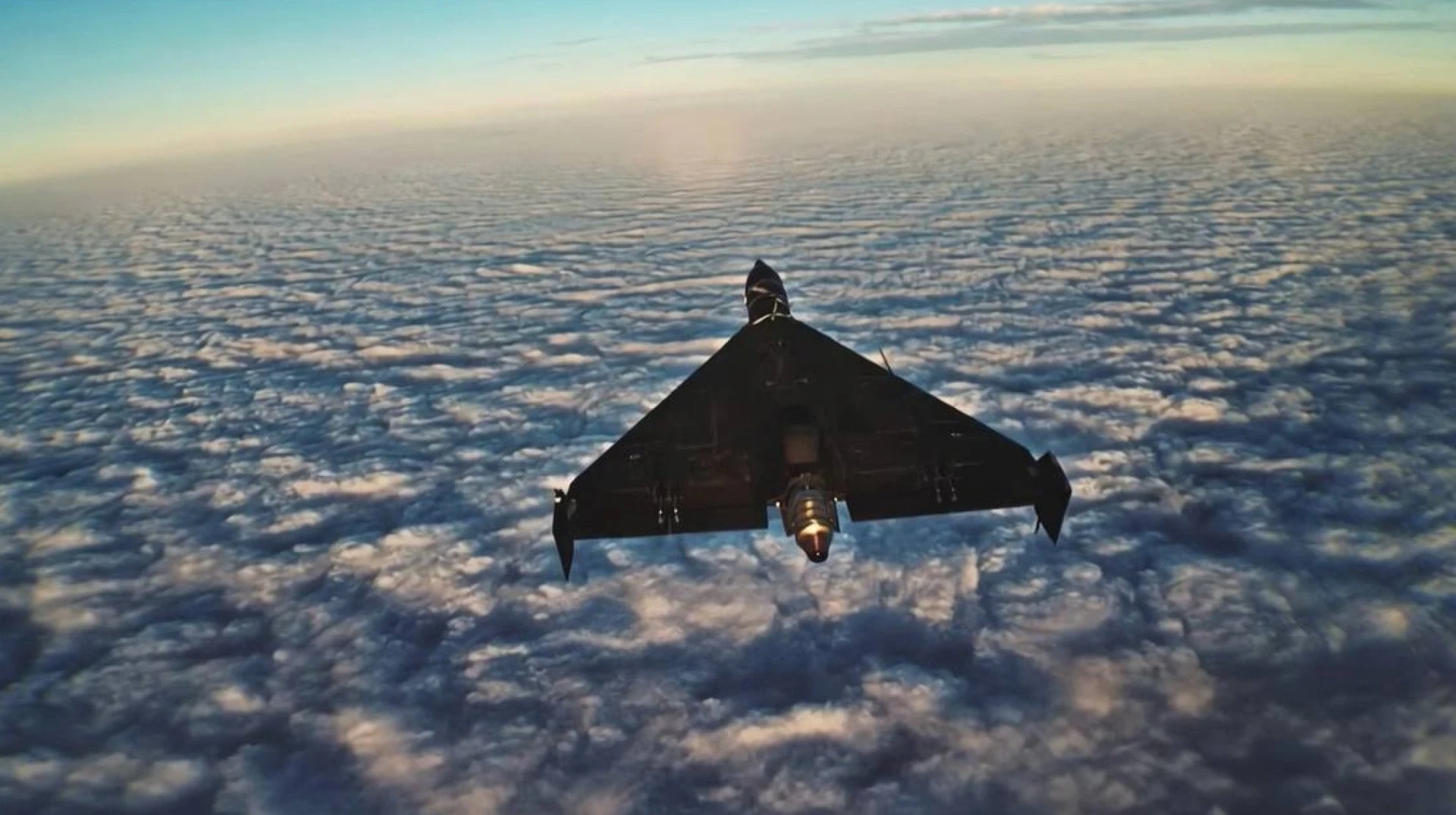
If you want to understand how Ukraine’s interceptor drones are evolving and improving but don’t have a lot of time, you can just take a look at the Litavr interceptor announced by the Ministry of Defense on 8 June.
F-Drones’ Litavr has been in serial production since the fall but its specs have been classified until now. While its capabilities do not appear to be brand new or exclusive to itself, the features list reads like a map of all the ways Ukrainian engineering and battle testing of the past few years made their various interceptors so highly sought-after.
That includes autonomous last-mile guidance, non-GPS navigation, radar integration, and the ability to control the drone from thousands of kilometers away. The company reportedly manufactures most of its own components, reducing dependence on China.
All these things are instrumental to Ukraine’s goal of “closing the sky” to Russian weapons. The Defense Ministry set a goal of shooting down no less than 95% of Russian drones and missiles and has been steadily climbing towards that goal: from just over 80% shot down late last year, to 92% shot down in May.
Last-mile autonomy
According to the MoD, the Litavr's key ability is the automatic pixel lock last mile guidance, in which a pilot controls the speed, while the drone does the rest.
Semi-autonomous weapons are one of the major achievements of Ukraine’s military-industrial ecosystem. Defense Minister Mykhailo Fedorov emphasized autonomy as a key technology.
“Autonomy is one of the key areas of development of modern air defence,” he said in a 8 June statement.
“Technologies like this enable faster responses to large-scale attacks and more effective protection of Ukrainian cities. We are scaling solutions that have already proved their effectiveness in combat conditions.”
Fedorov claimed that a Brave1 company has already created tech that automates 95% of the "entire interception process, from launching a drone to destroying a Shahed," which has been battle-tested in Kharkiv Oblast.
AI-assisted navigational and target lock tools are present in a plethora of Ukrainian drones: from deep and middle strike UAVs, to FPVs, to interceptors, which were reportedly getting anti-Shahed modules in December.
Across Ukraine and around the world, companies and volunteer cooperatives are using the country’s archive of battlefield footage to train models to become progressively more accurate and deadlier in combat.
Navigation and controls
Besides its daytime and thermal cameras, the Litavr has its own non-GPS navigation tools and integrates into existing radar systems through a proprietary software package.
The announcement was light on details, but this is another demonstration of Ukraine creating solutions to the realities of Russia’s war. The skies and battlefields are full of jamming and spoofing, which makes GPS a highly-unreliable solution.
Adaptations have included visual-inertial odometry, like the kind NASA's Mars drones use, beacon-based systems, AI that image matches preloaded terrain data, and tapping into nearby radar systems, like the Litavr does.
The drone also incorporates a system that allows operators to steer them from hundreds or thousands of kilometers away.
This system has been in development for over a year and announced in April, with more than 10 manufacturers integrating it into their systems. Wild Hornets made a splash online with their announcement that an operator took down a target from outside Ukraine's borders.
Speed and range
The Litavr has a reported top speed of 350 kilometers per hour. This isn’t the first drone with such a claim—the MoD said the same thing of the JEDI Shahed Hunter presented in March—and other drones before it had similar claims made about them, like the Furia.
However, 350 km/h is on the upper end of most interceptors in use these days. The more famous drones of this class like SkyFall’s P1-SUN has a reported top speed of 310 km/h and Wild Hornets’ Stinger reportedly hit 315 km/h in tests, though the website says it tops out at 280 km/h. This was a massive upgrade from earlier Sting, which could reportedly go up to 160 km/h.
Ukraine is pushing that ceiling higher. As early as December, the Brave1 Defense Cluster announced that Ukraine can now mass-produce a motor that can accelerate an interceptor to 400 kilometers per hour. The manufacturer, Motor G, makes more than 100,000 motors per month, according to the announcement.
The growing speed is needed to combat jet-powered Shaheds, whose speeds can climb up to 600 kilometers per hour, which is a drum MoD adviser Serhiy “Flash” Beskrestnov has been beating constantly. Ukrainian devs are working on the problem: for example, General Cherry and STRIX are reportedly integrating chemical boosters into their Bullet interceptors.
Litavr’s operational range of 40 kilometers appears to be comparable to the Sting, though the MoD claimed a record flight of 80 km for the former. The flight ceiling of 9 kilometers appears to be higher than many interceptors of Litavr’s type, which range from 3 to 7 km.
Reducing reliance on China
The manufacturing is also indicative of what Ukraine is trying to accomplish. F-Drones reportedly builds most of its own electronics, engines and flight controllers.
Ukraine's government has a stated goal to reduce its dependence on Chinese parts, which, while cheaper, also pose a security risk. If China stops the flow of parts for whatever reason, Ukraine's entire weapons industry can be in trouble. China also supplies many of the parts for the very Shaheds these interceptors are meant to stop.
According to a December report by Zmiinyi (Snake) Island Institute, Ukraine's domestic manufacturers covered 70% of the need for communication systems for controlling drones, and 55% for analog video transmitters. The institute believes that Ukraine has the potential to cover 100% of the market in these three categories.
At the time of the report, Ukrainian manufacturers produced just 25% of flight controllers for domestic FPV drones, 14% of the thermal cameras and 12% of the electric motors. However, the Institute projected that Ukraine can produce as much as 75% of flight controllers, 90% of thermal cameras and 50% of electric motors over 2026.
Per oltre mezzo secolo è stato solo un brutto ricordo, un capitolo chiuso nei manuali di veterinaria americani. Oggi, però, l’incubo è tornato a materializzarsi: il New Worldscrewworm (il verme della vite del Nuovo Mondo) ha varcato nuovamente i confini statunitensi. E questa volta, la minaccia non riguarda soltanto i grandi allevamenti bovini. Tra i casi confermati, che hanno fatto scattare un’emergenza nazionale, c’è anche un cane. Un campanello d’allarme che dimostra come le barriere tra animali da reddito e animali domestici siano fragili, e di come malattie ritenute debellate possano riemergere all’improvviso. Ma cos’è esattamente questo parassita? Perché è così pericoloso e come si sta muovendo la scienza per fermarlo?
Il predatore che si nutre di carne viva
Il nome comune, “verme”, è in realtà ingannevole. Non parliamo di un batterio o di un nematode, ma della larva di una mosca: la Cochliomyia hominivorax. Ciò che rende questo insetto biologicamente terrificante è il suo ciclo riproduttivo. A differenza delle comuni larve di mosca che si sviluppano nei tessuti morti o in decomposizione, le femmine di questa specie depongono centinaia di uova esclusivamente nella carne viva degli animali a sangue caldo. Basta una ferita minuscola: il morso di una zecca, un graffio, un taglio accidentale. Quando le uova si schiudono, le larve iniziano letteralmente a scavare nei tessuti dell’ospite, nutrendosi della sua carne. Più larve possono infestare la stessa ferita contemporaneamente, provocando un rapido allargamento delle lesioni, infezioni secondarie gravissime, dolore atroce e, se non si interviene in tempo, la morte. Come spiegato dall’American Veterinary Medical Association (AVMA), i segnali clinici inequivocabili sono ferite che non guariscono ma si espandono, emanando un forte cattivo odore, secrezioni anomale e, nei casi avanzati, la presenza visibile di larve in movimento.
I nuovi focolai e il caso del cane in New Mexico
Il Dipartimento dell’Agricoltura degli Stati Uniti (USDA) ha confermato cinque nuovi focolai autoctoni in pochi giorni, localizzati tra il Texas e il NewMexico. I soggetti colpiti sono stati tre vitelli, una capra e un cane residente nella contea di Lea (New Mexico). Quest’ultimo caso è quello che desta maggiore preoccupazione. Inizialmente attribuito al Texas, si è poi scoperto che l’animale viveva in New Mexico, anche se un suo recente viaggio in Messico (dove il parassita è endemico) confonde le tracce del contagio. “Riteniamo si tratti di un caso isolato“, spiegano le autorità dell’USDA, precisando però di aver “disposto controlli sugli altri animali presenti nell’abitazione e un’intensificazione della sorveglianza nell’area”. Il rischio, infatti, non è limitato all’industria zootecnica. Il parassita può colpire cavalli, pecore, fauna selvatica, gatti e, in casi rari ma documentati, persino gli esseri umani. Negli ultimi due anni, l’epidemia che ha colpito il Centro America e il Messico ha registrato oltre 171.700 infestazioni animali e più di 2.000 casi umani.
La controffensiva: pioggia di mosche sterili dal cielo
L’USDA sta trattando la situazione come un’emergenza di massima priorità, rispolverando la stessa, geniale, tecnica di controllo biologico che permise l’eradicazione del parassita nel 1966: il rilascio di mosche sterili. La strategia è un capolavoro di entomologia applicata. Milioni di mosche maschio vengono allevate in laboratori specializzati e sterilizzate tramite radiazioni. Una volta rilasciate nell’ambiente, queste mosche si accoppiano con le femmine selvatiche. Poiché le femmine di questa specie si accoppiano una sola volta nella vita, l’unione con un maschio sterile produce uova infeconde, portando al progressivo collasso della popolazione. La macchina bellica dell’USDA è già partita: due milioni di mosche sterili vengono disperse per via aerea due volte a settimana sulle zone colpite del Texas, mentre altri quattro milioni a settimana vengono rilasciati tramite postazioni a terra.
Frontiere chiuse e il ruolo dei proprietari
L’emergenza ha avuto immediate ripercussioni internazionali. Il Messico ha sospeso le importazioni di numerose specie provenienti dagli USA, inclusi i cani da compagnia, mentre il Canada ha introdotto rigide restrizioni sui movimenti di bestiame dal Texas. In questo scenario, l’American Veterinary Medical Association (AVMA) ha lanciato un appello diretto ai proprietari di animali, ricordando che la tempestività è l’unica arma di difesa. I veterinari invitano a ispezionare quotidianamente i propri cani, soprattutto se vivono all’aperto o in zone a rischio. Bisogna prestare attenzione a ogni minimo segno di disagio, a ferite che non si rimarginano, a secrezioni maleodoranti o a comportamenti anomali dettati dal dolore.
Russia's overnight drone and missile barrage on 9 June killed and wounded civilians in the Kharkiv Oblast cities of Chuhuiv and Kharkiv, regional officials reported. More strikes over the past 24 hours left several people dead and dozens wounded elsewhere in Ukraine. Ukraine's Air Force said air defense stopped most of the drones, though missiles and others still reached homes.
Russia has pounded Ukrainian cities with nightly aerial barrages since 2022, sending waves of drones and missiles that air defenses can thin but not fully stop. Such daily attacks mainly target residential areas and civilian infrastructure.
Chuhuiv and Kharkiv bear the brunt
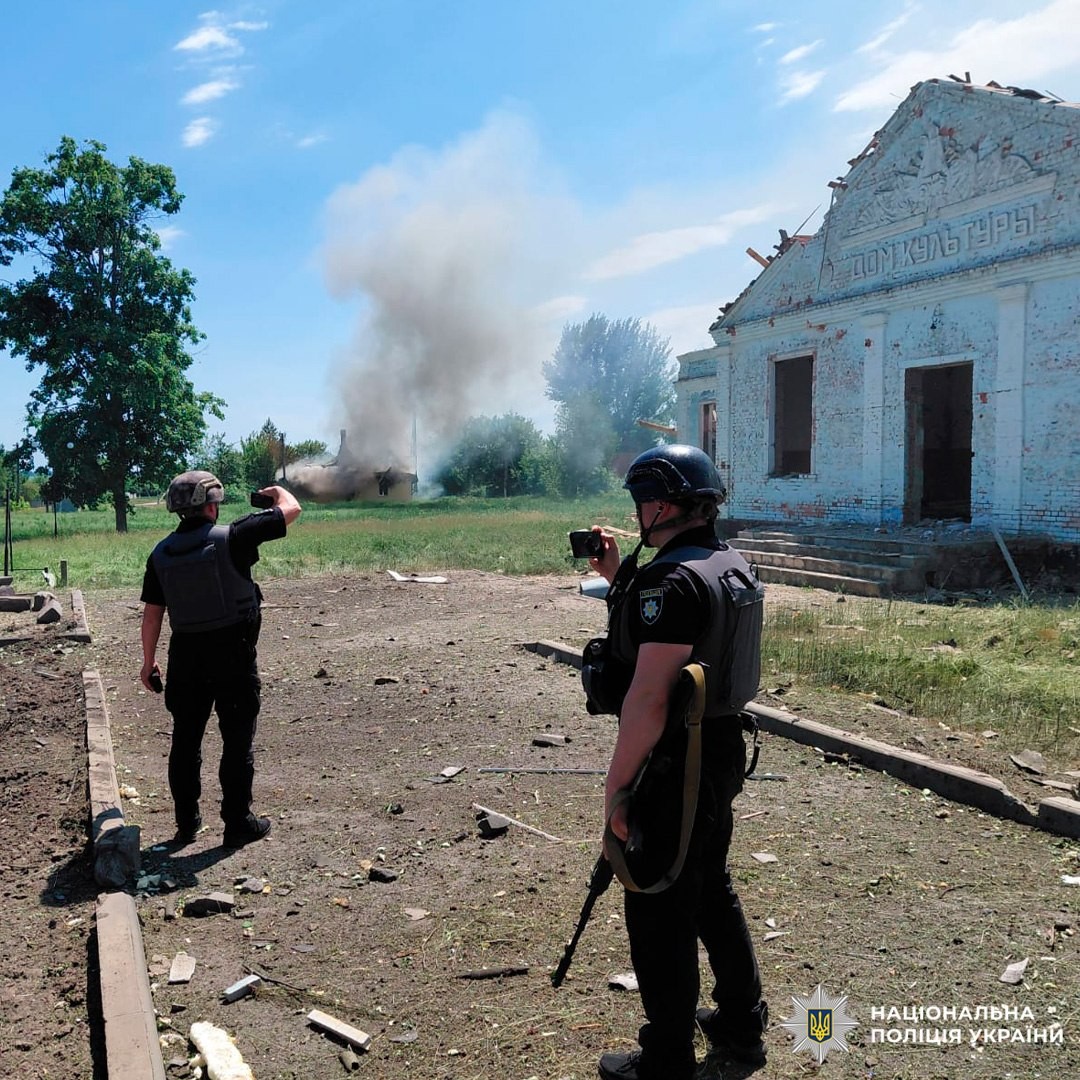
A series of Russian missile strikes on Chuhuiv overnight on 9 June killed at least three people and wounded six, the city's mayor, Halyna Minaieva, reported. Fire crews stayed at the impact sites as emergency services worked, she wrote, and the strikes damaged about eight apartment buildings and more than ten detached houses.
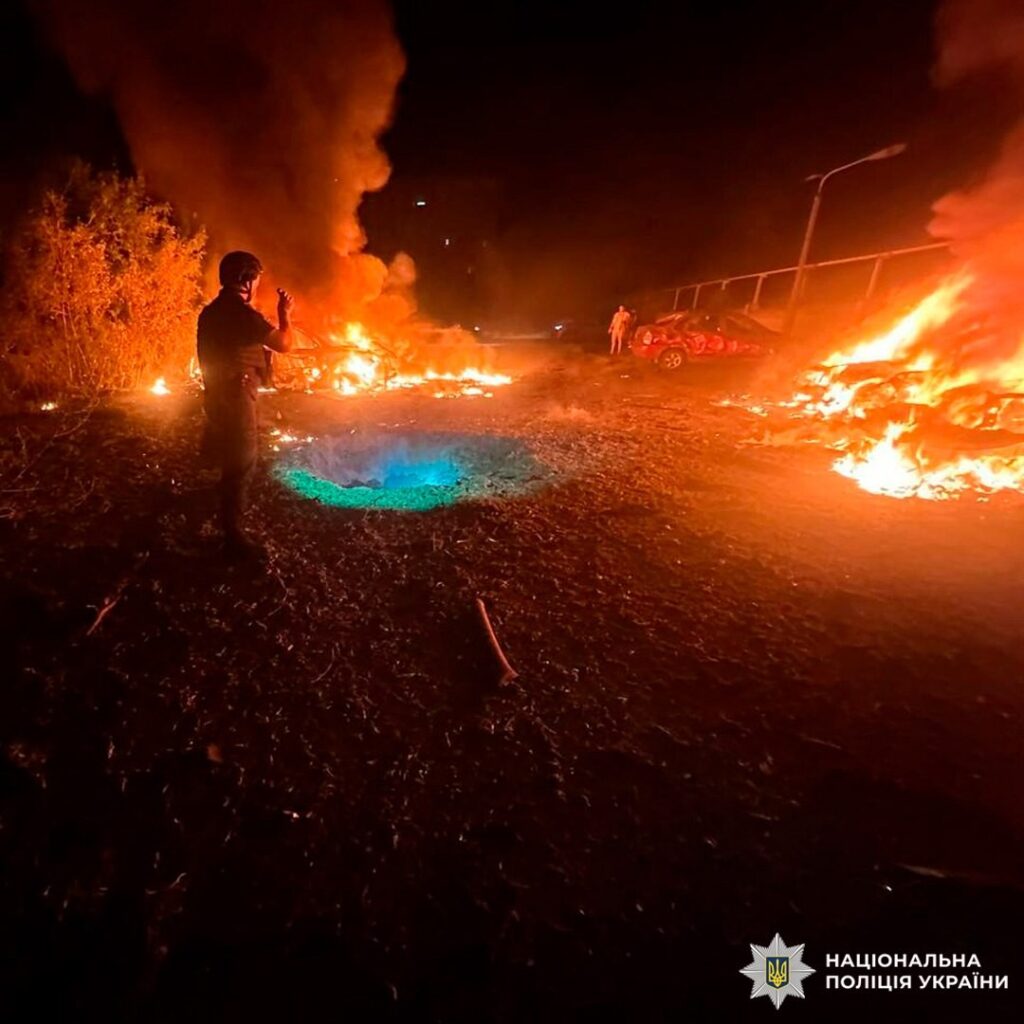
Police officers film the aftermath of a Russian strike in Kharkiv Oblast, 9 June 2026. Photo: National Police of Ukraine
In Kharkiv—the regional capital—Russian drone strikes set off fires, damaged at least 18 cars, and blew out windows and facades in residential high-rises, Kharkiv Oblast head Oleh Syniehubov reported.
Police officers film the aftermath of a Russian strike in Kharkiv Oblast, 9 June 2026. Photo: National Police of Ukraine
He said 15 people were hurt, among them three children, including a one-year-old boy, and three women were hospitalized.
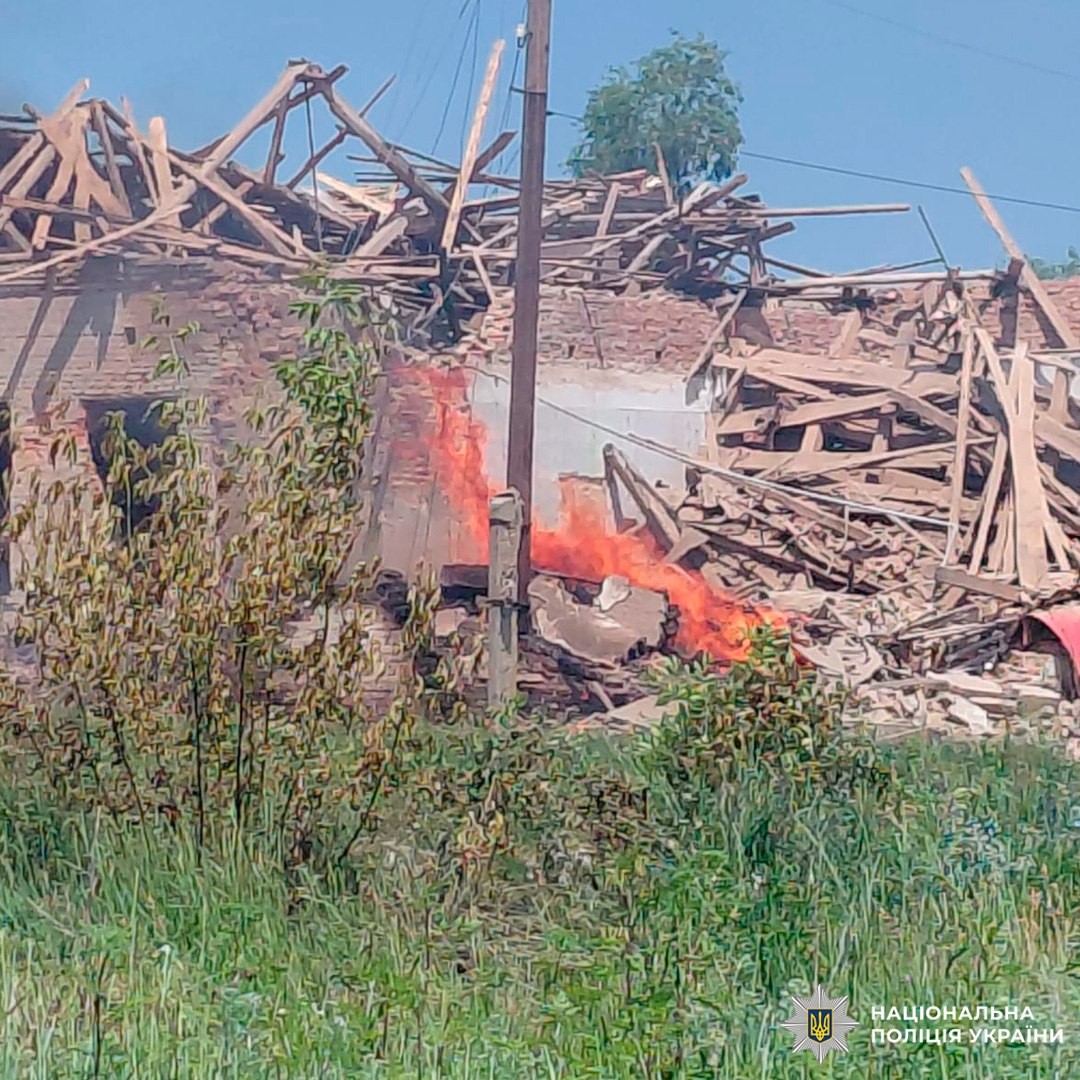
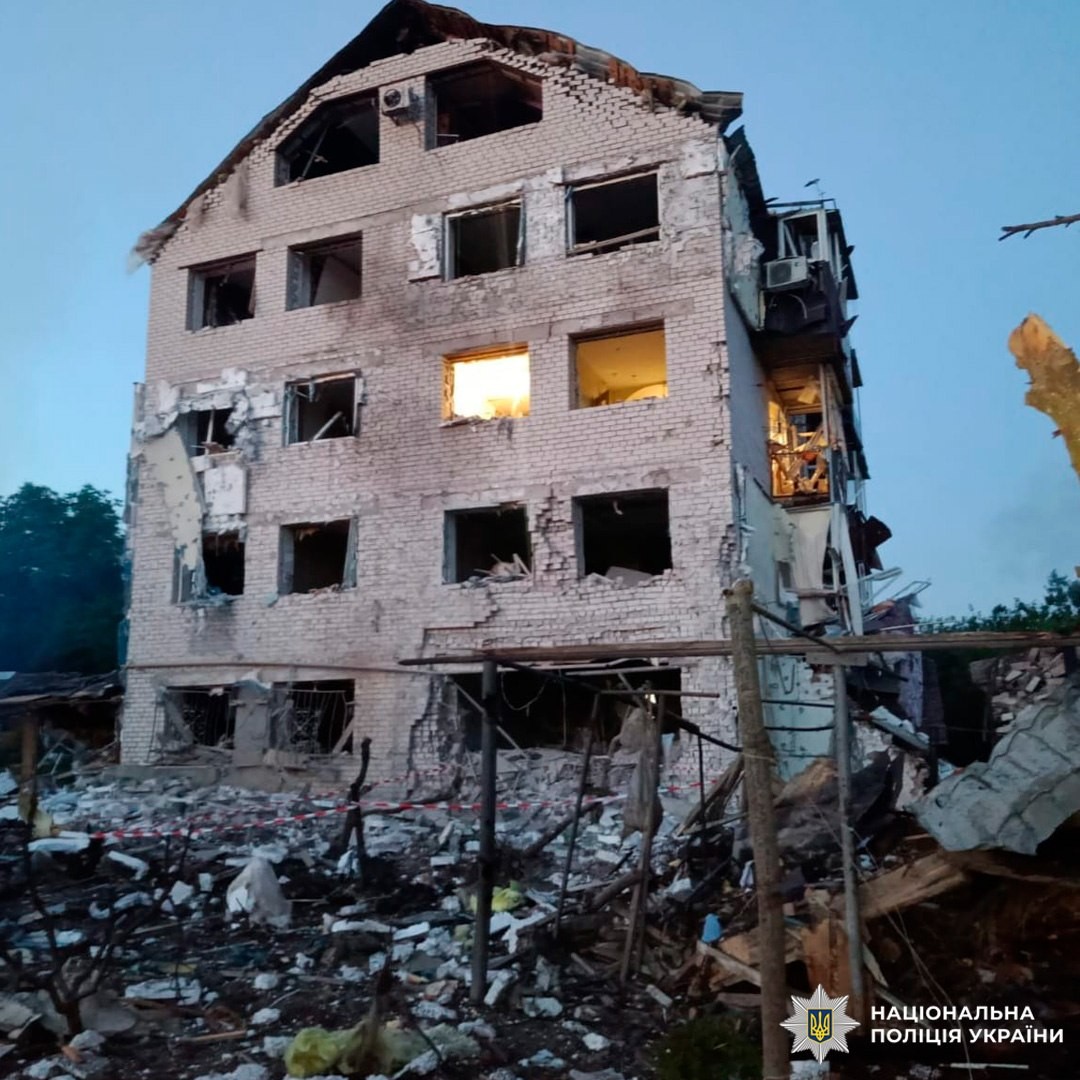
A multi-story residential building wrecked by a Russian strike in Kharkiv Oblast, 9 June 2026. Photo: National Police of Ukraine
Both cities sit dozens of kilometers from the Russian border and have been struck repeatedly through the war.
A barrage of two missiles and 166 drones
Russia launched two Kh-59/69 guided air missiles from Voronezh Oblast and 166 strike drones overnight, Ukraine's Air Force reported. The drones included Shahed types, some jet-powered, along with Gerbera, Italmas, "Banderol" loitering munitions, and "Parodiya" decoys, launched from Oryol, Kursk, Bryansk, Primorsko-Akhtarsk, and Millerovo in Russia, occupied Donetsk, and Hvardiiske in occupied Crimea.
By 08:00, air defense had downed or suppressed 146 of the drones. Two missiles and 17 drones struck 18 locations, and debris from intercepted drones fell at eight more.
Explore further
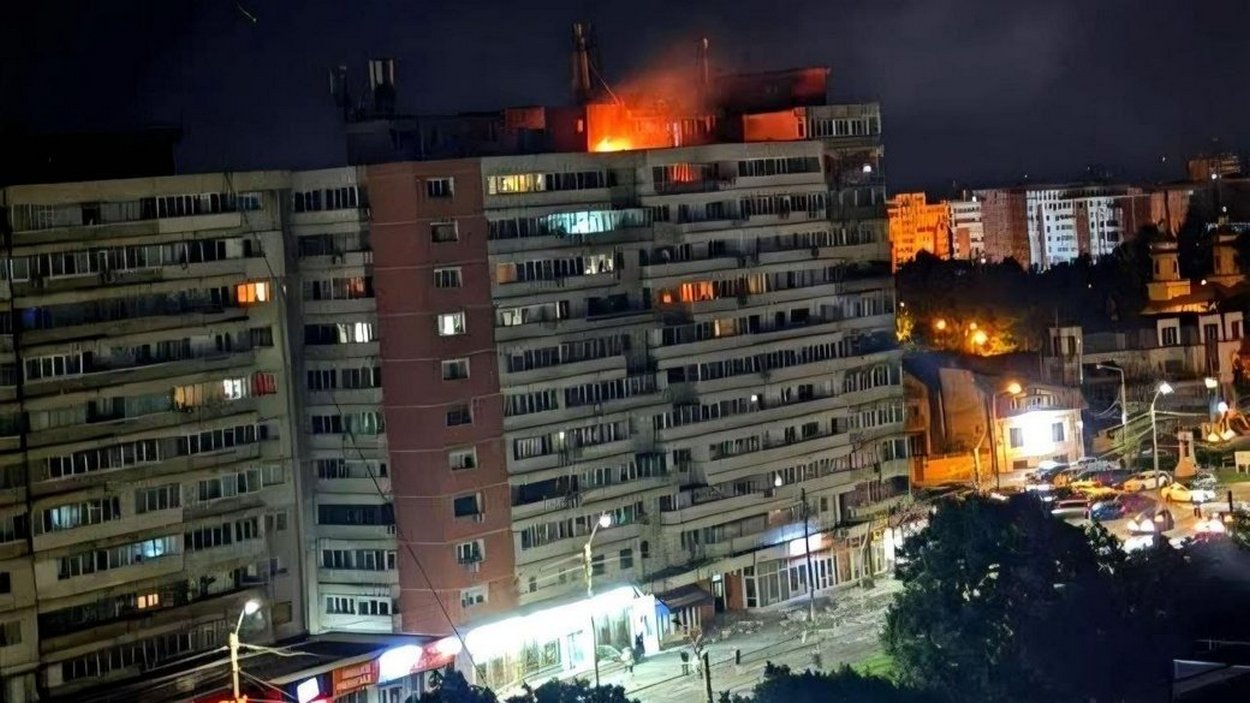
Moscow’s drone hits 10-story apartment block in Romania, injuring two as Russia fires 232 UAVs at Ukraine
Zaporizhzhia counts the damage from the day before
A Russian drone attack the previous day damaged 11 residential buildings across three districts of Zaporizhzhia, the city council reported. Six apartment blocks and five detached houses in the Khortytskyi, Zavodskyi, and Kosmichnyi districts lost windows, balconies, doors, and roofs to blast waves and debris. No one was hurt, and priority repairs were finished.
A nationwide wave
Russian attacks over 8 June killed two people in Sumy Oblast and wounded 13 across 21 hromadas, the regional police reported. A 78-year-old woman died in the Konotop hromada and a 71-year-old man in Seredyna-Buda, with a two-year-old boy and an eight-year-old boy among the injured.
In Donetsk Oblast, Russian forces killed two residents, in Bilozerske and Druzhkivka, and wounded 11 more, nine of them in Sloviansk, Oblast head Vadym Filashkin reported. Police recorded 1,309 attacks on the oblast's front line and residential areas, damaging 53 civilian sites. Hours later, Russia dropped three FAB-250 glide bombs on Sloviansk's outskirts, destroying one home and damaging more than 20.
In Kherson Oblast, drone and artillery attacks killed one person and wounded 13, including a child, Oblast head Oleksandr Prokudin reported.
Drone strikes in Dnipropetrovsk Oblast wounded three people.
Russian forces also hit 12 villages in four border hromadas of Chernihiv Oblast, the local border detachment told Suspilne.
The Russians also attacked communities in Mykolaiv Oblast with drones, where the administration reported no casualties.
C’è un uomo che si stende sull’asfalto accanto al corpo della figlia e resta lì, immobile, mentre attorno continuano a lampeggiare le luci delle ambulanze. È l’immagine – raccontata dal Corriere della Sera – che più di ogni altra racconta il dramma seguito all’incidente costato la vita a Sara Vetrano, la studentessa di 17 anni travolta e uccisa domenica pomeriggio a Maccagno, sul Lago Maggiore. Domenica un’auto ha travolto un gruppo di giovani pedoni: oltre alla ragazza morta, quattro giovani tra cui la sorella della vittima sono finiti in ospedale in gravi condizioni.
Mentre la famiglia affronta ore devastanti, la Procura di Varese ha aperto un’inchiesta per omicidio stradale e lesioni stradali. Nel registro degli indagati è stato iscritto il 31enne di Luino che era alla guida della Fiat Panda finita contro il gruppo di ragazzi diretti verso la spiaggia. Gli investigatori attendono ora gli esiti degli esami tossicologici disposti sull’automobilista per verificare se si fosse messo al volante dopo aver assunto alcol o sostanze stupefacenti. Nel frattempo è stato disposto il sequestro della vettura e verranno affidate una consulenza cinematica per ricostruire l’esatta dinamica dell’investimento e una consulenza medico-legale sulle cause del decesso della giovane e sulle lesioni riportate dagli altri feriti.
Secondo la ricostruzione finora emersa, l’auto avrebbe perso il controllo all’uscita di una curva prima di travolgere i cinque ragazzi che stavano raggiungendo il lago. Per Sara non c’è stato nulla da fare. La tragedia ha avuto conseguenze pesantissime anche per la sua famiglia. Tra i feriti c’è infatti la sorella ventenne della ragazza, ricoverata all’ospedale di Monza in prognosi riservata. Le sue condizioni continuano a destare preoccupazione. Un’altra giovane coinvolta nell’incidente resta sotto osservazione all’ospedale di Varese, ma con un quadro clinico considerato complessivamente soddisfacente. Non preoccupano invece le condizioni degli altri due ragazzi investiti.
Nelle ore successive all’incidente è emerso il racconto del padre delle due sorelle, accorso sul luogo della tragedia dopo essere stato avvertito dell’accaduto. Quando è arrivato sulla statale, il corpo della figlia era già stato coperto dai soccorritori. L’uomo si è sdraiato accanto a Sara, rimanendole vicino in silenzio per lunghi minuti. Una scena che ha colpito profondamente chi si trovava sul posto e che è diventata il simbolo del dolore di una famiglia spezzata nel giro di pochi istanti.
Sara avrebbe compiuto 17 anni il 19 giugno. Frequentava l’indirizzo Servizi per la sanità e l’assistenza sociale dell’Ipc Einaudi di Varese ed era conosciuta per il suo impegno in oratorio e nelle attività dedicate ai più piccoli. Sognava di diventare psicologa e, secondo il ricordo di insegnanti e amici, aveva fatto dell’attenzione agli altri una sua caratteristica. La sua morte ha lasciato un segno profondo anche nella scuola. Nel giorno dell’ultima campanella, centinaia di studenti si sono raccolti in un silenzio insolito per ricordarla. “Doveva essere un giorno di festa e invece sarà un giorno di lutto”, ha scritto la dirigente scolastica Samantha Emanuele nel messaggio rivolto alla comunità scolastica.
Dal 1° luglio scatta per i neoassunti l’adesione automatica ai fondi pensione. Un provvedimento utile per affiancare sistemi pubblici sempre più deboli per i cambiamenti demografici. In Italia un contributo potrebbe arrivare dalla tassa di successione.
Man kann die Politik der Bundesregierung nur als selbstmörderisch bezeichnen, denn angesichts der Energiekrise und der explodierten Energiepreise, die unbestritten zur Deindustrialisierung Deutschlands führen, und der hinzu kommenden Probleme mit der Straße von Hormus weigert sich die Bundesregierung weiterhin, der deutschen Industrie zu helfen, indem sie Lieferungen von billigem russischem Gas durch die noch bestehende […]
A morte de uma cadela e o diagnóstico de novos casos de cinomose entre cães comunitários acenderam um alerta no campus da Universidade Federal de Goiás (UFG), em Goiânia. A situação mobilizou estudantes e voluntários que atuam na proteção dos animais que circulam pela instituição.
Segundo relatos de voluntários, três cães receberam diagnóstico confirmado da doença e permanecem em tratamento. Outros quatro animais apresentaram sintomas compatíveis com a infecção viral, considerada altamente contagiosa entre cães.
Parte dos animais recebeu atendimento em clínica veterinária particular, enquanto outro permaneceu sob cuidados de uma voluntária dentro do campus. As despesas com medicamentos, consultas e exames foram custeadas por meio de campanhas de arrecadação organizadas por estudantes.
Integrantes do grupo responsável pelos cães comunitários afirmaram que a falta de um programa permanente de controle sanitário pode ter favorecido a disseminação da cinomose. Eles defendem a ampliação das ações de vacinação e acompanhamento dos animais que vivem na universidade.
Em nota, a Universidade Federal de Goiás informou que acompanha os casos e destacou que a cinomose possui caráter sazonal no campus, com ocorrências registradas em diferentes anos. A instituição ressaltou que a chegada frequente de novos animais dificulta o controle completo da doença.
O Hospital Veterinário da UFG informou que realizou avaliações clínicas, testes diagnósticos e orientações técnicas para os casos suspeitos. A unidade explicou que não interna animais com cinomose devido a protocolos de biossegurança destinados à proteção de outros pacientes.
De acordo com a UFG, a maior parte dos cães comunitários recebe vacinação e acompanhamento por meio de ações conjuntas entre o Hospital Veterinário, a Secretaria de Promoção da Segurança e Direitos Humanos e grupos de voluntários. A instituição também reforçou que a cinomose não representa risco de transmissão para seres humanos

 Login
Login