Login
Login
Antony Beevor, historian: ‘Rasputin combined spirituality with extreme lust and lasciviousness’
Used to hearing Antony Beevor detail troop movements at Stalingrad, the siege of Berlin, the Normandy landings, the paratroopers’ effort at Arnhem or the Panzer offensive in Hitler’s last stand in the Ardennes, it is surprising to hear him talk about Rasputin’s penis. In truth, he adopts the same look of intense concentration he brings to his usual military topics. “Rasputin’s penis… is an object of interest, certainly,” he says when his interlocutor mentions that, during an afternoon of astonishment and vodka, he saw on display in a St. Petersburg museum the appendage shown as such in a glass jar. “Yes, it is said to measure 13 inches, about 33 centimeters, but I don’t know that it’s something to take seriously. My father-in-law, the historian John Julius Norwich, used to explain that his father, Duff Cooper, the first British ambassador to France after the Liberation and also a historian [and father of the notable writer Artemis Cooper, Beevor’s wife], was convinced that part of Rasputin’s sexual success and magnetism lay in his member and his muscular control, but there is no historical record that it was cut off after his murder. Today it is impossible to assert that what is on display is his; I don’t believe any DNA test has been done.” In fact, some say it is a horse’s penis, or, if not that, a dried sea cucumber, as has also been suggested. Beevor recalls, in any case, that at the time in Tsarist Russia, Rasputin was credited with extraordinary sexual potency and caricatures circulated showing his organ, in reference to the monk’s influence over the Tsarina Alexandra and, through her, Tsar Nicholas II, with the legend: “The rod that rules Russia.”
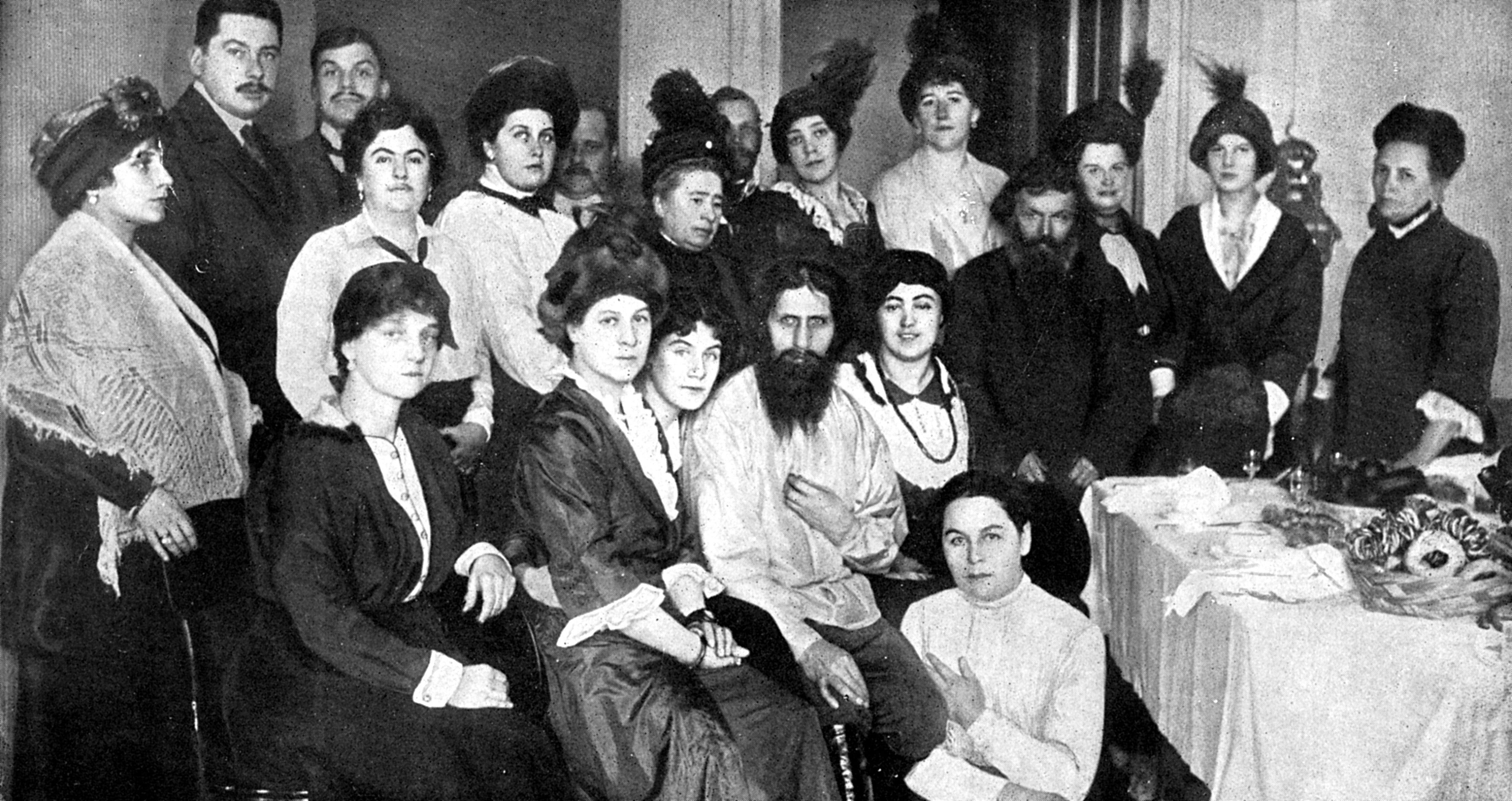
© Print Collector (Print Collector/Getty Images)