US defense secretary continues ramp-up of pressure against country including sanctions and devastating oil blockade
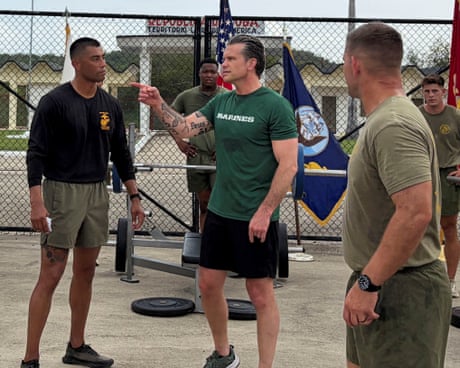
Pete Hegseth has warned Cuba against acquiring weapons that could threaten the United States, during a visit to the US military base at Guantánamo Bay.
Washington has ramped up pressure against Cuba with sanctions and a devastating oil blockade, and Donald Trump has repeatedly signaled that the Cuban government could be the next after Venezuela to fall to US pressure.
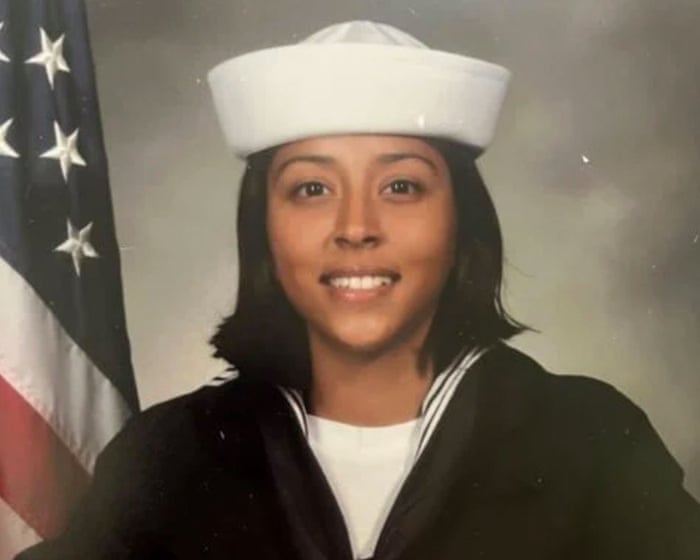
A member of the US navy has been ordered to spend 44 years in federal prison after admitting that he fatally strangled a fellow sailor in his barracks room, violently squeezed the neck of a second woman onboard an aircraft carrier and illegally made secret video recordings of a third, including while they were being intimate.
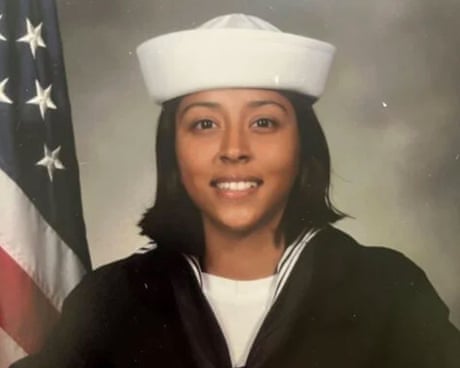
Meanwhile, the family of the petty officer whom Jermiah Copeland acknowledged murdering, Angelina Resendiz, has called for reforms within the armed forces meant to better protect women serving in the military.
This blog has now closed – our coverage of this crisis in the Middle East continues here
If the US genuinely wants a deal it will have to engage with Iranian demands on sanctions relief, says Danny Citrinowicz, the former head of the Iran branch of Israeli military intelligence.
Today’s exchange of strikes shows how easily both Iran and the US can slide towards another round of escalation, says Citrinowicz, who is now a nonresident fellow at the Atlantic Council.
If Washington is unwilling to accept that reality, it should recognize the likely alternative: continued confrontations with Iran that could eventually spiral beyond anyone’s control and lead to military conflict under less favorable conditions.
Even a limited military campaign designed to weaken Iran would not fundamentally alter Tehran’s negotiating position. It has not happened in the past, and there is little reason to believe it would happen now. Iran emerges from the latest exchange of blows convinced that it can absorb pressure and respond to attacks.”
Legal and moral responsibility of all countries in the region (especially those located along the southern shores of the Persian Gulf) to prevent the US military and Israel from using their territory or facilities to plan, organise, execute, or support hostile actions against Iran.
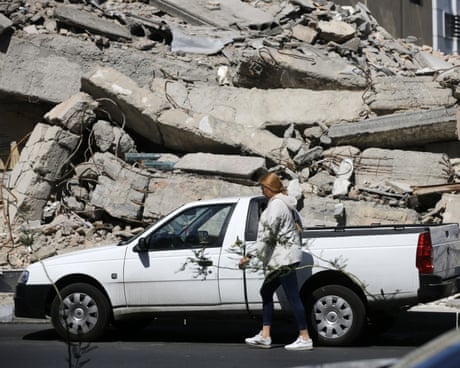
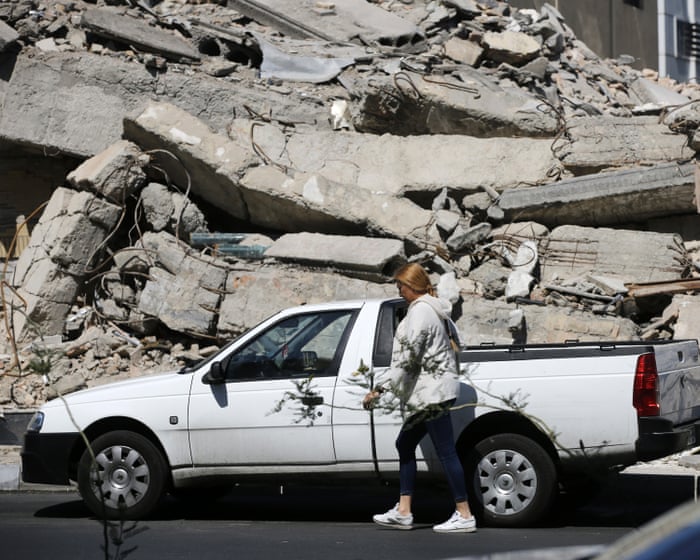
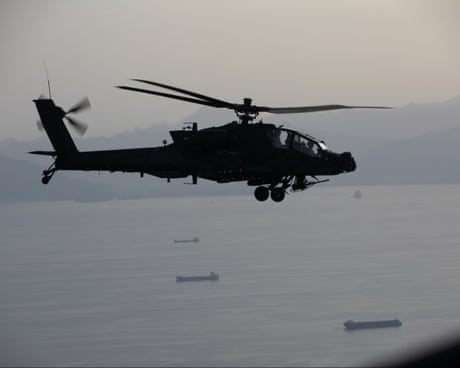
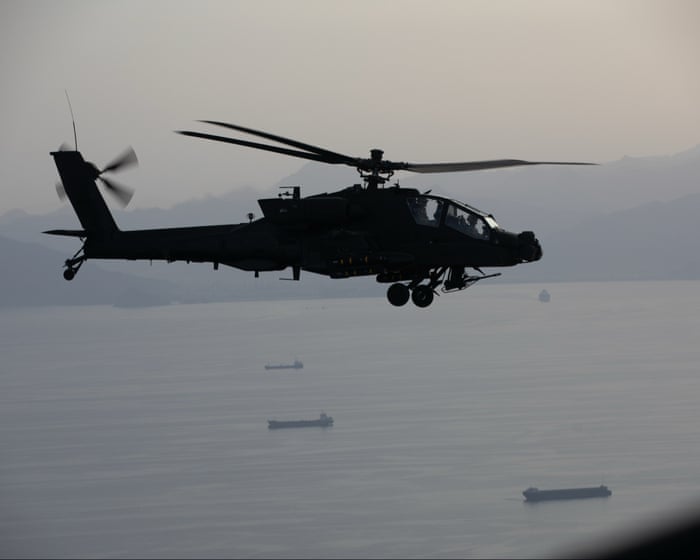
The US has launched strikes against Iran after Donald Trump blamed Tehran for downing a US army helicopter near the strait of Hormuz, imperilling a shaky ceasefire that was announced by the two countries in April.
The attacks triggered a wave of retaliatory strikes from Iran on Wednesday morning, with Tehran saying it had targeted Kuwait, Bahrain and Jordan.
Rights groups and some locals worry that program to ‘track illicit activity’ could become a data collection project
The Great Lakes have rarely ever been considered a hotbed of illicit drug activity or center for illegal immigration.
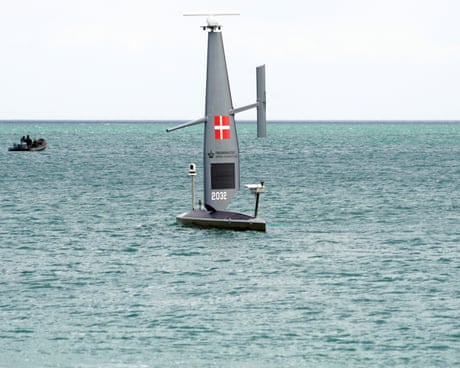
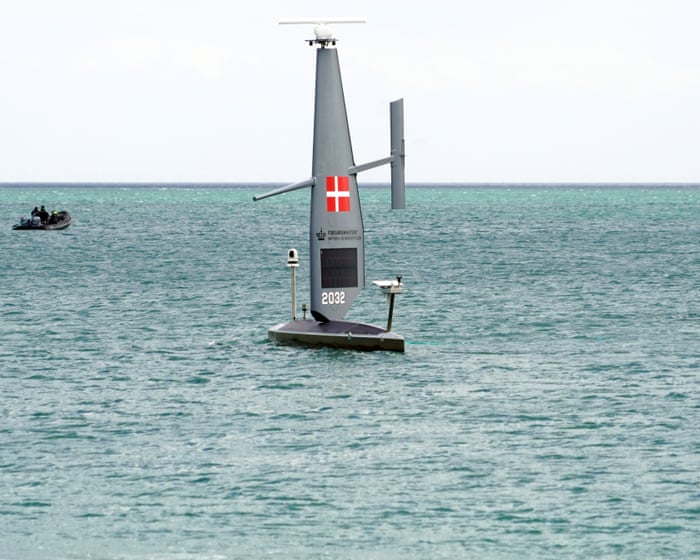
But that hasn’t stopped US government agencies and the company behind surveillance sailing drones from treating the region as such. The US Coast Guard recently announced it has launched an armada of at least six sailing drones in the Great Lakes this summer in an attempt to, in part, “track illicit activity”.

 Login
Login