Antes da entrada em bolsa, a OpenAI quer transformar o ChatGPT num assistente único capaz de programar, criar imagens e executar tarefas, numa viragem estratégica para produtos pagos e clientes empresariais. A OpenAI prepara a maior remodelação do ChatGPT desde que o seu lançamento deu início ao boom da inteligência artificial, numa altura em que o grupo, avaliado em cerca de 738 mil milhões de euros, procura novos motores de crescimento antes da entrada em bolsa prevista para este ano. A empresa pretende transformar o chatbot numa “superapp” que combine ferramentas de programação e agentes de inteligência artificial, acrescentando produtos
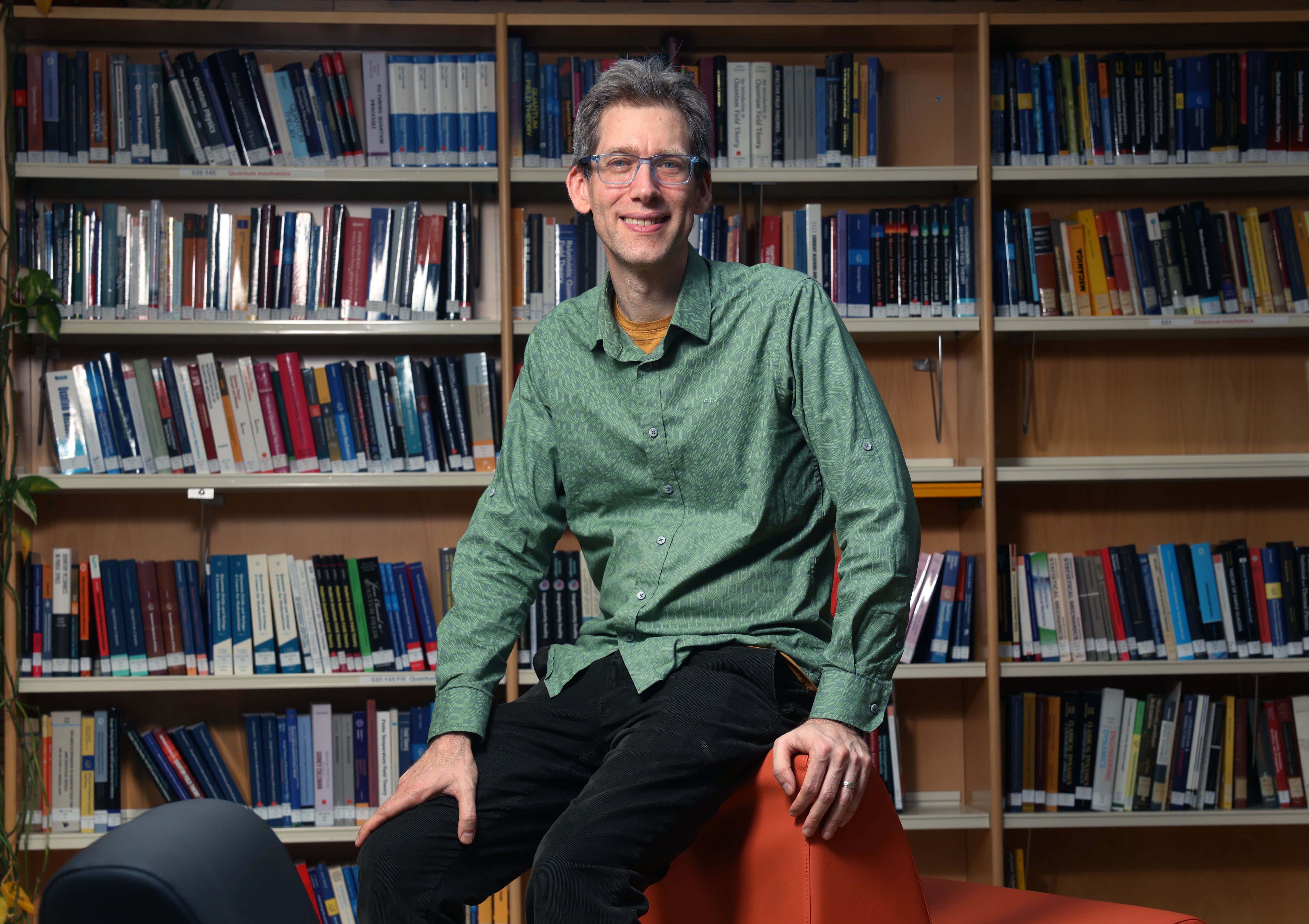
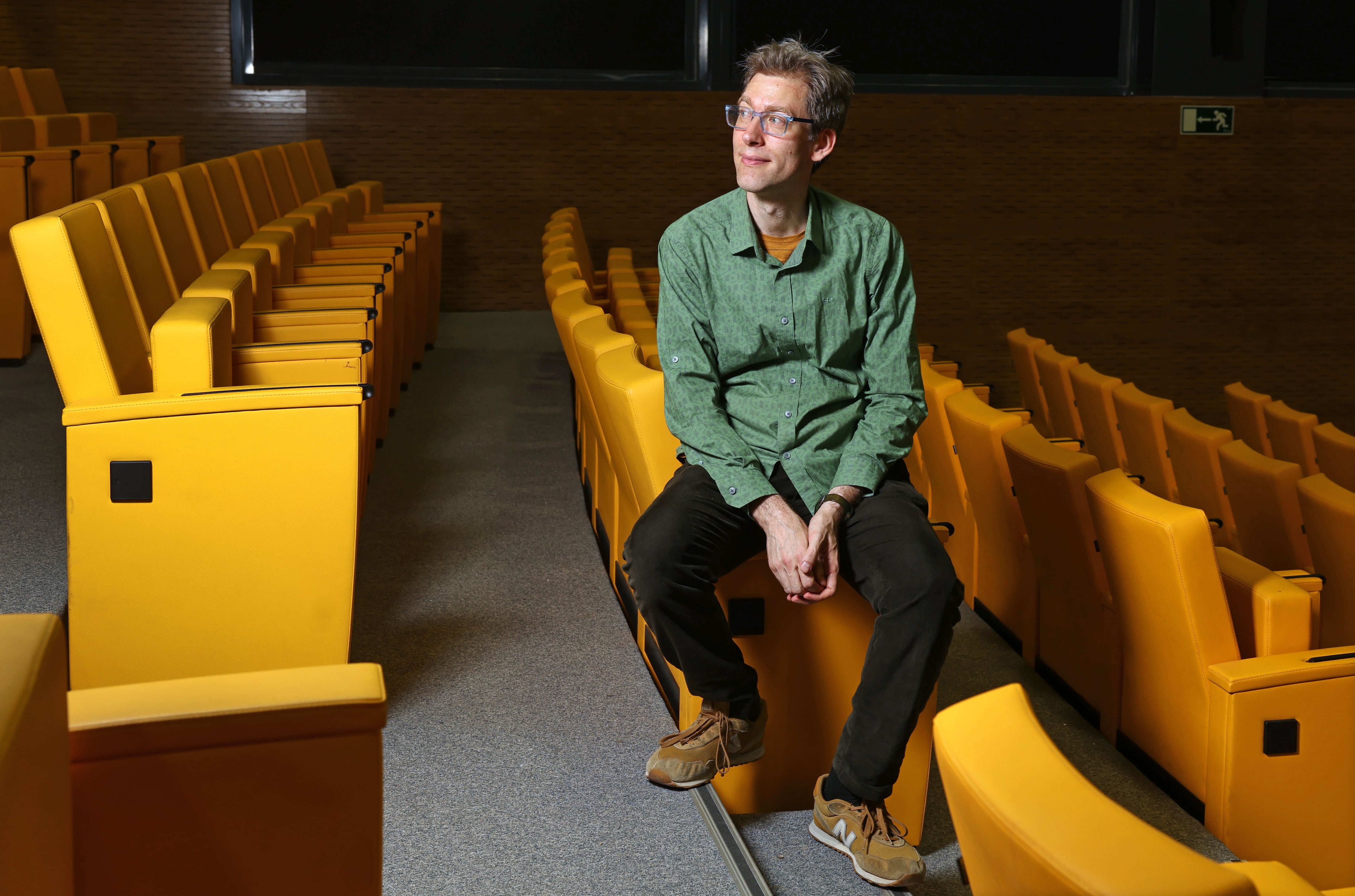
Aram Harrow has spent 25 of his 46 years working in quantum computing. He is a researcher at the Massachusetts Institute of Technology (MIT) and is best known for co-developing the HHL algorithm in 2008, considered one of the first demonstrations of an exponential advantage of quantum computers over classical ones. This June marks the end of the year he has spent at Spain’s Institute of Mathematical Sciences (ICMAT) in Madrid, where he speaks with EL PAÍS.
By 2030, water consumption linked to the use of artificial intelligence will be equivalent to that of 1.3 billion people in sub-Saharan Africa, while it will require nearly three times the annual energy consumption of Pakistan, Bangladesh and Nigeria — countries with a combined population of 650 million. In terms of carbon emissions, these could reach 400 million tonnes of CO₂ equivalent, comparable to the United Kingdom’s total emissions. The operation of AI will require 14,500 square kilometres of land, including infrastructure and supply chains — twice the size of the Jakarta metropolitan area, a megacity with more than 32 million inhabitants, or 10 times that of Mexico City (21 million).
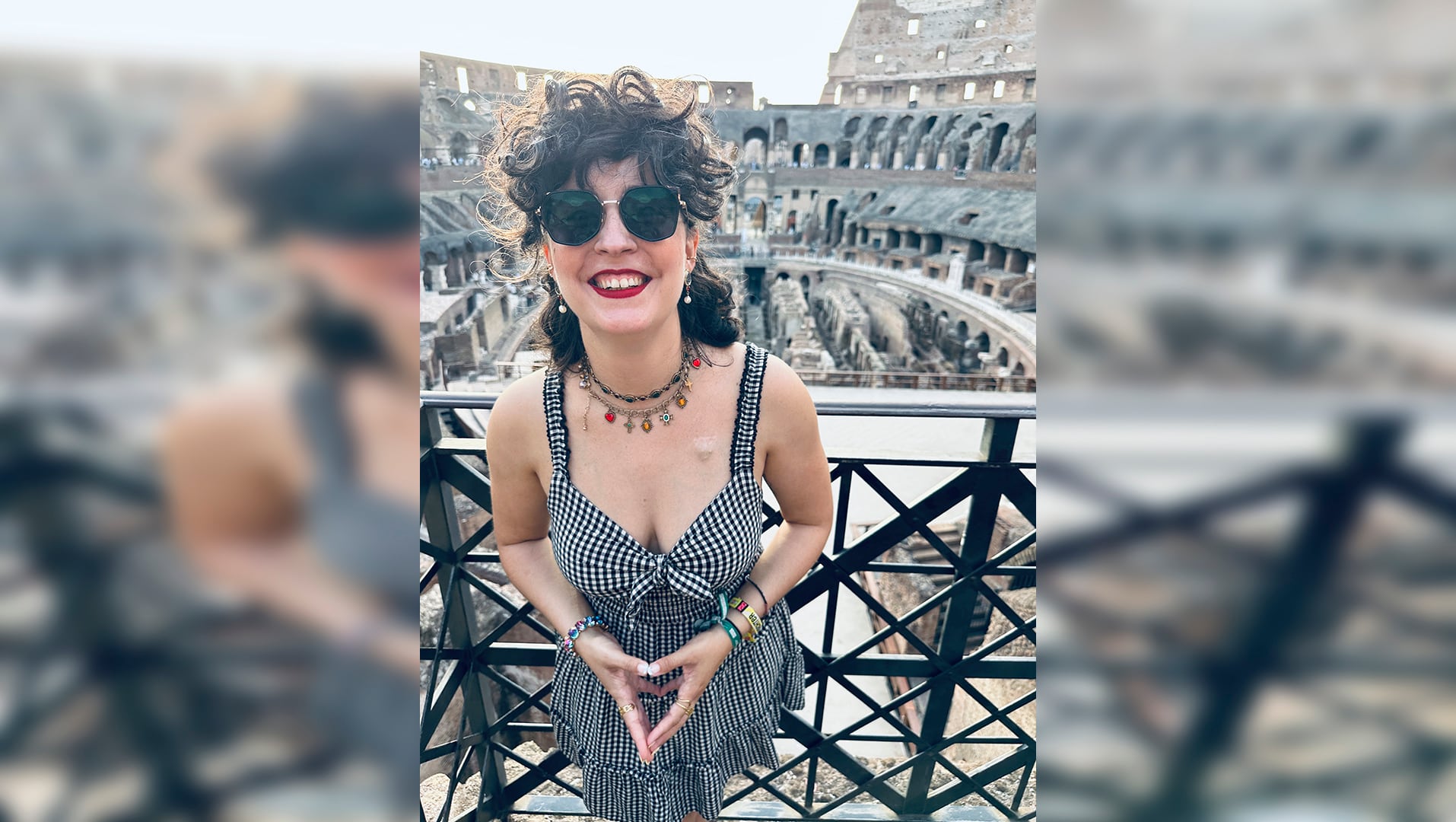
In 2021, Miriam González, a 35-year-old from Murcia, Spain, went to the doctor because she was bleeding from her breast. She was told to relax: everything was normal. But in 2024, she was diagnosed with breast cancer. And, shortly afterward, she discovered it was metastatic, at stage four.

 Login
Login