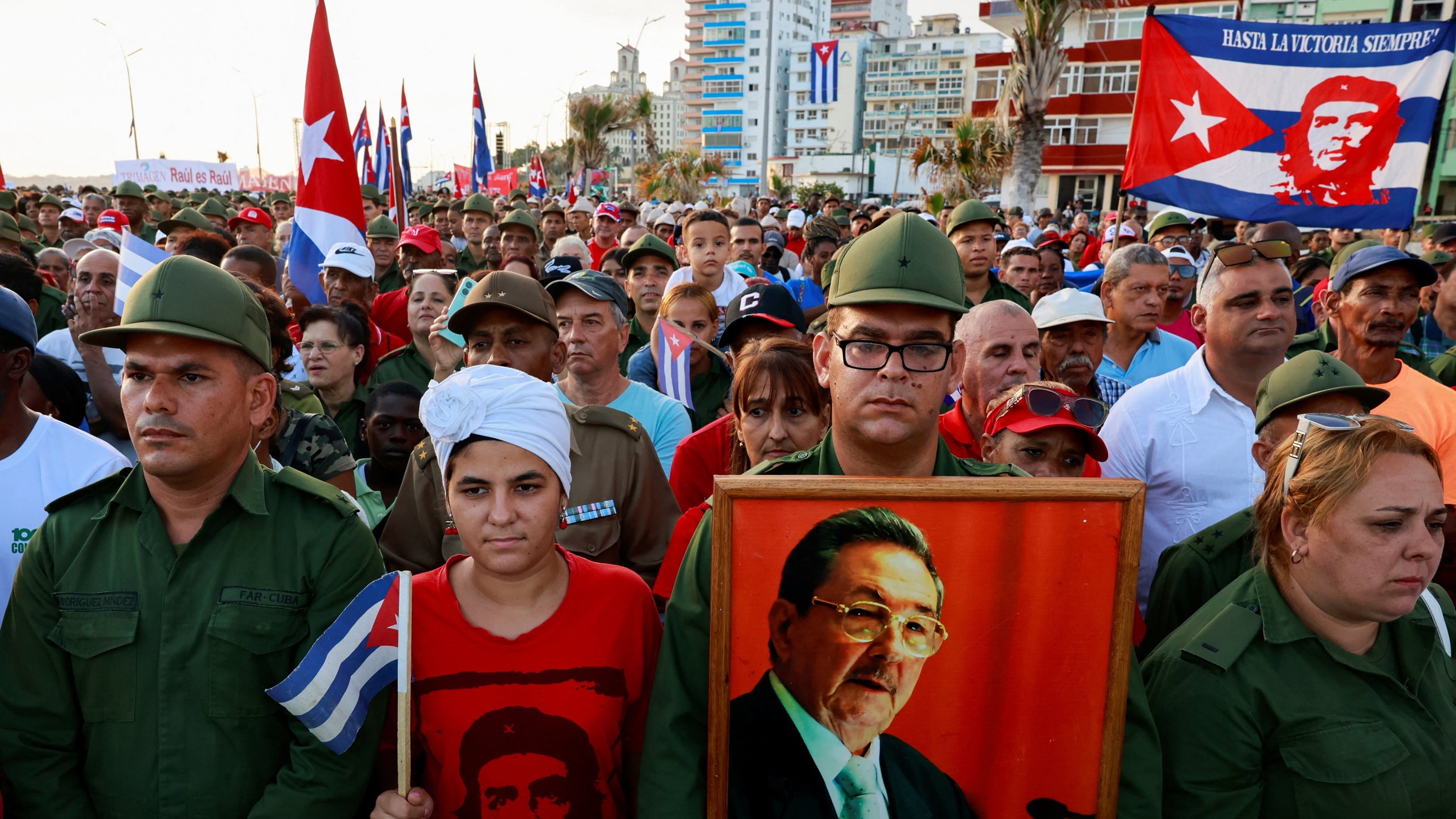
It’s quite possible that the Cuban Revolution will soon die. Just over 67 years ago, it burst forth laden with hopes and redemptive promises. Biblical parallels abounded: there were 12 survivors of the Granma — the yacht that transported the fighters from Mexico to Cuba — and a messiah (Fidel Castro) triumphantly entered the new Jerusalem (Havana). A dove landed on his shoulder as he recited the divine word for hours on end, foreshadowing paradise on earth. Meanwhile, on the other side of the water — the Straits of Florida — the Yankee devil threatened this paradise from hell.
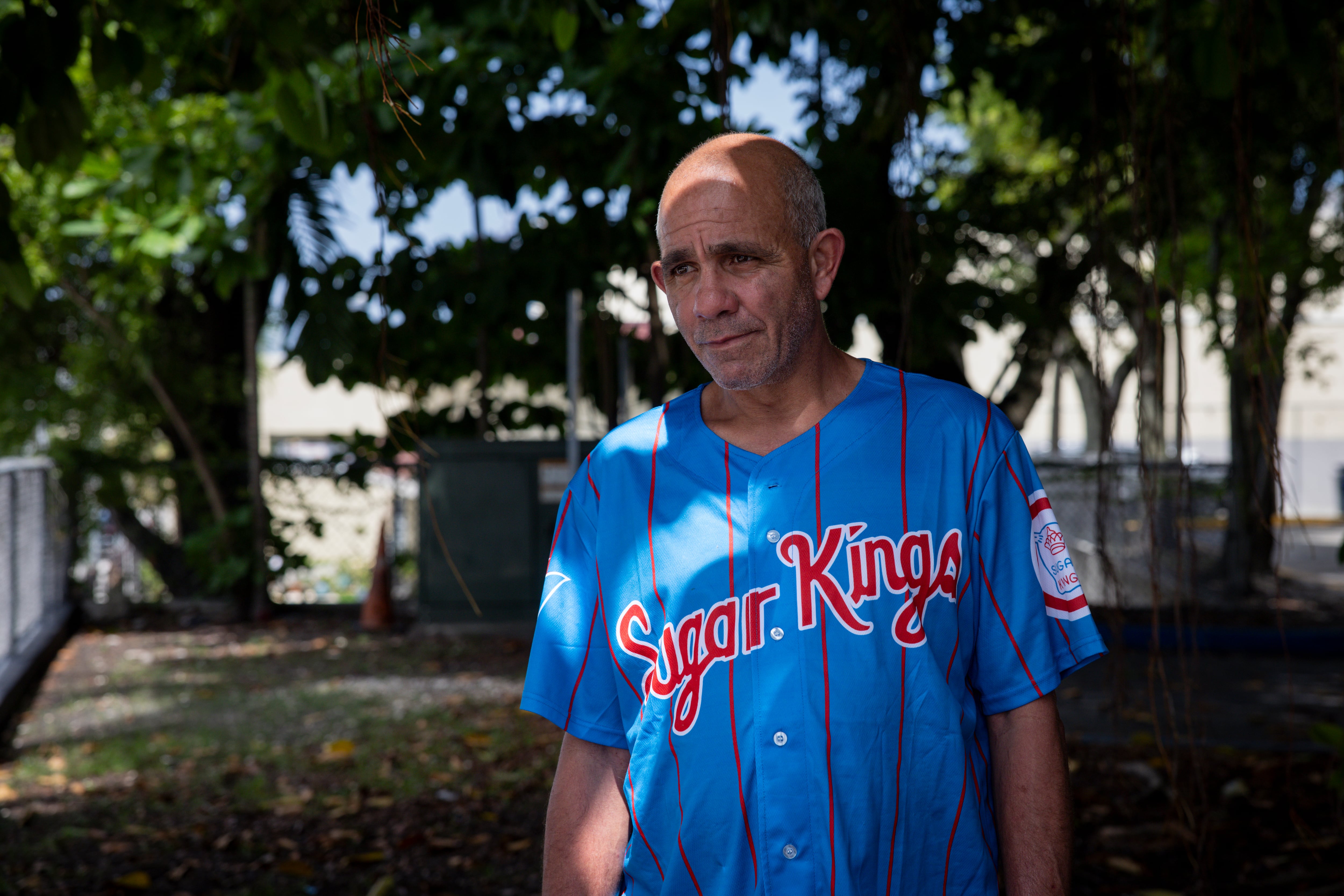
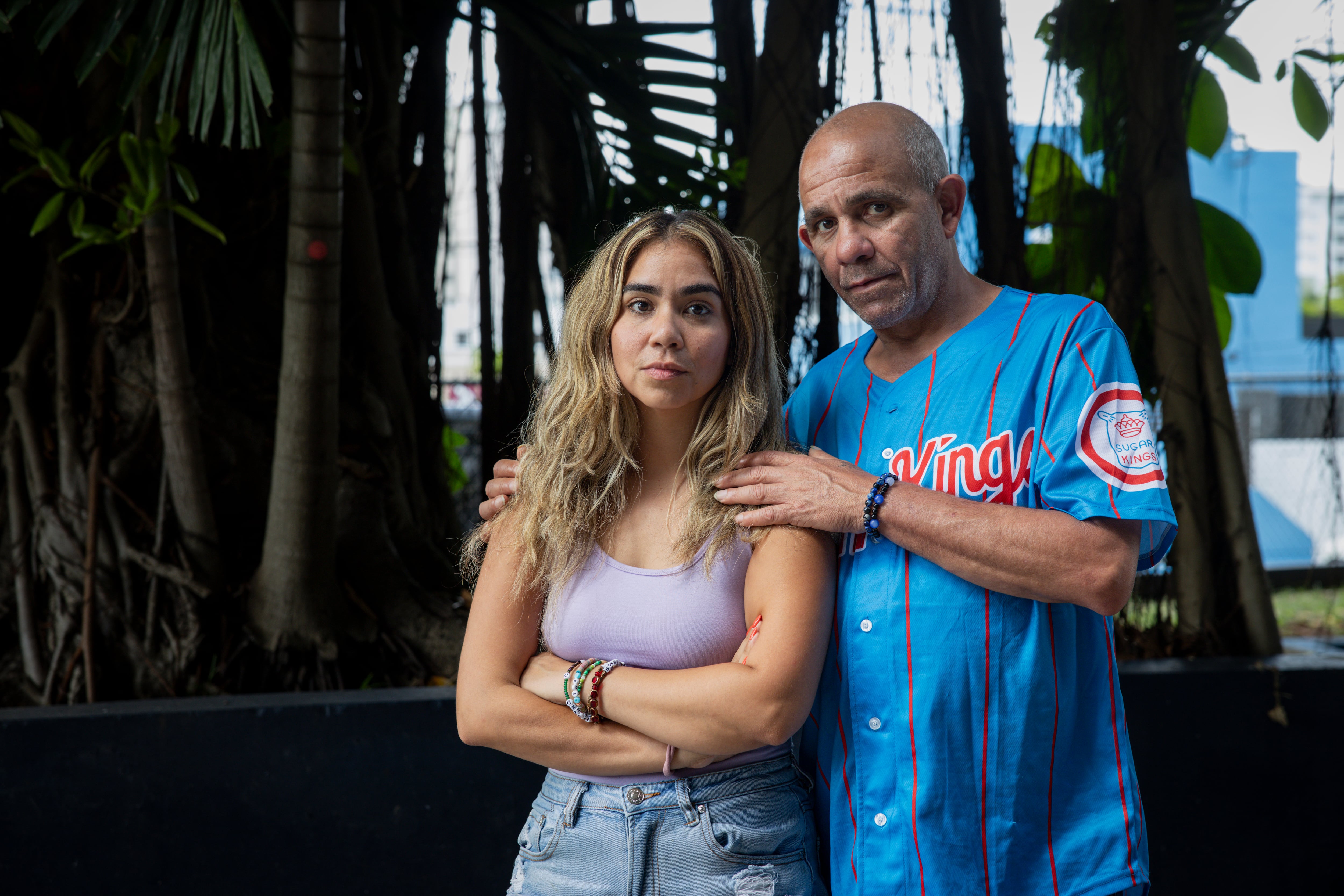
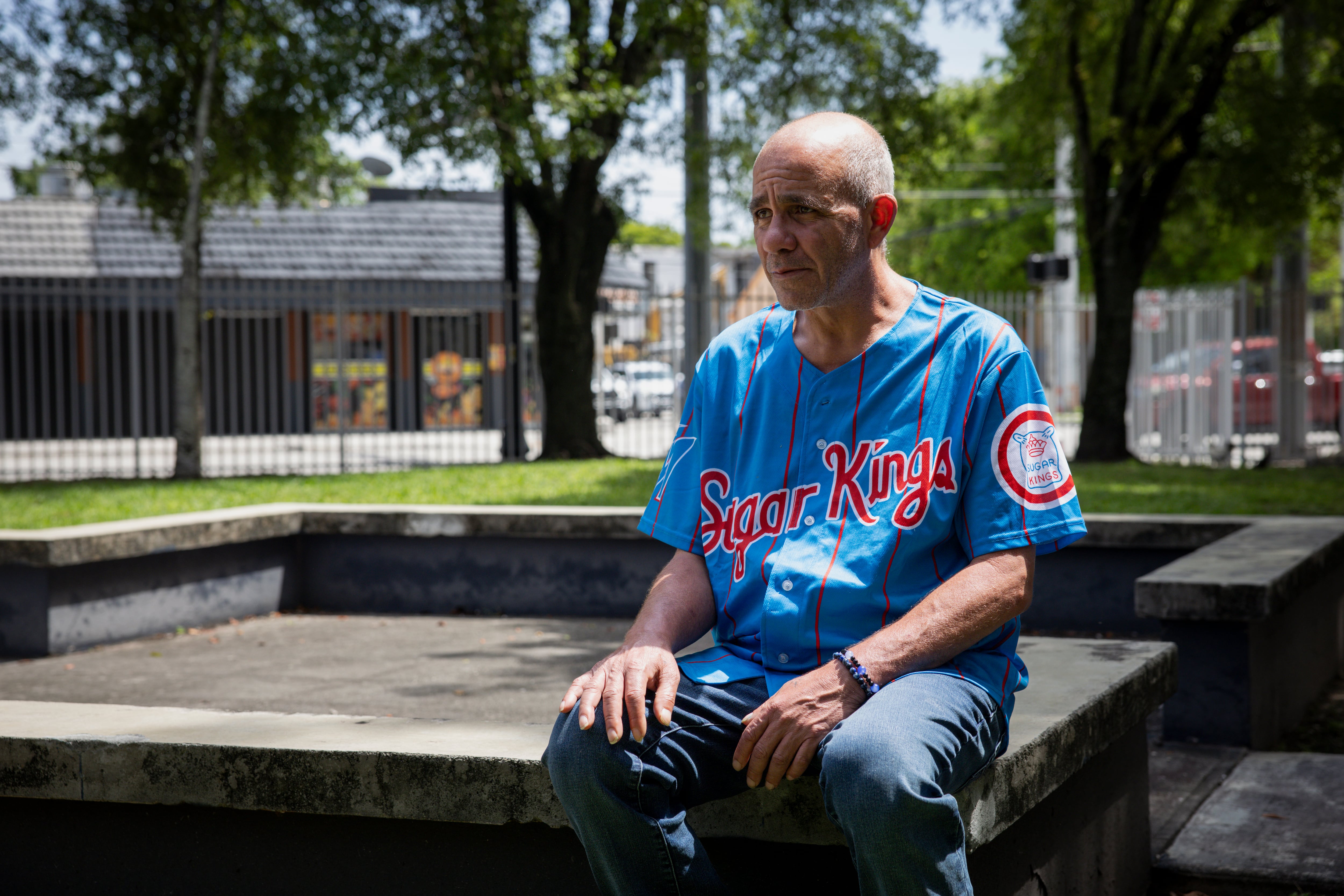
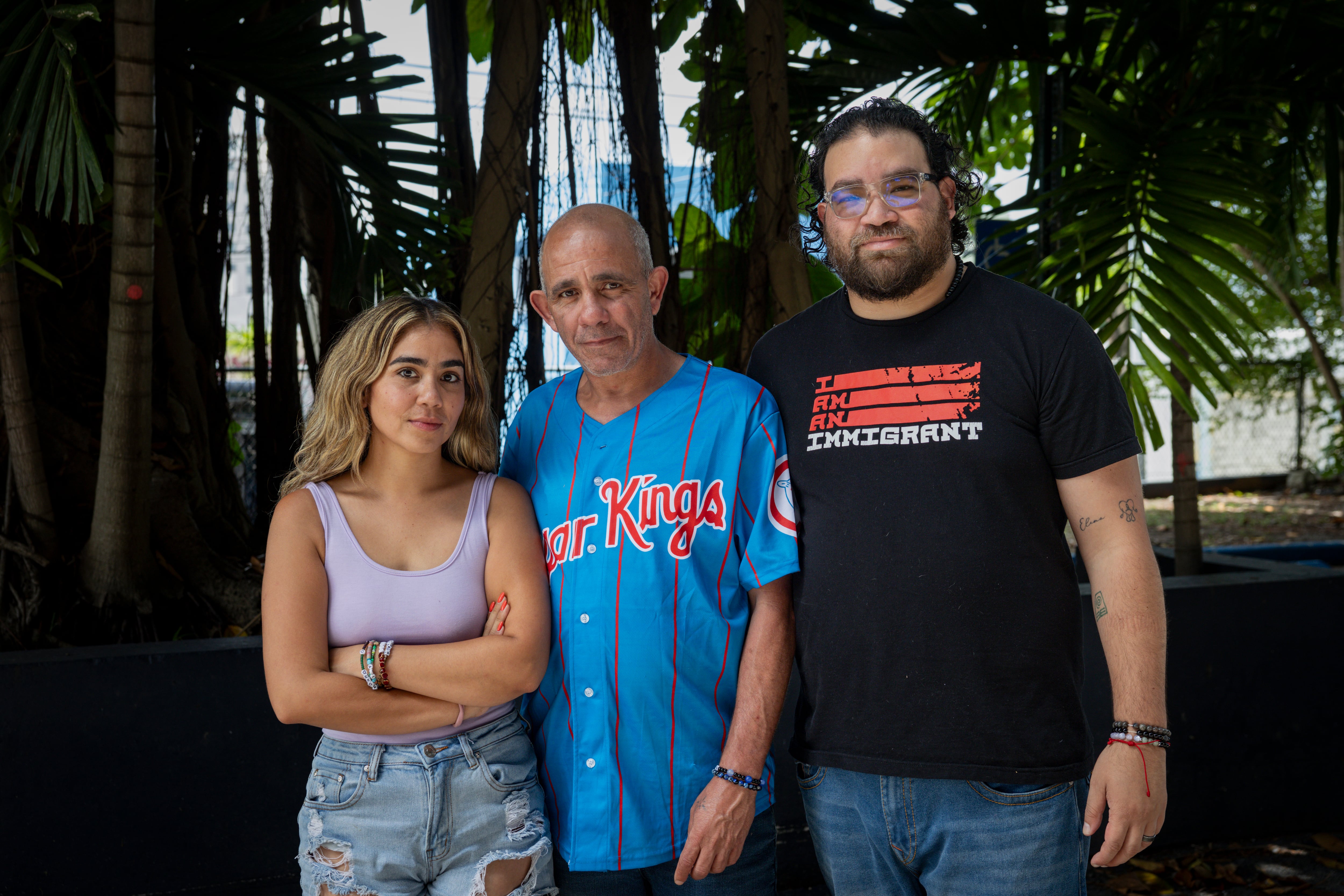
When Justo Betancourt, 55, was released from Alligator Alcatraz on May 14, after nearly six months in detention, he had lost 22 kilograms (48.5 lb) and could barely walk. Two days later he was admitted to hospital, on the verge of a diabetic coma. While in detention, he did not receive the insulin doses he needed, suffered strokes, and during one episode, he fell and lost a tooth. He has been left with neurological after-effects: his right hand trembles, and to climb a step, he lifts his leg from behind the thigh. “Sometimes I have to grab it and push, because it doesn’t respond,” he says on the ground floor of the apartment building where he lives, in Miami’s Little Havana. This week, President Donald Trump dedicated a message to him on Truth Social: “Welcome home to Justo Betancourt, whose Daughter, Arianne, fought very hard to free her father from Alligator Alcatraz. Enjoy your Freedom together!!!”
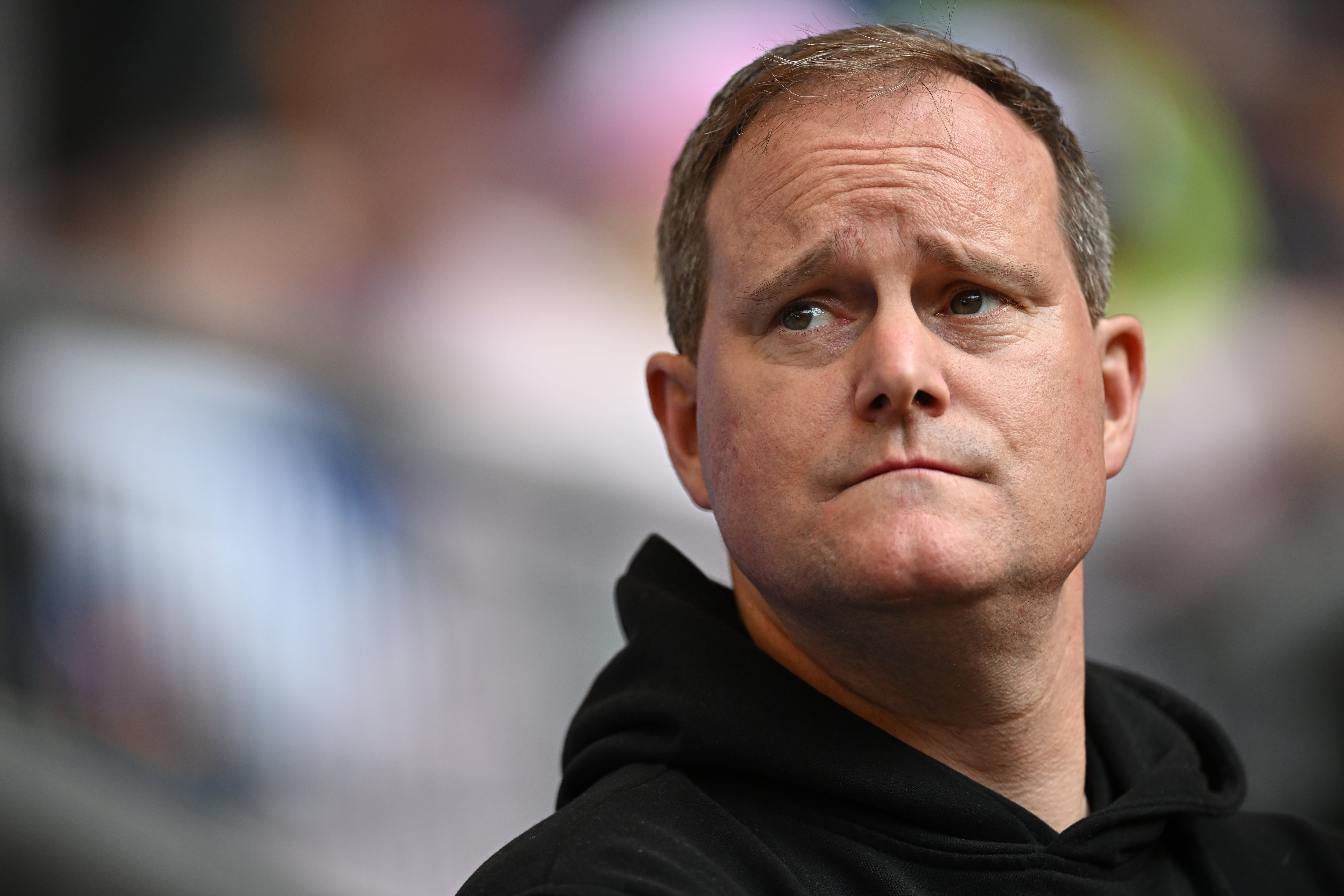
He takes this newspaper’s call on a train bound for Hamburg, home of St. Pauli, continues by car and says goodbye almost an hour later in his office at the headquarters of the modest club, which he has chaired since 2014. Oke Göttlich (Hamburg, Germany; 50) is also one of the 13 vice presidents of the DFB, the German Football Association. And earlier this year, amid threats from Donald Trump’s administration to invade Greenland, Göttlich, a trained journalist, said enough was enough. “What reasons justified the boycotts by certain countries of Olympic Games in the 1980s?” he asked, referring to Moscow 1980 and Los Angeles 1984, in the Hamburger Morgenpost. “In my view, the current threat is greater than back then, so we must have this discussion; a footballer’s life is not worth more than the life of any of the people being directly or indirectly attacked by the host country of the next World Cup.”
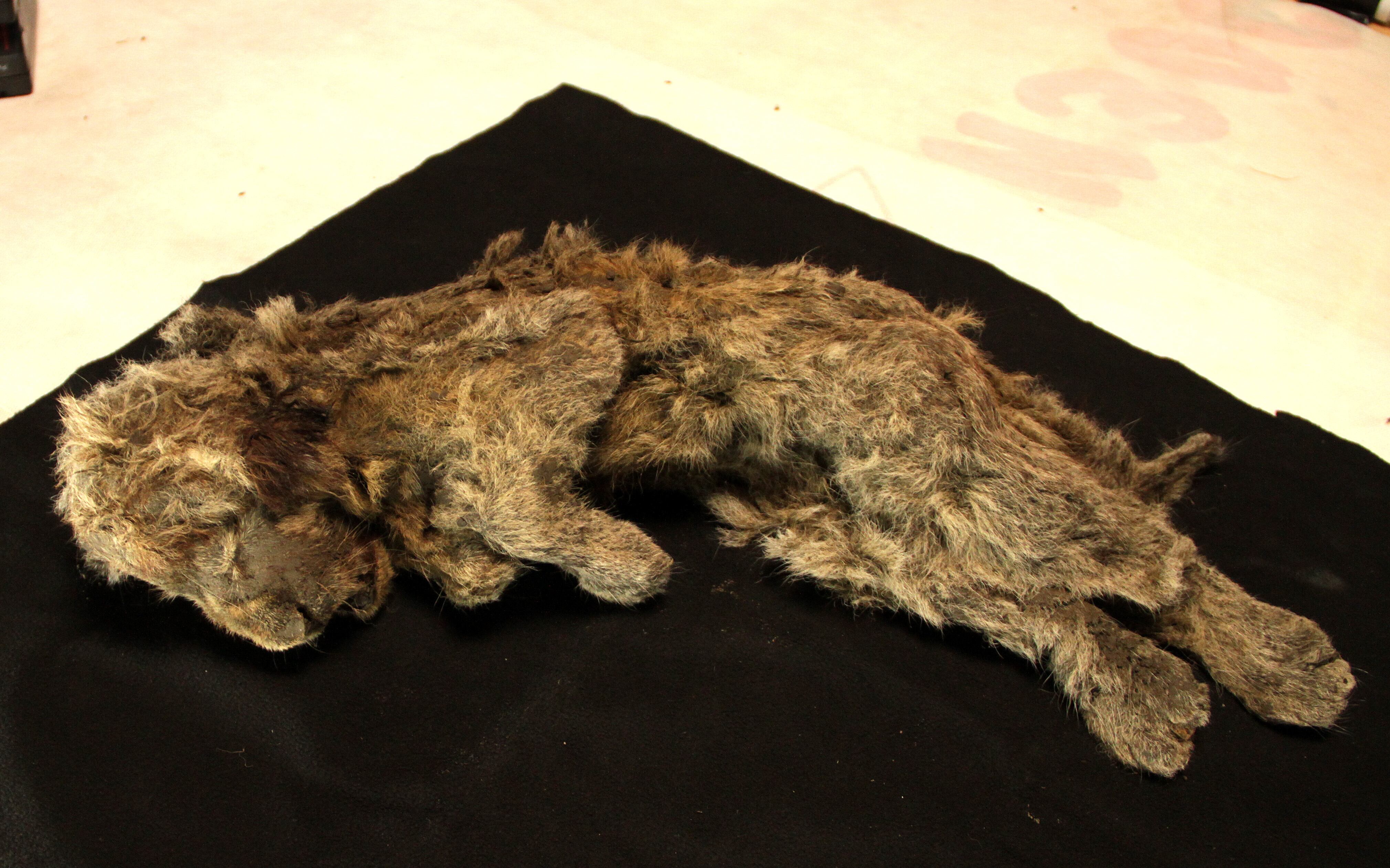
In 2018, Russian paleontologists discovered in Siberia the almost perfectly preserved frozen body of a cave lion cub. They named her Sparta. She was 32,000 years old, with blond fur, perfectly intact claws, and she looked as if she were asleep. What no one knew at the time was that Sparta carried a secret in her cells that would take years to decode: she and her kind were not, as previously thought, simply a larger, furrier version of the African lion, but something far more extraordinary.
Nos han vendido una idea del amor y de las relaciones muy concreta. Y la hemos comprado totalmente. Y cómo no comprarla cuando el cine, la música y los mitos del amor romántico nos han grabado a fuego la idea de que nuestra pareja tiene que hacernos felices.
Fruto de esa idea tan insertada en nuestro 'mindset', empezamos a depositar ciertas expectativas sobre la pareja y esperamos que se cumplan. Esas expectativas suelen construirse alrededor de la idea que tenemos de lo que debe ser una relación de pareja, y lo que yo creo que la otra persona debería darme, sí o sí. En resumen, la relación se acaba convirtiendo en una especie de carta a los Reyes Magos que tiene el objetivo de que todos mis deseos y necesidades se vean cubiertos.
La cuestión es que esto no lo solemos admitir. Ni siquiera nos lo planteamos. Únicamente creemos que empezamos una relación porque nos hemos enamorado de esa persona y lo demás, ya vendrá solo. El tipo de amor que hemos asociado a las relaciones de pareja, nada tiene que ver con el Amor (con mayúscula). El Amor es plenamente consciente de que mi pareja no tiene, en ningún caso, la obligación de hacerme feliz.
Ahora bien, después de haber leído esta última frase, puedes autoevaluar la idea de amor que aplicas a tu relación de pareja. En otras palabras, te estoy invitando a que, en un gesto de honestidad contigo mismo, puedas ver si has sido presa del concepto de amor que usa expresiones del tipo: "quiero hacerte feliz el resto de mi vida".Si la respuesta es sí... tranquilidad, no nos alarmemos. Es lo más habitual.
Hay algo muy importante que conviene entender sobre las relaciones de pareja: gran parte de lo que sentimos que nos faltó emocionalmente en la infancia solemos acabar buscándolo en la pareja, incluso sin ser conscientes de ello. Afirma Joan Garriga, uno de los grandes referentes en el ámbito de las relaciones y la terapia sistémica, que "el encuentro en la pareja no es un encuentro de dos, sino de muchos".
Y quizá esa frase explica más cosas de las que parece. Porque cuando entramos en una relación no llegamos vacíos. Llegamos con nuestra historia, nuestras heridas, y todo aquello que nos faltó en nuestro hogar de origen.
La infancia, clave en nuestras relaciones
Así, por ejemplo, alguien que creció sintiendo distancia emocional por parte de uno de sus progenitores, o de los dos, puede acabar esperando, sin darse cuenta, que su pareja le dé constantemente esa atención, esa validación o esa presencia emocional que echó de menos durante años. Y ahí la relación deja de ser solo un vínculo entre dos personas. También se convierte en el lugar donde intentamos resolver necesidades mucho más antiguas. Porque hay una gran diferencia entre compartir bienestar con alguien y esperar que alguien nos rescate del malestar.
Llegados a este punto, quizá lo importante sea tener claro qué pertenece a una relación sana y qué cosas estamos esperando que la otra persona resuelva por nosotros. En una relación sana las dos personas se relacionan desde la interdependencia. Es decir, dos individuos autónomos, con sus propias vivencias y crecimiento interno.
Esa individualidad bien entendida será la que aporte a la relación los elementos importantes que esta debería tener. Así, la relación se convierte en un espacio de crecimiento mutuo donde las personas pueden sostenerse, acompañarse y compartir la vida sin perderse a sí mismas. No desde la exigencia de que el otro calme constantemente mis inseguridades o vacíos, sino desde la libertad de poder elegirnos sin convertirnos enresponsables absolutos del bienestar emocional del otro. Porque una relación sana puede dar amor, apoyo, intimidad y refugio emocional en determinados momentos. Pero lo que no puede hacer es sustituir el trabajo interno que cada persona necesita hacer consigo misma.
Hay una pregunta muy clarificadora que debería ser imprescindible antes de formar una pareja: ¿me escogería a mí como pareja? Si la respuesta es 'no', quizá antes de buscar amor afuera deberíamos empezar por construir una relación más sanacon nosotros mismos.
Convertirnos primero en "el amor de nuestra vida" y no ir a la relación para sentirnos completos a través del otro. Porque compartir la vida con alguien puede hacernos profundamente felices. Pero difícilmente podremos construir una relación sana cuando esperamos que ella venga a salvarnos de nosotros mismos.
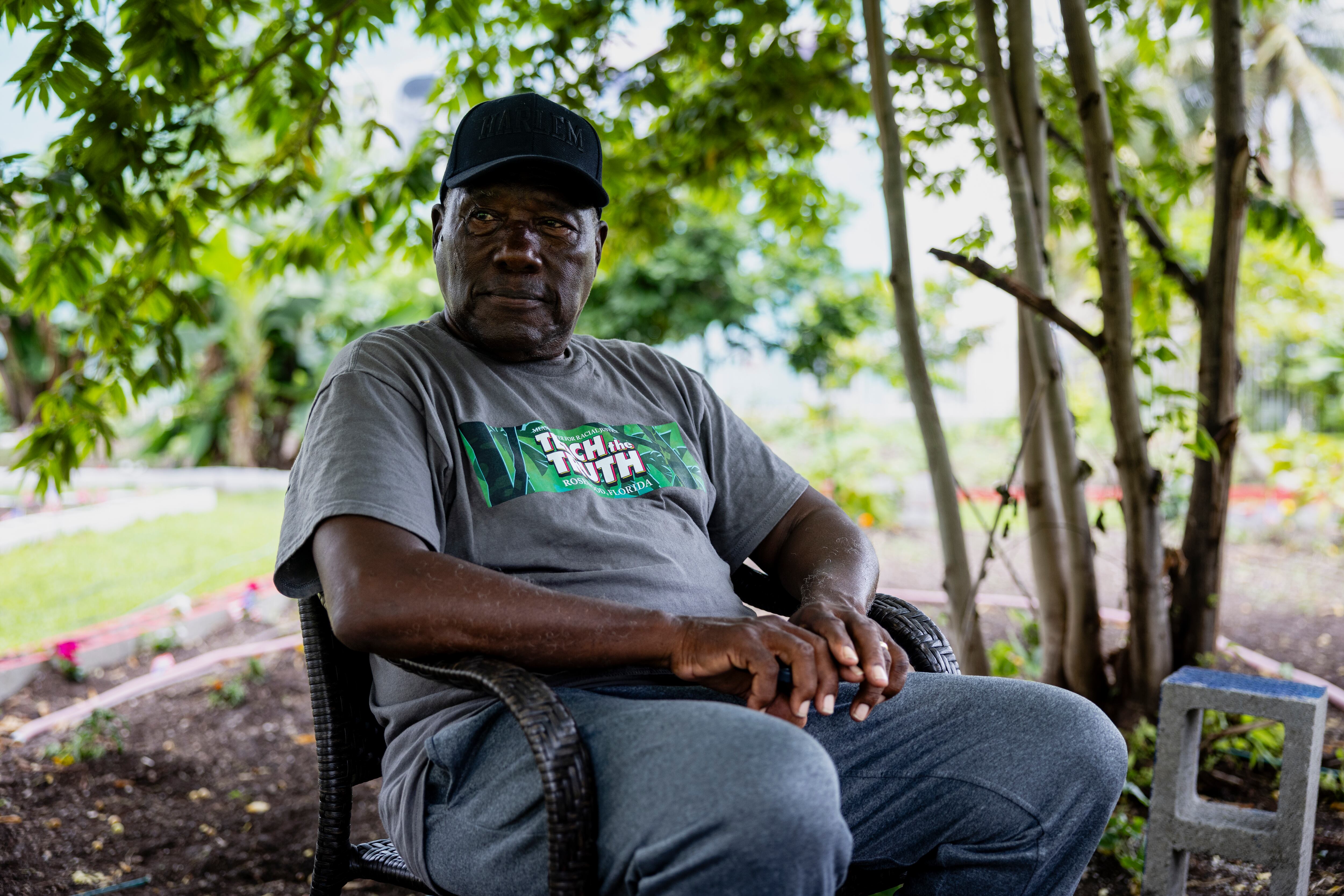
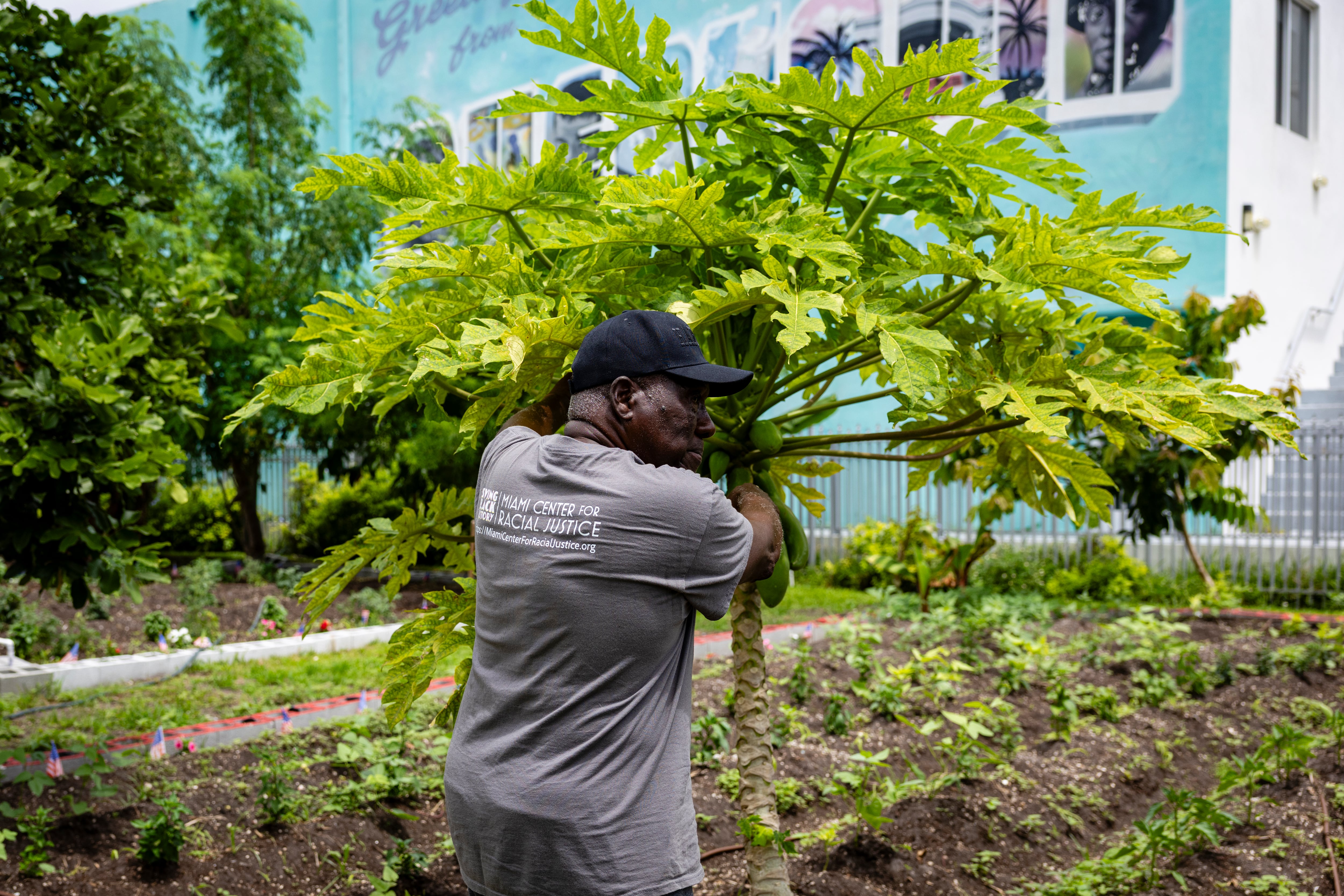
Marvin Dunn moves with surprising agility among the beds of lettuce, cabbage, and potatoes on his community farm in Overtown, a historic Black neighborhood in Miami that was fractured by the construction of the interstate highway in the 1960s. The farm, squeezed between I-95 and the high-rises packed into nearby downtown, is a kind of oasis where the 85-year-old historian — one of the most recognized voices on the history of segregation in Florida — hosts talks, distributes banned books, and is now preparing a new legal battle to stop construction of Donald Trump’s presidential library a little over 1,000 meters away.
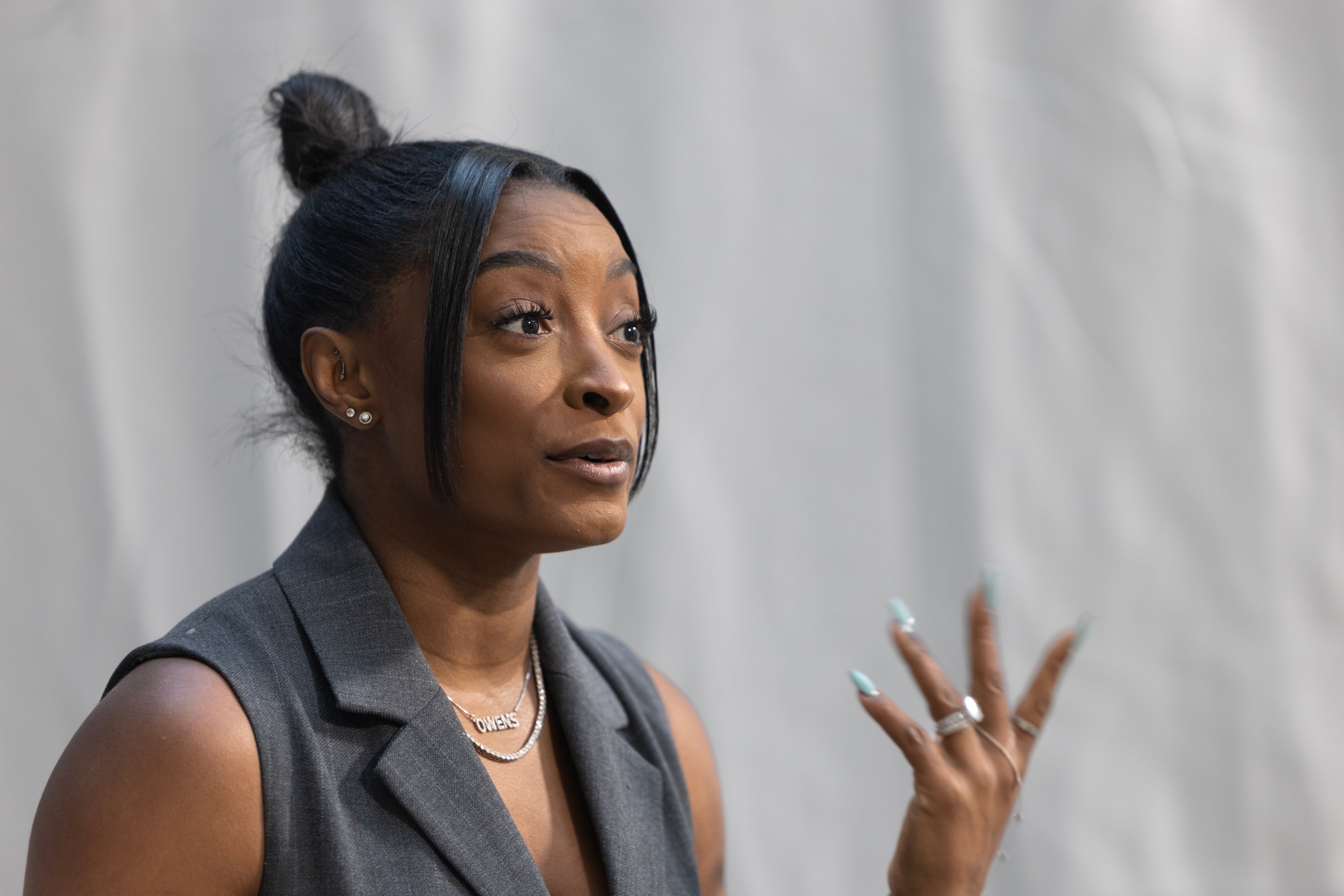
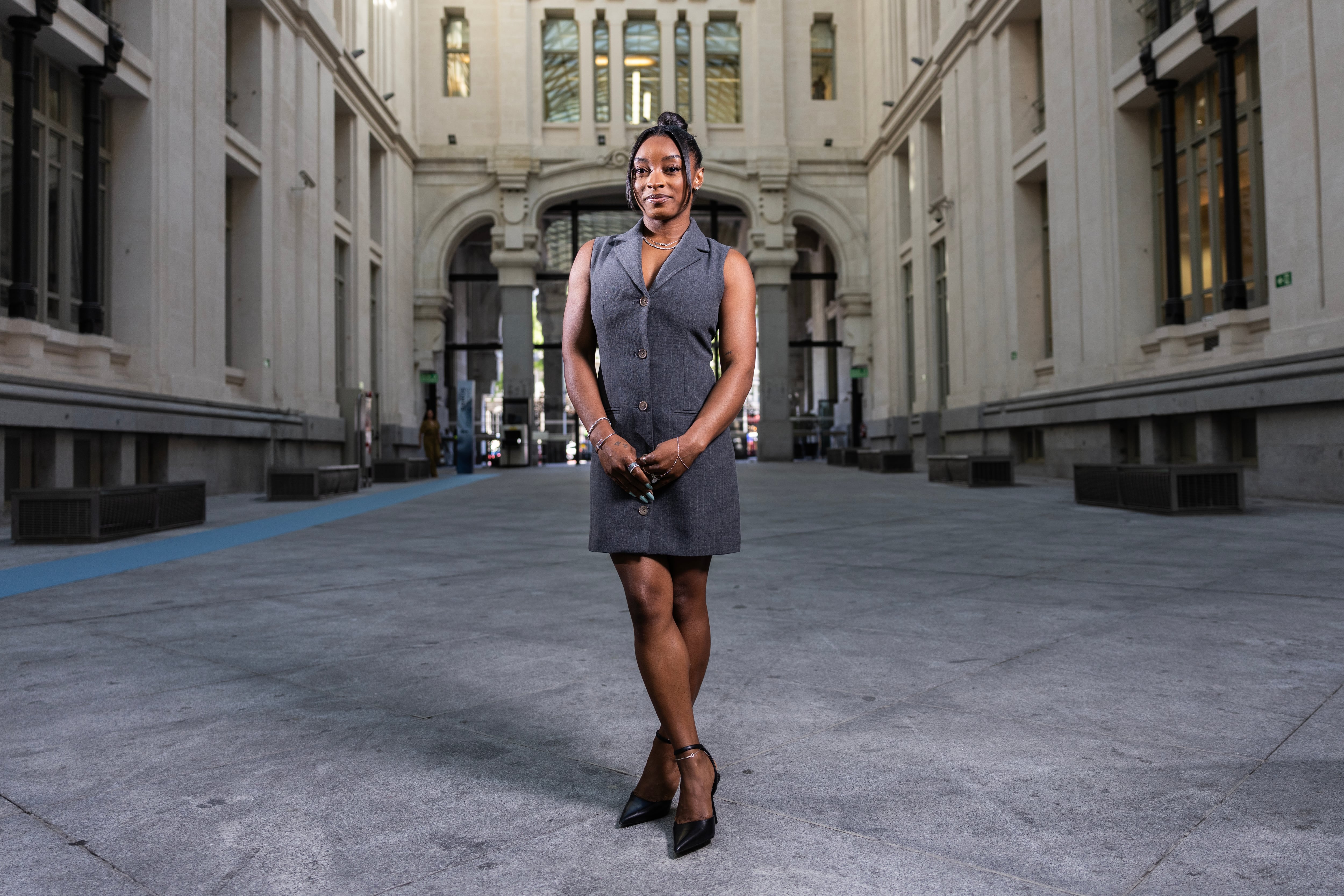
There is no sign of a lack of sleep in the sharp gaze of Simone Biles (Columbus, Ohio; 29). It’s still early, but the American, one of the greatest gymnasts in history — 11 Olympic medals and 30 world medals, 23 of them gold, an absolute record for men and women and more than double the total of her two nearest rivals, Russia’s Svetlana Khorkina (9) and Romania’s Gina Gogean (9) — poses and smiles shyly beneath the glass ceilings of Madrid City Hall. She is the star of the Future Health event, organized by health insurance company Sanitas in the capital. And everyone is watching her: muscles intact, makeup immaculate. Around her neck jingles a chain bearing the surname of her husband, fellow athlete Jonathan Owens, a player for the NFL’s Colts. A dense air of mystery hangs over the room. No one dares guess Biles’ intentions: she has now gone two years without competing, the same amount of time that remains until the Los Angeles Olympic Games, where, if she decides to remain active, she will be 31.

 Login
Login