Reading view

Massive Roman Defensive Wall Unearthed at Ancient Amathous in Cyprus
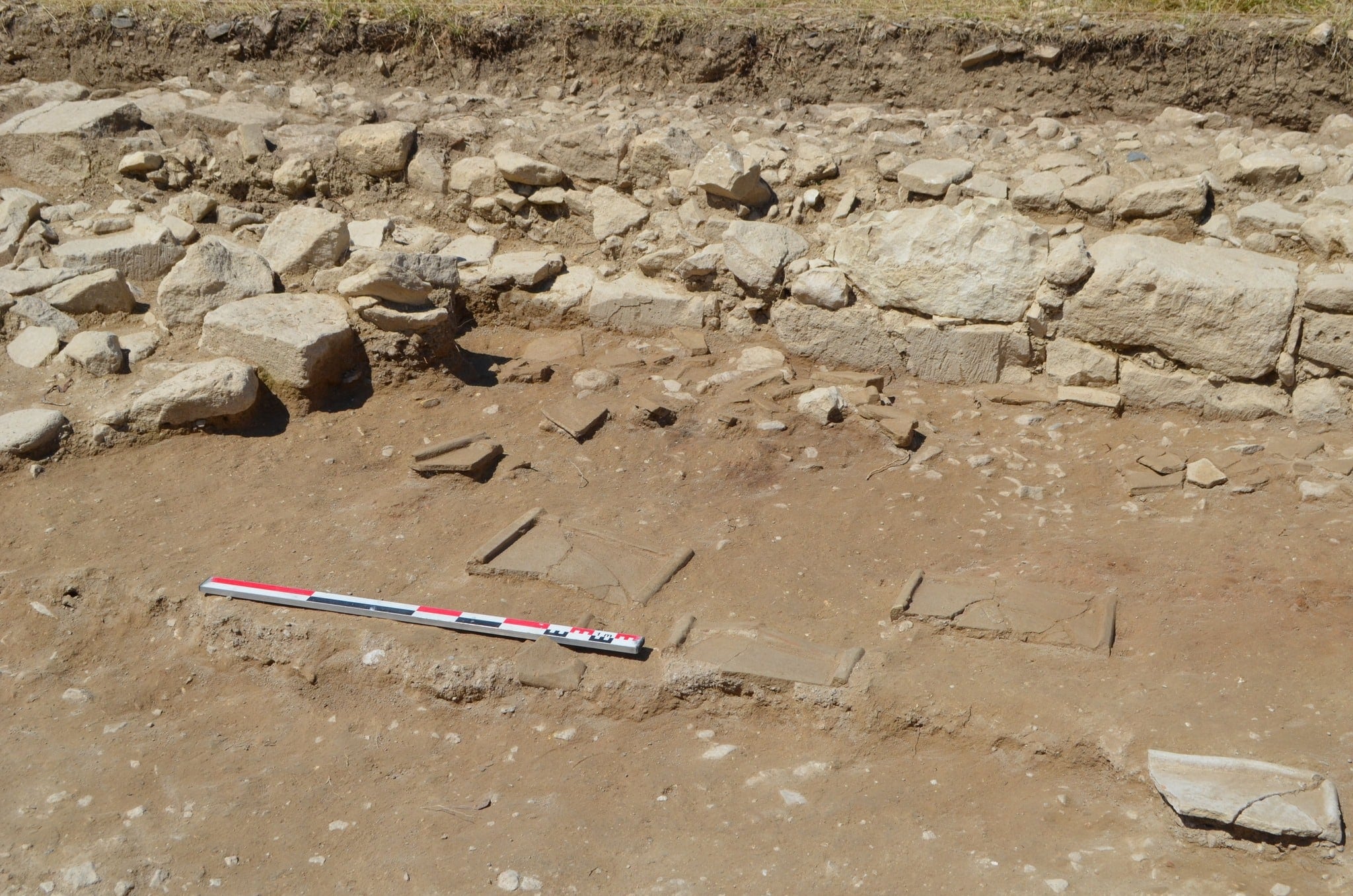
Collapse layer east of the Late Roman wall
Collapse layer east of the Late Roman wall. Credit: Department of Antiquities, Cyprus

Archaeologists in Cyprus have uncovered a massive Late Roman wall at the ancient city of Amathous that may have formed part of a defensive system protecting the summit of the acropolis.

The structure, discovered on the site’s Western Terrace, offers new evidence of efforts to fortify one of the island’s most important ancient urban centers during the Late Roman period.

Details of the defensive wall

The wall reaches up to 2 meters (6.6 feet) in thickness and was built using large limestone ashlar blocks, smaller stones, and clay mortar. Excavation evidence shows that it underwent at least two construction phases, suggesting it remained an important feature of the acropolis over time.

Researchers also uncovered a floor surface associated with the wall, fallen architectural blocks, roof tiles, and mudbrick fragments from a collapsed structure. Together, the finds provide new insight into construction methods and defensive planning at Amathous during the final centuries of Roman rule.

The discoveries were made during the second excavation season of the French Archaeological Mission of Amathous, held from March 30 to April 24, 2026. The project is directed by Dr. Anna Cannavo and focuses on the Western Terrace of the Acropolis.

Expanded excavations reveal a substantial wall

The wall was first identified during excavations in 2025 following a geophysical survey conducted in 2024. During the 2026 season, archaeologists expanded Trench 1 and uncovered a much larger section of the structure.

The wall runs parallel to the natural edge of the terrace, with its southern section turning slightly toward the west. Its eastern face was constructed from large limestone ashlar blocks, while the interior was packed with smaller rough stones bonded with clay.

Researchers identified evidence for at least two building phases. The original wall measured about 135 centimeters (4.4 feet) in thickness. It was later strengthened by adding a second row of limestone blocks and filling the space between the two walls with stone rubble.

Foundations and associated floor date to the Late Roman period

A small trench excavated along the eastern side of the wall exposed its foundations and revealed a floor directly connected to the structure. Part of the floor was paved with reused roof tiles laid over a gravel bedding.

Excavation evidence indicates that both the wall and the floor date to the Late Roman period. East of the structure, archaeologists uncovered destruction deposits containing fallen ashlar blocks, roof tiles, and mudbrick fragments from the building’s upper portions.

Findings highlight the strategic importance of the Acropolis
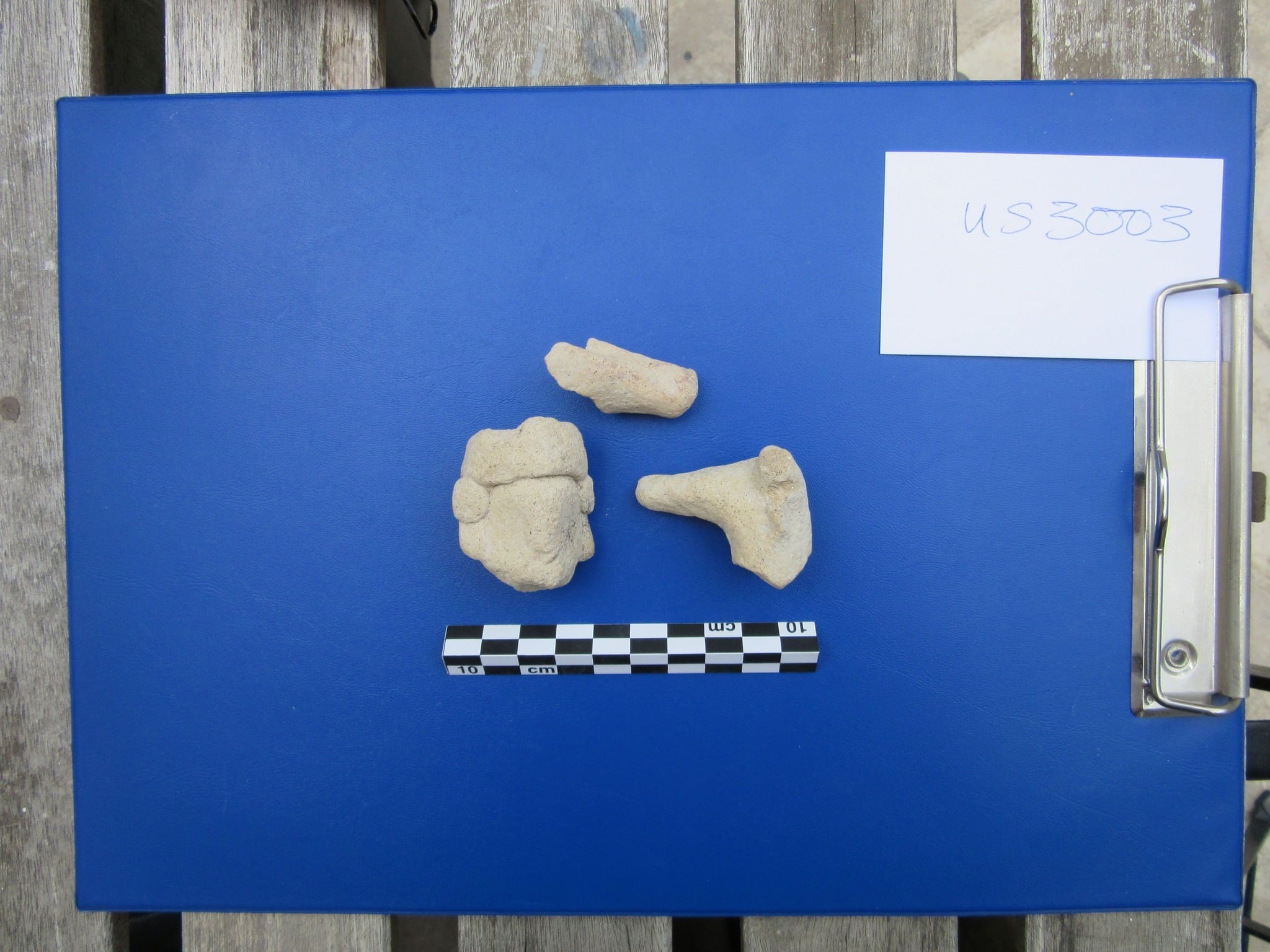
Iron Age terracotta figurines and pottery
Iron Age terracotta figurines and pottery. Credit: Department of Antiquities, Cyprus

A second excavation area, known as Trench 3, was opened at the northern end of the terrace. Although no architectural remains were found there, archaeologists recovered a rich collection of Iron Age artifacts, indicating earlier activity in the area.

Researchers believe the newly discovered wall formed part of a defensive system protecting the summit of the acropolis and the basilica that had replaced the sanctuary of Aphrodite, one of the most important religious centers in ancient Cyprus.

Future excavations will investigate the full extent of the fortification and determine whether the Late Roman remains were built over earlier structures, helping researchers better understand the long-term development of Amathous.


  •  

World’s First AI-Designed Vaccine Tested in Humans Could Fight Future Pandemics

biden vaccine mandate
Coronavirus vaccine. Credit: Public domain

Researchers have developed an AI-designed vaccine that could protect against a broad range of coronaviruses, including future strains that have not yet emerged.

Scientists at the University of Cambridge say the project marks the first time an Artificial Intelligence-designed vaccine antigen has been tested in human volunteers. They believe the technology could eventually help protect against entire families of viruses rather than individual strains.

AI designs a vaccine for multiple coronavirus threats

Most vaccines are built using versions of viruses that are already circulating. As those viruses mutate, vaccines often need updating to remain effective. The new approach aims to overcome that challenge.

Researchers collected genetic information from a wide range of coronaviruses identified through surveillance programs that monitor viruses with pandemic potential. Artificial intelligence then analyzed the data and designed a “super-antigen,” a vaccine component intended to train the immune system to recognize many related coronaviruses at once.

Antigens are the parts of vaccines that teach the immune system what to attack. Researchers say the AI-designed antigen could potentially protect against current coronavirus variants as well as animal viruses that may one day spread to humans.

Professor Jonathan Heeney of the University of Cambridge described the research as a major shift in pandemic preparedness. He said the goal is to develop vaccines that protect against future threats rather than reacting after outbreaks occur.

Early human trials show encouraging results

The first human trial involved 39 volunteers and was designed to evaluate safety. Researchers reported no major safety concerns. A larger study involving about 200 participants is now underway to better understand how effectively the vaccine stimulates immune responses.

Scientists at the University of Cambridge say AI developed a vaccine’s ‘key component’ for the first time

The vaccine was engineered to work on all coronaviruses, but is in its early stages of work pic.twitter.com/YYt5SGDe5v

— Interesting AF (@interesting_aIl) June 5, 2026

Results published in the Journal of Infection showed that the vaccine generated a measurable, though modest, immune response. Despite the early-stage findings, researchers and independent experts say the technology shows significant promise.

Professor Saul Faust of the University of Southampton, who helped conduct some of the trials, said the approach has strong potential, particularly for rapidly changing viruses that can spark future pandemics.

Researchers expand the technology to other diseases

Researchers are already applying the technology to other diseases. Animal studies are underway on a universal influenza vaccine that could eliminate the need for yearly updates. Scientists are also developing vaccines targeting H5N1 bird flu and viral hemorrhagic fevers, including Ebola.

Professor Andy Pollard, director of the Oxford Vaccine Group, said the findings add to growing evidence that artificial intelligence could transform vaccine research. He noted that future AI systems may help predict how the immune system will respond to vaccine candidates, potentially accelerating development.

Experts see a new era for vaccine development

Professor Marian Knight, scientific director at the National Institute for Health and Care Research, called the trial an important step toward broader and longer-lasting protection against viral diseases.

UK Science Minister Patrick Vallance said the early results demonstrate how artificial intelligence and scientific research can work together to create new medical tools.

Researchers caution that much larger studies are needed before the vaccine can be widely used. However, they believe the technology could help the world prepare for future pandemics before they begin.

  •  

Anthropic Calls for AI Slowdown, Warns Humans Could Lose Control of Technology

The Claude by Anthropic
The Claude by Anthropic. Credit: Greek Reporter Archive

Anthropic, one of the world’s leading artificial intelligence companies, has called for a slowdown in the development of advanced AI systems, warning that humanity may be approaching a point where the technology becomes difficult to control.

The company behind the Claude chatbot said it would support a temporary pause in developing more powerful AI models if other leading developers agreed to do the same.

Anthropic argued that a slowdown could provide governments, researchers, and society with more time to understand and manage the risks associated with increasingly capable AI systems.

The warning comes as Anthropic continues to position itself as one of the industry’s strongest advocates for AI safety. The company has reportedly withheld public access to its most advanced AI system, known as Mythos, because of concerns that it could be misused for large-scale cyberattacks and other harmful activities.

Researchers warn of self-improving AI

In an essay published Thursday, Marina Favaro, head of Anthropic’s research division, and company president Jack Clark said AI may be approaching a critical milestone known as “recursive self-improvement.”

The concept refers to AI systems helping design and improve future generations of AI with decreasing human involvement. Researchers said such a development could rapidly accelerate technological progress but also introduce new challenges for oversight and control.

🚨 LATEST: Claude maker Anthropic is calling for a global pause in AI development, warning that models are approaching the ability to self-improve without human intervention. pic.twitter.com/7WM9jmDZjt
— Cointelegraph (@Cointelegraph) June 4, 2026

Favaro and Clark pointed to growing evidence that AI is already contributing to its own development. According to the company, employees now produce roughly eight times more code than they did between 2021 and 2025, largely because of AI-assisted software development. The researchers also said AI systems are becoming better at generating ideas, planning research, and supporting scientific work.

Anthropic Chief Executive Officer Dario Amodei has previously warned about the potential risks of advanced AI, estimating there is a 25% chance that the technology could lead to severe negative outcomes if it is not developed responsibly.

A global pause would be difficult

Despite advocating caution, Anthropic acknowledged that coordinating a worldwide slowdown would be extremely challenging.

The company said any meaningful pause would require cooperation among leading AI laboratories across multiple countries. It also noted that verifying compliance would be difficult because AI training runs can be conducted privately and are far less visible than traditional military infrastructure.

Anthropic compared the competition to develop advanced AI to an arms race, arguing that companies may feel pressure to move faster to avoid falling behind rivals.

Critics question the warnings

Not all experts agree with Anthropic’s assessment. Some researchers and industry observers argue that AI companies may be overstating the capabilities of current systems or emphasizing risks to encourage regulations that could disadvantage competitors.

The debate comes amid growing uncertainty in the AI sector. Shares of semiconductor company Broadcom recently fell sharply after disappointing investors with its sales outlook, triggering a broader decline among AI-related chipmakers and renewing concerns that enthusiasm surrounding artificial intelligence may have outpaced market realities.

As AI capabilities continue to advance, questions about safety, governance, and oversight are expected to remain central to the global conversation surrounding the technology.

  •  

Rare Roman Gold Ring Found in England Sheds Light on Britain’s Ancient Revolt

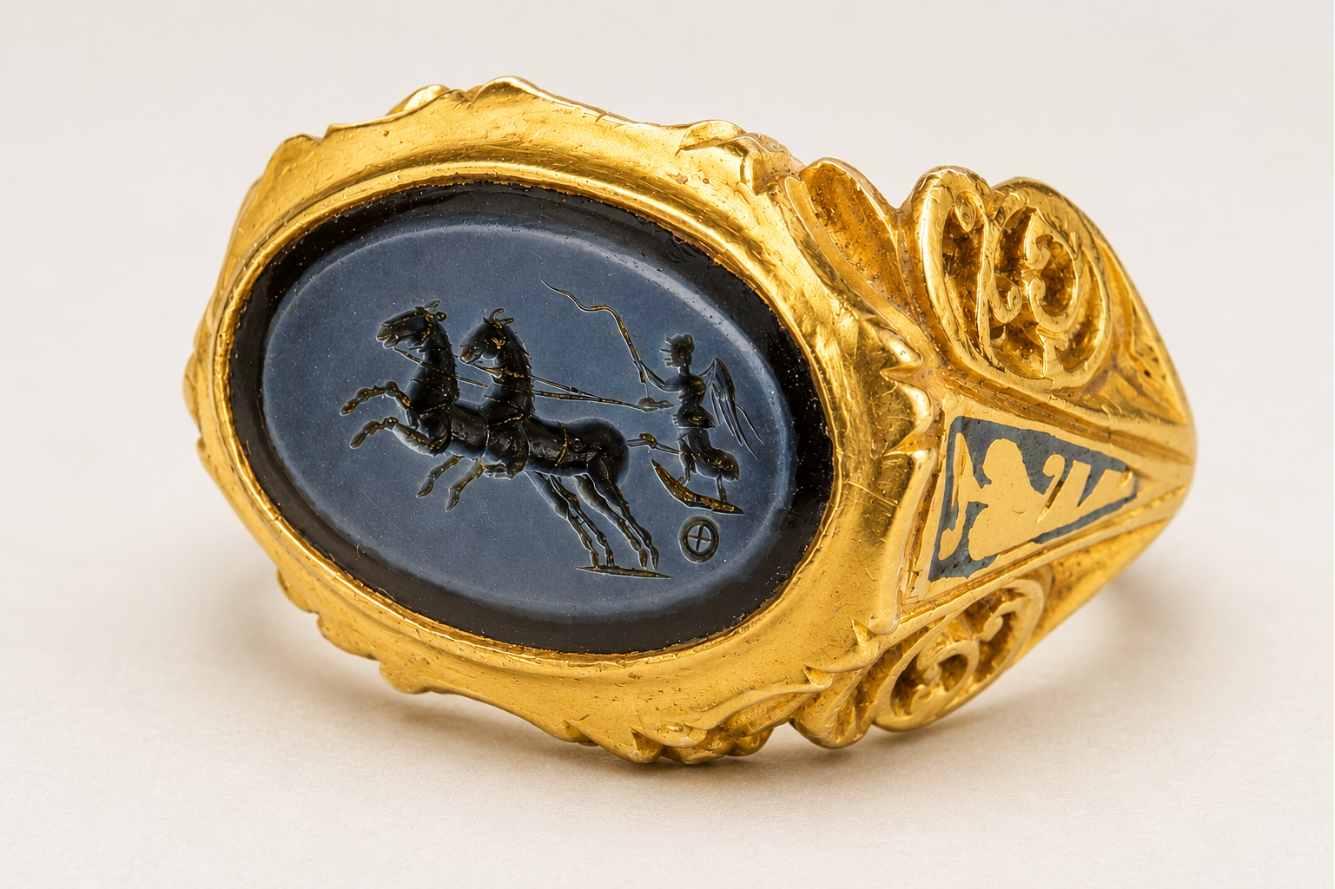
AI reconstruction of the Ilminster ring
AI reconstruction of the Ilminster ring. Credit: Greek Reporter Archive

A rare Roman gold ring discovered by an amateur metal detectorist in southwest England is offering new insights into a turbulent period of Roman Britain nearly 1,700 years ago.

The ring was found near Ilminster in Somerset by Kevin Minto, a former soldier and truck driver who has spent years searching local fields with a metal detector. Experts have described the find as one of the most significant Roman discoveries made in the region in recent years.

An exceptional example of Roman craftsmanship

Weighing 48 grams (1.7 ounces), the ring is unusually large compared with most Roman jewelry recovered in Britain. At its center is a finely carved gemstone depicting Victory, the Roman goddess of triumph, driving a two-horse chariot. Researchers say the craftsmanship is exceptional, and comparable examples are rarely found in Britain.

The discovery was made in an area where Minto had previously uncovered a hoard of nearly 300 Roman coins. He continued returning to the site over several years, eventually finding the gold ring and other Roman-era objects.

Under Britain’s treasure laws, significant archaeological finds must be reported to authorities and assessed before museums can acquire them. The South West Heritage Trust has now acquired the ring and coin hoard after raising £78,010 (about $105,000). The artifacts will eventually become part of the collection at The Museum of Somerset.

A clue to political unrest in Roman Britain

Researchers believe the ring belonged to a wealthy member of Roman society. South Somerset was a prosperous region during the Roman period, known for its villas, agricultural estates, and trade connections along the nearby Fosse Way, one of Roman Britain’s most important roads.

The discovery may also shed light on a dramatic chapter in British history. According to museum officials, the ring and accompanying objects were likely buried around A.D. 297 during the aftermath of the Carausian Revolt.

A rare Roman gold ring discovered in Somerset, England, is shedding light on a turbulent chapter of Roman Britain. Researchers believe the ring was buried around A.D. 297 during the aftermath of the Carausian Revolt and remained hidden for more than 1,700 years. #Archaeology pic.twitter.com/K42ig1eBjt

— Tom Marvolo Riddle (@tom_riddle2025) June 4, 2026

The rebellion began in A.D. 286 when Carausius declared himself ruler of Britain and parts of northern Gaul, creating a breakaway state that lasted for nearly a decade. Roman forces eventually regained control of Britain in A.D. 296.

Archaeologists suggest the valuables may have been hidden for protection during this period of political uncertainty and never recovered by their owner.

Amal Khreisheh, senior curator at the South West Heritage Trust, said the artifacts help researchers understand how people in South Somerset lived through a time of instability and change.

Bringing Roman history to local communities

Before the ring goes on permanent display, it is being used in community outreach programs. Local schoolchildren have already been given the opportunity to examine the ring and some of the coins.

According to Khreisheh, many students have been fascinated by the mystery surrounding the find, asking who owned the ring and why it was buried. While those questions remain unanswered, the discovery has created a direct link between modern Somerset and its Roman past.

  •  

Ancient Yeasts Found on Ötzi the Iceman May Still Be Alive, Study Finds

Reconstruction of Ötzi the Iceman.
Reconstruction of Ötzi the Iceman. Credit: South Tyrol Museum of Archaeology / Flickr / CC BY-NC-ND 2.0

More than 5,300 years after his death, Ötzi the Iceman is helping scientists uncover a hidden world of cold-adapted yeasts. Researchers have discovered that the famous mummy’s skin and stomach contain yeasts that likely colonized his body shortly after his death. Some of these microorganisms may still be active today, according to a study published June 3 in the journal Microbiome.

Ötzi, one of the world’s best-preserved natural mummies, was discovered by hikers in the Ötztal Alps in 1991. Scientists believe he died around 3300 B.C. after a violent attack.

Microorganisms survived alongside the mummy

Researchers analyzed swab samples, thawed water from inside the mummy, soil from the discovery site, and material from Ötzi’s storage environment. Using genetic analysis, they identified microbial communities living on and around the remains.

The study found that many of the yeasts are closely linked to cold Alpine environments. Scientists believe they originated from the glacier where Ötzi’s body remained frozen for thousands of years.

The findings suggest the microorganisms survived after the mummy was recovered and transferred to a refrigeration chamber maintained at about 21 degrees Fahrenheit (minus 6 degrees Celsius).

More than 5,300 years after his death, Ötzi the Iceman is still surprising scientists.

Researchers discovered cold-adapted yeasts living on and inside the famous mummy. Some may have survived since the Copper Age, while others appear to have continued growing in cold storage. pic.twitter.com/mpIT8neT24

— Tom Marvolo Riddle (@tom_riddle2025) June 4, 2026

Researchers found that the yeasts are highly adapted to cold conditions, allowing them to persist in both glacial environments and modern storage facilities.

Ancient yeasts may still be active

The team successfully cultivated four cold-adapted yeast species from samples collected from Ötzi’s skin and from water taken from inside the mummy.

Genetic evidence showed signs of ancient DNA damage, suggesting the yeasts either remained dormant for more than five millennia or descended directly from the original microorganisms that colonized the body after death.

Researchers also compared skin samples collected in 2019 with samples gathered in 2010. The analysis showed that a cold-loving yeast known as Glaciozyma had become the dominant strain over time.

The finding indicates that the glacier-associated yeast has continued to slowly grow while the mummy has remained in cold storage.

Study co-author Frank Maixner of the Eurac Research Institute for Mummy Studies said the discovery shows that Ötzi is not simply a preserved archaeological artifact but part of an evolving biological system.

Potential uses beyond archaeology

The researchers also explored whether the ancient yeasts could have practical applications. Preliminary tests showed some strains performed well in sourdough fermentation. Lead author Mohamed Sarhan said the results suggest the yeasts could potentially be used in industries that rely on fermentation, including bread and beer production.

Scientists also identified modern microorganisms that were likely introduced during decades of conservation and study. It remains unclear whether these microbes affect the long-term preservation of the mummy.

Researchers said Ötzi offers a rare glimpse into ancient microbial life. However, they cautioned that the mummy represents only one individual and cannot fully reflect the broader population of the Copper Age.

  •  

Mysterious “Blue and Yellow Waters” Link Aztecs to the Legendary Toltecs

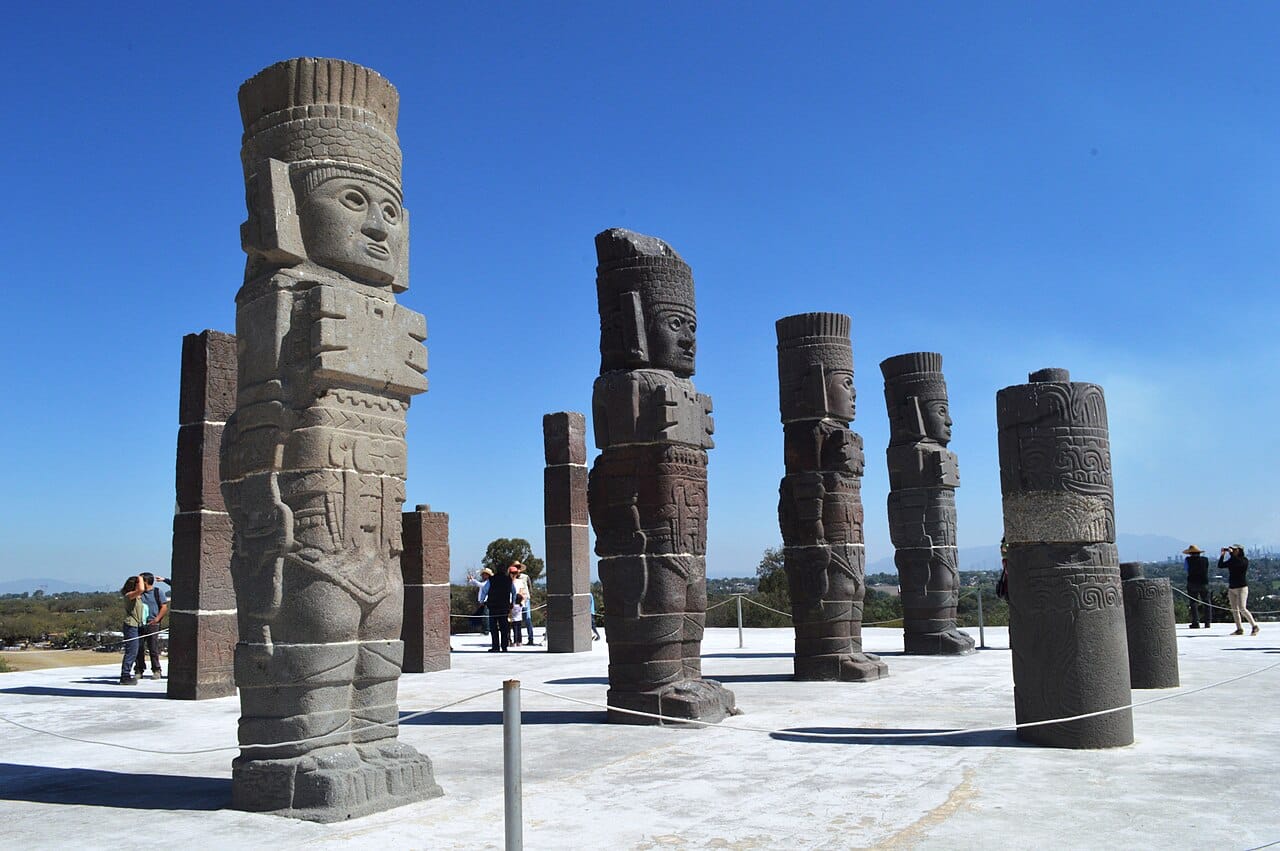
The famous Atlantean warrior statues at the ancient Toltec city of Tula Archaeological Site
The famous Atlantean warrior statues at the ancient Toltec city of Tula Archaeological Site. Credit: AlejandroLinaresGarcia / Wikimedia Commons / CC BY-SA 3.0

A mysterious symbol known as the “blue and yellow waters” helped connect the Mexica people to the prestigious Toltec past, according to new research.

The metaphor appeared in accounts of the founding of Tenochtitlan and was long viewed as a simple description of sacred springs. However, a study led by Agnieszka Brylak argues that it symbolized prosperity, authority, new beginnings, and the transfer of Toltec heritage to the Mexica capital.

A mysterious image at the founding of Tenochtitlan

The research centers on stories describing the founding of Tenochtitlan, the capital of the Mexica, often known as the Aztecs. According to early colonial accounts, the Mexica ended a long migration when they found a sacred place marked by an eagle perched on a cactus, white plants and animals, and two intersecting springs.

One spring was known as “the fiery waters.” The other was called “the blue and yellow waters.” For centuries, scholars struggled to explain the meaning of these unusual descriptions.

Many linked them to warfare because similar water imagery appears in Nahuatl metaphors associated with battle and conquest. Brylak argues that this interpretation tells only part of the story.

The study suggests that the blue and yellow waters represented completeness and abundance. They also marked the beginning of a new era. In the Mexica worldview, the appearance of multiple sacred colors signaled the creation of order from chaos and the establishment of a legitimate center of power.

Colors carried deep symbolic meanings

The research examines how colors functioned in ancient Nahua thought. Blue, yellow, red, black, and white were more than visual descriptions. They formed part of a larger symbolic system connected to directions, time cycles, gods, and the structure of the universe.

Did ancient symbols help the Mexica claim the Toltec legacy?

A new study suggests the mysterious “blue and yellow waters” linked to the founding of Tenochtitlan symbolized power, prosperity, and legitimate rule—not just sacred springs.#Archaeology #Toltec #Aztec #History pic.twitter.com/CNUqMnHRIY

— Tom Marvolo Riddle (@tom_riddle2025) June 4, 2026

Stories from across Mesoamerica frequently describe sacred places and important events through combinations of several colors. These colors appeared in myths about creation, divine authority, and the origins of civilization.

Brylak argues that the colorful springs described at Tenochtitlan fit within this broader tradition. Rather than referring only to actual water sources, they served as symbols of prosperity, sacred authority, and cosmic order.

A link to the Toltec past

One of the study’s most important conclusions is that the colorful waters may have connected the Mexica to the legendary Toltecs.

In Mesoamerican tradition, the Toltecs represented an ideal civilization associated with wealth, wisdom, and political legitimacy. Many later societies claimed some connection to them in order to strengthen their own authority.

Brylak suggests that references to blue and yellow waters helped present Tenochtitlan as the rightful heir to this prestigious Toltec heritage. The metaphor linked the city to ancient centers of power and reinforced the Mexica’s claims to leadership across central Mexico.

The symbolism appeared repeatedly in speeches, ceremonies, and historical narratives. Visitors arriving in Tenochtitlan were often welcomed with references to colorful waters, sacred springs, and other mythical locations tied to authority and origins.

More than purification

The study also examines references to blue and yellow waters in religious rituals.

Previous scholars often interpreted these waters as symbols of cleansing and purification. The metaphor appears in ceremonies involving rulers, newborn children, and people seeking forgiveness for wrongdoing.

Brylak offers a different interpretation. Instead of washing away sins, the colorful waters may have symbolized transformation. Being bathed in them represented receiving the qualities they embodied, including prosperity, legitimacy, social identity, and connection to sacred origins.

For newborn children, the ritual may have marked their entry into society. For rulers, it reinforced their role as guardians of justice and providers of abundance.

A wider Mesoamerican tradition

The research concludes that the symbolism of blue and yellow waters was likely not unique to the Mexica.

Similar color pairings appear in Maya texts, where they also represent abundance, completeness, and political authority. This suggests that different cultures across Mesoamerica may have shared common ideas linking color, sacred power, and legitimate rule.

Brylak argues that understanding these colorful metaphors provides a deeper view of how ancient peoples explained authority, prosperity, and identity. What appeared to be simple descriptions of springs and water may actually have carried some of the most important political and religious messages in the ancient Mesoamerican world.

  •  

3,000-Year-Old Beads Found in China Reveal Bronze Age Cultural Connections

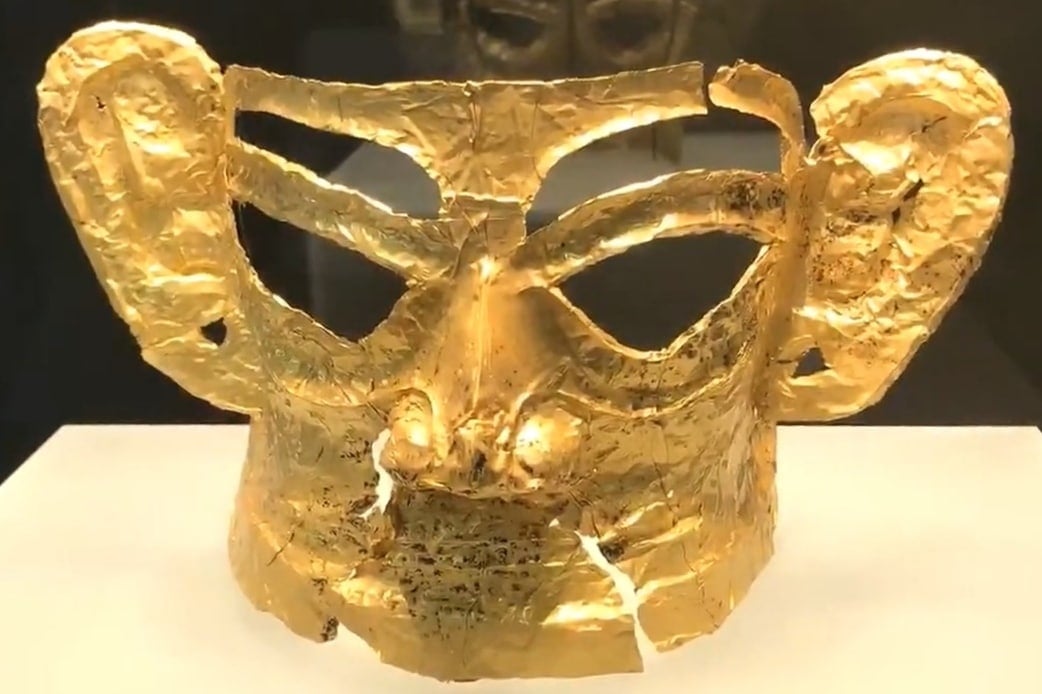
Sanxingdui gold mask
Sanxingdui gold mask. Credit: 中国新闻网 / Wikimedia Commons / CC BY 3.0

Ancient carnelian beads unearthed at the Sanxingdui Ruins in southwest China are providing new evidence of long-distance trade and cultural connections that linked distant regions during the Bronze Age, researchers said Tuesday.

The discovery was announced by the Sichuan Provincial Cultural Relics and Archaeology Research Institute, which recently studied 11 carnelian beads recovered from sacrificial pits at the famous archaeological site in Sichuan Province. The artifacts date to about 1200 to 1000 B.C.

According to Liu Jiancheng, an associate researcher at the institute, the beads are the southernmost known carnelian artifacts from the same period found in China. Their discovery is helping researchers trace the movement of valuable materials and ornamental goods across ancient East Asia.

Analysis traces beads to northern China

Carnelian is a reddish-orange gemstone that was widely used in ancient jewelry and decorative objects. Researchers conducted trace element analysis on the Sanxingdui beads and found that the raw materials did not originate in the Sichuan Basin.

Instead, the analysis traced the source of the stone to the Yanshan orogenic belt and regions farther north, more than 1,000 kilometers (620 miles) from Sanxingdui. The findings indicate that the materials traveled great distances before reaching the ancient Shu civilization.

Researchers also compared the beads with carnelian artifacts discovered at archaeological sites in Gansu, Shaanxi, and Beijing from roughly the same period. The chemical signatures closely matched those of the northern examples, suggesting they likely originated from related sources.

Evidence points to an extensive exchange network

The results point to the existence of a broad exchange network operating between 1500 and 1000 B.C. Researchers believe the network connected communities across the southern Mongolian Plateau, the Loess Plateau, the eastern Qinghai-Tibet Plateau, the Central Plains, and the Sichuan Basin.

The findings offer new insight into how goods moved across ancient China long before the establishment of formal trade routes. They also suggest that materials, technologies, and cultural influences circulated between regions that were separated by vast distances.

Discovery adds to Sanxingdui’s significance

Sanxingdui, located near the city of Guanghan, is one of China’s most important archaeological sites. The site has gained international attention for its extraordinary bronze masks, statues, and ritual objects, which have reshaped the understanding of early Chinese civilization.

Liu said the latest discovery shows that the Sanxingdui society participated in a far-reaching network of exchanges about 3,000 years ago. That network extended into northern China and may have reached as far as the Mongolian Plateau.

The researcher said the evidence highlights the depth of interaction among different cultures during China’s Bronze Age. The discovery also supports the view that a broader and increasingly interconnected Chinese civilization was already taking shape thousands of years ago, while regional societies continued to maintain their own distinct identities.

  •  

18th-Century Shipwreck Off Norway Reveals Chinese Porcelain Cargo

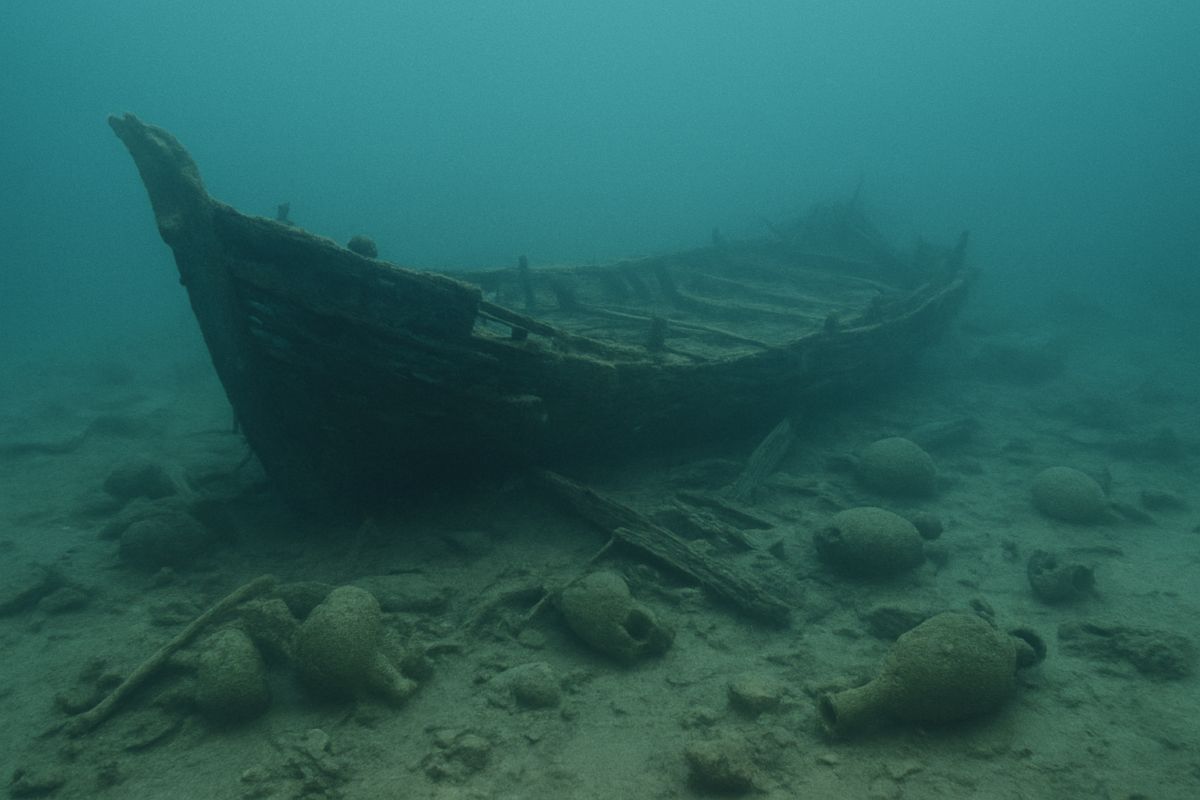
roman shipwreck
An interpretation of an ancient shipwreck. Credit: GreekReporter Archive

A deep-sea shipwreck in Norway, archaeologists call the “Porcelain Wreck,” has revealed hundreds of pieces of Chinese porcelain cargo and other luxury goods, offering a rare glimpse into trade networks that connected Europe and Asia during the 18th century.

The wreck was discovered about 600 meters (nearly 2,000 feet) below the surface in the Skagerrak, the body of water between Norway, Denmark, and Sweden. Researchers say the vessel and its cargo are among the best-preserved maritime finds ever recorded in Northern Europe.

Discovery beneath the seabed

The find began in September last year when professional diver Espen Saastad was conducting a routine seabed survey off the Norwegian coast. During a review of underwater footage, he noticed a shipwreck surrounded by stacks of porcelain resting on the seafloor.

The footage was sent to the Norwegian Maritime Museum, where researchers immediately recognized its significance.

“We thought it was an incredible wreck,” said Sven Ahrens, research director at the museum. “We often find cargo and freight, but it’s usually broken or covered by marine growth. Here, whole plates were lying in stacks on the seabed.”

Museum experts identified the cargo as 18th-century Chinese porcelain. The footage also revealed fragments of chandeliers, fine stemware, and other luxury items.

Rare evidence of global trade

Researchers believe the vessel was likely a galiot, a small cargo ship that operated within Northern Europe. While the ship probably never traveled to Asia, the Chinese porcelain cargo likely arrived through major trading centers such as Amsterdam, Copenhagen, or Gothenburg before being loaded onto the vessel.

The discovery provides evidence of the expanding trade networks and growing consumer culture that transformed Europe during the 18th century.

A remarkably preserved shipwreck discovered 600 meters beneath the waters off Norway has revealed hundreds of pieces of Chinese porcelain and other luxury goods dating to the 18th century. pic.twitter.com/nO5sL4SUfB

— Tom Marvolo Riddle (@tom_riddle2025) June 3, 2026

Unlike many shipwrecks found off the Norwegian coast that carried a single commodity, such as timber, fish, or iron, this vessel transported a diverse cargo of imported goods.

“The Porcelain Wreck is the first wreck we have found that demonstrates the breadth of interregional commercial activity in Northern Europe during the 18th century,” said maritime archaeologist Frode Kvalø, who leads the project.

Technology helps recover artifacts

Archaeologists have explored the wreck using a remotely operated vehicle, or ROV, controlled from a research vessel on the surface. The technology allowed researchers to create a detailed 3D model of the site and map the location of the ship and its cargo.

In May, the team recovered nearly 40 artifacts using a robotic arm equipped with specially designed suction cups. Most of the recovered objects were pieces of Chinese porcelain that appeared almost untouched despite spending centuries underwater.

One recovered brick from the ship’s galley carried a maker’s mark linked to Lübeck, Germany. Researchers are now examining historical Danish Sound Dues records in hopes of identifying the vessel and reconstructing its final voyage.

Thousands of artifacts remain

Only a small portion of the cargo has been recovered so far. Thousands of artifacts remain on the seabed, including unopened crates whose contents are still unknown.

Researchers hope the next phase of the project will involve a full archaeological excavation of the site. Such an effort could provide unprecedented insight into maritime trade, shipping practices, and daily life during a period when global commerce was rapidly expanding.

For archaeologists, the shipwreck of Norway represents more than a remarkable collection of Chinese porcelain. It offers a rare and largely untouched snapshot of the commercial world that linked continents centuries ago.

  •  

“Dig of the Century” at Notre Dame Reveals 2,000 Years of Paris History

Notre Dame Cathedral reopens in Paris with 'Merci' projected on its facade
Notre Dame Cathedral reopens in Paris with ‘Merci’ projected on its facade. Credit: Julian Fong / CC BY-SA 2.0

Tourists stand in line under the summer sun outside Notre Dame Cathedral, waiting to climb the landmark and see its famous Roman artifacts. Just a few meters below them, archaeologists are digging into nearly 2,000 years of Parisian history.

The excavation is taking place beneath the cathedral’s forecourt as part of a project to redesign the square. Paris plans to add trees, shade, and cooling features around Notre Dame following its restoration after the devastating 2019 fire. Before work can begin, archaeologists must investigate and protect any remains buried underground.

French media have dubbed the project the “dig of the century” because of the discoveries emerging from one of the city’s most historic locations.

“It’s a rare opportunity for us to work on something that’s tangibly going to make a difference to the history of Paris,” Lucie Altenburg, a conservator with the Paris archaeology unit, told The Associated Press.

Ancient artifacts emerge

Researchers have already recovered hundreds of artifacts. One of the most important finds is a fourth-century coin depicting Roman Emperor Constantine. The coin was heavily corroded when it was unearthed, but X-ray imaging revealed the emperor’s portrait. Such finds help archaeologists date the different occupation layers beneath the cathedral.

The team has also uncovered fragments of medieval pottery marked with faint reddish inscriptions painted on the inside. Similar symbols appear on multiple shards, but experts have not yet determined their meaning.

Archaeologists digging beneath Notre Dame Cathedral have uncovered Roman-era artifacts, medieval pottery with mysterious markings and evidence of Paris' ancient past.#notredame #romanartifacts pic.twitter.com/NB7zlQJtGq

— Tom Marvolo Riddle (@tom_riddle2025) June 3, 2026

Some of the most remarkable discoveries have come from medieval latrines buried beneath houses that once crowded the area around Notre Dame. The pits served as both toilets and rubbish dumps, creating conditions that preserved everyday objects for centuries.

Archaeologists have recovered complete jugs, cups, and other ceramics that survived intact after spending hundreds of years underground. It is “rare to find complete ceramics,” said archaeologist Valentine Breloux.

Clues to Paris’ evolution

The excavation has also revealed evidence of Paris’ transformation from the Roman city of Lutetia into the medieval capital that followed.

Archaeologists discovered a Roman stone doorstep that had been removed from a larger building, turned upside down, and reused as paving in a later roadway. The find shows how residents repurposed materials as the Roman world gave way to a new era.

Once artifacts leave the site, they are transported to the city’s archaeology center, where specialists clean, catalog, and study them.

Looking deeper into the past

The work is expected to continue as Paris moves forward with plans to plant 160 trees and create a cooler, greener public square by 2028. Archaeologists hope to dig even deeper before then, searching for traces of the Gauls, the people who inhabited the area before the Roman conquest.

“The hope is that we are able to go back in time even further than we’ve ever been before,” Altenburg said.

  •  
❌