Reading view

A Journey Through Time: The Stone Bridges of Meteora in Greece
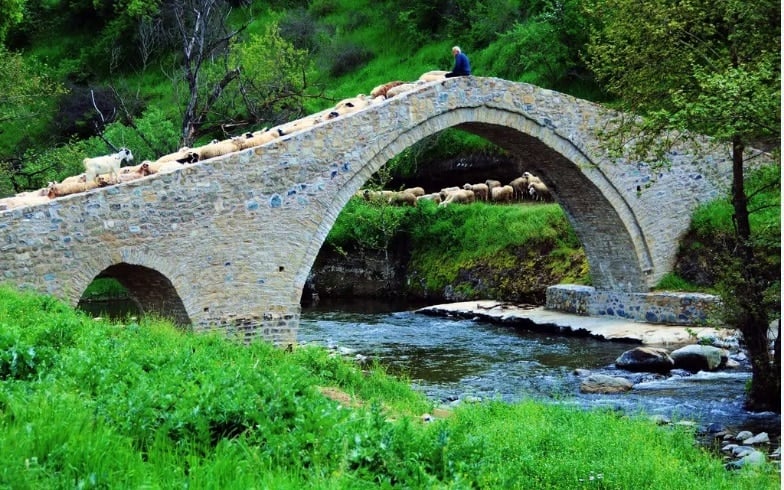
Stone bridges Meteora
Psyrras Bridge in Meteora was built in 1790. It was a key part of the old road network, linking mountain passes to the lowlands. Credit: AMNA

The Municipality of Meteora is a testament to the enduring legacy of historical stone bridges, which serve as living monuments of folk architecture and the human drive to connect.

Built with remarkable skill by craftsmen from Epirus and Pindos, these bridges were vital arteries for communication, trade, and survival in the region’s challenging terrain. They are not merely structures but symbols of local identity and cultural heritage.

Stone bridges in Meteora and their stories

The municipality is home to several significant bridges, each with its own unique history:

Baltas Bridge: Located in Kakoplevri, this is one of the oldest bridges in the region, built in 1403. For over six centuries, it has spanned the Kakoplevritis stream, connecting isolated areas with the city of Kalambaka.
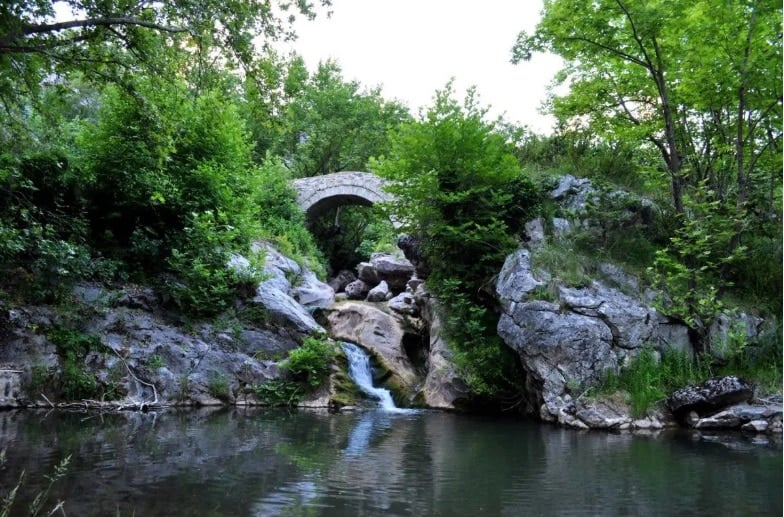
Baltas Bridge
Baltas Bridge. Credit: AMNA

Delis Bridge: Also in Kakoplevri, this single-arch bridge was constructed in 1860. It crosses the Boutzas River, a tributary of the Pinios. Its name is linked to local folklore, with theories attributing its construction to either a Turkish pasha or a charioteer from the Chasia region.
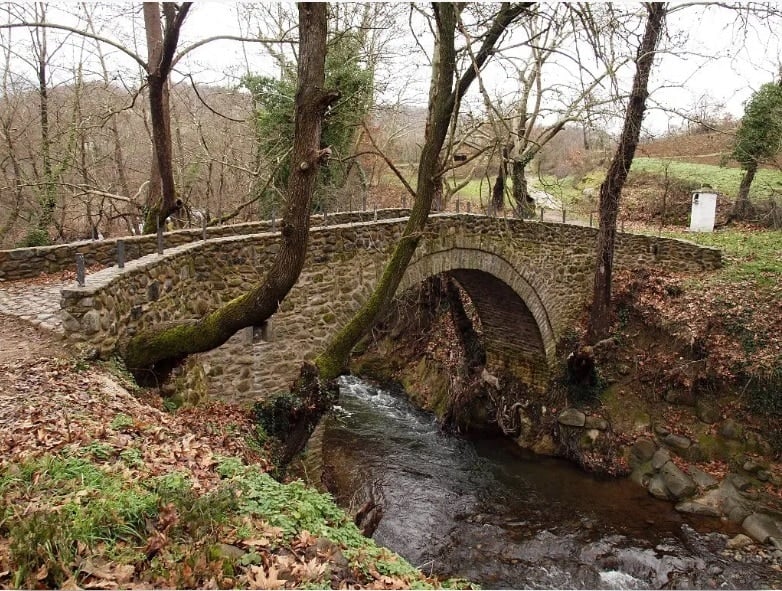
Delis Bridge
Delis Bridge in Meteora. Credit: AMNA

Psyrras Bridge: Erected in 1790 over the Iona River, this single-arch bridge is a prominent feature on Asproklisia Hill. It was a key part of the old road network, linking mountain passes to the lowlands.

Michos Bridge: Built in 1799 in Anthousa Aspropotamos, this 12.5-meter-long bridge marked the beginning of a crucial mule route. It was used by agogiates (muleteers) to transport goods from the villages of Aspropotamos to Tzoumerka.
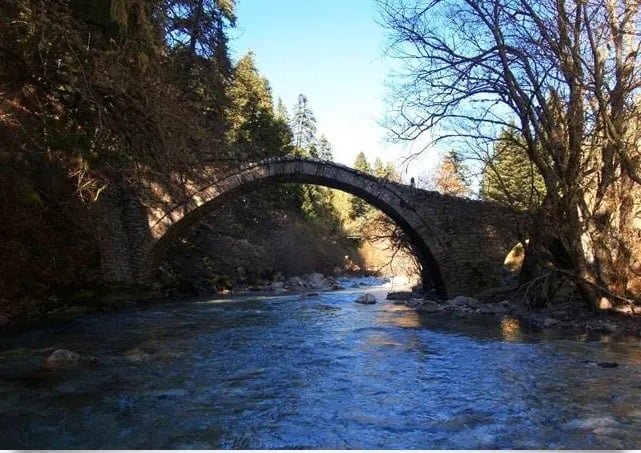
Meteora Bridges
Michos Bridge in Meteora. Credit: AMNA

Vakaretsia Bridge: Located in the Xirokampos area, this single-arch bridge over the Bountza stream was a critical crossing for local residents.

Ghika Bridge: This bridge in Krania, likely built in the mid-18th century, is a single-arch structure with unique metal drawbridges added for reinforcement. It was a primary route to the Thessalian plain but was severely damaged by the “Daniel” storm. The Ministry of Culture has since initiated its restoration.
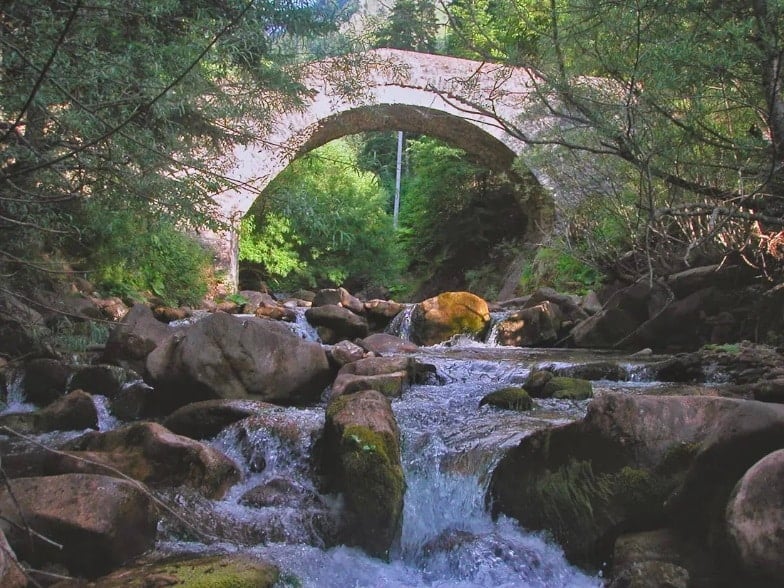
Ghika Bridge
Ghika Bridge. Credit: AMNA

Sarakina Bridge: Perhaps the most renowned of these structures is the Sarakina Bridge, a magnificent seven-arched stone bridge spanning the Pinios River. It was a major link between the wider region and the Thessalian plain. Unfortunately, like the Ghika Bridge, the Sarakina Bridge suffered extensive damage from the “Daniel” storm.
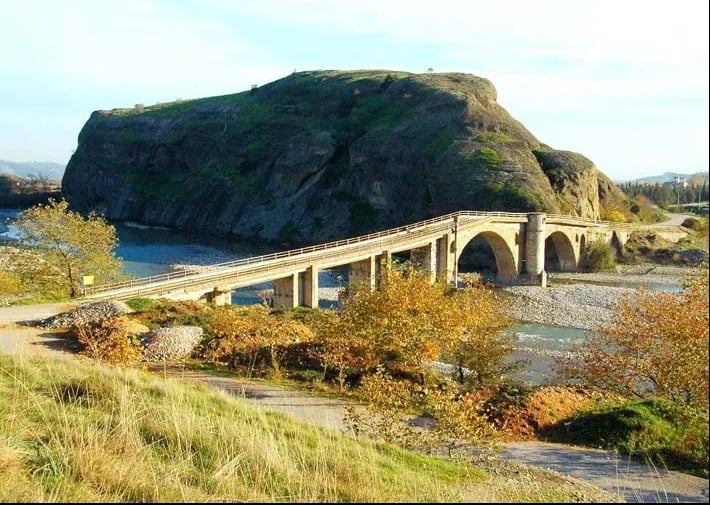
Sarakina Bridge
Sarakina Bridge. Credit: AMNA

In a recent statement, Meteora Mayor Lefteris Avramopoulos highlighted the bridges’ significance as “living pieces of our history” and “symbols of connection.” He highlighted that both the Sarakina and Ghika bridges are considered monuments of national importance. The Municipality of Meteora is actively collaborating with the Ministry of Culture to secure funding and complete the necessary studies for their full restoration.

The Mayor emphasized that preserving these bridges is not only a “debt to the past” but also a strategic investment in the future. Their preservation and promotion through cultural tourism are seen as key levers for sustainable development in the mountainous regions, ensuring that these historical testaments continue to stand for generations to come.
  •  

Amazing Places in Greece That You Won’t Believe Are Real

Melissani Cave on the island of Kefalonia, Greece
Melissani Cave (Kefalonia, Greece). Credit: Sanshiro KUBOTA/CC BY 2.0

Greece, a land of gods and nymphs, has a number of exquisitely beautiful places that appear to have come out of a fairy tale, being formed back in another time and almost in another world. Here are some of Greece’s most haunting places that you won’t believe actually exist.

The most amazing places in Greece

Melissani Cave, Kefalonia

Melissani Cave, Kefalonia Island, Greece
Melissani Cave on the island of Kefalonia, Greece. Credit: Rachid H/CC BY 2.0

A sky-blue lake that was once believed to be the living quarters of nymphs, it is hauntingly beautiful, and legend has it that the nymph Melissani drowned herself due to her unrequited love for the god Pan at the lake. This unique geological phenomenon is created by water’s erosion of calcareous rocks.

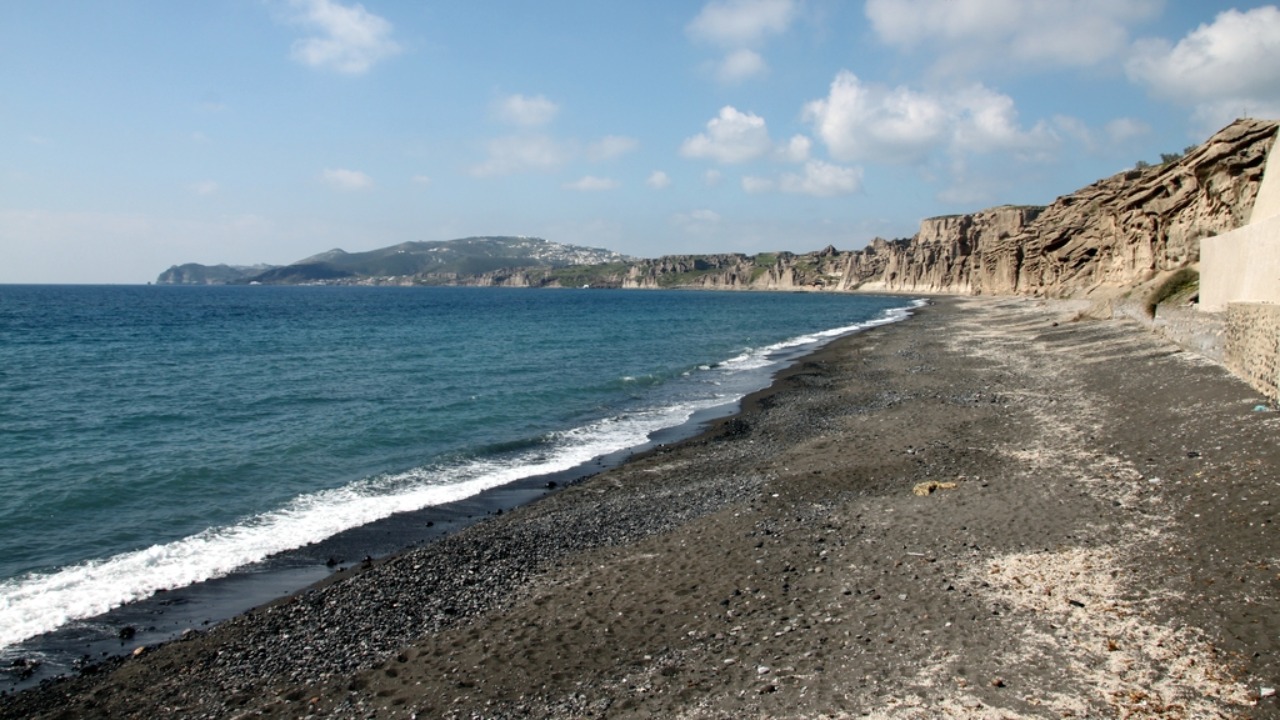
Vlychada Beach, Santorini

Vlychada Beach, Santorini
Vlychada Beach, Santorini. Credit: Klearchos Kapoutsis/CC BY-NC-ND 2.0

Windswept formations transport visitors to a lunar landscape on the volcanic island of Santorini. Sand dunes are created during the winter months, creating interesting formations and sand caves. Occasionally, bulldozers even have to be called in to dig out beach-goers. The abandoned tomato factory nearby and ashen volcanic sand add an eerie quality to the beach.

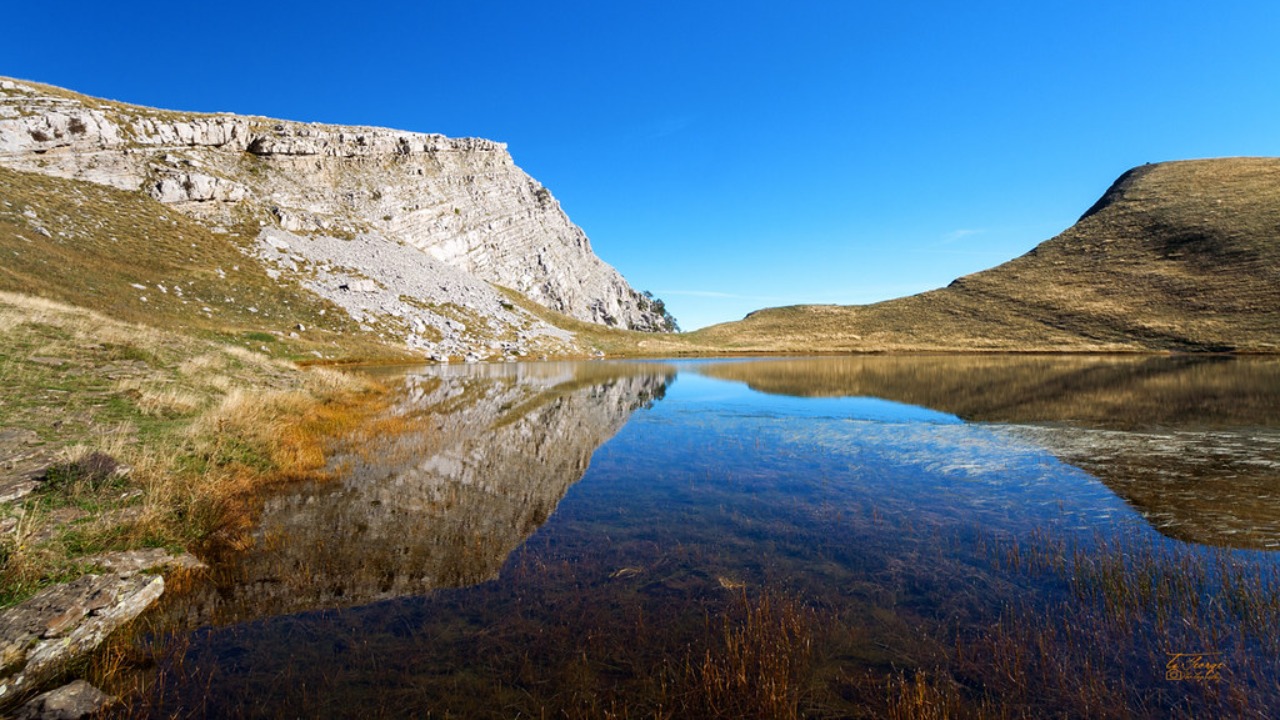
Gamila Dragon Lake, Mt. Tymfi

Gamila Dragon Lake
Gamila Dragon Lake, Mt. Tymfi. Credit: George Tsilepidis/CC BY-NC-ND 2.0

Greece’s alpine lakes were customarily believed to have been created by dragons throwing stones at each other. The spectacular lakes bear the name of the beasts that created them. Gamila, at 2,050 meters (6,725 feet), the highest point of Mt. Tymfi, lies between the Aoos River and Voidomatis along the North Pindus Range.

Blue Caves, Zakynthos

Zakynthos Blue Caves
Blue Caves, Zakynthos, Greece. Credit: Wikipedia/Ρένια Χατζηλευτέρη/CC-BY-SA-4.0

Located at the north coast of Zakynthos, Greece, the caves were created thanks to waves crashing into the limestone cliffs. The sun is apparent on the walls of the tunnels and caves that the waves have carved into the cliffs over the millennia.

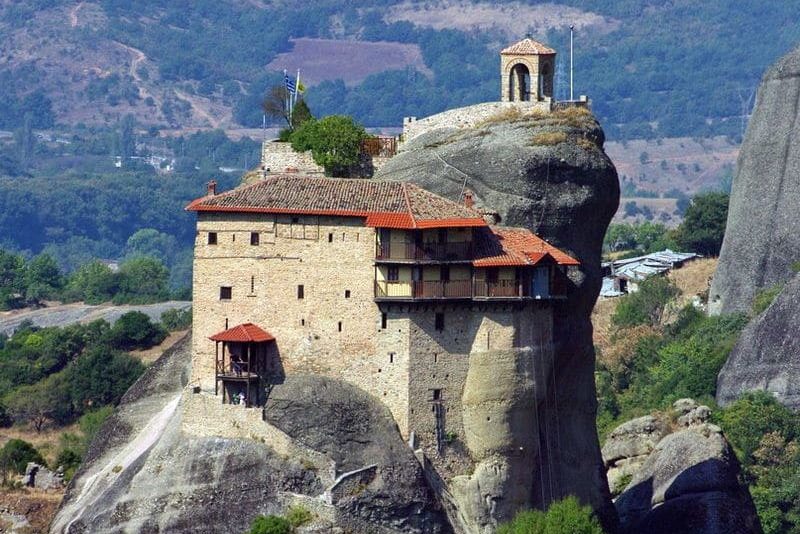
Meteora, Thessaly

Monastery of Saint Nikolaou, Meteora, Greece
Monastery of Agiou Nikolaou. Credit: Bgabel/CC BY-SA 3.0

The Holy Monastery of Rousanou is one of six monasteries built on natural sandstone rock pillars at Meteora on the northwestern edge of the Plain of Thessaly in Central Greece.

Established in the middle of the 16th century, it was damaged by Germans during WWII. It is lower in altitude than other monasteries in the region in elevation, but this makes it more accessible. Nuns have occupied the convent since 1988.

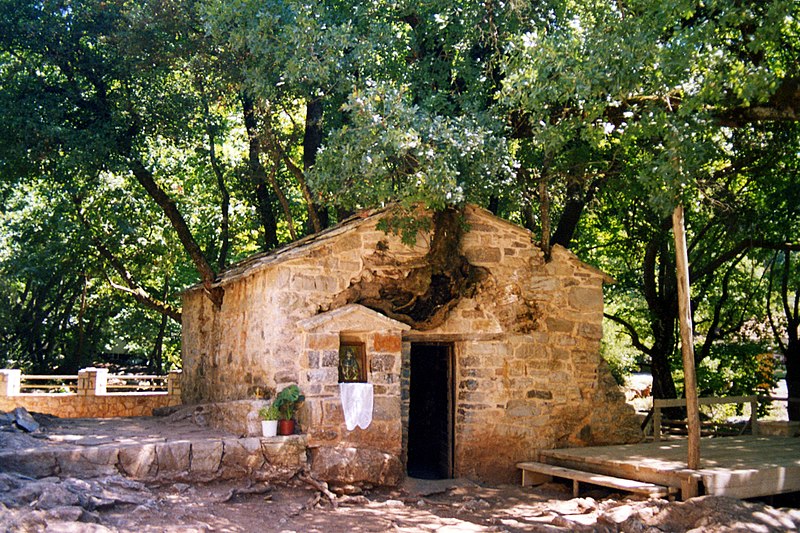
Saint Theodora, Vasta

Saint Theodora in Vasta, Greece on the Peloponnese
Saint Theodora, Vasta. Credit: EntaXoyas/CC-BY-SA-3.0

The small village of Vasta has acquired fame due to its “miracle church” of Saint Theodora, who lived in the 11th century BC and helped defend her village by disguising herself as a man before she went to  fight.

She died a violent death in battle while calling out the oath: “Let my blood become church, my blood a river, my hair the forest.” Built at the site of her grave, a local river rerouted to pass directly under the church, causing seven trees to sprout from its roof. Some believe this was indeed a miracle, attributed to Saint Theodora’s last words.

  •  
❌