
 Login
Login
Do Americans Actually Care About Soccer? The Reality Behind the 2026 World Cup Buzz
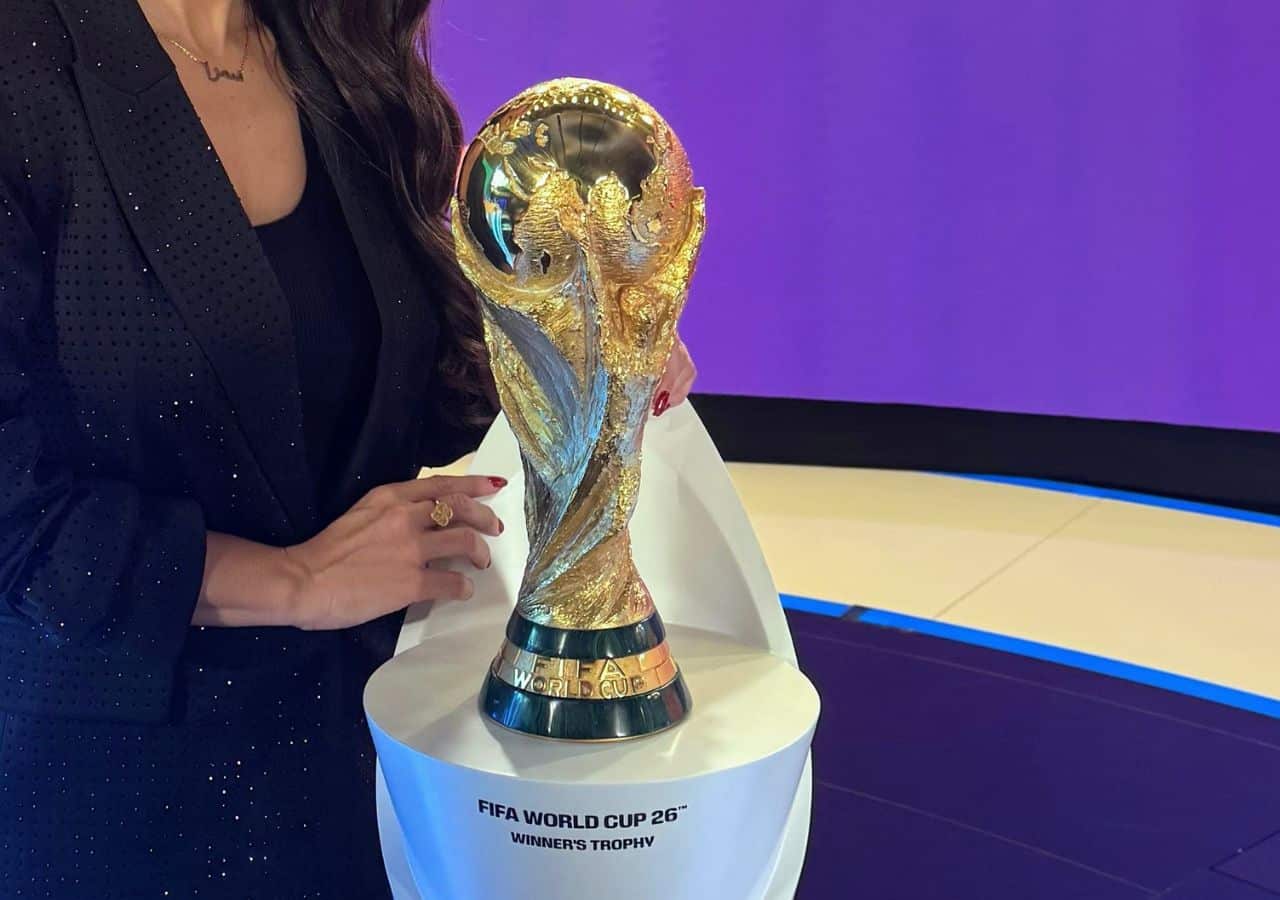
As the 2026 FIFA World Cup officially kicks off across North America, a long-standing question resurfaces on the global stage: Do Americans actually care about soccer?
While traditional sports still rule the airwaves, a massive generational and demographic shift is actively rewriting the American sports landscape.
Generational and ethnic shift for soccer
Historically, soccer in the United States has struggled to compete with the domestic dominance of the NFL, NBA, and Major League Baseball. That skepticism persists among older demographics. According to a new Pew Research Center survey, 66% of American adults state they are “not too” or “not at all” likely to follow the tournament. Broadly speaking, a separate YouGov poll confirms that 54% of the overall adult population maintains zero interest in the sport. For a large share of traditional sports fans over fifty, the tournament remains an afterthought.
However, statistics show that there is a soccer boom among younger individuals. The game is rapidly becoming the sport of choice for the next generation of American consumers. YouGov data reveals that an average of 23% of Americans aged 18 to 34 now identify as avid soccer viewers. More telling is the fact that over 56% of all active soccer fans in the United States are currently under the age of 35.
This generational momentum is heavily reinforced by cultural shifts. Comprehensive market data from Numerator indicates that enthusiasm for this year’s tournament is highest among multicultural communities, with 54% of Hispanic Americans and 51% of Asian Americans planning to actively tune in to the month-long event.
Furthermore, the reality of the United States co-hosting the expanded 48-team tournament alongside Canada and Mexico has created a “host nation surge.” Overall consumer intent to watch has nearly doubled compared to the 2022 World Cup in Qatar, with 32% of all US citizens now planning to watch the matches. This enthusiasm is heavily concentrated around the eleven American host cities, including Dallas, Los Angeles, Atlanta, New York/New Jersey, and Philadelphia, where consumer interest jumps to 42%.
Despite this undeniable wave of momentum, soccer is not quite ready to dethrone America’s biggest sporting events. When stacked against domestic mainstays, the World Cup still plays catch-up. Consumer data tracking viewership intent shows that while 32% of Americans plan to watch the World Cup, 58% plan to watch the Winter Olympics, and a staggering 69% will tune into the NFL’s Super Bowl.
Will the Americans pack the stadiums for the World Cup?

However, as the world’s biggest tournament returns to US soil for the first time in thirty-two years, it faces an entirely different landscape strained by corporate economics.
The 1994 World Cup in the US was a staggering, record-breaking success. It drew 3.59 million fans across 52 matches, averaging nearly 69,000 attendees per game. It remains the most attended World Cup in history.
However, speculation about whether Americans will pack stadiums like they did in 1994 has hit an unexpected snag: FIFA’s aggressive corporate pricing model. During the 1994 tournament, group-stage tickets were relatively accessible, ranging from $25 to $75. By stark contrast, FIFA’s 2026 individual match tickets see first-round seats averaging around $400, with opening match tickets starting at $560 and category-one seats scaling up to $2,735. For the United States’ highly anticipated matches, primary, and resale prices have left ordinary local families facing severe sticker shock, with select group-stage tickets soaring past $1,100.
Because FIFA now tightly controls its own resale marketplace to harvest transactional fees, prices fluctuate based on demand like airline tickets. While major marquee matches and the knockout rounds are completely sold out, ordinary American supporters have openly complained about being priced out of lesser group-stage fixtures, leaving thousands of tickets sitting on primary resale portals on the eve of kickoff.
Ultimately, the 2026 World Cup catches the United States at a historic sporting crossroads. Driven by a younger, more diverse fanbase, soccer is no longer a niche novelty in America. The interest is real, deep, and fully integrated into the culture. But while the stadium atmospheres will be electric, any empty seats seen during the opening weeks shouldn’t be blamed on an “indifferent American public”—rather, blame a modern corporate strategy that misjudged the wallet of the everyday fan.
Related: World Cup 2030 to Be Hosted in Spain, Portugal, Morocco, South America
