Reading view

Petro and Mamdani: A meeting of progressive leaders the Trump administration thwarted

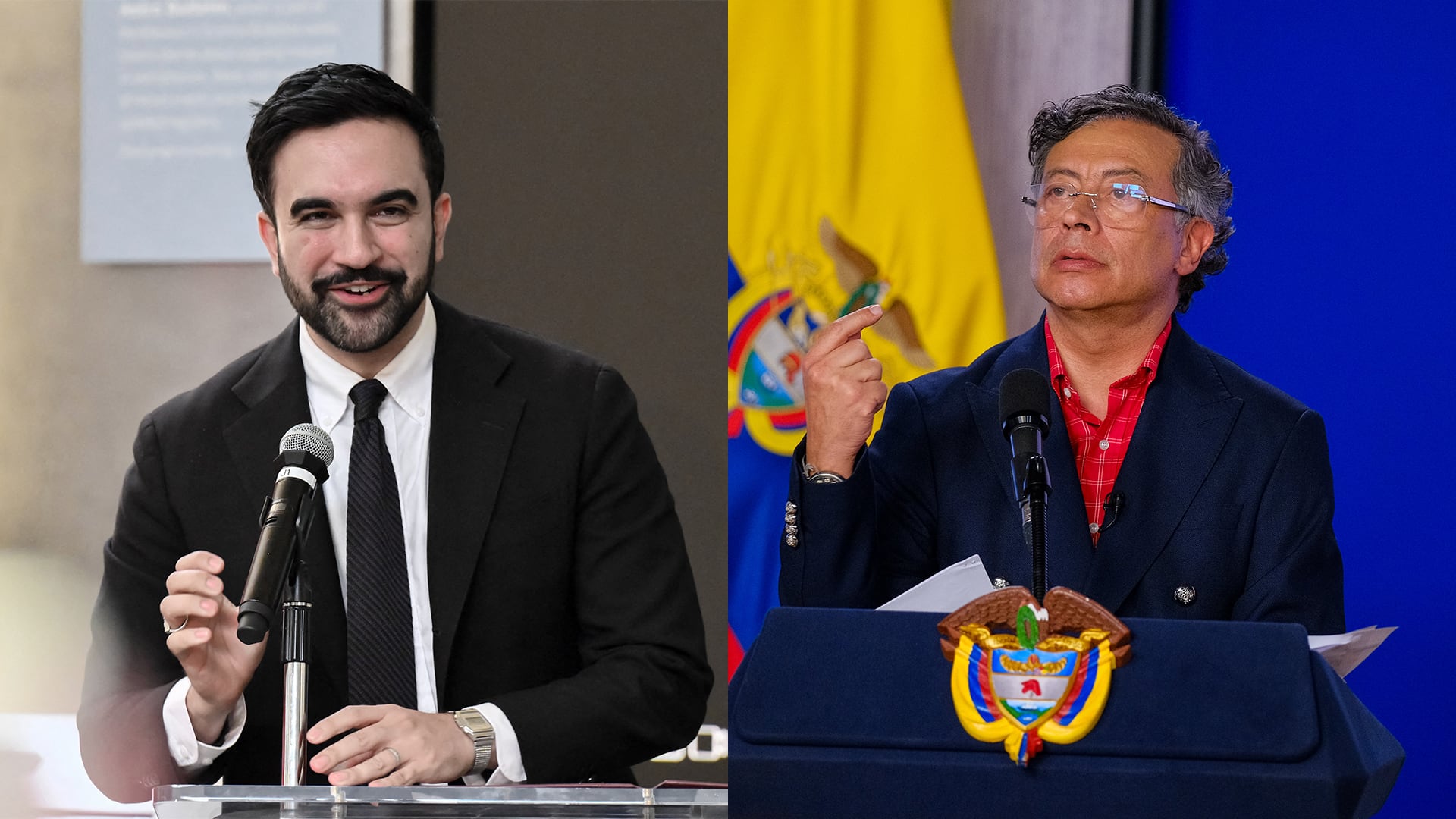
Colombian President Gustavo Petro had planned to meet New York City Mayor Zohran Mamdani, a democratic socialist, during his trip to the United States this week. Petro traveled to the U.S. on Wednesday to assume the presidency of the United Nations Security Council. In the days that followed, he intended to hold a private meeting with Mamdani, a rising progressive figure who, like him, is a staunch opponent of Donald Trump. The photo of the two left-wing leaders carried great symbolic weight: for Mamdani it would have been his first meeting with a head of state; for Petro it would have meant sealing an alliance with Democrats on the eve of decisive elections for Colombia. The meeting never took place. The reason: the White House made sure of it.
Seguir leyendo

© REUTERS/PRESIDENCIA DE COLOMBIA
Zohran Mamdani and Gustavo Petro.
  •  

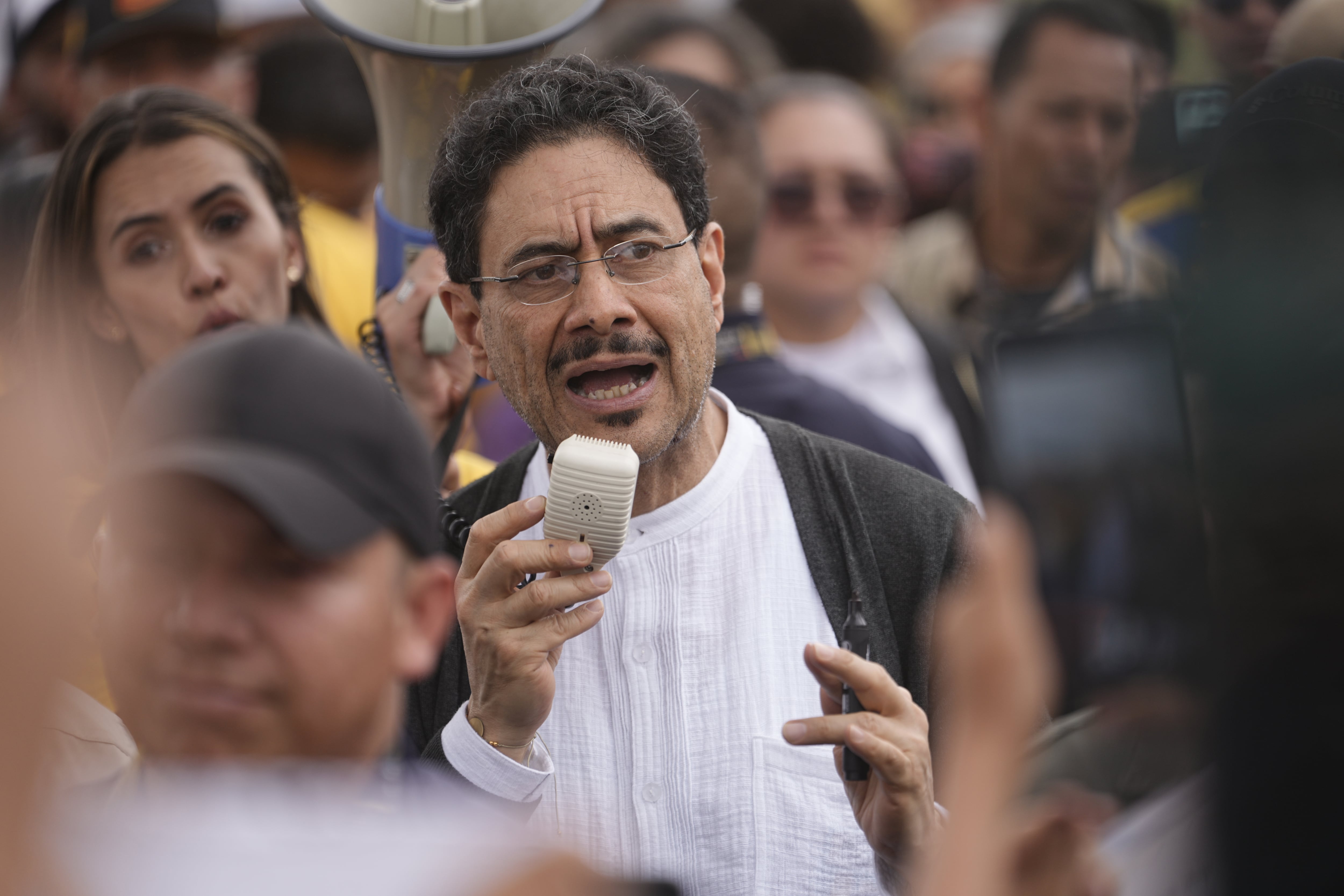
Iván Cepeda enters final stretch of presidential campaign with no money and Petro on his heels

Iván Cepeda begins his second week heading into the presidential runoff with no money and time running out. His campaign team, deployed across several regions of the country for the final push, is convinced that the race will be decided in two cities: Bogotá and Barranquilla. The ruling party candidate has renewed his bet on social media: he now appears in more personal videos with voters, painting murals and even playing soccer. And he has the math clear: he needs at least 2.5 million additional votes to overtake his opponent Abelardo de la Espriella and cross the threshold into the Casa de Nariño presidential residence.

Seguir leyendo

© Ivan Valencia (AP Photo/Ivan Valencia)

Iván Cepeda in Bogotá, June 7, 2026.
  •  

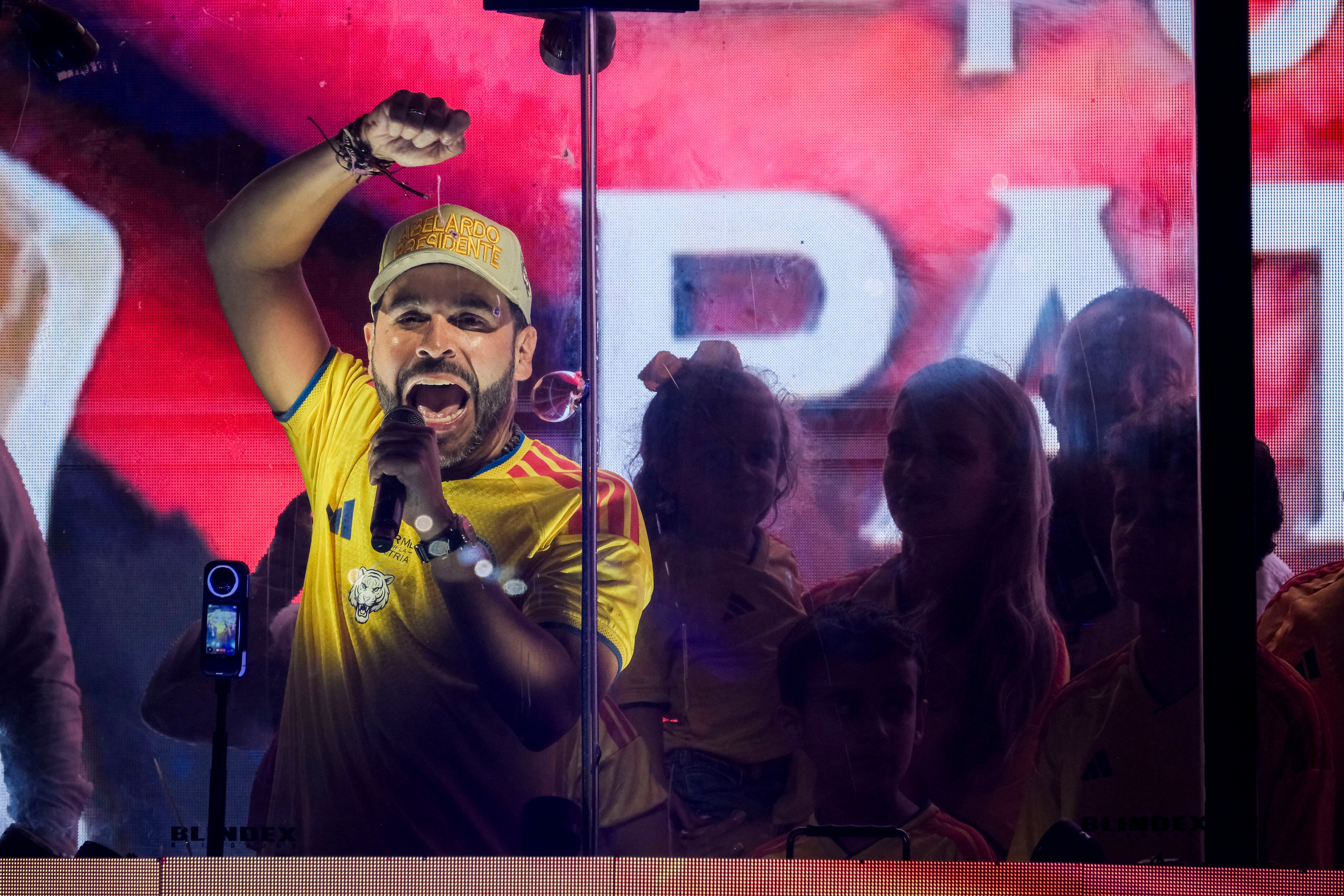
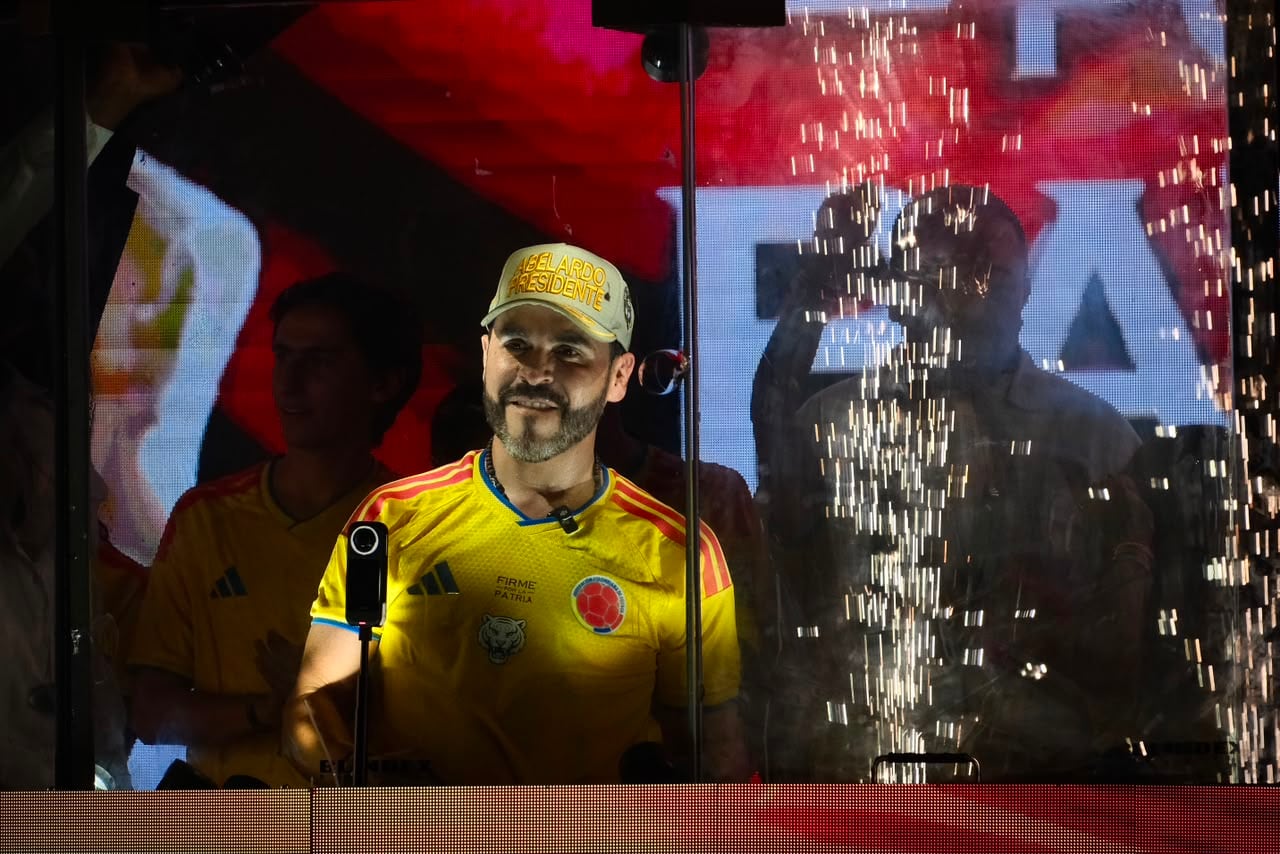
The keys to Abelardo de la Espriella’s first-round victory in Colombia: anti-Petro and anti-politics sentiment

Abelardo de la Espriella delivers a speech in Barranquilla on May 31.

Abelardo de la Espriella surprised many with his first-round victory in Colombia with 44% of the vote. The leader in the polls had consistently been left-wing senator Iván Cepeda, with the far-right candidate appearing in second place. However, those polls showed Cepeda hovering around 40% of voter intention — and he received just that. They also reflected a significant rise for the far-right candidate in recent weeks, as well as a loss of appeal for traditional right-wing candidate Paloma Valencia. In those surveys the two of them together polled roughly between 35% and 40% of voting intention. In the end, De la Espriella reached 44% and Valencia managed only 6%.

Seguir leyendo

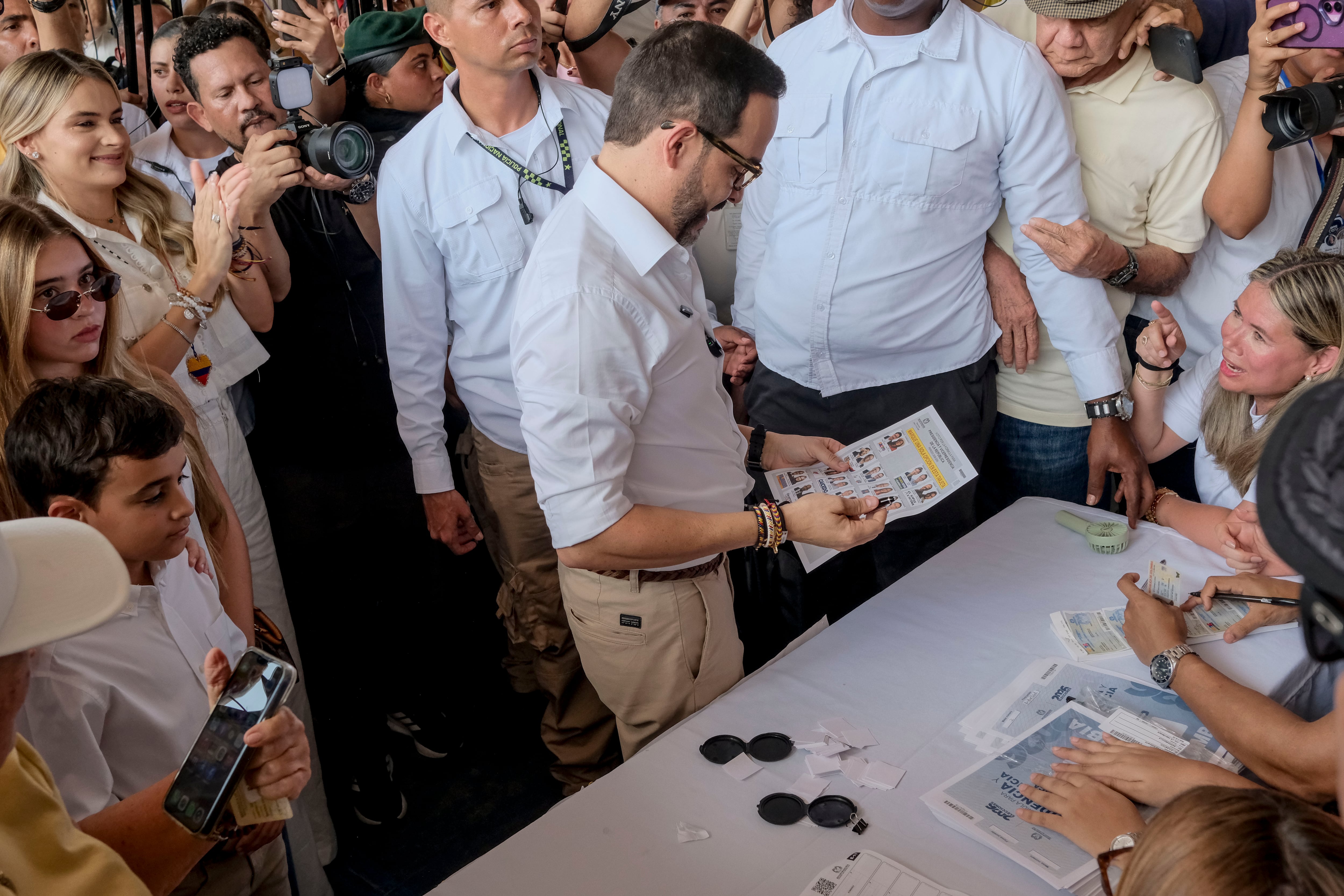
Abelardo de la Espriella votes at La Enseñanza school in Barranquilla on May 31.
  •  

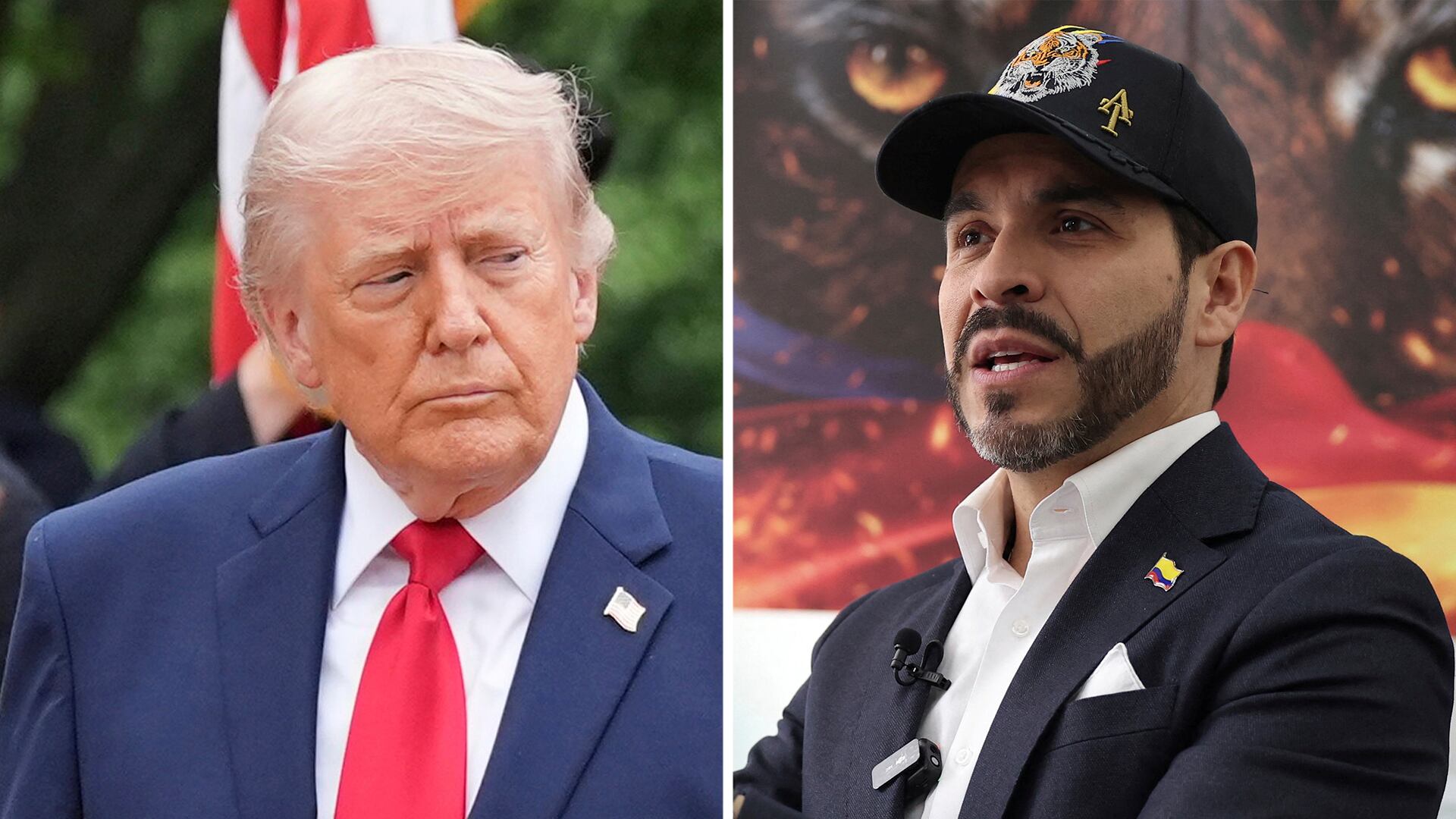
Trump expresses ‘total endorsement’ of Colombia’s far-right presidential candidate Abelardo de la Espriella

It took a while, but the endorsement that Colombia’s far-right presidential candidate Abelardo de la Espriella was most eagerly awaiting has finally arrived. U.S. President Donald Trump expressed his support for him on Tuesday via his social media platform, Truth. And he did so in the most effusive way possible: “Congratulations to Colombian presidential candidate El Tigre, Abelardo de la Espriella, a smart, strong, and tough leader, on his decisive victory in the first round of Colombia’s presidential election,” the Republican celebrated in his message.

Seguir leyendo

© AGENCIAS

Donald Trump and Abelardo de la Espriella.
  •  

De la Espriella’s and Cepeda’s paths to Colombia’s presidential runoff run through abstainers

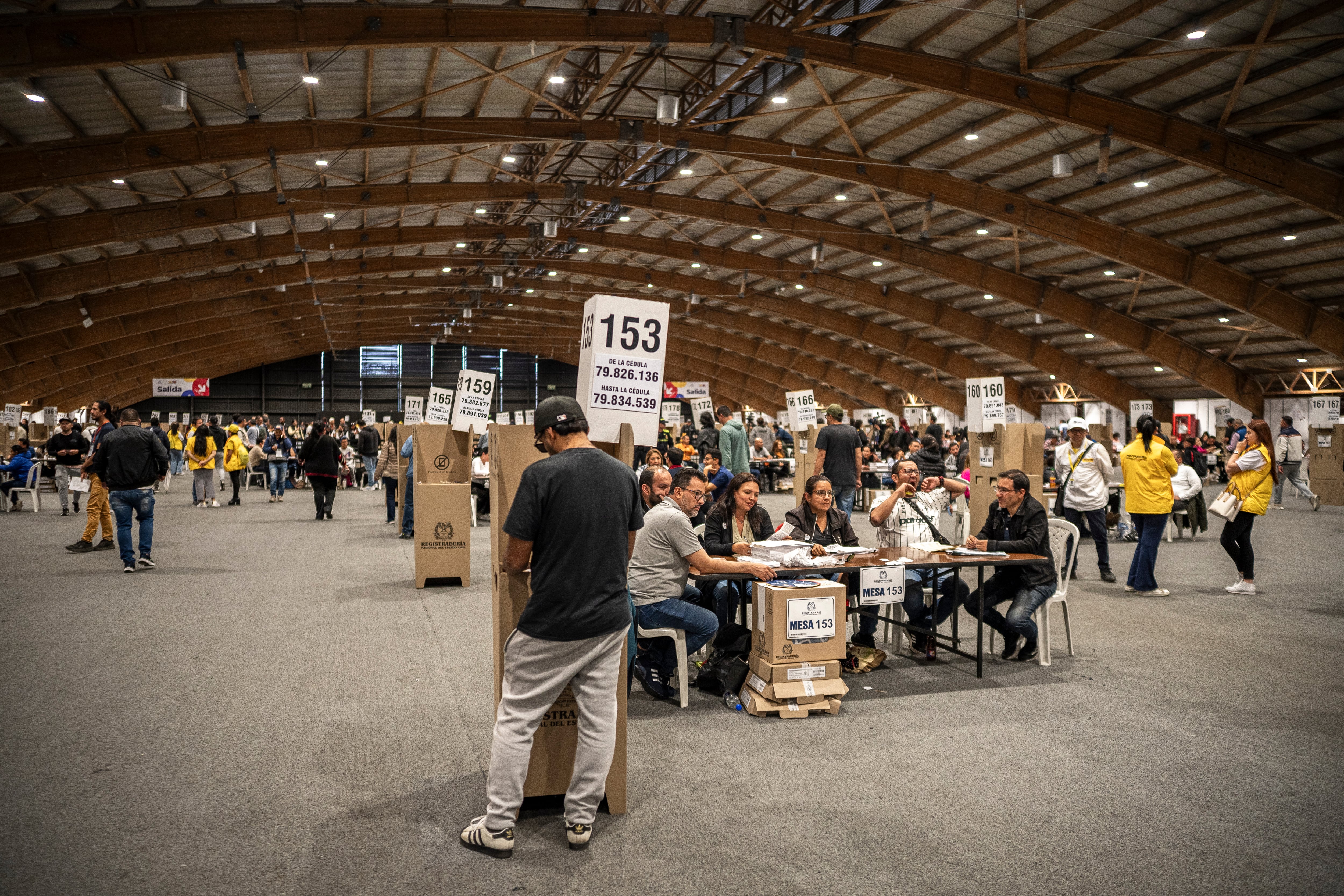
Voting stations at Corferias during election day in Bogotá this Sunday.

Abelardo de la Espriella’s unexpected victory over Iván Cepeda on Sunday, in the first round of Colombia’s presidential election, shows that right‑wing voters are now almost entirely united behind the penal lawyer, while left‑wing voters are fully consolidated behind the senator. The 653,000‑vote margin the far-right candidate held over the senator seems small in an election where 24 million people cast a vote and more than 3 million voted for other candidates. The challenge for the runoff would appear to be persuading those voters — but given the candidates’ profiles and recent history, the path necessarily also runs through the mobilization of people who did not go to the polls on Sunday.

Seguir leyendo

  •  

De la Espriella’s far-right banners

Abelardo de la Espriella in Barranquilla on Sunday.

Colombia swung to the far right this Sunday, voting overwhelmingly for a candidate who won the support of 10 million citizens, Abelardo de la Espriella, the top vote-getter in the presidential first round. The criminal defense lawyer, who has never held elected office and once defended Alex Saab, Nicolás Maduro’s alleged front man in Venezuela, promises a shake-up of individual and collective rights: from putting God back into schools to pulling Colombia out of the United Nations. He still needs to mobilize votes for a runoff on June 21 against a left that represents the continuity of Gustavo Petro’s government. De la Espriella will be carried forward by very local banners, such as anti-Petrista sentiment, and by very global ones, like promises already voiced by far-right leaders around the world. Political leaders ranging from President Javier Milei of Argentina to Santiago Abascal, head of the hard-right Vox party in Spain, have already celebrated De la Espriella’s first-round victory.

Seguir leyendo

  •  
❌