Login
Login
AH-64 Apache Shot Down By Iran, U.S. Will Retaliate: Trump (Updated)
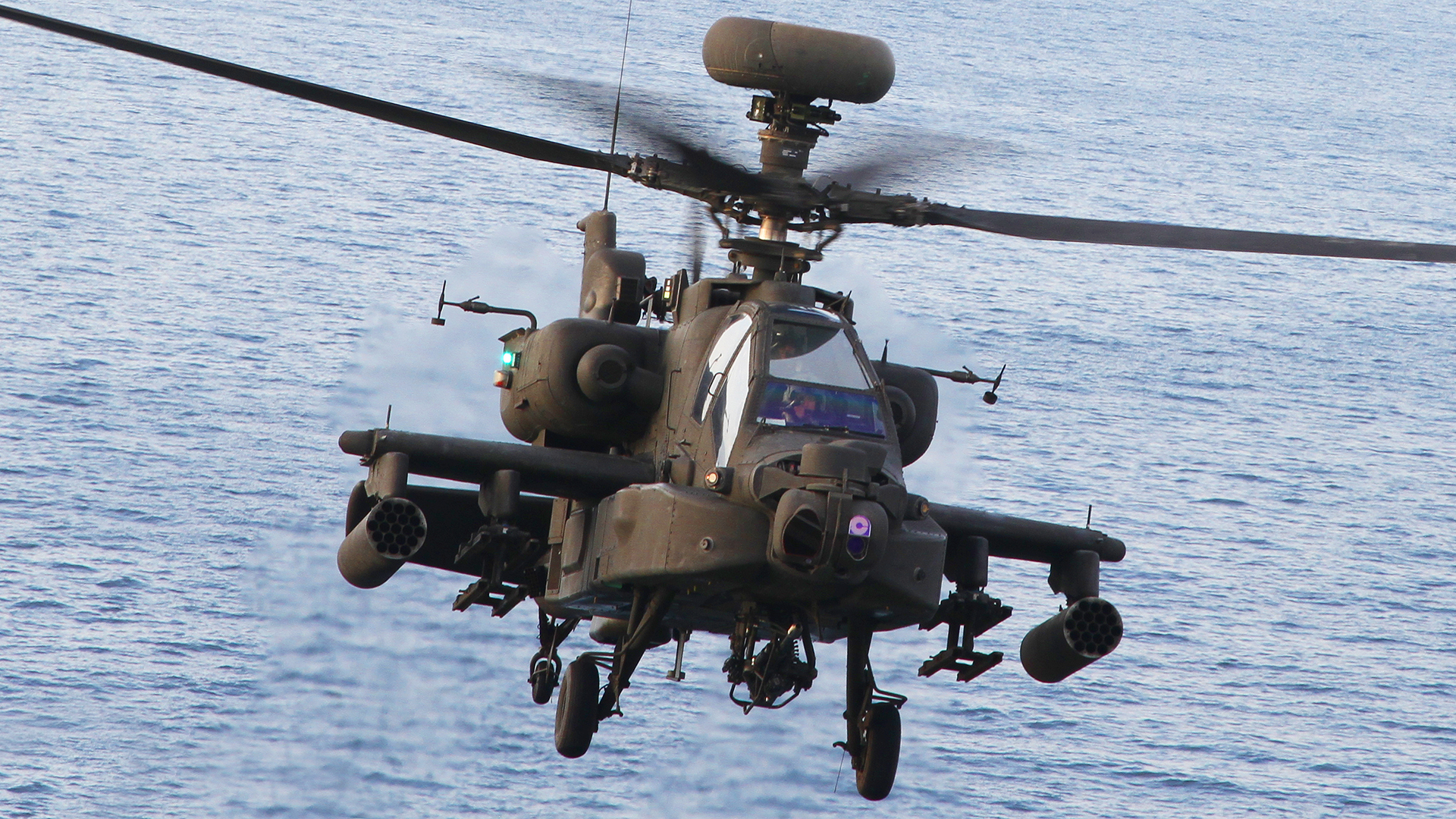
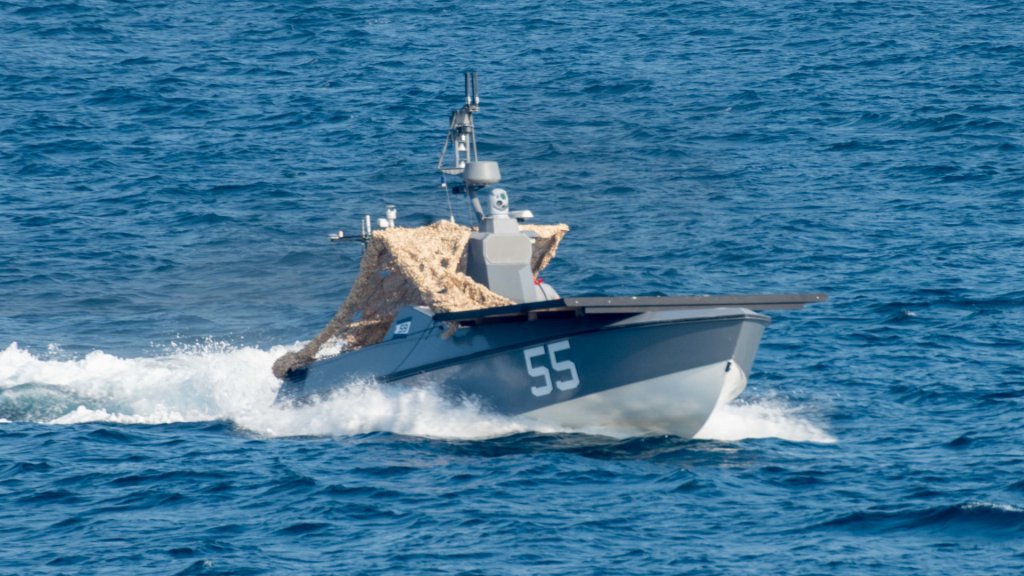
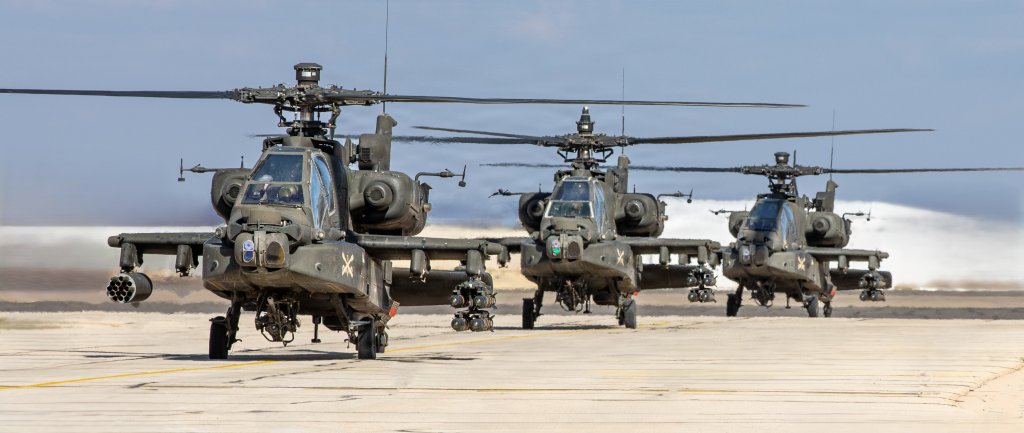
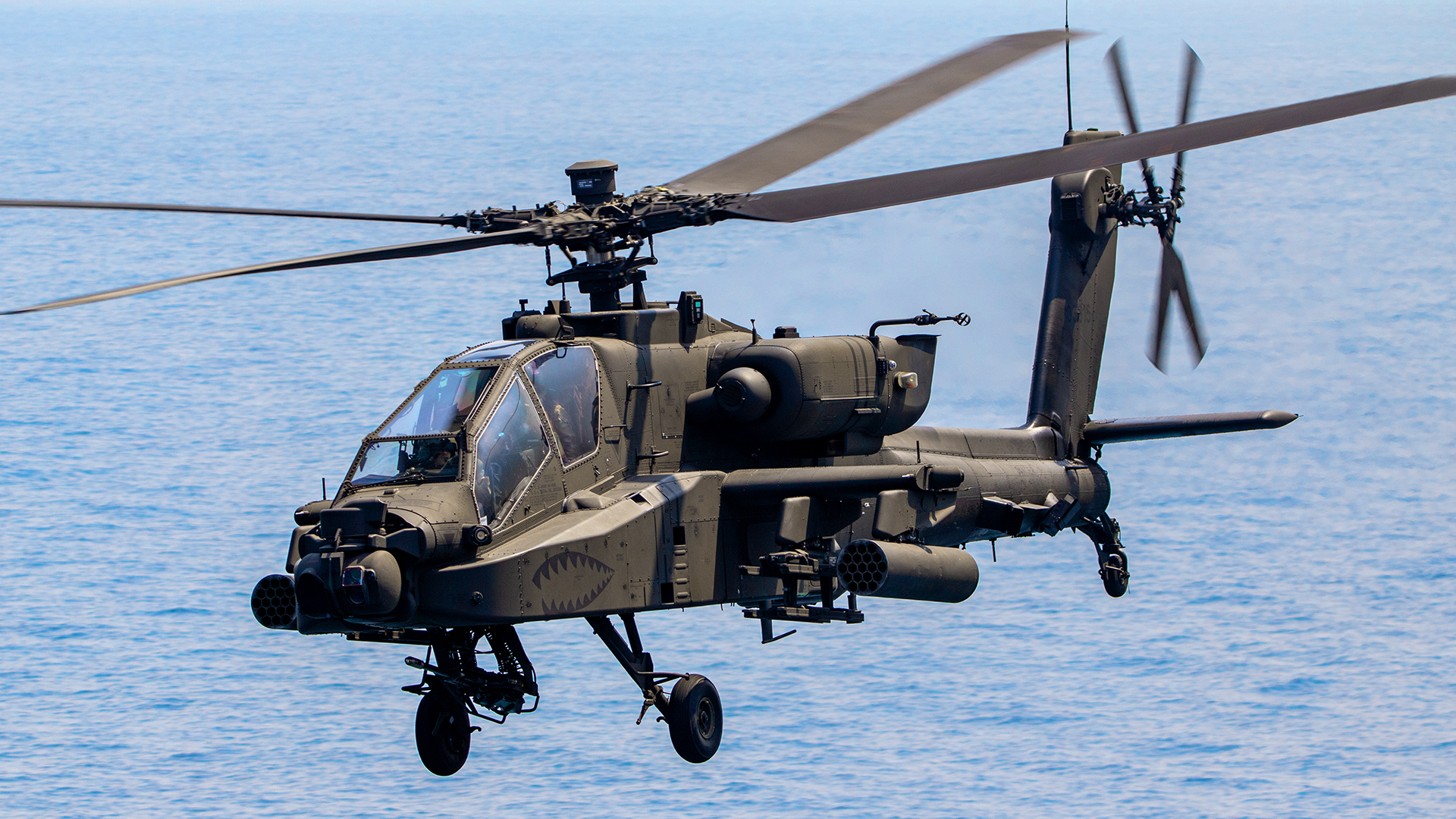
U.S. President Donald Trump says the Iranians shot down the AH-64 Apache that crashed near the Strait of Hormuz overnight and vowed to retaliate. As we noted earlier today, the crew was safely rescued by a drone boat, an unprecedented action, which you can read more about here.
“I have just been informed by our Great Military that last night the Iranians shot down one of our highly sophisticated Apache Helicopters while patrolling over the Strait of Hormuz,” Trump stated on Truth Social. “There were two pilots involved, both are safe and uninjured. Nevertheless, the United States must, of necessity, respond to this attack.”
Trump says that Iranian forces shot down the Army AH-64 Apache attack helicopter that went down over Hormuz yesterday.
— OSINTtechnical (@Osinttechnical) June 9, 2026
He says that the US "must, of necessity, respond to this attack" pic.twitter.com/divKHkhgZm
Trump did not elaborate on how the Apache was shot down.
It’s worth noting that Iran’s small boats are known to be man-portable air defense systems (MANPADS) threats and also small FPV drones and loitering munitions, which Iran also possesses, have become a real threat to helicopters.
A U.S. official told Axios an investigation “determined that an Iranian drone hit the helicopter, causing it to crash. The U.S. official said the investigation had not determined whether that was intentional.”
— Barak Ravid (@BarakRavid) June 9, 2026
Trump vows response after Iran downs U.S. helicopter. My report on @axios https://t.co/JQrwD9yELA

Trump did not say exactly how the U.S. will respond, but given past history of tensions in the region, an attack on Iranian facilities that could have been involved in the shoot-down would not be surprising. We have seen similar responses when Iran has fired at ships in the past.
Whether this will finally break the shaky ceasefire is an open question. Last week, Trump told reporters that he would consider resuming the war if Iran caused U.S. troop deaths.
“Yeah, if they killed U.S. troops, I think I would do that very quickly,” he said.
We have reached out to the White House and U.S. Central Command for additional details. CENTCOM declined comment.
UPDATE: 1:57 PM EDT –
Iranian official media has yet to explicitly confirm or deny involvement in the downing of the Apache. In a post on X addressing Trump’s claim, the Fars News Agency offered a veiled threat from Mohammad Ghalibaf, speaker of the Iranian parliament.
“We prefer the language of diplomacy, but we speak other languages far more fluently,” Ghalibaf said on his own X account, repeated here by Fars. “Break your commitments, and we’ll switch to what we speak best. You ride the horse you saddled.”
— خبرگزاری فارس (@FarsNews_Agency) June 9, 2026
قالیباف: ما زبان دیپلماسی را ترجیح میدهیم، اما زبانهای دیگر را بسیار روانتر صحبت میکنیم
عهد خود را بشکنید، تا به همان زبانی برگردیم که از همه بهتر بلدیم. https://t.co/JeROqni9mJ
IRIB just repeated CNN’s report that the helicopter gunship was taken down by a Shahed drone.
— IRIB (Islamic Republic of Iran Broadcasting) (@iribnews_irib) June 9, 2026
CNN claims: Iran shot down US Apache helicopter with a Shahed drone
Press TV, meanwhile, took a rather cheeky approach.
“US President Donald Trump says Iran shot down ‘one of our highly sophisticated Apache helicopters while patrolling over the Strait of Hormuz,'” the outlet stated on X. “So much for the Iranian military having been ‘obliterated!'”
US President Donald Trump says Iran shot down "one of our highly sophisticated Apache helicopters while patrolling over the Strait of Hormuz."
— Press TV
So much for the Iranian military having been "obliterated"!
Follow https://t.co/B3zXG73Jym pic.twitter.com/AHhkNao1du(@PressTV) June 9, 2026
UPDATE: 4:20 PM EDT –
In a call with The Wall Street Journal, Trump tried to downplay the Apache downing, saying that it “wasn’t a big deal” and stressing that “the pilot is fine.”
Earlier today, Trump sought to play down the incident. In a phone call with the WSJ, Trump said that it “wasn’t a big deal,” stressing that “the pilot is fine.” He said he had the details on the incident and that “it was much different than you think.” https://t.co/arzskUbdSt
— Vera Bergengruen (@VeraMBergen) June 9, 2026
Exiting a classified congressional briefing, CENTCOM commander Adm. Brad Cooper offered a short answer to reporter questions about how the U.S. will respond to Iran downing the Apache.
“We’ll see,” he said, according to NOTUS reporter Joe Gould in a post on X.
Reporters asked Centcom’s Adm. Brad Cooper, exiting a classified congressional briefing, what the “response” would be to the downed U.S. helicopter.
— Joe Gould (@reporterjoe) June 9, 2026
“We’ll see.” pic.twitter.com/w4MwOTr9px
UPDATE: 5:25 PM EDT –
In a post on X, CENTCOM announced its “forces began launching self-defense strikes against Iran at 5 p.m. ET today at the Commander in Chief’s direction, in response to yesterday’s downing of a U.S. Army Apache helicopter. The mission is a proportional response to unjustified Iranian aggression.”
We have reached out to the command for more details.
U.S. Central Command (CENTCOM) forces began launching self-defense strikes against Iran at 5 p.m. ET today at the Commander in Chief’s direction, in response to yesterday’s downing of a U.S. Army Apache helicopter. The mission is a proportional response to unjustified Iranian…
— U.S. Central Command (@CENTCOM) June 9, 2026
CENTCOM’s post follows reports from the official Iranian Mehr news agency about the sounds of explosions.
In a post on Telegram, the official Iranian Mehr news outlet is reporting that there have been “sounds of explosions heard in the Sirik port area.
According to Mehr, “the exact nature of these sounds is not yet clear, and none of the official military or law enforcement agencies have commented on the cause of these sounds so far.”
“Investigations to obtain accurate information about the nature of these explosions are ongoing,” Mehr added.
Explosions reported in Sirik, an Iranian port city on the Strait of Hormuz- Iranian state media pic.twitter.com/HOJ4vAk1cT
— OSINTtechnical (@Osinttechnical) June 9, 2026
UPDATE: 5:42 PM EDT –
ABC News Chief Washington Correspondent Jonathan Karl was on the phone with Trump as CENTCOM announced the retaliatory strikes against Iran.
“I think it’s very important to respond,” Karl said Trump told him. “They shot down a helicopter, and we are responding as we speak…I believe the response should be very strong, very powerful, and that’s what this one is.”
I was on the phone with Trump as CENTCOM announced US retaliatory strikes against Iran. Here's what he said:
— Jonathan Karl (@jonkarl) June 9, 2026
"I think it's very important to respond. They shot down a helicopter, and we are responding as we speak."
He added: "This is a response to what they did they did with…
UPDATE: 6:19 PM EDT –
Tasnim is reporting that the U.S. strikes appear to be over for now.
“The wave of American attacks in the south has subsided, and after the hostile actions in Qeshm, Sirik, Jask and Mount Mubarake Jask, the situation is now reported to be calm,” the outlet claimed on Telegram. It also published a video it says shows “a suicide drone in the sky of Iraq.”
— Visioner (@visionergeo) June 9, 2026
This is a developing story.
Contact the author: howard@twz.com
The post AH-64 Apache Shot Down By Iran, U.S. Will Retaliate: Trump (Updated) appeared first on The War Zone.