Reading view

Aram Harrow, quantum researcher: ‘These computers won’t take 10 years; they’ll arrive sooner’
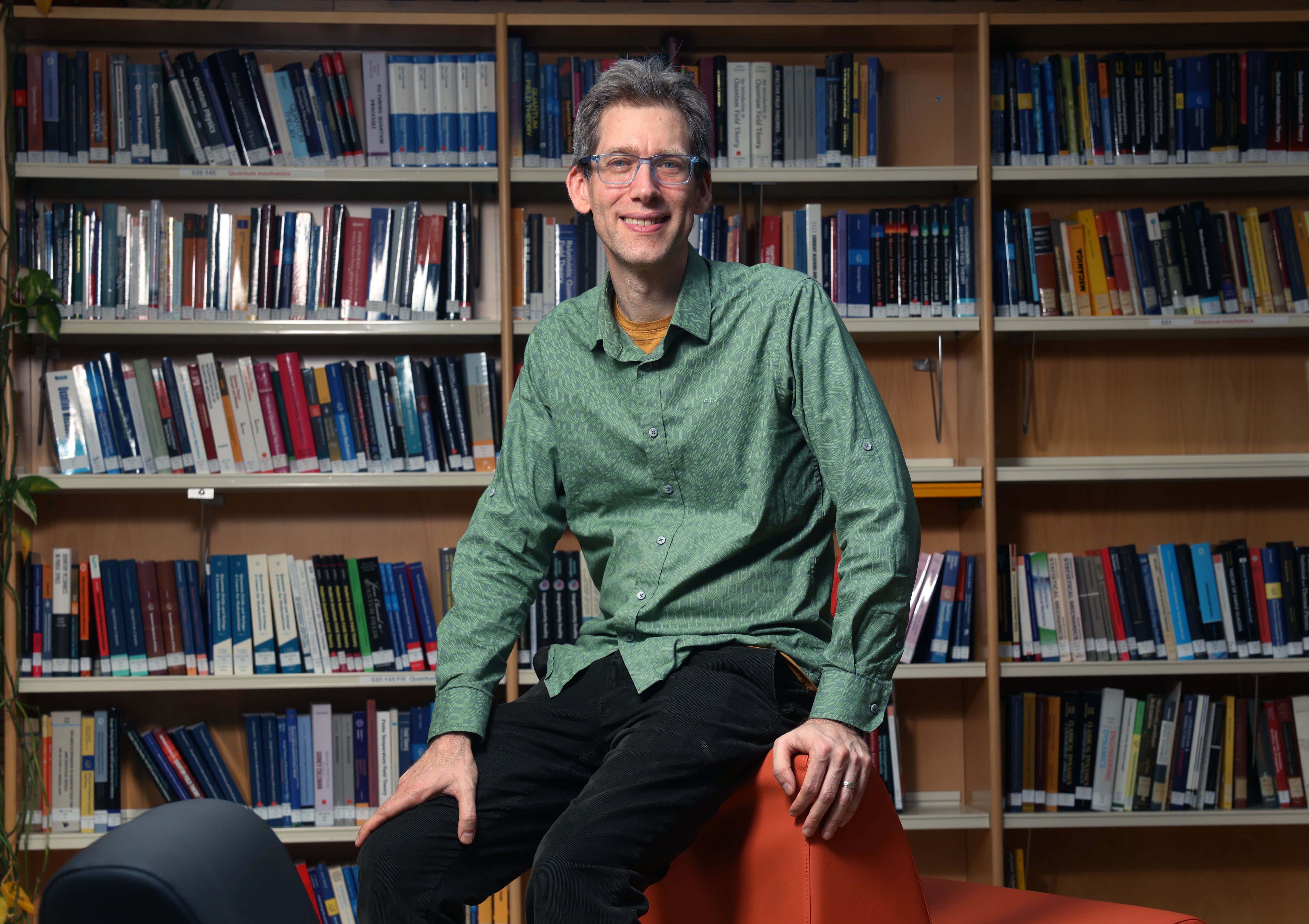
Aram Harrow, theoretical physicist specializing in quantum computing at MIT, at the Institute of Mathematical Sciences in Madrid.

Aram Harrow has spent 25 of his 46 years working in quantum computing. He is a researcher at the Massachusetts Institute of Technology (MIT) and is best known for co-developing the HHL algorithm in 2008, considered one of the first demonstrations of an exponential advantage of quantum computers over classical ones. This June marks the end of the year he has spent at Spain’s Institute of Mathematical Sciences (ICMAT) in Madrid, where he speaks with EL PAÍS.
Seguir leyendo

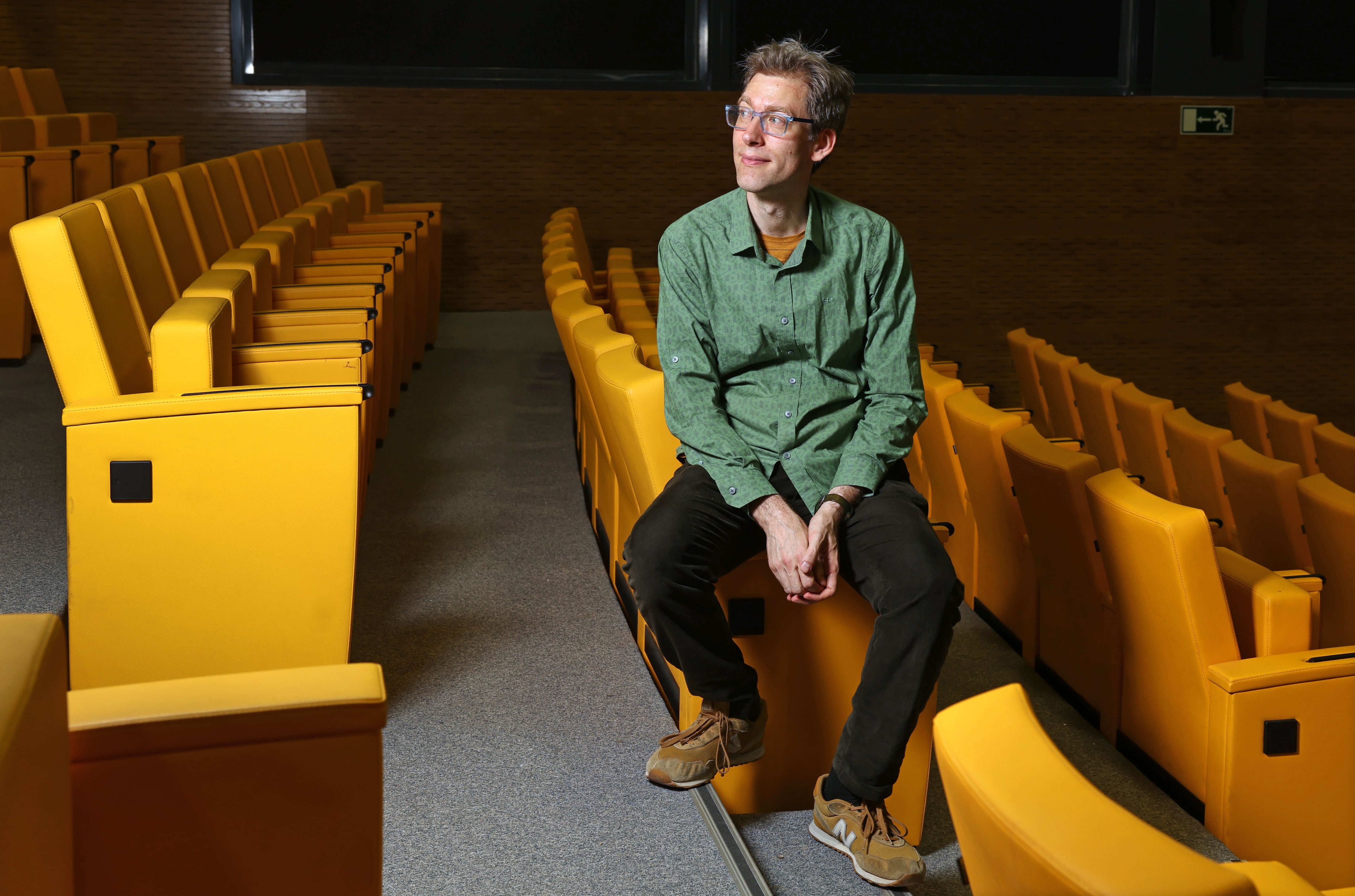
Researcher Aram Harrow.
  •  

Generational rejection of AI? Why are university students booing big tech at graduation ceremonies?

“The rise of AI is the next industrial revolution,” Gloria Caulfield, a real estate executive, told recent graduates of arts, humanities, and communication at the University of Central Florida. The response? A chorus of boos. Caulfield turned to the organizers: “What happened?” she asked. She looked back at the young people in the audience: “Ok, I’ve struck a chord, may I finish?” And she continued: “Only a few years ago, AI wasn’t a factor in our lives,” she added. And then they applauded, and Caulfield smiled with relief. The video of her bewilderment went viral.

Seguir leyendo

© SHAHAR AZRAN

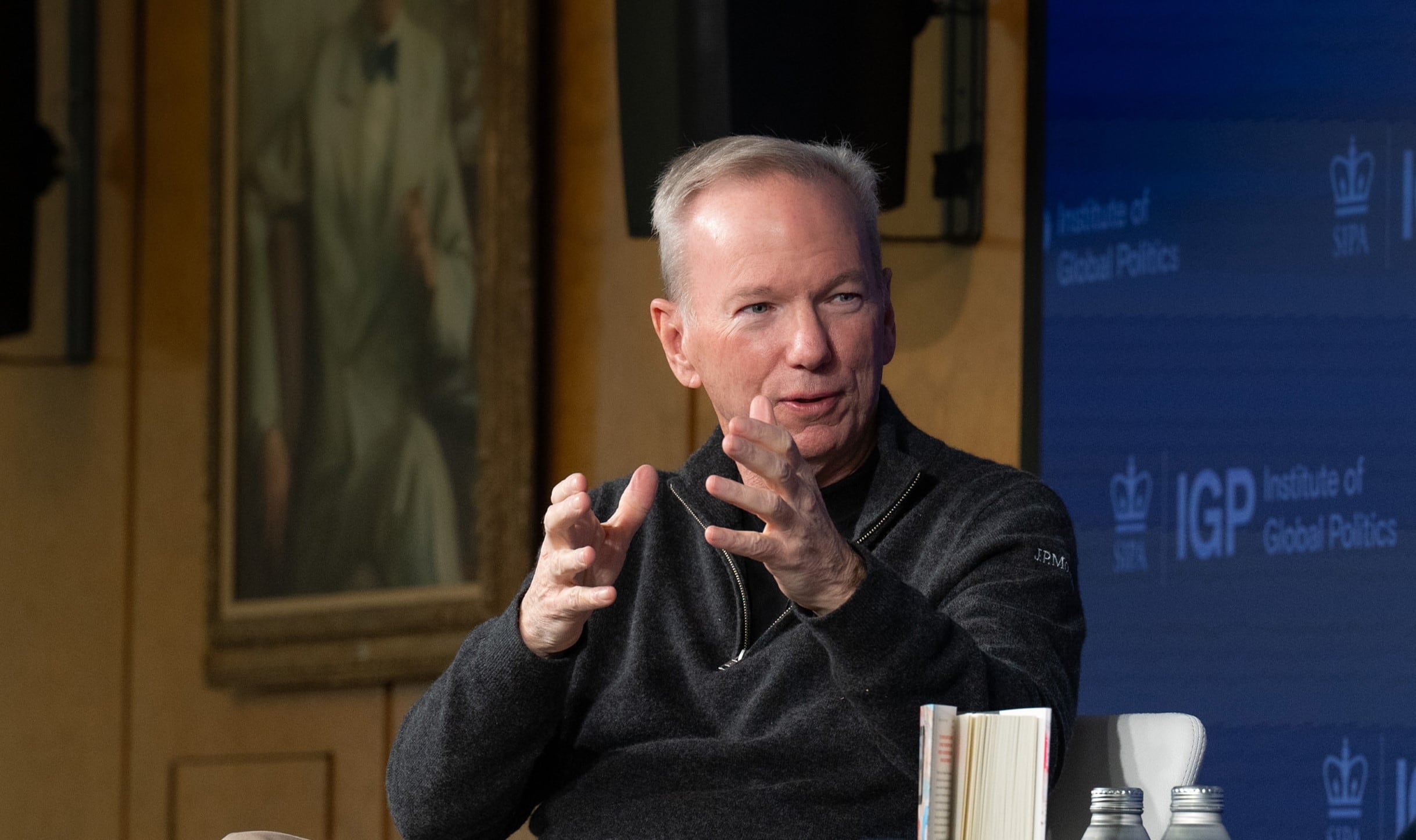
Former Google CEO Eric Schmidt.
  •  

What’s the best way to talk about health with chatbots?

In 2021, Miriam González, a 35-year-old from Murcia, Spain, went to the doctor because she was bleeding from her breast. She was told to relax: everything was normal. But in 2024, she was diagnosed with breast cancer. And, shortly afterward, she discovered it was metastatic, at stage four.

Seguir leyendo

Miriam González, an engineer who has used AI for medical consultations, in an image provided by her.
  •  
❌