Reading view

Traditional Fishing in Greece’s Messolonghi-Aitolikos Lagoons: A Sustainable Legacy

Messolonghi-Aitolikos Lagoons Greece
Traditional fishing in the lagoons stretches back to Byzantine times and Venetian rule. Credit: Greek Ministry of Culture

The Messolonghi-Aitolikos Lagoons National Park in Western Greece is a testament to the enduring legacy of traditional fishing, a practice deeply intertwined with the ingenuity of local communities and the sustainable management of natural resources.

This ancestral knowledge, vital to the region’s cultural identity, is now being meticulously recorded and preserved for future generations. For centuries, fishing here has been more than just a profession; it’s an art form with roots stretching back to medieval-Byzantine times and Venetian rule. Through collaborative efforts with local communities, this crucial element of the region’s heritage is being safeguarded.

Traditional boats in the Messolonghi-Aitolikos Lagoons, Greece
Traditional boats in the lagoons. Credit: Greek Ministry of Culture

Part of the history and life of our country

“The traditional fishing of the Messolonghi Lagoon is part of the history and life of our country. It is connected to the collective cultural consciousness of the inhabitants of the region and travels through the depths of time,” said Spilios Livanos, the former Minister of Rural Development and Food.

The lagoon itself is a vibrant ecosystem, a living organism teeming with rich flora and fauna. This biodiversity, which boasts 290 bird species and over 100 plant species, underpins the traditional fishing practices and exemplifies the harmonious coexistence of humans and nature. The rich natural environment is a cornerstone of professional activity, sustainable development, and the preservation of the traditional way of fishing.

House built in the Messolonghi-Aitolikos Lagoons, Greece
House built in the sea. Credit: Greek Ministry of Culture

Central to the unique fishing culture of the Messolonghi-Aitolikos lagoons are the distinctive methods and tools employed. The divaria, permanent fishing traps that double as natural fish farms, are a prime example. Across the lagoon complex, there are fourteen such facilities, eight of which are traditional and strategically located where the lagoon meets the sea.

Remarkably, the placement of these traditional divaria has remained unchanged since 1826, a testament to their enduring effectiveness and the deep-rooted knowledge of the local fishermen. These wetlands are highly productive habitats, attracting a vast array of aquatic organisms that are commercially exploited by the more than seven hundred active fishermen in the lagoon today.

Messolonghi-Aitolikos Lagoons, Greece
Fishermen’s homes in the lagoons. Credit: Greek Ministry of Culture

Beyond the stationary divaria, other key elements of this traditional know-how include the Pelades, the iconic reed houses built on stilts above the water, which serve as both homes and operational bases for fishermen. The gaites, unique flat-bottomed wooden boats, are essential for navigating the shallow waters of the lagoon and are built using specific types of wood, reflecting a deep understanding of local resources.

Flathead grey mullet (Mugil cephalus) is the most famous fish species caught in these waters. This species is particularly important, as its roe is used to produce the famous Avgotaracho of Messolonghi, a protected designation of origin (PDO) delicacy.

Preserving traditional fishing in Greece’s lagoons

Despite the demanding conditions, generations of fishermen continue this tradition, making it an integral part of their historical and cultural heritage. This resilience was even a crucial factor in the survival of the people of Messolonghi during the city’s historic siege.

The rich tapestry of traditional fishing knowledge encompasses a wide range of skills: from constructing buildings and utilitarian objects to identifying suitable wood for boat building and crafting fishing tools like longlines, harpoons, and stafnokari (a type of net). These permanent installations (divaria) and mobile means (boats, gaites), along with the tools, collectively form a cultural heritage that continues to sustain the inhabitants of the region.

In 2022, the traditional fishing practices of the Messolonghi-Aitolikos Lagoons were included in the National Register of Intangible Cultural Heritage of Greece.

RelatedTreasure From the Sea: The Salt Flats of Messolonghi
  •  

Ancient Greek Scientist Erasistratus Was the King’s Lie Detector

Erasistratus
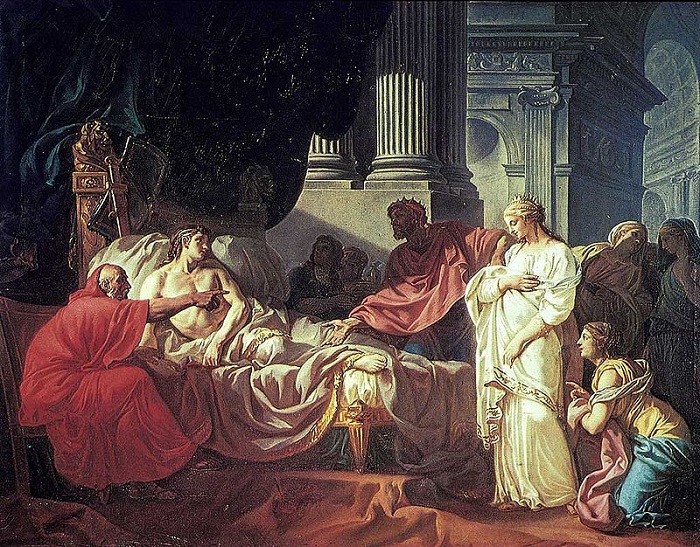
Erasistratus discovers the cause of the illness of Antiochus. Painting by Jacques-Louis David. Public Domain

Ancient Greek scientist Erasistratus (300-250 B.C.) is credited with being among the first human lie detectors. He devised a specific technique to read a person’s physical response so as to spot when an individual was lying.

While in Alexandria, Egypt, he is said to have proven Prince Antiochus was desperately in love with his father’s new wife, Stratonice. He noted how his pulse increased significantly whenever the queen’s name was mentioned, despite his insistence that he did not have the hots for his stepmother.

Love-struck, he fell ill with passion and chose to pine away in silence. The physicians were unable to discover the cause and nature of his disease.

Erasistratus himself was at a loss at first, until, finding nothing amiss about his body, he began to suspect that it must be the man’s mind that was diseased and that he might perhaps be in love.

Erasistratus confirmed his conjecture when he observed that the skin of Antiochus grew hotter, his color deeper, and his pulse quicker whenever Stratonice came near him, while none of these symptoms occurred on any other occasion.

The Greek physician eventually told the father, King Seleucus, that his son’s disease was incurable, for he was in love with the monarch’s wife and that he chose to die rather than to disclose his secret.

According to the anecdote, Seleucus not only gave up Stratonice, but also resigned to his son several provinces of his empire.

Erasistratus founded school of anatomy in Alexandria

Erasistratus, along with fellow physician Herophilus, founded a school of anatomy in Alexandria where they carried out anatomical research.

He is credited for his description of the valves of the heart. He also concluded that the heart was not the center of sensations. Instead, he said, it functioned as a pump. He was among the first to distinguish between veins and arteries, believing that arteries were full of air and carried the “animal spirit” (pneuma).

Together with Herophilus, he is credited by historians as the potential founder of neuroscience due to his acknowledgment of nerves and their roles in motor control through the brain and skeletal muscles.

Furthermore, Erasistratus is seen as one of the first physicians/scientists to conduct recorded dissections and potential vivisections alongside Herophilus.

The two physicians were said by several Roman authors, notably, Augustine, Celsus, and Tertullian, to have performed controversial vivisections on criminals to study the anatomy and possible physiology of human organs while they were in Alexandria.

Related: Ancient Library of Alexandria One of Greatest Treasures of Mankind

  •  

Lemnos: Restoring the Posidonia Sanctuary, Mediterranean’s Marine “Amazon”

Lemnos Posidonia
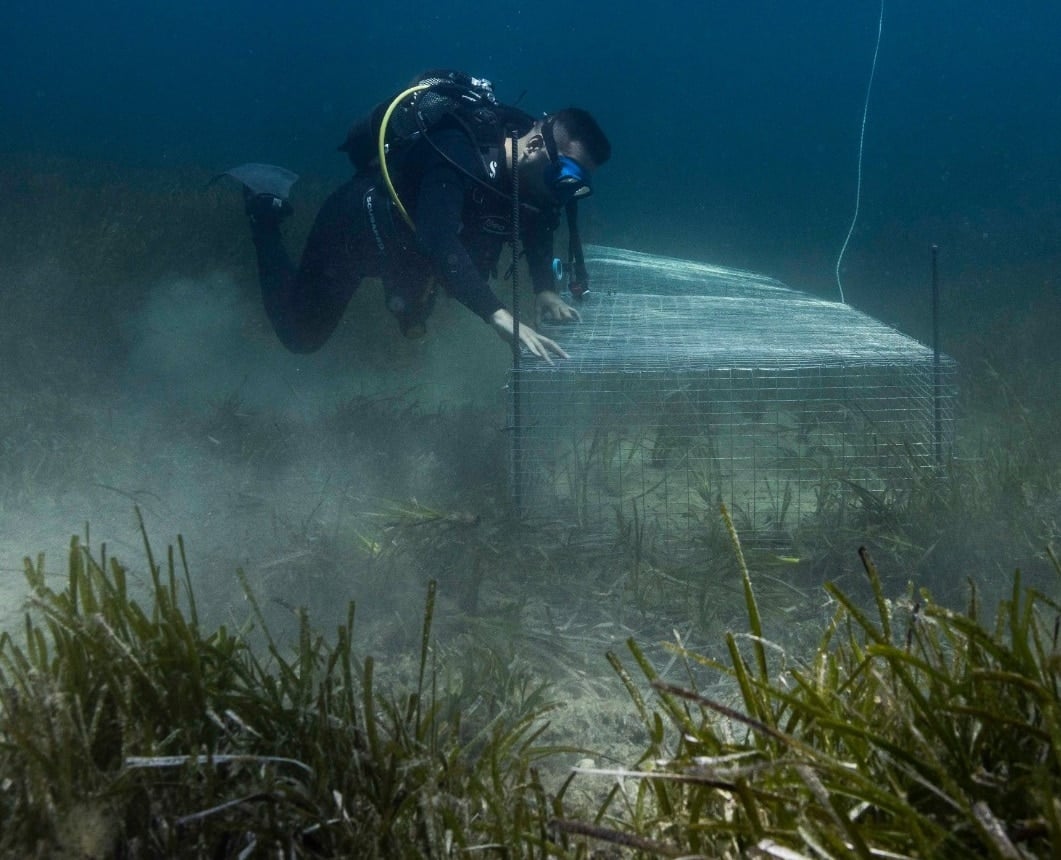
The Posidonia sanctuary holds over 270,000 tons of stored carbon dioxide. Credit: iSea

The environmental organization iSea, in collaboration with the Hellenic Ornithological Society and the Municipality of Lemnos, has launched an ambitious project to restore the Eastern Mediterranean’s largest marine meadow—a 140-square-kilometer Posidonia sanctuary off the coast of Lemnos, widely known as the region’s “Amazon.”

This massive underwater ecosystem serves as a vital carbon sink, holding over 270,000 tons of stored carbon dioxide and effectively absorbing the annual emissions produced by the vehicles of an entire small city.

To mark World Environment Day 2026, the project partners are celebrating the completion of the initiative’s pilot phase under the “Reviving Lemnos” program, which successfully transplanted more than 250 posidonia shoots.

A Vital Marine Ecosystem

Posidonia oceanica is not an algae, but a flowering marine plant (seagrass) that forms dense underwater meadows. These meadows act as a crucial sanctuary for an abundance of marine life. While most people recognize it from the long, brown “seaweed” leaves that wash ashore, its true value lies beneath the surface.

The Lemnos marine meadow thrives at depths of up to 30 meters and stretches over 20 kilometers long, extending beyond the boundaries of the Natura 2000 Protected Area and into international waters. According to data from iSea, this single ecosystem hosts more than 66 species of marine organisms.

Looking Ahead: The “Reviving Lemnos” Project

During this pilot phase, the transplanted shoots have been secured inside protective metal cages to shield them until they mature, and they will remain under close scientific monitoring.

This initial phase sets the foundation for a much larger effort: restoring more than 10,000 posidonia rhizomes across a 400-square-meter area over the coming years.

“The knowledge gained from monitoring this pilot application will provide a valuable roadmap for completing our restoration actions and ensuring the long-term success of ecosystem conservation in Lemnos,” said Nikoletta Sidiropoulou, Project Manager at iSea.

The “Reviving Lemnos” project is one of seven large-scale initiatives funded by the international Endangered Landscapes & Seascapes Programme.

Related: Posidonia Seagrass Meadows in Greece Reveal their Secrets

  •  

Breaking Down Stereotypes of Women in Ancient Athens and Sparta

Statue of a female. What were the stereotypes related to women in ancient Athens and Sparta?
A Greek archaeologist says it is crucial to avoid broad generalizations about women in ancient Greece, given the differences across regions and centuries. Credit: Egisto SaniCC BY-NC-SA 2.0/Flickr

In ancient Greece, the experiences of women varied dramatically from Athens to Sparta. While the prevailing image often portrays women as largely “invisible” in public life, a closer examination reveals a striking contrast between the lives of Athenian and Spartan women.

As archaeologist Evi Pini emphasized in speaking recently to the Athens-Macedonia News Agency (AMNA), it is crucial to avoid broad generalizations about women in ancient Greece, given the vast differences across regions and centuries.

Pini’s research, which focuses on the classical period in Athens and Sparta, illuminates how these two prominent societies treated women in fundamentally distinct ways, revealing that invisibility was far from a universal reality.

Women in ancient Athens: The “invisibles of history”

Vase depicting household chores of women of ancient Athens
Domestic chores of Athenian women are portrayed on a vase at the Archaeological Museum of Athens. Credit: Marsyas, Creative Commons BY-SA 2.5/Wikipedia

For the most part, Athenian society aimed for women to be unseen and unheard. The ideal Athenian woman was confined to the home, managing the household and raising legitimate children. Their public presence was minimal, and their lives were largely dictated by their male relatives.

As Pini notes, there were specific primary obstacles women in ancient Athens confronted, as indicated below.

Limited legal rights

Athenian women had no legal right to inherit property directly. Their dowry, while providing some security in case of divorce, remained largely under the control of their husband or father.

If a woman was the sole heir to her father’s property (an epikleros kore), she was legally obligated to marry her closest male relative, even if it meant divorcing her current husband. This highlights a system in which women were often pawns in the preservation of family property and lineage.

Marriage and love

Conventional wisdom, often derived from ancient male writers, suggests that Athenian marriages were devoid of emotional connection, serving primarily the purpose of procreation. Love was supposedly reserved for concubines and courtesans.

However, Pini challenges this stereotype, pointing out the economic impracticality for most men in maintaining multiple partners and citing funerary monuments as evidence of genuine affection between spouses.

High mortality in childbirth

Childbirth posed a significant danger for women, contributing to high female mortality rates. This was a grim reality for women across ancient societies, including Athens.

Sole area of distinction

The primary public role for Athenian women was in priesthood. Their participation in religious ceremonies and rituals was crucial. Beyond this, opportunities for distinction were virtually nonexistent.

Women in ancient Athens and Sparta: A striking contrast

Bronze figure of a female of Sparta running
Bronze figure of a Spartan running girl, 520-500 BC. Credit: Caeciliusinhorto,  Creative Commons Attribution-Share Alike 4.0/Wikipedia

According to Greek archaeologists, in stark contrast to Athens, Spartan society granted women a much more prominent and respected position.

While not entirely equal to men, their social status, legal rights, and public recognition were remarkably progressive for the time.

High social status and public honor

Spartan women, especially mothers, held high social standing and were not shy about expressing their opinions publicly. They were even honored with public praise, a stark difference from the Athenian ideal of female silence.

Numerous “Lakaean aphorisms” attributed to Spartan women attest to their wit and influence.

Economic power and inheritance

Spartan women possessed significant economic power. Unlike their Athenian counterparts, they could inherit property from their parents and manage it independently. Due to high male mortality in warfare, Spartan women controlled approximately two-fifths of the land by the 4th century BC.

This economic independence was so unusual that other Greeks, including Aristotle, reportedly viewed Spartans as “womanizers” because of it, misinterpreting their women’s power.

Physical education and health

Spartans prioritized the physical training of girls from a young age, believing that strong bodies would lead to healthier offspring who could better cope with the rigors of childbirth.

They also married their daughters off at an older age (18-20) than Athenians (15-16), considering physical maturity beneficial for motherhood.

Absence of dowry and adultery laws

Spartan law prohibited dowries, ensuring that even less fortunate girls could marry. Furthermore, the concept of adultery as a punishable offense largely didn’t exist in the same way as in Athens.

Consensual extramarital relations, often for the purpose of procreation and to ensure strong offspring for the state, were acceptable and not kept secret. While secret affairs might have occurred, they didn’t lead to the severe penalties and social ostracism faced by Athenian women caught committing adultery.

“Secret” weddings

Spartan weddings involved a ritualistic “secret abduction” of the bride, a haircut, and disguise.

While Plutarch offered a practical, though likely inaccurate, explanation for these “secret” marriages (testing for offspring), Pini suggests they were more likely ancient customs signifying a transition from one state to another, a young woman “disappearing” to reappear as a married woman with a new identity.

Distinction in arts and philosophy

Beyond their domestic roles, Spartan women, alongside women from other Dorian and Aeolian cities and colonies, could achieve distinction as poets and philosophers.

Stereotypes about women in ancient Athens and Sparta to break down

Evi Pini’s insights reveal several crucial stereotypes pertaining to women in Greek antiquity that need to be challenged, as indicated below.

The monolithic “ancient Greek woman”

It’s a significant oversimplification to generalize about “women in antiquity.” The vast differences between Athenian and Spartan societies, among others, demonstrate the diverse realities of women’s lives across different regions and periods. The notion of a single, universal experience for women in ancient Greece is inaccurate.

Absence of marital love

The stereotype that emotional bonds were absent in Athenian marriages, with love reserved for concubines and courtesans, is largely unfounded. Economic realities for most Athenians would have made supporting multiple partners impossible.

Furthermore, evidence from funerary monuments suggests genuine affection and grief existed between spouses.

Universal invisibility

While Athenian women were indeed largely “invisible” in public life, Spartan women were far from it.

Their economic power, social standing, and public voice demonstrate that invisibility was not a universal experience for women in all Greek societies.

Adultery as a universal sin

The draconian Athenian laws surrounding adultery, including the husband’s right to kill the adulterer, are often projected onto all of Greek antiquity.

Sparta’s approach, where consensual extramarital relations for procreation were accepted and “adultery” as a concept barely existed, shows a dramatically different cultural norm.

By examining the nuances of different Greek city-states, particularly the contrasting experiences of Athenian and Spartan women, we gain a much richer and more accurate understanding of women’s roles, rights, and visibility in Greek antiquity, dismantling simplistic and often misleading generalizations.

(With information from AMNA)

RelatedWhat Did Everyday Life in Ancient Athens Really Look Like?

  •  

World Environment Day 2026: Greece Outlines Major Strides

World Environment Day
Observed every year on June 5, World Environment Day is the United Nations’ main global platform for raising awareness and mobilizing action to protect the natural world. Credit: Greek Reporter

Greece is marking World Environment Day 2026 with a nationwide program of events that brings the global call for climate action down to the local level—from protected areas and wetlands to city galleries, museums, and island beaches.

Observed every year on June 5, World Environment Day is the United Nations’ main global platform for raising awareness and mobilizing action to protect the natural world. First celebrated in 1973, the day has grown into an international campaign involving governments, organizations, schools, communities and citizens around the world.

In Greece, the Natural Environment and Climate Change Agency, NECCA, is at the center of the program, organizing 65 events across the country. Activities include guided nature walks, biodiversity recording, wildlife observation, educational games, workshops, public information events and volunteer cleanups, many of them in or near protected areas.

Greece’s government highlights achievements on World Environment Day

Greece’s Minister of Environment and Energy, Stavros Papastavrou, highlighted some of the government’s environmental policies and key achievements over the past seven years.

  • Expanded Marine Protection: Moving forward from commitments made at global ocean conferences (2024 in Athens and 2025 at the UN), Greece is establishing two new large National Marine Parks in the Ionian and South Aegean seas. This will double protected waters to 36% of territorial waters, surpassing the EU’s 30% target well ahead of 2030.
  • Banning Industrial Fishing: Greece is pioneering marine conservation internationally by completely banning bottom trawling in all national marine parks.
  • Renewable Energy Zoning Restrictions: New regulations prohibit the installation of solar farms in all Natura areas, forests, and woodlands, and ban wind farms at altitudes above 1,200 meters (3,937 ft).
  • “Untrodden” Landscapes: Greece has introduced pioneering designations for strict ecological preservation, establishing thirteen “Untrodden Mountains” and 250 highly protected “Untrodden Beaches” to limit human development in sensitive ecosystems.
  • Targeted Species & Habitat Conservation: Twelve National Action Plans have been launched to protect endangered species (including the brown bear, Mediterranean monk seal, Loggerhead sea turtle, and bearded vulture). Additionally, all major wetlands (Ramsar sites) and Key Biodiversity Areas are now placed under strict legislative protection.
  •  

Patriarch of Jerusalem Urges Trump to Protect Middle East Christians

Patriarch of Jerusalem Theophilos with Donald Trump
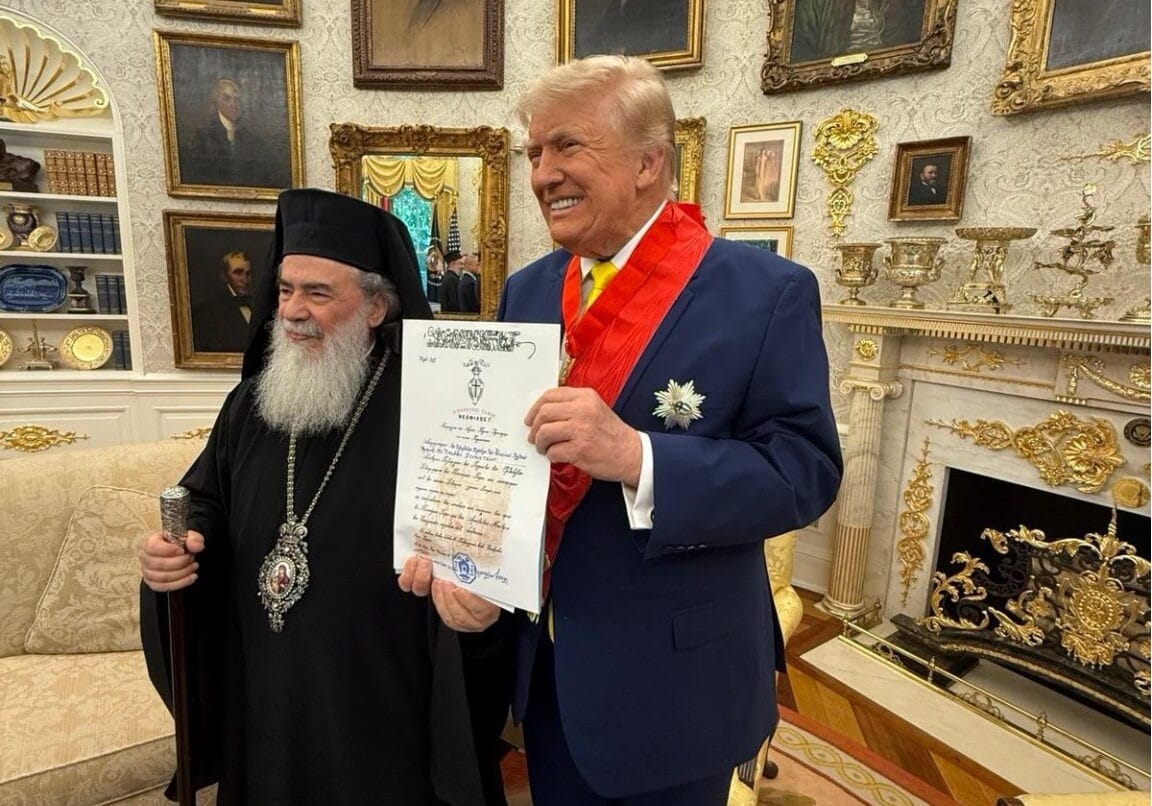
Patriarch Theophilos expressed deep concern over the vulnerability of the Christian communities. Credit: White House

Patriarch Theophilos III of Jerusalem met with US President Donald Trump at the White House on Thursday afternoon, June 4. The forty-minute discussion focused heavily on protecting Christian communities across the Middle East and safeguarding freedom of worship in the Holy Land.

The meeting comes at a time of severe regional instability, as Christian populations in Lebanon, Syria, and the Holy Land face mounting pressures and security challenges. During the talks, Patriarch Theophilos expressed deep concern over the vulnerability of these communities, emphasizing that their protection is vital not only for religious reasons but as a cornerstone for regional stability, coexistence, and peace.

“In recent years, Christian communities in the Middle East have faced a harsh reality of instability, growing threats, and rising pressures,” the Patriarch of Jerusalem stated in an official release. “We see ancient communities asking for something fundamentally basic: to continue living in safety, to preserve their faith, and to protect their freedom of worship.”

Safeguarding religious freedom

Addressing President Trump, His Beatitude noted that “safeguarding religious freedom and maintaining open access to the Holy Land is more than a spiritual matter; it is a prerequisite for stability, coexistence, and peace throughout the entire region.”

During the encounter, Patriarch Theophilos honored Donald Trump with the “Grand Cross” of the Order of the Knights of the Holy Sepulchre, one of the highest distinctions bestowed by the Greek Orthodox Patriarchate of Jerusalem.

According to the Patriarchate, the meeting builds upon the established relationship between the Patriarch and the Trump family, serving as a continuation of the US President’s landmark 2017 visit to Jerusalem and the Church of the Holy Sepulchre.

As one of the world’s oldest Christian institutions, the Greek Orthodox Patriarchate of Jerusalem holds a historic role in guarding holy sites, including the Church of the Holy Sepulchre in Jerusalem and the Church of the Nativity in Bethlehem. Patriarch Theophilos III, who has held the patriarchal throne since 2005, has frequently been involved in global religious events, including the consecration of the holy oil used in the coronation of King Charles III.

Related: Millions of Christians Face Persecution, Violence Worldwide: Holy See

  •  

How the Marshall Plan Rebuilt Post-War Greece—and Bound It to the US

Marshall plan Greece
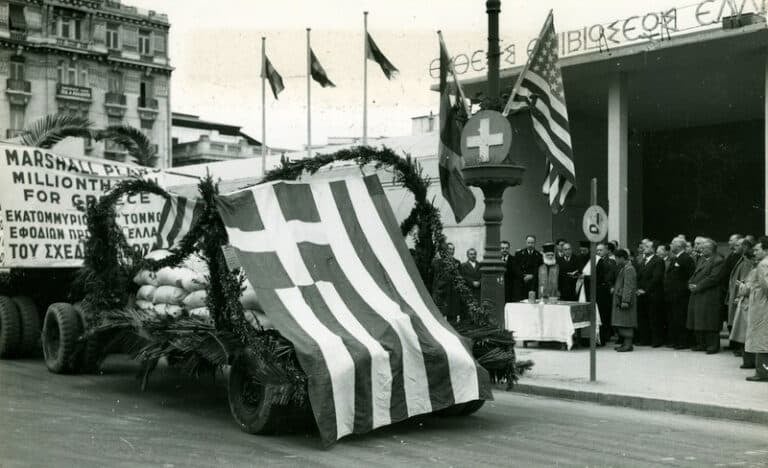
Between 1947 and 1951, Greece received roughly $2 billion in Marshall Aid and related Truman Doctrine funds—an astronomical sum worth more than $21 billion today. Credit: Public Domain

On June 5, 1947, US Secretary of State George C. Marshall stood before a Harvard University commencement crowd. He proposed a radical blueprint for the survival of post-war Europe—the European Recovery Program, famously known as the Marshall Plan.

Conceived in a climate of escalating Cold War anxieties, Marshall famously declared:

“Our policy is directed not against any country or doctrine but against hunger, poverty, desperation and chaos. Its purpose should be the revival of a working economy in the world so as to permit the emergence of political and social conditions in which free institutions can exist.”

While the resulting Marshall Plan is celebrated globally for sparking Western Europe’s golden age of growth, its application in Greece was uniquely volatile. It acted as an economic accelerator for a nation on the brink of collapse. Still, the cure arrived with heavy-handed strings that permanently altered Greek sovereignty, escalated an internal civil war, and drew fierce resistance from the country’s left-wing factions.

Greece in ruins

Marshall plan Greece
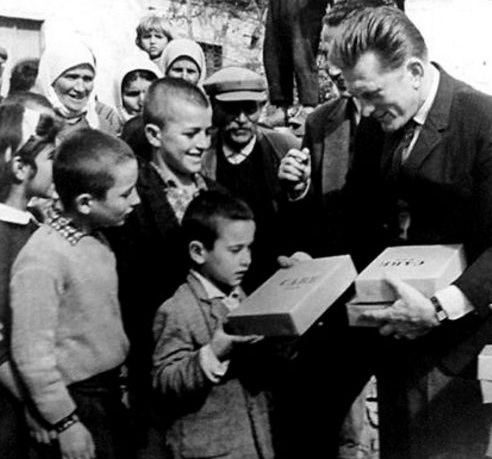
Legendary Hollywood actor Kirk Douglas actively supported the US aid efforts for Greece in the midst of the Civil War in the late 1940s. Credit: Public Domain

By 1947, Greece was a landscape of absolute ruin. The brutal wartime Axis occupation had destroyed its railways, burned hundreds of villages, and decimated the merchant marine fleet. Infrastructure such as the vital port of Piraeus serving Athens and the three-mile-long Corinth Canal lay unusable.

Compounding this physical tragedy was a bitter, bloody civil war between the royalist government and communist-led insurgents of the Democratic Army of Greece (DSE).

Starvation was an immediate threat. Appealing to Congress for immediate intervention, President Harry S. Truman painted a grim picture of the Greek reality: “Greece is today without funds to finance the importation of those goods which are essential to bare subsistence…the people of Greece cannot make progress in solving their problems of reconstruction. Greece is in desperate need of financial and economic assistance to enable it to resume purchases of food, clothing, fuel, and seeds.”

The American response was unprecedented. Between 1947 and 1951, Greece received roughly $2 billion in Marshall Aid and related Truman Doctrine funds—an astronomical sum worth more than $21 billion today. At its peak, US aid financed 67% of all Greek imports and constituted a staggering 25% of the nation’s gross national product.

Marshall plan rebuilds Greece’s infrastructure

The economic injection quite literally rebuilt the country’s shattered spine. Over 6.5 million tons of American food, clothing, and medical supplies flooded into Greek ports, staving off a humanitarian catastrophe.

American engineers and funding dredged and reopened the blockaded Corinth Canal, completely reconstructed the Port of Piraeus, and paved thousands of miles of modern highways that connected isolated rural provinces to urban markets.

In the fields and factories, the money drove rapid modernization. Thousands of American tractors, advanced irrigation pumps, and high-yield seeds were imported, shifting Greek agriculture from primitive subsistence farming to a competitive export industry.

Furthermore, the plan financed the establishment of the Public Power Corporation (DEI), laying the initial brickwork for a unified national electrical grid.

The cost and institutional decay

Yet, this massive economic lifeline had a darker, counterproductive underside. Unlike in Great Britain or France, where aid was managed by robust local governments, the United States viewed the unstable, war-torn Greek administration with deep suspicion.

Consequently, Washington established the American Mission for Aid to Greece (AMAG), an oversight apparatus that wielded extraordinary, direct control over the country’s domestic affairs. Dwight Griswold, the head of AMAG, made it very clear to the Greek government that the money came with absolute American leverage: “We are here to help Greece, but we must be sure that the help is used effectively. If the Greek government does not take the necessary steps to stabilize its economy and clean up its administration, we will have to reconsider our position.”

American administrators held functional veto power over the Greek state budget, tax legislation, and currency issuance. Greek cabinet ministers routinely had to clear basic administrative policies with US advisers. This heavy-handed intervention saved the state from collapsing into communist hands—Washington’s primary geopolitical goal—but it severely eroded Greek political autonomy.

Prominent Greek intellectual and novelist Giorgos Theotokas captured the growing local resentment in his diary during the late 1940s: “The Americans have become our true masters. Ministers do not dare make a move without asking the permission of some American adviser. We have been saved from the rebels, but we have lost our independence.”

Furthermore, because aid was distributed through a centralized state apparatus during a civil war, funds and import licenses were frequently weaponized. Capital was often allocated based on political loyalty to the right-wing government rather than economic merit, inadvertently reinforcing a rigid system of political patronage and favoritism.

Konstantinos Karamanlis, a rising political figure who would later become Prime Minister, looked back on how the rush of money warped the country’s institutional health:

“The aid was a blessing, but the way it was managed taught Greeks to look to the state for salvation rather than their own productivity. It fed a system of dependency and favoritism that outlived the docks and roads we built with it.”

Marshall plan opponents in Greece

Because Marshall Aid was fundamentally tied to Washington’s anti-communist containment strategy, it faced fierce, violent opposition from the Greek Left, primarily spearheaded by the Greek Communist Party (KKE) and its military wing, the DSE.

To the communists, the Marshall Plan was not a humanitarian gesture but a textbook example of “American imperialism” designed to turn Greece into a strategic military outpost for the United States. KKE propaganda aggressively painted the American administrators as the “new conquerors,” succeeding the German occupiers.

They argued that the economic restructuring pushed by AMAG was explicitly designed to restrict Greek industrial self-sufficiency, forcing the nation to remain a dependent market for American manufactured goods and agricultural surpluses.

This opposition extended far beyond rhetorical propaganda into active physical resistance and domestic warfare. Communist circles actively orchestrated plans to paralyze American reconstruction work. Guerrilla cells launched targeted bombings and acts of sabotage against critical infrastructure projects, focusing on the newly restored Piraeus docks and the Corinth Canal to disrupt the flow of American supplies.

An ambiguous legacy

Ultimately, the Marshall Plan in Greece achieved its immediate, vital objectives. It prevented mass starvation, facilitated the defeat of the communist insurgency, and laid the concrete physical foundations for the country’s mid-century economic expansion.

However, the sheer velocity and volume of the aid left a profoundly ambiguous legacy. It demonstrated how foreign aid can simultaneously rescue a nation’s people from chaos, while binding its political institutions and sovereign decision-making to the strategic whims of an external superpower.

The ideological battle over the economic recovery is captured visually in the following historical archival footage, which illustrates the intersection of American material aid and public relations efforts during the height of the reconstruction program. The “Story of Koula” Marshall Plan Film demonstrates how the US government utilized media to promote the agricultural modernization of the Greek countryside during this volatile era.

Related: What Has the United States Ever Done for Greece?

  •  

Crete Remembers the Razing of the Village of Kandanos by the Nazis

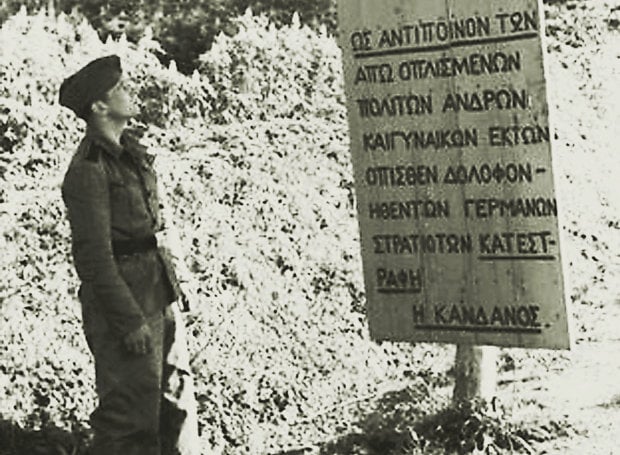
A German soldier in front of one of the signs in Greek erected after the razing of Kandanos, Crete by the Nazis.
A German soldier in front of one of the signs erected after the razing. The text reads: “Kandanos was destroyed in retaliation for the bestial ambush murder of a paratrooper platoon and a half-platoon of military engineers by armed men and women.” Credit: Bundesarchiv, CC BY-SA 3.0 de/Wikipedia

The village of Kandanos on Crete was burned to the ground, and Nazi troops massacred all 180 residents on June 3, 1941 during the years of the German occupation.

It was one of the worst atrocities committed by the occupiers and has haunted Crete and Greece for decades.

Battle of Crete

The Battle of Crete began on May 20, 1941, with Germany employing 750 glider-borne troops, 10,000 paratroopers, 5,000 airlifted mountain soldiers, and 7,000 seaborne troops. It was the first occasion when German parachutists were used en masse and the first mainly airborne invasion in military history.

It was also the first time German soldiers had encountered mass resistance from a civilian population, and they suffered unexpectedly large numbers of casualties.

The outnumbered Greek soldiers, along with the Allied forces based on Crete, fought bravely but were vastly outnumbered. Cretan civilians joined the battle with whatever weapons were at hand—mostly kitchen knives, but rakes, clubs, and even walking sticks were used in desperate hand-to-hand combat for their homeland.

German parachutists were often knifed or clubbed to death as they landed on fields of Crete. In one recorded incident, an elderly Cretan man clubbed a paratrooper to death with his walking cane before the German could even disentangle himself from his parachute.

In another incident, a local priest and his son broke into a village museum, took two rifles from the Balkan War era, and sniped at German paratroops as they landed. The Cretans also began to use small arms from captured German soldiers as the battle continued.

However, this courage came at a terrible cost, as the Germans retaliated as soon as they managed to gain control of Crete.

The temporary German commander of the island, Kurt Student, ordered a series of brutal reprisals against the local population immediately after the surrender of Crete on May 31, 1941.

Kandanos Crete Nazi
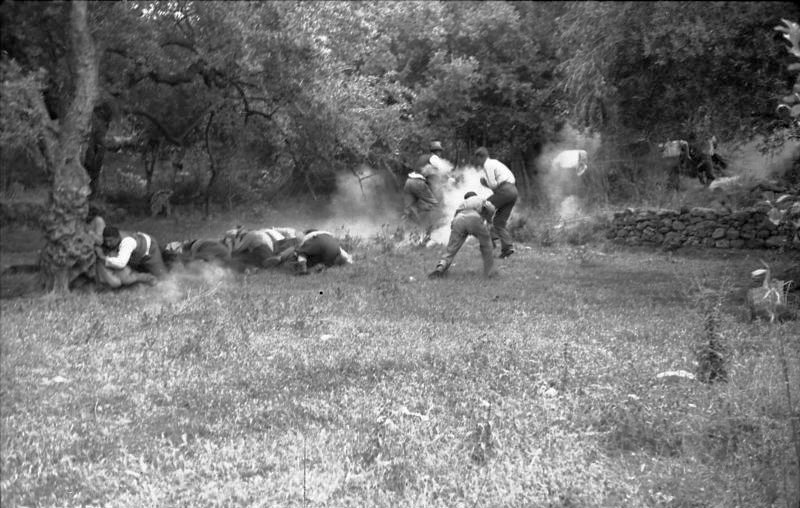
The Nazi occupying forces massacred civilians on Crete. Credit: Bundesarchiv, CC BY-SA 3.0 de/Wikipedia

Every last resident of Kandanos, amounting to a total of 180 men, women, and children, were brutally massacred, and their ancient village was burned to the ground.

Nazis order for the destruction of Kandanos

Below is the order of the German commander:

“It is certain that the civilian population including women and boys have taken part in the fighting, committed sabotage, mutilated and killed wounded soldiers. It is therefore high time to combat all cases of this kind, to undertake reprisals and punitive expeditions which must be carried through with exemplary terror. The harshest measures must indeed be taken and I order the following: shooting for all cases of proven cruelty, and I wish this to be done by the same units who have suffered such atrocities. The following reprisals will be taken:
1. Shooting
2. Fines
3. Total destruction of villages by burning
4. Extermination of the male population of the territory in question
My authority will be necessary for measures under 3 and 4. All these measures must, however, be taken rapidly and omitting all formalities. In view of the circumstances the troops have a right to this and there is no need for military tribunals to judge beasts and assassins.”

After the surrender of Germany, General Kurt Student was captured by the British. In May 1947, he came before a military tribunal to answer to charges of mistreatment and murder of prisoners of war by his forces on Crete.

Greece’s demand to have Student extradited was declined. Student was found guilty of three out of eight charges and sentenced to five years in prison. However, he was given a medical discharge and was released in 1948. Student was never tried for crimes against civilians.

Today, Kandanos has been rebuilt and is the seat of the eponymous municipality. Reproductions of the somber Wehrmacht signposts commemorating the village’s destruction are displayed on a local war memorial.

Related: Greek Scientists Identify Nazi Victims Executed 83 Years Ago in Crete

  •  

Mastiha Cocktails: The Greek Summer Experience

Mastiha cocktails
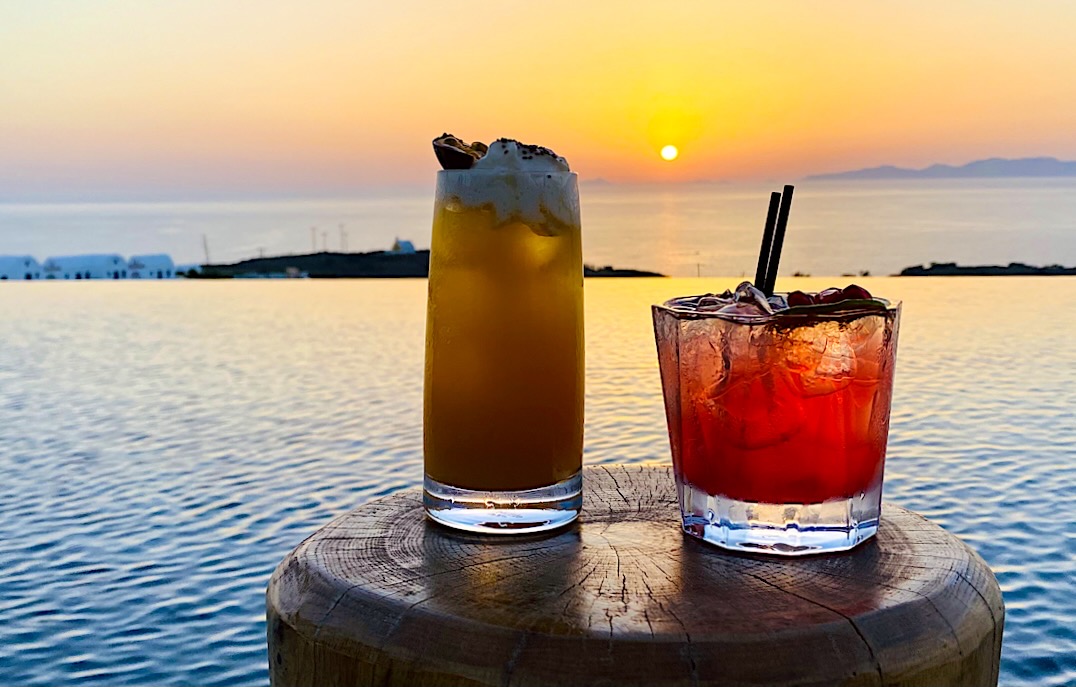
That first sip of the cocktail washes away the heat and leaves you feeling cool and invigorated. Credit: Greek Reporter

Mastic or mastiha from the Greek island of Chios is getting traction on social media as the basic ingredient for summer cocktails.

Many bartenders and amateur connoisseurs are uploading videos of how to use the “white gold” of Chios to make flavorful and refreshing cocktails ideal for the summer.

Until recently, Greece’s mastiha liqueur hasn’t been as popular as other aperitifs. Thanks to new brands’ premiumization of the category and further education on its benefits, however, mastiha is starting to gain a cult following.

The myriad mastiha coctails

Here is a take on a cocktail called “Cleopatra”:

@drinkkleos

KLEOS Mastiha Spirit’s signature cocktail (The Kleo-Patra) is your Greek vacation in a glass 🇬🇷☀ This cocktail is super crushable and absolutely refreshing. PLUS there’s only 110 cal. and 4g of sugar in the full cocktail 😌 Yia Mas 🥂#earnyourkleos #mastiha #kleostakemeaway #chios #mykonos #mixology #mixologist #mixologytiktok #athens #travelgreece #skinnycocktails #lowcal #lowsugar #cocktailrecipes #superfood #luxury #luxlife #cocktailtok #garnishgame #greeksummer #summercocktail

♬ Taste It – TELL YOUR STORY music by Ikson™

According to the following video by Nikki’s Modern Mediterranean, apart from one ounce of mastiha, you will need the following ingredients to make a summer cocktail: One ounce of peach vodka, peach nectar juice, grenadine, ice, and orange and cherry for garnish.

Another version is the rum, mastiha, and coffee cocktail:

Until recently, mastiha was actually considered a peasant spirit or liqueur often sipped after meals in Greece. This reputation is partly due to how it was made and the fact it wasn’t highly consumed outside of Greece.

@jackiesfooddiary

Have you tried Mastiha?! Officially my summer cocktail #mastiha #chios #liqueur #cocktail #cocktailrecipes #greek #drinkideas #summercocktails

♬ gimme gimme gimme – ·:*¨༺ ♱✮♱ ༻¨*:·

Now, with society’s growing interest in niche global spirits, mastiha spirit has come into the spotlight, and it’s becoming more common on menus at high-end Greek beach clubs as well as restaurants and global cocktail bars from New York to Los Angeles.

Here is yet another version of mixing mastiha with liquor:

@kforkalliopi

@Cello Liqueur & I made this delicious Mastiha cocktail using their Melon Liqueur 🧡 (you’ll have to excuse the banter, I gave him a headache for an hour 😂) #cocktail #drink #mixologist #cocktails #italy #italian #greek #greekgirl #fyp #foryoupage #liqueur

♬ original sound – 🎀 Kalliopi 🎀

Mastiha of Chios, Greece’s ‘White Gold’

Mastiha, often referred to as the “Tears of Chios” or the “White Gold of Greece,” is a product made exclusively on the Greek island of Chios. Since antiquity, this sticky resin, which seeps from the bark of mastic trees, has been harvested not only for its flavor but its therapeutic value.

Although the mastic tree, also called “lentisk,” is native to many areas in the Mediterranean, its bark only “bleeds” mastic on the island of Chios, making it a truly unique and nearly miraculous product.

Mastic is used as flavoring in many sweets and drinks, most famously in Mastiha, a digestive liquor from Chios. The mastic “tears,” or small bits of hardened tree sap, can also be chewed like gum, a practice dating back thousands of years. Its healing properties include prevention and treatment of stomach pains and gastric disorders as well as rejuvenation of the skin.

Its rarity has made mastic highly sought-after throughout history. Even to this day, mastic is considered a precious commodity not to be wasted. The European Union has designated it a “protected designation of origin” product, confirming that only Chios may produce authentic mastic.

  •  

Christopher Nolan’s Odyssey: Hollywood’s Erasure of Greeks from Greek History

Odyssey devoid of Greeks
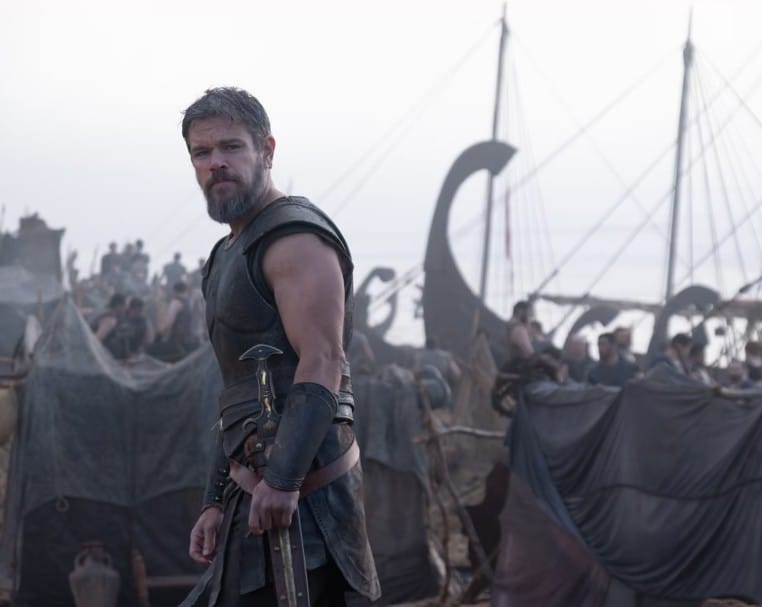
Matt Damon as Odysseus. Credit: Melinda Sue Gordon/Universal Pictures

In an insightful opinion piece published in The Guardian on June 3, 2026, titled “What the Hellenic! Why is Christopher Nolan’s new Greek epic entirely devoid of Greeks?”, author Chris Cotonou critiques the conspicuous lack of Greek actors in the director’s highly anticipated blockbuster, The Odyssey.

With an all-star ensemble featuring Matt Damon as Odysseus, alongside Zendaya, Charlize Theron, and Tom Holland, the film’s production team has repeatedly championed the cast as being meticulously chosen to “represent the world.” However, Cotonou points out a glaring irony: in the race to achieve universal global representation, the very country from which the story originates has been entirely unrepresented.

Cotonou highlights that while far-right culture warriors, including Elon Musk, have leveled bad-faith attacks against the casting of Black actor Lupita Nyong’o as Helen of Troy on the grounds of “authenticity,” they are focusing on the wrong target.

For the Greek community, both domestically and across the global diaspora, the frustration stems from a deeper cultural erasure. Cotonou notes that dinner-table debates from Patras to London have been flooded with alternative, Greek-inclusive casting ideas, with many left wondering why beloved diaspora stars like Billy Zane were bypassed entirely. To contextualize this frustration, Cotonou references Greece’s leading film critic, Thodoris Koutsogiannopoulos, who laments that Hollywood continues to perpetuate a “lazy cliché” that views Greekness through the simplistic lens of “Zorba rather than Achilles.”

Greeks secondary to their own story of Odyssey

More significantly, Cotonou argues that this complete omission carries a troubling broader implication. It suggests that Ancient Hellenic stories are viewed by Hollywood as part of a generic “shared Western inheritance,” rendering the actual Greek people incidental or secondary to their own history.

Cotonou draws a poignant parallel to the enduring geopolitical battle over the Parthenon Marbles, noting that the erasure feels as though modern Greeks are no longer viewed as worthy custodians of their ancestral mythology. While acknowledging that international audiences might dismiss the controversy under the guise that The Odyssey is merely fiction, Cotonou emphasizes how intimately interwoven these Homeric epics are with the modern Greek subconscious, identity, and sense of self.

He argues that excluding Greeks from The Odyssey is culturally equivalent to shutting out Hindus from an adaptation of the Mahabharata or stripping Polynesians from a film like Moana.

Ultimately, Cotonou connects the casting dispute back to the timeless, central theme of Homer’s poem: nostos, the deeply human yearning for homecoming after surviving grueling trials. In a Hollywood landscape that increasingly values diversity, Cotonou elegantly concludes that the Greek people are simply asking not to be written out of the journey.

  •  

Greece Eases Motorhome Regulations to Boost Tourism

Motorhomes in Greece
The new motorhome framework finally distinguishes between “overnight parking” and “active camping.” Credit: ELAT

Following a controversial crackdown in Greece last year that effectively barred motorhomes from public spaces, a new legislative intervention is welcoming them across the country once again.

The shift marks a major turning point for nomadic travelers. In May 2025, Greece introduced a strict law that banned caravan and motorhome parking in all public spaces outside of officially designated campsites. Aimed at curbing illegal wild camping and protecting local coastal environments, the blanket ban sparked immense backlash. Travelers and tourism boards argued it was overly punitive, treating responsible motorhome owners, who contribute significantly to local economies, the same as illegal campers.

Recognizing the strain the 2025 law placed on road tourism, the Greek government has introduced a balanced intervention. The new framework finally distinguishes between “overnight parking” and “active camping.” Under the updated 2026 rules, motorhomes are permitted to park in public spaces just like standard passenger vehicles, provided they do not deploy awnings, tables, or outdoor gear.

To support this re-entry, Greece is greenlighting the development of municipal “Camper Stops”—dedicated, short-stay parking zones equipped with waste disposal and water refills, an infrastructure standard common throughout Western Europe. By pivoting from a total ban to regulated integration, Greece aims to protect its natural landscapes while tapping back into Europe’s lucrative, year-round road tourism market.

Understanding the regulatory shift on motorhomes in Greece

The transition from the 2025 crackdown to the 2026 resolution highlights a major evolution in how Greece views road tourism. Under the previous year’s restrictions, any public overnight stay in a motorhome was met with high fines and a total prohibition, forcing travelers exclusively into traditional, often crowded campsites.

The new framework resolves this friction by legally treating motorhomes as regular vehicles for standard parking purposes. Wild camping is now strictly defined and is forbidden only if outdoor gear is deployed, allowing travelers to rest peacefully overnight without fear of fines. Furthermore, instead of relying solely on traditional campsites, Greece is rolling out automated, short-stay municipal “Camper Stops” to seamlessly accommodate modern nomads.

RelatedGreece Sets New Multibillion Record in Tourism Revenue

  •  

Plato’s “Republic” Meets Techno in Maria Farantouri’s Concert

Farantouri Plato Republic
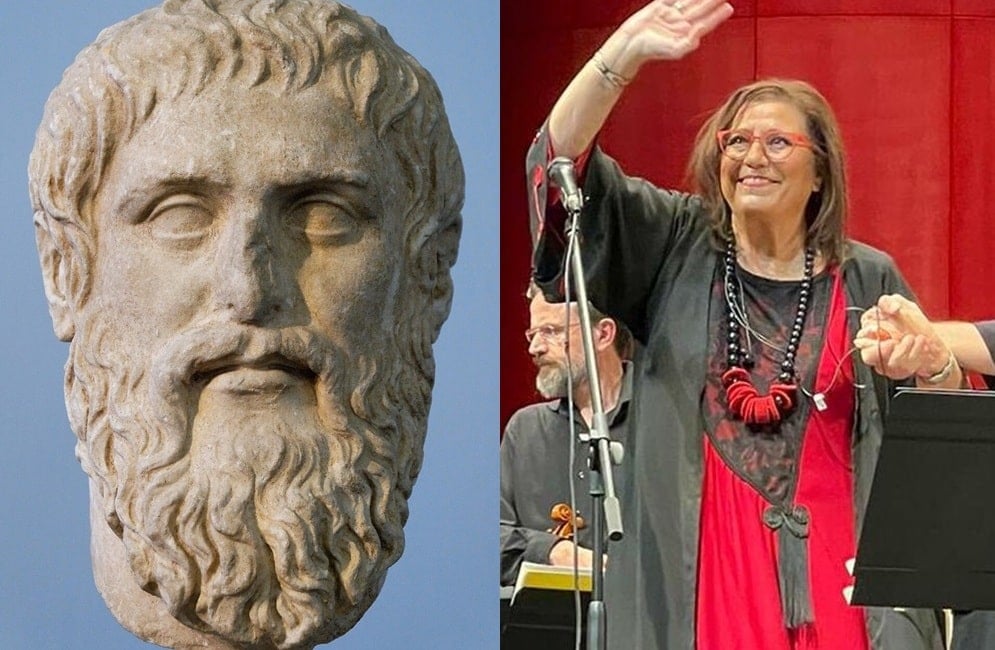
Farantouri shared details about her highly-anticipated concert alongside electronic music pioneer Lena Platonos. Illustration: Greek Reporter

Legendary Greek vocalist Maria Farantouri has teased a groundbreaking upcoming performance, revealing that she will be singing passages from Plato’s Republic set to techno music.

Speaking to the camera on the morning show Buongiorno, Farantouri shared details about her highly anticipated concert alongside electronic music pioneer Lena Platonos, scheduled for June 19 at the historic Odeon of Herodes Atticus.

The ambitious program will feature three major works that bridge ancient text, contemporary composition, and electronic soundscapes. Farantouri noted that the performance will seamlessly blend modern musical elements guaranteed to thrill younger audiences.

“Lena Platonos and I are preparing a truly historic concert,” Farantouri said. “It connects the past with the present using very modern, electronic rhythms. I will also be singing Plato’s Republic. Lena has taken the myth of the Three Fates and set it to music—and it’s going to be techno! Young people will literally be dancing to it. It’s absolutely thrilling.”

Plato’s Republic: Cornerstone of philosophy and politics

Written around 375 BC, Plato’s Republic is arguably the most influential work of philosophy and political theory in Western history. Structured as a Socratic dialogue, it explores the definition of justice, the character of the just city-state, and the nature of the human soul. It is the very text that gave the world the famous “Allegory of the Cave”—Plato’s metaphor for how humanity mistakes the shadows of illusion for reality and how the pursuit of truth requires breaking free from those chains.

What makes Platonos and Farantouri’s techno adaptation so brilliantly ironic is Plato’s own complicated relationship with music. In the Republic, Plato devoted significant time to discussing the role of the arts in society, famously arguing that certain musical scales and rhythms should be banned because they could corrupt the soul or incite chaotic emotion.

  •  

High Above the Harbor: 6 Spectacular Greek Choras You Need to See

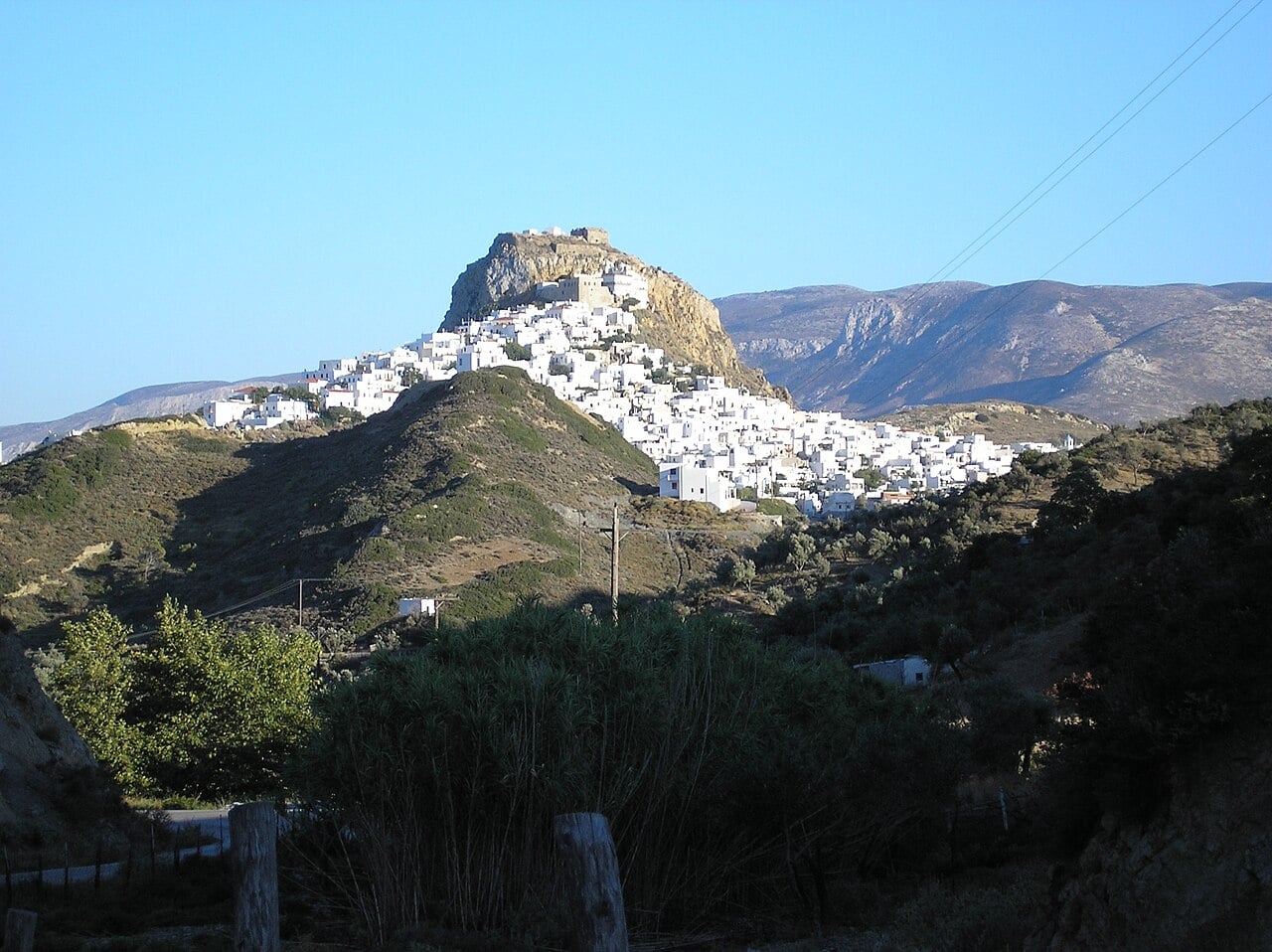
The Chora on Skyros island is a postcard-perfect labyrinth of whitewashed homes.
The Chora on Skyros island is a postcard-perfect labyrinth of whitewashed homes. Credit: Public Domain

One of the most fascinating aspects of island architecture in Greece is the “Chora” (Χώρα), which literally means “main town” or “capital.” On almost every Aegean island, you will find it perched precariously on a jagged mountain peak, cliffside, or steep hilltop, miles away from the main port.

Today, these towns are postcard-perfect labyrinths of whitewashed houses, but their dramatic locations were originally born entirely out of fear, survival, and defensive strategy.

Why was a Chora on the islands of Greece built on a hilltop?

Between the 7th and 18th centuries, the Aegean Sea was a terrifying place to live. It was heavily plagued by piracy, notably by Saracens, Venetians, Genovese, and later Ottomans, who raided coastal villages for loot and slaves. Building on high ground served several genius military purposes:

  • Early Warning System: High vantage points allowed islanders to scan the horizon and spot approaching enemy sails hours before they hit the shore, allowing locals time to prepare or hide.
  • The “Invisible” Town: Throughout the islands of Greece, many areas that functioned as a Chora were built tucked slightly behind a ridge facing away from the sea. From a pirate ship on the water, the natural stone and tightly packed white houses blended into the landscape, making the island look completely uninhabited.
  • Fortress Architecture (Kastro): The houses themselves were built as defense walls. They were tightly packed together with tiny, maze-like alleys, dead ends, and steep steps designed to disorient and trap invaders who managed to break through.
  • The Venetian Castle: Often, the very peak of the Chora features a Kastro (castle), built during Venetian rule. If pirates breached the town, the entire population would retreat into this central fortified citadel for a final stand.

Spectacular examples of Greece’s Choras in the Aegean

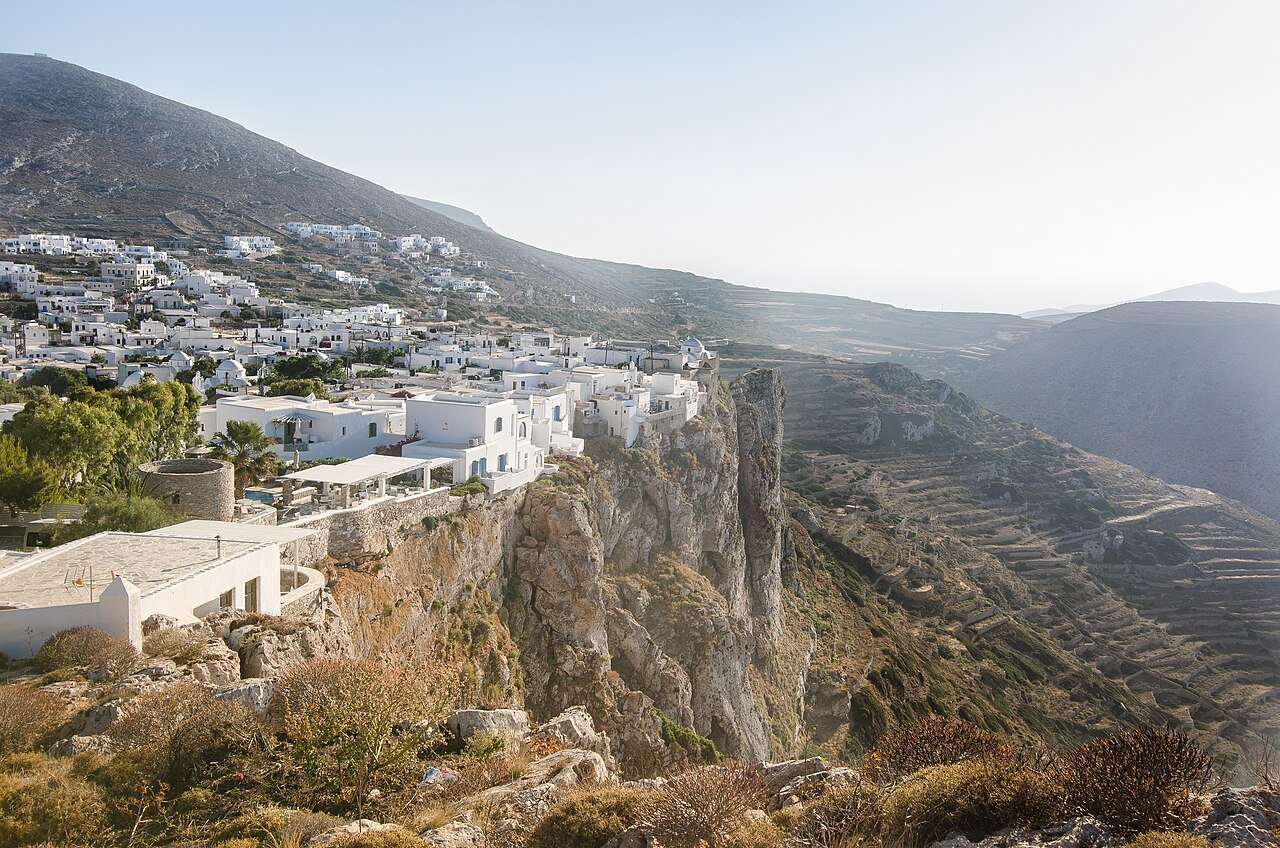
1. Folegandros: The Sheer Cliffside Drop

Chora, Folegandros Island, Greece
Chora, Folegandros Island, Greece. Credit: Wikimedia Commons / Etienne Dallaire / CC BY 4-0

Folegandros in the Cyclades boasts a Chora that is absolutely amongst the most jaw-dropping in Greece. Part of the settlement, specifically the oldest medieval quarter, called the Kastro, is built directly on the edge of a vertical cliff that plunges 200 meters (650 feet) straight down into the Aegean. The outer walls of the houses form the defensive perimeter, meaning a window at the back of a house opens directly into an abyss. From the town, a famous, majestic zigzagging stone path leads further up the spine of the mountain to the white Church of Panagia.

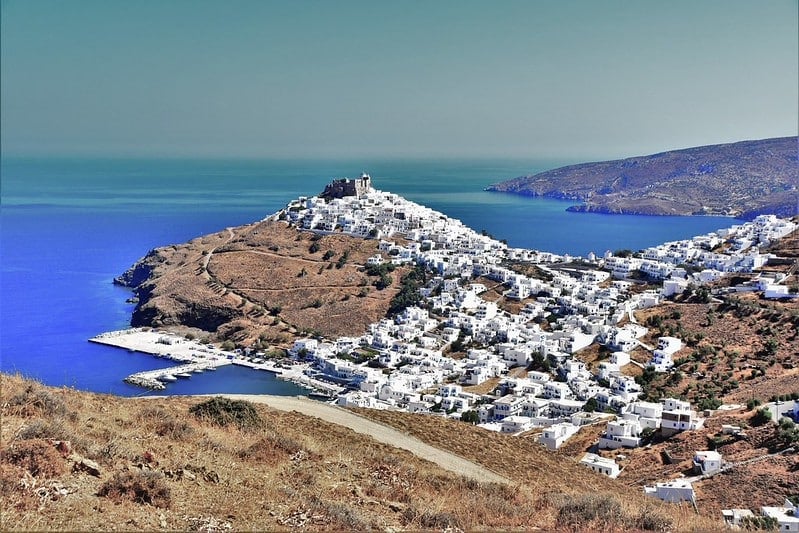
2. Astypalaia: The Crowned Amphitheater

Astypalaia, Greece
Greece’s Astypalaia has been named the world’s best destination for 2026. Credit: Flickr / Soulape / CC BY ND 2

Shaped like a butterfly, the island of Astypalaia bridges the Cyclades and the Dodecanese. Its Chora is a brilliant white hill of cubic houses that ascends like an ancient amphitheater. The absolute summit is crowned by the dark, volcanic stone of the Querini Castle, built by the Venetians in the 13th century. The striking contrast between the pitch-black stone castle and the blinding white homes wrapping around it makes it one of the most architecturally dramatic sights in Greece.

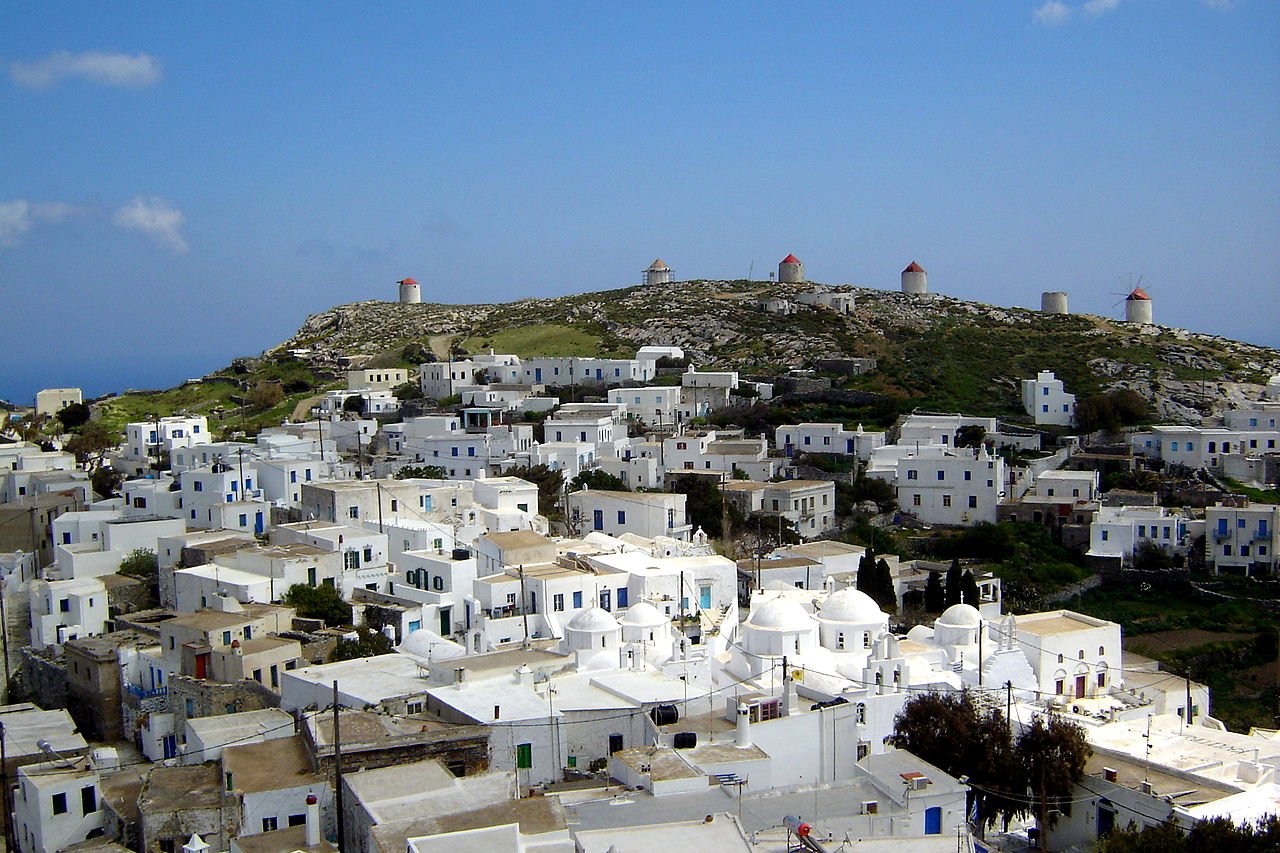
3. Amorgos: The Invisible Mountain Hideout

Greek Choras
The Chora on Amorgos. Credit: Public Domain

Amorgos’ Chora is the quintessential example of an “invisible” town. It is completely hidden from the sea, nestled in a rocky mountain saddle 350 meters above sea level (about 1,150 ft). Dominated by a massive rock central spire topped with a 13th-century castle, the town is a dense maze of alleys designed to cut the fierce Aegean winds. Just outside the main town cluster, a stark ridge line is punctuated by a row of historic, abandoned stone windmills, highlighting just how exposed and elevated this sanctuary truly is.

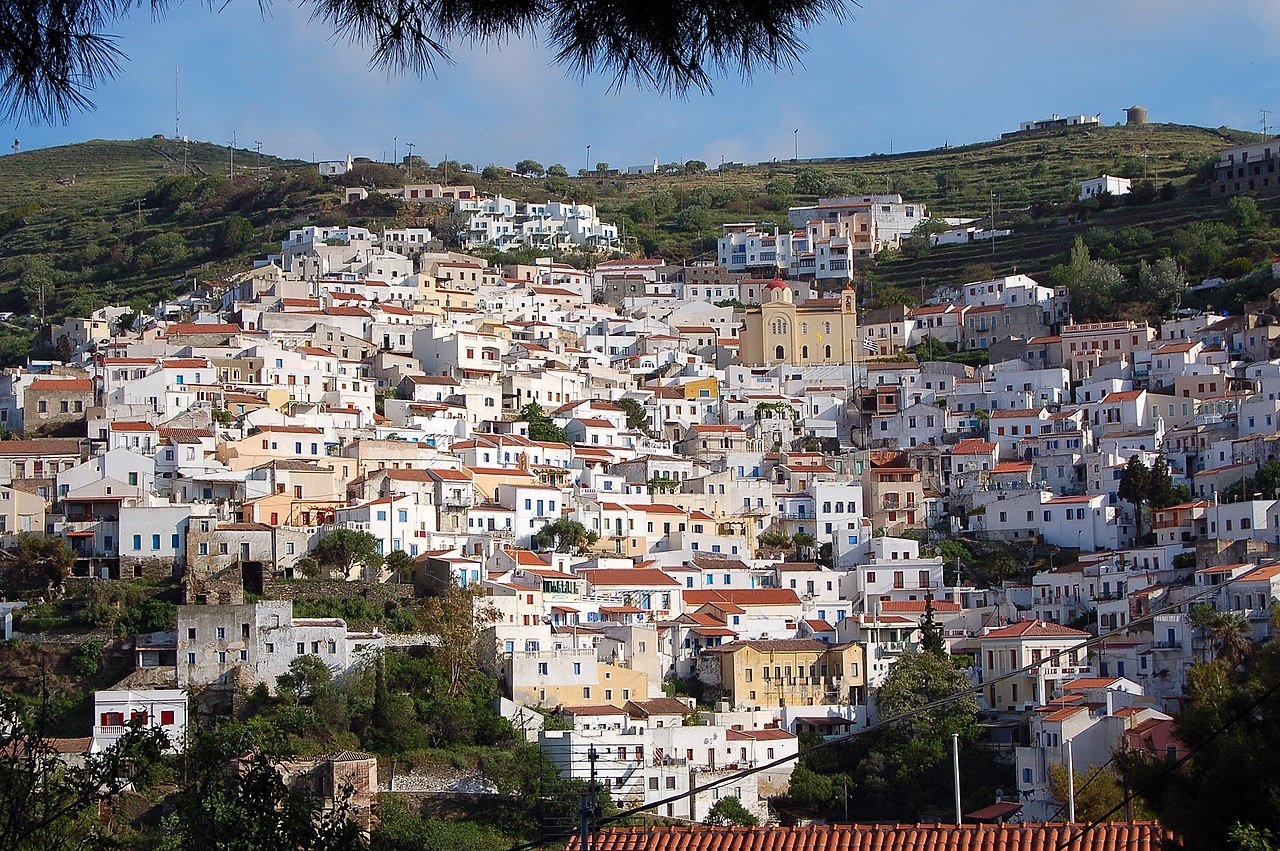
4. Kea (Tzia): The Ancient Inland Capital

Kea Tzia Island, Greece
The island of Kea (also Tzia), Greece, Credit: Wikimedia Commons, Michael Paraskevas CC BY SA 3-0

Unlike most Cycladic islands Choras were established in the Middle Ages, the Chora of Kea, known as Ioulis, has stood in the exact same mountainous mountain saddle since the Archaic period. Because it is built on a lush, spring-fed mountain, Ioulis breaks the “blinding white” stereotype. It features traditional clay tile-roofed houses, steep stairways, and historic stone arches (stegadia) that tunnel underneath the buildings.

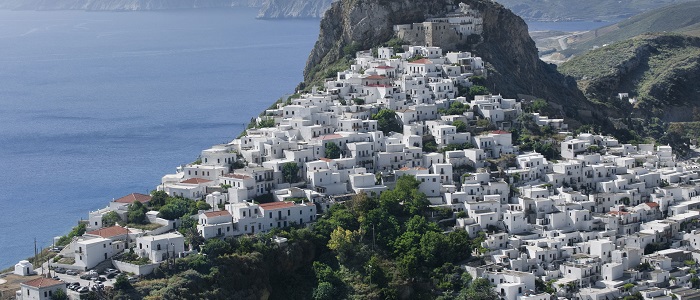
5. Skyros: The Secret Village of “Pirate Alleys”

Greek Choras
The Greek island of Skyros and its Chora. Credit: Municipality of Skyros

Located in the Sporades group, the Chora of Skyros clings to a massive 179-meter (587-ft) vertical crag. It is a masterful trick of architectural camouflage. Skyros was plagued by Saracen and Ottoman raids, including the notorious pirate Barbarossa. To survive, the locals built the Chora tucked onto the inland-facing northeastern slope of the rock, making the village completely invisible from the open sea. The streets are famously known as “pirate alleys”—cobbolstone paths so narrow, steep, and winding that they acted as a physical maze to trap enemies while residents fled up to the safety of the Byzantine Castle at the peak.

6. Serifos: The Vertiginous Amphitheater

Greek Choras
Serifos. Credit: Public Domain

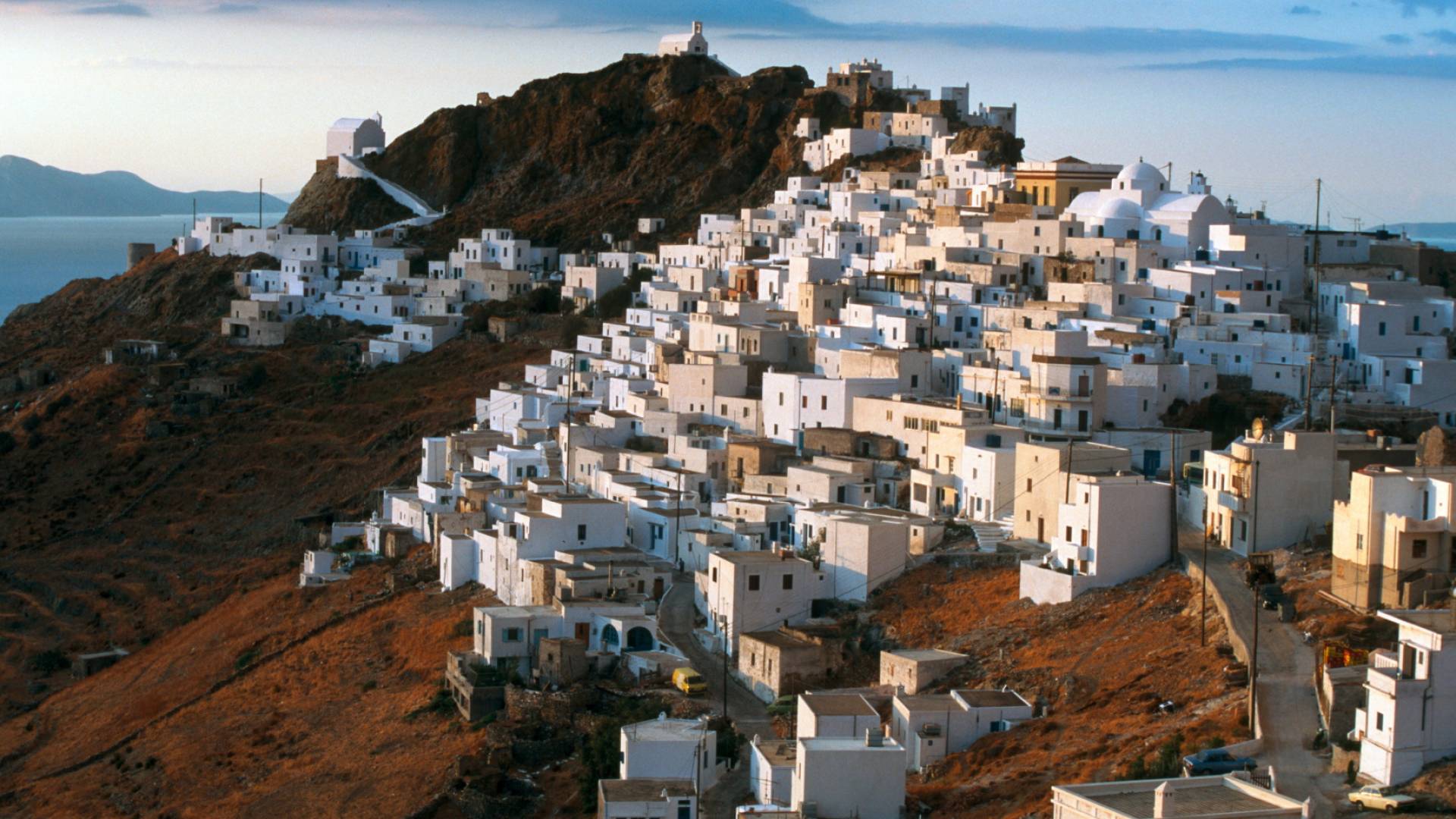
The Chora of Serifos is widely considered one of the most structurally striking in the Cyclades. It is built amphitheatrically down the slopes of a cone-shaped, sheer rock rising 230 meters (755 ft) above the harbor. The village is split into Pano Chora (Upper Town) and Kato Chora (Lower Town). Pano Chora is a classic medieval fortress settlement established in 1434 by the Venetian Mikieli family. Space was so restricted by the vertical terrain that houses are literally glued to each other, leaving only a chaotic web of “labyrinth alleys” where invaders would easily become disoriented.

  •  

Michael Jordan Spotted Chasing Sunsets on Mykonos

Michael Jordan dressed in green. Jordan has chosen Greece for his vacations numerous times.
Michael Jordan returns to Greece for vacation. Credit: EPA via AMNA

Basketball legend Michael Jordan has returned to Mykonos, once again choosing the “Island of the Winds” for his summer vacation.

The undisputed NBA Greatest of All Time (GOAT) arrived with his private jet and is kicking off his summer in Greece alongside a 25-member entourage, cruising the Aegean aboard his luxury superyacht, M’Brace.

Mykonoslive-tv spotted the basketball icon relaxing on deck, taking in the famous Myconian sunset. In recent years, Jordan has shown a steady preference for Greek destinations, with Mykonos remaining one of his absolute favorite summer stops.

Luxury living aboard the M’Brace

The M’Brace is a striking 65-meter (213-foot) superyacht, built in 2018 by the Dutch shipyard Amels. Designed for both comfort and performance, it features six cabins that accommodate up to twelve guests, expansive interior and exterior lounges, a gym, a jacuzzi, a private club area, and a variety of water sports equipment. The vessel is staffed by a dedicated crew of seventeen.

Registered in the Cayman Islands, M’Brace is considered one of the most discreet yet opulent yachts.  Its value is estimated to be between $115-$150 million, depending on the source.

A global sports icon

Michael Jordan is widely recognized as one of the greatest basketball players of all time. Born on February 17, 1963 in Brooklyn, New York and raised in North Carolina, Jordan rose to global prominence through his incredible athleticism, competitive spirit, and unmatched achievements on the court.

He spent the majority of his career playing for the Chicago Bulls, leading the team to six NBA championships in the 1990s. Renowned for his scoring ability, clutch performance, and leadership, Jordan won five regular-season MVP awards and was a fourteen-time NBA All-Star player. His nickname “Air Jordan” stemmed from his signature leaping ability and gravity-defying dunks.

Beyond basketball, Jordan became a cultural icon, elevating the NBA’s global profile and revolutionizing athlete branding through his long-standing partnership with Nike. The success of the Air Jordan sneaker line helped shape the modern sportswear industry.

After retiring from professional play, Jordan became an influential figure in sports business. In 2010, he made history as the first former NBA player to become the majority owner of an NBA franchise, the Charlotte Hornets.

  •  

Greece Shakes Off Crisis-Era Label With Major EU Economic Upgrade

European Commission headquarters
The Commission’s assessment highlights a reduction in risks associated with Greece’s public and external debt. Credit: tiseb, CC BY 2.0/flickr

The EU’s Commission removed Greece from its list of macroeconomic imbalances on Wednesday, marking a turning point in the nation’s post-crisis recovery. The move formally winds down a painful sixteen-year chapter of heightened economic surveillance that led to the era of bailouts.

Among the factors emphasized in the European Commission’s report are: Greece’s resilient growth rate of 2.1% of GDP in 2025 in spite of conditions of global uncertainty, projections for continued strong growth, the continuous high primary surplus, reaching 1.7% of GDP in 2025, and the significant decline in public debt, projected to drop to 123.4% of GDP in 2027, making it one of the fastest rates of debt reduction in Europe. The country’s extensive reforms and speedy progress in the digital transition, especially in tax and public administration, were also taken into consideration.

Prime Minister Kyriakos Mitsotakis welcomed the milestone on social media, writing that the decision effectively “closes a negative chapter that began 16 years ago.” He emphasized that the achievement was not merely a technocratic assessment but rather the “foundation for a better life” made possible by the sustained hard work of Greek citizens and the state.

According to Mitsotakis, the structural budget surpluses achieved through recent reforms can now be directly “channeled into higher wages and pensions,” offering tangible domestic relief to a population that endured years of harsh austerity. “This also marks the official end of all surveillance,” he stressed.

The Commission’s assessment highlights a reduction in risks associated with Greece’s public and external debt, alongside solid economic growth, progress on structural reforms, and a stabilized banking sector.

EU says Greece still lags behind

While the removal from the imbalance list signals Brussels’ confidence in Athens’ current trajectory, the Commission also issued a stark reminder: Greece still lags behind its European Union peers in several key economic areas. The country continues to carry a heavy public debt burden, and average disposable income remains well below Western European standards.

Nevertheless, analysts say that the formal easing of surveillance provides a major psychological and financial boost, potentially lowering market borrowing costs and attracting crucial foreign investment. For a nation that spent over a decade as the epicenter of the Eurozone crisis, the validation from Brussels confirms a hard-fought return to economic normalcy.

RelatedItaly Set to Overtake Greece as Eurozone’s Most Indebted Country in 2026

  •  

Beyond the Gyro: Why Vegetarians Love Greece

A plate of salad in Greece, which has a cuisine based on fresh seasonal vegetables and fruit, grains, legumes, and greens.
Greek cuisine is based on fresh seasonal vegetables and fruit, grains, legumes, and greens. Credit: Pxhere/Public Domain

Greece offers vegetarians a large variety of highly nutritional, delicious dishes to choose from. Using fresh ingredients, prepared with age-old recipes, Greek cuisine is full of delightful surprises for which your taste buds will be thankful.

Greek cuisine is based on fresh seasonal vegetables and fruit, grains, legumes, and greens—the perfect combination for vegetarians and vegans.

Across Greece, you will find a large variety of wholesome and flavorful but meat-free dishes for your palate to savor. It goes to show that Greek food is not just comprised of souvlaki, moussaka, or roasted lamb on a spit.

Vegetarianism as a practice, the idea of nonviolence to animals, has its roots in Ancient Greece as well as Ancient Indian civilizations. Ancient Greek historian Plutarch could be considered the first outspoken vegetarian in the West, as he believed that it was “immoral” to eat animal flesh.

In his book Morals, Plutarch devoted an entire chapter on meat-eating. Therein, he wrote that since man has access to so many fresh fruits, vegetables, and nuts, the fact that he is forcing himself to eat bloody animal flesh while “trying to cover the taste of blood with thousands of spices” is inconceivable.

Appetizers, salads, and dips for vegetarians

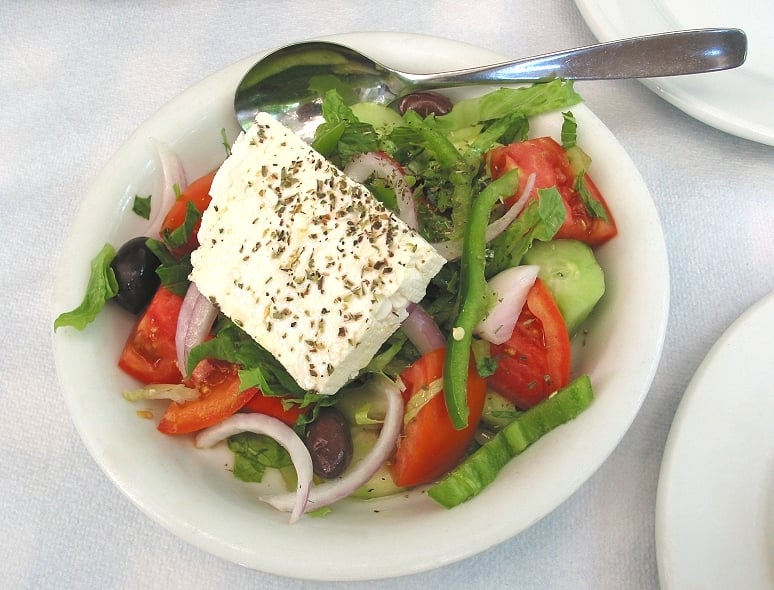
Choriatiki is quite a popular Greek salad made with freshly cut thick wedges of tomatoes, cucumber and onion slices, feta cheese, flavorful olives, virgin olive oil, and crushed, dried oregano leaves. It’s the perfect starter that will whet your appetite for the main course.

Traditional Greek salad
Choriatiki, the traditional Greek salad. Credit: Creative Commons Attribution 2.0/Wikipedia

Dakos salad is a Cretan salad, which contains round, water-dampened barley rusk topped with chopped fresh tomatoes, crumbled feta or myzithra cheese, olive slices, capers, and a sprinkle of dried oregano A useful tip is to allow the juices to soak the rusk for a few minutes.

It is highly recommended that one try the following tempting mezedes (appetizers or side dishes): fried or grilled vegetables or cheese, including such delicacies as fried tomato balls, green vegetable patties, and saganaki cheese (fried feta or hard yellow cheese). Sliced zucchini can be boiled or fried, while zucchini is also used to make delicious patties (mixed with herbs and/or cheese). The sweet-tasting fried slices of eggplant and the rice and herb-stuffed zucchini blossoms are two must-try dishes, mostly served in the summer and autumn.

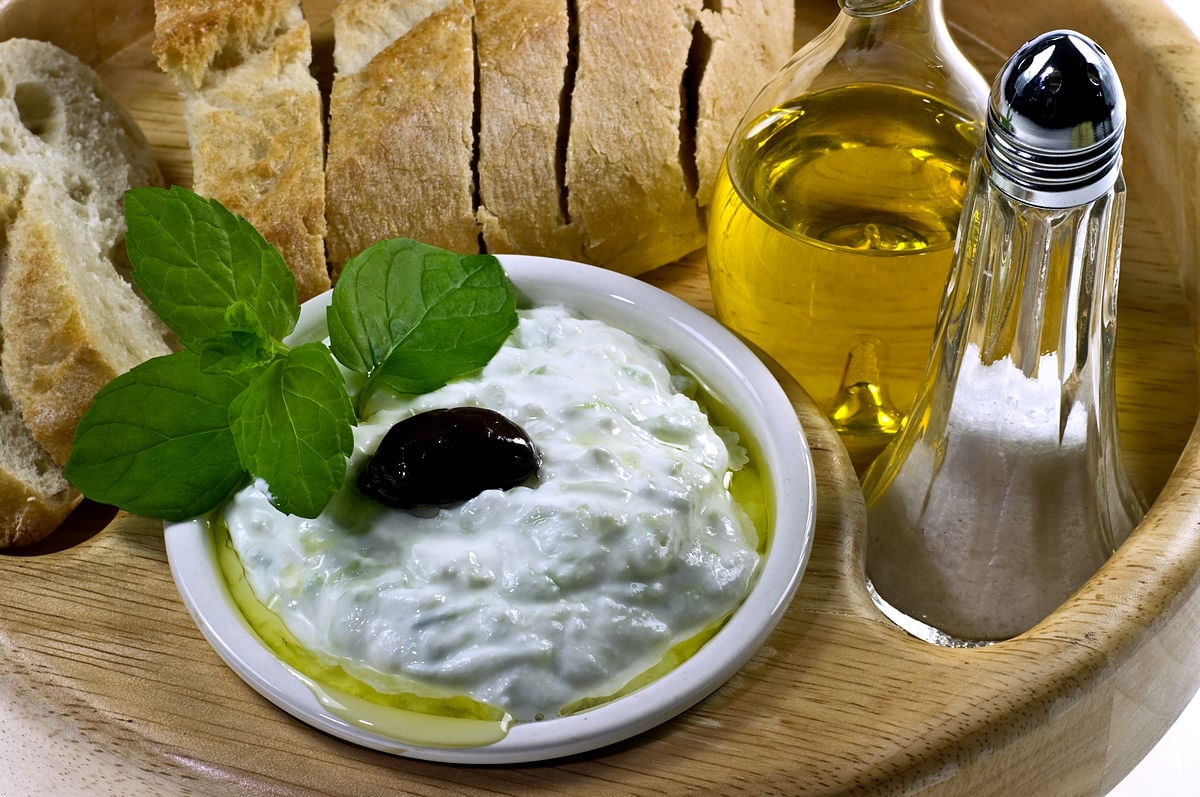
Tzatziki dip
Tzatziki dip. Credit: Nikodem Nijaki, Creative Commons Attribution-Share Alike 3.0/Wikipedia

Accompany your vegetarian appetizers with some great-tasting dips:

  • Taramosalata: A mousse salad made from fish roe blended with lemon, bread, and olive oil
  • Melitzanosalata: A puree of grilled or smoked aubergines with olive oil, garlic and vinegar
  • Tzatziki: The most famous Greek appetizer around, made with creamy Greek yoghurt, grated cucumber and garlic, and finely chopped dill, blended with oil, vinegar and salt.
  • Skordalia: A vegan dip made with mashed potatoes or bread, garlic, olive oil, vinegar, salt and pepper. It usually accompanies fried cod and boiled beets (patzaria in Greek).

Main courses in Greece for vegetarians

Legumes & pulses

Pulses have been an essential part of the Greek diet since antiquity. Yellow split peas, gigantes (large dried white runner beans), broad beans, lentils, black-eyed peas, and chickpeas all hold an important place in the Greek cuisine and are an essential part of the Mediterranean Diet. Pulses are cooked in hot nourishing soups in the winter. Tey are also great in salads mixed with herbs and vegetables in the summer.

Northern Greece yields top quality pulses, as the soil is rich in potassium, an element that makes them more flavorful and contributes to shorter boiling times. Among these are beans from the Lake Prespes area, lentils from Voio, Kozani, yellow split peas from Feneos, Korinthia, and Santorini, lentils from Eglouvi, Lefkada, and chickpeas from Larisa or Grevena. These are all well-known, top quality produce on account of each area’s favorable microclimate.

Ladera (meaning cooked with olive oil)

Olive oil has always been a product precious to Greeks, one that has been considered sacred since ancient times. Ladera dishes are colorful and flavorful. Vegetables are cooked either fresh or dried in the pot at low to medium temperatures so as to best retain their shape and flavor.

Below are some tasty Greek vegetarian dishes for you to try:

  • peas and okra (stewed with tomatoes)
  • artichokes (cooked with potatoes, carrots, lots of finely chopped dill, and lemon juice—the “a la polita” dish)
  • zucchini, potatoes, carrots, bell peppers, eggplant, and onions baked with tomato sauce and spices (a dish called “briam”)
  • eggplant cooked with tomatoes, onions, garlic, parsley, dill, and spices (a dish called “imam”)
  • oven-baked stuffed tomatoes, peppers, zucchini, and eggplant filled with a mixture made of rice, the flesh of the above vegetables, herbs, and spices (a heavenly dish called “gemista”).

Pies, the vegetarian way in Greece

Pies hold a special place in the country’s cuisine, as they are among the oldest, simplest, and most delicious dishes one can find in Greece. There are so many variations of ”pites,” as they are known in Greek, that it may be nearly impossible to determine precisely how many different kinds of Greek pies there are out there.

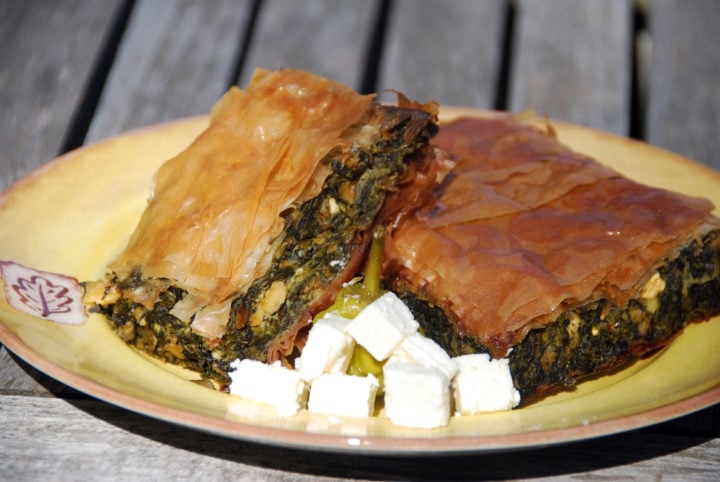
Spanakopita
Spanakopita. Credit: Tanya Bakogiannis/Wikimedia Commons/CC BY 3.0

Pies are very popular among Greeks, and they come in all sorts of variations: savory, sweet, dressed with phyllo sheet or flaky pastry (called “sfoliata”), round, triangular or coil-shaped with either few ingredients or more elaborate ones. Age-old household management rules point towards the optimum use of seasonal produce, resulting in a large variety of tasty creations. Pies can be served as a main or side dish or as a healthy and tasty snack during the day.

Pie filling variations depend only on the maker’s imagination and the local bounty of nature. Practically everything can be included in a pie: cheese, greens, pasta, rice, trachanas, and vegetables, among other things. Greek ingenuity has led to a large number of pie creations, including cheese pie, spinach pie, leek pie, nettle pie, mushroom pie, onion pie, cabbage pie, potato pie, pasta pie, pumpkin pie, and many more.

Greek Pasta

You can find Greek pasta in many a shape and size. Some types contain milk and eggs. They can be a simple yet very tasty mixture of durum wheat or semolina, water, and salt.

The pasta-making tradition is kept alive mostly by women living in the countryside who usually prepare the pasta and allow it to dry out in the sun during the summer. They also participate in regional cooperatives, producing and selling a large variety of artisan pasta.

Greece vegetarians
A bowl of trachanas. Credit: Vangelisg4, Creative Commons Attribution-Share Alike 4.0/Wikipedia

Such regional co-ops exist all over Greece on the mainland and islands alike. In these co-ops, you will find popular Greek pasta such as:

  • chylopites (noodles that come in two basic shapes, namely small squares or thin, fettuccine-like strips)
  • kritharaki (orzo)
  • trachanas (a granular pasta made with semolina flour, wheat flour, or cracked wheat, kneaded with milk, yoghurt, buttermilk)
  • lazania (broad strips of egg pasta)
  • fides (angel hair)
  • astraki (a small star-shaped pasta)
  •  

Greece Expands Drone Fleet for Aegean Surveillance Missions

Greece drones
The V-BAT can launch from ship decks or small island clearings without a runway. Credit: Shield AI

Greece has signed an agreement to expand its fleet of Shield AI V-BAT unmanned aerial systems for maritime surveillance operations across the Aegean Sea, the American company announced June 2.

The deal deepens an existing partnership that has already seen the Hellenic Army deploy these advanced drones for intelligence and reconnaissance missions.

Concluded between Shield AI and the Hellenic Army, the agreement bolsters Greece’s existing V-BAT fleet. The company says that the agreement will enhance the nation’s capacity to maintain persistent situational awareness over hundreds of islands, remote coastlines, and contested maritime approaches.

Company says drone is ideal for Greece’s needs

The V-BAT can launch from ship decks or small island clearings without a runway, fly for over 12 hours on a single sortie, and operate seamlessly despite aggressive electronic warfare attempts to disrupt its navigation and communications.

“V-BAT is exceptionally well-suited for operations in Greece, where forces operate across dispersed islands, remote coastlines, deep valleys, mountain ranges, and complex maritime environments,” said James Lythgoe, Shield AI’s regional director for Eastern and Southeast Europe. “V-BAT has proven itself in combat operations in Ukraine, including in GPS- and communications-denied environments, and was built for exactly these kinds of operational realities.”

Combat-proven resilience

In Ukraine, the V-BAT has successfully operated amid intense Russian electronic warfare, where GPS signals are actively jammed and drone communications are disrupted. This proven resilience against satellite spoofing and signal jamming ensures the system remains operational against sophisticated adversaries, rather than falling out of the sky.

Classified as a NATO Class I unmanned aircraft (weighing under 330 pounds), the V-BAT acts as a highly tactical asset deployable by ground units and small naval vessels without requiring massive support infrastructure. Its twelve-hour flight endurance allows a single aircraft launched at dawn to maintain continuous coverage through the entire day. This enables crucial “pattern-of-life” analysis to reveal suspicious maritime activity.

By expanding its V-BAT fleet, the Hellenic military strengthens its layered early-warning architecture across the Aegean, giving commanders the vital reaction time needed to respond to maritime intrusions before situations escalate.

RelatedClassified US Stealth Drone Makes Rare Appearance in Greece

  •  
❌