Esta seleção reforça o reconhecimento nacional de um dos mais importantes símbolos do património flaviense.
A votação pública encontra-se já a decorrer e terá um momento particularmente importante no próximo dia 13 de junho, em Monção, com a realização da semifinal da Região Norte das Novas 7 Maravilhas de Portugal.
A mobilização e apoio da comunidade flaviense, dos visitantes e de todos os que reconhecem a importância da preservação e respetiva promoção do património cultural assume particular relevância neste momento de seleção.
As termas Romanas de Aquae Flaviae são consideradas o maior balneário termal romano da Península Ibérica e constituem um legado excecional da antiga cidade romana. Este marco testemunha a importância que Chaves assumiu ao longo dos séculos, preservando uma parte fundamental da sua identidade histórica e cultural.
Cada voto representa um contributo para reforçar a projeção deste monumento singular e para afirmar, a nível nacional, a riqueza histórica e cultural de Chaves. O número oficial de votação atribuído às Termas Romanas de Aquae Flaviae é o 761 207 009 (1 euro+ IVA).
O homem foi detido, na terça-feira, na sequência de uma investigação relacionada com a introdução e comercialização de droga na cidade de Chaves.
Em comunicado, a PSP revela que durante a operação foram apreendidas 217 doses individuais de heroína, com um peso aproximado de 38,73 gramas, e 110 doses individuais de cocaína, num total de cerca de 46,45 gramas.
Os agentes apreenderam ainda um telemóvel, dinheiro em numerário, uma arma proibida classificada como arma da Classe A e duas viaturas alegadamente utilizadas na atividade criminosa investigada.
No âmbito da operação foram realizadas buscas domiciliárias que permitiram recolher diverso material considerado relevante para o desenvolvimento da investigação.
O suspeito foi presente à autoridade judiciária competente para primeiro interrogatório judicial, tendo-lhe sido aplicada a medida de coação mais gravosa, a prisão preventiva.
Em comunicado, a PSP reafirma o seu compromisso no combate ao tráfico de estupefacientes, sublinhando que “continuará a desenvolver ações de prevenção e repressão deste tipo de criminalidade, com o objetivo de reforçar a segurança pública e proteger a comunidade”.
Archaeologists at an ancient site in Iraq have uncovered rare cuneiform tablets, mass graves, and evidence of a large-scale siege nearly 4,000 years old, giving researchers what they call the clearest record yet of Bronze Age urban warfare in the region.
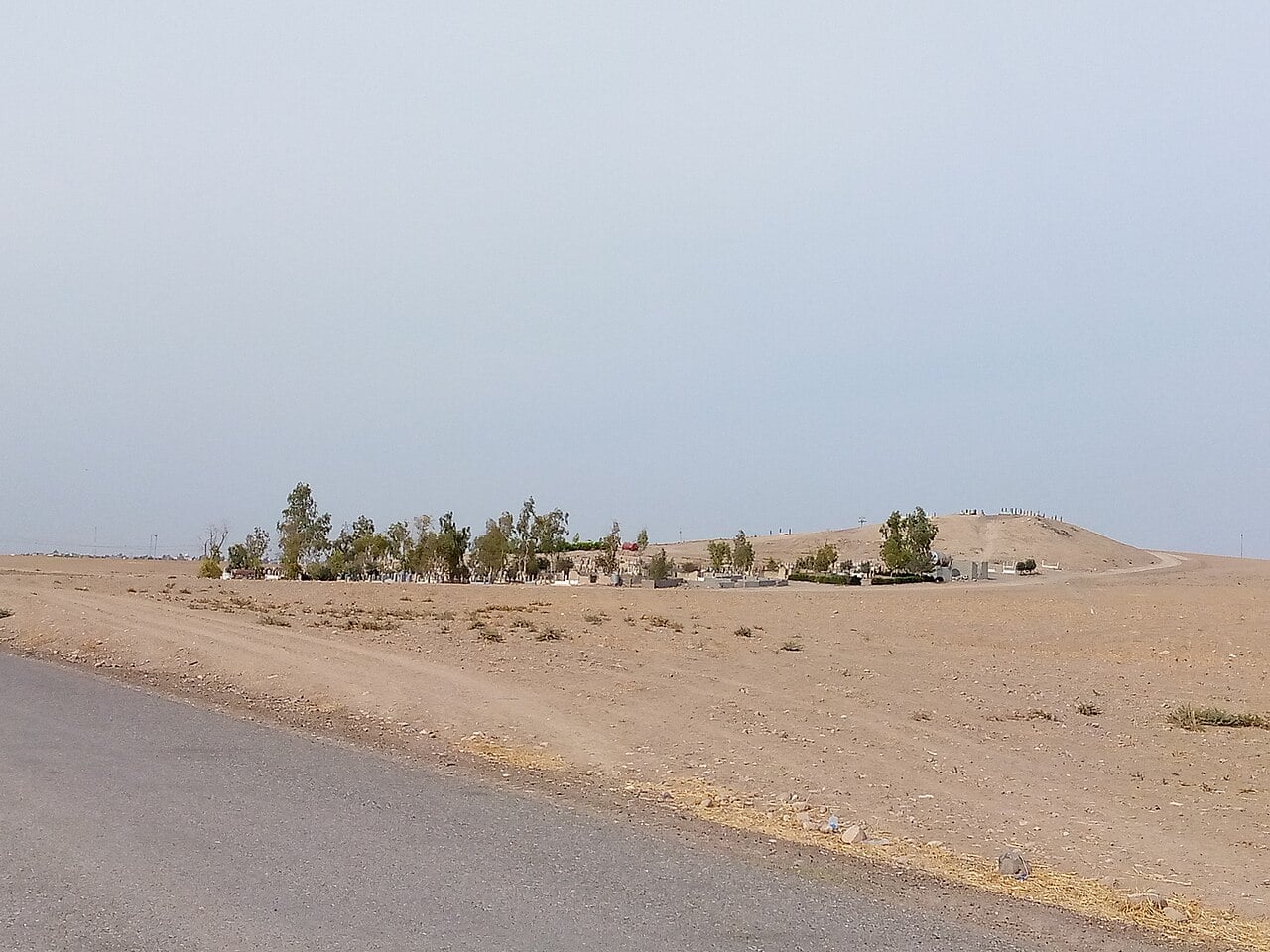
The site, Kurd Qaburstan, lies in the Kurdistan region of northern Iraq and is believed to be the ancient city of Qabra. Tiffany Earley-Spadoni, an associate professor of history at the University of Central Florida, led the excavations over two field seasons in 2024 and 2025 with U.S. National Science Foundation support.
Inside a structure called the Lower Town East Palace, researchers recovered 20 cuneiform tablets and more than 100 administrative sealings, the largest tablet find yet made on the Erbil Plain.
The records include palace administrative texts and a letter tied to a senior official. Several bear dates cluster within the same few days, a pattern consistent with the city’s documented fall. Earley-Spadoni said the tablets offer a detailed look at palace operations and the city’s economy in its final days.
Iraq’s rare palace tablets found alongside ancient mass graves
Within the same destruction layers, researchers found the remains of 17 people. Bioarchaeologist Andrea Zurek-Ost of Michigan State University is studying the individuals.
None had been given a formal burial or left with belongings, and some appear to have died where they lay. One person was found collapsed across a stone basin.
A dig in northern Iraq has yielded rare cuneiform tablets, mass graves and a 4,000-year-old siege record that brings a forgotten ancient city back to life. pic.twitter.com/VGssXIZjt0
— Tom Marvolo Riddle (@tom_riddle2025) June 11, 2026
The site also showed two overlapping destruction events matching historical records of Qabra’s siege and conquest by Assyrian king Shamshi-Adad. Charred debris, fallen walls, and broken pottery point to a prolonged assault, making it the most complete archaeological case of Middle Bronze Age siege warfare identified in northern Mesopotamia.
Earley-Spadoni said the rare tablets, mass graves, and other findings from the Iraq site make clear that northern cities like Qabra were as organized and politically significant as the more familiar southern centers of ancient Mesopotamia.
Survey uncovers fortified walls matching an ancient monument
A magnetic survey of more than 80 hectares uncovered a large fortification wall with towers encircling the site, matching the layout shown on the “Victory Stele of Dadusha,” an ancient monument tied to the siege.
Researchers also found a preserved street with an engineered drainage system and spaces used for food preparation and textile work.
Laboratory analysis is continuing, including DNA and isotopic testing on the 17 individuals to trace their origins and determine whether they were related.

 Login
Login