
Normal view

‘It feels like a mockery’: Justo Betancourt, a former detainee at Alligator Alcatraz who received a congratulations note from Trump

4 June 2026 at 13:48
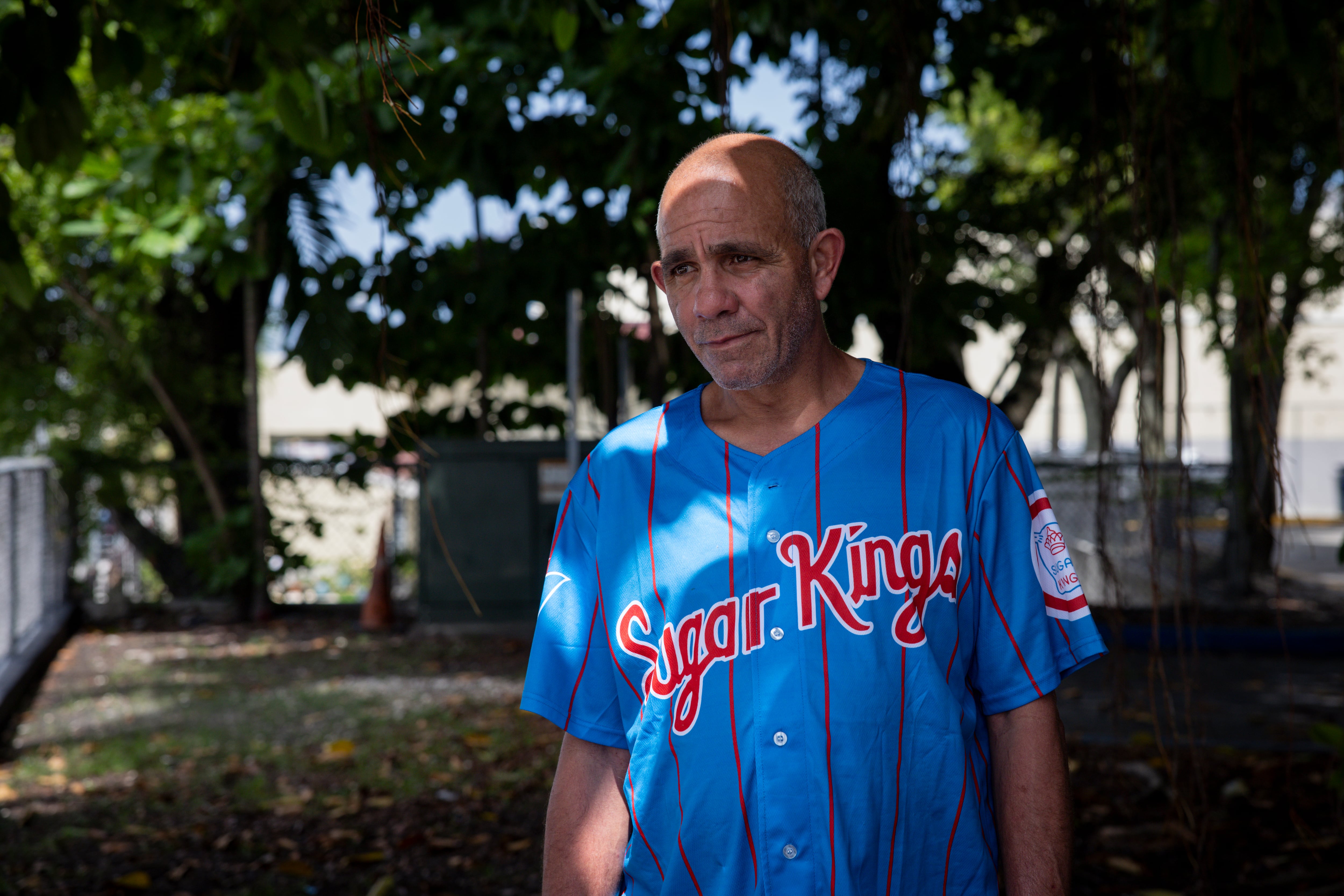
Justo Betancourt, a Cuban migrant who was held at Alligator Alcatraz.

When Justo Betancourt, 55, was released from Alligator Alcatraz on May 14, after nearly six months in detention, he had lost 22 kilograms (48.5 lb) and could barely walk. Two days later he was admitted to hospital, on the verge of a diabetic coma. While in detention, he did not receive the insulin doses he needed, suffered strokes, and during one episode, he fell and lost a tooth. He has been left with neurological after-effects: his right hand trembles, and to climb a step, he lifts his leg from behind the thigh. “Sometimes I have to grab it and push, because it doesn’t respond,” he says on the ground floor of the apartment building where he lives, in Miami’s Little Havana. This week, President Donald Trump dedicated a message to him on Truth Social: “Welcome home to Justo Betancourt, whose Daughter, Arianne, fought very hard to free her father from Alligator Alcatraz. Enjoy your Freedom together!!!”
Seguir leyendo

Justo Betancourt with his daughter Arianne.Justo Betancourt in Miami on June 2.Justo Betancourt with his daughter Arianne and his son Eddy Oney.

Oke Göttlich, the man shaking up German soccer over Trump: ‘We discussed at length our red lines for boycotting the World Cup’

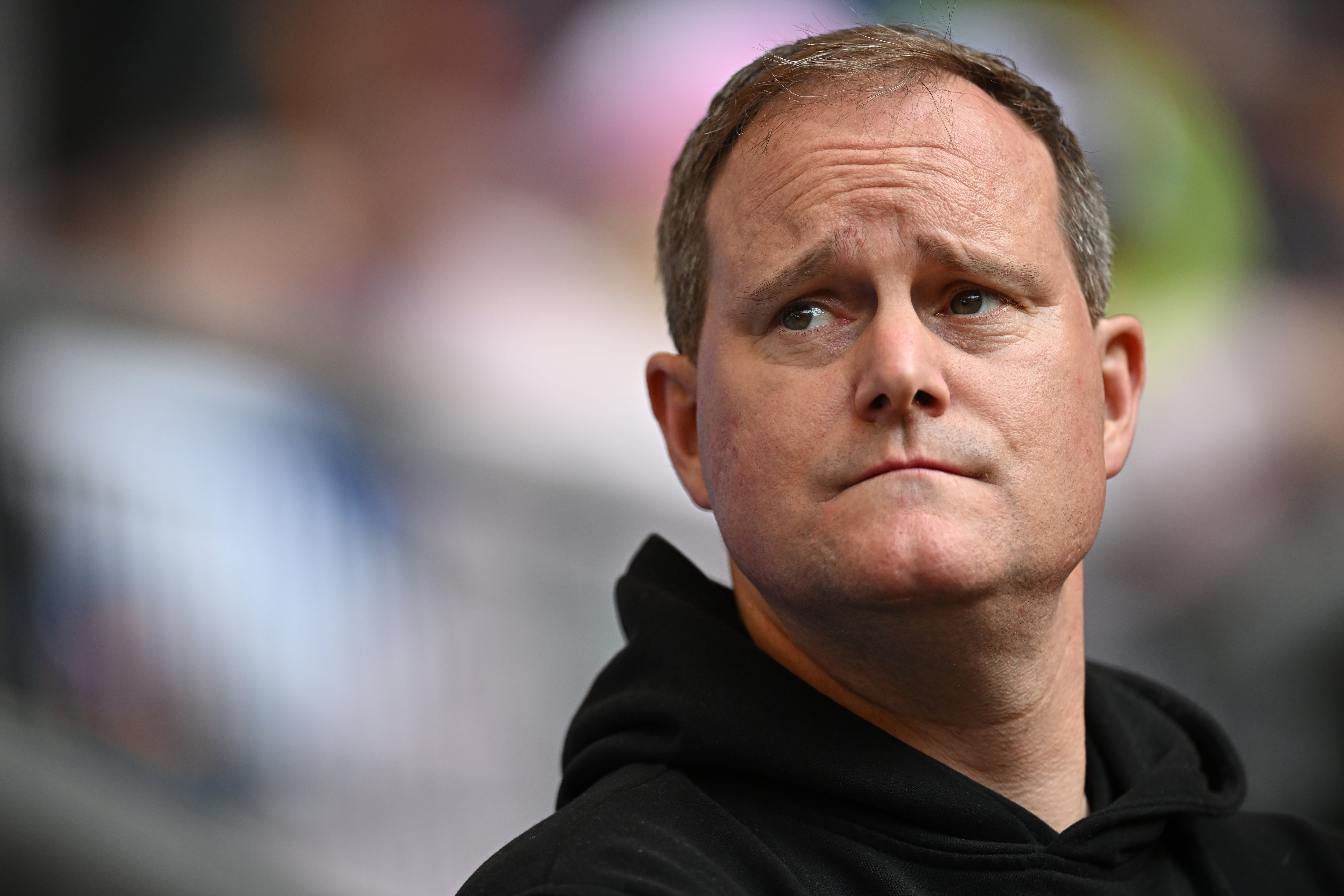
He takes this newspaper’s call on a train bound for Hamburg, home of St. Pauli, continues by car and says goodbye almost an hour later in his office at the headquarters of the modest club, which he has chaired since 2014. Oke Göttlich (Hamburg, Germany; 50) is also one of the 13 vice presidents of the DFB, the German Football Association. And earlier this year, amid threats from Donald Trump’s administration to invade Greenland, Göttlich, a trained journalist, said enough was enough. “What reasons justified the boycotts by certain countries of Olympic Games in the 1980s?” he asked, referring to Moscow 1980 and Los Angeles 1984, in the Hamburger Morgenpost. “In my view, the current threat is greater than back then, so we must have this discussion; a footballer’s life is not worth more than the life of any of the people being directly or indirectly attacked by the host country of the next World Cup.”

Seguir leyendo

© Stuart Franklin (Getty Images)

Oke Göttlich during a Bundesliga match.
❌