Teens who use social media two hours daily at higher risk of depressive symptoms, study finds
Teenagers who spend hours glued to social media are likely to experience poorer mental health and a decline in wellbeing, a decade-long study shows, with young girls most at risk.
The breast cancer 'breakthrough' is a story of overtreatment, not a triumph of testing, says Dr Clare Craig. The truth is, the genetic test failed, but it's being rolled out anyway.
It was one of those conversations that starts casually over coffee and ends somewhere much deeper. Nobody mentioned burglars, snakes or illness. Instead, they talked about artificial intelligence, climate change,
Regulator approval means patients who meet criteria will be able to purchase tablets with private prescription
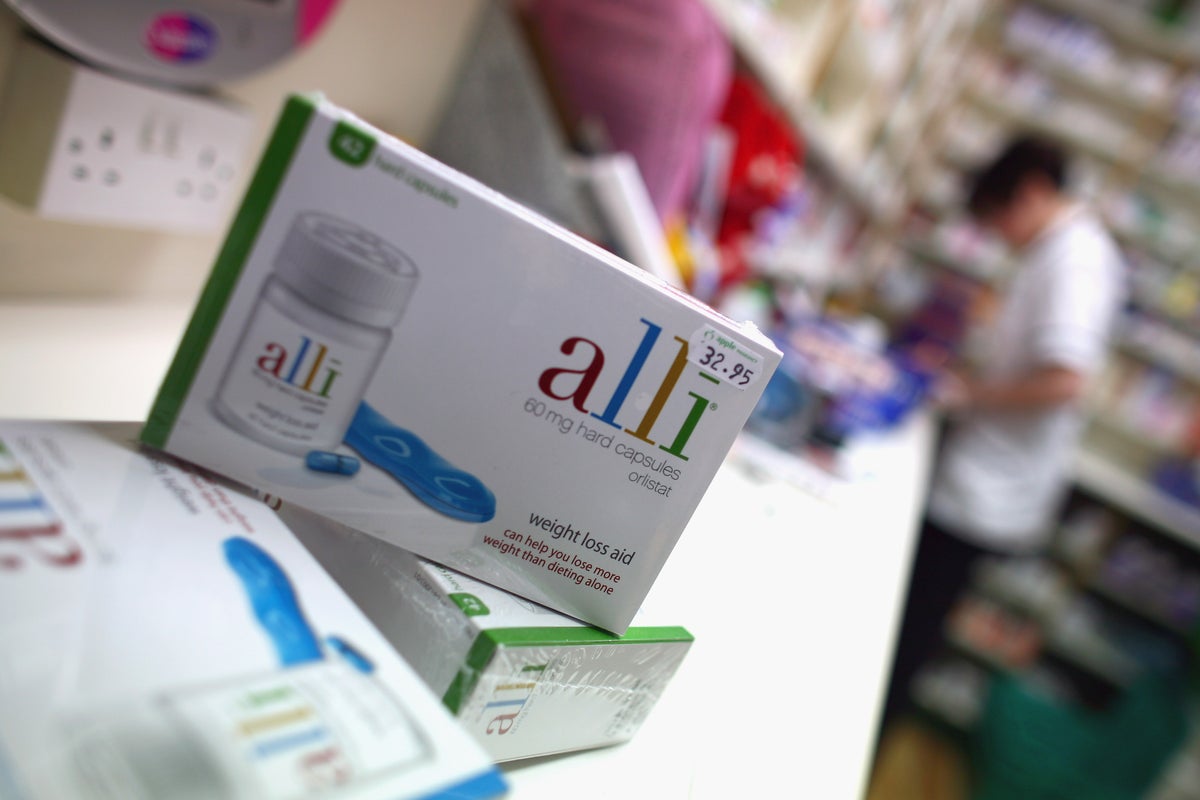
Patients in the UK will soon be able to buy the Wegovy weight-loss pill, the medicines regulator announced on Thursday.
It is the first GLP-1 receptor agonist tablet for weight-loss to be approved by the Medicines and Healthcare products Regulatory Agency (MHRA), making the UK the third country to authorise the pills, behind the US and the United Arab Emirates.
Published for the first time, the data recorded 2,241 daily cases of A&E corridor care, with 699 patients also treated in other inappropriate settings
Almost 3,000 patients a day in England are receiving care in hospital corridors due to an unavailability of beds in A&E units across the country, according to official figures.
Corridor care occurs when a patient receives treatment in a setting that is clinically inappropriate and is deemed to be undignified and unsafe.
London, the east of England and the West Midlands have highest number of cases, as UKHSA urges families to get children vaccinated
Two children in England have died from measles, health officials say, as data shows more than 100 new reported cases in the last fortnight.
The UK Health Security Agency (UKHSA) said on Thursday that two children had died this year, one from “acute measles” and the other from the “late effects of measles”.
Customers have complained that a telehealth network selling compounded GLP-1s has been ripping them off—even after it had to pay $5 million to clients as part of a settlement with the US government.
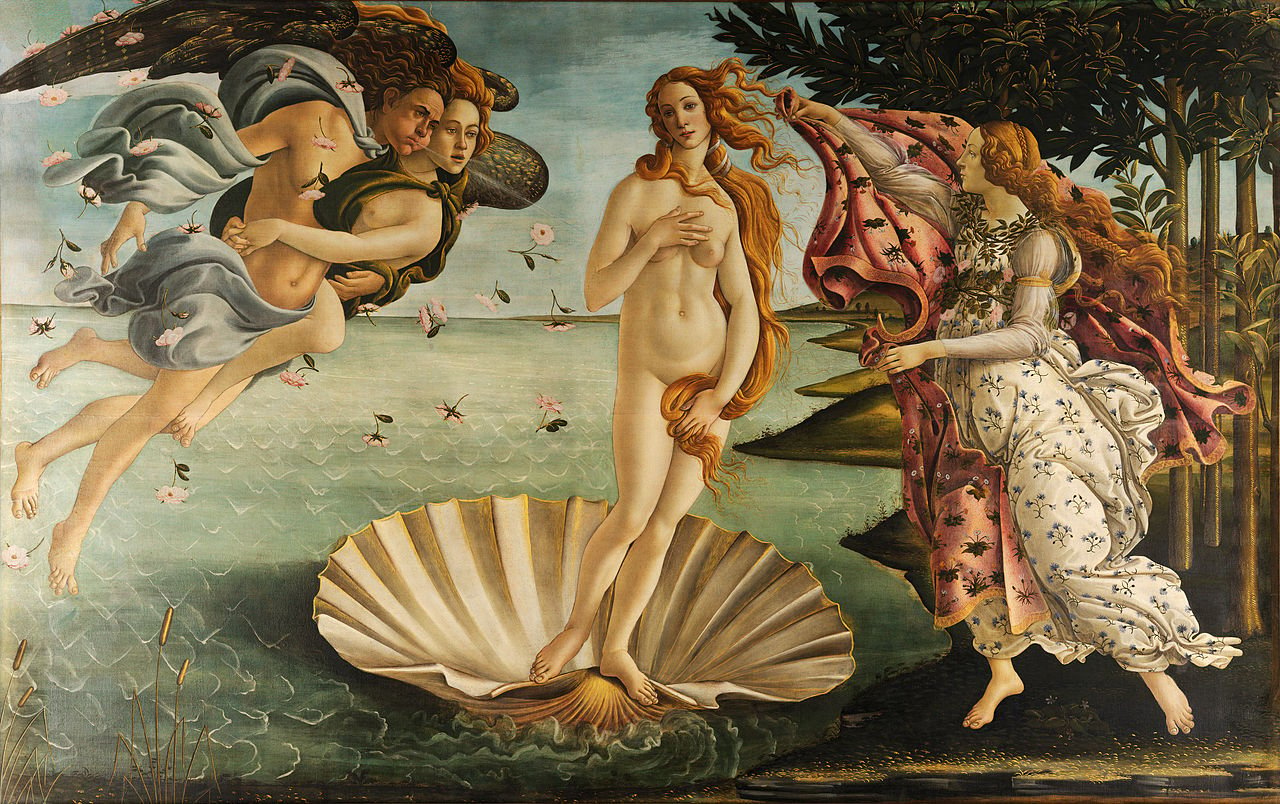
The Birth of Aphrodite-Venus, the goddess of beauty, sensuality and love. Credit: Wikipedia/Public domain
Ancient Greeks were big believers in aphrodisiacs and ancient love potions and used a variety of fruits, herbs, and other foods in their concoctions. The word “aphrodisiac” itself comes from the ancient Greek goddess of love, Aphrodite.
Those looking to harness the power of ancient Greek love potions don’t need to go on a quest to hunt down obscure ingredients. In fact, six of the most common Greek aphrodisiacs that have been used throughout the centuries can still be found today at your local supermarket.
Natural foods considered aphrodisiacs in Ancient Greece
1. Pomegranates
Pomegranate was considered one of the most common natural aphrodisiac foods in Ancient Greece. Credit: Joergens.mi/Wikimedia commons/CC BY-SA 3.0
Pomegranates have long been lauded for their nutritional properties, as they include many nutrients and antioxidants.
Even back in Ancient Greece, the pomegranate fruit was considered nutritious, and it was also believed, in both ancient times and today, that the juice contains aphrodisiac properties.
The link between pomegranates and sexuality may come from the fact that Aphrodite herself is credited with planting the first ever pomegranate tree in Greek mythology.
2. Truffles
Truffle hunting in Greece’s Meteora region. Credit: Meteora Museum
Dating as far back as the 1st century AD, this fungus found its way into the limelight as an aphrodisiac.
It is believed that truffles came into existence as a result of the combined action of water, heat, and the power of the god Zeus himself, as Zeus hurled a thunderbolt to Earth which landed close to an oak tree, producing the truffle.
The ancient Greek physician Galen claimed that the truffle, apart from imparting delicious flavor to any dish, can increase sexual prowess.
3. Figs
Figs and plums. Credit: E. Abadjieva/Wikimedia Commons/CC BY-SA 4.0
Figs belong to the category of the most nutritious fruits while at the same time they have at least nine recognized medicinal qualities. Along with grapes, figs were known to be one of the favorite fruit of Ancient Greeks.
Figs are rich in vitamins A, B1, and B2 and minerals such as calcium, iron, phosphorus, magnesium, sodium, and potassium among others. They are recognized as being good for our health for their many proven medicinal qualities.
The ancient Greeks linked figs to sexuality, possibly because the shape of the fruit resembles the shape of female genitalia.
4. Leeks
Similarly, leeks were probably considered an aphrodisiac in Ancient Greece because of their phallic shape.
In ancient Greece, leeks were eaten raw and whole or cooked. They provide tons of flavor to any meal.
Nowadays, people still believe that leeks are an aphrodisiac, as they are in the same family as onions and garlic, which have similar properties.
5. Garlic
At some point in time, people stopped believing that garlic was toxic and started consuming it to prevent illness and congestion, and of course, just because it is delicious.
In ancient Greece, people ate garlic nearly everyday. People began to believe that the spiciness of raw garlic made it a natural aphrodisiac.
Try making the Greek dish skordalia, and you’ll be sure to eat a considerable amount of garlic. It is a mixture of garlic and purée of potatoes, walnuts, almonds, or milk-soaked stale bread.
6. Legumes
Dried red lentils. Credit: Mytinytank/Wikimedia Commons/CC BY-SA 3.0
Hippocrates, the father of medicine, prescribed legumes, such as lentils, as an essential part of the menu for men hoping to maintain their virility.
Hippocrates advised a variety of legumes to be consumed by the bowlful to those struggling with sexual dysfunction.
Lastly, the Greek philosopher Aristotle was a believer in the notion that lentils with the addition of saffron were essential in maintaining a man’s libido active and in top shape.
Coalition also criticises swift timeline for proposed NDIS changes with Melissa McIntosh saying ‘we cannot forget that there are human lives at the other end’
State and territory disability ministers have rung alarm bells over the Albanese government’s proposed overhaul of the NDIS, warning they can’t deliver “like-for-like services” for more than 200,000 participants expected to be shifted off the scheme by 2031.
The opposition, which strongly supports making the scheme more financially sustainable, has also criticised the swift timeline for proposed changes, with shadow NDIS minister, Melissa McIntosh, saying “we cannot forget that there are human lives at the other end”.

 Login
Login