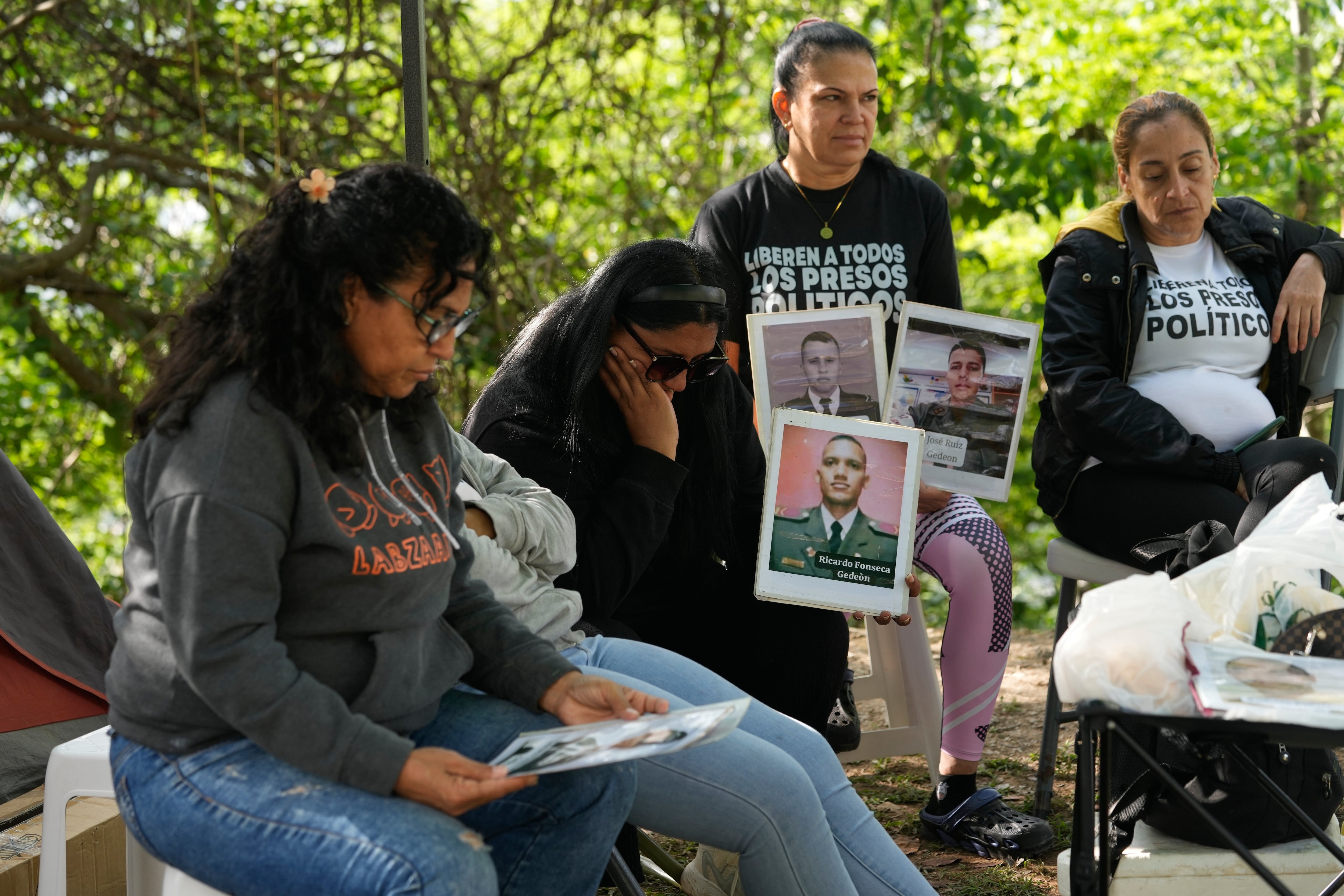
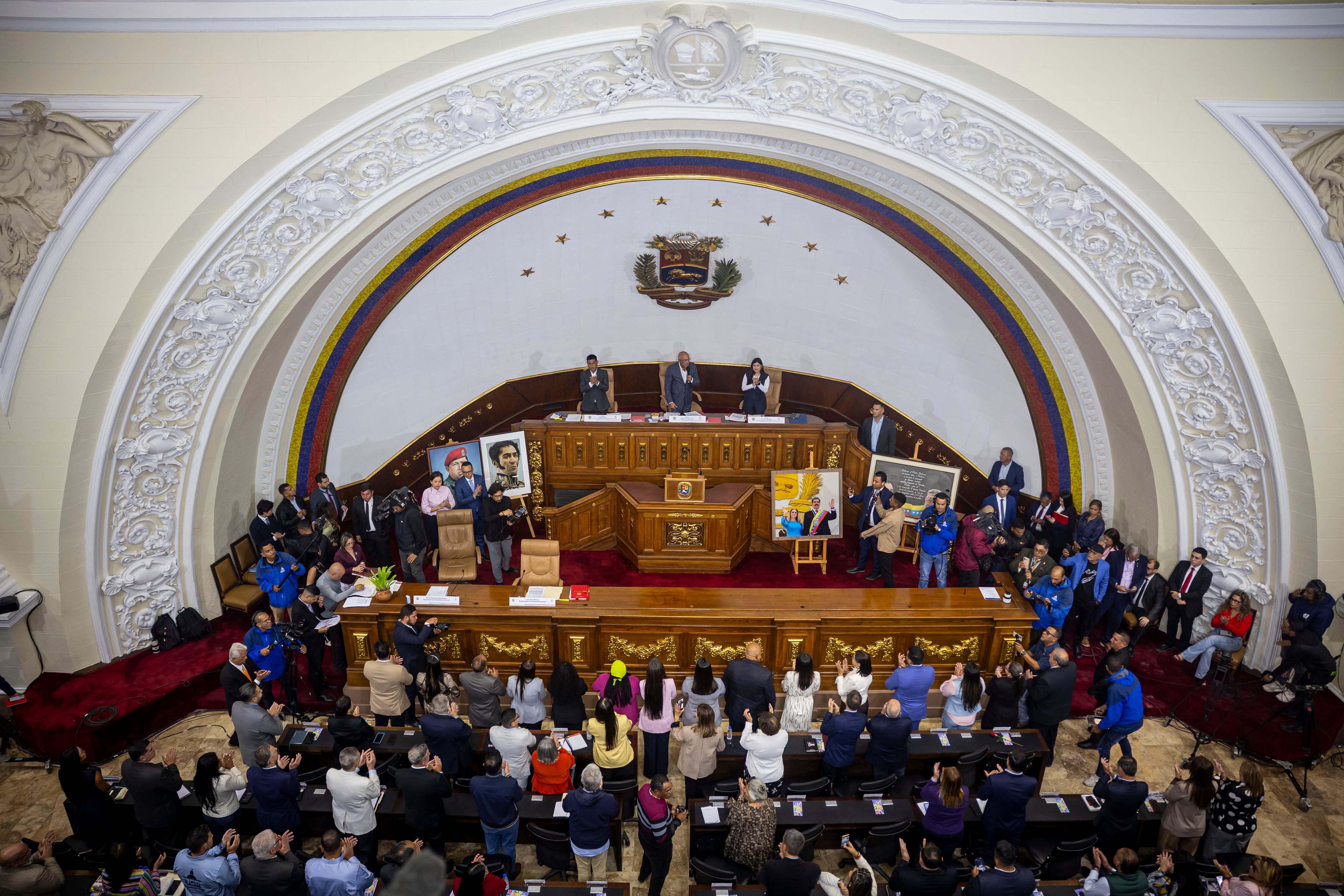
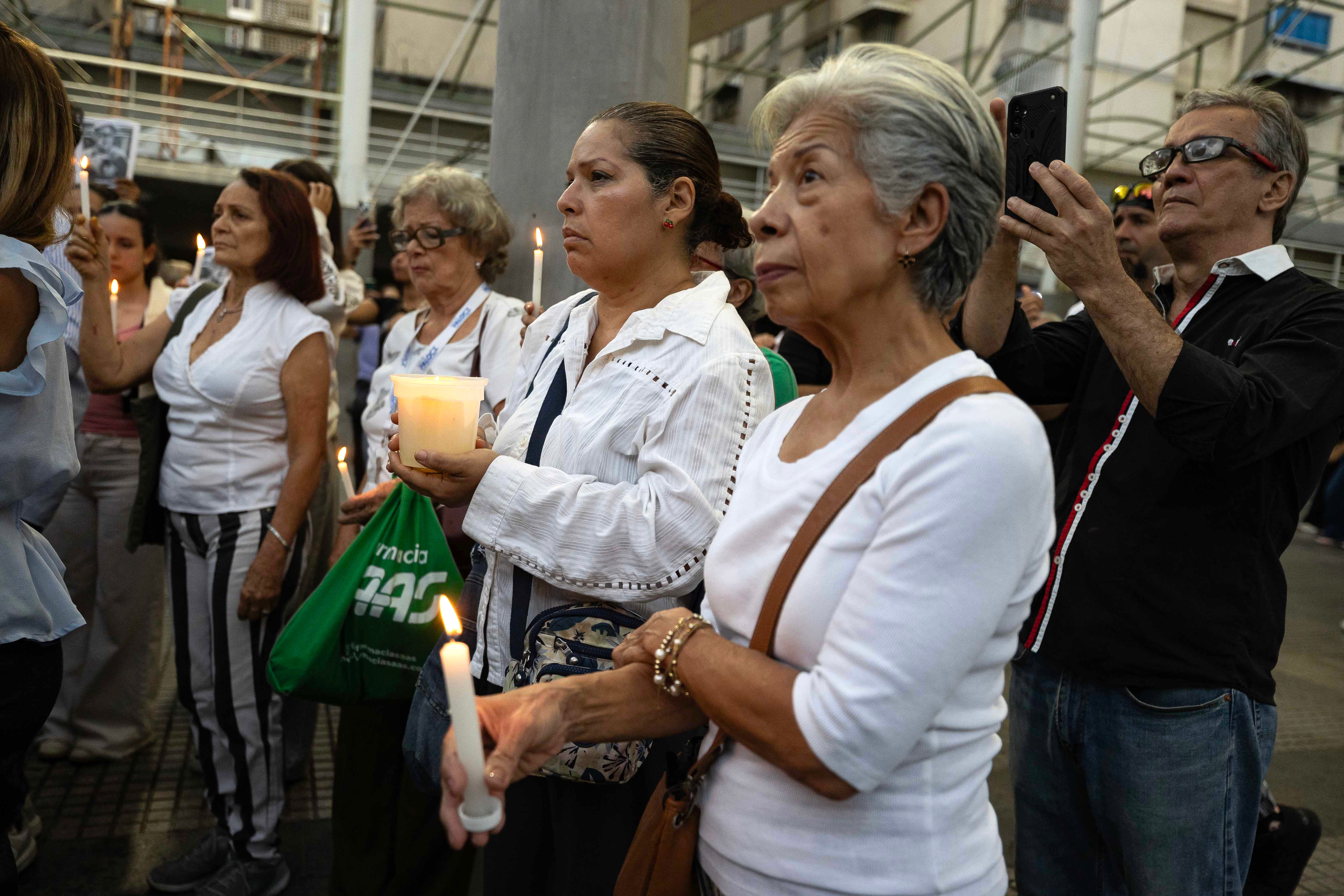
The Venezuelan government on Tuesday authorized the release of another 54 political prisoners, all military personnel, according to information confirmed by relatives of the detainees and support groups such as the Coalition for Human Rights and Democracy. Three of those released are women. According to data provided by Foro Penal official Gonzalo Himiob, most of them were part of the so‑called Operation White Armband, an alleged military conspiracy denounced by Venezuelan intelligence agencies four years ago. They had been held at Ramo Verde prison and the National Institute for Female Rehabilitation (INOF).
Billboards are being painted over and former allies seem eager to forget the man they once glorified
For years, his bewhiskered face stared down from propaganda billboards glorifying the supposedly revolutionary rule of a dictator who styled himself as “the protector of the people”.
The spin-doctored adoration was such that factories churned out plastic action figures exalting Nicolás Maduro as an “indestructible” and “iron-fisted” caped crusader nicknamed “Super Moustache”.
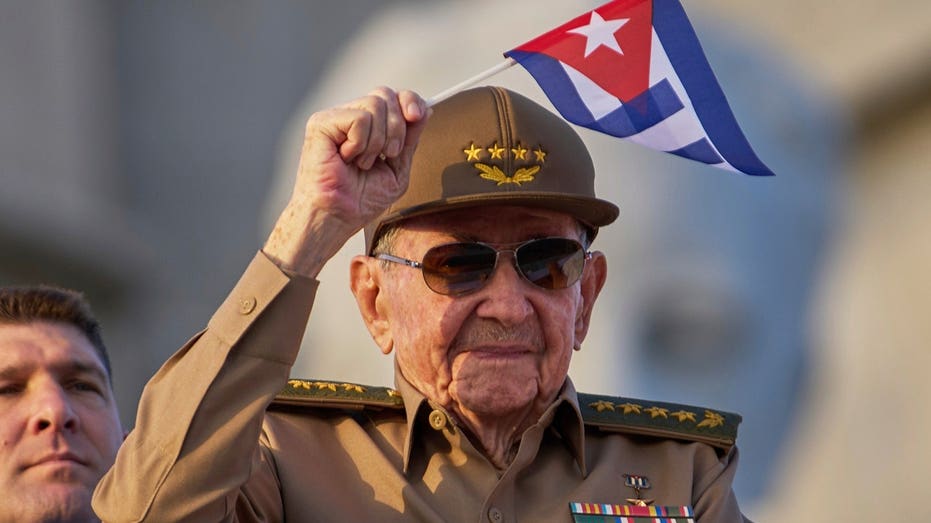
Former Cuban leader Raúl Castro made his first public appearance Friday since the Trump administration charged him with murder over the 1996 shoot-down of planes operated by a Cuban exile group.
Castro appeared on state television during an Interior Ministry celebration in Havana, according to Reuters.
The appearance came weeks after the Department of Justice unsealed an indictment accusing Castro of playing a role in the downing of two aircraft operated by the Miami-based exile organization Brothers to the Rescue nearly 30 years ago.
Castro was charged with conspiracy to kill U.S. nationals, destruction of aircraft and four counts of murder.
Castro, who turned 95 on Wednesday, was last seen publicly during May Day celebrations in Havana, days before the indictment was unsealed.
Prior to his May Day appearance, Castro had remained out of public view for months, appearing only at a public ceremony in Cuba's capital in January honoring 32 Cuban soldiers killed during the U.S. military operation that led to the capture of Venezuelan President Nicolás Maduro.
The indictment centers on a February 1996 incident in which Cuban military aircraft allegedly shot down two unarmed civilian planes operated by Brothers to the Rescue, killing four men: Carlos Costa, Armando Alejandre Jr., Mario de la Peña and Pablo Morales.
Prosecutors allege the aircraft were flying outside Cuban territory when they were destroyed.
The indictment came amid rising tensions in the Caribbean and a series of comments from Trump and his surrogates hinting at possible regime change in the island nation.
President Donald Trump previously praised the indictment, saying Cuban Americans whose families suffered under the communist regime had waited decades for accountability.
"We have big news on Cuba, as you know, with the indictment of Castro," Trump said. "A lot of people have suffered very big, very, very, at levels that few people would understand."
Trump also suggested tensions with Cuba would not escalate following the indictment.
"There won’t be escalation," he said. "We won’t have to."
"At the very least, it means symbolically that he is now set up just as Nicolás Maduro was," Christine Balling, a Cuba expert at the Institute of World Politics and former advisor to U.S. Special Operations Command South, previously told Fox News Digital.
The U.S. indicted Maduro on narco-terrorism charges while tightening sanctions on Venezuela's oil sector, backing opposition efforts to remove him from power and increasing military operations in the Caribbean.
"I don't think that we are necessarily going to conduct the same operation," Balling said. "Raúl Castro is 94 years old. It might not be worth the trouble."
Still, Balling argued that the indictment sent "a very straightforward message that we are 100% behind the fall of the Castro regime."
Fox News Digital's Robert McGreevy, Greg Wehner and Morgan Phillips, along with Fox News' David Spunt, Bill Mears and Jake Gibson contributed to this report. Reuters also contributed to this report.
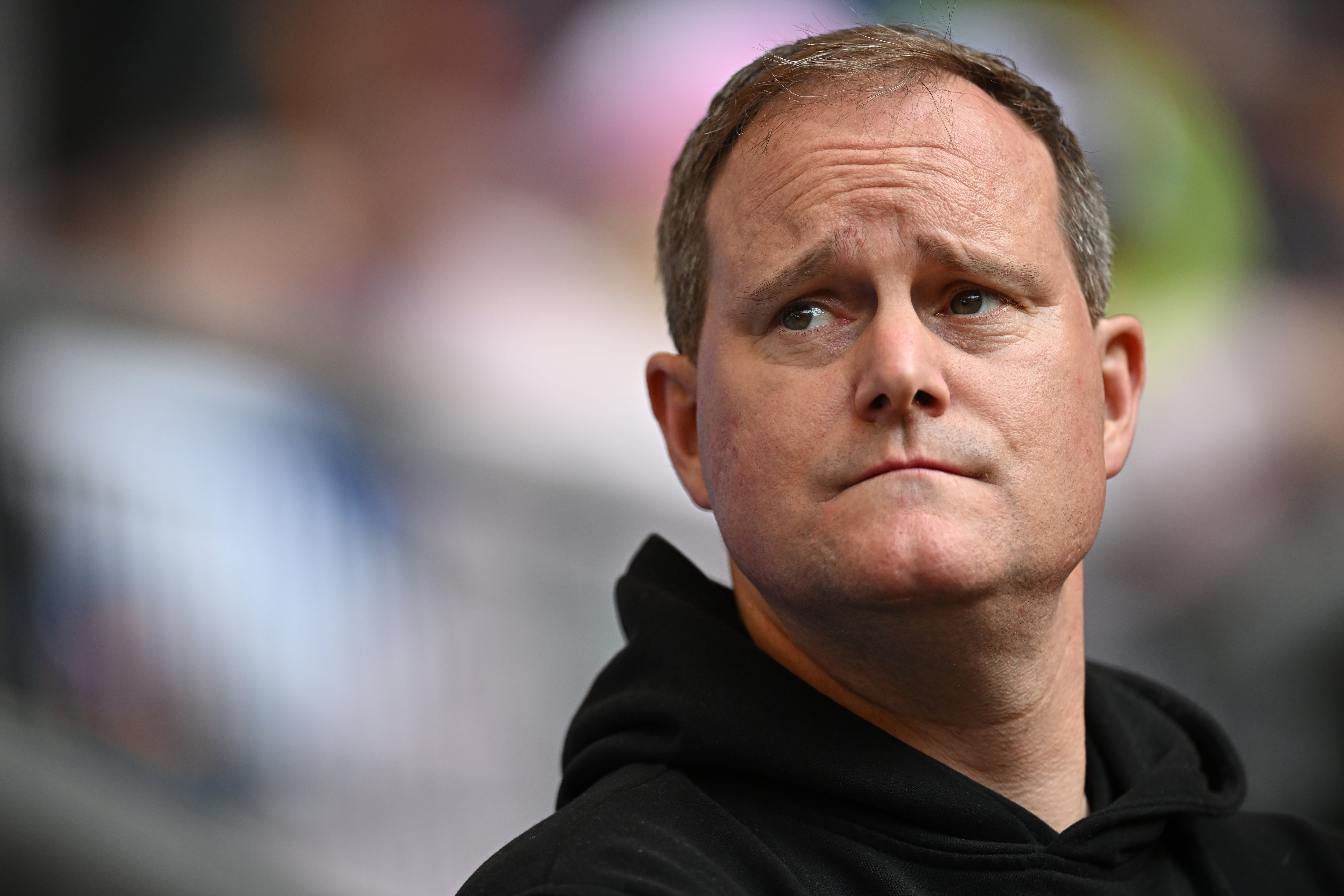
He takes this newspaper’s call on a train bound for Hamburg, home of St. Pauli, continues by car and says goodbye almost an hour later in his office at the headquarters of the modest club, which he has chaired since 2014. Oke Göttlich (Hamburg, Germany; 50) is also one of the 13 vice presidents of the DFB, the German Football Association. And earlier this year, amid threats from Donald Trump’s administration to invade Greenland, Göttlich, a trained journalist, said enough was enough. “What reasons justified the boycotts by certain countries of Olympic Games in the 1980s?” he asked, referring to Moscow 1980 and Los Angeles 1984, in the Hamburger Morgenpost. “In my view, the current threat is greater than back then, so we must have this discussion; a footballer’s life is not worth more than the life of any of the people being directly or indirectly attacked by the host country of the next World Cup.”
The National Assembly of Venezuela, controlled by Chavismo, has taken a step toward ending the state monopoly over the electricity service, which has been in crisis with blackouts and other problems for two decades. A draft reform to the Organic Law of the Electric System and Service was approved in first reading; it is aimed at opening the field to private capital within a framework of long-term concessions.
María Emely Delgado crossed paths with Carmen Navas several times this year: at the offices of the NGO Foro Penal, at the Public Ministry, and once at the El Rodeo prison on the outskirts of Caracas. Delgado is 63 years old, Navas was 82. Both were looking for their sons, who disappeared after being arbitrarily detained. Carmen Navas died 10 days after finding her son Víctor Hugo in a cemetery. She had spent 16 months searching for him. María Emely has still not found Jorgen. “You have to be in these shoes to know what this is like,” says the retired teacher, who has been wearing them for almost two years. “Her son had been missing for less time than mine; with Jorgen I’m now coming up on 22 months without news of him.”

 Login
Login