Normal view

The Breathtaking Ancient Greek Ruins Found in Italy

9 June 2026 at 20:01
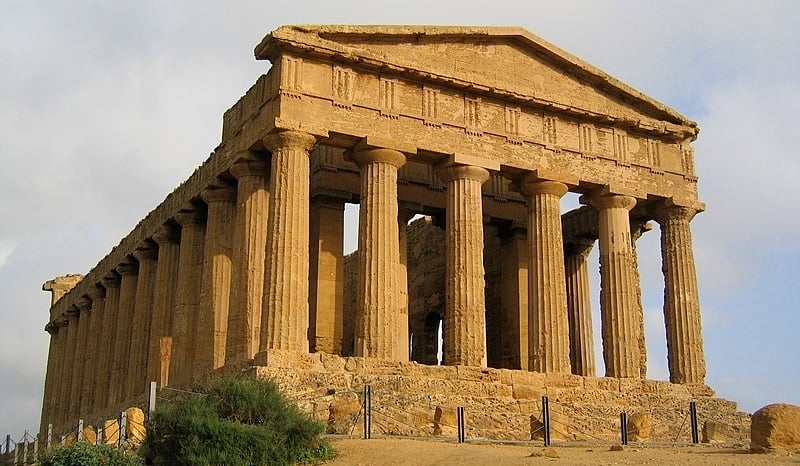
Temple of Concordia
Temple of Concordia – Agrigento, Italy. Credit: Public Domain

When you think about Italy and ruins, your mind’s eye automatically brings up scenes of the Roman Forum and the Colosseum. However, Italy is home to countless ruins which are actually ancient Greek—many of which remain in stellar condition.

The country’s mainland, as well as the island of Sicily, are dotted with Greek ruins—some of which are integrated into modern-day cities and are still even used to host events! Others can be found in isolated locations well off the beaten path.

Ancient Greek Ruins of Italy

As you travel through Italy, as you really should if you call yourself a well-traveled individual, be sure to say “Opa!” as often as you say “Mamma mia!” The following are just some of the truly jaw-dropping ancient Greek ruins which are scattered throughout the Italian countryside.

Paestum

Located in southern Italy along the coast of the Tyrrhenian Sea in what was then called “Greater Greece” or Magna Graecia, this was a major Greek city in ancient times. The ruins date back to 600 to 450 B.C. and are some of the best-preserved Greek temples in the world!

Paestum
Temple of Hera, Paestum (Poseidonia) Italy. Credit: Norbert Nagel/CC BY-SA 3.0

The three famous ancient Greek temples at this site are of the Doric type, and the ancient city walls and amphitheater are mostly intact. The bottom section of walls from many other structures are completely intact.

It is an amazing experience to be able to walk along the ancient stone-paved roads and view the buildings along the roadsides just as the ancients did. The site is open to the public, and there is a modern national museum on-site for you to check out as well.

Another plus is that this archeological site is well off the beaten path and is seldom crowded with visitors!

Locri Epizefiri

Also on the mainland of Italy, in Reggio di Calabria, you will come across the ancient ruins at Locri. The ancient city has been mostly taken over by the encroachment of the nearby towns.

Locri Epizefiri,
Locri Epizefiri, greek theater. Credit: Sandro Baldi/CC-BY-SA-4.0

However, the area is very much worth a visit because the atmosphere quiets as you pass through shady olive groves and meander along the overgrown pathways. It is here where you will inevitably, and literally, stumble across a treasure of ancient ruins.

Greek temples, amphitheaters, and the well-known Sanctuary of Persephone grace the Locri area. The magical experience is truly something you shouldn’t miss out on.

On the island of Sicily, some truly remarkable ruins are yours to explore, starting with the still-used ancient Greek Theater of Taormina!

The Ancient Greek Theater of Taormina

With the beautiful Mediterranean sea lapping at the shores below and the active volcano of Etna looming over the city, Taormina is an upscale destination, featuring cultural events, museums, and priceless antiquities—right in the middle of a bustling city!

The ancient theatre of Taormina ruins
The ancient theatre of Taormina. Credit: Public Domain

Here you will find an ancient Greek amphitheater with exquisite views of both the volcano and the sea. While there, you might even be lucky enough to see a show at the ancient theater. It was originally built in 300’s B.C. and subsequently rebuilt by the Romans in the second century B.C.

Valle dei Templi in Agrigento

In Argrigento, you will be treated to refreshing views of expansive fields and woodlands—as well as one of the most pristine ancient Greek ruins in existence in the Valle dei Templi (the Valley of Temples).

Agrigento, ruins
Agrigento, valle dei templi. Credit: Jesper2cv/CC BY-NC-ND 2.0

Many of the temples and ruins here are not fenced off, so travelers may walk inside and be transported back to the fifth century B.C., when the Greeks first built the ancient city of Akragas. One of the most well-preserved Greek temples in the world, the Temple of Concord, is in this valley.

Segesta Archaeological Site

Segesta is located only 70 kilometers (43 miles) southwest of Palermo. Fortunate travelers here can visit what is perhaps the second most well-preserved temple in the world after those in the Valle dei Templi. Segesta also boasts a beautiful amphitheater, situated atop Mount Barbaro, which is also in pristine condition.

Segesta ruins
The Doric temple of Segesta, Italy Credit: Anna & Michal/CC BY-SA 2.0

The temple dates back to the fifth century B.C. and has typical Doric architecture. Each summer the ancient amphitheater hosts a series of classical Greek dramas performed in Italian. If you’re lucky enough to visit during the summertime, be sure to catch a show.

Ancient Greek Colony in Siracusa

A favorite for all are the ancient ruins at Siracusa (Syracuse), where the ancient Greek colony dates back to the 5th century B.C. This area boasts a Greek theater and the Temple of Apollo, which dates back to the 6th century. Siracusa also has the ruins of the famous Altar of Hieron II—the largest altar from ancient Greece!

Ancient ruins at Siracusa
Ancient ruins at Siracusa Il Turista Informato/CC BY-NC 2.0

Located on the southeastern coast of Sicily and founded by ancient Greeks from Corinth, the city of Siracusa was once one of the most powerful city-states of ancient times. It was once described by the Roman orator Cicero as “the greatest Greek city, and the most beautiful of them all.”

Siracusa is so rich in historical treasures that it is listed as a UNESCO World Heritage Site.

Of course, there are many other Greek ruins that you will come across in your travels through Italy and Sicily, and we have merely scratched the surface in highlighting some of the more popular and well-preserved sites.

Be sure to work a little bit of Greek history into your itinerary on your visit to Italia!
10 Reasons to Visit the Peloponnese This Summer

8 June 2026 at 12:11
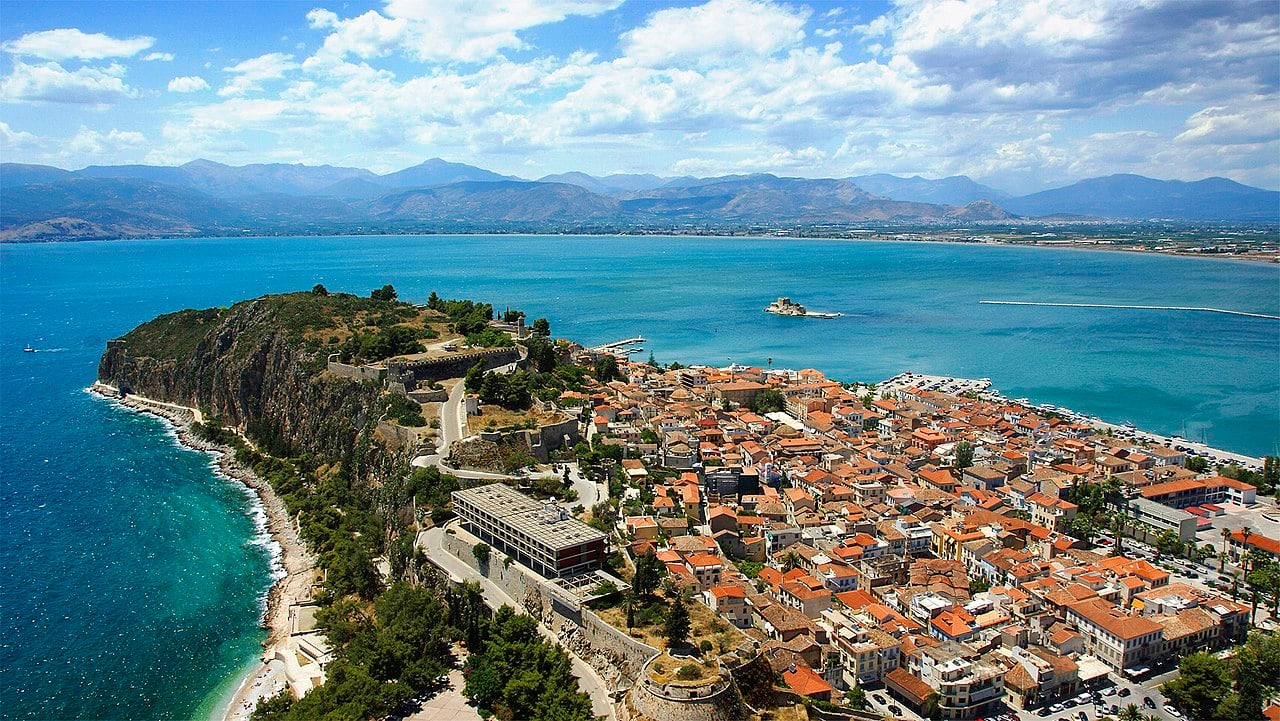
Nafplio at Peloponnese Region
Nafplio at Peloponnese Region, Greece. Credit: Mtale/Wikimedia Commons/ CC BY 2.0

Located at just about a 1-hour drive from Athens, the Peloponnese region offers a plethora of historical sites, culture, and beauty to tourists looking for a spectacular trip in Greece; there are many reasons why this region of Greece is one that you do not want to miss! Let’s take a look at 10 reasons you will have an unforgettable trip in the Peloponnese this summer.

1. Nafplio

Nafplio at Peloponnese Region
Bourtzi Castle, Nafplio. Credit: Wikimedia commons cc by 4.0

The first capital city of modern Greece was Nafplio, and until this day, you will see ruins of the fortress walls up high overlooking the town from the mountain side. This charming and romantic town has small streets that wrap around neoclassical buildings and squares and is the perfect place to visit any time of the year.

2. Epidavros

Greek Theatre of Epidaurus
Ancient Theatre of Epidavros. Credit: Wikimedia Commons, Olecorre

From ancient ruins and an impressive ancient theater to a quaint town with tavernas serving up local treats, Epidavros is a must-see on any trip through the Peloponnese. During summer months, there are weekend shows at the ancient theater that draw in crowds of thousands of spectators. It is simply an amazing experience!

3. Beaches

Zogeria Peloponnese for Summer
– Aerial view of Zogeria Beach on Spetses with Peloponnese in the background, Greece. Crédit: By dronepicr CC BY 2.0

Check out the unspoiled beaches that this region has to offer! There is such diversity in terrains surrounding the sea in this region. The seas are clean and the beaches might have either pebbles or soft sand, and you can jump off of cliffs. There is something for everyone in the Peloponnese!

4. Ilia

Elis Peloponnese
Ilia Theater. Crédit: Kritheus – Own work, CC BY-SA 4.0

This is where the mountain meets sea and provides tourists with the amazing experience of staying in a quaint, beautiful village with sandy beaches and clear blue waters outlined by forests of pine trees reaching down to the sea. There are also some significant archaeological sites you should check out while in Ilia, such as the Temple of Epicurios Apollo.

5. Arcadia

Arcadia Peloponnese
Arcadia. Crédit: Apostolos Papageorgiou CC BY-SA 3.0

You will find Arcadia in the center of the Peloponnese Region. This area is famous for its huge mountains, such as Mainalo and Parnonas, as well as its natural landscapes. It was first settled by the Arcadians who are considered to be one of the oldest people in the Peloponnese and are purported to have been responsible for the establishment of numerous significant cities throughout the region.

6 &7. Olives and Kalamata

Kalamata Peloponnese
The Old City of Kalamata. Crédit: G Da, CC BY-SA 3.0

You can find 65 percent of Greece’s 132 million olive trees in the Peloponnese with the black Kalamata olives being the most well-known variety. So why not stop by Kalamata, enjoy some olives, try great local Greek dishes with fresh olive oil, and enjoy the villages and beaches in this beautiful part of the Peloponnese? You can purchase souvenirs, such as olive oil or sculptures made from olive tree wood that are locally hand-crafted.

8. Wine Tours and Vineyards

Peloponnese
A vineyard in Peloponnese. Credit: Robert Wallace, Flickr

A perfect way to get to know the beautiful Peloponnese region of Greece is to enjoy an amazing wine tour during your visit. Greece is one of the oldest wine-producing regions in the world, having begun cultivating vineyards and producing wine over 6,500 years ago.

9. Achaia

Patras Gulf
Rio, as seen from the Antirrio ferry. Patras, Acaea, Greece.Crédit: LBM1948 – Own work, CC BY-SA 4.0

Home to the port city of Patras, the biggest city in the Peloponnese, Achaia is the place to go for beautiful mountain and seaside landscapes, including some of the most desirable beach destinations in the region along the Corinthian Gulf. Achaia is considered Greece’s “seaside gate” to Western Europe and is one of the most historic sites in the Peloponnese. On the way to Patras from Athens, you will also pass the iconic Rio-Antirrio Bridge.

10. Something for Everyone

Dafnon Valley
Dafnon valley, Leonidio. Crédit: Natalia Mostova – Own work, CC BY-SA 4.0

The Peloponnese Region is known for its variety of activities as well quite diverse landscape. From hiking to wine tours, there really is something for everyone in this region of Greece! Enjoy the breathtaking waters of the gulfs of Corinth, Patras, Saronic, Messinia, Argolida, and Laconia and the Peloponnese’s diverse climate, ranging from the less humid east to the colder climate with snow and rich vegetation in the central and more mountainous parts of the region and the rain and hot weather of the west.

Treasure From the Sea: The Salt Flats of Messolonghi, Greece

5 June 2026 at 10:26
Salt
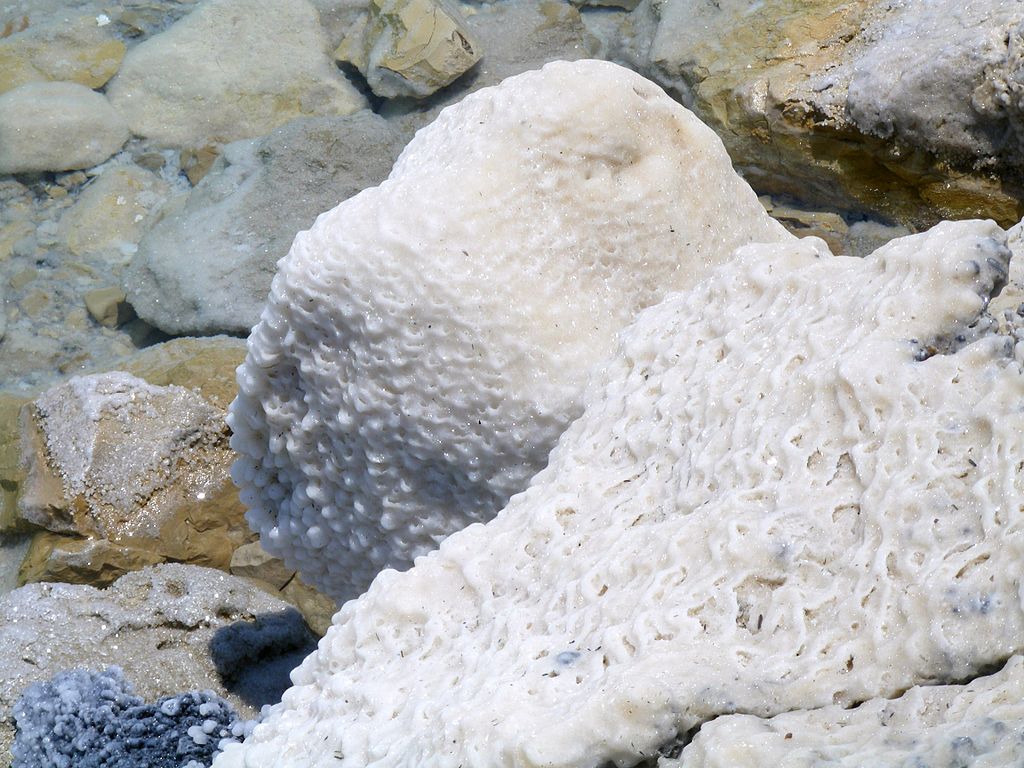
Salt made from seawater is one of the ancient products from Messolonghi. Credit: xta11Own work/CC BY-SA 4.0

Salt has played a crucial role in the history of civilization, enabling food to be preserved over the winters until the modern miracles of refrigeration and preservation. This is no less true in Greece, where the salt used in antiquity likely originated from the salt flats in Messolonghi.

According to ancient sources, salt was even used in the slave trade in antiquity. It is even said that the ancient expression “not worth his salt” came from this practice.

In ancient times, most civilizations also had myths and religious and magic rites involving salt, and Greece was no exception.

With tales of its usage during sacrifices and religious rituals, the history of salt is as exotic as is the amazing Alykes, the salt marsh gardens that extend for miles on end in Messolonghi, Greece.

The unique landscape of the Messolonghi Lagoon, the largest lagoon in the country, is otherworldly, and the region is said to produce 60 percent of the country’s salt. In fact, the Messolonghi–Aetoliko lagoon system is considered to be one of the most important Mediterranean lagoons.

sea salt flats messolonghi greece
Sea salt from the salt flats of Messolonghi, Greece. Credit: Screenshot from Youtube

Along the coastal road from Messolonghi towards Aetoliko are the salt lakes known as Alykes of Messolonghi.

They are especially eye-catching as one can see enormous squared-off fields filled with sea water; once the water evaporates, the sea salt is left behind to be collected.

The salt comes from the Mediterranean Sea, of course, which is one of the saltiest seas in the world.

Most seawater has about 35 grams (7 teaspoons) of salt in every 1,000 grams (about a liter, or quart) of water.

The Mediterranean Sea has very high salinity—38 ppt (parts per trillion), or more in some areas. It is almost closed off from the Atlantic Ocean, and there is three times more evaporation than there is rain or freshwater flowing into it from rivers.

Messolonghi salt flats home to unique ecosystem

Salt flats Messolonghi Greece
The area around the salt flats of Messolonghi is home to unique biodiversity in Greece. Credit: Screenshot from Youtube

The salt flat phenomenon in Messolonghi provides an amazing view along the way to the small town of Aetoliko, with flocks of flamingos basking and feeding in the nutrient-rich marshes and bright, white salt pyramids lining the drive.

The fantastic ecosystem of the region is evident upon arrival in Aetoliko which encompasses the small island that separates the two lagoons.

Famous for hosting rare birds and fish species, the lagoons are breathtaking and are dotted with traditional fishing huts built over the water on piles of wood.

The drive to the Troulida islet is one of the most sought-after trips in the area, as the sun sets and reflects off the still waters of the lagoon.


Unique Watermelon Recipes That Are Perfect for Summer in Greece

2 June 2026 at 12:05
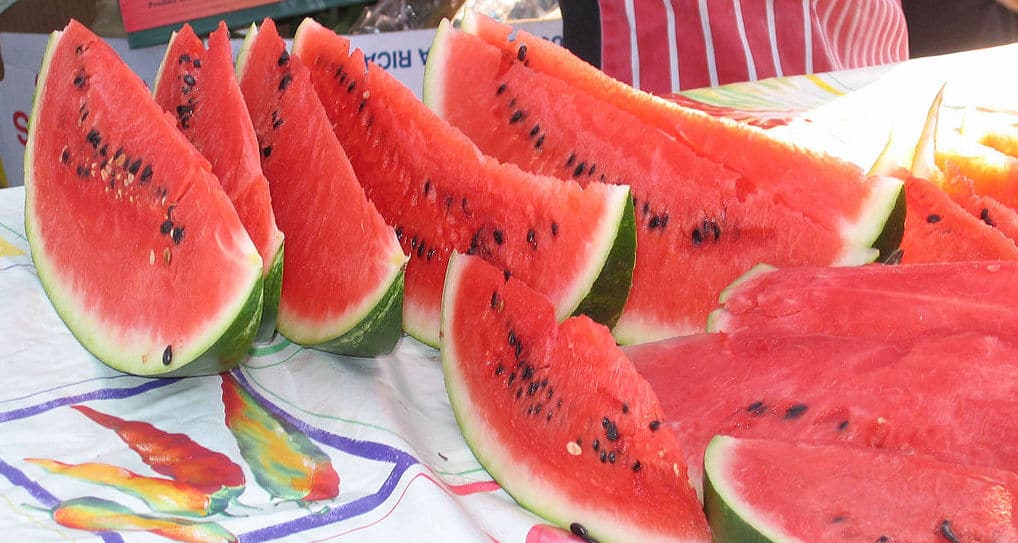
slices of watermelon in Greece
Watermelon slices. Recipes featuring watermelon are perfect for the summer. Credit: Caroline Ford/Wikimedia Commons/CC-BY-SA-3.0

Summer in Greece means that watermelon season is in full swing, and the sweet fruits are in abundance. While they’re delicious on their own, the refreshing fruit is the basis of a number of refreshing watermelon recipes that can transport you right back to Greece.

Watermelon is a quintessential Greek food, as it is served—usually gratis—at the end of a summertime dinner at tavernas all across the country. The sweet but light fruit is usually the only thing one can eat for dessert after a hearty Greek meal.

Considering that Greece now ranks sixth in the entire world market in watermelon exports, you will never run out of the ingredient for your summertime recipes if you’re in the country!

Greek watermelon cake from the island of Milos

This unique watermelon recipe is for karpouzopita, or watermelon cake, which is a traditional sweet from the Greek island of Milos.

Whether you eat your karpouzopita plain or garnished with a dab of Greek-style yogurt or honey, either way, you are sure to enjoy it!

This dessert is fairly low-fat, and can use either white or brown sugar, depending on how sweet you would like it to taste.

Ingredients:
¼ – ½ cup sesame seeds
2 pounds watermelon cut in cubes (about the size of walnuts)
½ cup honey + 2 tablespoons for drizzling
2 tablespoons brown sugar or white (adjust accordingly)
¾ cup flour
¼ teaspoon cinnamon
2 tablespoons olive oil

Directions:

1. Preheat oven to 350 Fahrenheit (180 degrees Celsius).
2. Remove the seeds from the watermelon. Cut in cubes about the size of a walnut. Place in colander and let it strain for about an hour. Squeeze a bit more with your hands to remove additional liquid.
3. Place the watermelon in a large bowl. Add brown sugar (or white), flour, cinnamon, ½ cup honey, and olive oil and mix well with a large spoon while trying not to break the watermelon pieces. The batter will contain some liquid.
4. Grease a cake pan with some olive oil (just to cover) and sprinkle the base with sesame seeds (enough to make a crust-like formation). Pour over the watermelon mixture and spread out evenly. Sprinkle some more sesame seeds and bake in the oven for about an hour.
5. Remove, drizzle the rest of the honey over the cake and let it cool. Serve it at room temperature, or cool it in the fridge and be sure to top it off with some Greek yogurt or honey!

Watermelon mojito—an essential watermelon recipe for hot Greek summers

Spice up your Greek hot summer nights, or if you can’t make it to Greece this summer, at least you can enjoy the vibrant colors and distinct flavors of a Greek summer with this drink.

Ingredients:
1 ½ ounces rum
4 pieces fresh Greek watermelon (or 1 oz. fresh watermelon puree)
1 ounce fresh lime juice
3/4 ounce simple syrup
3/4 ounce sparkling water
6 mint leaves and one mint sprig

Preparation:

1. In a tall mixing glass, mix watermelon and mint leaves with simple syrup. Add rum and lime juice and then fill with ice and shake vigorously.

2. Strain over fresh ice into a Collins glass. Top with sparkling water and swirl gently. Garnish with mint sprig. Enjoy!

Watermelon feta salad

A twist on the traditional horiatiki, or Greek salad, this refreshing watermelon and feta recipe has become quite popular across Greece and Cyprus.

Although the combination of watermelon and feta cheese may seem a bit strange, the sweet and salty elements work perfectly together, creating the ultimate summer dish!

Ingredients:

For the salad:
1kg watermelon, seedless and cut into chunks (35oz.)
250g feta cheese, cut into cubes or crumbled (9 oz.)
a bunch of mint, leaves only, chopped
1 small red onion, finely sliced
1 small cucumber, peeled and diced

For the dressing:
1/4 of a cup extra virgin olive oil
2 tbsp lemon juice
1 tsp brown sugar
salt and pepper to taste

Preparation:

1. Start by removing the rind and seeds from the watermelon, and cut the watermelon into triangular chunks.
2. Cut the feta cheese into small cubes, and place both into a large bowl.
3. Thinly slice the onions and place in the bowl with the rest of the ingredients. Then, add the chopped mint leaves and set aside. Add chopped cucumber to the mix as well.
4. Prepare the dressing in a small bowl; add the olive oil, lemon juice, and brown sugar, and season. Whisk the ingredients to combine, taste, and adjust the seasoning.
5. Pour the dressing over the watermelon feta salad, and toss to coat.
Serve immediately.

❌