Normal view

The Neighboring Cultures of the Ancient Greeks

12 June 2026 at 02:31
Scythian rider
A gold plaque depicting a Scythian on horseback. Credit: Public Domain / Wikimedia Commons

The ancient Greeks, renowned for their cultural and intellectual achievements, interacted with numerous neighboring cultures that influenced and enriched their own civilization. Understanding these lesser-known cultures provides valuable insights into the complex web of interactions that shaped the ancient world, making this topic still relevant today.

As one of the most popularly studied civilizations of antiquity, the ancient Greeks tend to overshadow many of the neighboring cultures they interacted with.

However, the Greeks shared the ancient world with a myriad of other interesting cultures and civilizations, some of which are severely underappreciated in mainstream historical discourse.

In this article, we’ll be skipping over the other “heavyweights” of the ancient world, such as the Romans, Egyptians, Persians, and Phoenicians to focus on some of the lesser-known cultures the Greeks were familiar with to various extents.

What did the ancient Greeks think of neighboring cultures?

The term “barbarian” likely finds its roots in the Sumerian word “barbar,” which meant “foreigner.” In Greek, it served as both a loan word and an onomatopoeic representation, mimicking the unintelligible babbling sounds that the Greeks associated with foreigners speaking their languages.

Originally, “barbaroi” served as a neutral, collective name for all non-Greeks, without inherently negative connotations. However, over time, the term acquired a negative meaning, reflecting the prevailing Greek perception of non-Greeks as uncivilized or inferior.

As noted by the academic Stavros Moutsios,  “This political designation of the barbarians, however, did not entail lack of acknowledgment nor of admiration of their achievements.” Indeed, the ancient Greeks often displayed a great deal of curiosity toward neighboring cultures and civilizations.

A good example of this was the practice of religious syncretism, whereby the Greeks would merge the gods of their pantheon with similar foreign deities. For example, the Graeco-Egyptian god Serapis possessed a combination of the Egyptian deities Osiris and Apis with the Greek deities Hades and Demeter.

Naturally, the perceptions of the Greeks toward other cultures varied a great deal. Often, our modern preconceptions of ancient peoples are shaped by the surviving literary sources written by ancient Greek authors about neighboring peoples who were themselves not literate.

The Scythians

The Scythians were one of the most enigmatic peoples of antiquity, famous for their mastery over horses. To call the Scythians “neighbors” of the ancient Greeks is somewhat of a misnomer since the Scythians were nomads and had no fixed borders, but the Greeks had fairly frequent contact with them through trade and war.

The Scythians were an Eastern Ianic people who inhabited the region north of the Black Sea, in present-day Ukraine, southern Russia, Kazakhstan, and parts of Central Asia, from around the 9th century BC to the 4th century AD.

Our main source on the perceptions of the ancient Greeks regarding the Scythians is the accounts of the historian Herodotus of Halicarnassus and later Greek writers. Incidentally, Herodotus, the”Father of History”, is also our main literary source on the Scythians generally.

According to Herodotus, the arrival of the Scythians led to conflict among the Cimmerians, with the royal tribe wanting to defend their lands and the rest of the population seeking to flee. Another account stated that the Scythians chased the Cimmerians out of their territory, forcing them to migrate south into West Asia.

Scythian
A Scythian depicted on ancient Greek red-figure pottery. Credit: Sailko / CC BY-SA 3.0 / Wikimedia Commons

As time passed, the image of the Scythians in Athens became the quintessential stereotype used for non-Greeks, and they were associated with drunkenness due to Greeks’ caricatural representation of foreigners as unmoderated drinkers.

Later Greek literature transformed the Scythian prince Anacharsis into a legendary figure representing “Barbarian wisdom.” He became one of the Seven Sages of Greece and an ideal “man of nature” or “noble savage” figure. Ephorus of Cyme, a 4th-century BC historian, idealized the Scythians as “invincible” people, creating a fictitious account of a legendary Scythian king named Idanthyrsos who defeated the legendary pharaoh Sesostris and ruled all of Asia. This perception of the Scythians as a powerful and wise people became a tradition in Greek literature.

The Scythians were also included in Greek mythology, with mythical Scythian characters appearing in stories. Herodotus of Heraclea, for instance, portrayed Teutarus, a mythical Scythian, as a herdsman who served Amphitryon and taught archery to Heracles. Additionally, the Titan Prometheus was described as a Scythian king, and his son Deucalion was also linked to the Scythians in Greek myths.

The Thracians

The Thracians were a group of Indo-European-speaking people who inhabited significant portions of Southeast Europe during ancient history. They mainly resided in regions that now correspond to modern-day Bulgaria, Romania, and northern Greece. However, Thracian settlements were not confined solely to Southeast Europe; they also extended to north-western Anatolia (Asia Minor) in what is present-day Turkey.

The Greeks and Romans described Thracian culture as tribal, and they remained largely disunited until the establishment of the Odrysian kingdom. The Odrysian Kingdom was a state union of over 40 Thracian tribes and 22 kingdoms that flourished from the 5th century BC to the 1st century AD. It encompassed mainly present-day Bulgaria, with extensions into parts of Southeastern Romania (Northern Dobruja), Northern Greece, and modern-day European Turkey.

By the fifth century BC, Herodotus referred to the Thracians as the second-most numerous people in the known world after the Indians and potentially the most powerful, had it not been for their lack of unity. The Thracians were generally not known for constructing cities, and Seuthopolis was their sole polis.

Thracians Greek pottery
Orpheus amongst the Thracians. Side A of an Attic red-figure bell-krater, c. 440 BC. Credit: Metropolitan Museum of Art / CC BY 2.5

The Greeks frequently fought with the Thracians but also admired them for their martial prowess and hired them as mercenaries. Both Alexander the Great and his father Philip II fought on the Thracians on various occasions.

The Thracian ruler Kersebleptes was Philip’s most consequential Thracian enemy. Over a series of campaigns from 356 to 340 BC, Philip II succeeded in bringing Kersebleptes under his control as a tributary vassal, and in the process, he conquered a substantial portion of Thrace. Alexander again successfully fought the Thracians – among the other peoples – during the Balkan Campaign of 335 BC.

The Phrygians

The Phrygians were an ancient Indo-European-speaking people who resided in central-western Anatolia. Ancient Greek authors used “Phrygian” as a broad term to refer to a diverse ethnocultural grouping situated mainly in the central regions of Anatolia, rather than denoting a single “tribe” or “people.”

The ethnolinguistic homogeneity of the Phrygians is subject to debate. According to Herodotus, the Phrygians were originally dwelling in the southern Balkans under the name of Bryges (Briges), but they later changed their name to Phryges after migrating to Anatolia through the Hellespont.

While numerous historians purport the theory of a Phrygian migration from Europe to Asia Minor around 1200 BC, Anatolian archaeologists have largely dismissed this notion. Instead, it has been proposed that the Phrygian migration to Asia Minor, which Greek sources indicate took place shortly after the Trojan War, actually occurred much earlier and in multiple stages.

Phrygian soldiers
Phrygian soldiers depicted on a reconstruction of a Phrygian building in Turkey. Credit: Carole Raddato / CC BY-SA 2.0 / Wikimedia Commons

The Greeks and Phrygians had significant cultural connections, particularly in the realm of music. The earliest traditions of ancient Greek music were partly influenced by Phrygian music, which was transmitted through the Greek colonies in Anatolia. The Phrygian mode, known as the warlike mode in ancient Greek music, was one of the musical elements borrowed from the Phrygians.

The Phrygian king, Midas, renowned for his “golden touch,” was said to have been tutored in music by the legendary Orpheus himself, according to mythological accounts. Moreover, the aulos, a reed instrument with two pipes, was another musical invention attributed to Phrygia and subsequently embraced by the Greeks.

In classical Greek iconography, Paris, a Trojan prince famous for abducting Helen in the Iliad, is depicted as non-Greek by wearing a Phrygian cap. This distinct headgear was also worn by Mithras and has persisted in modern imagery as the “Liberty cap” of the American and French revolutionaries, symbolizing freedom and rebellion. More amusingly, the Smurfs also wear the Phrygian cap.

The Importance of Cultural Exchange in the Ancient World

In the context of increasing globalization, examining how ancient cultures, like the Greeks and their neighbors, interacted and exchanged ideas is crucial. These exchanges facilitated the spread of technology, religious practices, and art forms, which had a profound impact on the development of Western civilization.

  1. Technological Exchange: The Greeks adopted various technologies from their neighbors, such as the alphabet from the Phoenicians, which became the basis for the Greek writing system. This exchange was pivotal in the development of Greek literature and philosophy.
  2. Religious Syncretism: Religious practices were often blended, as seen in the fusion of Greek and Egyptian deities into figures like Serapis, symbolizing a blending of beliefs that enriched both cultures.
  3. Artistic Influences: Greek art, especially in pottery and sculpture, shows influences from Thracian, Scythian, and Phrygian styles, highlighting how these cultures contributed to what we now consider classical Greek art.

Wages and Work in Ancient Greece: How Ordinary People Made a Living

7 June 2026 at 15:01
ancient Greek coins
Work and wages in ancient Greece are often overlooked topics. Credit: Dosseman / CC BY-SA 4.0 / Wikimedia Commons

Ancient Greece is the subject of immense scholarly and popular attention. Unsurprisingly, The focus tends to be on the grandest moments of ancient Greek history such as pivotal battles or discoveries made by famous philosophers and scientists. Much less attention is paid to the wages and work of the common man in ancient Greece. The average farmer working the land in rural Greece is studied far less than famous figures like Alexander the Great or Pericles, for example.

Nevertheless, ordinary people would have been the backbone of any polis (city). These were the people who harvested the crops, sailed the seas in search of trade, and erected beautiful buildings like the Acropolis that are still admired today.

Agriculture: the backbone of the ancient Greek economy

Attitudes to work and wages differed significantly in ancient Greece to the present period and would have been linked to an individual’s status as either a free citizen, foreigner, or slave.

During the Classical period (510 BC – 323 BC) – and indeed throughout Greek history – most people would have worked in agriculture. Private individuals cultivated crops and raised livestock on their own land in ancient Greece. Land ownership by non-residents was restricted, leading to smallholdings as the common practice. Inherited equal shares of parental land by male children also prevented land consolidation.

In Athens, farm sizes ranged from five hectares (poorer citizens) to twenty hectares (aristocracy), while in Sparta, they averaged from eighteen hectares to forty-four hectares. For landowners, the amount of money they earned from their farms would have depended on the yield generated by their crops and livestock.

The poorest citizens lacked land and might have worked for pay on others’ land or leased land for cultivation, especially if they lacked other beneficial skills like craftsmanship.

In Athens, free citizens who worked on the land but did not earn any themselves would likely have belonged to the thetes class. Thetes were classified as those employed for wages or those whose annual income was less than two-hundred medimnoi. The medimnos was an ancient Greek unit of volume, usually used to measure grain, so lower-class workers may have been paid with food rather than money.

Other types of work and wages in ancient Greece

Various roles existed across what would today be considered the manufacturing, service, retail, and trade sectors. Attitudes to these occupations outside of the agricultural sector would have varied, but generally, the farmer was idealized in ancient Greece.

Earning wages was looked down upon since it was seen as limiting personal freedom and akin to enslavement. Consequently, free men working alongside free non-citizens and slaves on Acropolis construction projects earned equivalent wages. Despite this, wages seem to have been sufficient for sustaining a livelihood. In Athens, skilled laborers typically earned one drachma per day around the late fifth century and two and a half drachmai in 377 BC.

The existence of metics, foreign-born free non-citizens who settled in city-states, helped compensate for the scarcity of willing or necessary free citizens turning to business or wage labor.  In Athens, which boasted an estimated twenty-five thousand metics at its zenith, these individuals were prohibited from land ownership and tended to engage in occupations looked down upon by the free citizens.

Despite challenges, economic prospects in Athens and other bustling port cities, where metics thrived, must have been promising. Their allure was strong, even though they faced a special poll tax and military service, unable to own land, engage in politics, or represent themselves legally—relying on citizen representatives.

Prominent and wealthy metics did manage to thrive in Athens. The names of some of these successful metics are still known today. For example, the bankers Pasion and Phormion, and Cephalus, a shield-maker and father of the orator Lysias.

Soldiers and sailors

Again, the pay for ancient Greek soldiers would have varied over time and geographical space. Seniority within the military would have also impacted pay and mercenaries would have negotiated contracts with their employers. Nevertheless, some figures are available that provide a rough idea of what the average soldier or sailor could expect to earn.

During the fifth century, a Greek soldier on a campaign was allotted one choinix of wheat daily. In Athens, by the late fifth century, wheat cost three drachmai per medimnos. As a medimnos contains forty-eight choinices, this meant one drachma could provide sustenance for an individual for sixteen days or a family of four for four days.

Meanwhile, pay for rowers in the Athenian navy was one drachma a day in the early fifth century. It had previously been lower at just two obloi but was increased during wartime.

The Glittering Gold of Mycenaean Greece

7 June 2026 at 00:31
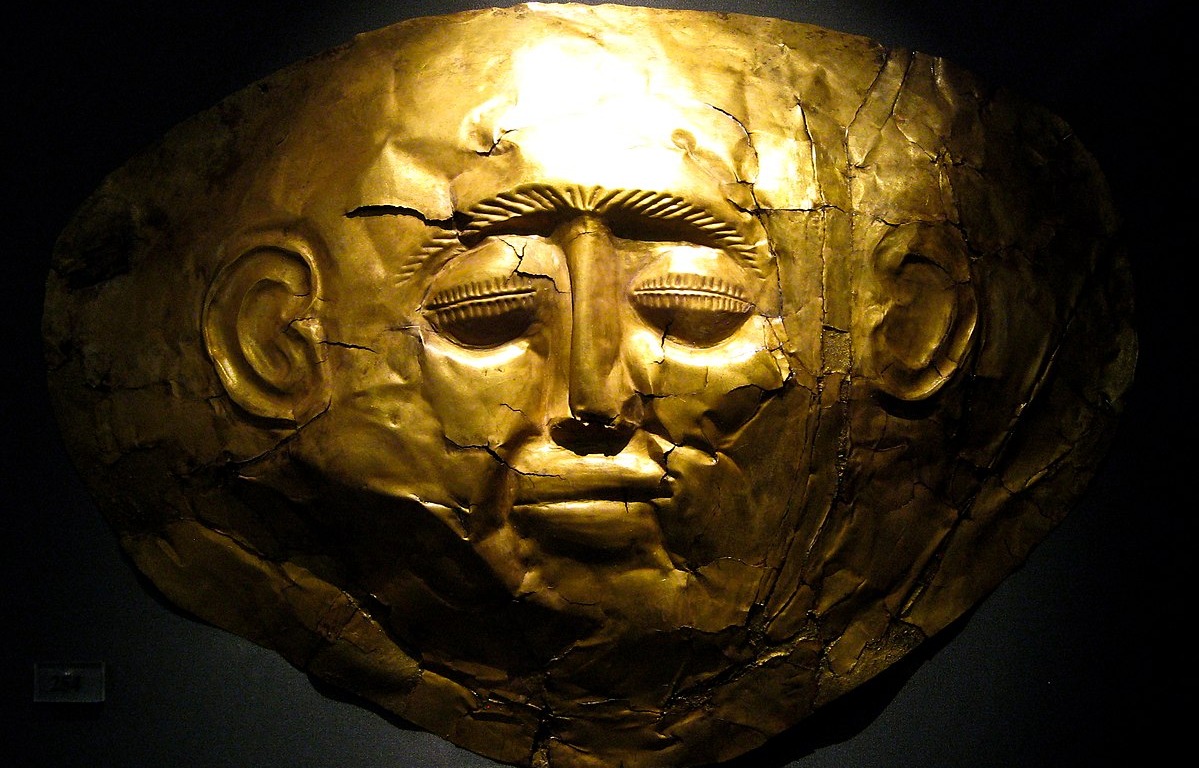
Mycenaean Greece gold
A gold Mycenaean death mask found in Greece. Credit: Sharon Mollerus / Wikimedia Commons / CC BY 2.0

Since the 19th century, several precious gold objects associated with the Mycenaean civilization have been discovered by archaeologists, predominantly at important burial sites where the royals and elite of Bronze Age Greece were buried.

The Mycenaeans were the first distinctly Greek culture to dominate mainland Greece during the late Bronze Age period between c. 1750 and 1050 BC. Their civilization was characterized by palatial states, advanced urban organization, and a written language dubbed Linear B by modern historians. It was during the Mycenaen age that the Trojan War purportedly happened, as retold in Homer’s Iliad.

The discovery of Mycenaean gold sheds light on the material culture of this enigmatic civilization but there are still many unanswered questions. For example, researchers are unsure whether the Mycenaeans crafted all of these items themselves, or whether they were obtained in trade and war.

Mycenaean Greece gold
Mycenaean gold ornaments. Credit: Gary Todd / CC0 / Wikimedia Commons

The Grave Circles at Mycenae

The most famous examples of Mycenaean gold were discovered in two grave circles uncovered at the ancient Bronze Age site of Mycenae. Grave Circle A was discovered by Heinrich Schliemann in 1876 based on the descriptions of Homer and Pausanias. Grave Circle B was excavated in 1952 by archaeologists Ioannis Papadimitriou and Georgios Mylonas after workmen accidentally stumbled on the tombs a year before.

Both grave circles, dating back to the 16th century BC, contained impressive amounts of gold objects and other precious items. Unlike other Bronze Age tombs, they had not been discovered by the grave robbers and looted.

Grave Circle A contained 15 kg (33 lbs) of gold alone, making it one of the most substantial archaeological finds in all of Europe. Both grave circles contained hundreds of previous objects including jewelry, ornamental clothing attachments, decorated weapons, and highly distinctive funeral masks.

Grave Circle A
The Grave Circle An archaeological site at Mycenae. Credit: Andreas Trepte / CC BY-Sa 2.5 / Wikimedia Commons

The Death Mask of Agamemnon

The most iconic find is the so-called Death Mask of Agamemnon. Schleimann named the mask after the legendary Mycenaean King Agamemnon who led the Achaean Greeks in the Trojan War according to Homer’s Iliad. However, more recent research has indicated that the mask predates the time that Agamemnon was supposed to have lived by about three centuries.

The Mask of Agamemnon was crafted utilizing a single large gold sheet that underwent heating and hammering against a wooden surface. The intricate details were then added through the process of chasing, using a sharp tool to etch them onto the mask.

There were six other death masks discovered in Grave Circle A. Of the seven masks, six belonged to adult males and one to a child. None of the women discovered at the gravesite were buried with ornate masks.

The masks in Grave Circle A exhibit similar characteristics, featuring flat foil-like layers of gold depicting round, bald faces with round eyes and prominent ears. In contrast, Grave Circle B includes a death mask made of electrum, placed in a container next to a buried body instead of being placed on the deceased. The scarcity of death masks in Grave Circle B suggests that the interred individuals held lower wealth or status compared to the abundance of valuable material found in Grave Circle A, including the death masks.

Mycenaean Greece gold
Mycenaean death masks. The one on the right is the so-called “Mask of Agamemnon”. Credit: Zde / CC BY-SA 3.0 / Xuan Che / CC BY 2.0 / Wikimedia Commons

The Royal Tombs at Pylos

The burials at Mycenae might have provided the most famous examples of Mycenaean gold, but they are not the only Bronze Age tombs where exquisite items have been found.

In 2019, a team of archaeologists discovered Bronze Age royal tombs situated near the royal palace of Pylos, said to have once been the seat of power for Nestor, the eldest among the Greek rulers who fought in Trojan War.

The larger tomb, which was once 12m (36 feet) wide and 4.5 meters (15 feet) deep, had stone walls that once stood as tall as the ground’s height. The underground chambers were originally covered by domes, but over time, the roofs and upper walls collapsed. Consequently, the tombs became buried beneath numerous melon-sized stones and a tangled mass of grape vines. In their excavation efforts, archaeologists from the University of Cincinnati, including Jack Davis, Sharon Stocker, and their colleagues, had to painstakingly clear away vegetation and manually remove the stones.

Mycenaean sword
Mycenaean bronze sword with a gold hilt and featuring a lion motif, from Grave Circle B, Mycenae. Credit: Gary Todd / CC0 / Wikimedia Commons

What they discovered, however, was extraordinary. Among the debris, the floors of the burial pits were adorned with shimmering flakes of gold leaf, which had once embellished the walls and floors of the chambers. The tombs, although lacking the remains of their occupants – suggesting a potential disturbance in the distant past – were nonetheless filled with opulent artifacts such as jewelry, gold, bronze, and gemstones.

A particularly interesting find was a gold pendant bearing the image of the Egyptian goddess Hathor who presided over motherhood and the protection of the dead. The Greeks during later periods drew parallels between Hathor and Aphrodite but it is not entirely clear what she meant to the Mycenaean Greeks during the Bronze Age. In any case, the artifact hints at trade links between the Mycenaeans and Egyptians at the time of the burials, which are believed to be about 3,500 years old.

Mycenaean Greece gold
A gold elliptical diadem. Credit: I, Sailko / CC BY-SA 3.0 / Wikimedia Commons

Gold Mining in Mycenaean Greece

As pointed out in an academic paper authored by  M. Vavelidis and S. Andreou, “Numerous objects of gold displaying an impressive variety of types and manufacturing techniques are known from the Late Bronze Age (LBA) contexts of Mycenaean Greece, but very little is known about the origin and processing of gold during the second millennium BC.”

This raises several questions, namely: where did the Mycenaeans source their gold from? Interestingly, the wider Argolid region in which Mycenae was itself located and where the discoveries were made of numerous stunning golden items, is bereft of gold. If the Bronze Age Greeks did their own mining it was therefore elsewhere in Greece.

According to Vavelidis and Andreou, “Ancient literature and recent research indicate that northern Greece is probably the richest gold-bearing region in Greece, and yet very little evidence exists regarding the exploitation of its deposits and the production as well as use of gold in the area during prehistory.”

Mycenaean earring
16th century BC Mycenaean earring. Credit: Louvre Museum / Public Domain / Wikimedia Commons

Nevertheless, by examining the chemical composition of prehistoric artifacts from two settlements alongside the composition of gold deposits in their nearby regions, it becomes evident that gold was locally sourced in some parts of Greece. This finding also raises the possibility that a portion of the Mycenaean gold may have originated from northern Greece.

Furthermore, the discovery of small stone crucibles, one of which bore visible traces of gold melting, at the archaeological site of Toumba in Thessaloniki, proves that local production of gold items took place very early in ancient Greek history.

Beyond mining, the Mycenaeans may also have obtained gold via trade and war. In some cases, Mycenaean traders may have bought gold for Greek craftsmen to shape into various objects, and in other cases, they would have imported finished items.

The Mycenaeans were well-respected as warriors across the Eastern Mediterranean and sometimes fought in the armies of neighboring civilizations like the Egyptians as mercenaries. The leaders of these Mycenaean mercenary bands may have received gold as payments or gifts in exchange for their martial services.

Alexander the Great’s Encounters With Sea Monsters

6 June 2026 at 09:04
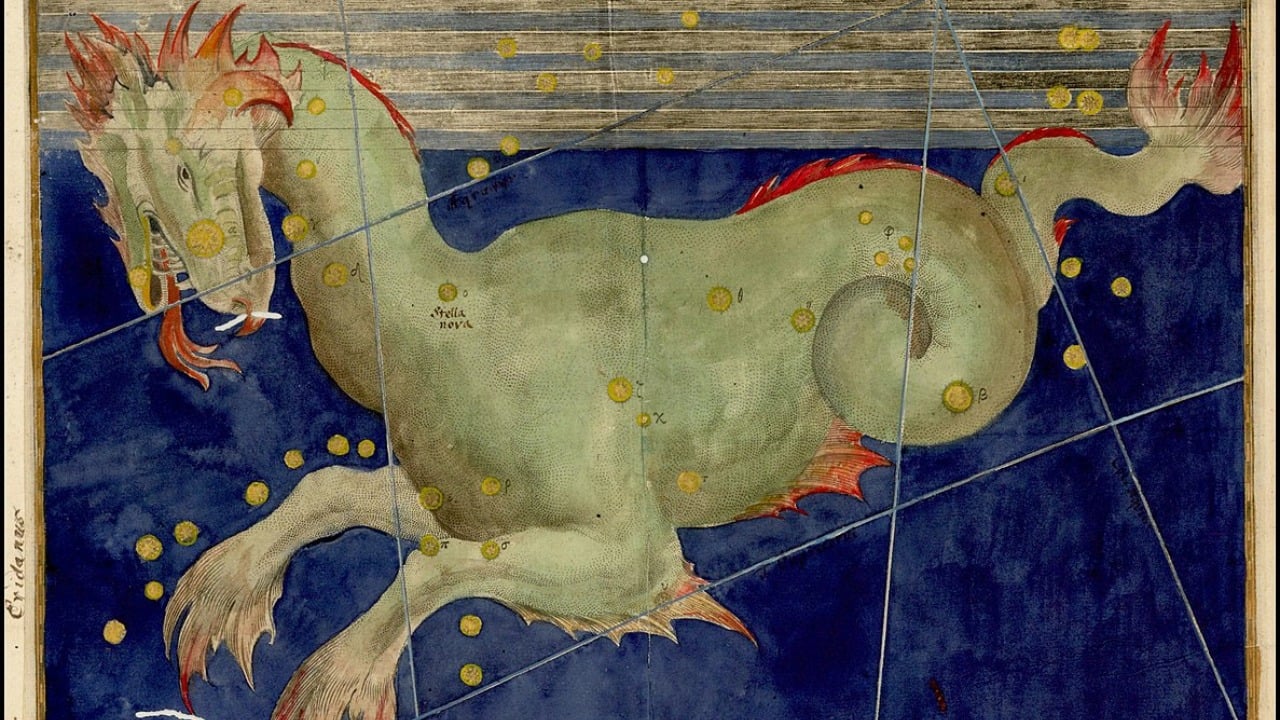
sea monster
Alexander the Great is said to have encountered sea monsters during his campaigns. Credit: Johann Bayer / Public domain / Wikimedia Commons

As one of the most famous figures in human history, it comes as little surprise that the life of Alexander the Great is tied to several legends of mythic proportions, of which several concern the conqueror’s encounters with sea monsters.

Alexander’s armies traversed much of the known ancient world, leaving their native Macedon far behind them. Over the course of their long campaigns, they encountered many strange sights, some of which may have inspired later myths and legends.

At least two historians, from the ancient and medieval periods, described Alexander the Great and his encounters with sea monsters. The first was Diodorus Sciulus, a Greek historian of the 1st century BC and the Arab scholar Ibn Khaldun of the 14th century AD.

The sea creature at the siege of Tyre, 332 BC

In 323 BC, the intrepid Macedonian king laid siege to Tyre, a well-fortified Phoenician city-state on the coast of the Mediterranean. The city was extremely difficult to penetrate because it was located on an island and was defended by high walls that came right up to the sea.

Nevertheless, it was necessary to capture Tyre to deny the Persians access to a strategically important naval base. Thus, Alexander ordered his engineers to prepare artillery pieces and siege works for an assault on the city.

However, whilst this effort was underway, a strange event in which the army of Alexander the Great encountered a sea monster in the waters around Tyre occurred, according to the writings of Diodorus Siculus.

hippocamp
Late 5th century ancient Greek red-figure pottery depicting a hippocamp, a mythical creature with a horse’s body and the tail of a fish. Credit: Metropolitan Museum of Art / CC0, / Wikimedia Commons

“As the Macedonian construction came within range of their missiles, portents were sent by the gods to them in their danger,” wrote Diodorus Siculus.  “Out of the sea, a tidal wave tossed a sea monster of incredible size into the midst of the Macedonian operations.”

“It crashed into the mole but did it no harm, remained resting a portion of its body against it for a long time and then swam off into the sea again,” continued the Greek historian. “This strange event threw both sides into superstition, each imagining that the portent signified that Poseidon would come to their aid, for they were swayed by their own interest in the matter.”

A less fantastical explanation for this incident is possible than a mythical sea monster sent by Poseidon. The creature in question may have been a shark, dolphin, whale, or other entirely normal aquatic inhabitant.

Alexander the Great and the sea monsters of Alexandria

The siege of Tyre was not the only time Alexander is said to have encountered a sea monster. According to the Arab scholar Ibn Khaldun, he saw several mythical aquatic beasts in Egypt.

In fact, Ibn Khaldun claimed that sea monsters initially halted the construction of Alexandria until Alexander devised a way to scare them away from the area.

“Sea monsters prevented Alexander from building Alexandria,” wrote the scholar. “He took a wooden container in which a glass box was inserted, and dived in it to the bottom of the sea. There he drew pictures of the devilish monsters he saw.”

According to Ibn Khaldun, “He then had metal effigies of these animals made and set them up opposite the place where building was going on. When the monsters came out and saw the effigies, they fled. Alexander was thus able to complete the building of Alexandria.”

Draco: The Harshest Lawgiver of Ancient Athens

5 June 2026 at 08:11
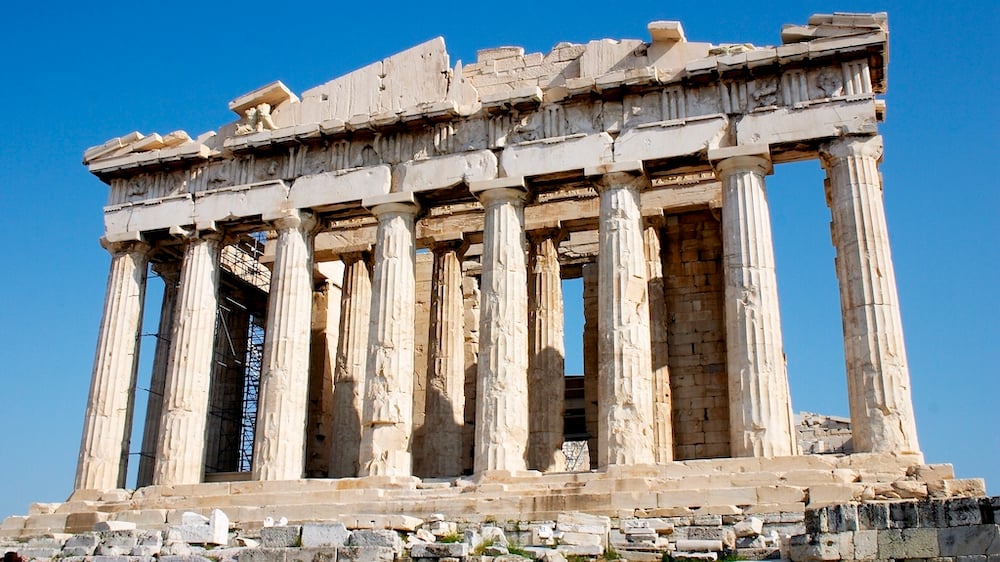
Greece parthenon made by Greeks
The Parthenon of Athens. Credit: Barcex/Wikimedia Commons/ CC BY-SA 3.0

Ancient Athens is renowned to this day as the birthplace of democracy and cradle of philosophical debate, but few know the story of the city state’s harshest lawgiver.

Draco, also spelled Drako or Drakon, was Athens’ first recorded democratic legislator. Draco was called upon by his fellow Athenian citizens to establish a comprehensive legal code for the city.

Many Athenians were surprised by the harshness of the laws introduced by Draco and baulked at the Draconian constitution that bore his name. Nevertheless, the Draconian constitution introduced several important innovations, namely the transition from oral laws to written laws.

Who was Draco?

Draco was an Athenian aristocrat born sometime during the 7th century BC. Despite his importance to the city’s history, Draco’s biographical details remain incredibly sketchy and little is known about his life beyond the laws that he imposed.

Indeed, as the historian Chis Carey points out in an academic paper published in The Cambridge Classical Journal, “Already for Greeks of the Classical period, Drakon was a shadowy figure. We get no patronymic, no biography; he simply emerges fully formed as a legislator.”

“He may be wholly or in part a fiction,” Carey continues. Crucially, however, Carey sees no reason to dispute the dates given by the ancient Athenians for the introduction of Draco’s laws between 624 and 620 BC.

So, whether or not Draco was a real individual, or perhaps a mythologized stand-in for a specific Athenian lawgiver or collective of legislators, the Draconian institution itself was introduced in the 7th century BC as recorded by the Athenians in the view of modern historians.

Draco’s new Athenian laws

Draco’s most important contribution as a legislator was the introduction of Athens’ first written constitution, the so-called “Draconian Constitution”.

This was an important legislative and legal innovation because the laws had previously been recorded orally. This meant that there was far too much room to arbitrarily interpret or apply the laws. A written system meant that the law was much fairer and more universally interpreted.

So that everyone would be made aware of the new laws – or at the very least, those who were literate – the laws were made visible in the city on wooden tablets called axones. These were presented on rotatable four-sided pyramids called kyrbeis.

One of Draco’s chief aims as a legislator was to bring an end to the blood feuds plaguing the city. He introduced laws that differentiated between homicides and accidental killings and specified punishments for each crime. The translations below provide some perspective:

  • “He who kills another Athenian, without a purpose or by accident, should be banished from Athens forever. If the killer apologizes to the family of the murdered man and the family accepts the apology, then the murderer may stay in Athens.”
  • “A relative of a murder victim, can hunt and take into custody the murderer and thus hand him to the authorities where he will be judged. If a relative kills the murderer he will not be allowed to enter the Athenian Forum (agora), or participate in competitions or set foot into sacred places…”

Athens’ harshest lawgiver?

As a lawgiver Draco was innovative and his changes made the legal system in Athens clearer and more consistent. However, his laws were also deemed to be excessively harsh and were subsequently repealed by Solon in the early 6th century BC.

Severe punishments were often dealt out for relatively minor crimes. For example, a thief might be sentenced to death for stealing a cabbage.

The lawgiver and his code also attracted infamy for its bias in favor of the elite over commoners in Athens. For instance, a debtor unable to honor his debts to a higher-class creditor could be sold into slavery, whereas punishments for higher-status individuals indebted to lower-status creditors were more lenient.

The English word “draconian”, meaning “excessively harsh” or “very severe” is derived from the Draconian Constitution, which is remembered for its severity.

❌