
 Login
Login
Mystery of Botticelli’s Venus May Be Solved After 500 Years
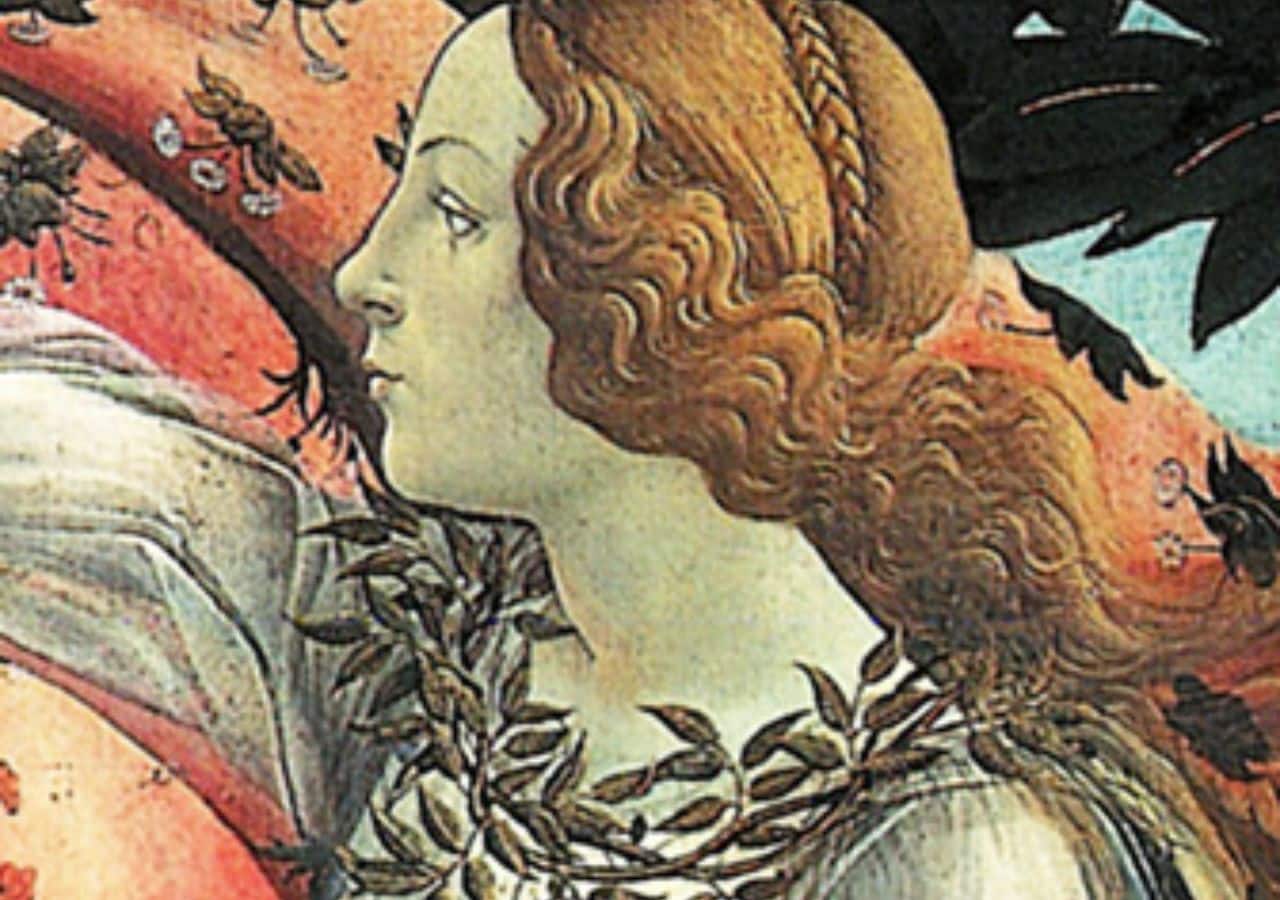
The woman whose face inspired Sandro Botticelli’s “Birth of Venus” may have died of a tumor that grew inside her skull, a new study suggests. Simonetta Vespucci was only 23 when she died in 1476, and historians have puzzled over the cause for more than 500 years. Researchers now say a tumor on her pituitary gland likely ruptured and brought on her sudden death.
The study was led by Domiziana Nardelli of the Department of Endocrinology and Diabetes at Università Campus Bio-Medico in Rome. It was published in the journal Endocrinology, Diabetes & Metabolism.
The work builds on earlier research from 2019, when the same team first proposed that Vespucci suffered from a pituitary adenoma, a noncancerous growth on the small gland at the base of the brain.
How Botticelli’s muse died from a hidden tumor
Vespucci was born in Liguria in 1453. She later married into the wealthy Vespucci banking family and became a celebrated figure in Florence under the rule of the Medici family. Botticelli saw her as his muse, and her likeness appears in several of his paintings, including the famous Venus.
One of those works, the Allegorical Portrait of a Woman, shows milk flowing from her breast, even though she never had children. Her husband remarried after her death and went on to have nine children, which suggests he was not the reason for her childlessness.
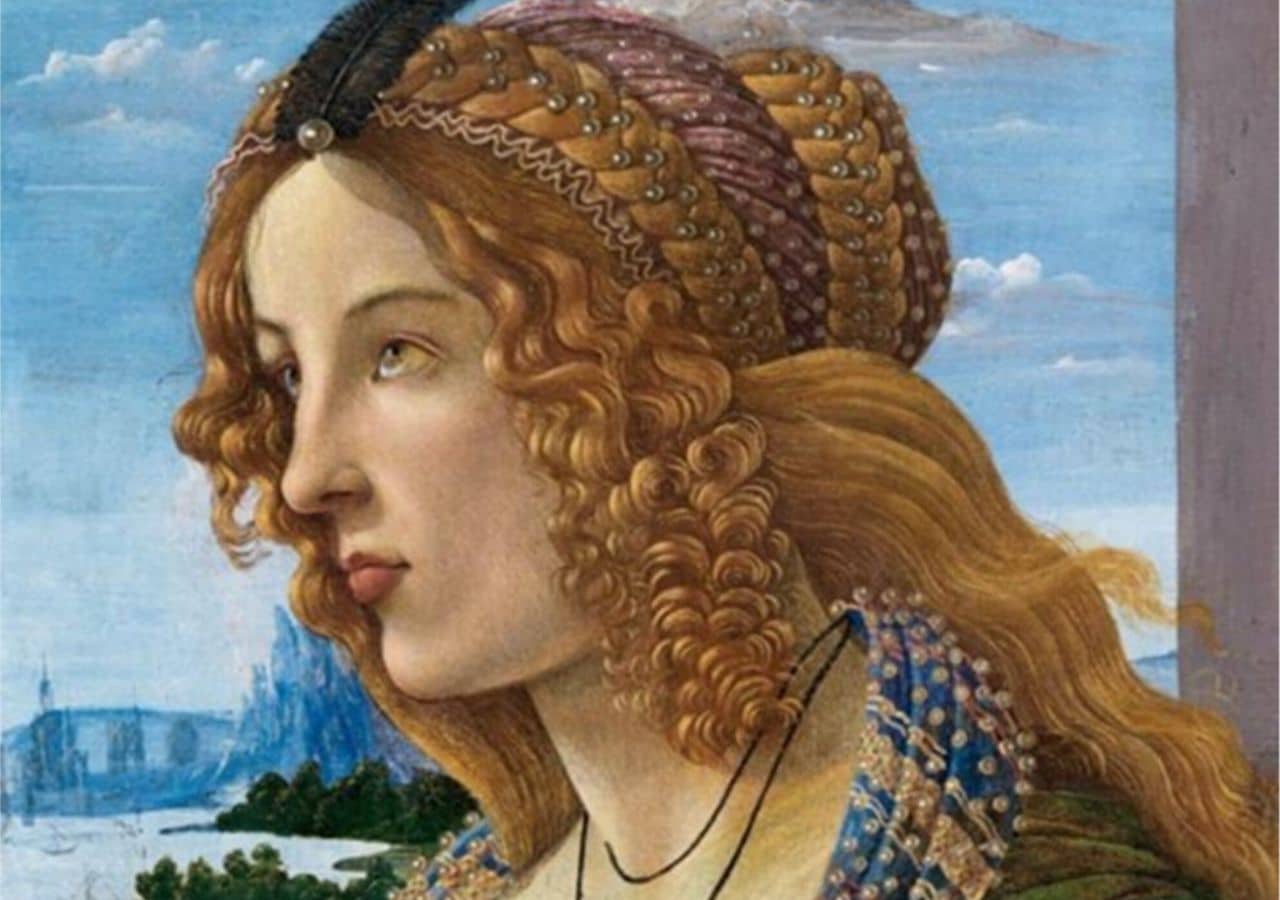
Researchers say this detail points to a hormone problem. A facial analysis of five Botticelli portraits also found gradual changes in her features over time, matching the pattern seen in tumors that release extra hormones such as prolactin and growth hormone.
Inside her final days and the doctors’ dispute
Letters exchanged between the Medici and Vespucci families describe her final days. She suffered heavy nosebleeds, headaches, confusion, and high fevers, and at times she seemed to hallucinate.
Two physicians who treated her disagreed on what was wrong. One blamed her living conditions. The other believed she had tuberculosis and gave her medicine for it, which did nothing.
Researchers say her symptoms match a condition known as pituitary tumor apoplexy, in which a tumor suddenly bleeds or loses its blood supply and damages the surrounding tissue. They point to two possible triggers.
The first is the physical strain of the fast, jumping dances performed at Renaissance court balls. The second is a possible violent encounter with Alfonso II of Aragon, a nobleman known for his cruelty, who reportedly crossed paths with her along the Arno River.
Death, burial, and Botticelli’s lasting devotion
Vespucci died in April 1476 and was buried in the Church of Ognissanti in Florence. More than five centuries after he painted her, the study suggests Botticelli’s muse died from a tumor that went undetected in her lifetime.
Botticelli remained devoted to her memory, and when he died in 1510, he asked to be buried at her feet.
