Login
Login




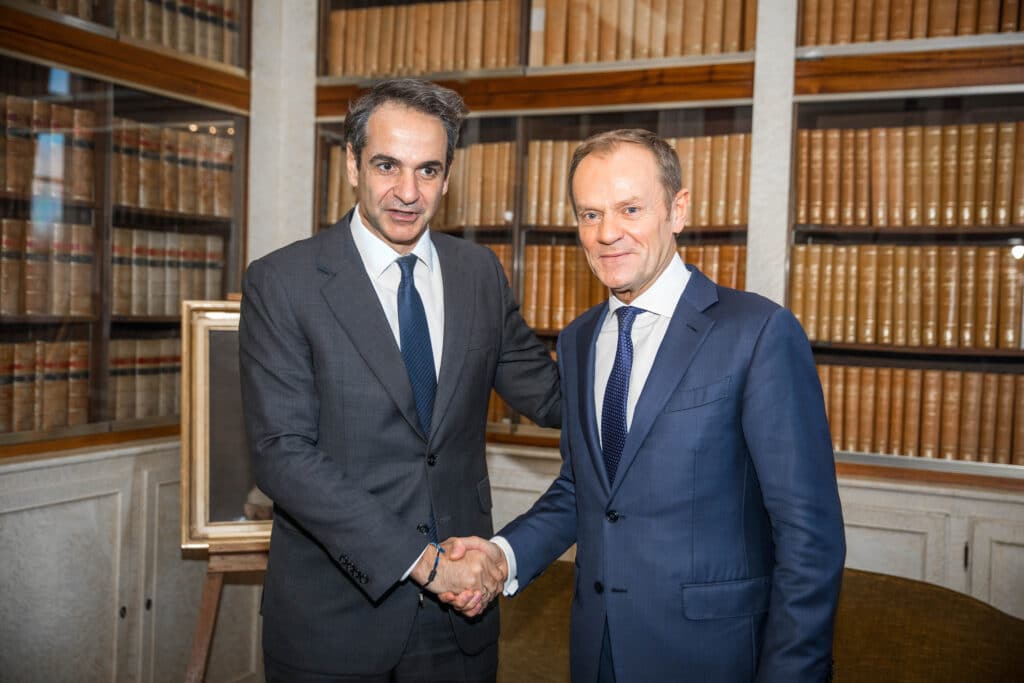
The Greek community in Poland is now officially recognized as a national minority, following the signing of a legislative amendment by the President of Poland, Karol Nawrocki.
According to an announcement by the Embassy of Greece in Warsaw, the process of amending the law concerning national and ethnic minorities and regional languages was completed, with the result being that the Greek community is now officially included in the recognized national minorities of Poland.
There are currently 3,600 – 4,000 Greeks living in Poland, according to Greece’s Ministry of Foreign Affairs. The Greek presence being in the country since the Middle Ages. The new demographic development makes Greeks the tenth recognized national minority in Poland and creates a new institutional framework for the operation and development of Greek communities.
Under the provisions of the 2005 Act in Article 2(1), a community can be recognized as a national minority in Poland after fulfilling all the following conditions:
1) It is smaller in number than the rest of the population of the Republic of Poland
2) Is significantly different from other citizens in terms of language, culture or tradition
3) Strives to preserve its language, culture or tradition
4) Is aware of its own historical national community and is oriented towards its expression and protection
5) Its ancestors have inhabited the present territory of the Republic of Poland for at least 100 years
6) identifes itself with the nation organized in its own state (Polish Parliament, 2005)
The Greek community in Poland meets all the criteria and so is now an official national minority.
With the implementation of the new law, Greek associations and organizations gain access to state funding programs through the Ministry of the Interior and Administration of Poland. At the same time, support is provided for cultural activities and structures, such as libraries, museums, cultural centers, festivals and media related to the Greek presence in the country.
Particular emphasis is also given to education. The Polish public education system will be able to organize programs teaching the Greek language, history and culture for students of Greek origin.
The new framework also provides for the possibility of using traditional Greek script in the personal details of community members in official documents, where this is permitted by law.
Recognition as a national minority is also accompanied by special political provisions. These include the exemption of the electoral committees of the Greek community from the 5 percent electoral threshold in the elections for the Polish Parliament (Sejm), as is the case for other recognized minorities.
In a statement, the Embassy of Greece in Warsaw thanked the Polish institutions for the decision, making special reference to the Lower House, the Senate and the President of the Republic.
At the same time, it underlined the contribution of the Greek community itself and the diaspora, noting that after many years of efforts of Greeks, its members contributed to achieving recognition.
The legislative amendment is expected to go into effect six months after its publication in the Polish Government Gazette.
Washington, 13 jun (Prensa Latina) Los Medias Blancas de Chicago enfrentarán hoy a los Dodgers de Los Ángeles con la meta de conservar la primera posición en la división Central de la Liga Americana en el béisbol de Estados Unidos.
The post Medias Blancas siguen en las nubes en béisbol de EEUU first appeared on Noticias Prensa Latina.
Funeral procession travels to palace as people remember royal’s campaigning and work for underprivileged
As the sun began to set on the golden spires and gilded finials of Bangkok’s Grand Palace, the gates were open, waiting for the return of a princess.
Since December 2022, Princess Bajrakitiyabha had been in hospital, having collapsed while out training her dogs. After nearly four years in a coma, the princess died earlier this week.
Continue reading...
© Photograph: Adryel Talamantes/ZUMA Press Wire/Shutterstock

© Photograph: Adryel Talamantes/ZUMA Press Wire/Shutterstock

© Photograph: Adryel Talamantes/ZUMA Press Wire/Shutterstock
The country is ready to blow away decades of dashed hopes and celebrate, with marching bands and all-night parties
Scotland is leaning into one of its most treasured traditions: embracing the hope and anxiety of a football World Cup, with a healthy dose of self-deprecating style.
There are brash new tartans, an Edinburgh bar offering free Irn-Bru-infused “fiery ginger” beers for patrons with red hair, a collaboration between Scottish whisky firms and a Brazilian distiller, and all-night parties in nightclubs repurposed as fanzones.
Continue reading...
© Photograph: Martin Rickett/PA

© Photograph: Martin Rickett/PA

© Photograph: Martin Rickett/PA
Exclusive: Research in England shows people a third less likely to reoffend under decriminalisation-style schemes
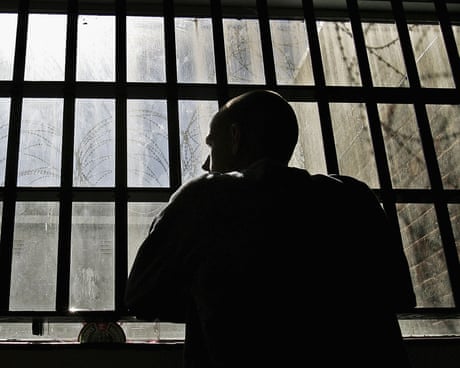
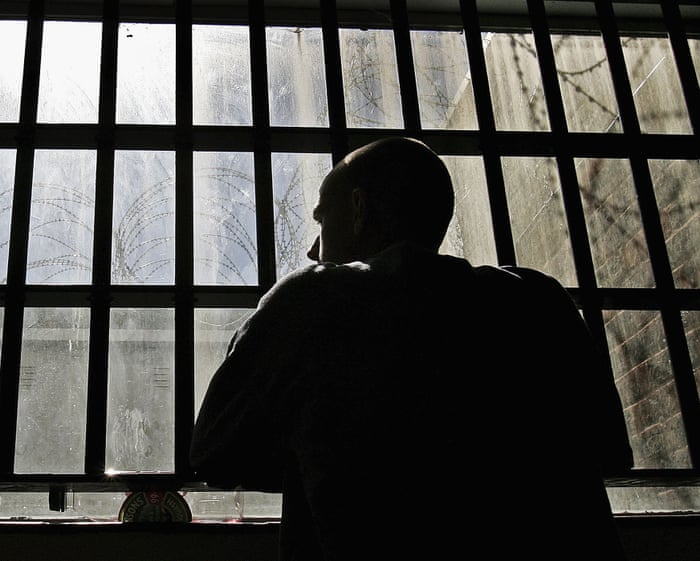
Drug diversion schemes led by police that steer people away from the criminal justice system and into treatment and education services are significantly more effective in reducing reoffending than prosecution, according to a new analysis.
Researchers examined outcomes across 13 English police forces and more than 62,000 criminal incidents over the past four years, finding that people whose cases were dealt with through decriminalisation-style diversion schemes were a third less likely to reoffend than similar individuals prosecuted for drug possession.
Continue reading...
© Photograph: Peter Macdiarmid/Getty Images
© Photograph: Peter Macdiarmid/Getty Images
© Photograph: Peter Macdiarmid/Getty Images