Reading view

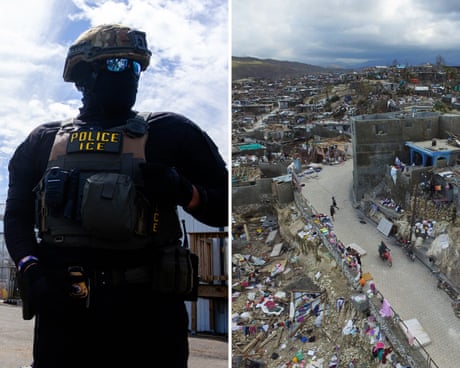
Trump targeting immigrants from countries hit most by climate shocks

A Guardian analysis reveals how most of 39 countries facing US entry restrictions are most vulnerable environmentally

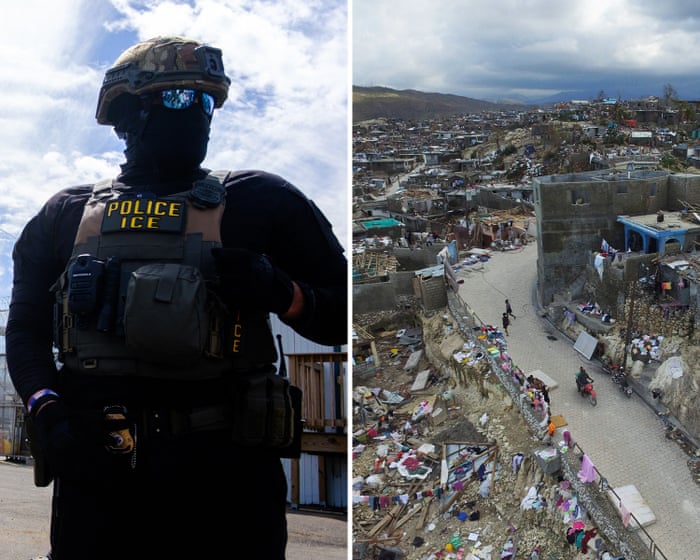
Donald Trump’s immigration crackdown is largely targeting people from the countries most vulnerable to displacement from climate-driven disasters, a Guardian analysis shows.

As the Trump administration pushes policies to boost planet-heating fossil fuels, millions of people are being forced to flee their homelands due to storms, floods and droughts worsened by the climate crisis.

Continue reading...

© Composite: The Guardian, AFP via Getty Images
© Composite: The Guardian, AFP via Getty Images
© Composite: The Guardian, AFP via Getty Images
  •  

Concerns over US company’s gas fracking plan for world’s most intact tropical savanna in WA revealed

Federal environment department says Black Mountain Energy has provided insufficient data as it seeks to drill 20 gas wells in the Kimberley region

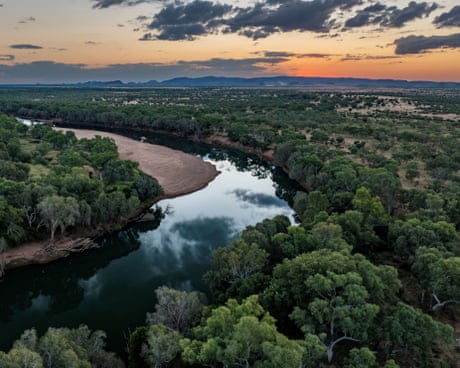
The federal government has repeatedly raised concerns about an American company’s bid to frack for gas in Western Australia’s Kimberley region, part of the world’s largest and most intact tropical savanna.

Texas-based Black Mountain Energy, through its subsidiary Bennett Resources, is seeking federal approval to drill 20 gas wells for its Valhalla project west of Fitzroy Crossing.

Continue reading...

© Photograph: Alex Westover/Environs Kimberley

© Photograph: Alex Westover/Environs Kimberley

© Photograph: Alex Westover/Environs Kimberley

  •  

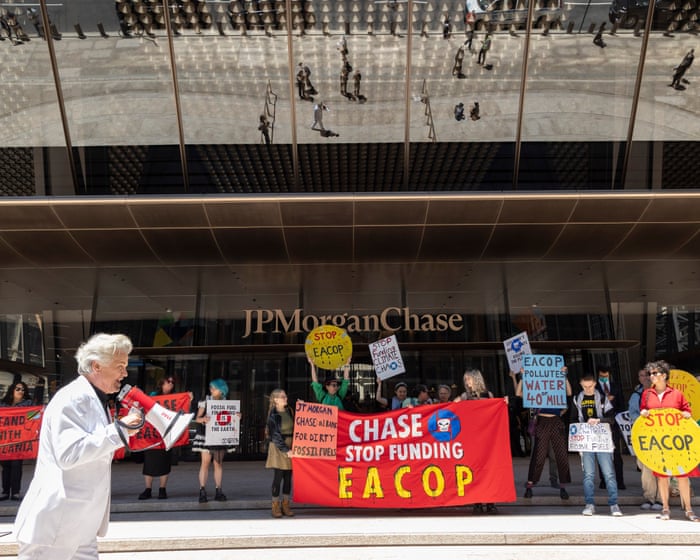
World’s largest banks pledged $906bn to fossil fuel companies in ‘unfathomable’ increase in 2025, report finds

JPMorgan Chase leads 65 banks making decisions incompatible with restraining rising temperatures, researchers say

The world’s largest banks committed $906bn in financing to the fossil fuel industry last year, an “unfathomable” increase in investment locking in years more of coal, oil and gas production as the world continues to overheat, a new report has found.

The surge in new fossil fuel lending, up $64bn or nearly 8% on 2024, shows that the world’s largest 65 banks are making decisions incompatible with international agreements to restrain rising global temperatures, according to the coalition of environmental groups behind the new analysis.

Continue reading...

© Photograph: Gina M Randazzo/ZUMA Press Wire/Shutterstock

© Photograph: Gina M Randazzo/ZUMA Press Wire/Shutterstock

© Photograph: Gina M Randazzo/ZUMA Press Wire/Shutterstock

  •  
❌