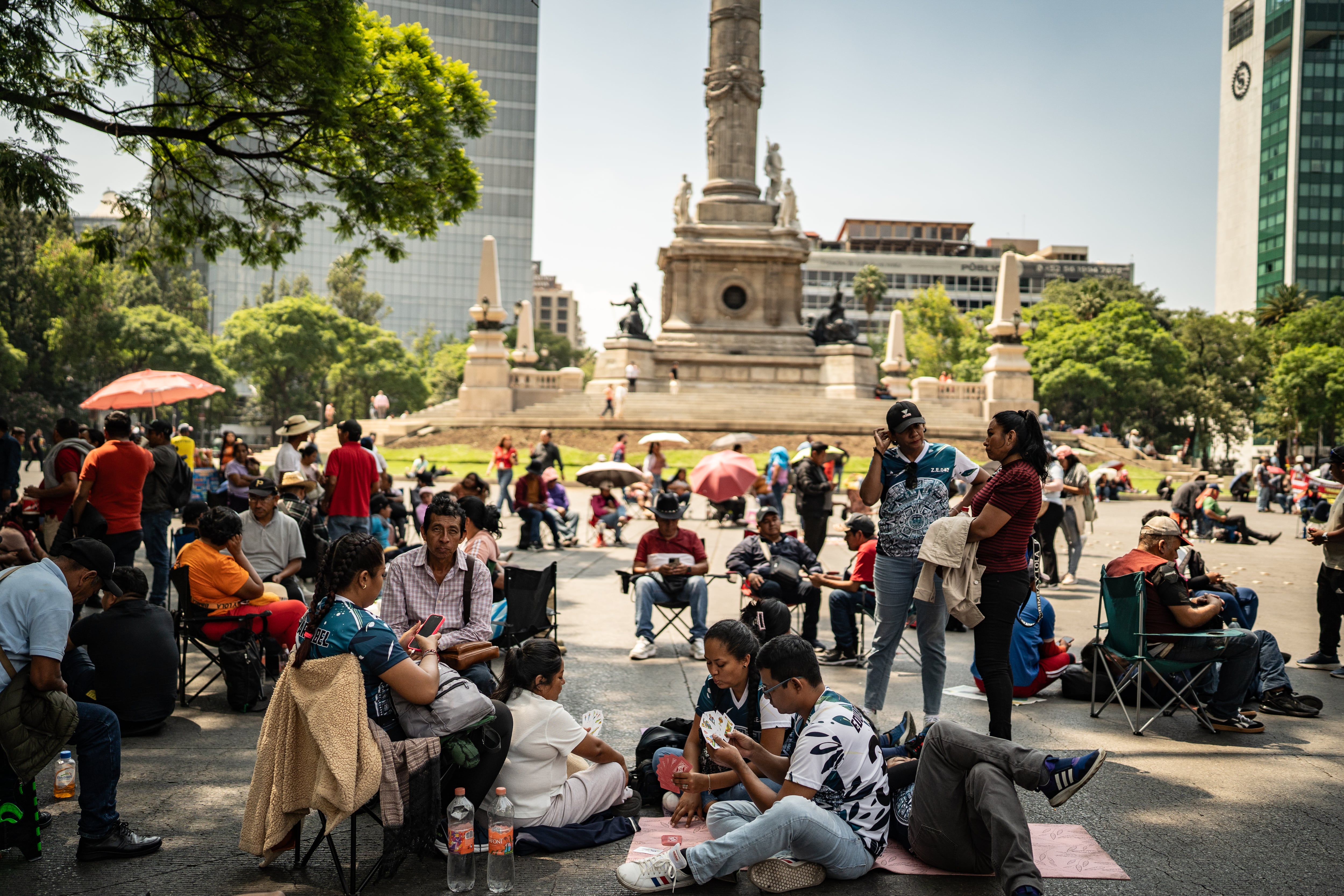
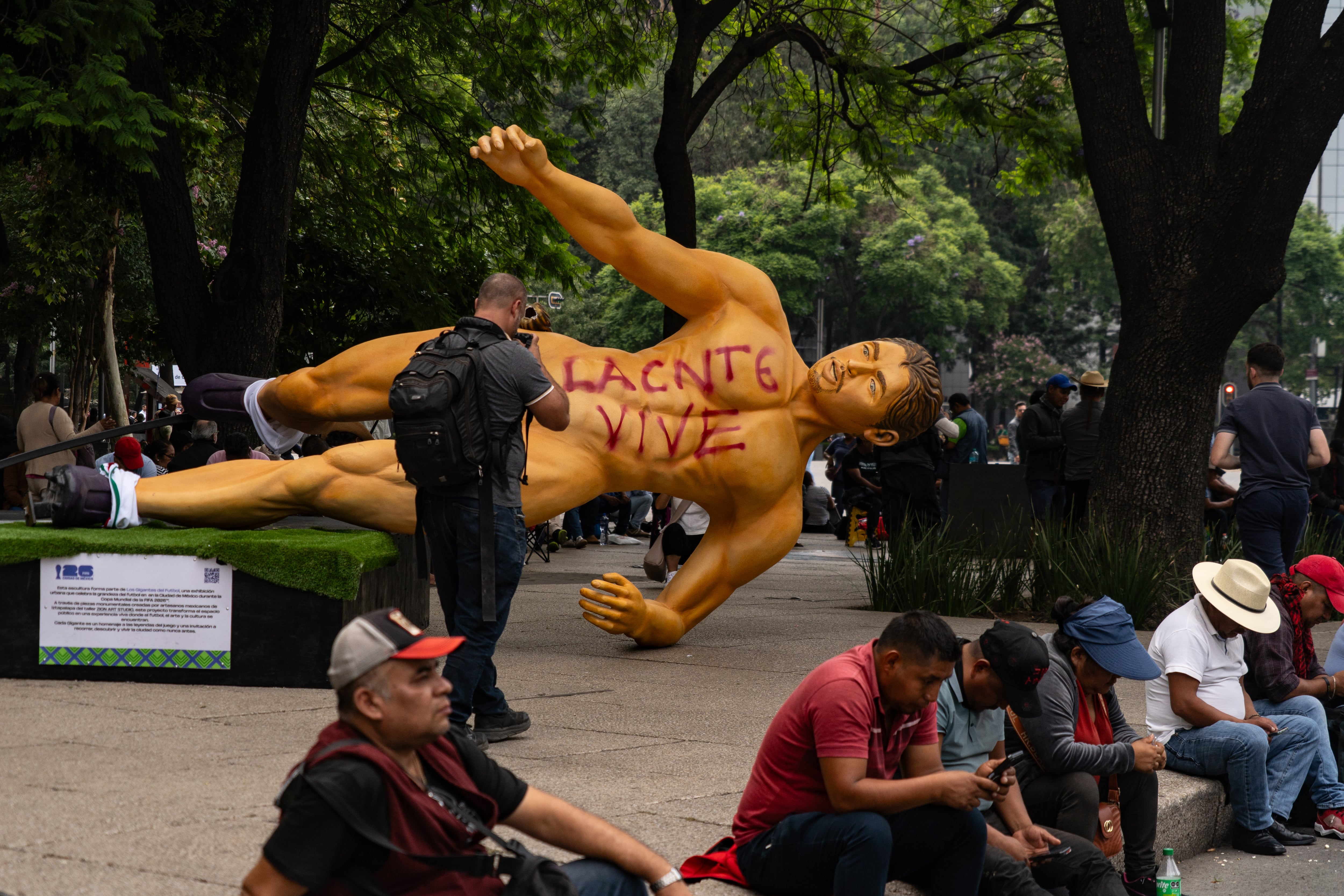
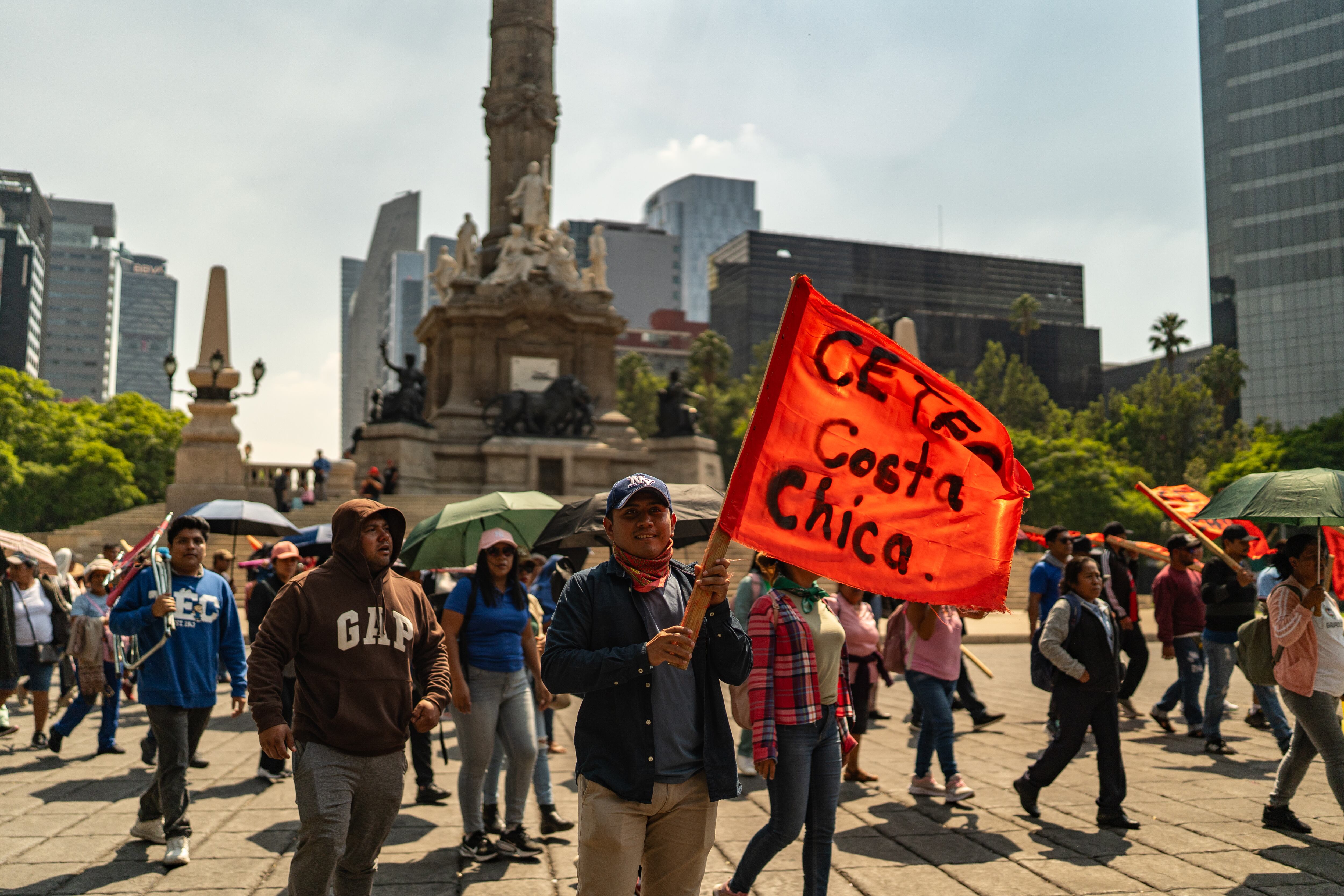
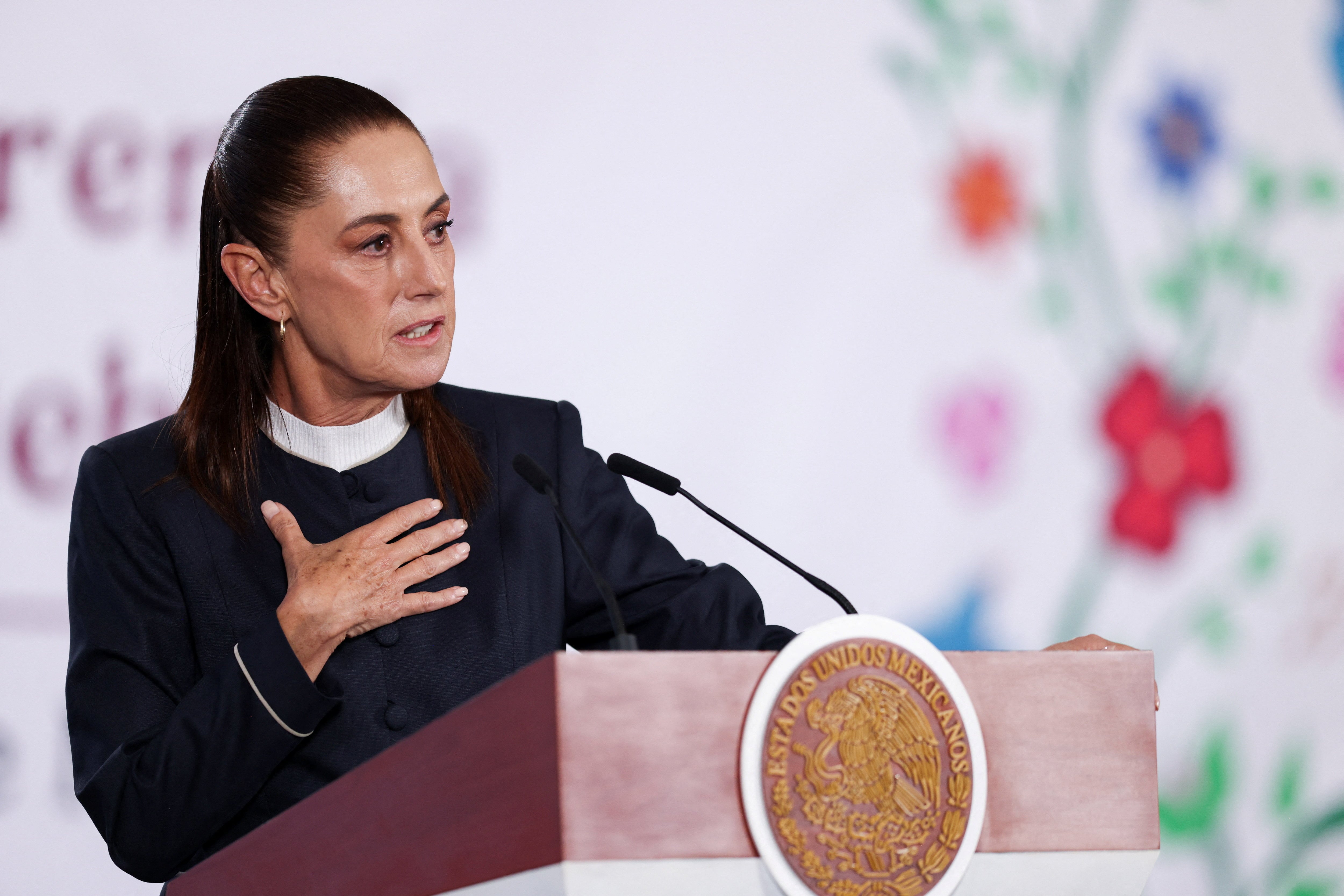
Teachers in Mexico have launched a nationwide strike that is bringing mounting pressure on President Claudia Sheinbaum’s government ahead of the start of the soccer World Cup.
On Tuesday, the CNTE’s Single National Negotiating Commission attended a roundtable discussion with federal authorities at the Ministry of the Interior.
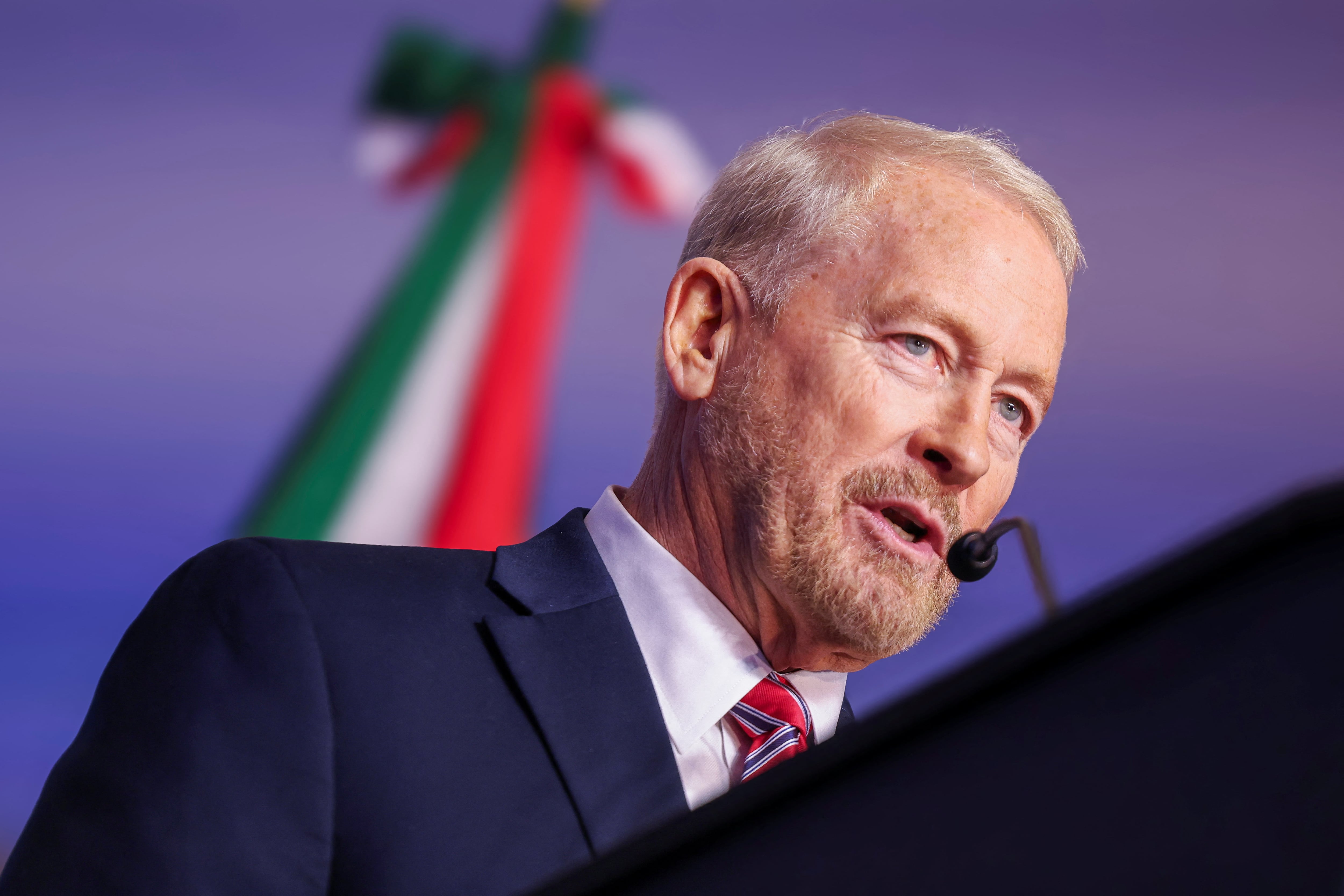
The Mexican government’s campaign against foreign interference has reached U.S. Ambassador to Mexico Ronald Johnson. The U.S. representative this week clashed with President Claudia Sheinbaum after her Sunday speech, in which she protested U.S. interference in Mexico’s internal politics. Johnson, a former Green Beret appointed by Donald Trump to press for action against the drug cartels, replied with a social media post that the Mexican leader acknowledged almost immediately: “Ambassadors must be respectful of countries’ internal political affairs.”
Mexico’s president, Claudia Sheinbaum, is going through her most delicate moment just as she reaches a year and a half in office. Faced with multiple open fronts, the president is showing signs of wear, with a seven-point drop in approval since last March. It is the steepest fall so far in her term, although approval ratings remain high at 68%, according to an Enkoll poll conducted for EL PAÍS and W Radio. To the crisis triggered by the indictment of the governor of Sinaloa, along with nine other senior officials accused by a New York prosecutor of collaborating with drug traffickers, is added a worrying economic weakness that threatens the viability of social policies—a flagship of the leftist Morena government. Insecurity, corruption and the economy are the president’s main shortcomings and the principal concern of Mexicans, with rates slightly up since the last poll in early March.

 Login
Login