Reading view

Critics say Trump’s opening of public lands to off-road vehicles is ‘reckless and nonsensical’

Move is part of broad effort to open public lands to industry and other uses, threatening wildlife and ecosystems

The Trump administration is executing a controversial plan to allow dirt bikes, ATVs, trucks, snowmobiles and other off-road vehicles to drive through tens of millions of acres of public lands and national parks, which environmental groups warn threatens endangered species and the environment.

The plan’s opponents say the impacts will be wide-ranging and that the vehicles will likely destroy sensitive habitats, harm waterways, drive large predators like grizzly bears into contact with humans, and otherwise damage pristine public lands and parks.

Continue reading...

© Photograph: Patrick Gorski/NurPhoto via Getty Images

© Photograph: Patrick Gorski/NurPhoto via Getty Images

© Photograph: Patrick Gorski/NurPhoto via Getty Images


  •  

State bans on Pfas reduce ‘forever chemicals’ in clothing and textiles, US report finds

About 80% of 115 products tested show levels of Pfas that comply with rules – but some firms still exceeding limits

State laws banning Pfas in clothing and textiles have significantly reduced the amount of toxic “forever chemicals” used in the products, which public health advocates say marks a major public health win and underscores the value in protective policy.

However, some companies appear to have ignored the laws as their products still contain high levels of Pfas.

Continue reading...

© Photograph: Bloomberg/Getty Images

© Photograph: Bloomberg/Getty Images

© Photograph: Bloomberg/Getty Images

  •  

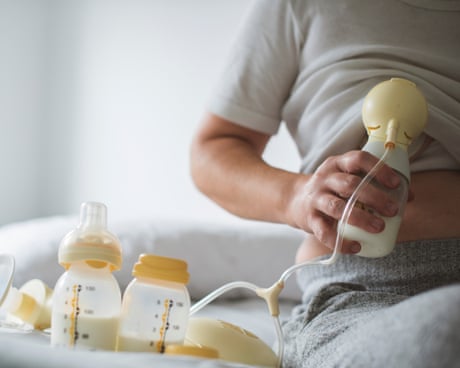
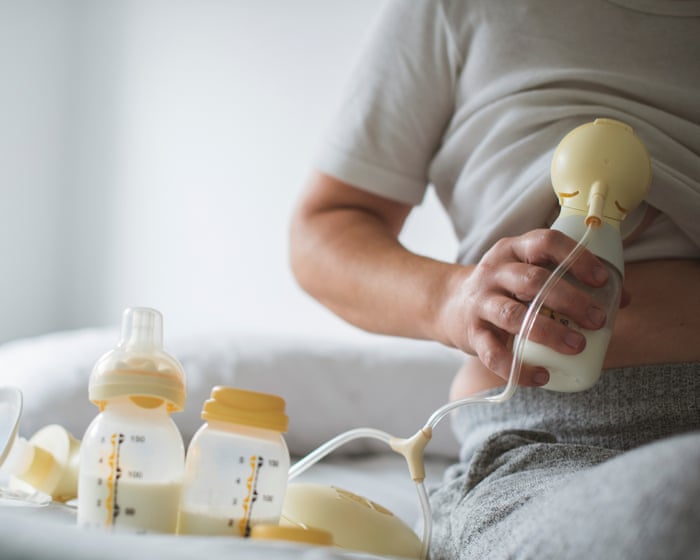
Dangerous hormone-disrupting chemicals found in US breast milk samples

Study of mothers in Seattle underscores ‘widespread, systemic problem’ of chemical contamination, experts say

Breast milk samples from mothers in Seattle contain alarming levels of dangerous hormone-disrupting chemicals, including BPA, BPS, melamine, cyanuric acid, and triclosan, new peer-reviewed research has found.

The chemicals present a serious risk to infants because they likely interfere with hormones that are critical to newborns’ proper development, and have been found to be harmful at very low levels of exposure. About 92% of 50 samples were contaminated with at least one of the anti-microbials or plasticizers for which researchers checked.

Continue reading...

© Photograph: Emilija Manevska/Getty Images

© Photograph: Emilija Manevska/Getty Images

© Photograph: Emilija Manevska/Getty Images

  •  
❌